Imagine a crowd of eager wine lovers surging towards one booth as word spreads of a rare vintage being uncorked. In an instant, your carefully curated wine festival could devolve into a first-come, first-served frenzy. Scarcity of coveted “library release” bottles – older vintages or limited editions saved by wineries – can create excitement, but without a plan it also breeds chaos and unfairness. Every festival producer, from Napa Valley to Bordeaux to Sydney, eventually faces the question: How do you give everyone a fair taste of the rare stuff?
Handling scarcity at a wine festival isn’t just about portioning out sips; it’s about protecting the guest experience, the winery’s reputation, and event safety. Seasoned festival organizers have developed a toolkit of strategies to manage high-demand wines so that enthusiasm doesn’t turn into disorder. This article shares hard-earned wisdom on structuring reserve pours, using tasting tokens or wristband punches, and hosting micro-seminars – all practical methods to ensure fairness when bottles are few.
By implementing these approaches, a festival producer can turn the challenge of scarcity into an opportunity: an opportunity to create memorable, exclusive experiences without alienating attendees or overwhelming staff. This article explores how to implement smart strategies so that every guest leaves with both stories to tell and a taste in their glass.
The Challenge of Scarcity: Rare Wines in High Demand
Library wines (older vintages or special reserves kept back by wineries) and other limited-release bottles can be the stars of a wine festival. They offer seasoned connoisseurs a chance to taste history and novices a sip of something truly unique. However, by their nature these wines are in short supply. A single 750ml bottle yields roughly 15 tasting pours of 50ml each – meaning only 15 lucky people get to sample that wine per bottle. If a festival has a crowd of 500 and only a few bottles of a much-anticipated vintage, competition to snag a pour will be fierce.
Go Cashless With RFID Technology
Enable contactless payments, faster entry, and real-time spending analytics with RFID wristbands and NFC-enabled ticketing for your events.
Without a system in place, this can lead to guests sprinting across the venue at rumors of a rare pour, long queues forming at one booth, and disappointed attendees who miss out. Such first-come chaos not only frustrates wine lovers, but it reflects poorly on the festival’s organization. Fairness and access are essential: every attendee should feel they had a fair shot at the special wines, no matter their status or timing. Moreover, wineries offering these treasures want to ensure their product is showcased under the best conditions – not gulped down in a stressful rush at a crowded table.
Successful festival organizers treat scarcity as a logistical challenge that can be solved with planning and creativity. By allocating rare wine opportunities thoughtfully, they maintain an enjoyable atmosphere. The following sections outline several proven methods – from timed releases to token systems – that keep scarcity from spoiling the fun.
Planning a Festival?
Ticket Fairy's festival ticketing platform handles multi-day passes, RFID wristbands, and complex festival operations.
Timed Reserve Pours: Scheduled Releases to Spread Demand
One of the simplest ways to avoid a frenzy is to use scheduled rare wine releases. Instead of putting all limited bottles out at once (which can trigger an immediate rush), festival organizers coordinate timed reserve pours throughout the event. For example, a winery might hold back its special Cabernet until designated pour times – say 1:00 PM, 3:00 PM, and 5:00 PM – releasing a set number of tastes at each interval. This structure means guests who arrive later in the day still have a chance to try something extraordinary, and it prevents any single moment from becoming overwhelmed.
To implement timed pours effectively, communication is key. Publish the schedule of reserve pours in the event program, festival app, or on highly visible signage around the venue. Attendees will appreciate knowing when and where a coveted wine will be available, allowing them to plan without panic. Some festivals even announce rare releases over the sound system (“Attention: Chateau Prestige 1990 will be poured at the Main Tent in 10 minutes”) to ensure fair notice.
Staggering sought-after pours also helps distribute the crowd. If two or three different rare wines are released at different locations around the same time, attendees naturally spread out according to their interests. This prevents massive bottlenecks in one area. Crucially, staff and vendors should be prepared for these moments: assign an extra hand at the booth during the timed release to manage any lining up, and instruct pourers to give modest tasting portions so more people get to participate. When done right, timed reserve pours create a fun “treasure hunt” atmosphere – guests move through the festival excited but orderly, knowing patience will be rewarded.
Tasting Tokens and Wristband Punches: Limiting Portions Fairly
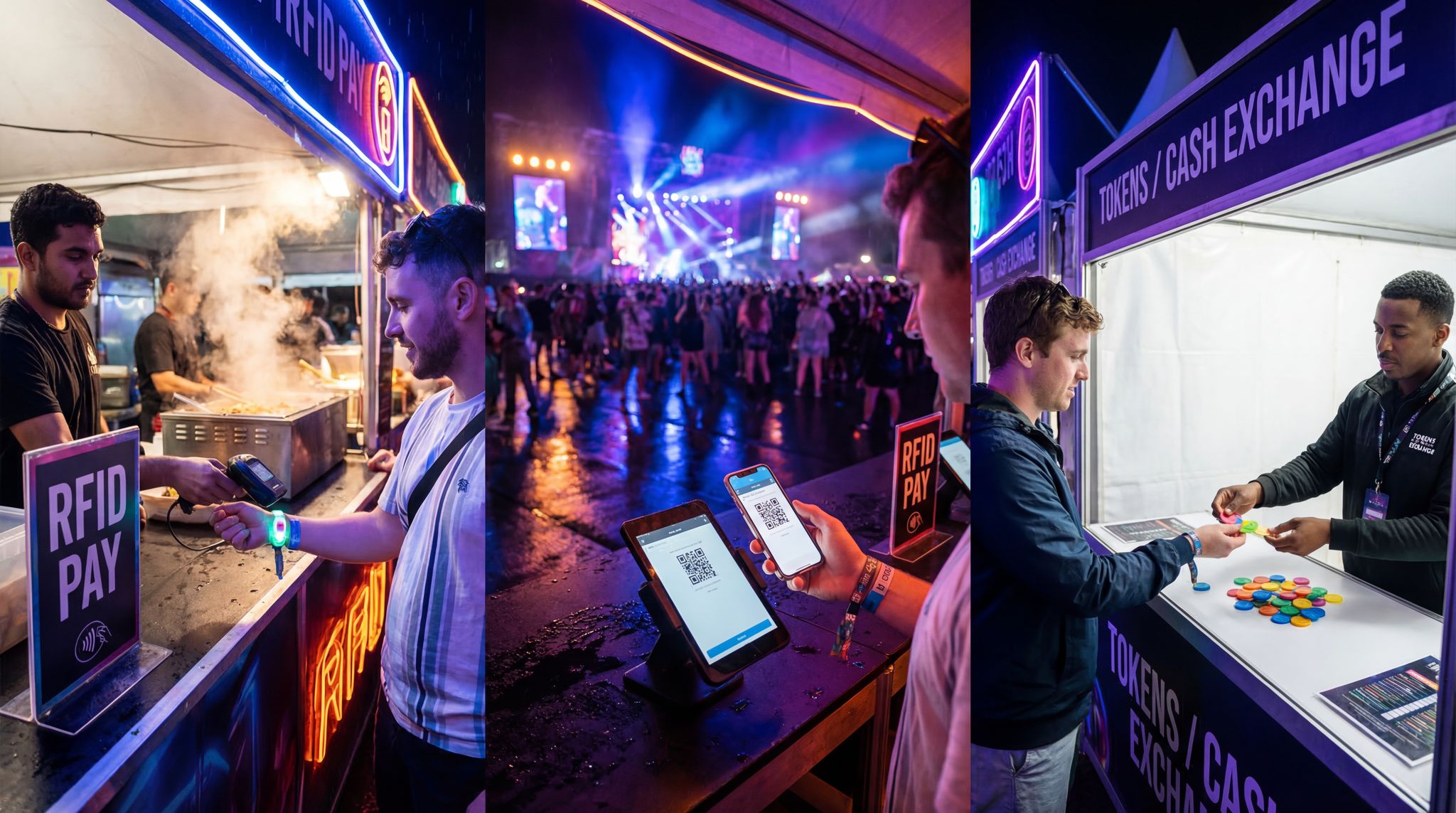
Another effective tool is a tasting token or punch-card system. Upon entry, each attendee is given a set number of tokens (physical or digital) or a wristband with punchable slots representing tasting credits. These tokens can be “spent” on samples, with rare wines costing more tokens or a special designated token. By controlling the currency of pours, you prevent any one person from monopolizing the rare bottles.
Smooth Entry With Mobile Check-In
Scan tickets and manage entry with our mobile check-in app. Supports photo ID verification, real-time capacity tracking, and multi-gate coordination.
For instance, a festival in South Africa introduced a tiered token system where common wines cost 1 token per taste, pricier reserves 2 tokens, and ultra-rare vintages 4 tokens for a small pour. Every guest had an identical allotment of tokens included with admission, leveling the playing field (www.pnpwineandfoodfestival.co.za). If someone truly wants all their tokens to go toward a single high-end taste, that’s their choice – but they won’t be able to consume all of the rare stock because their tokens will run out. Most attendees will sample a mix of regular and special wines, and the token limits ensure dozens of people get to try the rarities, not just a quick-handed few.
Wristband punches work similarly. Staff at a reserve pour station simply punch a marked spot on the guest’s wristband (or scan a QR code for a digital system) to indicate they’ve had that allocated taste. This makes it easy to see who has already received the pour, preventing repeat visits. It’s a low-tech solution that even small festivals can use – a simple paper wristband with three punch circles, for example, could entitle the wearer to three “premium pours” anywhere in the festival.
Need Festival Funding?
Get the capital you need to book headliners, secure venues, and scale your festival production.
The beauty of token and punch systems is their fairness and transparency. Every attendee knows exactly what their tasting budget is. It also promotes a form of responsible tasting: when people have limited credits, they tend to be more selective, truly savoring those special pours rather than grabbing whatever they can. To avoid an overly transactional feel, emphasize that the system is about sharing the love: “With your tasting passport, everyone gets to explore a bit of everything.” Festival-goers worldwide, from California to New Zealand, have embraced token systems as part of the experience – often trading tips on which wines are “worth” the extra tokens, which only heightens the sense of adventure.
Micro-Seminars and Intimate Tastings: Quality Over Quantity
When a wine is extremely scarce or highly coveted, sometimes the best approach is to take it off the general tasting floor and offer it in a more controlled setting. Enter the micro-seminar (or mini masterclass) – a small-group tasting session dedicated to the rare bottle. Instead of pouring a thimbleful at a noisy booth, the rare wine is presented to, say, 10–20 guests in a seated mini-seminar led by a sommelier or the winemaker. Attendees might need to pre-register for these sessions (either for free on a first-come basis or via a lottery or even a paid upgrade), which ensures that only those genuinely interested claim a spot.
This structure turns scarcity into a special experience. Guests who attend a micro-seminar not only get to savor the exclusive wine, but they also gain insight – hearing the story behind the vintage, the winery’s history, and tasting notes in an intimate atmosphere. It transforms a mere “line pour” into an educational highlight of the festival. For the winery, it’s a chance to shine a spotlight on their treasure with an attentive audience, rather than pouring it for a distracted crowd.
Case in point: at the Stellenbosch Wine Festival in South Africa, organizers offered 30-minute tutored tastings with top wineries like Kanonkop and Warwick for small groups (capewinelover.co.za). These sessions, which attendees booked upon arrival, allowed participants to try limited wines in a calm, guided environment. Many major wine events around the world incorporate similar concepts – from VIP tasting lounges in California to ticketed masterclasses at festivals in London or Singapore. The key is that access is structured and fair: whether by reservation or a sign-up sheet, the coveted pour is allocated to a defined group, avoiding any free-for-all scenario.
To make micro-seminars work, planning and communication are vital. Dedicate a quiet corner or tent at your venue for these tastings. Publish the schedule and sign-up method beforehand (and at the event entrance). If using an event platform like Ticket Fairy, you can even have attendees secure micro-seminar spots online in advance as add-ons to their ticket, or use QR codes to verify entry into the session. Keep the group size comfortable – you want it to feel exclusive – and consider a small additional fee if the wine is extraordinarily rare (this can also discourage no-shows. Finally, coordinate with wineries to ensure they send a knowledgeable host or representative for the session; their passion and expertise will elevate the experience for those lucky few.
Planning Ahead: Communication and Fairness Enforcement
Logistics and transparency tie all these tactics together. A festival producer should develop a clear scarcity game plan well before the event:
– Coordinate with wineries to identify which bottles are limited and decide the best method (timed pour, token, seminar) for each. Make sure vendors and staff know the plan for their rare offerings – they shouldn’t un-cork a trophy wine spontaneously without approval, or it could undermine the structured approach.
– Communicate to attendees early and often. In pre-event marketing, highlight if special tastings require sign-up or if a token system will be used – this sets expectations and can even build excitement (“Exclusive Reserve Bar opens hourly!”). On site, use posters, schedules, and announcements to guide people. Clear instructions prevent confusion and help attendees feel the system is fair rather than secretive.
– Train your staff and volunteers on fairness protocols. Those manning the rare-pour stations must enforce one-sample-per-person rules (with a smile) and know when to cut off the line. Equip them with the tools (like hole-punchers for wristbands or a scanning app on a tablet) and the authority to say “sorry, that’s your only taste of this one, let’s make sure others get to enjoy it too.” Many festival workers have witnessed the disappointment of guests who miss out, so remind the team that these measures are about sharing the experience broadly.
– Monitor and adjust during the event. If one method isn’t working – say, a surprise crowd still forms – be prepared to adapt. Perhaps issue additional tokens to those who missed out, or schedule an impromptu extra micro-tasting if possible. Flexibility can save the day if something unexpected happens (for example, if a winery brings an unannounced rare wine, you may quickly assign it a token cost or a small-group tasting slot to handle demand).
By planning ahead and weaving in these communication and enforcement steps, you create a festival environment where scarcity is managed gracefully. Instead of chaos, the atmosphere becomes one of discovery and mutual respect – attendees see that everyone gets a fair opportunity to enjoy the festival’s highlights. The goodwill this generates can pay off immensely: guests leave happy (and likely to return next year), wineries feel their prestige wines were properly respected, and you as the festival organizer reinforce your reputation for delivering an excellent, well-run event.
Frequently Asked Questions
How do timed reserve pours work at wine festivals?
Timed reserve pours involve releasing specific quantities of rare wines at scheduled intervals, such as 1:00 PM and 3:00 PM, rather than all at once. This strategy spreads crowd demand, prevents booth overcrowding, and ensures guests arriving later still have an opportunity to sample limited-edition vintages.
What are library wines in the context of wine festivals?
Library wines are older vintages or special limited-edition reserves kept back by wineries to showcase history and exclusivity. Because a standard bottle yields only about 15 tasting pours, these wines are in short supply and require specific management strategies at festivals to prevent fierce competition and ensure fair access.
How can festivals use tokens to manage limited wine releases?
Festivals use tiered token systems or wristband punches to limit consumption of scarce wines fairly. Attendees receive a set allotment of credits, with rare pours costing more tokens or requiring specific punches. This currency control prevents individuals from monopolizing bottles and encourages guests to savor premium samples responsibly.
What are micro-seminars at wine festivals?
Micro-seminars are intimate, small-group tasting sessions designed for extremely scarce or coveted wines. Instead of pouring for a chaotic crowd, a sommelier or winemaker presents the vintage to 10–20 seated guests. This format transforms a rare pour into an educational experience, often requiring pre-registration to ensure organized access.
Why is it important to manage rare wine scarcity at festivals?
Managing scarcity prevents chaos, protects the guest experience, and ensures fairness when high-demand bottles are in short supply. Without a plan, rare vintages can trigger first-come frenzies and long queues. Strategic allocation protects the winery’s reputation and ensures safety while giving more attendees a chance to taste exclusive wines.
How should festival organizers communicate rare wine releases?
Organizers should publish schedules for reserve pours in event programs, apps, and on visible signage to manage expectations. Announcements over sound systems can also alert attendees to upcoming releases. Clear communication regarding sign-up requirements or token costs ensures transparency, helping guests plan their tasting experience without panic or confusion.