Sunny skies and sizzling temperatures define summer festival season – bringing massive opportunities and unique challenges for festival organizers. Outdoor concerts, cultural fairs, and multi-day music events flourish in summer across the globe. From the iconic mud-drenched fields of Glastonbury to sun-baked desert gatherings in Nevada, summer festivals draw crowds with promise of sunshine, music, and unforgettable moments. Yet with the fun comes extreme heat, unpredictable storms, and logistical hurdles that can make or break an event. Successful summer festivals don’t happen by accident – they’re crafted by producers who anticipate these seasonal challenges and plan every detail.
A heat wave or sudden downpour can derail an unprepared festival. Major events have seen attendance dip and costs soar due to weather: for example, Milwaukee’s world-famous Summerfest saw an 8% drop in turnout during a scorching heat wave, according to reports from Wisconsin Public Radio. The stakes are high, but with the right strategies, summer festivals of any size – from boutique beach parties to 100,000-strong extravaganzas – can beat the heat and deliver safe, memorable experiences. This authoritative guide breaks down proven tactics used by veteran producers to thrive in the summer season. It covers everything from optimal scheduling and weather safety protocols to keeping attendees cool, well-fed, and happy under the sun.
Whether you’re planning a cozy local fair or a massive international festival, these production secrets will help you turn extreme conditions into opportunities. Let’s dive into the keys to summer festival success.
Table of Contents
- Planning & Scheduling for Summer Festivals – Choosing dates, daily programming, and contingency plans
- Health & Safety in Extreme Heat – Hydration, medical readiness, and cooling measures for attendees
- Weather Contingencies and Emergency Plans – Lightning, storms, wildfire smoke, and rain preparedness
- Site Selection and Layout – Shading, terrain (beach, field, waterfront) logistics, and noise considerations
- Attendee Comfort and Amenities – Restrooms, family zones, accessibility, and quiet spaces
- Food, Beverage & Merchandise – Keeping food safe, drinks flowing, and merch appealing in the heat
- Production & Technical Logistics – Stage cooling, sound management, power, lighting, and special effects
- Staff, Crew, and Volunteers – Managing long hot shifts, rotations, and morale under the sun
- Marketing, Sponsorship & Community – Realistic promotions, sponsor activations for comfort, and year-round engagement
- Sustainability and Environmental Responsibility – Water use, waste management, and eco-friendly practices
- Post-Event Egress, Cleanup & Improvement – Smooth exits, site restoration, and heat-focused postmortems
- Essential Reading – Must-read resources on summer festival production
- FAQ – Frequently asked questions about summer festival logistics
- Glossary – Key terms in summer festival production
- Conclusion – Final thoughts on thriving during festival season
Planning & Scheduling for Summer Festivals
Planning is make-or-break for summer festivals. The first critical decision is timing – choose your festival dates and daily schedule with weather in mind. Analyze historical climate data for the region and avoid the absolute hottest weeks of the year. For instance, many U.S. festivals steer clear of late July when heat waves are common, while Caribbean events may avoid peak hurricane season. In desert or tropical areas, scheduling during slightly cooler “shoulder” months or evenings can dramatically improve conditions. Picking the right heat window can decide a festival’s fate, as veteran promoters know . Also consider major holidays: summer holiday weekends (e.g. 4th of July, Easter in some countries, Eid in certain regions) can boost availability but also mean heavier travel and higher resource costs. If using a holiday weekend, coordinate with local authorities on traffic management and transit options.
Turn Fans Into Your Marketing Team
Ticket Fairy's built-in referral rewards system incentivizes attendees to share your event, delivering 15-25% sales boosts and 30x ROI vs paid ads.
Key Stat: In one heatwave year, Milwaukee’s Summerfest – the world’s largest music festival – saw attendance drop 8% due to relentless 90–100°F days, as noted in WPR’s coverage of the event. Scheduling your festival outside extreme heat peaks can help prevent such losses in turnout.
Smart scheduling goes beyond picking a cooler weekend – it also means structuring each festival day to beat the heat. Plan your daily program around the sun. Many seasoned producers start afternoon programming later or schedule lower-intensity activities during midday. For example, workshops, shaded art installations, or water-based attractions can occupy attendees at high noon, while headline performances happen after sunset when temperatures ease. It’s no coincidence that some of the most beloved summer events emphasize vibrant nighttime programming – cooler evenings keep crowds energetic longer and extend on-site spending. Align any fireworks or big finales with darkness, but be mindful of local noise ordinances and residents when running into late nights.
Coordinating egress and transport is another essential part of summer scheduling. Festivals often face notorious traffic jams when everyone leaves at once, especially on holiday weekends. Staggering your finale (for example, ending secondary stages a bit earlier than the main stage) helps distribute departures . Offering late-night shuttles or even ferries is a proven tactic at waterfront events – for instance, some lakefront festivals run dedicated boat transport to alleviate road congestion . Always buffer extra time in the schedule for weather delays; a lightning hold or high-wind pause might push your program back by 30–60 minutes. Communicate clearly to artists and vendors that timing could shift if safety demands it.
Finally, plan financial safeguards for summer’s uncertainties. Weather insurance is a must if your festival is in a storm-prone or wildfire region. Investigate cancellation coverage for events during hurricane season and heat coverage if available . It’s an added cost, but one severe storm warning without insurance could mean a financial catastrophe. Top festivals also develop written weather contingency plans well ahead of time, outlining exactly when to delay, evacuate, or cancel if conditions become unsafe. This level of planning – locking in dates with favorable climate, pacing each day wisely, and preparing for worst-case scenarios – lays the groundwork for a resilient summer festival schedule.
Pro Tip: Schedule your headline acts for after sunset when possible. Moving the biggest performances to 8:00 PM or later not only avoids peak afternoon heat, it also keeps fans on-site into cooler evening hours – boosting food and beverage sales as attendees stay comfortable and energized.
Health & Safety in Extreme Heat
Summer festivals demand heightened health and safety measures, with extreme heat as the number-one concern. High temperatures and intense sun exposure can quickly turn a fun event into a medical emergency if not managed. Producers must assume that many attendees will underestimate the heat, so the festival must compensate with robust hydration, cooling, and medical strategies.
Boost Revenue With Smart Upsells
Sell merchandise, VIP upgrades, parking passes, and add-ons during checkout and via post-purchase emails. Increase average order value by up to 220%.
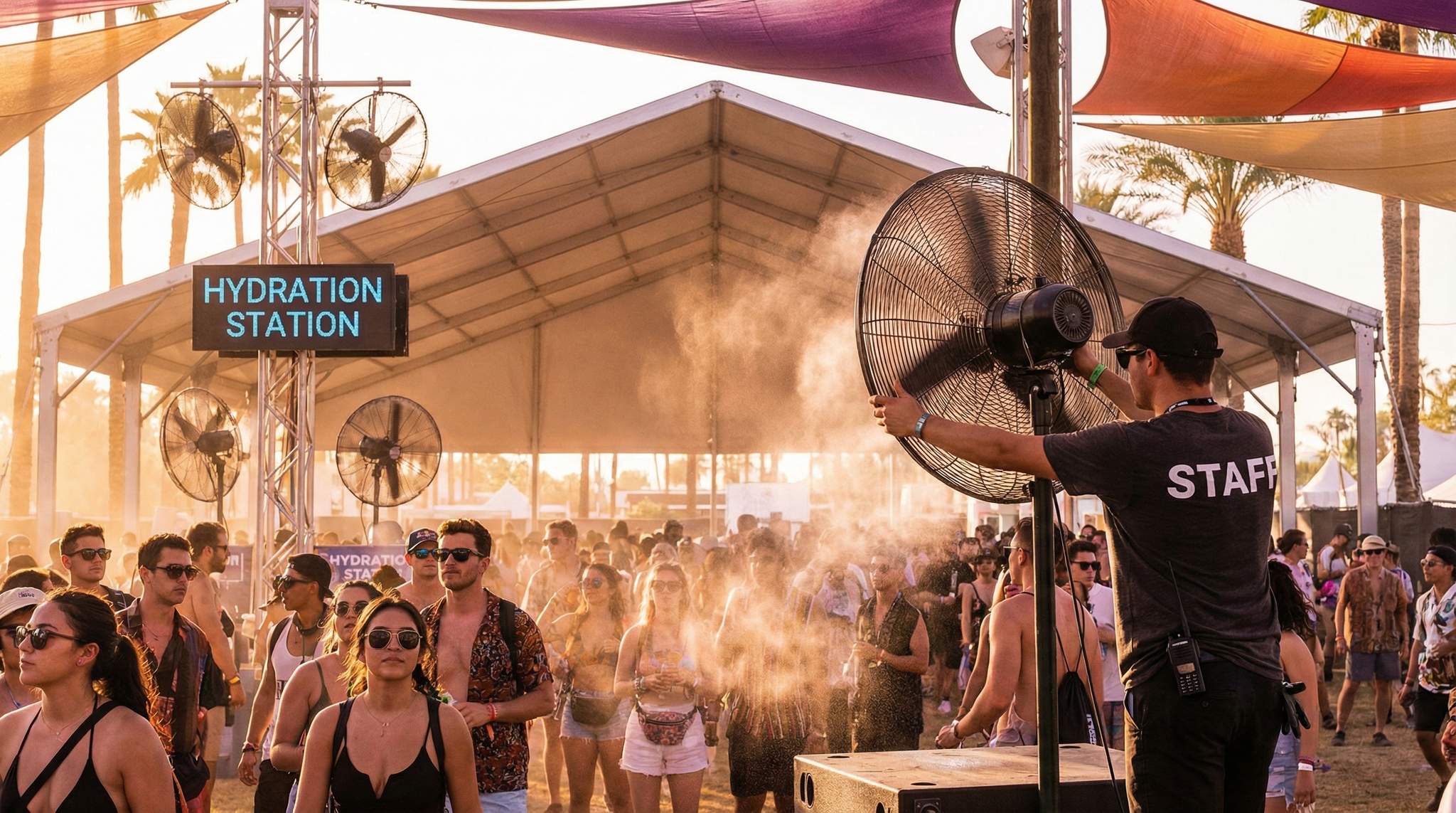
Hydration is paramount. Supply ample free water and clearly marked hydration stations so festival-goers can refill bottles continuously . Ideally, every attendee should have access to water within a short walk from stages and camps. Don’t rely on vendors alone – supplement with large water tanks, refill spigots, or give out water at first aid posts. Plan water needs based on crowd size and weather: for example, a 10,000-person festival on a hot day may require 5,000+ liters of drinking water (at least 0.5 liters per person, and up to 1.5 liters in extreme heat) to maintain proper festival water stewardship. Work with local utilities or water sponsors to ensure supply keeps up with demand.
Key Stat: A 10,000-person festival can consume over 5,000 liters of water per day in high heat, according to festival hydration guidelines – 2–3 times the amount needed on a mild day. Always budget and plan for dramatically higher water usage when temperatures soar.
In addition to hydration, provide cooling mechanisms everywhere. Shaded rest areas, misting tents, and large fans should be integrated throughout the grounds, calculating crew and attendee water needs. Create designated cooling zones where people can take a break – for instance, a covered tent with mist fans and seating every few hundred meters. Many festivals set up “chill out” domes or air-conditioned trailers (even if only by the medical tent) to rescue anyone overheating. Make shade and sunscreen freely available: install shade sails or tents over high-traffic areas like food courts and queue lines, and offer complimentary sunscreen pumps at info booths or entrances. These small amenities prevent countless cases of heat exhaustion and sunburn.
Festival medical teams also need to heat-proof their operations. Increase medical staffing during the hottest part of the day and train all medics and volunteers to recognize early signs of heat stress, such as dizziness or flushed skin . On-site medical protocols should include rapid cooling techniques (cold packs, immersion tubs for severe heatstroke) and clear steps for when to escalate to hospital care. It’s wise to station roaming EMTs or first aid volunteers in the crowd during peak sun hours specifically watching for collapsing or distressed fans. Moreover, coordinate with local emergency services in advance – ensure ambulances are on standby on hot days and nearby hospitals are alerted if a heat wave is forecast during your event.
Crowd communication is another lifesaver. Use stage MC announcements, festival apps, and signage to remind attendees to hydrate, seek shade, and reapply sunscreen. Many events push heat safety alerts via their mobile app or SMS: e.g. a mid-afternoon message saying “Heat Alert – remember to drink water and visit cool-down tents near Stage B.” If you notice rising temperatures or increasing medical calls, proactively alert the crowd. It’s far better to temporarily pause the music for a heat-safety announcement than to quietly watch dozens of fans collapse.
Despite all precautions, be ready for the possibility of extreme outcomes. On rare occasions, festivals have faced life-threatening heat crises. Large concerts in recent years have seen mass faintings and hospitalizations due to heat, highlighting the challenge of keeping fans safe in a warming world. Event organizers must have emergency response protocols – for instance, a plan to stop the show and spray the crowd with fire hoses for cooling, or to open extra exit gates so people can reach cooler areas faster. Partner with local fire departments who often can deploy misting stations or even firefighting equipment for rapid cooling in emergencies. Make heat safety a core part of your daily production meetings, adjusting plans if any warning signs emerge (such as uptick in dehydrated attendees at first aid).
Warning: Overlooking heat risks can be deadly. In 2023, over 1,000 fans fainted – and one young fan tragically died – when an outdoor stadium concert in Rio de Janeiro lacked sufficient water and ventilation during a 105°F heat wave, as detailed in climate safety reports. This incident underscores that every summer festival must plan aggressively for extreme heat to avoid catastrophe.
Pro Tip: Estimate water and cooling needs based on weather forecasts. For multi-day events, track daily metrics like water consumed, ice melted, and heat-related medical cases. If you see spikes, respond immediately – add more water stations, extend misting tent hours, or even tweak the schedule. Top producers constantly monitor heat KPIs and adjust on the fly to keep everyone safe.
Weather Contingencies and Emergency Plans
Summer weather is unpredictable and often extreme. A festival that shines one day can be under threat from thunderstorms or wildfire smoke the next. The key is to prepare detailed contingency plans for all major weather events well in advance – and to communicate them clearly when the time comes.
Lightningstorms are one of the most acute dangers for open-air festivals. Develop a lightning protocol outlining exactly when to pause performances and evacuate crowds. Many outdoor events follow a rule of thumb such as “delay event at flash-to-bang count under 30 seconds” or if lightning is detected within ~8 miles of the site . Use real-time lightning tracking apps or on-site meteorologists to monitor storm cells. If a thunderstorm is approaching, announce a temporary evacuation or shelter-in-place before the storm is overhead – moving attendees to safe areas like cars, robust structures, or buses. Ensure staff are trained: security and MCs should calmly guide people, saying for example, “Due to lightning in the area, we are pausing the show. Please move quickly but safely to the designated shelter zones.” It’s crucial to designate those zones beforehand (e.g. parking lot for cars, or specific large tents deemed lightning-safe). Only resume the event 30 minutes after the last lightning flash in the area, or per local safety guidance. While delays are frustrating, attendees will appreciate a transparent approach that puts their safety first. High-profile concerts have successfully averted disaster this way – for instance, a 2023 outdoor show in Maryland evacuated fans to shelter from a lightning storm, successfully preventing injuries during the outdoor event.
Severe rain and wind can be just as disruptive. Even in summer, sudden downpours or gusts can damage stages and endanger attendees. Inspect your stage and structures’ wind ratings and have crews ready to lower lighting trusses or secure loose equipment if winds exceed safe limits (often around 30–40 mph for many temporary stages). Maintain trenches or pumps on standby if heavy rain could flood key areas. An open field can quickly turn into a mud pit – some European festivals stock wood chips or mats to spread on the ground after big storms, preventing slips and helping vehicles. Have a storm plan: decide ahead at what point you’ll halt performances for rain (e.g. if downpour causes audio/lighting malfunctions or if visibility drops). Also prepare messaging: instruct attendees to bring ponchos (not just rely on flimsy plastic given on-site) and identify any indoor refuge if lightning accompanies the rain. If a major storm system is forecast on your festival day, coordinate with local authorities the night before – better to delay opening gates by a few hours until a storm passes than to evacuate a full venue in chaos.
Wildfire smoke and air quality have become modern summer threats, especially in dry regions or areas downwind of wildfires. Smoke can create hazardous conditions even when the festival site itself isn’t in flames. Monitor the Air Quality Index (AQI) in the lead-up and during the event. If AQI rises to unhealthy levels (e.g. above 150), be ready to respond: provide N95 masks for staff and attendees, set up indoor air-conditioned spaces if possible, and communicate health warnings. Some festivals have “clean air” tents with portable air purifiers for those with respiratory issues. Outline an air-quality action plan that triggers protective measures or even schedule adjustments if smoke becomes a serious issue. For example, in areas prone to forest fires, a plan might call for halting strenuous activities or canceling afternoon sets if air quality reaches a very unhealthy threshold. Additionally, continuously update attendees via your app or social media about the conditions (“AQI is currently 180 – masks available at info booths, take breaks often”). This transparency helps attendees make informed decisions about their health at the event.
Extreme heat is also a weather contingency. We addressed heat earlier in health & safety, but it’s worth emphasizing in your emergency plans. Treat severe heat similar to storms: establish thresholds for when to declare a “heat emergency” on-site. For instance, if the Wet Bulb Globe Temperature (WBGT) – a composite measure of heat stress – exceeds a certain limit, you might reduce the duration of sets, increase the frequency of water breaks, or open additional cooling centers. Medical and security teams should have authority to call in extra resources if they see heat illnesses spiking. Essentially, plan for a plausible worst-case scenario: a 100°F (38°C) day, high humidity, and thousands of sweaty fans. How will you adapt on short notice? Build that flexibility into your operations plan.
An often overlooked aspect of weather preparedness is communication that travels – making sure messages reach staff and attendees everywhere on the grounds. Use multiple channels simultaneously: stage PA announcements, push notifications, text alerts, digital screens, and even old-fashioned bullhorns and roving staff. For instance, deploy volunteers on bicycles or carts to drive through campgrounds with megaphones if a sudden evacuation or weather hold is called. Attendees at far-flung parking or camping areas must get the news as fast as those at the main stage, a lesson learned from past Summerfest heat waves and subsequent attendance analysis. Practice these communication drills with your team. If lightning is detected, you might have only minutes to act – a well-rehearsed staff can clear a field quickly when everyone knows their role and the messaging is consistent.
Planning a Festival?
Ticket Fairy's festival ticketing platform handles multi-day passes, RFID wristbands, and complex festival operations.
Warning: Never take summer weather lightly. Lightning can strike from miles away, and “surprise” storm cells can materialize quickly. Many experienced festival producers establish a decision trigger (e.g. “lightning within 8 miles = immediate show stop”) and do not hesitate to implement it. Delaying a weather call to “wait and see” risks chaos and injury if the storm hits unprepared.
For other seasonal threats, plan accordingly: fire bans are common in dry summer climates, which can impact your effects and equipment. If local authorities impose a burn ban, be ready with pyrotechnic alternatives – like substituting a traditional fireworks finale with a drone light show or a laser display. Likewise, ban open flames at campsites and use only enclosed generators with spark arrestors during high fire risk periods . Work with fire marshals to understand what power generators or fuel use is allowable under extreme drought conditions. It’s wise to have fire suppression gear (extinguishers, water tanks) on site regardless, but double-down when vegetation is tinder-dry.
Lastly, insure and financially plan for weather disruptions. While you hope not to use it, weather insurance and contingency budget lines (e.g. funds for extra last-minute tents, mats, or gear rentals if storms hit) can save your festival. Some festivals even secure backup dates or venues in case of major postponement – a luxury not everyone has, but worth considering for multi-date events. In sum, by anticipating summer’s threats – lightning, storms, smoke, fire, and extreme heat – and preparing clear protocols, you safeguard not only your attendees, but your festival’s reputation and finances as well.
Site Selection and Layout
Designing the festival site layout for summer conditions is a balancing act of fun and function. The goal is to create an immersive environment while mitigating heat and environmental stress. Wise site selection and layout can dramatically improve comfort, safety, and even the longevity of your venue.
Choose your location and orientation strategically. If you have flexibility in picking a site, prioritize places with natural advantages: ample tree cover (for shade), a lakeside or coastal breeze, or higher elevation (cooler nights). Within the site, orient stages and key areas with the sun and wind in mind. For example, position the main stage so that the audience faces north or east if possible – this way the setting sun isn’t blinding the crowd or performers every evening, and giant LED screens remain visible without sun glare . A real-world example: at some summer amphitheaters, organizers schedule headliners on the west-facing stage last, after sunset, to avoid viewers squinting into the sun. Also consider prevailing wind direction; if wind usually blows from one side, avoid placing food tents downwind of restroom areas or dumpsters (a simple but important layout tip!).
Maximize shade and airflow in the layout. Summer festivals should implement a “shade-first” design philosophy. Identify any natural shade (tree groves, building shadows) and make those spots part of the attendee areas – for instance, situate a secondary stage or chill-out zone under a cluster of trees if available. When natural shade is scarce, invest in temporary solutions: big top tents, shade sails, or even rows of beach umbrellas over spectator sections can significantly drop perceived temperature. For example, place shade canopies over high-traffic walkways and queues, so fans waiting for water or bathrooms aren’t roasting in the sun . Align vendor booths or merchandise stalls in ways that create narrow shaded “streets” between them. If your event footprint is vast, create pockets of refuge: a tented lounge here, a misting station there. These act as “shade beacons” that draw overheated attendees to pause and cool off during long walks.
Need Festival Funding?
Get the capital you need to book headliners, secure venues, and scale your festival production.
Pro Tip: Create small oases of relief along major pathways. Set up “shade beacons” – mini rest stops with canopies or misting arches – every few hundred yards along festival routes . This way, attendees walking across large fields can hop from one shade spot to the next, preventing exhaustion and encouraging exploration of the whole site.
Design for ground conditions to tackle summer issues like dust and dryness. Large crowds can churn grass fields into dustbowls under hot sun. Mitigate this by watering the grounds in the days leading up to and during the event (if local water use isn’t restricted). A sprinkler or water truck circuit each morning can keep dust down significantly . Some festivals treat high-traffic dirt paths with eco-friendly binding agents or lay down temporary flooring in front of stages to prevent both dust and mud (should it rain). Protect existing green infrastructure: if using a park or farm, take measures to preserve the turf and trees. For instance, install irrigation drip lines around significant trees and put up fencing around root zones so heavy equipment or foot traffic doesn’t compact the soil . Provide mulch or mats at entrance gates and around food courts to absorb spills and reduce ground wear. By planning for the wear-and-tear of summer conditions, you not only keep attendees comfortable (less dust in their eyes, more greenery to enjoy) but also maintain a positive relationship with the venue owner for future years.
Tailor the layout to the terrain if your festival is on a special landscape like a beach, waterfront, or mountain. Each environment presents its own summer quirks. For beachfront festivals, account for tides and sand logistics – don’t place stages or electrical gear too close to the shore if tides could rise overnight, and consider flooring for sand (dancing for hours in deep sand is tiring; temporary platforms or harder packed sand can help). Beach events also need sand management: mark off dunes to protect them (and to keep attendees from unexpected steep drop-offs) and have a plan for intense sun reflection off sand – you might need extra sunglasses or sunscreen distribution. For waterfront festivals on lakes or rivers, incorporate water safety measures into the layout: designate swimming or no-swimming areas, have lifeguard stations if people might enter the water, and secure docks if boats will be used. Place clear signage and barriers along the water’s edge where needed. If boating is part of the festival vibe (say attendees arriving via marina), ensure the layout has a safe, staffed docking area and coordinate with authorities for any ferry or shuttle services connecting across the water.
In urban or suburban settings (e.g. a festival in a city park or streets), summer layout considerations include using building shade wisely and being mindful of neighbors. Leverage any adjacent structures for shade or wind breaks, but also for sound containment – aim stages away from residential areas to reduce noise complaints, a strategy noted in urban event planning studies. Extended daylight in summer means sound could carry farther into the evening when people expect quiet; invest in directional speaker arrays and sound barriers (like hay bales or temporary walls) where needed to appease the community. Additionally, think about crowd flow and bottlenecks: heat can exacerbate frustration in crowded chokepoints, so design wider walkways and multiple access routes to popular attractions. If a particular path from Stage A to Stage B is inevitable, widen it and maybe add misting fans along the route to make the journey more pleasant.
Lastly, plan for on-site camping if your summer festival has overnight guests. Many multi-day festivals allocate fields for camping – these too need a smart layout. Separate family camping (quieter, more shade if possible) from general camping, and enforce fire lanes and shaded common areas in the campground. Provide basic amenities like showers, rest areas, and waste management in camping villages so campers can recover each day. Crucially, mark out some “quiet zone” areas or official quiet hours during the night to ensure people can actually sleep – even a festival shouldn’t be full-on 24/7 when the sun’s punishing heat returns each morning. By thoughtfully arranging the site and infrastructure, you set the stage (literally) for a festival that feels breezy, safe, and navigable even in peak summer conditions.
Attendee Comfort and Amenities
A successful summer festival keeps attendees not just alive, but comfortable and happy. Comfort is often the deciding factor between a one-time attendee and a loyal returnee. In scorching conditions, the festival must go the extra mile to provide amenities that let people relax, recharge, and enjoy the experience despite the heat.
Cool, clean restrooms are a baseline expectation. Nothing can sour an attendee’s mood faster than foul, overheated toilets. Choose restroom placements with ventilation and shade in mind – never put porta-potties in a sun-trap with no airflow. If possible, opt for higher-end restroom trailers with A/C or built-in fans for major areas like VIP or family zones. Service them frequently during the event; in hot weather, waste breaks down faster and odors intensify, so pump-out schedules might need doubling. Simple additions like shade tents over restroom lines or nearby hand-washing stations with water (not just sanitizer) can greatly improve perceived cleanliness. Some festivals get creative, like using solar-powered vents on porta-pottie units to reduce smell and heat build-up, which helped mitigate heat issues in Milwaukee. The difference is noticeable – restrooms that don’t overheat or smell keep people comfortable and willing to stay on site longer.
Attendees also appreciate dedicated family amenities in the summer. Parents with young children need relief from the elements and a safe place for kids. Successful family-friendly festivals set up sun-safe family zones featuring covered play areas, misting playgrounds, and child-friendly hydration points. For example, a family tent could provide activities for kids along with seating and fans for parents to rest. Offer nursing mothers a private, shaded space and ensure stroller-accessible pathways (no one wants to push a stroller through mud or deep grass under a blazing sun). If your demographic includes a lot of families, consider scheduling family entertainment in the morning or early evening when it’s cooler, and provide earlier quiet hours in camping areas so kids can sleep. Advertising these amenities – like sunscreen stations, diaper-changing tents, or baby pools – shows that your festival welcomes families despite the summer heat.
Inclusivity is crucial: make sure accessibility isn’t an afterthought. Disabled attendees are also dealing with the heat, often with extra challenges. Provide cooling and accessible pathways for wheelchair users – for instance, lay down temporary ADA boardwalk mats over hot ground so wheels don’t sink into soft grass or overheat on asphalt. Reserve ample shaded viewing areas for those with mobility issues (and a companion), complete with tenting or umbrellas. If you offer shuttle service, ensure some shuttles are ADA-compliant and have AC. For those with sensory sensitivities or anyone feeling overwhelmed, set up quiet spaces and sensory rooms where the volume and stimulation are low . A small air-conditioned trailer or tent with low lighting, comfortable chairs, water, and maybe earplugs can be a sanctuary for neurodiverse attendees or anyone needing a break from the crowd. These spaces, often staffed by trained volunteers, have become a festival best practice to promote mental and physical comfort.
Don’t underestimate simple comfort perks. Free sunscreen stations are a big hit – partner with a skincare sponsor or just bulk-buy sunscreen and put pump bottles at info booths, medical tents, and other central spots. The cost is minimal compared to the goodwill (and reduced first aid for sunburn) it generates. Hand out or sell inexpensive cooling items: fans, spray misters, bandanas that can be soaked in water. Many festivals brand these items as merch (e.g. logo spray bottles) which fans will use gratefully under the beating sun . Consider the ground surfaces too – if your venue has expansive concrete or artificial turf areas, those can become excruciatingly hot on a sunny day (enough to burn skin or overheat pets). Either cover such surfaces with temporary carpet/astroturf or hose them down periodically to cool them. Provide some seating in shaded areas – not everyone can sit on hot ground for hours. Even simple hay bales under a tent or picnic benches beneath trees give people a place to rest and socialize without overheating.
Festival sponsors can play a big role in comfort amenities. It’s a win-win: they gain goodwill and exposure, attendees gain relief. Encourage or collaborate with sponsors to create activations that genuinely help festival-goers cope with weather. For example, a beverage sponsor might host a branded “Shade Lounge” with free water and couches, or a sunscreen company might set up a misting dome and free SPF samples . A local utility might sponsor a cooling bus or an ice house as a fun cooling gimmick. These installations not only provide comfort but become popular attractions themselves. Attendees will remember the festival where the sponsor tent had cold AC and free popsicles when they badly needed it.
Finally, maintain a focus on hygiene and wellbeing. Hot weather can cause not just dehydration but general fatigue and irritability in guests. Train your frontline staff (like info booth attendants or roaming “ambassadors”) to keep an eye out for struggling attendees. Often a staffer offering a cup of water or escorting someone to a shade tent can avert an incident. Keep the site tidy as well – garbage smell can worsen in heat, so schedule trash pickups more frequently (more on waste management later). And after dark, ensure adequate lighting in key areas; people exhausted from the sun all day will appreciate a well-lit, safe path back to their cars or tents at night, as safety statistics emphasize. When festival-goers feel cared for with thoughtful amenities – from cool restrooms to shade to quiet zones – they’ll not only stay longer and enjoy more, they’ll trust and love your event, coming back year after year despite the summer heat.
Food, Beverage & Merchandise in the Heat
Great music might draw crowds, but food and drink keep them going, especially under a scorching sun. Summer conditions can strain your vendors and complicate F&B operations, so careful planning is needed to keep everyone fed, hydrated, and satisfied. Additionally, merchandise strategy should adapt to the heat – selling what people actually need (and want) in hot weather.
Start with food safety – it’s non-negotiable. High temperatures turn food booths into potential hazards if not managed. Require all food vendors to follow strict safe-handling practices and perhaps shorten their ingredient exposure times on hot days. Emphasize the importance of the cold chain: perishable supplies must be kept refrigerated during transport and storage . Make sure vendors have adequate on-site refrigeration (consider renting extra refrigerated trucks or ice deliveries if needed). Similarly, hot-holding equipment must keep foods above 140°F – in open-air stalls, that can be challenging, so encourage stall designs that shield warming trays from direct sun and dust. Health inspectors tend to scrutinize festivals closely; one food poisoning incident can ruin an event’s reputation. Provide vendors with guidance well in advance on summer food safety – including reminders that mayonnaise-based salads or raw seafood, for example, can be especially risky in heat. In extremely hot weather, advise vendors to pare down menus to items that can be kept safe more easily (fewer dairy-heavy dishes, more grilled and cooked-to-order items). If you have an on-site commissary or shared kitchen, keep it cool with fans or AC to help vendors work safely.
Don’t let lines become liabilities. Food and drink lines can get brutally long as thirsty, hungry attendees converge during meal times. In heat, a long wait for a drink can lead to dehydration and frustration. Speed and throughput are essential: work with vendors on service level agreements (SLAs) for throughput – essentially setting expectations like “each vendor must serve X customers per hour.” Encourage streamlined menus and efficient point-of-sale systems (e.g. cashless payments, dedicated drink-only lines). If possible, create free water refill points right next to major bars and food courts so that even if someone is waiting for a burger, they can hydrate meanwhile. For beverages, especially alcoholic ones, consider adding satellite bars or roaming hawkers during peak times to prevent bottlenecks. Many large festivals employ “beer runners” selling canned drinks from coolers in the crowd – a strategy that reduces people’s need to queue at all. Always have contingency plans if a vendor falters (e.g. if one food stall’s equipment fails in the heat) – maybe an extra “festival food team” that can step in with supplies or a backup vendor on call.
Alcohol management in summer deserves special care. Drinking is part of the festival experience for many, but combined with heat, it can quickly lead to dehydration or worse. Train your bar staff to practice “heat-aware serving”: they should encourage water chasers (some events give a free water with every beer purchase as policy) and watch for patrons who appear dangerously intoxicated or heat-stricken. Ensure compliance with all ID checks and portion controls, as usual, but also add additional precautions like offering non-alcoholic specialty drinks (mocktails, electrolytes) as alternatives. Consider limiting sales of high-ABV cocktails under direct sun, or at least serve them in smaller portions. Some events temporarily halt alcohol sales at peak heat hours to force a hydration break – if you do this, announce it positively (“Water hour: bars are pausing for 30 minutes, grab a free water from any vendor!”). Provide plenty of shaded areas near bars so people aren’t drinking in the direct sun without respite. The goal is to keep attendees in good shape: serve alcohol responsibly and keep festival-goers hydrated so the party can continue safely into the night.
Your merchandise strategy should also adapt to summer needs. Stock and prominently display items that help attendees handle the weather – you’ll both improve their comfort and boost sales. Top sellers at hot festivals include hats (caps, wide-brim sun hats), sunglasses, refillable water bottles or hydration packs, cooling towels, handheld fans, and sunscreen. If your festival has branded merch, consider putting your logo on collapsible water pouches or bandanas; many will buy these on impulse when the sun is intense . Also think about practical apparel: lightweight cotton t-shirts or tank tops, breathable fabrics, and sun-protective gear (like UPF-rated shirts) can outsell standard heavy shirts or hoodies in summer. Make sure the merch booth itself is prepared – electronics like card readers or smartphones can overheat in direct sun, so provide shade and fans for your merch staff and equipment.
Food vendors should tailor their offerings to the climate as well. In extreme heat, cold and refreshing foods will attract more interest (and be safer) than heavy, creamy ones. Vendors selling lemonade, iced treats, fresh fruit, or salads often thrive on hot days. Encourage a mix of options: not just typical fried festival fare, but also some healthier, hydrating foods. Having a fruit smoothie stand or a frozen yogurt truck can be a godsend to someone who’s wilting. Meanwhile, advise vendors to beware of menu items that melt or spoil easily – that fancy frosted cake might not hold up in 100°F weather. Instead, robust items like tacos, grilled corn, or poke bowls on ice could work better. Monitor food safety throughout: assign staff or volunteers to discreetly check that vendors have thermometers in use, that ice bins stay ice (not water), and that no one is cutting corners on hygiene under pressure.
Finally, plan for peak demand spikes. Often at the end of a hot festival day, as the sun sets and headliners take the stage, attendees surge to eat and drink when it’s finally cooler. Ensure vendors are ready with pre-prepped food to quickly serve the dinner rush. On the flip side, midday might see a rush on cold drinks and ice cream. Some events set up special “hydration stations” in addition to vendors – for instance, volunteer-staffed booths handing out cups of electrolyte drink or water infused with fruit. These are not just hospitality, they are safety features. In one scenario, a festival midday saw so many people seeking cold beverages that vendors ran out of ice – the organizers luckily had a refrigerated truck of backup ice to restock and avoid crisis. Think ahead to such needs: extra ice, extra cups, maybe even an ice water dunk tank for people to soak hats or towels.
By optimizing food operations for speed and safety, managing alcohol wisely, and selling the right merch for the weather, you ensure attendees are nourished, hydrated, and equipped to handle the summer conditions. A cool drink and a bit of shade can revive a weary festival-goer, keeping them dancing and spending money happily instead of retreating to their car or, worse, to the medical tent.
Warning: Be vigilant about pests around food areas in summer. Spilled sugary drinks and food scraps can attract swarms of mosquitoes, wasps, or flies, which not only gross out attendees but can spread illness. Implement festival pest management practices: cover trash cans, position bug zappers or citronella near food vendors, and eliminate any standing water nearby. Keeping the critters at bay will protect your food safety efforts and keep dining areas comfortable.
Production & Technical Logistics
Behind the scenes, production and technical crews face intense challenges from the summer climate. Everything from audio equipment to power generators behaves differently in extreme heat, and outdoor setups must contend with long daylight hours and environmental constraints. Mastering these technical aspects ensures that the show runs smoothly despite the sun and sky.
Start with the stage and performers. Summer festivals often have artists performing under direct sunlight on open stages, which can be brutal for both humans and gear. To keep performers safe and shows on schedule, manage stage conditions proactively. If possible, invest in canopy or roof structures for stages – even a partial shade cover can drop temperatures on stage by several degrees. Use reflective covers on equipment cases and drum kits when they’re in sunlight to prevent them from heating up before showtime. Provide plenty of fans, shade, and cooling on stage: industrial fans at the wings, shade cloth above black stage decks (black surfaces can reach extreme temperatures in sun), and even portable AC units or misting hoses backstage . Many touring artists now request these by default in their riders for summer dates. Also, supply performers with cool towels, water, and electrolyte drinks at side stage. An overheated guitarist or DJ could faint mid-set – it’s happened. Scheduling can help too: try not to put your most demanding performances (e.g. a high-energy band jumping around) at 3 PM under full sun; if unavoidable, shorten their set a bit or encourage them to pause for water breaks. Explain to artists that you value their safety – most will appreciate the consideration.
Sound management has its own summer twists. Heat can actually affect sound propagation (hot air layers can bend sound waves), and large outdoor venues often struggle with sound bleed – where music from one stage can be heard at another. Combat this by clever stage placement and scheduling. Space stages as far apart as feasible and point speaker arrays away from each other. Use cardioid subwoofers or noise-cancelling speaker setups that focus sound to the audience area and reduce projection beyond. Work with local authorities on noise curfews, which might be earlier in summer if the community is sensitive – for example, some cities enforce strict volume limits after 10 PM even if the sky is still a bit light. Communicate curfew times clearly to artists so they don’t run over (the extended daylight can confuse less experienced acts who think they have more time). If neighbors are an issue, schedule the louder genres or bass-heavy acts earlier in the evening, and end the night with comparatively less booming sounds (acoustic, silent disco, etc.) to respect the curfew, aligning with environmental noise guidelines. A notable approach by some festivals is a “sound check day” where they test the PA systems in full days before the event and walk the perimeter to identify unexpected sound bleed spots to adjust.
Power systems are literally the heartbeat of your festival, and summer can strain them. Generators and power distribution gear can overheat or lose efficiency in high temperatures. It’s crucial to slightly derate your generators in the heat – meaning, do not run them at 100% capacity if it’s very hot, as they might only effectively deliver 80-90% of their normal load without tripping . Always have some power headroom. Place generators in shaded or ventilated spots if possible (but also consider noise – use sound barriers around them if near audience areas). Keep fuel and electrical cables out of direct sun as well; hot cables can soften and even become a hazard if not rated for extreme temps. Use load balancing to ensure no single generator or cable run is taking all the burden during peak consumption (often when all stage lights and sound are running plus food vendors at dinner time). Plan for extra cooling for critical gear: some festivals put portable AC or fans in generator enclosures or around big sound amplifiers to prevent overheating shutdowns. Moreover, have contingency power for cooling infrastructure – for example, if you set up misting fans or water pumps, ensure they are on backed-up circuits so they don’t die when needed most.
Lighting and visuals also need adaptation. In summer, dusk comes late, so stage lighting will not be very visible until later in the evening. Plan your lighting design and video content accordingly – daytime sets might rely more on LED screens (which must be high brightness to compete with sunlight) and special effects like smoke or CO? jets (mindful of fire rules), since moving lights won’t show up well under daylight. Screen glare is a real issue: position LED walls to avoid direct sun hitting them when possible, and use hoods or shades on lighting consoles and followspots so operators can see their controls in bright conditions . If your festival runs past daylight into night, ensure there’s a smooth transition – have a lighting “kickoff” moment planned for when darkness falls and the full light show can finally dazzle the crowd. Also, think about night-time environmental respect: in wide-open or rural locations, extremely bright lights or lasers can disturb nearby wildlife or stargazers. Consider using down-lighting and directing beams within the venue to maintain some dark-sky compliance if applicable. It’s possible to have a brilliant night show without sending beams miles into the sky all night long.
Outdoor summer events increasingly use drones and aerial tech – either for filming or as part of the show (drone light shows instead of fireworks). If you plan to use drones, implement strict safety protocols and coordinate with local airspace authorities. Drones must be kept away from crowds (a failed drone can fall and injure people) and not interfere with any nearby airports. Schedule drone shows for low-wind times (usually at night) and have backup content in case wind or weather cancels a drone performance. Similarly, if using aerial performers or pyro, summer dryness and wind can be factors – always have fire suppression and harness safety checks in place. Note that many festivals now opt for drone shows as a safer alternative to fireworks especially under fire bans , since they don’t produce sparks or require explosives. If you go this route, ensure the drones’ LED lights are powerful enough to be seen against remaining twilight (a common challenge if launched at dusk in summer).
On the topic of special effects: pyrotechnics may be limited by summer fire regulations, as mentioned, but there are other crowd-pleasers that work well in heat. Cryotechnics (CO? jets) shoot cold clouds and are both visually impressive and momentarily cooling to those nearby. Just be cautious with how they affect breathing in a tight crowd. Foam or water sprays can hype up a crowd and cool them – some EDM festivals blast water cannons or foam over the front row during climax moments (with attendees’ consent, of course!). If you incorporate any water effects, make sure the stage electronics are waterproofed and that runoff water won’t create hazards on stage or near power cables.
In summary, a summer festival’s technical game plan should be heat-aware at every level: staging that shields performers, sound setups that respect long days and neighbors, power systems tuned for heat, and lighting/effects optimized for late sunsets and safety. By anticipating the stress that heat and sun put on equipment and crew, you can avert technical meltdowns. The audience will only notice that everything works – seamless sound, dazzling lights after dark, and performers giving their all – and that’s exactly the outcome you want.
Staff, Crew, and Volunteer Management
Behind every successful summer festival is a small army of staff and volunteers working long hours in tough conditions. In extreme weather, taking care of your crew is as important as taking care of attendees. A wilting crew leads to mistakes, slowdowns, or even accidents that can ripple across the event. Wise producers treat crew welfare as a top priority, implementing schedules and support systems to keep the team safe, motivated, and effective.
Adjust work schedules and rotations to the climate. No crew member should be out in the beating sun indefinitely – establish a rotation system especially for those in the hottest roles (security in direct sun, stagehands building stages at noon, parking attendants on asphalt lots, etc.). For instance, implement 30-minute cool-down breaks every 2 hours, or whatever frequency fits the task intensity . Create extra crew positions if needed to allow for overlapping shifts; it’s better to be slightly overstaffed than to have critical crew members incapacitated by heatstroke mid-show. Lead by example: ensure supervisors and stage managers also take breaks and hydrate – a culture of pushing through without rest can quickly endanger your team. If the event budget allows, bring on additional volunteers or temp staff specifically to cover peak heat hours so your core crew can rest.
Provide protective gear and supplies for working in heat. At a minimum, every staffer and volunteer should have access to sunscreen, a brimmed hat, and plenty of water. Consider giving team-branded cooling shirts or neck towels – light-colored, moisture-wicking staff shirts not only look professional but help keep body temperature down. Encourage (or mandate) sun-safe uniforms: for example, have security guards wear lighter fabrics and not full black tactical gear under midday sun if it’s not necessary. Stock each crew station (entry gates, tech areas, etc.) with a cooler of ice water and sports drinks. Many festivals issue personal water bottles or hydration backpacks to crew so they can always have a drink on them. Personal protective equipment (PPE) might include things like gloves (if touching hot metal barricades or equipment), UV-filtering sunglasses, and even ventilated high-visibility vests. For roles like medical or welfare teams who might have to be more covered, invest in cooling vests or fans for their tents.
Volunteer management in summer requires special attention because volunteers, while enthusiastic, may be less experienced in handling festival strain. Design volunteer shifts that are reasonable in length given the conditions – for example, instead of one 8-hour volunteer shift in the sun, break it into two 4-hour shifts per person, similar to cleanup operations at Glastonbury. Make sure every volunteer knows where to find shade, water, and first aid for themselves. Have a dedicated volunteer coordinator frequently check on them: a quick round of “Are you doing okay? Need a break?” can catch someone who’s too shy to speak up about feeling ill. Reward volunteers with cooling perks: maybe a “volunteer only” chill tent where they can recuperate with snacks and AC between duties. Keep them fed with light, salty snacks and fruit to replenish electrolytes lost sweating. And of course, train them during orientation on recognizing their own limits – emphasize that it’s okay to step away for a breather if they feel dizzy or overheated (far preferable than toughing it out and collapsing on the job). Clear communication channels (walkie-talkies or WhatsApp groups) make it easy for a volunteer to call in if they’re struggling and need a quick replacement.
Security and law enforcement personnel are another group to manage carefully. Often these individuals are in heavy uniforms, standing in direct sun for long periods, potentially dealing with irritable attendees. Brief your security team to maintain a calm, empathetic tone under a hot sun – heat can raise tempers, and a heavy-handed approach by security might escalate a situation faster in these conditions. Rotate security posts in and out of air-conditioned areas if possible (for example, have extra staff so one guard from each gate can rest in a cool spot every hour). Encourage a friendly hydration enforcement: rather than just policing rules, security might carry spare water bottles to hand out to those who look faint or remind guests at entry to drink water and use sunscreen on the way in. This humanizes the security presence and aligns them with attendee well-being, which can actually prevent incidents. Local police or medical teams on site should also be looped into your heat protocols – ensure they have a cool space to operate from, and that they are aware of your event’s water and cooling resources to direct people appropriately.
Morale and motivation need extra boosting during tough weather. High heat is exhausting and can dampen team spirits by day 2 or 3 of an event. Little gestures go a long way: surprise the crew with ice cream in the afternoon, or run a quick “water gun ambush” where managers go around playfully spraying crews with water misters to cool off (with radios protected!). A short on-site massage or stretching session in the morning can loosen everyone up (some events bring in volunteer massage therapists for crew). Recognize achievements publicly at daily briefings – e.g. “shout-out to the parking team for handling yesterday’s rush in 100°F heat efficiently.” When crew feel valued, they push through adversity with more enthusiasm. Make sure meals provided to crew are appropriate too – heavy, hot food might not sit well in high temperatures, so lean toward lighter fare and plenty of fruits/veggies for hydration. And remind everyone of why they’re doing this: often festival staff are passionate about the event or the cause. Reinforce that collective spirit (“Look at the smiles out there – we’re making magic happen, even in this heat!”) to keep morale up.
Warning: Never overwork your crew in extreme heat – the consequences can be severe. Exhausted crew members are prone to heat illness or critical errors. There have been festivals where understaffed volunteer teams simply walked off the job mid-event due to heat exhaustion and frustration. Prevent this by staffing adequately, enforcing breaks, and listening to your team’s needs. A short-handed crew under the sun is a recipe for accidents that could put attendees at risk too.
Finally, plan for the human factor: despite precautions, someone on your team might get ill from the heat. Encourage a culture where any crew member can call a timeout if they feel unwell, without fear of letting the team down. Have standby floaters or a volunteer pool to plug gaps if a staffer needs to rest or visit the medics. Ensure your medical team treats crew and volunteers with equal priority as attendees – their health is just as important. After each hot festival day, debrief with your staff leads: discuss any close calls or issues (e.g. “Security at Gate 2 got dizzy, we need more rotation there tomorrow”) and adapt for the next day. By caring for your crew with the same attention you give attendees, you build a resilient production team. A cared-for team will take better care of your festival, creating the best experience for everyone on site.
Pro Tip: Keep your crew happy and effective with small perks: provide a crew-only cooling station backstage stocked with cold towels, electrolyte drinks, and snacks. Even a 10-minute cool-down in an air-conditioned trailer with some fresh fruit can revive a staff member for the next few hours of work. Taking care of the team behind the scenes ultimately takes care of the festival itself.
Marketing, Sponsorship & Community
A summer festival might be a temporary event, but its marketing impact and community relationships last year-round. From promotions that set expectations to sponsors that enhance the on-site experience, how you handle the public side of your festival is crucial. Summer conditions add unique angles to marketing and sponsorship – and even open opportunities to build a loyal community that endures beyond the season.
Marketing a summer festival means painting an enticing picture of fun under the sun – but do so carefully. Be honest about the experience; nothing ruins goodwill like marketing that promises a cool paradise and delivers a sweltering reality. Use vibrant imagery of past events with sunshine and smiling fans, but avoid misrepresentation. For instance, show the real environment (if it’s typically dusty or grassy, don’t pretend it’s all lush lawns). Emphasize the exciting summer vibe while implicitly acknowledging the climate – e.g. photos of fans in hats and sunglasses, mist machines, or water splashes subtly signal that you’re aware of the heat and handle it. Avoid overpromising comfort, as seen when officials had to defend heat-related attendance drops. It’s okay to mention that the event is outdoors and encourage attendees to prepare (many successful festivals include a “What to Bring” list in promotions: sunscreen, water bottle, hat, etc.). Highlight any amenities you’ll provide: “Plenty of shade and free water stations available” can even be a selling point in your ads or social posts. During the event, use social media to communicate important info in real time – if a heat advisory pops up, a quick tweet or Instagram story from the official account reminding fans to hydrate shows you’re proactive and caring.
Leverage the fear of missing out (FOMO) but temper it with reality. For example, you might run a content series like “#SummerFestivalSurvival Tips” in the weeks leading up – providing genuine advice (and plugging your solutions) can build excitement and trust. A tip like “Beat the midday heat at our Oasis Lounge – free mist showers and DJs all afternoon” both markets a feature and tells fans you’re prepared for heat. Collaborate with influencers or past attendees to share their positive stories of braving the sun to have the time of their lives. Authentic testimonials (“It was 95°F but I had the best weekend ever thanks to the splash pool at XYZ Fest!”) carry weight. Additionally, use marketing to build an international and diverse appeal: mention if your event has cooling amenities tuned for various needs (family zones, accessible services), which can broaden your audience. If your festival travels or if you host smaller events, spin the summer flagship as the peak of a year-round community – a reason for fans to stay engaged beyond those few days, fostering a resilient event community.
Sponsors are not just sources of funding; in summer festivals they can be heroes of the attendee experience. When courting sponsors, seek those whose products naturally align with summer needs. Obvious examples: beverage companies (water, sports drinks, beer), sunscreen brands, outdoor apparel, or tech gadgets for sun and sound. Pitch them ideas for enhancing festival comfort. For instance, instead of a simple logo banner, a sponsor could fund a large shaded lounge or a fleet of free water refill stations. This kind of activation yields far better engagement – attendees actively use and appreciate sponsored shade and water . Other creative ideas: a mobile phone company might sponsor charging stations inside a cool tent, or a local university’s meteorology department could sponsor the weather information boards on-site. When sponsors solve real problems (heat, thirst, sunburn, phone battery), attendees develop positive feelings towards those brands and the festival by extension.
Work closely with sponsors on messaging during the event. Ensure any sponsored announcements or signage are sensitive to the climate. For example, if a sponsor has stage naming rights, maybe they can incorporate a fun summer theme (“Cool Breeze Stage presented by X”). Some festivals allow sponsors to do item giveaways – coordinate for relevant freebies like sunglasses, hand fans, or towels which people will gladly take on hot days. However, maintain festival values: don’t allow marketing of products that could worsen the heat situation (for example, avoid a promo that encourages heavy alcohol consumption under the sun). Sponsors should be partners in attendee well-being. You may even find non-traditional sponsors in sectors like healthcare (a local hospital sponsoring the medical tent), government agencies (health departments sponsoring misting stations with heat safety info), or transport (a rideshare sponsoring late-night rides to prevent tired driving in heat). These partnerships not only fund crucial services, they lend credibility and resources.
Building a year-round community out of a summer festival can greatly stabilize and grow your event. Use the momentum and shared experience of the festival to keep fans engaged when the gates close. A great tactic is to recap and document the event focusing on triumphs over the elements – e.g. release a mini video “Aftermovie” highlighting ecstatic crowds and the cool-down moments (fans under water cannons, sunsets, etc.). Embrace user-generated content: encourage attendees to share their festival “battle stories” (like “I danced through the heat wave at Stage 2!”) and reshare these on your official channels, with their permission. Off-season, host smaller meet-ups or online events. Perhaps a winter webcast where you bring on production team members to discuss how they’re planning to make next summer even better (“We heard your feedback about more shade – here’s what we’re adding!”). This transparency turns casual attendees into invested community members who feel heard and look forward to returning, building trust despite extreme weather challenges.
Feedback loops are vital. Conduct post-festival surveys asking attendees what worked and what didn’t regarding comfort, safety, and overall enjoyment. If many say “more water stations needed,” make it a point in your community updates to say you’ll double water stations next year. This shows you’re responsive. Some festivals even hold a public town hall online or in person with local community and fans to discuss improvements – a powerful gesture of inclusion. Identifying heat-specific learnings and sharing them (“last year we realized we need 20% more shade – and we’re implementing that”) demonstrates professionalism and care . It also primes your marketing: when people see a festival continually improving, they trust that their next experience will be even better, regardless of challenges.
From a PR standpoint, summer festivals can attract negative attention if mishandled (think headlines about mass dehydration or endless lines). Proactively manage your narrative. Invite local press to see your safety measures firsthand – a positive story about how your team set up cooling tents and free water can preemptively counter any skepticism. During the event, if something does go wrong (e.g. a short power outage or weather delay), update the public in real time with honesty and assurance that you have it under control. The modern audience is fairly understanding of weather issues as long as they feel the organizers are communicative and caring.
In summary, approach marketing as setting expectations and building excitement responsibly, use sponsorships to genuinely enhance the festival under the sun, and nurture a loyal community by showing that the festival experience – including conquering summer challenges together – is something special and ongoing. The best summer festivals turn their seasonal struggles into part of the lore (“Remember that amazing misting dance pit when it was 100°F?!”) and use marketing savvy and sponsor support to shine a positive light on everything they do.
Pro Tip: Transform weather challenges into marketing assets. For example, share a fun behind-the-scenes video of your crew setting up shade sails or testing mist machines with the caption “We’ve got your back against the heat!” Real-time posts like “Ice cold lemonade at the Oasis Lounge – best way to recharge!” not only guide attendees on site, they show online followers that your festival cares about attendee comfort. This kind of authentic, service-oriented marketing boosts trust and makes your event more attractive.
Sustainability and Environmental Responsibility
Summer festivals have a significant environmental footprint, which hot weather can exacerbate. High temperatures can increase water usage, strain local ecosystems, and accelerate waste decomposition (and odor). Modern festival production must prioritize sustainability – not only to be responsible stewards of the environment, but also because attendees increasingly expect it. By planning eco-friendly practices suited for summer conditions, you can reduce negative impacts and even turn your festival into a model of green operation.
Water management is a top concern. Festivals consume water for drinking, food prep, cleaning, cooling, and more. In summer, usage skyrockets as we’ve noted – but that doesn’t mean it should be wasteful. Implement systems to use water efficiently: for instance, use low-flow faucets and misting systems that cool with minimal gallons. If showers are provided (for multi-day events), use timed push-button showers to limit water per use. Explore water reuse options – some festivals have had success reusing greywater (from sinks or showers) for non-potable purposes like damping dust on roads or irrigating on-site plants . Make sure to follow local regulations for reuse, but it’s an excellent way to save fresh water. Coordinate with local authorities on water sourcing; if in a drought-prone area, trucking in water might be necessary to avoid stressing the local supply. Visibly encourage attendees to conserve water as well (“Please turn off taps tightly” signs, etc.), without hindering their necessary hydration and hygiene.
Waste management in heat requires extra vigilance. Organic waste (food scraps, compostables) will rot faster and smell stronger in high temperatures, attracting pests and potentially upsetting neighbors. Plan for more frequent waste pickups – don’t let trash bins overflow, especially those in food areas. Use lids on all waste containers to contain odor and keep out flies. For festivals promoting recycling and composting, ensure those streams keep moving too: empty the recycling and compost bins regularly into larger cooled or shaded containers. If you’re doing on-site composting for sustainability, realize that heat accelerates decomposition – which can be good if managed (faster compost creation) but terrible if not (overheated piles can actually catch fire, and odor control is tougher). You may need to adjust your compost process in summer, adding more browns (like sawdust) to reduce smell and turning the piles more often to avoid anaerobic stink .
Encourage refillables and reduce single-use plastics to minimize waste. In summer, beverages are a huge source of trash (think thousands of plastic cups and bottles). Many festivals implement a reusable cup system or a deposit-refund for cups to drastically cut plastic waste. Attendees quickly embrace these when it’s well advertised – highlight that staying hydrated doesn’t have to create a sea of plastic. Offer free water at refill stations to discourage buying a new bottle each time. If you do sell bottled water, make sure recycling bins are ubiquitous and clearly marked (and actually get recycled, not just thrown in with trash later). Sustainability in summer also extends to energy: consider solar panel installations if your site permits – a sunny festival could harness some solar power for lighting or phone charging stations . Even small visible efforts, like solar-powered lights or compostable serveware from vendors, send a message that you care.
Protect the local environment and wildlife, which in summer may be particularly vulnerable. If your festival is in a natural setting (forest, beach, desert), coordinate with environmental experts. For example, summer is breeding season for many birds and animals; keep volume and lights in check near sensitive habitats at night, respecting local wildlife statistics. Implement a strict no-litter policy (and enforce it) for areas like beaches or riversides – plastics and other trash can quickly end up in water harming marine life. Provide enough trash receptacles along beaches or waterfronts and perhaps organize morning shoreline clean-ups during multi-day fests to catch anything before it washes away. For desert or steppe environments, avoid driving off established paths to protect fragile soil crusts – map out routes and protect vegetation and root systems with barriers or signage . Remind attendees not to disturb wildlife and to stick to festival-designated areas; sometimes people wander to find cooler spots or shortcuts, potentially trampling plants or nesting grounds.
One of the biggest summer festival environmental risks is fire. Dry, hot conditions turn many venues into tinderboxes. As discussed, enforce fire bans strictly – no campfires, no rogue fireworks, no smoking outside of designated areas with sand buckets. Provide plenty of cigarette disposal bins to prevent careless discards. Keep ground vegetation trimmed where people gather, to reduce fuel in case a fire does start. It’s wise to have firefighting tools on hand even if not required: fire extinguishers every 50 feet, portable water pumps, and trained crew in fire watch roles. When you publicize these precautions, it also shows the community you’re being responsible. Conversely, be mindful of waste disposal and vehicles causing fires – something as simple as a hot vehicle exhaust parked over dry grass can ignite it. Design parking to avoid that scenario, maybe by mowing grass very low or laying gravel in parking rows.
Another angle is carbon footprint and energy usage. Hot festivals often mean lots of generators chugging fuel to power AC for trailers, lights, sound, etc. Look for ways to cut energy use: LED lighting uses less power (and generates less heat) than traditional light fixtures, so it’s doubly beneficial in summer . Encourage carpooling or public transit to events to lower the traffic and emissions. Some festivals team up with rideshare or bus companies to provide low-cost transport, reducing both congestion and carbon output . If feasible, carbon-offset your event’s emissions by investing in environmental projects, and let attendees know – many appreciate an event that takes responsibility for its climate impact.
Community and environmental groups can be great partners. Involve local sustainability organizations or student groups to run eco-initiatives at the festival. They might host educational booths on environmental protection, hand out recycling bags to campers, or lead volunteer green teams that pick up litter during and after the event. Embracing the community in this way turns a potentially adversarial relationship (noise, traffic, waste) into a collaborative one. Residents are far more tolerant of a big festival in town if they see it giving back and caring for the local park or beach. You could even sponsor a community tree planting after the festival, symbolically replacing any environmental cost with improvements.
Finally, perform a thorough post-event cleanup and impact assessment. Summer festivals can leave a mess if cleanup crews are tired or under-resourced. Plan for a robust operation starting as soon as the last encore finishes. Mobilize crews to pick up trash through the night (many festivals have an overnight clean crew so the site is surprisingly tidy by dawn). Address special waste like broken camping gear – consider a donation or recycling station so attendees leaving can drop unwanted tents or chairs instead of littering. Check with local waste facilities for proper disposal of everything you collected. Within a day or two post-festival, conduct a walk-through with the venue owner or parks department to identify any damage (scorched grass, spilled fuel, trampled shrubs) so you can remediate it quickly. Document what worked and didn’t for sustainability – for instance, did the compost program succeed or did people throw trash in wrong bins? Use those lessons to refine your plan for next year . Being candid about these outcomes in your community communications can also build trust (e.g. “We diverted 60% of waste from landfill this year and here’s how we’ll improve further.”).
By embedding sustainability into operations, a festival not only reduces its environmental impact but often finds cost savings (less waste haulage, less water purchase, etc.) and earns goodwill. More and more attendees choose festivals that align with their values. A green, clean, and conscious summer festival stands out in the crowded market – proving that fun and responsibility can go hand in hand, even in the heat of summer.
Key Stat: At one major summer festival, a comprehensive recycling and composting program resulted in 78% of waste being diverted from landfills, while implementing festival water stewardship strategies. Achieving such numbers is possible even in challenging conditions – it just takes planning, clear communication, and commitment from everyone on site.
Post-Event Egress, Cleanup & Improvement
As the final encore fades and the fireworks (or drone show) finish, a new critical phase begins: getting everyone home safely and wrapping up the event. Post-festival management – including crowd egress, site cleanup, and evaluation – is especially important in summer when fatigue and residual heat can affect both attendees and staff. Executing a smooth finale and learning from the event are keys to long-term success.
First, manage the exit (egress) as an integral part of the show. A poor egress can tarnish what was an amazing festival experience. In summer, late-evening departures come after a long, hot day (or several days), so people are often exhausted and dehydrated. Anticipate this by continuing to provide water and information up to the last moments. Announcements from the stage should include clear exit instructions: e.g. “Thank you for an amazing weekend! Please make your way to the exits slowly and safely. Free water is available at the gates and staff are on hand to assist if you need.” If your festival ended with a big crowd moment (fireworks, finale song), expect all attendees to leave virtually at once. Combat jams by having multiple exit routes open – more than were used for entry, if possible. Open extra gates in perimeter fences for egress only, with security guiding people through; this can significantly speed up crowd dispersal .
Coordinate with local transport for the exit surge. Arrange for extended public transit hours or extra late-night service on nearby train and bus lines if feasible. Staging areas for rideshares or shuttles should be well lit and staffed – confusion and long waits in a dark parking lot lead to frustrated, overheated crowds (even at night, temperatures might remain high or humidity oppressive). Some festivals create a “chill-out” post-show zone where departing fans can relax for 30 minutes, grab a last drink of water, and let traffic die down. This could be as simple as keeping a food court open late with music playing, encouraging a staggered exit. If holiday traffic is a factor (many summer events end on Sunday nights of holiday weekends), clearly communicate staggered departure suggestions: e.g. recommend locals hang back and leave an hour later to avoid the highway rush . Police and traffic marshals should be deployed on surrounding roads to manage the outflow – meet with them pre-event to time the phasing of traffic lights, temporary road closures, etc. The aim is a smooth, low-stress exit that gets everyone off-site without gridlock or accidents.
Meanwhile, your crew should spring into cleanup mode immediately. In summer, it’s advantageous to do as much cleanup as possible during the cooler night and early morning hours after the crowd leaves. Assemble a night-shift trash crew to start with grounds picking (collecting litter) the minute areas clear of attendees. Focus first on any waste that could attract animals or create odor by morning – food leftovers, drink containers – basically target the food court and picnic areas, then radiate outward. If you provided free water stations, those areas might be strewn with cups; have a plan to quickly bag and remove that waste. For multi-day festivals, a nightly cleaning reset is crucial, but even after a single-day event, an overnight clean can greatly reduce the workload next day. Schedule heavy machinery like street sweepers or utility vehicles with trailers for early morning when fewer people (and cars) are around. At dawn, bring in larger teams to tackle remaining teardown and cleaning tasks. This includes dust abatement if your event kicked up a lot of soil – sometimes a watering truck will spray the grounds after everyone’s gone to tamp down dust and make it easier to sweep up fine debris, which also helps keep attendees hydrated and comfortable by reducing air particulates.
By midday the day after, aim to have the venue cleaner than you found it. This level of thoroughness might require extra volunteers or even hiring a professional cleaning service, but it’s worth it for community relations and the environment. Implement a “MOOP sweep” (Matter Out Of Place, borrowing Burning Man’s term) – grid teams that walk the entire area to find even small bits of trash like bottle caps or confetti. Don’t forget less visible areas: camping zones, parking lots, and nearby streets where attendees may have littered on the way out. If you have a sustainability team, let them handle sorting waste collected into recycling, compost, etc., after the bulk gathering is done.
Once the physical site is under control, shift focus to internal debrief and learning. While still fresh in everyone’s minds, gather key staff and stakeholders for a postmortem meeting. Ensure to discuss heat-specific issues at this summer festival debrief: Did our cooling measures suffice? How many heat-related incidents occurred per medical logs? Were any water stations overwhelmed or did any run dry? Did staff handling hold up under the conditions, or were more rotations needed? This kind of candid analysis leads to actionable improvements . For example, if you find that “Shade Tent C was always packed with long lines of people,” that signals demand for more shade tents next year. Or if a particular vendor consistently had food spoilage issues due to heat, you might reconsider their placement or support (like giving them extra refrigeration power next time). Document all these findings in a formal report.
Also incorporate attendee feedback as soon as you can get it. Many festivals send out attendee surveys within a week after the event – include questions about comfort, safety, and facilities. Ask what attendees noticed about your heat management: “Did you feel there were enough water refill stations?” “How would you rate the availability of shade?” and so on. These responses, combined with your team’s observations, give a well-rounded picture. Highlight positive outcomes too: maybe your new misting station was a huge hit, or the free sunscreen program got praise. Recognizing what worked is as important as noting what didn’t, so you can repeat those successes.
From an operations perspective, review any incidents or near-misses. If there was a sudden thunderstorm evacuation, how did the plan hold up? If an artist had to stop mid-set due to heat, what chain of decisions led to that and was it handled optimally? Engage external partners in this review – security, medical, local agencies – often have valuable perspectives. Perhaps the fire department noticed you were short on fire extinguishers in one zone, or medics suggest a second medical tent closer to the second stage next time to cut response times. These insights feed into refining your emergency and operational plans.
Communicate your learnings and thank yous. Issue a heartfelt thank-you to attendees via social media and email, including any impressive stats (“We drank 50,000 liters of water and danced to 50 hours of music!”) and mention how you’re already thinking of improvements for next year (“We heard your feedback about more shade – count on it!”). Thank your crew and volunteers publicly as well; a social post highlighting the crew working in the heat shows transparency and humanizes the event, plus they deserve the kudos. If any serious incident occurred (say someone was hospitalized or worse), address it with appropriate messaging – express care and what will be done to prevent future issues – rather than going silent or defensive.
Finally, as part of continuous improvement, some festivals compile all heat-related findings into a “heat playbook” or an after-action report specifically for weather. This internal document might list, for example, which cooling assets were most used, what temperatures triggered certain responses, and suggestions from various departments. Next year’s team can then pick this up and be ahead of the game. One year’s heatwave can teach lessons that make every subsequent festival safer and smoother . It’s an evolving process: as global temperatures rise and weather becomes more erratic, festivals that iterate on their post-event learnings will remain sustainable and enjoyable.
By treating egress and post-event tasks as an extension of the festival (not an afterthought), you ensure a positive lasting impression. Attendees will remember that leaving was easy and that the festival cared enough to follow up. The community will appreciate a clean venue and responsive organizers. And your own team will grow more skilled and prepared, ready to make the next summer festival even better, come heat or high water.
Pro Tip: Conduct a brief “hot wash” meeting (rapid debrief) with your core team the morning after the festival ends. While you’re all still on-site and details are fresh, spend 30 minutes listing top takeaways: what heat or weather challenges arose and quick ideas to fix them next time. Jot this down before exhaustion makes memories fade. This immediate feedback can be refined later, but it captures invaluable real-time lessons while the experience is still vivid for everyone.
Essential Reading
Ready to dive deeper into specific summer festival challenges and solutions? Here are some hand-picked resources from festival production experts that expand on topics covered in this guide:
- How to Create a Festival Hydration Program That Actually Works – Step-by-step guidance on ensuring every attendee stays hydrated, from calculating water needs to innovative refill station ideas.
- Shade First: Festival Site Layout That Respects the Sun – In-depth strategies for designing festival grounds with sun mitigation as a top priority, including real layout examples.
- Lightning and Storm Protocols for Open Field Festivals – A must-read on creating and executing weather emergency plans, with a focus on electrical storms and crowd safety.
- Festival Food Safety in Heat: Cold Chain and Hot-Holding – Expert advice for food vendors and organizers on preventing spoilage and foodborne illness during hot events.
- Festival Sponsor Activations that Add Shade and Water – Great examples of how sponsors can enhance the attendee experience (and get positive brand exposure) by providing comfort amenities.
- Postmortems with Heat-Specific Learnings for Summer Festivals – Learn how seasoned festival teams review and improve their events by analyzing what worked and what didn’t during heat waves.
FAQ
How do I choose the best date for a summer festival?
Choosing dates involves balancing weather patterns, competition, and local calendars. Research the typical climate for your location – aim for a period with warm but not record-breaking temperatures and lower chances of severe storms. Avoid historically extreme weeks (like the hottest week of the year or peak hurricane period if relevant). Also consider attendee availability: holiday weekends can draw crowds but also bring travel headaches. Check for competing events or festivals on similar dates regionally. Once you have a target window, have a backup weekend (if venues and partners allow flexibility) in case permits or city schedules conflict. Ultimately, the best date maximizes good weather odds and convenience for your audience while minimizing risk of climate-related cancellation.
What safety measures can we take for attendees in extreme heat?
Key heat safety measures include providing abundant free water, shade, and cooling stations. Set up water refill points throughout the venue and clearly advertise them. Create shaded rest areas (tents, canopies, indoor spaces) where people can escape the sun. Use misting fans or cooling mist arches in high-traffic spots. Ensure your medical team is staffed up and equipped to treat heat exhaustion and heatstroke – they should have ice packs, cold water, electrolyte solutions, and even cooling tubs if possible. Post heat safety reminders on stage screens or via announcements (encouraging hydration, rest, sunscreen). For multi-day events, consider opening campgrounds or gates earlier to avoid long entry lines in midday heat. Most importantly, empower staff and security to assist anyone showing signs of heat distress, and be prepared to pause or modify activities if conditions become dangerous (e.g. shortening sets during a peak heatwave). Prevention and prompt response are your two pillars of heat safety.
What is a typical lightning protocol at festivals?
A typical lightning protocol involves monitoring weather and acting as soon as lightning is a certain distance away (often around 8-10 miles). Festivals often have a weather team or use alerts from services. Once lightning enters the predefined radius, the protocol is to suspend performances and notify attendees to seek shelter. This could mean evacuating to cars, buses, nearby buildings, or designated storm shelters (even if that’s just robust large tents, though solid structures are safer). A public announcement is made on stages, video screens, and through any messaging system (SMS, app) informing the crowd of the pause and where to go. Staff guide attendees calmly to safe areas. The rule of thumb is to wait at least 30 minutes after the last observed lightning strike before resuming the event. All equipment on stages remains powered down during this wait. Only once officials or weather monitors give an all-clear (no lightning within the radius for 30 minutes) do organizers announce the continuation of the festival. It’s crucial that this protocol is planned in advance and rehearsed with staff so it can be executed efficiently, as timely evacuation is key to keeping everyone safe from electrical storms.
How can I keep attendees comfortable during a very hot festival day?
Comfort in extreme heat boils down to shade, hydration, and rest. Shade: Provide as much shaded space as possible – set up large tents or shade sails over audience zones, eating areas, and any place people might queue (entrances, merch, restrooms). Encourage attendees to bring hats and sun umbrellas (if allowed). Hydration: Make water easily accessible. Offer free water refills and consider giving out water bottles or cups. Sell cold drinks (including non-alcoholic choices like iced lemonade or sports drinks) at many points to avoid long waits. Cooling off: Place misting stations or portable evaporative coolers and fans around the site. Even a simple garden sprinkler setup where people can dash through can help. Rest: Create chill-out zones – for example, a quiet tent with shade and seating, maybe even cooling towels or an AC unit, where people can recuperate. First aid and wellness: Have sunblock available for free (at info booths or medical tents), and train staff to direct anyone looking unwell to medical for quick treatment. Entertainment can also be scheduled smartly: use more energetic acts during cooler parts of day and provide mellower, seated entertainment (like acoustic sets or workshops) during the peak heat so people naturally take it easy. All these measures combined will significantly boost comfort and safety on a hot day.
How should staff and volunteers be managed differently for summer events?
Managing staff and volunteers in summer requires more frequent breaks, hydration, and monitoring. Schedule shorter shifts or more rotations so no one is stuck in the sun for hours on end without relief. Build in extra personnel to allow others to rest – essentially overstaff slightly to cover for break times. Provide a dedicated shaded rest area for crews, stocked with water, sports drinks, snacks, and cooling items (fans, mist sprays, cold towels). Enforce a rule that everyone must take regular breaks and drink water; sometimes eager volunteers try to power through, but leadership should insist on rest because it’s a safety issue. Train the team to recognize signs of heat exhaustion in each other (for example, if a colleague looks red-faced or disoriented, they might need immediate cool-down). If budget permits, consider rewards like free meals, an appreciation party, or at least thank-you kits that include sun-care goodies – these boost morale. Uniforms or dress codes should be weather-appropriate: light-colored, breathable fabrics and required hats or sunscreen application for those in direct sun. In safety briefings, emphasize that the well-being of staff and volunteers is as important as attendees – and mean it. This might mean pulling someone off duty if they look overheated, arranging a ride or medical attention for a staffer in trouble, etc. A cared-for crew will be far more effective and will stick with you for future events as well.
Does festival insurance cover weather-related cancellations or emergencies?
Standard festival liability insurance often does not cover weather-related cancellations unless you’ve purchased specific weather or cancellation insurance. There are specialized policies available for events – these can cover losses if you have to cancel or significantly alter the festival due to extreme weather (like hurricanes, severe storms, wildfire smoke, etc.). You generally must get these policies well in advance and specify the weather perils you want coverage for (some policies are “weather insurance” for rain or temperature thresholds; others are broader cancellation insurance that might include weather alongside other causes). They can be costly, but for festivals at high risk (for example, in tornado-prone areas or during peak hurricane season in a coastal location), it could save the business. Additionally, some insurance offers coverage for interruption – like needing to evacuate and resume, or for compensating ticket-holders if certain hours are lost. When purchasing, carefully review what situations trigger the coverage (for example, a policy might pay only if rainfall exceeds X amount, or temperature goes above Y, or authorities shut down the event). Also, document everything during an incident (weather reports, emergency orders) to support any claims. In short, you need specific coverage – general insurance won’t automatically cover weather – and it’s wise to consult with an insurance broker who has experience with live events to tailor the right policy for your festival’s needs.
How can festivals accommodate families and disabled attendees in hot weather?
Accommodating families and disabled attendees begins with thoughtful planning of spaces and services. For families, create a family zone that offers shade, cooling and kid-friendly amenities: think covered play areas (with misting fans on hot days), a baby care tent where parents can feed or change infants out of the sun, and perhaps a quieter seating area for families to take breaks. Provide free water and maybe small extras like sunscreen or earplugs for kids. Scheduling some daytime programming geared towards children (musical workshops, entertainers) in a shaded area during peak sun can keep families engaged while avoiding heat exposure. For disabled attendees, ensure accessibility doesn’t suffer in heat: have easily navigable pathways (hard, even surfaces) so wheelchair users or those with mobility aids aren’t struggling through mud or thick grass – such surfaces also get less hot than asphalt. Offer a cooled viewing platform at main stages reserved for those with disabilities (and companions) so they can enjoy performances without being jostled in the crowd or stuck in direct sun. Staff these areas with volunteers who can assist (fetching water, communicating needs via radio). Provide information ahead of time to disabled attendees about what resources are available: e.g. golf-cart shuttles from entrance to stages for those who need, locations of ADA restrooms (maybe even air-conditioned restroom trailers designated for them), and any medical assistance points. Both families and disabled guests benefit from communication – clearly mark maps and signs showing where family services and accessible services are. Lastly, train staff and volunteers on assisting these groups: e.g. a parent with two little kids might appreciate help carrying supplies to a campsite, or a person using a wheelchair might need quick access to medical if they show signs of overheating (since some disabilities make temperature regulation harder). Small acts of consideration go a long way to making the festival experience enjoyable for all, even under challenging weather conditions.
Glossary
- Air Quality Index (AQI) – A numerical scale (0-500+) indicating how clean or polluted the air is. Higher AQI values mean worse air quality and potential health hazards, important during wildfire smoke conditions at festivals.
- Burn Ban – A temporary ban on open flames and burning, often imposed by authorities during high fire risk. For festivals, a burn ban restricts campfires, fireworks, and sometimes generators or any activity that could spark a wildfire.
- Cold Chain – The temperature-controlled supply chain for perishable goods (like food). Maintaining the cold chain means keeping foods refrigerated or frozen from supplier to festival vendor to prevent spoilage, especially vital in hot weather.
- Egress – The process of exiting or evacuating a venue. Festival egress planning ensures that large crowds can leave the site efficiently and safely after the event or in an emergency.
- Hot-Holding – The practice of keeping cooked food hot (usually above 140°F / 60°C) until served, to prevent bacterial growth. In summer festival settings, maintaining proper hot-holding is crucial as warm temperatures can drop quickly or become unsafe if the environment is very hot.
- Hydration Station – A designated water refill point where attendees can get drinking water. Hydration stations may be as simple as water taps or as elaborate as staffed tents with cool filtered water and cups.
- Lightning Delay (Hold) – A safety pause in event programming due to nearby lightning. During a lightning hold, performances stop and attendees are instructed to seek shelter until the storm passes and it’s safe to resume.
- PPE (Personal Protective Equipment) – Gear worn to minimize risks to one’s health and safety. In festival contexts, PPE can range from high-visibility vests and sun hats for staff to heat-specific gear like cooling vests or gloves for handling hot equipment.
- Quiet Hours – Scheduled hours (typically late night to early morning) during which festival noise is kept to a minimum, especially in camping areas. Quiet hours allow attendees to sleep and recover, and are often mandated by local ordinance.
- Service Level Agreement (SLA) – In the festival vendor context, an SLA is an agreed standard of performance (like serving time or food quality) between organizers and vendors. For example, a food vendor SLA might stipulate maximum wait times or hours of operation, which are critical to meet especially in adverse conditions when attendees are less patient.
- Shade Beacon – A term used for small shaded rest spots placed strategically around a festival, acting as waypoints where attendees can find refuge from the sun. These might be tents, umbrellas, or structures offering shade and sometimes seating.
- Sound Bleed – Unwanted sound overlap between stages or outside the venue. Sound bleed occurs when music from one stage can be heard at another stage’s area or beyond the festival grounds, often addressed through stage placement and speaker direction.
- Wet Bulb Globe Temperature (WBGT) – An index that measures heat stress in direct sunlight, factoring temperature, humidity, wind, and sun angle. WBGT is used to gauge how hot it truly feels and guide decisions on activity levels for health safety during events.
Conclusion
Summer festivals epitomize the heights of live entertainment – vibrant crowds, open-air stages, and a special kind of freedom under long daylight hours. They also demand the utmost from festival producers. Navigating the fierce sun, unpredictable storms, and intense operational pace of the summer season is a true test of expertise. The definitive strategies and insights outlined in this guide come from decades of hard-earned experience across events of all scales. By applying these principles – meticulous weather planning, robust heat safety measures, smart site design, exceptional attendee amenities, adaptive operations, and continuous learning – organizers can transform daunting challenges into defining triumphs.
Ultimately, a successful summer festival is one where attendees remember the music, the community, and the magic far more than they remember the temperature. It’s the festival where water was always within reach, where shade and relief appeared just when needed, where even a sudden thunderstorm became a storied adventure rather than a disaster. Achieving this requires foresight, resources, and teamwork, but the reward is huge: a safe, enjoyable event that stands out in fans’ memories for all the right reasons. Moreover, by caring for staff, respecting the environment, and engaging honestly with your audience, you build a festival brand that people trust – one they’ll return to every summer, confident that you’ve got their backs no matter how hot the day or wild the weather.
In the ever-growing festival landscape, those who master the art and science of summer production will lead the field. Every heatwave overcome and every storm navigated is a testament to professional excellence. So here’s to embracing the sun and season with open eyes and solid plans. With the knowledge from this guide and a passion for the craft, you’re ready to produce summer festivals that aren’t just events, but legends. Stay cool, stay safe, and let the show go on – even under the hottest sun.