

How Festivals Grow Year After Year: Multi-Year Evolution Strategies
Discover expert strategies for scaling festivals year after year. Learn how to build multi-year roadmaps, secure long-term partners, and improve annual execution.
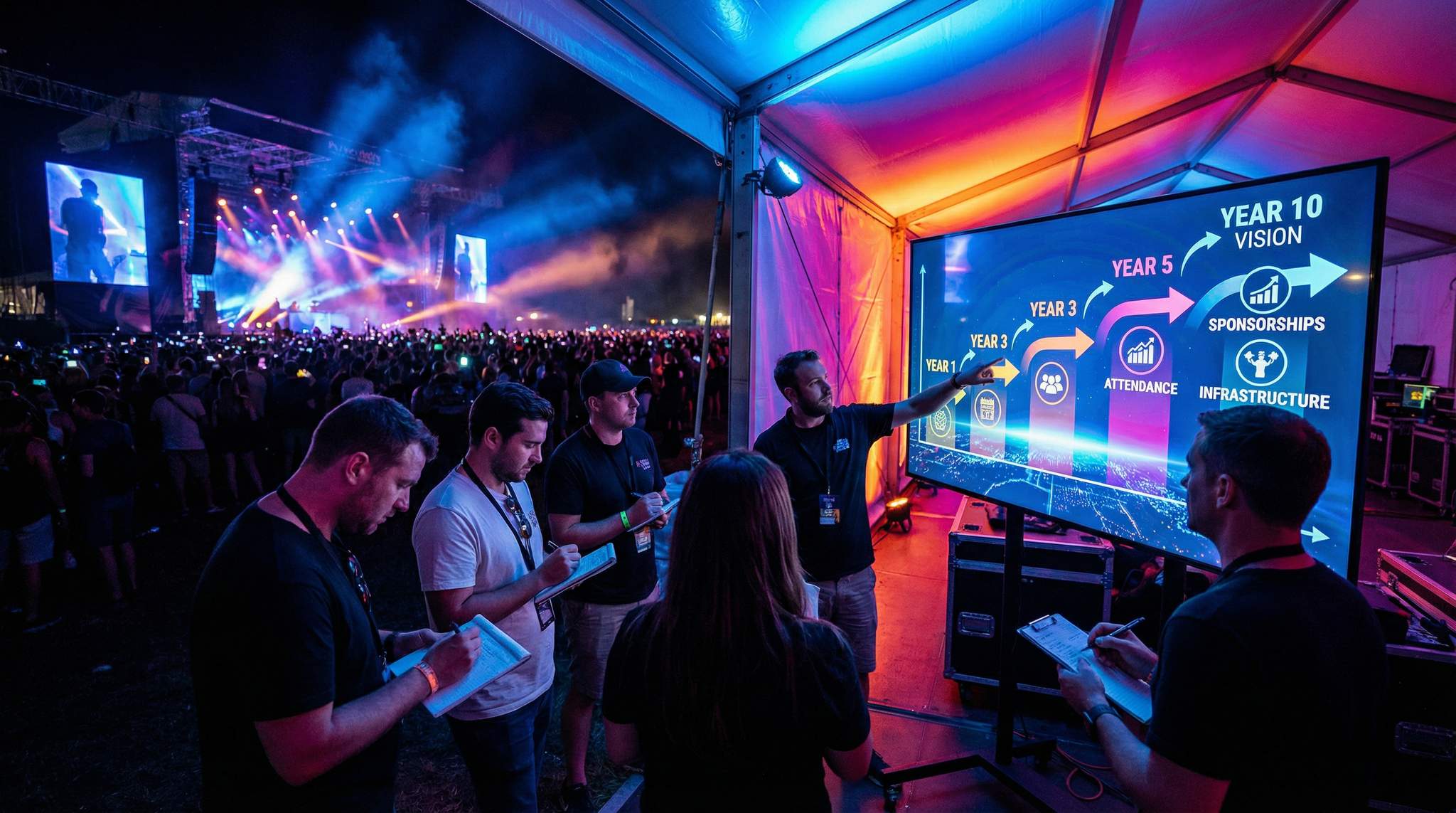
Multi-Year Growth and Festival Evolution Overview
Discover expert strategies for scaling festivals year after year. Learn how to build multi-year roadmaps, secure long-term partners, and improve annual execution.

Bigger isn’t always better for festivals – sometimes a strategic step back can ensure long-term success. Discover why savvy festival producers scale down or even take a “fallow year” to beat financial strains, market overload, or burnout, and how iconic festivals returned stronger after pausing. Learn when to hit pause, how to communicate it to fans and sponsors, trim costs (without losing the magic), and plan a comeback that secures your festival’s future while staying true to its community.

Discover a comprehensive comeback plan for relaunching a hiatus festival. Learn how organizers handle post-disruption fee adjustments, marketing, and logistics.

Long-Term Vision: Imagining Your Festival 5, 10, 20 Years Out Encouraging big-picture thinking for festival organizers, from early ambitions to enduring legacies. Every successful festival starts with a dream, but the truly legendary festivals are built with a long-term vision. It’s easy for organizers to get caught up in immediate tasks – booking this year’s
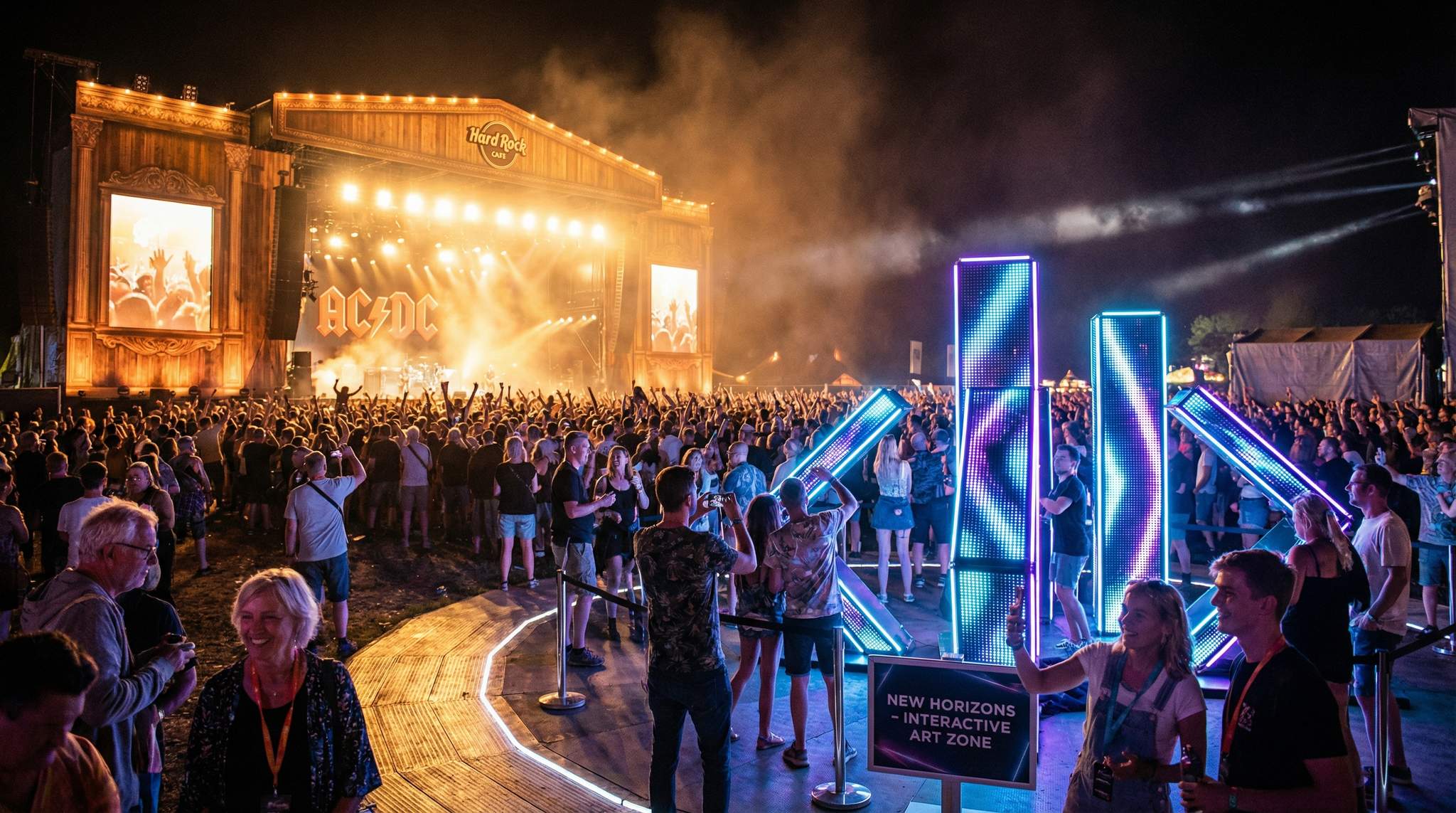
Every enduring festival faces a pivotal challenge: how to evolve and stay exciting year after year without losing the loyal fans who fell in love with its original spirit. Successful long-running events carefully balance innovation with tradition. They introduce fresh elements to keep things interesting, yet preserve the familiar features that returning attendees treasure. This
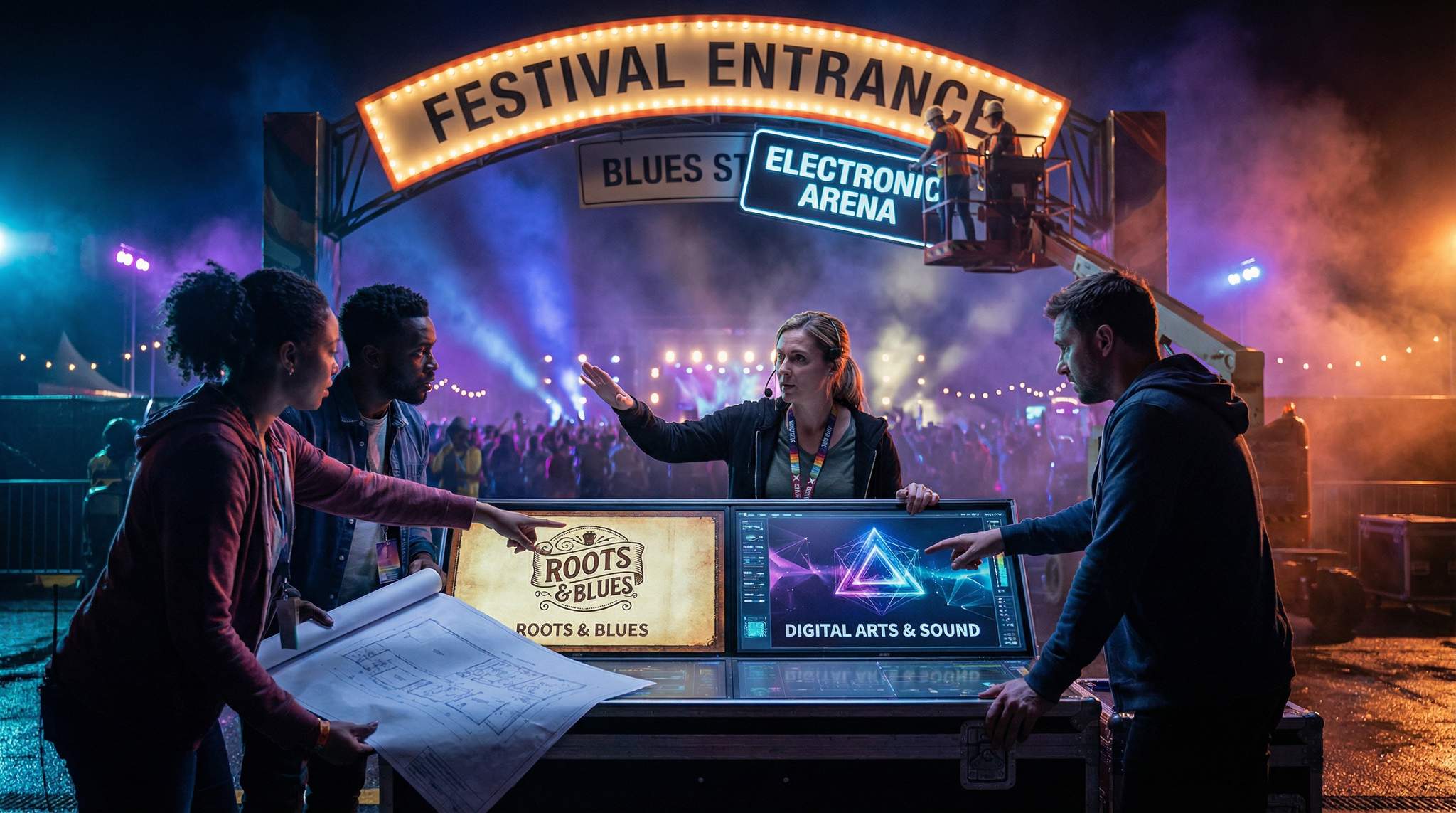
Learn how festival organizers can successfully pivot their event’s theme or focus. Discover B2B strategies for rebranding, monetization, and audience retention.
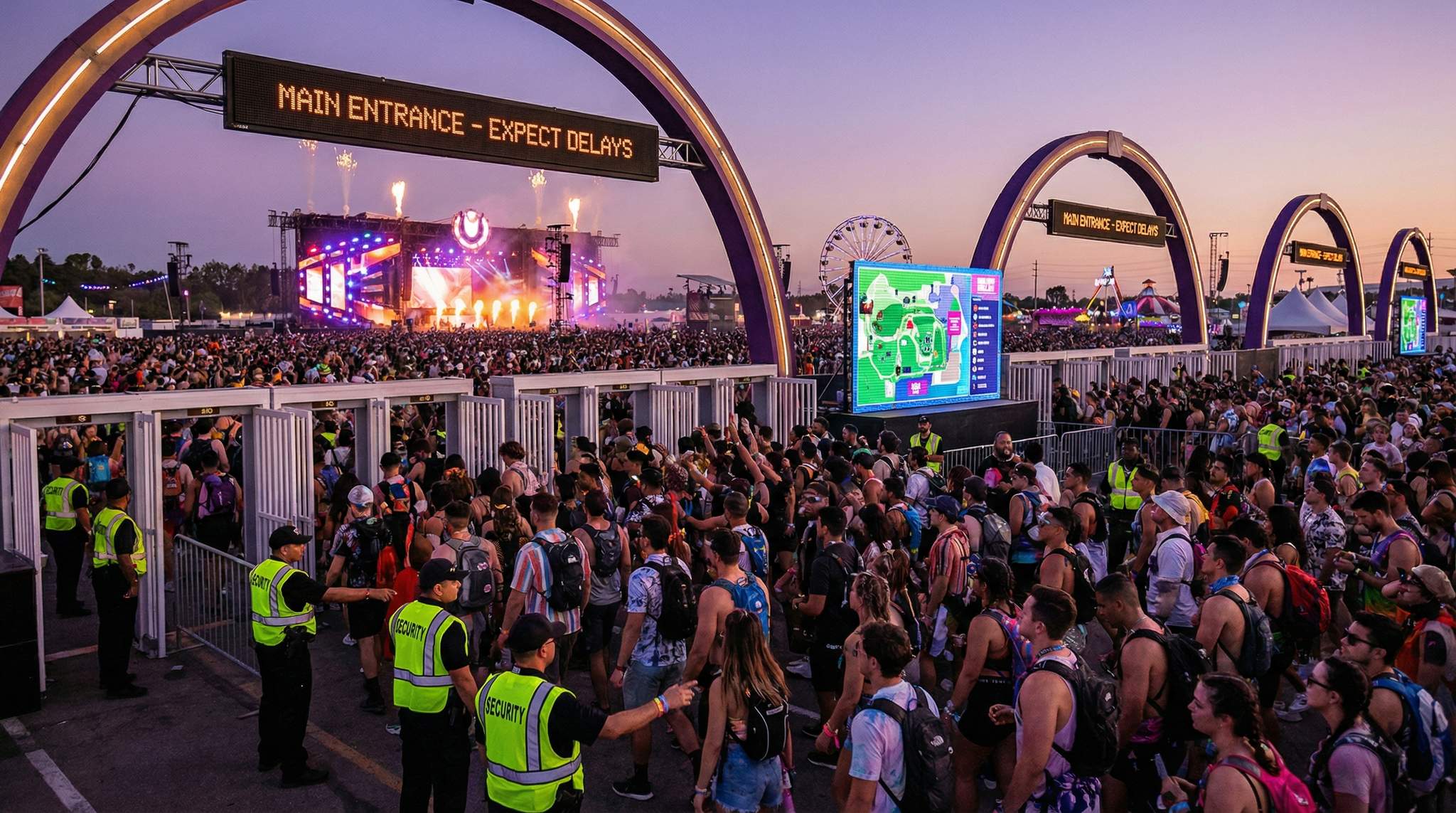
Master the phases of festival growth with expert B2B strategies. Learn how organizers scale venue infrastructure, manage crowds, and track expansion KPIs.
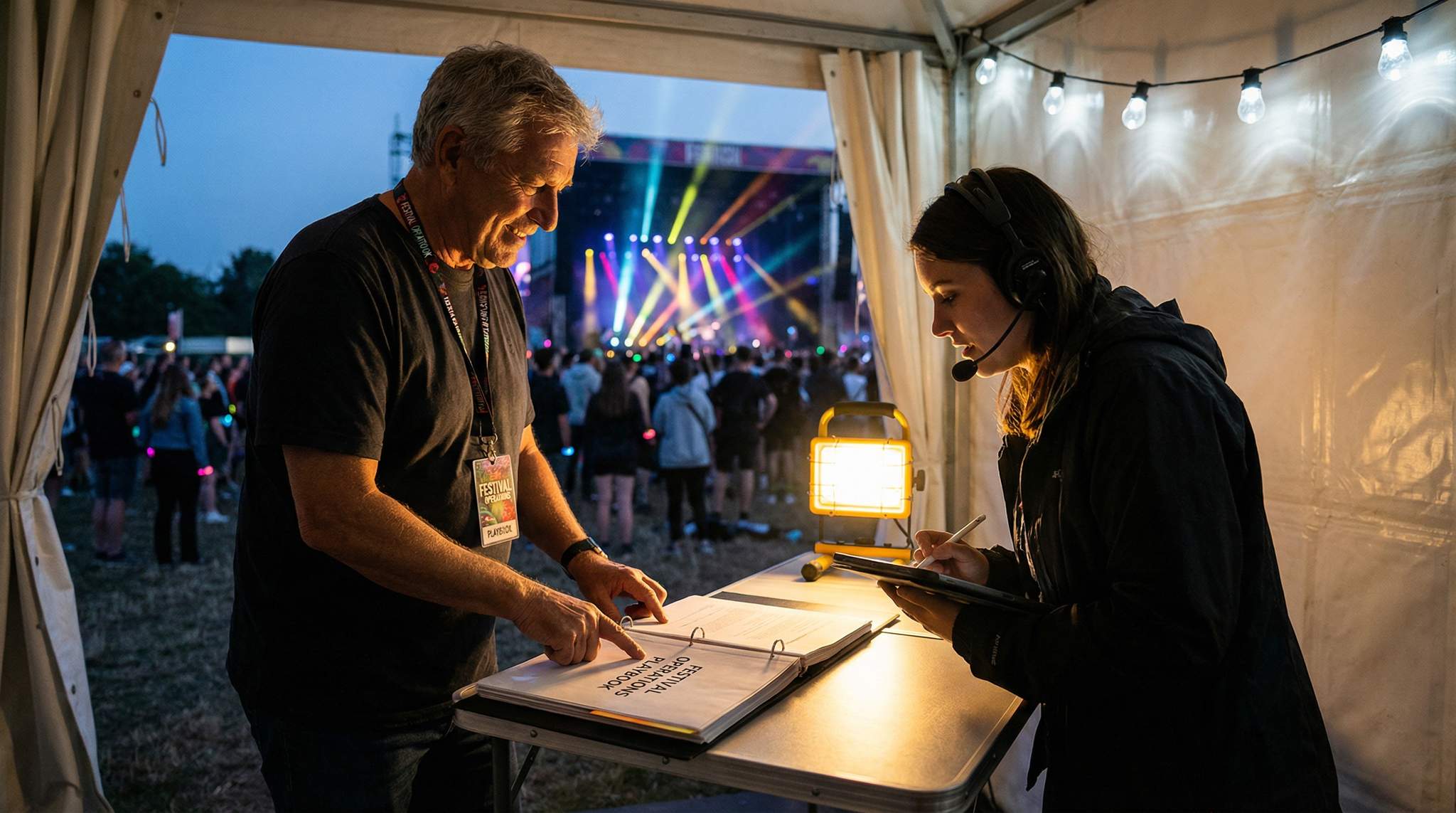
Learn how to build a festival succession plan, document critical knowledge, and create a transition plan for the first 90 days of a new festival artistic director.
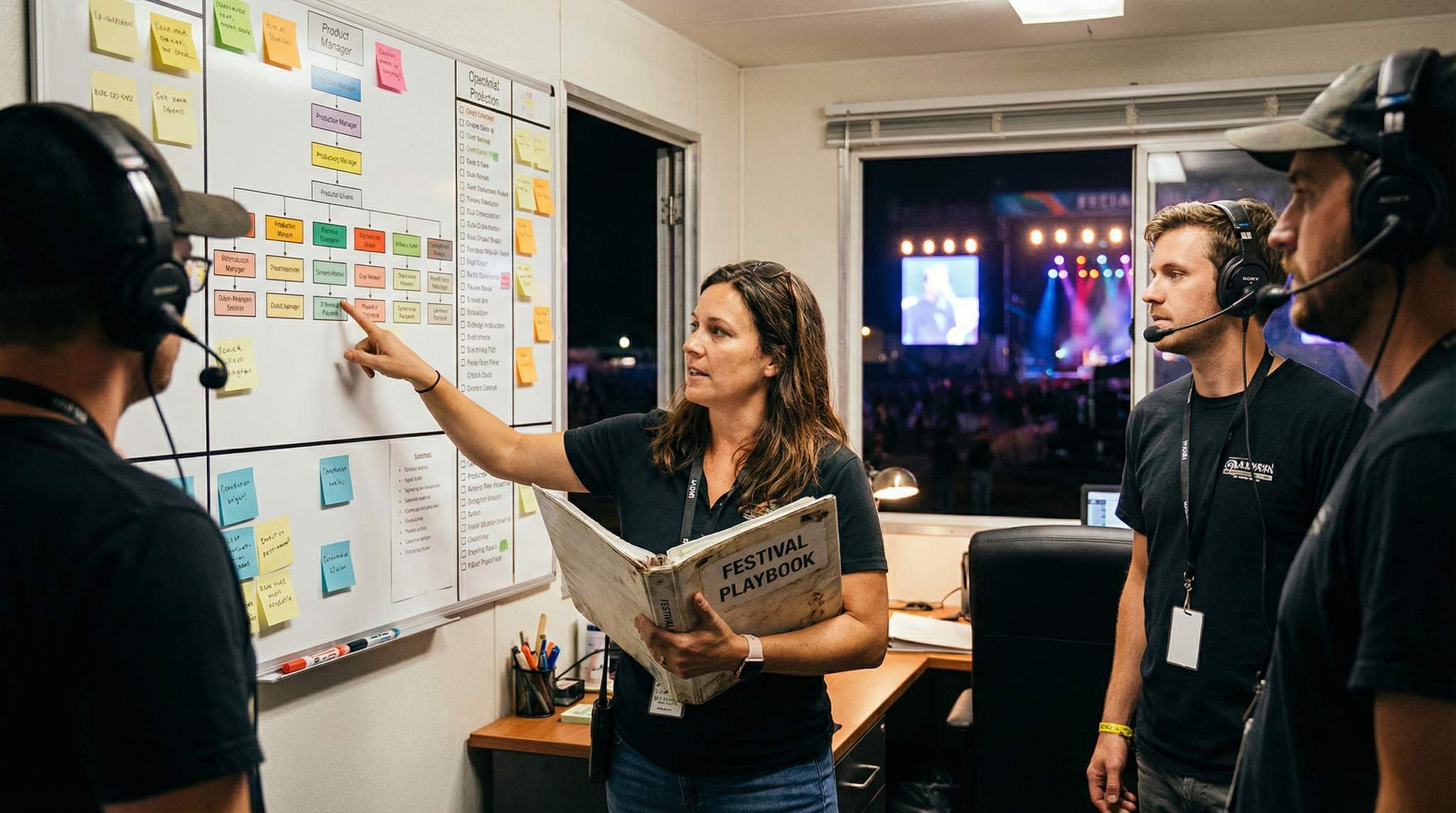
Learn how to create a comprehensive festival playbook. Discover what to include, from an event planning template to vendor guidelines, for repeatable success.
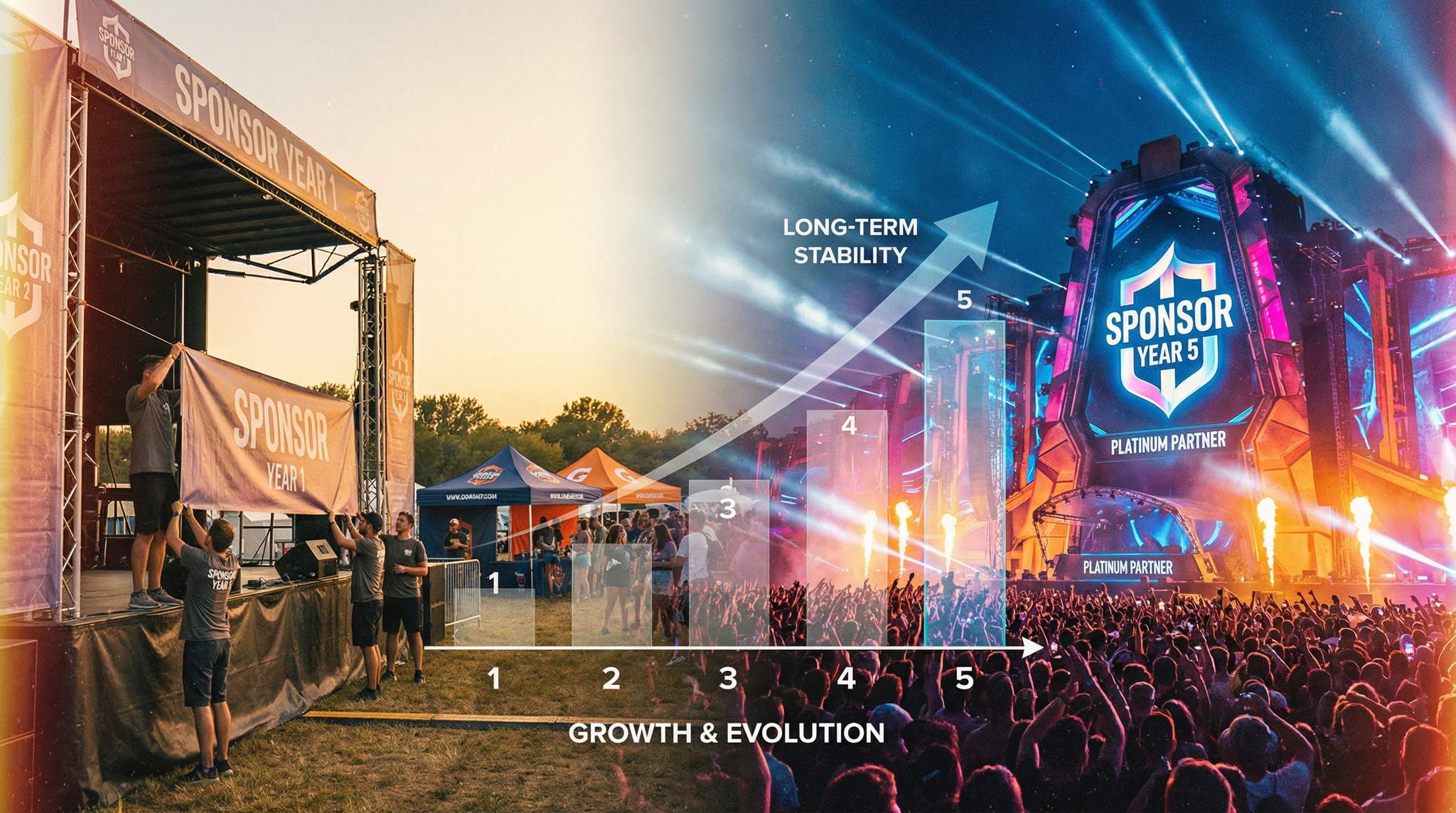
Learn how to secure multi-year festival sponsorships, negotiate deals, and increase sponsor value with recurring events to ensure long-term financial stability.

Learning from Year One: Building on a Financial Foundation After a festival’s inaugural year, the excitement of success is quickly met with new financial realities. Organizers must carefully analyze the first year’s financial performance to inform year two. This means reviewing the initial budget versus actual spending in every category – from venue and production
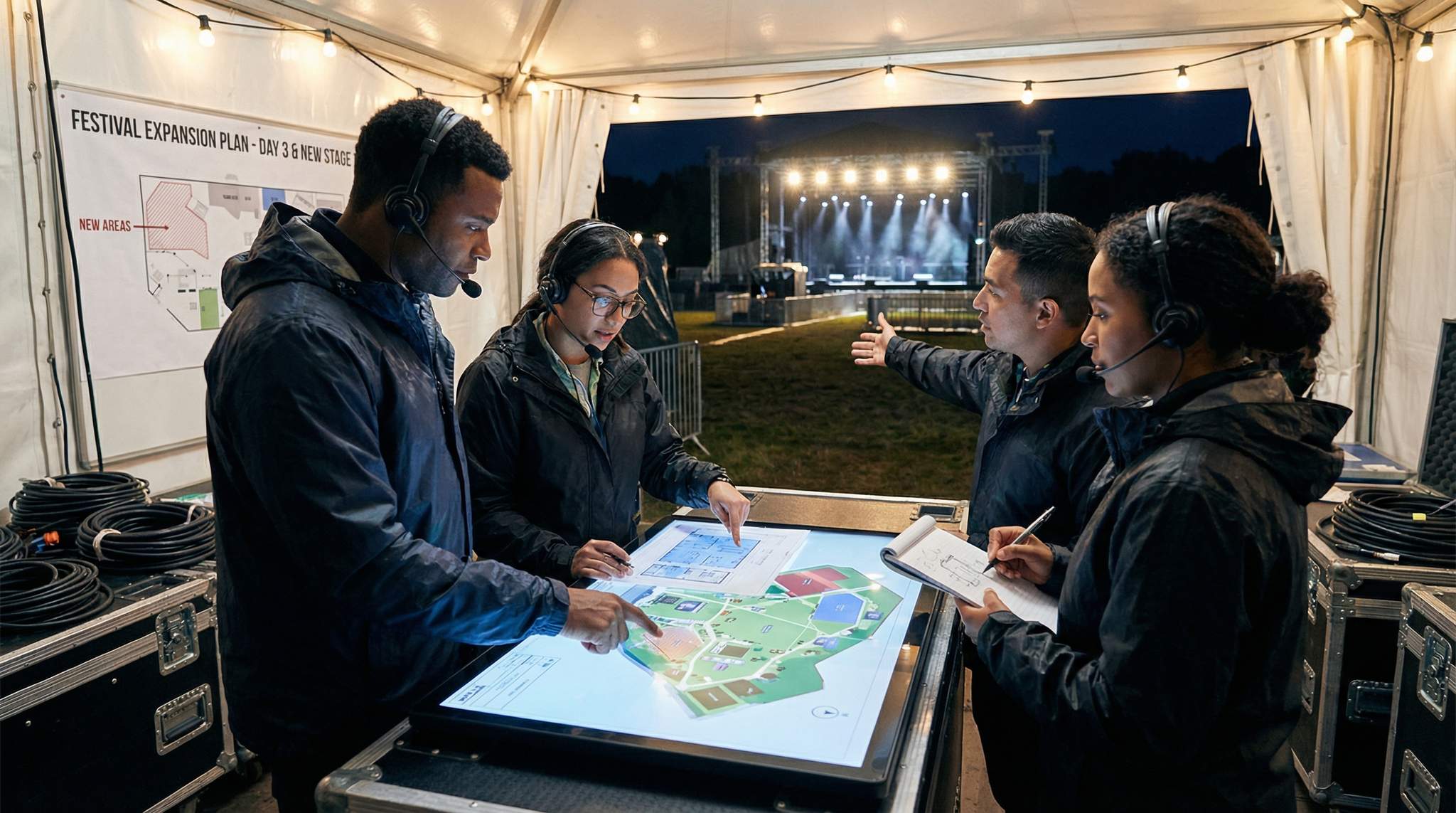
Learn expert strategies for festival growth. Discover when to add days, navigate multi-stage sites, and how venue changes impact large events and brand legacy.
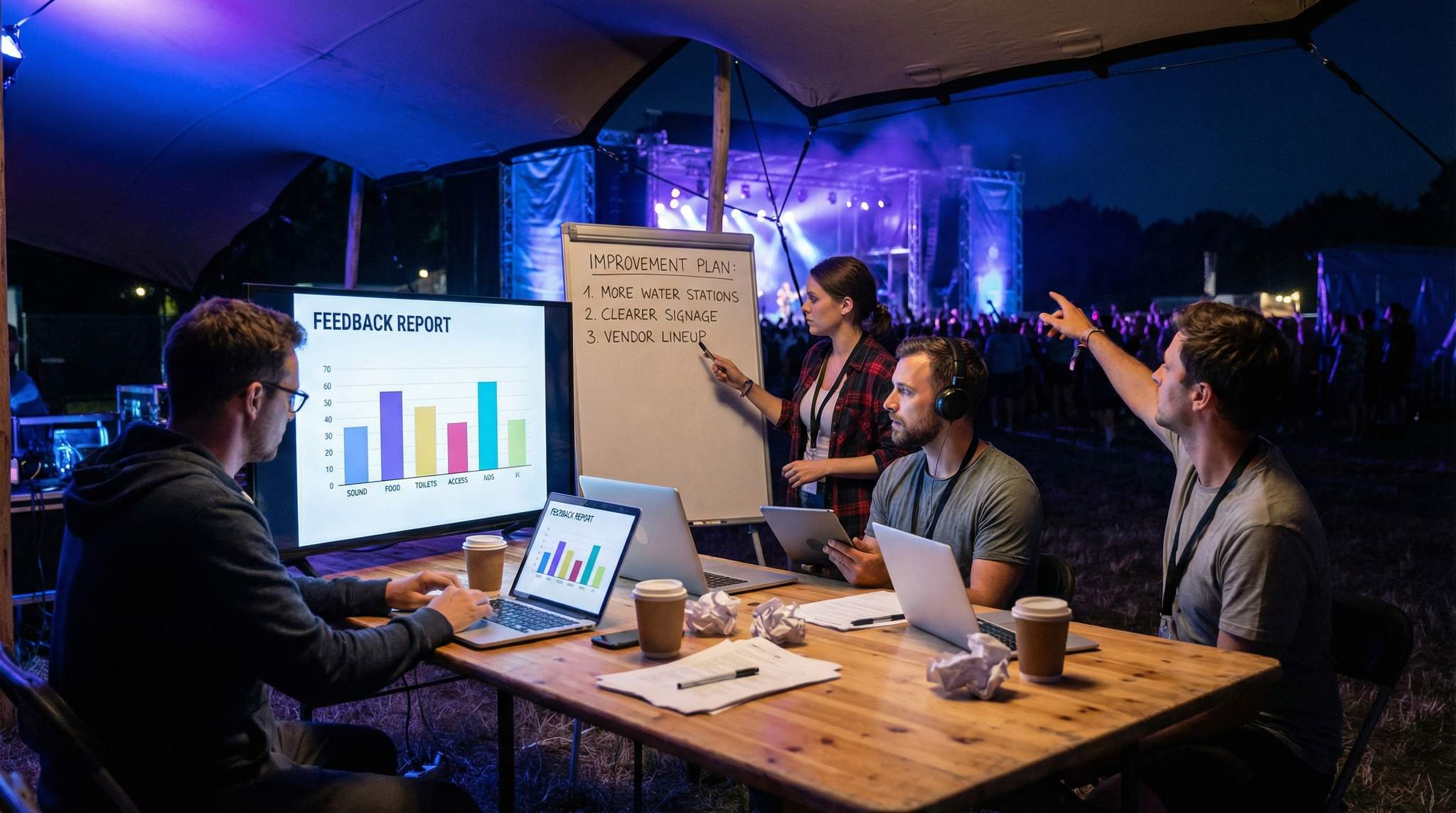
Every successful festival is an ongoing story of learning and adaptation. When the last note fades and the crowd heads home, a savvy festival producer knows the journey isn’t over. The best festivals evolve year after year by listening to those who experienced it – from excited ticket-holders and tired volunteers to food vendors and
