Introduction
Choosing the right festival site can make or break an event. The location serves as the foundation for all other operational plans, influencing logistics, budgeting, marketing, and the overall attendee experience. Seasoned festival organizers often say that site selection is the cornerstone of festival planning. Every decision – from stage layouts to emergency exits – will hinge on the site’s characteristics. This guide outlines the key criteria and real-world lessons learned in evaluating potential festival locations, whether you’re hosting a small community food fair or a massive international music festival.
Capacity and Layout Potential
Space matters: A festival site must comfortably accommodate your expected crowd and all the festival infrastructure. Organizers evaluate if a location can handle not only the audience, but also stages, vendor booths, restrooms, medical tents, camping areas (if needed), and more. For example, a site that fits 5,000 people on paper might shrink once you add a main stage, food courts, and pathways. A veteran producer recalls a boutique music festival that sold 3,000 tickets to a riverside park – only to realize the usable space was too tight after staging and fencing were set up. The result was overcrowding and frustrated attendees. On the flip side, an oversized site can dilute atmosphere and drive up costs. Striking the right balance is key: there should be room for all activities with good crowd flow, but not so much empty space that the event feels sparse.
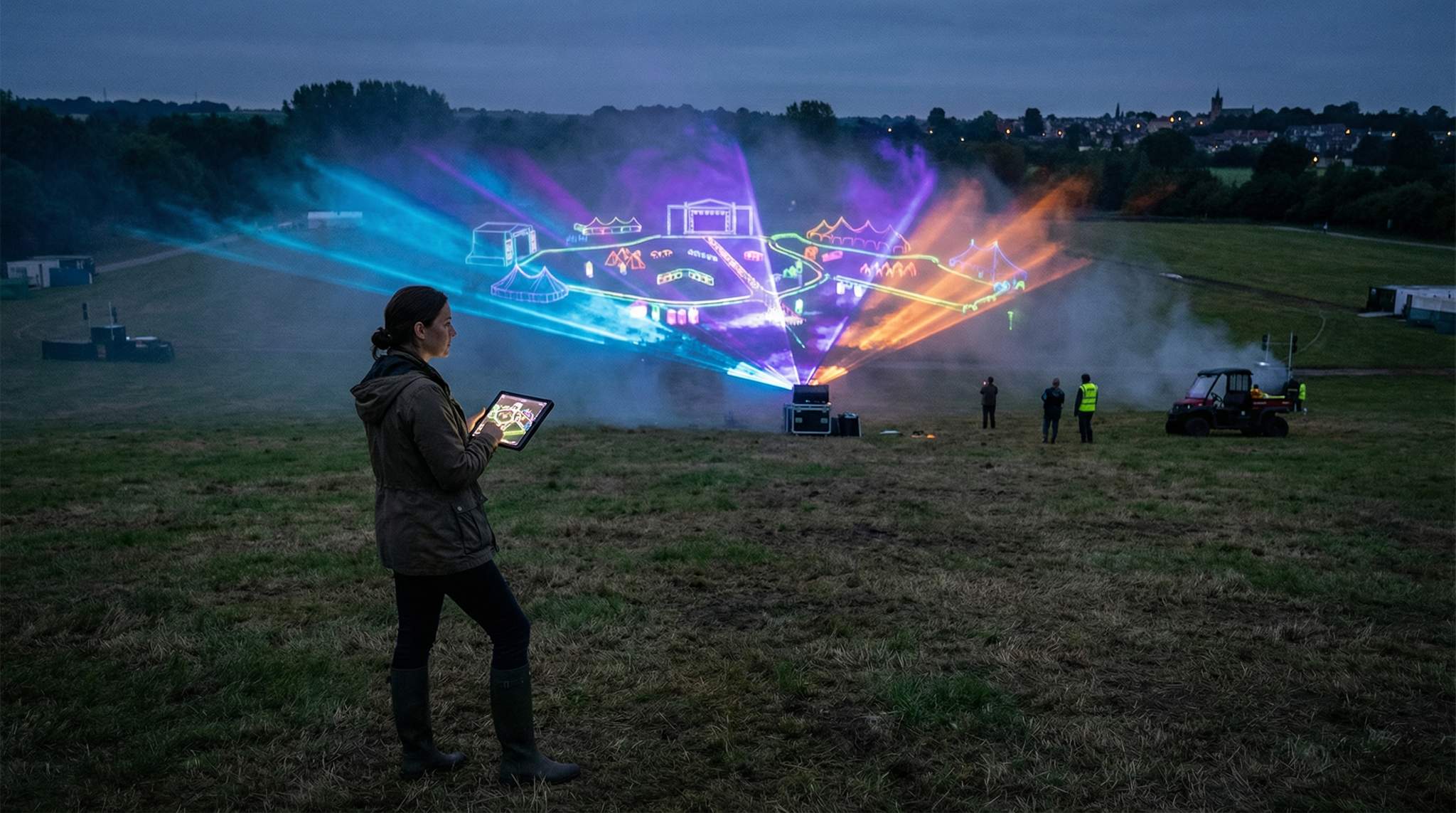
When assessing capacity, consider layout possibilities. Is the terrain relatively open to allow flexible design, or are there obstructions like trees and buildings that divide the area? Natural features can add character, but they might also limit stage placement or sightlines. An experienced organizer sketches multiple site maps during visits, imagining where stages, lines, and attractions would go. If it’s hard to create a logical flow on a site – for instance, if sections are too far apart or bottlenecks are unavoidable – it may not be the right venue regardless of its raw size. Remember that future growth is a factor too: if you plan to expand the festival in coming years, choosing a venue that can scale up in capacity or adjacent space can save you from relocating later.
Beyond basic capacity, organizers must evaluate how specific festival location details dictate the actual show. What logistical considerations affect festival programming decisions? Everything from local noise curfews to stage-to-stage sound bleed plays a role. For instance, if you are routing international artists through regional hubs—whether operating in Canada, Europe, or across the US—travel times from the nearest airport directly impact set times. Furthermore, the physical layout dictates whether you can run simultaneous headliners or if you must stagger acts to prevent audio interference.
Boost Revenue With Smart Upsells
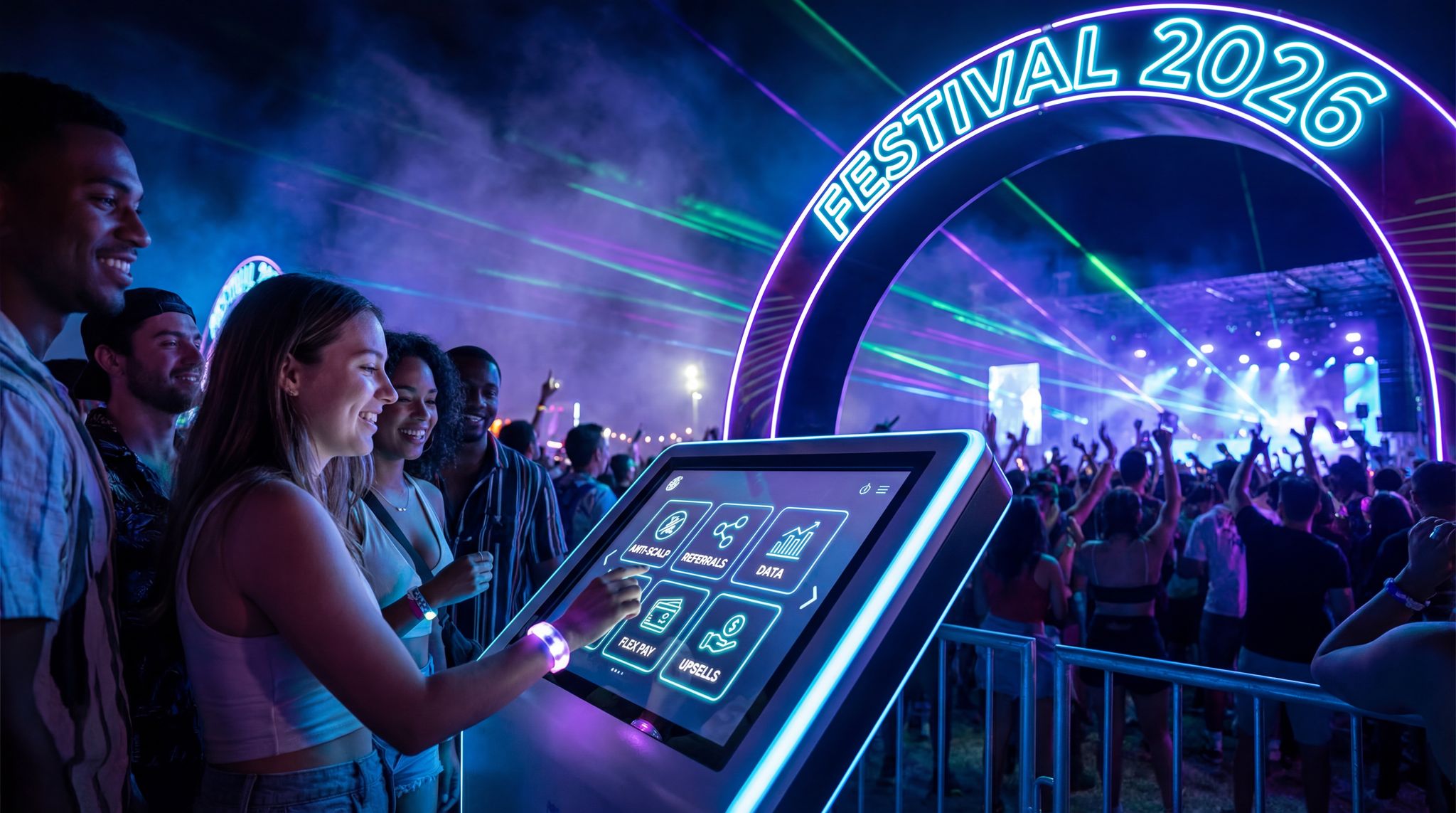
Sell merchandise, VIP upgrades, parking passes, and add-ons during checkout and via post-purchase emails. Increase average order value by up to 220%.
Accessibility and Transportation
A fantastic site in the middle of nowhere can still fail if people can’t get there easily or safely. Accessibility means evaluating how attendees, staff, vendors, and emergency services will reach the festival. Organizers look at the road network and traffic flow around a site: are there major highways or public transport options nearby? Sufficient parking areas or shuttle possibilities? A remote countryside field might offer freedom and noise isolation, but you may need to arrange dedicated shuttles or build temporary parking lots. Conversely, an urban park or stadium benefits from existing transit links, but could face traffic congestion or limited on-site parking.
Public transit and walking access can significantly influence attendance for urban festivals. For example, city music festivals like Lollapalooza in Chicago leverage downtown public transportation and foot traffic, making it easy for tens of thousands of fans to attend without driving. In contrast, a rural camping festival like Bonnaroo in Tennessee must manage tens of thousands of cars coming down two-lane roads – requiring months of planning with local authorities for traffic control. When scouting a site, note the number and size of entry/exit points. Multiple access points help avoid bottlenecks and are lifesaving in an emergency evacuation. Ensure there are routes for emergency vehicles to get in and out unhindered – an otherwise perfect site could be a deal-breaker if ambulances or fire trucks cannot reach it quickly.
Planning a Festival?
Ticket Fairy's festival ticketing platform handles multi-day passes, RFID wristbands, and complex festival operations.
Accessibility isn’t just about travel distance; it also includes ADA accessibility within the grounds. Check if the terrain allows for mobility by wheelchair or if you’ll need to add pathways and viewing platforms for disabled attendees. A well-planned site ensures that all festival-goers can navigate safely and that everyone from equipment trucks to food suppliers can access the grounds during setup and breakdown.
On-Site Amenities and Utilities
One of the first questions savvy festival producers ask about a prospective site is: What infrastructure is already in place? Venues with existing amenities and utilities can save enormous time and budget. Access to reliable electricity, water, and sewage or wastewater disposal are gold standards. A fairground or stadium, for instance, might come with power hookups, lighting, permanent restrooms, and even built-in stages or shelters. Such features reduce the need to bring in generators, portable toilets, and lighting towers, which can be costly and logistically complex.
In contrast, a raw open field is a blank canvas and can offer a lot of creative freedom – but you’ll be building everything from scratch. Generators will be humming 24/7 to power stages and vendors, water tanks must be brought in for drinking and sanitation, and you’ll likely need to rent dozens of portable toilets. All of this is doable (many iconic festivals started on empty fields!), but it requires meticulous planning and budget for infrastructure. As an example, when organizing a large EDM festival on a farm, one producer budgeted more for power, water, and sanitation than for talent. It paid off: attendees enjoyed consistent sound, adequate restrooms, and never realized the site had zero fixed utilities to start with.
Scaling these utilities becomes especially critical when hosting large-scale vendor villages. For instance, when evaluating how to choose the right facilities and services (FAS) for a county fair with 50+ vendors, organizers must calculate peak load requirements for power, potable water, and greywater disposal. A high-density vendor layout demands robust infrastructure to prevent tripped breakers or sanitation failures during peak operational hours. Mapping out these utility grids early ensures that food trucks, craft stalls, and merchandise tents can operate seamlessly without overloading the site’s baseline capacity.
Accept Payments Across 13 Countries
Local currency processing via Stripe, Razorpay, Xendit, Paystack, and OXXO across 13 countries with region-specific payment methods.
Also consider communications and technology. Does the site have reliable cell service or internet connectivity? Festivals today rely on wireless ticket scanning, point-of-sale systems for vendors, and staff communications. If a site is a dead zone, you may need to bring mobile cell towers or satellite internet. Additionally, check for structures that could serve as operations centers, storage, or artist hospitality. A site with a few barns, halls, or indoor spaces can provide valuable shelter for staff, equipment, or a VIP lounge. Even basics like on-site offices or a permanent fence line can tilt the decision in favor of a venue, as they simplify operations significantly.
Ground Conditions and Weather Resilience
The physical condition of the site ground and its exposure to weather are critical factors that new organizers sometimes underestimate. Ground conditions include the soil type, terrain, drainage, and any existing surfaces like grass, gravel, or pavement. A flat, well-drained field is ideal for most festivals, while a sloping or uneven terrain might complicate stage construction and crowd safety. Consider what happens to the ground after heavy rain. Some sites turn into mud pits if drainage is poor – famously, the Glastonbury Festival’s fields often become muddy due to rain, prompting organizers to lay down straw, wood chips, or tracking mats to improve walkability. By contrast, too much sun and heat can turn an open field into a dust bowl or a heat hazard if there’s no natural shade.
Need Festival Funding?
Get the capital you need to book headliners, secure venues, and scale your festival production.
A site’s weather resilience covers typical climate patterns and extremes. Research the area’s history: is it known for afternoon thunderstorms, high winds, or extreme heat during the festival season? For instance, desert festivals (like Burning Man in Nevada’s Black Rock Desert or Coachella in California) need plans for intense sun, dust storms, and cool nights. Organizers may choose sites with some tree cover or bring in shade structures and misting stations if natural shade is lacking. Sites prone to cold or rain might need heated tents or wooden floor panels in high-traffic mud-prone zones.
Don’t forget to evaluate ground load capacity as well. Will the soil support heavy staging, vehicles, and crowds without excessive compaction or damage? In 2015, a major U.S. festival encountered problems when unseasonal rain turned parking fields to mud; cars and trucks got stuck, halting deliveries and stranding attendees. The lesson: always have a contingency for adverse weather – whether it’s plating the ground with temporary roads, securing an alternate parking area, or having runoff management like ditches or pumps. A well-chosen site will have not only fair-weather charm but also a plan for foul-weather scenarios.
Proximity to Population Centers and Lodging
When choosing a festival site, location in relation to population centers is a balancing act. A site close to a city or town can boost attendance due to convenience – people are more likely to go if it’s a short drive or even accessible via public transit. Proximity also means attendees have options for lodging (hotels, motels, Airbnb) and other amenities like restaurants or shopping. A food and wine festival, for example, might thrive in a charming town center or vineyard near a metro area, drawing day-trippers who appreciate not having to travel far. Similarly, an all-ages cultural festival might choose a city park where families can easily attend for a few hours.
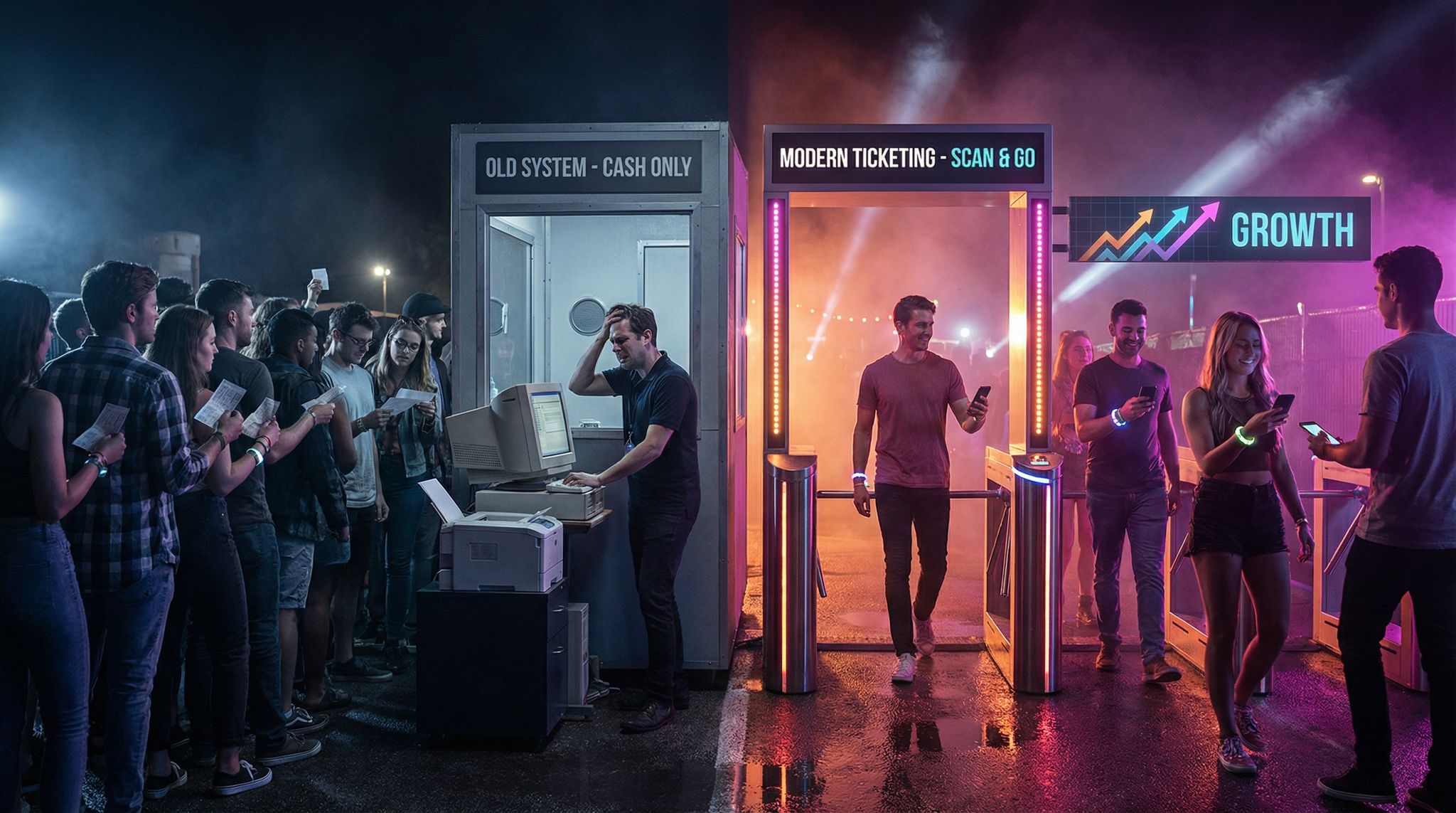
When planning these localized culinary events, organizers must carefully evaluate their event management company and ticketing software. Whether you are consulting an industry food festival guide to compare legacy platforms like TicketWeb against advanced data-driven solutions like Ticket Fairy, your chosen system must handle high-volume, walk-up sales and integrate smoothly with the site’s specific gate layout and vendor point-of-sale networks.
On the other hand, some festivals intentionally choose remote or destination locations to create a getaway experience. Large camping music festivals often locate far from big cities to allow multi-day camping and round-the-clock performances without disturbing neighbors. These destination festivals can become pilgrimages for fans (who might fly in from around the world), but the site must sustain that concept. If the nearest town is far away, the organizer needs to provide on-site camping or shuttles to hotels, ensure there are local transportation links (like airports or highways), and perhaps even partner with travel companies. The famous Tomorrowland festival in Belgium, for example, benefits from being near a town for local support, but also offers on-site “dreamville” lodging for tens of thousands who travel internationally.
When evaluating proximity, consider how the location will impact your marketing and ticket sales. Are you relying on local attendees who prefer a convenient location, or is your event a unique destination that people will travel for? Also, assess the local workforce and vendor availability – a festival in a remote area may struggle to hire enough staff or source supplies without incurring extra costs to bring everything in. There’s no one-size-fits-all answer: some festivals succeed in the heart of downtown, while others flourish in distant fields. The key is ensuring your site’s location aligns with your audience’s willingness to travel and your logistical ability to support them when they arrive.
Community Impact and Local Support
Any festival site exists within a broader community, and understanding that community is vital for long-term success. Community impact encompasses noise, traffic, environmental effects, and economic benefits or drawbacks to local residents and businesses. A responsible organizer evaluates how a festival will affect the surrounding area and works to build local support from day one. This begins with choosing a site that fits the community’s tolerance and infrastructure. For instance, a quiet residential area is generally a poor choice for a loud overnight music festival – but it might welcome a daytime food or arts fair that boosts local business.
Engaging with local authorities and neighbors early is not only courteous but often required. Many jurisdictions have strict permitting processes that will scrutinize your site choice for noise ordinances, curfews, maximum crowd size, and environmental protection. You might find an idyllic spot by a lake, only to discover it’s off-limits due to wildlife habitat protections or a history of noise complaints. A seasoned production team will do their homework: meeting city officials, police, and residents to gauge support, and even adjusting plans to address concerns (like ending shows earlier, improving soundproofing, or providing clean-up crews for the neighborhood).
Local support can dramatically influence a festival’s fate. Festivals like South by Southwest (SXSW) in Austin thrive partly because the city embraces the event and its economic upside, offering a collaborative environment for permits and services. In contrast, the infamous Fyre Festival failed spectacularly in part due to inadequate local infrastructure and community support on a remote island – a cautionary tale that even a beautiful location can’t overcome community and logistical neglect. Strive to be an asset to your host community: choose a location where the festival will be welcomed or at least where concerns can be mitigated. Often, this means opting for sites accustomed to events (like fairgrounds or parks that regularly host gatherings) or working closely with local partners if the site is new to large events.
Sometimes, despite best efforts, an event outgrows its home or faces insurmountable permit issues, necessitating a move. Why is a venue change significant for a major reggae event, EDM massive, or indie folk gathering? Relocating disrupts established attendee habits, alters the community dynamic, and requires a complete overhaul of your event site selection criteria. A new location means re-educating your audience on travel routes, rebuilding local authority relationships, and ensuring the new site preserves the specific cultural vibe and layout that fans expect from your brand.
Laying the Foundation for Operations
Selecting the right site isn’t just about the venue itself – it sets the trajectory for your entire operation. Once a site is chosen, it will influence your budget (site fees and infrastructure costs), your operational plan (from how early you need to load in, to how you position stages and vendors), and even your marketing (highlighting a scenic location can be a selling point, while a hard-to-reach site might require extra promotion or incentives). A well-chosen site aligns with the festival’s brand and audience expectations. Picture the difference between a techno music festival at an industrial waterfront versus a folk festival in a rural meadow – each site gives a distinctive character that can amplify the event’s theme.
Your venue choice also dictates your digital strategy and how you structure your online presence. Understanding different music festival website classification types helps promoters align their web architecture with the physical site. For example, a remote destination festival requires an informational, resource-heavy website focused on camping guides and travel logistics, whereas an urban venue allows for a streamlined, schedule-driven site optimized for rapid ticket conversions.
Furthermore, risk management planning starts with the site. Emergency action plans, crowd management strategies, and service logistics all depend on the site layout and location. For example, your security plan will hinge on the site’s perimeter and access points, and your weather contingency plans will depend on the site’s vulnerabilities (trees for lightning, open ground for flooding, etc.). If a site has inherently tough challenges – say, only one narrow entry road, or no covered area at all for shelter – those will shape your operations plan and maybe your decision to use that site in the first place.
In summary, think of site selection as one of the most strategic decisions in festival planning. It’s a decision that you want to get right before tickets go on sale, because changing course later can be prohibitively expensive or downright impossible. Successful festival producers often scout multiple locations, consult with experts (from sound engineers to traffic managers), and imagine the attendee’s journey from arrival to departure. When you choose a site that satisfies the key criteria – capacity, accessibility, amenities, safety, community fit, and more – you set your festival up for smoother operations and a memorable experience for everyone involved.
Frequently Asked Questions
How do organizers determine the right capacity for a festival site?
Organizers evaluate if a location can accommodate the expected crowd plus all infrastructure, including stages, vendor booths, restrooms, and camping areas. A site fitting 5,000 people on paper often shrinks significantly once staging and fencing are set up, so balancing usable space with crowd flow is essential to avoid overcrowding.
Why is existing infrastructure important when choosing a festival venue?
Venues with existing amenities like electricity, water, and sewage disposal significantly reduce time and budget requirements. Utilizing sites with permanent power hookups, lighting, and restrooms eliminates the need for costly rentals like generators and portable toilets, simplifying logistics compared to building infrastructure from scratch on a raw open field.
What factors determine festival site accessibility?
Accessibility involves evaluating road networks, public transport options, and traffic flow for attendees, staff, and emergency services. Organizers must ensure sufficient parking or shuttle possibilities and verify that emergency vehicles can enter and exit unhindered. Additionally, the terrain must allow for ADA accessibility to accommodate wheelchairs and equipment trucks.
How does weather influence festival site selection?
Weather resilience requires analyzing a site’s soil type, drainage, and exposure to elements like wind or heat. Organizers research historical climate patterns to ensure the ground won’t turn into a mud pit after rain or become a dust bowl in heat. Effective sites allow for contingencies like tracking mats or shade structures.
Why is community support necessary for festival planning?
Local support is vital because festivals impact communities through noise, traffic, and environmental effects. Engaging early with authorities helps navigate strict permitting processes regarding noise ordinances and curfews. Lack of community buy-in or inadequate infrastructure can lead to operational failures, making it crucial to choose sites where the event is welcomed.
What are the trade-offs of hosting a festival in a remote location?
Remote locations offer a getaway experience and noise isolation but require extensive logistical planning for transport and lodging. Organizers must provide on-site camping, shuttles to distant hotels, or partner with travel companies. Unlike urban sites with existing transit and accommodation, remote fields often incur extra costs to bring in staff and supplies.
What are the core phases of event site selection?
Effective event site selection involves initial scouting for capacity and layout, assessing existing infrastructure, evaluating accessibility, and securing local community support. Organizers must also review specific festival location details like ground conditions, weather resilience, and permit requirements before finalizing a contract.
What logistical considerations affect festival programming decisions?
Logistical factors such as local noise curfews, stage-to-stage sound bleed, and travel distances from major airports directly impact programming. Organizers must design set times and stage assignments around these physical and regulatory constraints to ensure a seamless experience for both artists and attendees.
Why is a venue change significant for an established festival?
Relocating a major event requires overhauling operational plans and re-establishing community relations. A venue change is significant because it impacts attendee travel habits, alters the site layout, and can shift the overall cultural vibe of the festival, requiring careful communication and strategic planning to retain the core audience.
How does regional geography, such as operating in Canada, impact festival logistics and artist routing?
Vast geographical distances, particularly in countries like Canada, require organizers to factor in extended travel times between major regional hubs. These logistical considerations directly affect festival programming decisions, as promoters must build wider buffer windows for artist arrivals, account for potential customs delays, and adjust set times to accommodate complex international routing.
How do organizers choose the right facilities and services (FAS) for a county fair with 50+ vendors?
Selecting the appropriate facilities and services requires calculating the combined peak load for power, potable water, and waste disposal across all vendor stations. Organizers must ensure the site’s infrastructure can handle high-density layouts without tripping breakers or causing sanitation bottlenecks during peak attendance hours.