As a festival producer with decades of experience, I’ve learned that every dollar counts – but not all dollars are equal. The key to a successful festival budget is knowing where to invest for maximum impact and where to trim the fat. Spending wisely can mean the difference between a festival that thrives and one that falls flat. Let’s break down how to control costs without compromising the attendee experience.
Understanding the Baseline: How Much Does a Festival Cost to Produce?
One of the most common questions I hear from emerging promoters is, “how much does a festival cost to get off the ground?” The reality is that there is no single magic number. A boutique, 1,000-person weekend gathering might require a baseline budget of $50,000 to $100,000, while a mid-sized regional event drawing 10,000 attendees can easily demand $500,000 to over $2 million. Mega-festivals operate in the tens of millions. Instead of looking for a flat rate, it is more practical to view your festival costs as a pie chart. Typically, talent acquisition consumes 25-40% of the budget, production and staging take up 20-30%, and site operations (including permits, security, and sanitation) account for another 20-30%. The remainder covers marketing, insurance, and administrative overhead. Understanding these proportional benchmarks helps you scale your financial planning accurately, regardless of your event’s final capacity.
Spend Where It Counts (Invest in Essentials)
Knowing where to splurge is just as important as knowing where to save. Certain aspects of a festival deserve a healthy budget because they directly impact safety and attendee satisfaction. Here are the areas where your money is well spent:
Safety & Essential Infrastructure
Never skimp on safety and infrastructure. This means investing in adequate security personnel, medical teams, reliable fencing, clean water supply, and sufficient restrooms. In my career, I’ve seen festivals that tried to cut costs on security or first aid, only to face incidents that far outweighed the savings. For example, at one outdoor festival we initially under-budgeted for lighting in parking and pathways – a safety hazard we quickly corrected by allocating more funds. Attendee safety, crowd management, and basic comforts (like sanitation and hydration) are non-negotiable investments. A safe festival is not only ethical, it also protects you from liabilities and keeps your reputation intact.
Let Fans Pay Over Time
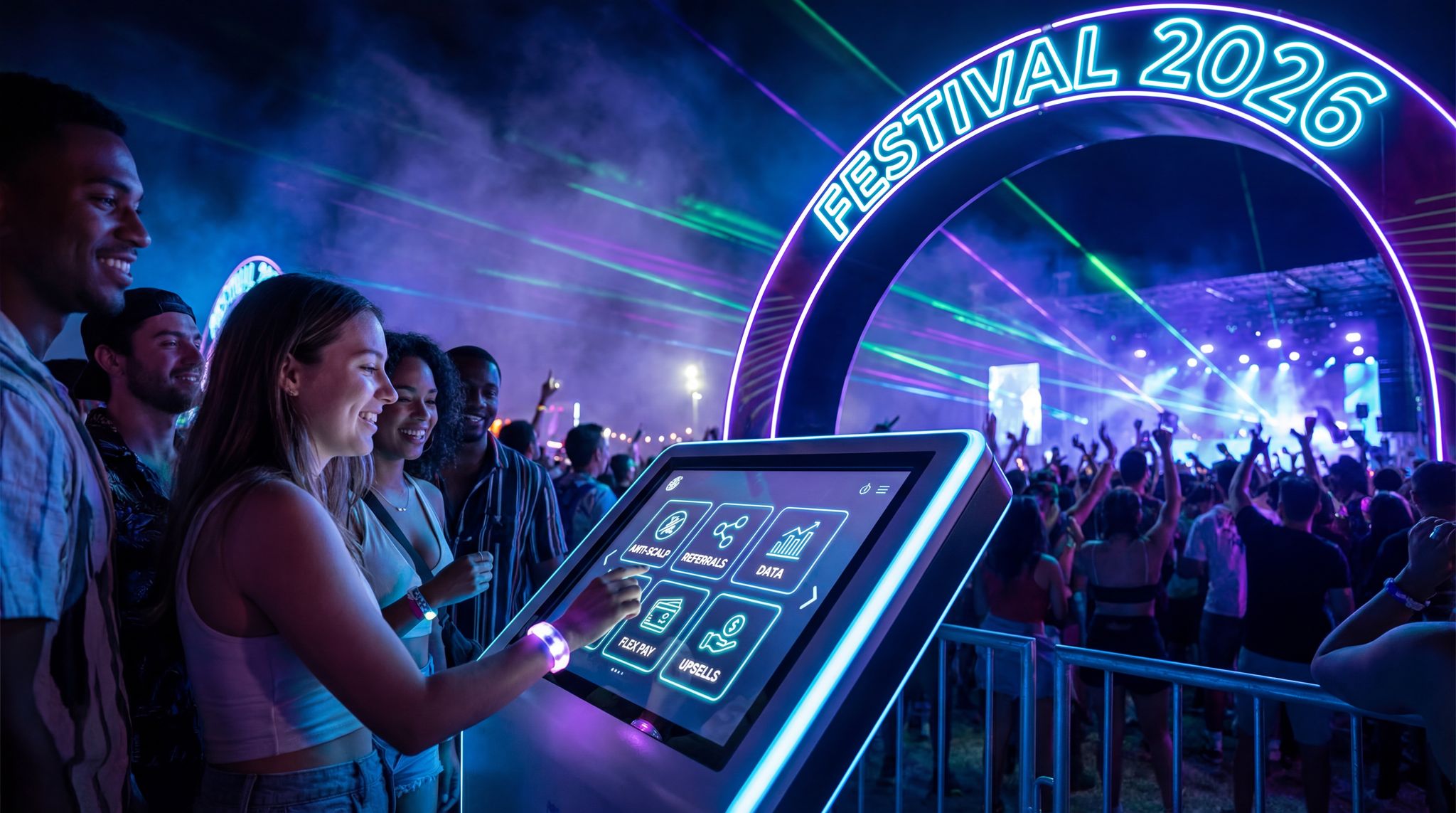
Offer flexible payment plans that split ticket costs into manageable installments, making higher-priced events accessible and boosting conversions.
Headliners & Key Talent
If your festival features performances or speakers, headline talent can be a major draw. Allocating budget for one or two big-name acts or high-quality entertainers can boost ticket sales and define the festival’s identity. I’ve found that investing in a great headliner often pays for itself by attracting attendees and even sponsors. For example, a music festival I produced splurged on a chart-topping band one year – tickets sold out faster than ever, and the buzz drew in more vendors and media coverage. That said, balance is key: pad the lineup with talented emerging artists (who cost less) to support the headliner. This mix ensures you’re delivering quality entertainment without blowing the entire budget on talent. Spend on the acts that truly elevate the experience, and consider saving on others by showcasing local or up-and-coming talent.
Production Quality (Sound, Lighting & Staging)
The best talent in the world can fall flat if the production quality is poor. Allocate funds for top-notch sound systems, lighting, and stage design – these elements define the sensory experience of your festival. Attendees remember the feeling of a great show: crisp clear audio, impressive visuals, and smooth production. In one large festival I oversaw, we invested heavily in a reputable sound engineer and a high-end LED wall for the main stage. The result? Rave reviews about the festival’s atmosphere, with hardly any complaints about technical issues. High-quality production also means fewer disruptions or equipment failures, which can save money in the long run. Whether it’s a small community event or a 100,000-strong mega festival, make sure your core production elements meet a professional standard. It’s worth the expense to avoid a scenario where, say, a cheap generator fails and the stage goes dark mid-event.
Planning a Festival?
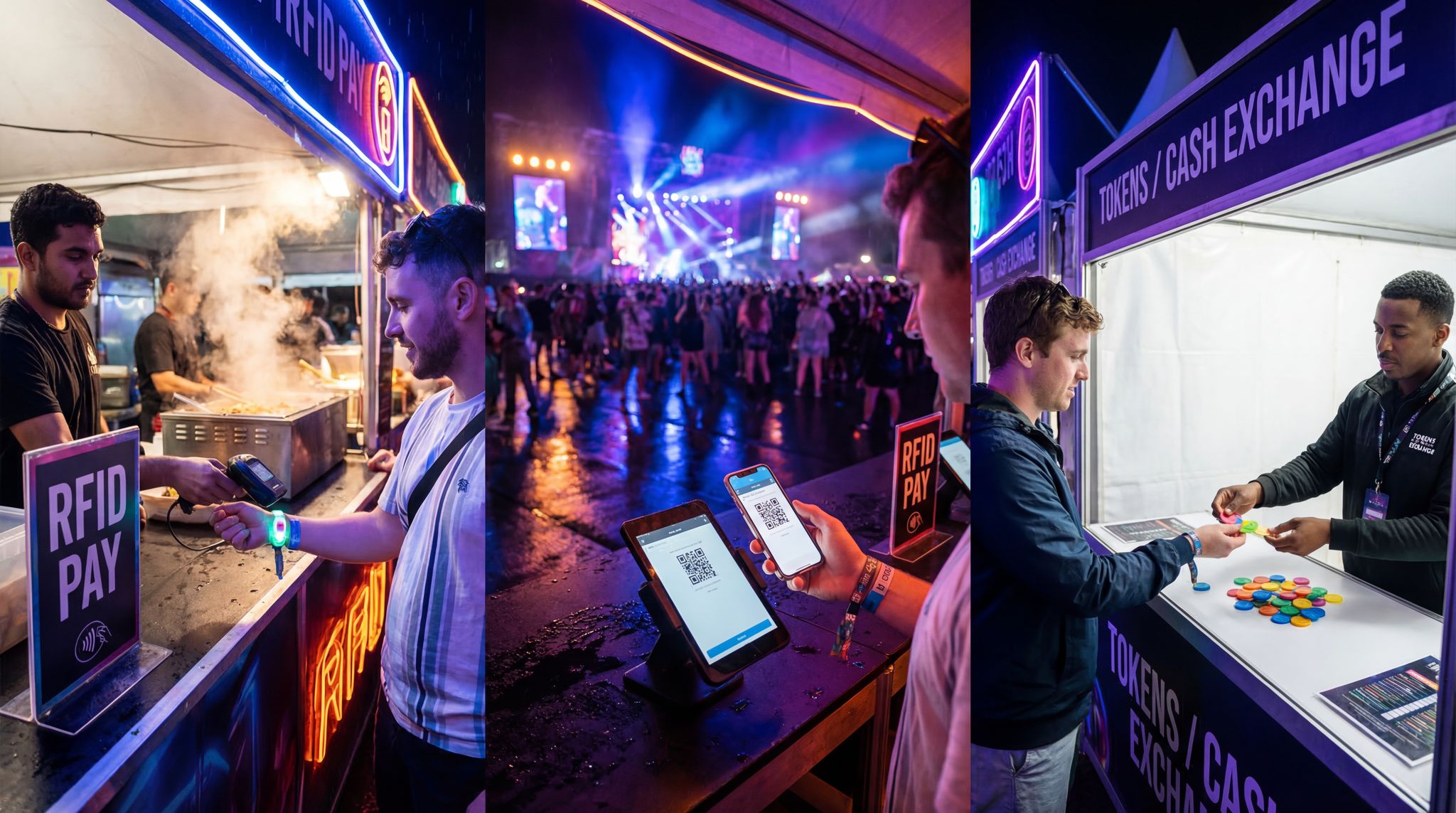
Ticket Fairy's festival ticketing platform handles multi-day passes, RFID wristbands, and complex festival operations.
Technology and Ticketing Partners
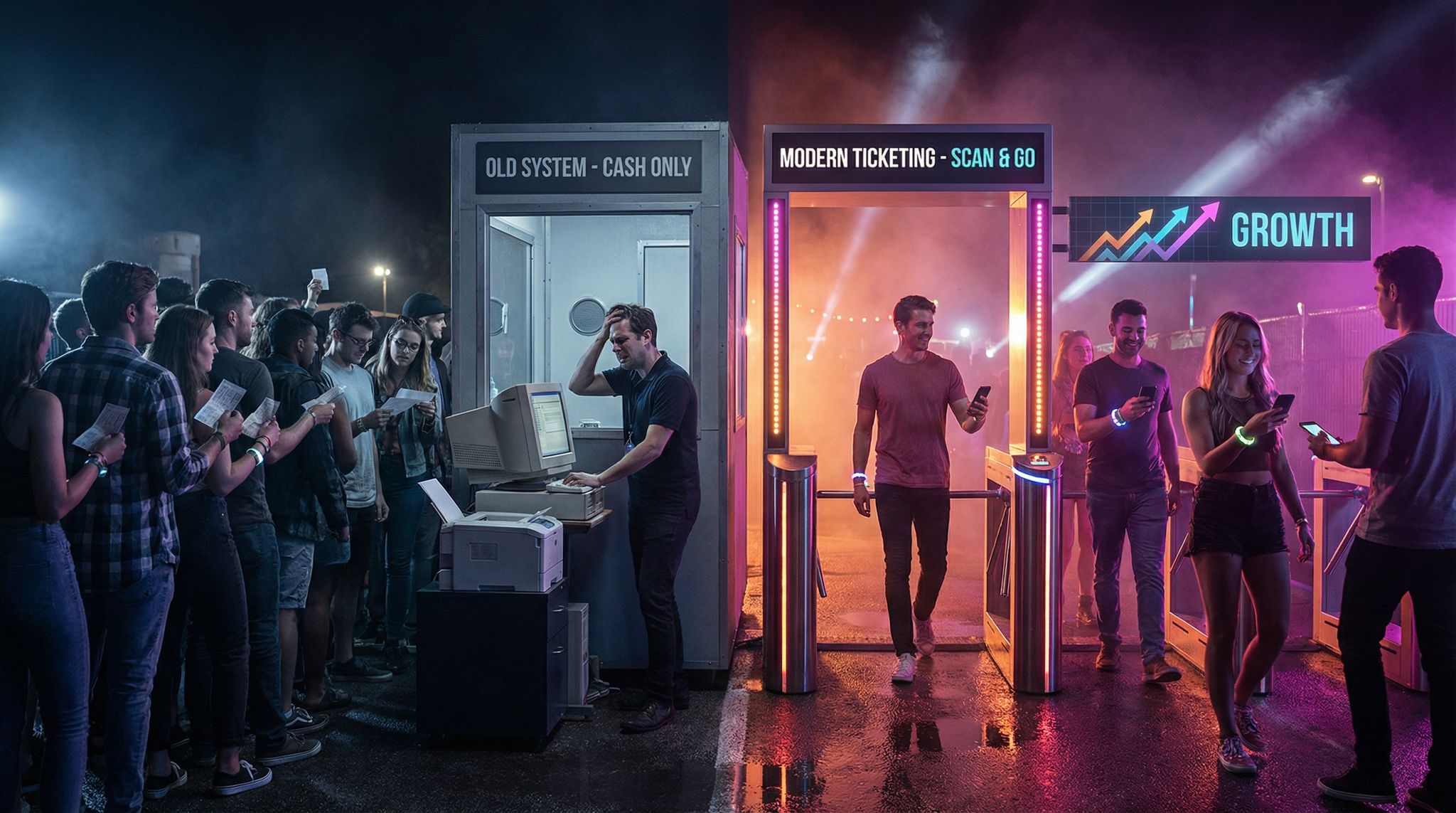
When evaluating the best investments for boosting success of festivals, don’t overlook your digital infrastructure. Partnering with a robust ticketing platform and investing in event management software are crucial festival expenses that pay dividends. A reliable ticketing partner provides invaluable data insights, helps manage cash flow, and streamlines the entry process. In my experience, spending a little more on high-quality tech solutions reduces operational friction and directly enhances the attendee experience from the moment they purchase a pass.
Marketing and Community Building
While infrastructure and talent are critical, allocating capital toward targeted marketing and community engagement ranks among the top strategies for long-term growth. Building a loyal audience reduces customer acquisition costs over time. Consider investing in high-quality content creation, ambassador programs, and experiential on-site activations that encourage attendees to share their experiences on social media. These strategic allocations not only drive immediate ticket sales but also secure your event’s reputation, making them highly effective financial moves for scaling your brand.
(Remember: Spending where it counts – safety, talent, and production – is essentially investing in your festival’s reputation and long-term success.)
Save Smartly on Non-Essentials
Every festival budget has places where you can save money without hurting the attendee experience. The trick is to trim the non-essentials and avoid budget bloat. Here are several ways to tighten your belt wisely:
Smart Promo Codes & Presale Access
Create percentage or flat-rate discount codes with usage limits, date ranges, and ticket type restrictions. Plus unlock codes for private presales.
-
Negotiate with Vendors: Treat every major expense as an opportunity to negotiate. Whether it’s the tent rentals, sound equipment, or catering, get quotes from multiple vendors and play them (politely) against each other. Vendors often have flexibility, especially if you’re booking during a non-peak season or offering a long-term partnership for future festivals. For instance, I once reduced a stage lighting bill by 20% simply by letting the supplier know we were considering a competitor with a lower rate – they matched the price. Building good relationships can also lead to loyalty discounts or free add-ons. Don’t accept the first price you’re given; do your homework and shop around for the best value.
-
Scale Decor to Your Budget: Ambience matters, but you don’t need to overspend on decor and fancy extras, especially if funds are tight. Focus on high-impact areas (like the main entrance or stage backdrop) and simplify the rest. Get creative and resourceful: reuse props from past events, borrow or rent rather than buy, or collaborate with local artists who might contribute installations at a lower cost for exposure. I’ve produced beautiful festival spaces on a shoestring budget by using things like string lights, banners, and DIY art that attendees loved. Another example: a wine festival I ran saved thousands by opting for simple, elegant table settings instead of lavish centerpieces; attendees still had a fantastic time because the wine and music were the star attractions. Prioritize decor elements that enhance the vibe, and trim the excess that most people won’t miss.
Need Festival Funding?
Get the capital you need to book headliners, secure venues, and scale your festival production.
-
Leverage Volunteers & Community: One of the greatest cost-saving assets is an excited community. Leverage volunteers for roles that don’t require licensed professionals – such as greeting at entrances, staffing information booths, assisting with artist hospitality, or helping with clean-up. Many festivals successfully run volunteer programs where people exchange a few hours of work for free tickets or special perks. Not only does this save money on staffing, it also builds a sense of community and ownership among participants. For example, at a small folk festival I helped organize, volunteers handled ticket scanning and parking direction, which saved us significant staffing costs. The volunteers were also thrilled to be part of the team. Just remember to treat your volunteers well: provide them with clear training, meals or snacks, and a great experience. Happy volunteers can reduce your labor costs while keeping the festival spirit alive. (Still, be sure to budget for skilled crew where it counts – e.g. certified riggers or electricians should be paid professionals, not volunteers.)
-
Optimize On-Site Operations: When looking for practical ways to save money at festivals you operate, scrutinize your logistical footprint. Consolidating equipment deliveries, sharing heavy machinery rentals (like forklifts) with neighboring events, and optimizing generator fuel usage can drastically reduce overhead. Managing these day-to-day festival expenses carefully ensures you aren’t bleeding capital on inefficient site operations.
Cut the Fat: Budget Controls and Avoiding Bloat
Even with smart spending and saving, festivals can suffer from budget bloat – those sneaky expenses that creep in and push you over budget. As a seasoned producer, I can’t stress enough how important it is to implement cost controls throughout the planning process. Here’s how to keep your budget lean and efficient:
- Identify “Nice-to-Haves” vs. Needs: During planning, list every expense and label it either essential or optional. This practice will highlight areas of potential bloat. Ask tough questions: “Does this fireworks display or premium VIP gift bag truly enhance the festival, or is it just extra?” Challenge your team to justify each optional cost. It’s okay to include a few fun flourishes, but only if core needs are fully funded and you have room in the budget.
- Require Multiple Vendor Quotes: Make it a rule to obtain at least two or three quotes for each major expense. This not only ensures you’re getting a competitive price, but sometimes vendors will match or beat a competitor to win your business. I’ve saved tens of thousands of dollars over the years by simply comparison-shopping for everything from tent rentals to portable toilets. Create a culture where your procurement team routinely bids out contracts — you’ll be surprised how often the same service comes in cheaper with a different supplier.
- Set Contingency and Stick to It: Always build a contingency fund into your budget (around 10-15% of total costs) for surprises. Equally important, avoid the temptation to spend that contingency on “extras” unless absolutely necessary. Consider it untouchable except for true emergencies or overruns. This discipline saved one of my festivals when extreme weather hit – we had funds to quickly lay straw on muddy grounds and extend staff hours for cleanup because we hadn’t frittered away our contingency on minor upgrades earlier.
- Track Expenses in Real Time: Use a detailed budget spreadsheet or event finance software to monitor spending as you go. Update it whenever a quote is finalized or an invoice comes in. This real-time tracking will help you catch overages early – if the staging cost comes in higher than expected, you can decide to trim the pyrotechnics budget to compensate before signing that contract. Assign someone on the team to be the dedicated budget hawk, keeping an eye on every line item. It’s much easier to adjust plans mid-course than to face a nasty surprise at the end.
- Learn from Each Festival: After the event, do a thorough post-festival budget analysis. Compare your projected costs to actual spending. Identify which expenses overshot and which investments truly paid off in attendee satisfaction or revenue. Perhaps you’ll discover that the expensive art installation no one noticed was budget bloat, whereas extra funds toward shuttle buses drastically improved attendee feedback. Use these insights next time to cut out waste and reinforce spending where it counts. Over years of producing festivals, this continuous learning is how I refined my budget priorities – it’s how you get better at predicting where to spend and where to save for future events.
- Offer Flexible Payment Options for Attendees: While you are managing your own costs, remember that your audience is also looking for ways to enjoy festival season on a budget. By implementing ticket payment plans or tiered early-bird pricing, you make your event more accessible to fans managing their own personal festival expenses. This strategy doesn’t cost you extra to implement, but it secures vital early cash flow for your production and locks in attendance long before the gates open.
- Audit Historical Financial Data: Before drafting your next budget, conduct a deep dive into past records. Categorizing previous operational costs—from staging and artist riders to marketing and sanitation—reveals hidden patterns. You might find that last-minute equipment rentals consistently drive up your overall festival expenses, indicating a need for earlier procurement. By understanding exactly where your capital flows, you can make smarter, data-driven decisions that protect your profit margins.
Final Thoughts
Budgeting for a festival is a balancing act of creativity and discipline. By prioritizing the areas that define your festival’s success (safety, key talent, and quality production) and cutting back on the frills that don’t matter as much, you ensure every dollar is working toward an unforgettable attendee experience. Remember, a great festival isn’t about spending lavishly everywhere – it’s about spending smart. As you plan, continually ask yourself: “Does this expense add real value to the festival or would we be just as successful without it?” Let the answers guide your budget decisions.
Take it from someone who’s seen it all: controlling costs is not about being cheap, it’s about being strategic. Invest in what matters, save where you can, and always keep an eye on the bottom line. Master this, and you’ll not only safeguard your festival’s financial health, but also set the stage for an event that people will love and remember for years to come.
Frequently Asked Questions
What are the most important areas to prioritize in a festival budget?
Festivals should prioritize spending on safety infrastructure, headline talent, and production quality. Investing in security, medical teams, and reliable sanitation protects against liability, while allocating funds for top-tier sound systems and lighting ensures a professional sensory experience. High-quality headliners also drive ticket sales and define the event’s identity.
How can festival organizers save money on non-essential costs?
Organizers can reduce costs by negotiating with vendors for better rates and scaling back decor to focus only on high-impact areas. Leveraging volunteers for unskilled roles like greeting and cleanup significantly lowers labor expenses. Additionally, reusing props and opting for simple, creative installations helps trim the budget without compromising the vibe.
Why is high-quality production important for a successful festival?
High-quality production directly influences attendee satisfaction by defining the sensory experience through crisp audio and impressive visuals. Allocating funds for professional sound systems, lighting, and stage design prevents technical failures that can disrupt the event. A seamless production standard leads to positive reviews and fewer complaints about the atmosphere.
How does using volunteers help control festival labor costs?
Volunteers can handle non-specialized roles such as greeting attendees, staffing information booths, assisting with artist hospitality, and helping with cleanup. Utilizing community members for these tasks reduces labor costs significantly while building a sense of ownership. However, skilled positions like rigging or electrical work must remain with paid professionals.
What strategies help prevent festival budget bloat?
Producers prevent budget bloat by distinguishing between essential needs and optional upgrades during the planning phase. Obtaining at least two or three quotes for every major expense ensures competitive pricing. Maintaining a strict 10-15% contingency fund and tracking expenses in real-time allows for immediate adjustments if costs exceed projections.
Why should festivals invest heavily in safety and infrastructure?
Investing in safety infrastructure, such as security personnel, medical teams, and reliable fencing, is non-negotiable for protecting attendees and avoiding liability. Adequate funding for basic comforts like clean water and restrooms prevents incidents that outweigh potential savings. A safe environment preserves the festival’s reputation and ensures long-term success.
What are the best investments for boosting success of festivals?
The most impactful investments include robust safety infrastructure, high-quality production (sound and lighting), headline talent, and reliable ticketing technology. Allocating budget to these core areas enhances the attendee experience, streamlines operations, and builds a strong reputation that drives future ticket sales.
How can organizers effectively manage overall festival expenses?
Organizers can control festival expenses by distinguishing between essential needs and optional upgrades, securing multiple vendor quotes, and maintaining a strict 10-15% contingency fund. Tracking costs in real-time and conducting thorough post-event financial analyses also help identify areas to save money at future events.
How much does a festival cost to produce?
The total cost to produce a festival varies wildly based on scale, location, and talent. A small 1,000-capacity boutique event might cost between $50,000 and $100,000, whereas mid-sized festivals for 10,000 attendees typically range from $500,000 to $2 million or more. Organizers should focus on percentage breakdowns: roughly 25-40% for talent, 20-30% for production, and 20-30% for site operations and safety.
How can promoters help fans attend events affordably while maintaining revenue?
Organizers can support attendees by offering tiered early-bird pricing, flexible payment plans, and bundled group packages. These strategies make tickets more accessible for fans looking for ways to save money at festivals, while simultaneously securing early cash flow and guaranteed attendance for the production.
What are the most commonly overlooked festival expenses?
Promoters frequently underestimate costs related to site remediation, waste management, last-minute permit fees, and artist rider fulfillments. Building a comprehensive budget that accounts for these hidden operational costs—alongside a healthy contingency fund—is essential for protecting your event’s bottom line.