Festivals centered around craft beverages – whether beer, wine, or spirits – require a unique blend of passion and precision. Organizers must orchestrate a memorable tasting experience that delights attendees’ palates while ensuring safety and responsible service. Craft beverage festivals can range from intimate local gatherings to international events drawing thousands of enthusiasts. No matter the scale, careful planning and veteran insight are key to creating an event where guests have fun, discover new flavors, and stay safe.
Partnering with Breweries, Wineries, and Distilleries
Successful craft beer and wine festivals start with strong partnerships. Coordinating with breweries, wineries, and distilleries requires clear communication and mutual benefit:
- Curate a diverse lineup: Invite both well-known producers and emerging artisans. A mix of local microbreweries, regional wineries, and even craft distillers can cater to varied tastes. For example, a beer festival might feature everything from a popular IPA brewery to a new homebrewer collective, while a wine event could showcase family-run vineyards alongside organic wine producers. Variety keeps the tasting experience exciting for attendees.
- Build relationships early: Reach out to beverage producers months in advance. Share the festival’s vision, expected attendance, and how their brand will be showcased. Seasoned festival organizers know that brewery and winery participation often hinges on logistics – clarify what the festival will provide (booth space, tents, refrigeration, ice, water access) and any costs or revenue sharing. When producers trust that their needs are met, they’re more enthusiastic and prepared to bring their best.
- Coordinate the offerings: Work closely with vendors on what drinks to pour. Encourage each brewery or winery to bring a signature item and perhaps something special (a limited release brew or a reserve wine) to create buzz. Make sure there’s a balance of styles (ales vs. lagers, red vs. white wines, etc.) so attendees can explore a full spectrum of flavors. Sharing a taplist or wine list ahead of time can even help market the event.
- Support the vendors during the event: Dedicate staff or volunteers to assist beverage vendors. Experienced producers have seen festivals where breweries ran low on ice or kegs and had no one to help – now they ensure a “brewery support crew” is on hand. These crew members can help restock ice, resolve technical snags (like a jammed tap), or cover a booth briefly so brewers can take a break. Taking care of vendors behind the scenes leads to a smoother experience for attendees.
Responsible Alcohol Service and Safety
At the heart of every craft beverage festival is the commitment to responsible drinking and guest safety. Over decades of festivals, veteran organizers have learned that a fun event can quickly turn sour if safety is neglected. Key practices include:
- Strict age verification: Implement a foolproof ID check at entry. Issue tamper-proof wristbands or badges to attendees of legal drinking age so breweries and wineries can easily identify who is allowed to sample. For added safety, some events use different colored wristbands for staff, vendors, underage attendees (if minors are allowed on-site), etc., to make monitoring simpler.
- Portion control and pacing: Define standard tasting sizes (e.g. a 2–4 oz pour for beer, a 1–2 oz pour for wine, smaller for spirits) and communicate these to all pourers. This prevents overconsumption and encourages guests to savor samples rather than gulp full drinks. Many seasoned festival producers recall events where overly generous pours caused guests to overindulge early – now they emphasize consistent sample sizes and encourage vendors to stick to them.
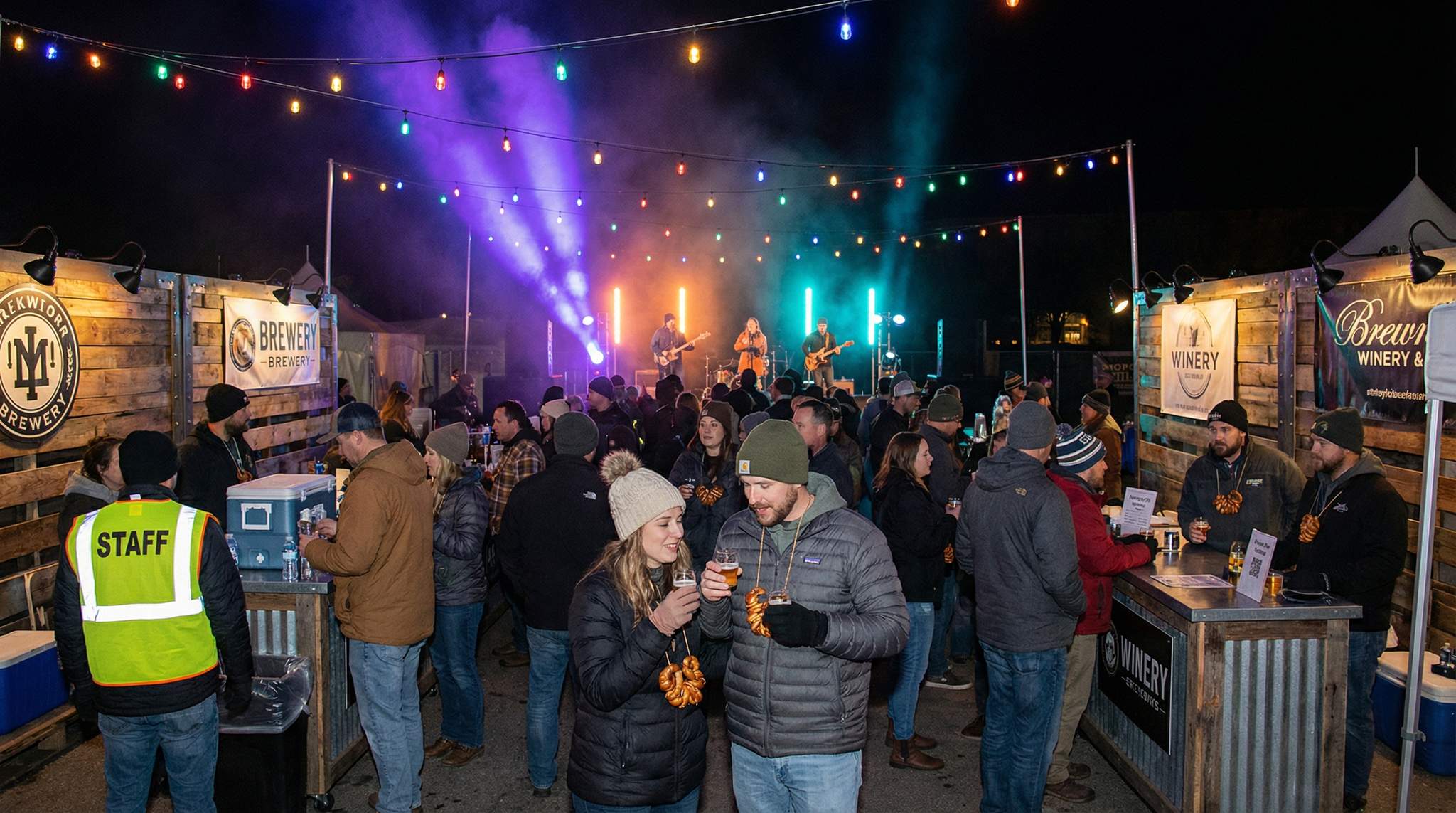
- Hydration and food are a must: Provide plenty of free water stations throughout the venue and encourage attendees to “hydrate between tastes.” Consider handing out water bottles or having volunteer “water stewards” roam with refill jugs. Additionally, ensure there are food vendors or snacks readily available. Savory bites not only enhance certain drinks (pretzel necklaces at beer fests are popular for a reason!) but also help participants moderate their alcohol absorption.
- Designated driver support: Encourage groups to plan for safe transportation. Many festivals offer a discounted “Designated Driver” ticket that comes with unlimited soft drinks and maybe a special perk (like access to a lounge or free food). This acknowledges the non-drinking attendees and reinforces a culture where getting everyone home safe is part of the event’s values.
- On-site safety measures: Have trained security or medical staff on hand. Seasoned organizers insist on a visible First Aid tent and roaming medics or EMTs ready to assist. Security personnel should be prepared to gently intervene if someone shows signs of extreme intoxication – possibly guiding them to a rest area or arranging a safe ride home. It’s wise to coordinate with local taxi or rideshare services for the end of the event, and to announce options for safe rides as closing time approaches.
Enhancing the Tasting Experience with Education and Pairings
A craft beverage festival isn’t just about drinking – it’s about appreciation. The most memorable festivals weave in educational and culinary experiences that deepen the enjoyment:
Go Cashless With RFID Technology
Enable contactless payments, faster entry, and real-time spending analytics with RFID wristbands and NFC-enabled ticketing for your events.
- Expert talks and workshops: Feature brewmasters, winemakers, or distillers in mini-seminars that attendees can join. For instance, a beer festival might host a “Meet the Brewmaster” Q&A on how a particular ale is made, while a wine festival could offer a session on wine-tasting techniques led by a certified sommelier. These talks give aficionados and newcomers alike a chance to learn directly from experts. One festival success story involved scheduling hourly talks where different brewers discussed their brewing philosophy – attendees left not only tasting great beer but also feeling connected to the craft.
- Food pairings and tasting menus: Elevate the experience by pairing beverages with food. This could be as simple as suggested pairings printed in the festival program (e.g. recommending the stout from Brewery X with the chocolate truffles sold at vendor Y’s booth), or as elaborate as a guided beer-and-cheese tasting event. Some wine festivals organize separate ticketed pairing dinners where chefs and vintners collaborate on multi-course meals. Even on the festival floor, consider a small “pairing pavilion” where attendees can sample a bite of artisan cheese or charcuterie specifically matched with certain wines or beers. These curated moments create a multi-sensory memory for guests.
- Interactive competitions or awards: Engaging attendees in the festival can be as simple as a “People’s Choice” vote for favorite drink of the day, or a homebrew competition run in parallel to the main festival. Friendly competition encourages guests to discuss what they’ve tasted and adds an extra layer of excitement. Announcing winners (best brewery, best seasonal beer, top winery, etc.) toward the end creates a shared climax for the community of attendees and participants.
- Live entertainment and ambiance: While the focus is on tasting, don’t underestimate the value of a great atmosphere. Light background music (local bands or acoustic sets that fit the theme) can elevate mood without overpowering conversations. At an upscale whiskey festival, for example, a jazz trio can underscore the sophisticated vibe, whereas an Oktoberfest-style beer event might lean into upbeat traditional tunes. Comfortable seating areas, thematic décor, and even activities like yard games (think giant Jenga or cornhole at a casual beer fest) allow people to relax and savor the day beyond their glass.
- Curating interactive festival activities: When brainstorming festival activities ideas, organizers should focus on activations that encourage guests to linger and interact with the brands. Beyond standard yard games, consider sensory stations where attendees can smell different hops or wine aromatics, DIY cocktail-mixing booths led by local mixologists, or branded photo opportunities like a giant wine barrel or a hops-covered archway. These engaging concepts not only entertain but also provide organic social media marketing as attendees share their experiences online.
Marketing Your Event: Proven Strategies and Examples
Promoting a tasting event requires campaigns that highlight the unique flavors and experiences attendees will enjoy. When looking at successful wine festival marketing examples, top organizers often leverage visual storytelling and strategic partnerships. For instance, collaborating with participating vineyards to co-host social media giveaways can rapidly expand your reach. Another proven tactic for a food and wine show is creating early-bird VIP packages that offer exclusive access to reserve pours or private sommelier sessions, using these premium perks as the centerpiece of your digital ad creatives. Highlighting behind-the-scenes content—like a brewer mashing in a special festival beer or a chef prepping for a pairing dinner—builds anticipation and drives ticket sales better than generic flyers.
Streamlined Logistics: Token Systems, Tickets, and Glassware
Behind the scenes, smart logistics ensure that a tasting festival runs efficiently and stays enjoyable. From ticketing systems to the very glass in a guest’s hand, plan these details carefully:
Planning a Festival?
Ticket Fairy's festival ticketing platform handles multi-day passes, RFID wristbands, and complex festival operations.
- Tasting currency (tokens or vouchers): Many drink festivals use a token system to manage sampling. Instead of handling cash at each booth, attendees purchase tokens or tickets from a central point (or as part of their admission package) and exchange them for pours. This speeds up lines and helps brewers focus on pouring and interacting rather than making change. A token system also lets organizers control serving sizes and limit over-pouring – for example, one token might equal one 2 oz sample. Ensure there are enough token sale points to prevent bottlenecks, and clearly explain the system with signage and in pre-event info. Some larger festivals even adopt RFID wristbands or digital apps for cashless, cardless transactions, though simpler token systems work great for most events.
- Glassware management: The tasting glass is a cherished souvenir and a critical tool. Choosing the right glassware involves balancing cost, experience, and safety. Seasoned festival crews consider:
- Size and style: A 5 oz tasting glass (for beer) or a small wine glass allows for ample aroma and multiple small pours without excessive consumption. For spirits, a smaller spirits tasting snifter or a sturdy rocks glass might be appropriate. The glass shape can enhance the beverage’s flavors, but it should also be easy to carry around.
- Material: Real glass provides an authentic tasting experience, but durable plastic or acrylic can be safer for outdoor or high-crowd settings (no one wants broken glass underfoot). Some festivals compromise by using shatter-resistant polycarbonate glasses that mimic glass look and feel. Regardless of the choice, have a plan for breakages – keep a few brooms or cleanup kits handy and offer replacement glasses for those that accidentally break theirs.
- Rinse and reuse: Savvy organizers set up rinse stations where attendees can wash their glass between samples so flavors don’t mix. A simple water tap or a bucket dump station at a few spots in the venue goes a long way. Also, make sure each attendee only receives one tasting glass (to prevent someone from using multiple glasses to get larger pours). Mark the glasses or use unique designs each year to prevent reuse from past events if portion control is a concern.
- Capacity planning and crowd flow: Logistics also means anticipating crowd movement. Arrange vendor booths with ample space for lines and mingling. Create a festival map that avoids congestion points – for example, distribute popular breweries across different areas rather than all in one corner. Position food vendors and rest areas interspersed with tasting areas so people naturally take breaks from drinking. Use signage to direct people to key spots (entrances, token booths, restrooms, first aid, exits) to keep things efficient. An experienced festival producer always walks the layout in advance, imagining the flow of an excited crowd, and adjusts placements of attractions to minimize jams.
- Behind-the-scenes operations: Ensure cold storage and supply lines are in place. Warm beer or wine and empty booths can tarnish the event. Arrange for refrigerated trucks or coolers for kegs and perishable drinks, and plan how new supplies will be moved onto the floor during the festival. For instance, if a brewery kicks a keg, have staff ready with a spare or to help swap it out quickly. Logistics also include trash management – provide plenty of garbage and recycling bins, and have staff empty them regularly so the venue stays clean and inviting.
- Designing a tasting itinerary: To elevate the guest experience and manage crowd movement, organizers should consider the best ways to plan a tasting itinerary for a festival. Providing a suggested route—such as a printed “tasting passport” or a digital app map—can guide attendees logically from lighter-bodied drinks to heavier, more complex profiles. In the context of complex beverage festival logistics, pre-planned itineraries help distribute foot traffic evenly across the venue, preventing bottlenecks at the most popular booths while ensuring guests don’t overwhelm their palates early in the day.
- Site design and vendor load-in: Mastering beverage festival logistics requires meticulous site planning long before the gates open. For a large-scale food and wine show or craft beer gathering, organizers must coordinate staggered load-in times to prevent traffic jams of delivery trucks. Establishing clear, reinforced pathways for pallet jacks and heavy kegs is essential to protect the venue grounds. Additionally, operators need to map out dedicated greywater disposal zones for dump buckets and rinse stations, ensuring compliance with local health and environmental regulations.
Balancing Fun and Safety: The Final Pour
Organizing a craft beer, wine, or spirits festival is a labor of love that mixes flavorful fun with diligent oversight. Every experienced festival organizer agrees that the best events are those where attendees barely notice all the behind-the-scenes efforts because they’re too busy having a great time. By collaborating closely with breweries and wineries, investing in responsible alcohol service, adding educational and pairing highlights, and fine-tuning logistics from tokens to glassware, producers can create festivals that thrive year after year.
In the end, a memorable tasting event is one where guests leave with new favorite drinks, newfound knowledge, and great memories – all while staying safe. Future festival producers, armed with these hard-earned lessons, can carry the torch forward. Cheers to crafting an event that’s as rewarding to run as it is to attend!
Frequently Asked Questions
How can festival organizers effectively coordinate with breweries and wineries?
Successful partnerships require early communication regarding logistics like booth space, tents, refrigeration, and ice. Organizers should curate a diverse lineup of local microbreweries and regional wineries while coordinating signature offerings to ensure a varied tasting experience. Providing adequate support staff for vendors helps resolve technical issues and allows for breaks.
What are the standard tasting sizes for craft beer and wine festivals?
Standard tasting sizes are typically 2–4 ounces for beer and 1–2 ounces for wine, with smaller pours reserved for spirits. Defining these specific limits helps prevent overconsumption and encourages guests to savor samples rather than gulping full drinks. Organizers often communicate these standards to all pourers to ensure consistency.
Why do many drink festivals use a token system for sampling?
Token systems streamline lines by centralizing cash transactions, allowing brewers to focus on pouring and interacting rather than making change. They also enable organizers to control serving sizes and limit over-pouring, where one token equals one specific sample size. This method improves efficiency compared to handling cash at every individual booth.
What safety measures are essential for responsible alcohol tasting events?
Essential safety measures include strict ID verification with tamper-proof wristbands and providing ample free water stations to encourage hydration between tastes. Organizers should ensure food is readily available to moderate alcohol absorption and maintain a visible presence of trained security and medical staff to assist guests if needed.
How can organizers enhance the tasting experience at craft beverage festivals?
Festivals can elevate the experience by incorporating educational elements like “Meet the Brewmaster” Q&A sessions or sommelier-led workshops. Adding culinary components, such as suggested food pairings or ticketed dinners, creates multi-sensory memories. Interactive elements like “People’s Choice” awards also engage attendees and encourage discussion about the flavors they discover.
How should festivals select the right glassware for tasting events?
Selecting the right glassware involves balancing experience with safety. A 5-ounce glass allows for appropriate beer aromas without excessive consumption. While real glass offers authenticity, durable plastic or polycarbonate is often safer for outdoor crowds. Providing rinse stations allows attendees to clean glasses between samples to preserve distinct flavors.
What are some effective marketing examples for a wine or craft beverage festival?
Successful marketing examples include co-hosting social media giveaways with participating vendors, offering early-bird VIP packages with exclusive perks, and sharing behind-the-scenes video content of brewers or winemakers preparing for the event. These strategies build anticipation and leverage the existing audiences of your beverage partners.
How can organizers help guests plan a tasting itinerary?
The best ways to plan a tasting itinerary for a festival involve creating suggested routes, such as a printed passport or digital map, that guide attendees by flavor profile or region. This approach enhances the tasting experience while improving overall beverage festival logistics by naturally distributing crowd flow across the venue.
What are the most critical beverage festival logistics to manage during vendor load-in?
Key operational priorities include maintaining the cold chain for perishable products, coordinating staggered arrival times for brewery and winery vehicles, and ensuring safe pathways for moving heavy kegs and pallets. Effective site design must also account for greywater disposal from rinse stations and dump buckets to comply with local health regulations.
What are some engaging festival activity ideas for a craft beverage event?
When brainstorming festival activities ideas, organizers should focus on interactive elements that keep attendees engaged and encourage social sharing. Popular concepts include sensory stations for smelling hops or wine aromatics, DIY cocktail-mixing booths, guided brewery tours (if hosted on-site), and thematic photo opportunities. These activations enhance the overall guest experience and increase the time attendees spend at the event.