The Digital Festival Era: New Risks to Manage
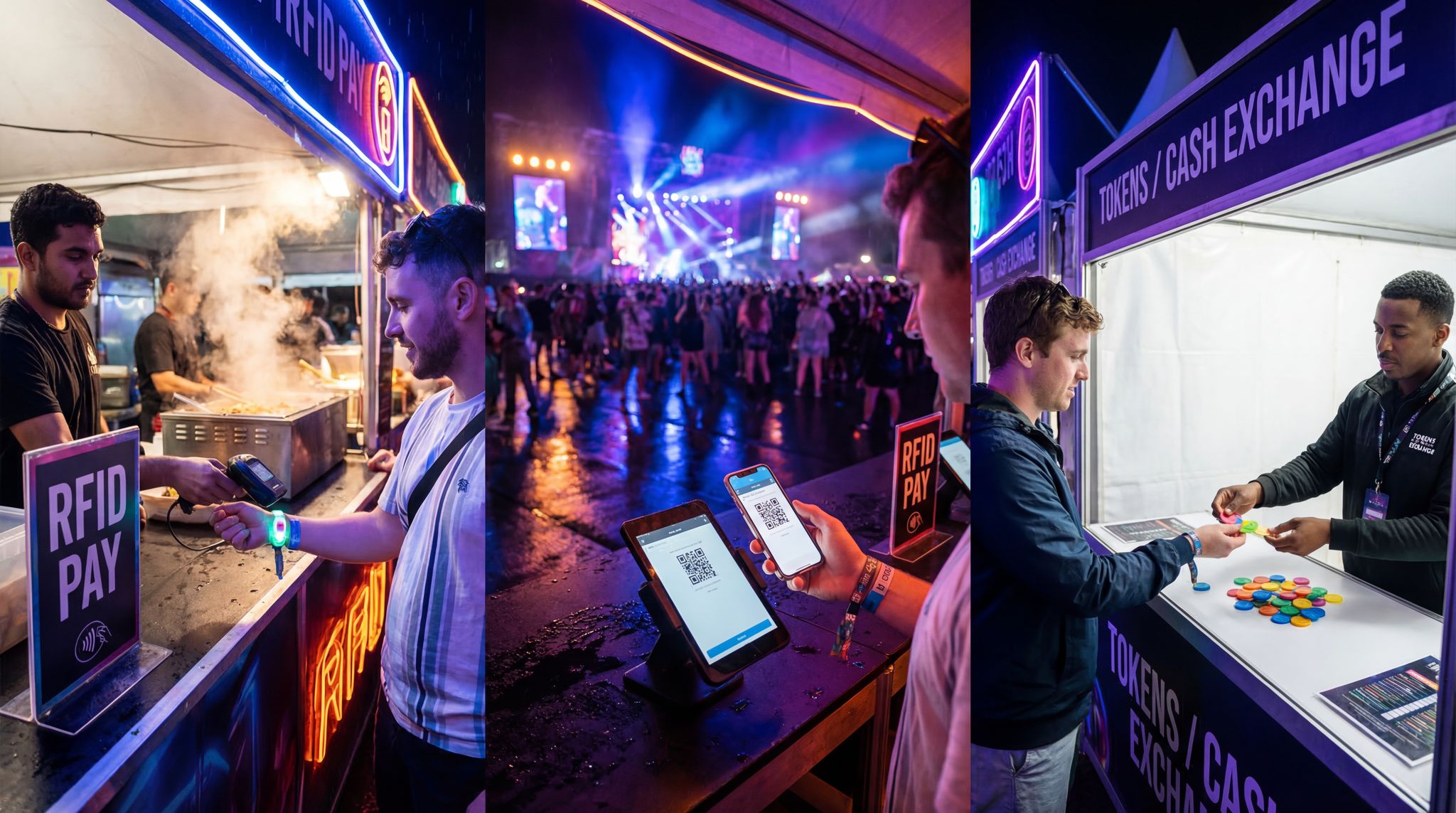
Modern festivals are digital marvels, blending live experiences with advanced technologies. From online ticket sales and cashless payment wristbands to event mobile apps and IoT-powered crowd monitoring, technology enhances almost every aspect of a festival. However, this reliance on tech introduces cyber risks that organizers must proactively manage. A data breach or system hack can lead to financial loss, legal complications, and a damaged reputation, so wise festival producers treat cybersecurity as a core part of planning and operations.
Safeguarding Attendee Data and Privacy
Protecting attendee information is paramount. Ticket buyers entrust festivals with personal details—from names and contact info to payment data, and even linked RFID cashless accounts. Organizers should ensure that any ticketing or payment platform they use is PCI DSS compliant, meaning it adheres to strict industry standards for securely handling credit card information. All data transfers (such as online ticket purchases or scanning wristbands on-site) should be encrypted so that sensitive details aren’t exposed in transit. It’s equally important to secure data at rest: customer databases and attendee lists must be stored safely, preferably encrypted and password-protected, to prevent unauthorized access.
Responsible data handling also involves limiting who can access personal information. Only essential staff or trusted vendors should have that access, and they must use strong, unique passwords for systems containing personal data. Festival teams need clear privacy policies explaining how attendee information will be used and protected. Following privacy laws (such as GDPR or other local regulations) isn’t optional—it’s a legal duty. The consequences of neglecting data security can be severe: one festival in 2024 inadvertently leaked hundreds of attendees’ names, emails, and bank details by mishandling an online refund form, causing panic and eroding trust as a music festival faced data breach chaos. Even world-renowned events have suffered breaches that exposed tens of thousands of records, proving no event is too big or too small to be targeted. By treating fan data with the care it deserves—using secure systems, up-to-date antivirus protection, and regular security audits—organizers protect both their patrons and their festival’s reputation.
Beyond the fans, securing vendor and guest data at events is an equally critical operational mandate. Festivals collect massive amounts of sensitive B2B information, including food trader tax IDs, sponsor banking details, and VIP guest lists. A comprehensive security strategy must silo this corporate data away from general attendee databases. Implementing strict role-based access controls ensures that a temporary box office worker cannot access vendor contracts, while accounting staff remain locked out of the primary festival ticketing system. By applying the same rigorous encryption and privacy standards to B2B partners as you do to ticket buyers, you build a foundation of trust across your entire supply chain.
Go Cashless With RFID Technology
Enable contactless payments, faster entry, and real-time spending analytics with RFID wristbands and NFC-enabled ticketing for your events.
When evaluating new software partners, organizers must prioritize ticket platforms’ buyer information security capabilities. A robust system goes beyond basic compliance, offering features like data anonymization, automated threat detection, and secure API integrations that prevent third-party leaks. By thoroughly vetting how a vendor handles consumer data—from the initial purchase click to post-event marketing communications—producers can ensure that their attendees’ sensitive details remain shielded from emerging cyber threats.
Securing Festival Tech and Operational Systems
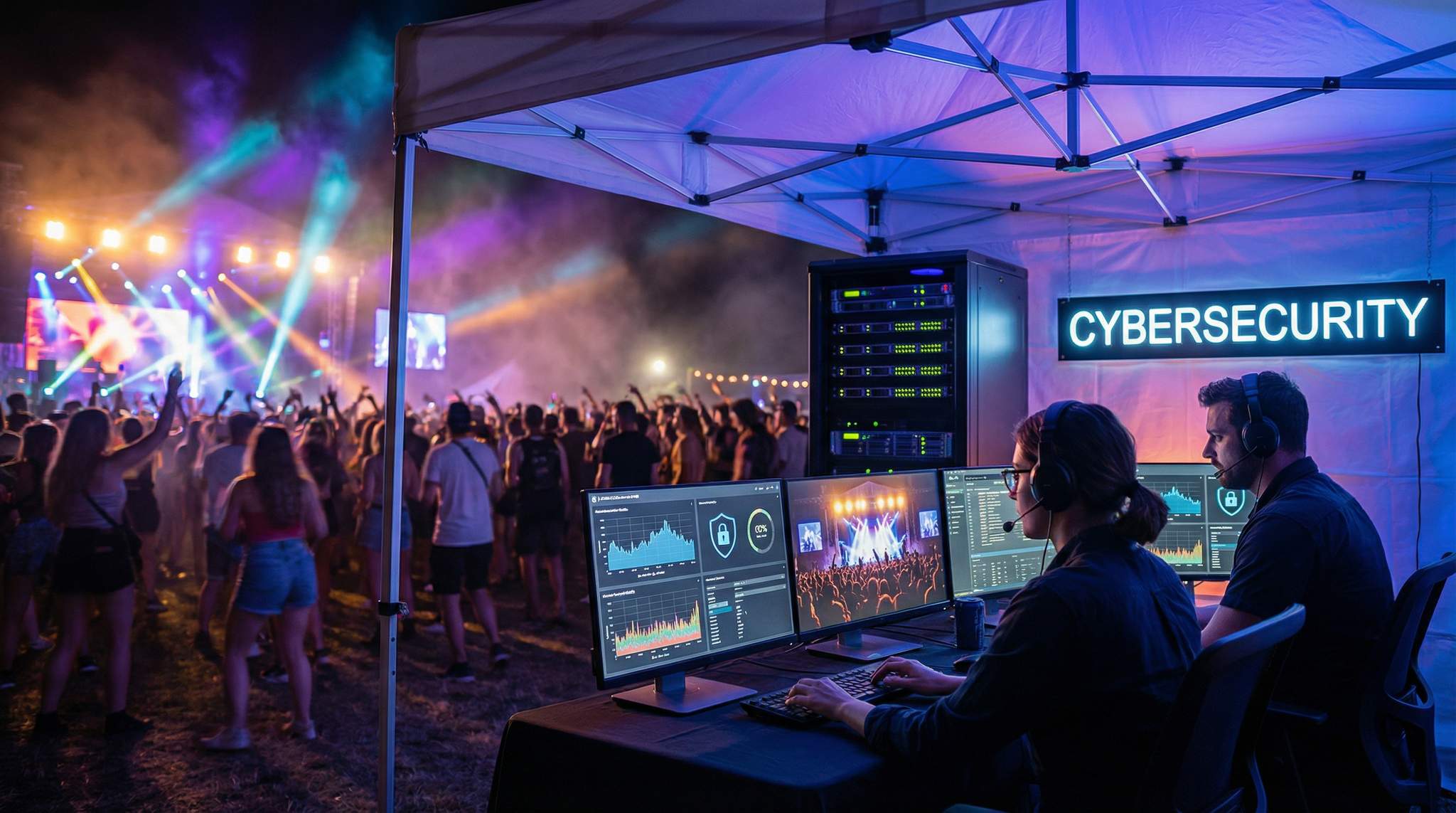
A modern festival is like a temporary smart city: power grids, lighting, sound systems, and even crowd management tools may be interconnected. While these innovations improve efficiency and safety, they also create new vulnerabilities. Organizers must secure the operational networks that run on-site technology. For example, when using internet-linked devices for monitoring crowd density or controlling stage lighting and video screens, ensure those systems are on a protected network (segmented from public Wi-Fi and locked down with firewalls and strong credentials). Default passwords on any equipment (from routers to smart power controllers) should be changed long before gates open. Without proper network security, one malicious actor could hijack a festival’s public address system or jumbotron screens—a nightmare scenario that could endanger public safety and the event’s image.
Planning a Festival?
Ticket Fairy's festival ticketing platform handles multi-day passes, RFID wristbands, and complex festival operations.
To prevent intrusions, festivals often employ IT specialists to set up secure communications and infrastructure. This can include using encrypted radio systems or VPNs for sensitive data feeds, and actively monitoring network traffic for suspicious activity during the show. Physical security is important too: limit access to server rooms, networking gear, and lighting/sound control booths so that only authorized personnel can interact with critical systems. Every piece of tech deployed—from mobile apps to on-site IoT sensors—should be kept updated with the latest security patches. By hardening both the digital and physical layers of festival operations, organizers reduce the risk that technical systems could be sabotaged or misused maliciously.
These infrastructure principles apply universally across the hospitality and live event spectrum. Whether you are building a temporary city in a field or securing digital entertainment for resorts and hybrid indoor-outdoor venues, the core methodology remains the same: segment your networks, monitor traffic continuously, and never trust default hardware configurations.
Backup Plans and System Redundancy
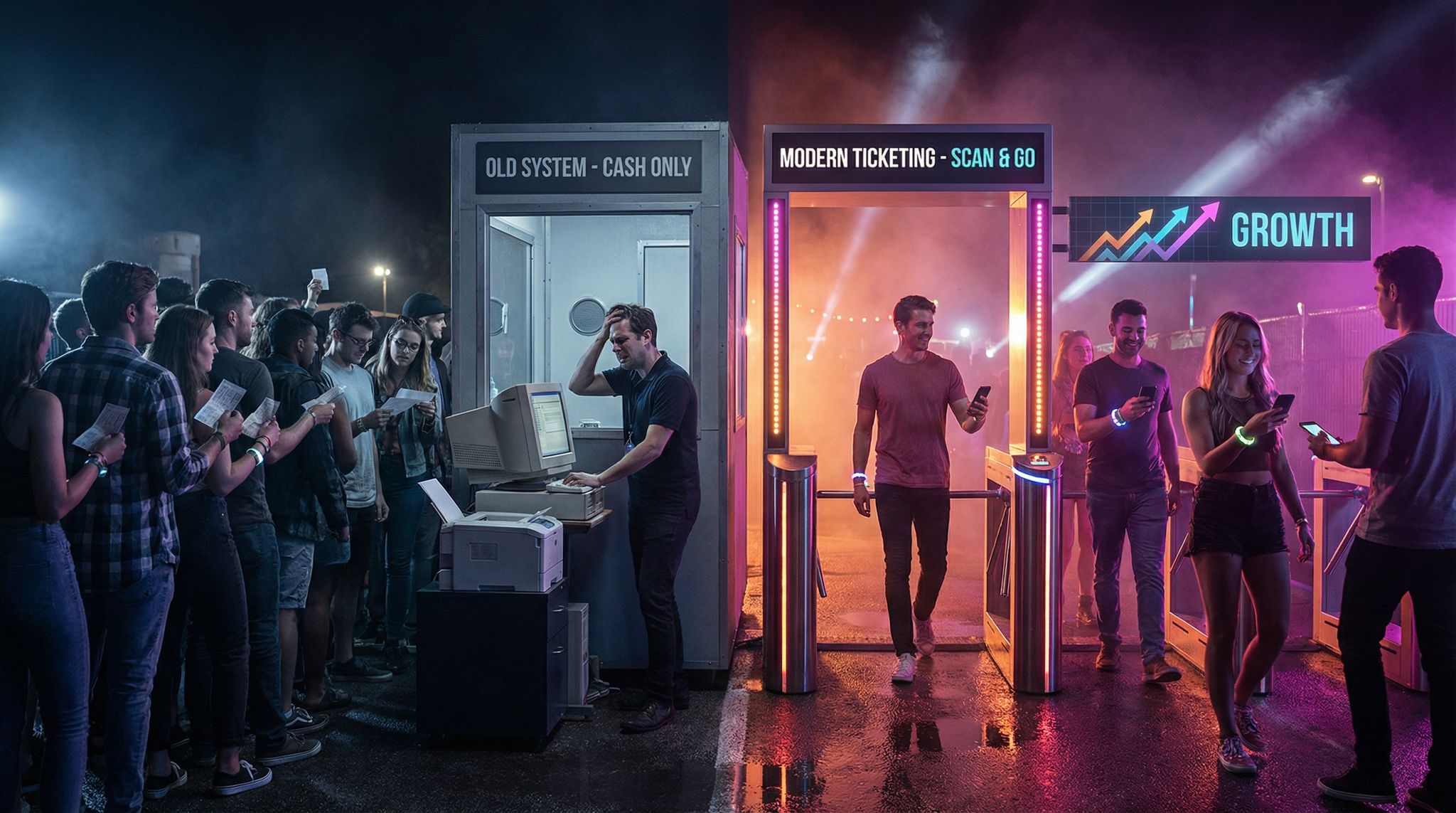
No matter how robust a festival’s cybersecurity measures are, technical failures or attacks can still happen. Smart festival organizers prepare backup plans so the show can go on even if key systems go down. For instance, if a cloud-based schedule or festival app crashes, have printed schedules and maps ready on-site. If an RFID cashless payment system stops working, staff can switch to offline modes—recording transactions to process later—or even temporarily revert to cash sales in an emergency. Organizers should always plan for connectivity issues in ticketing: maintaining an offline copy of the attendee list or a supply of printed tickets/wristbands allows manual check-in if scanners or internet service fail. Some events have learned this the hard way. When a major ticketing provider was hacked in 2018 and its systems went offline, many venues had to improvise by checking IDs and accepting printed ticket confirmations at the gate, a workaround necessitated by the massive Ticketfly hack and outage. A few organizers without any backup plan were left so helpless that they essentially opened the gates without verifying tickets at all—an outcome no one wants.
Redundancy applies to equipment as well. Critical systems like power generators, lighting controllers, or emergency PA systems should have backups or manual overrides. Important data should be backed up in multiple secure locations. Consider creating a simple disaster recovery plan that maps out exactly what to do if various systems fail or get compromised: who will assess the problem, how staff will communicate, and which pre-arranged workaround will kick in for essential functions. By rehearsing these scenarios with the team (even as a tabletop exercise), festival management can ensure that a tech glitch or cyber incident doesn’t devolve into chaos during the live event.
Smooth Entry With Mobile Check-In
Scan tickets and manage entry with our mobile check-in app. Supports photo ID verification, real-time capacity tracking, and multi-gate coordination.
When evaluating partners, organizers must scrutinize the historical reliability of their chosen software. The industry learned hard lessons from past incidents where major ticketing platforms suffered catastrophic outages, leaving operators blind at the gates. Today, the best platforms offer robust offline scanning and local caching to mitigate the risk of cloud downtime. Furthermore, evaluating the specific security features protecting credit card purchases for entertainment tickets events—such as tokenization and end-to-end encryption—is non-negotiable when selecting a primary ticketing vendor.
Beyond basic encryption, modern platforms deploy a suite of advanced fraud prevention tools to safeguard transaction integrity. Organizers should look for ticketing partners that utilize 3D Secure (3DS) technology, which adds an authentication step for online payments, alongside Address Verification Service (AVS) and automated CVV checks. Machine learning algorithms are also increasingly vital; they analyze purchasing patterns in real-time to flag suspicious bulk buys or bot activity before a transaction completes. By layering these defenses, event producers not only protect their attendees’ financial data but also drastically reduce the costly burden of chargebacks and fraudulent ticket scalping.
Need Festival Funding?
Get the capital you need to book headliners, secure venues, and scale your festival production.
When benchmarking potential partners, it helps to look at the major ticketing websites’ security features as the industry standard. Top-tier platforms invest heavily in continuous vulnerability scanning, automated bot mitigation, and multi-factor authentication (MFA) for both consumer accounts and backend organizer portals. As a festival producer, you should demand these same enterprise-grade protections from any white-label or independent ticketing provider you choose. Ensuring your vendor matches the security posture of the biggest players means your attendees’ data remains shielded against increasingly sophisticated cyber threats.
When operating in remote locations where internet connectivity is notoriously unreliable, your choice of a festival ticketing system becomes even more critical. Organizers must evaluate how ticketing platforms handle offline syncing and local data caching. The industry has seen how platforms with a history of outages can paralyze gate operations if they rely solely on continuous cloud access. A robust system designed for remotely located events will seamlessly queue ticket scans locally and sync them once the connection is restored, ensuring that entry flows smoothly regardless of network drops.
Cultivating a Security-First Culture
Technology may drive modern festivals, but people remain a crucial line of defense. Festival staff and contractors should be educated about basic cybersecurity practices. Simple steps like recognizing phishing emails, avoiding suspicious downloads, and not sharing credentials can prevent many breaches. Organizers should enforce a secure password policy across all accounts used for the event (no default or easy-to-guess passwords, and no reusing passwords across different tools). Crew members accessing festival systems or data should ideally use two-factor authentication when possible, adding another layer of protection in case a password is compromised.
Additionally, all devices that store sensitive festival information—such as laptops used for on-site operations or USB drives with backup files—should be encrypted and set to auto-lock when unattended. If a staff laptop containing attendee data or financial records is lost, encryption will help keep that data out of the wrong hands. It’s important that everyone on the team knows the security protocols: how to report a lost device or suspected breach, and who to contact for IT support. When the whole festival crew takes security seriously, potential threats can be spotted and addressed before they escalate.
Conclusion: With Great Tech Comes Great Responsibility
Embracing new technology at festivals offers incredible opportunities to elevate the fan experience and streamline operations. But every new app, cashless payment system, or connected light show comes with the responsibility to keep it secure. By safeguarding data privacy, locking down operational systems, and preparing backups for the unexpected, festival organizers protect not only their events and business interests, but also their fans and staff. The next generation of festival producers can build on hard lessons learned—both successes and failures—to create amazing events that are also fortresses of digital safety. Cybersecurity may not be the most glamorous aspect of festival production, but it is now as essential to success as a good sound system or a strong lineup. With vigilance and a proactive approach, festivals can shine brightly in the digital age, securely and without compromise.
Frequently Asked Questions
How can festival organizers safeguard attendee data and privacy?
Organizers safeguard data by using PCI DSS compliant platforms for payments and encrypting all information during transfer and storage. Limiting access to essential staff, enforcing strong password policies, and adhering to privacy laws like GDPR are critical steps. These measures prevent unauthorized access and protect sensitive personal details from breaches.
Why must festival operational networks be secured separately from public Wi-Fi?
Securing operational networks prevents malicious actors from hijacking critical systems like public address systems, jumbotron screens, or crowd monitoring tools. Organizers should segment these networks from public Wi-Fi, use firewalls, and change default passwords on equipment to ensure public safety and prevent operational sabotage during the event.
What backup plans should festivals have for ticketing and cashless system failures?
Festivals need redundancy plans like offline modes for recording cashless transactions or temporarily reverting to cash sales. For ticketing outages, maintaining offline attendee lists or accepting printed confirmations allows manual check-in. These measures prevent chaos if internet connectivity fails or systems are compromised by technical glitches or cyberattacks.
How can festival staff contribute to a security-first culture?
Staff contribute by recognizing phishing emails, avoiding suspicious downloads, and using strong, unique passwords with two-factor authentication. Encrypting devices like laptops and USB drives prevents data theft if hardware is lost. Educating the crew on security protocols ensures potential threats are spotted and addressed before they escalate.
Why is PCI DSS compliance important for festival ticketing and payments?
PCI DSS compliance ensures that ticketing and payment platforms adhere to strict industry standards for securely handling credit card information. This framework protects attendee financial data during online purchases or on-site wristband scans, significantly reducing the risk of data breaches, financial loss, and legal complications for the event.
How does physical security impact festival cybersecurity measures?
Physical security prevents unauthorized access to critical infrastructure like server rooms, networking gear, and lighting or sound control booths. Limiting access to essential personnel ensures that hardware cannot be tampered with or sabotaged manually, acting as a crucial layer of defense alongside digital protections like firewalls and encryption.
Why is securing vendor and guest data at events just as important as protecting attendee information?
Securing vendor and guest data at events prevents the exposure of sensitive B2B information, such as sponsor banking details, food trader tax IDs, and VIP itineraries. Implementing role-based access controls and siloing this corporate data from the main festival ticketing system ensures that a breach in one area does not compromise your entire operational supply chain.
What features should organizers look for in a festival ticketing system for remote locations?
When events are remotely located, organizers need ticketing platforms that offer robust offline scanning and local data caching. A reliable festival ticketing system will queue scans locally during internet outages and sync automatically once connectivity is restored, preventing gate bottlenecks and ensuring secure, continuous entry operations.
What security features protect credit card purchases for entertainment and ticketed events?
Key security features include PCI DSS compliance, end-to-end encryption, and tokenization, which ensure sensitive data is never stored in plain text. Additionally, advanced ticketing platforms utilize 3D Secure (3DS) authentication, Address Verification Service (AVS), and machine learning-based fraud detection to analyze transaction patterns and block suspicious activity, protecting both the attendee and the event organizer from fraud and chargebacks.
What security features do major ticketing websites use to protect data?
The security features of major ticketing websites typically include continuous vulnerability scanning, automated bot mitigation, multi-factor authentication (MFA) for user and organizer accounts, and end-to-end encryption. By setting the industry standard, these enterprise-grade protections ensure that both attendee personal information and financial transactions are shielded from sophisticated cyber threats.
How should organizers evaluate ticket platforms for buyer information security?
Organizers should assess ticket platforms’ buyer information security by reviewing their data encryption standards, compliance certifications (like PCI DSS), and vulnerability testing frequency. A secure platform will offer features such as multi-factor authentication for backend access, automated threat detection, and strict data anonymization protocols to ensure attendee details are protected throughout the entire purchasing lifecycle.