Introduction
In a crowded events landscape, having a one-of-a-kind festival concept and theme is the lifeblood of an unforgettable event. A strong theme sets a festival apart from the rest, giving it a distinct identity in a sea of similar offerings. It’s more than just a marketing tagline – the concept becomes the guiding star for planning and the soul of the festival, shaping everything from the venue ambiance to the lineup selection. By crafting a unique theme that resonates with attendees, organizers transform a simple gathering into an immersive experience that sticks with people long after the grounds empty.
Why a Unique Concept Matters
Establishing a distinctive theme is crucial for both new and seasoned festival producers. With hundreds of festivals vying for attention, a clear concept helps yours stand out in a saturated market. It provides a narrative that attendees (and the media) can latch onto.
For instance, consider how a desert arts gathering built around radical self-expression developed into a global cultural phenomenon – its bold concept attracted a dedicated community and defined an entire culture around the event.
On a smaller scale, a local food fair that centers on one beloved ingredient (like a garlic or chili festival) can gain nationwide fame because its theme is memorable and specific. These examples show that unique vision fuels buzz and sets expectations; people know what makes your event different and special from the outset.
Moreover, a strong theme guides internal decision-making. It’s easier to make cohesive choices about branding, programming, and partnerships when you have a defined festival identity. The concept becomes a touchstone for every aspect of planning – if an idea doesn’t fit the theme, it likely doesn’t belong. This focus helps maintain consistency, which in turn creates a more impactful and immersive experience for attendees. In short, a well-defined theme isn’t just decoration; it’s a strategic asset that can make marketing more effective and the attendee experience more engaging.
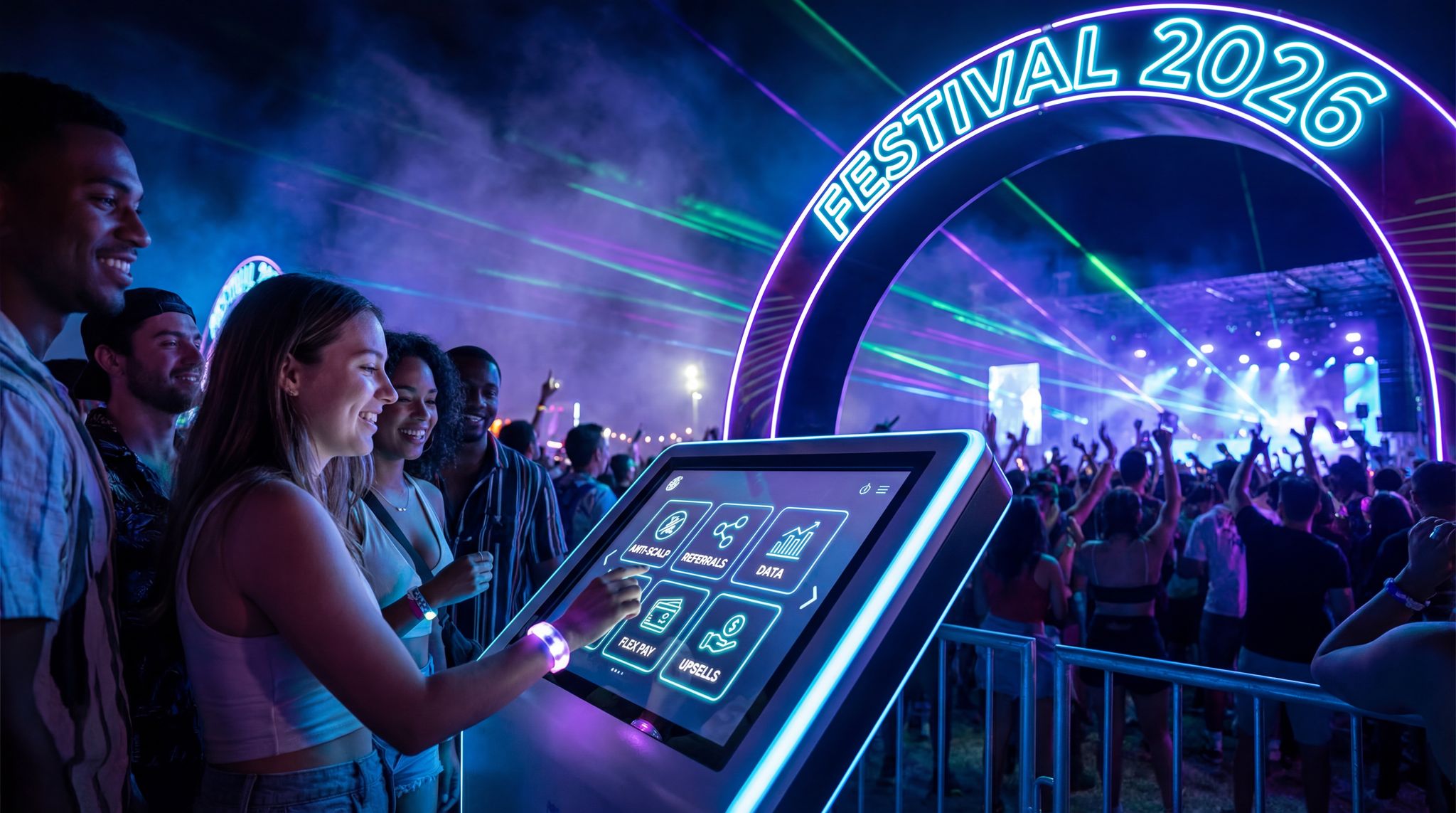
Boost Revenue With Smart Upsells
Sell merchandise, VIP upgrades, parking passes, and add-ons during checkout and via post-purchase emails. Increase average order value by up to 220%.
Define Your Vision and Know Your Audience
Every successful festival concept starts with a clear vision and understanding of the intended audience. Before zeroing in on a catchy theme, define the core purpose and values of the event. Is the festival meant to celebrate a particular music genre, promote a cultural tradition, support a social cause, or mix several elements into something new? Clarifying the festival’s mission will serve as the foundation for all creative decisions. For example, if the core vision is to celebrate sustainability and art, that principle will inspire everything from using eco-friendly decor to booking speakers on environmental topics alongside musicians.
Hand-in-hand with vision is knowing your target audience – the community you want to attract and inspire. Different audiences are drawn to different experiences. A family-friendly community festival will need a theme that’s inclusive and fun for all ages, whereas an underground electronic music gathering might succeed with an edgy, avant-garde concept that appeals to devoted genre enthusiasts. Research your potential attendees’ interests and expectations. If you’re targeting young indie music fans, a retro 80s theme might fall flat, but a forward-looking multimedia art theme could captivate them. On the other hand, a festival geared toward foodies could build its entire identity around farm-to-table cuisine or a regional specialty. By aligning the concept with the audience’s passions and values, you ensure the theme genuinely resonates. This alignment not only helps sell tickets, but also fosters a sense of community – attendees will feel the festival was designed for them, which builds loyalty.
Planning a Festival?
Ticket Fairy's festival ticketing platform handles multi-day passes, RFID wristbands, and complex festival operations.
Brainstorming a Distinctive Festival Theme
Once the vision and audience are clear, it’s time to brainstorm creative concepts. Start broad and let ideas flow freely. Gather your team (or a group of trusted creatives) for a brainstorming session and encourage out-of-the-box thinking. At this stage, no idea is too wild or too trivial – sometimes the most unconventional concept can evolve into a festival’s winning formula. Look for inspiration in various places: local history and folklore, emerging cultural trends, personal passions, or gaps in the current festival market. Is there a musical niche or cultural community that’s underrepresented in festivals? Is there a unique location you can build a story around (for example, a festival on a mystical island, or a rave in an abandoned warehouse with a futuristic theme)? Some festivals marry two passions to stand out, like a music-and-tech festival or a film festival that only screens documentaries about the environment. Make a long list of ideas without judging them immediately.
When searching for truly innovative festival concepts, it often pays to look beyond your immediate geographic market. European promoters, for instance, frequently pioneer avant-garde stage designs and interactive storytelling models that can be adapted for North American or Asian audiences. By studying international trends, organizers can import fresh, cutting-edge ideas that haven’t yet saturated their local event landscape.
When evaluating different festival concept ideas, it helps to anchor your brainstorming around a central narrative. A compelling festival story idea gives your production team a clear framework for designing stages, booking talent, and crafting marketing campaigns. Whether it is a post-apocalyptic survival gathering or a utopian wellness retreat, the core festival idea must be robust enough to sustain multi-day programming without feeling repetitive.
After compiling a range of ideas, begin filtering them with key questions:
– Is this concept truly unique or is it already being done? Research other events to ensure you’re not duplicating someone else’s festival theme too closely. If something similar exists, what fresh angle could you bring?
– Does it align with your audience’s interests and the festival’s core values? A concept might sound exciting, but if it doesn’t speak to the people you want to attract, it won’t gain traction.
– Is it feasible given your resources and location? A fantasy winter wonderland theme might be tough to pull off for a summer festival on a tropical beach, for example. Consider practical constraints like climate, venue capabilities, and budget.
– Will it be sustainable in the long run? If you plan for the festival to become an annual event, think about whether the theme can evolve or provide enough variety each year to keep attendees coming back.
Accept Payments Across 13 Countries
Local currency processing via Stripe, Razorpay, Xendit, Paystack, and OXXO across 13 countries with region-specific payment methods.
By thoughtfully answering these questions, you can narrow down the brainstorm list to a standout concept that passes the uniqueness test and aligns with both your audience and practical reality. The goal is to land on a concept that excites people and is achievable.
This brainstorming process is equally critical for specialized or institutional events. For example, when developing a theme for a college fest, student organizers and university programming boards must balance campus traditions with current pop culture trends. A successful university festival concept often relies on highly interactive, budget-friendly ideas—like a campus-wide retro arcade or a neon glow-in-the-dark music performance—that maximize student engagement without requiring massive production overhead.
Need Festival Funding?
Get the capital you need to book headliners, secure venues, and scale your festival production.
Generating a Theme for a Music Festival
When developing a theme for a music festival or live performance event, promoters must ensure the concept complements the auditory experience rather than distracting from it. The ideation process for a music-driven event often starts by analyzing the genres represented on the lineup. For instance, a bass music event might lean into heavy, industrial, or dystopian visual aesthetics, while a house and techno gathering could focus on futuristic, minimalist, or cosmic environments. Organizers should ask themselves how the physical space can visually represent the soundscapes being performed. This approach ensures that the overarching narrative feels authentic to the artists booked and the fans attending.
To successfully build a comprehensive concept for a live music performance, producers must look beyond the headliners. The best approach is to map out the attendee journey from the moment they enter the venue. Consider how lighting, spatial audio, and interactive art installations can physically manifest the music’s underlying message, turning a standard concert into a multi-sensory world.
For those wondering exactly how to create a concept idea for a music performance from scratch, the most effective method is collaborative storyboarding. Bring together the booking agents, production managers, and lead artists to map out the emotional arc of the show. By aligning the visual cues, lighting, and stage props with the setlist’s peaks and valleys, producers ensure the thematic elements elevate the live music rather than competing with it.
Refining Your Chosen Concept
With a promising festival concept in hand, the next step is refining it into a cohesive theme that will drive all aspects of the event. Refinement means adding detail, depth, and clarity to the idea so that it’s readily communicable and concrete. Start by articulating your theme in one or two sentences – a festival “elevator pitch.” For instance, “A weekend-long fantasy cosplay music festival set in a mythical forest, where every stage and activity ties into an enchanted fairy tale adventure” gives a clear picture of what attendees should expect. If you struggle to summarize the idea succinctly, the concept may need further focus.
At this stage, also consider choosing a compelling festival name and tagline that reflect the theme. The name should evoke the essence of your concept (for example, “Solar Sound Festival” might hint at a sun-powered eco-music event). A good name and slogan make your festival instantly identifiable and can be powerful marketing tools in themselves.
Next, outline how the theme will manifest across the festival components. This is where a unique concept becomes a full-fledged creative blueprint:
– Visual Design and Decorations: Decide on the visual style that matches the theme. Colors, stage designs, art installations, and signage should all reinforce the concept. A festival with a space galaxy theme might use neon colors and futuristic stage props, whereas a folk-culture-themed festival could incorporate traditional motifs in its banners and art.
– Programming and Lineup: Ensure the performances and activities align with the story you’re telling. Curate artists, speakers, or films that fit the theme’s genre or vibe. For example, a vintage 90s throwback festival would ideally book bands from that era, throw in retro DJ sets, and maybe even include a classic arcade for attendees. The theme can also guide side activities – a medieval-themed fest could offer archery, while a wellness-themed festival might include yoga sessions at sunrise.
– Venue Selection and Layout: If you have flexibility in choosing a venue, pick a location that amplifies the theme. The natural surroundings or architecture can serve as an authentic backdrop. A forest or lakeside setting complements a nature-centric or mystical theme, just as urban industrial sites suit a steampunk or underground art concept. Even if the venue is fixed, you can design the layout into thematic zones or stages, giving each area its own flavor under the overall concept.
– Staff, Crew, and Performers: Brief everyone involved about the theme and encourage them to embody it. This might mean having staff wear subtle costumes or themed attire, or simply ensuring they understand the festival’s story so they can help convey it to attendees. Performers might be excited to participate in theme-related elements too – artists have been known to tailor a set or wear outfits inspired by a festival’s concept when they feel part of the vision.
– Food, Beverage, and Merchandising: These often-overlooked elements can really highlight a theme. Try to offer a few menu items that play into the concept (like cosmic-themed cocktails for a space festival, or region-specific dishes for a cultural festival). Merchandise and souvenirs should likewise reflect the festival’s unique identity, giving attendees a tangible connection to the experience.
As you refine, keep your target audience in mind and ensure these details will enhance their enjoyment. It’s a balancing act: you want the theme deeply woven into the event, but you also don’t want to overwhelm or alienate newcomers. The best concepts have multiple entry points – casual attendees might just enjoy the surface fun (like the costumes or decor), while die-hard fans notice the deeper storytelling and Easter eggs you’ve built into the experience.
For larger-scale events, executing this creative blueprint often involves dedicated festival theming and styling professionals. Transitioning from a basic concept to fully realized festival themed productions requires specialized set designers, prop fabricators, and lighting experts who understand how to build immersive environments at scale. Whether you are transforming an open field into a futuristic metropolis or styling a boutique VIP area to resemble a 1920s speakeasy, investing in professional production design ensures the physical space authentically reflects your initial vision.
Effective festival theming goes beyond just placing props; it requires a holistic approach to spatial design. When executing high-level festival theming and styling, producers must consider sightlines, crowd flow, and even the transition zones between different thematic areas to maintain the illusion of a cohesive world.
Seasonal timing also plays a massive role in shaping your creative blueprint. When brainstorming summer festivals themes, organizers often lean into the natural advantages of outdoor venues, utilizing vibrant color palettes, water features, and open-air stage designs. A summer event concept might revolve around a tropical oasis, a midsummer solstice celebration, or a sun-drenched desert mirage. Conversely, a winter event requires a completely different thematic approach, focusing on warmth, enclosed immersive spaces, and lighting design that compensates for shorter daylight hours. Tailoring your festival event theme to the season ensures that the physical environment naturally enhances the chosen aesthetic.
Ensuring the Theme Resonates
Having a brilliant concept is one thing; making sure it actually strikes a chord with people is another. Testing the resonance of your festival theme before fully committing to it can save headaches down the road. Consider running elements of your idea by trusted individuals who represent your target demographic. You could conduct informal surveys, focus groups, or even social media polls hinting at the concept to gauge excitement. For example, if you’re planning a niche gaming-and-anime crossover festival, online fan communities could provide valuable feedback on which aspects of that theme they find exciting or clichéd.
Pay attention to early reactions – are people instantly intrigued and asking questions, or do they seem confused about what the festival is all about? Confusion is a red flag that the theme might be too abstract or not clearly communicated. If enthusiasm is lukewarm, be prepared to tweak the concept. Sometimes a theme needs a small twist to really resonate. Perhaps framing the concept with a relatable story or vivid imagery can make it click. It might be as simple as adjusting the tagline, or as major as blending in another element to broaden the appeal. Flexibility in these early stages will help ensure you end up with a concept that truly connects with the audience’s interests and imaginations.
Another hallmark of a resonant theme is when it naturally inspires buzz and involvement. When your core audience is excited, they will start spreading the word unprompted and even contribute ideas. Some festivals build engagement by inviting the community to participate in the theme – for instance, encouraging attendees to dress in costume or contribute art that aligns with the festival’s concept. If you notice future attendees getting creative and planning around your theme (on forums, fan pages, etc.), that’s a great sign you have something that hits home. The goal is not just to market to your audience, but to have the theme so well-loved that your audience begins to market it for you through word-of-mouth.
Learning from Successes and Failures
Even the most experienced festival producers have learned hard lessons from events that soared and those that stumbled. It’s wise to study real-world examples to understand how a concept can influence a festival’s trajectory.
On the success side, Burning Man is a classic case where a strong, almost radical concept drove growth. What began as a small gathering in the desert with a theme of radical self-expression and community has evolved into a world-famous festival culture. Its core principles and concept are so distinct that they permeate every aspect of the event – from the art installations to the expectation that attendees participate rather than just spectate. That unwavering commitment to a unique vision created an event with a virtually mythical reputation and an incredibly loyal following. The lesson here is that a clear, values-driven concept can transform a festival into a movement, as long as the organizers embody the theme consistently.
Another example is the rise of themed music festivals like Tomorrowland. Tomorrowland in Belgium sets itself apart not just with EDM music but by crafting a new imaginative theme each year – one year it’s a magical fairy tale book, another year an underwater kingdom. They invest heavily in fantastical stage design, storytelling in their marketing, and even in details like the names of stages or on-site experiences to match each theme. This approach creates anticipation among attendees about “what will this year’s story be,” keeping the festival fresh while still delivering the core experience their audience loves (dance music). It shows that even a very large festival can retain a boutique creative feel through thematic storytelling.
On the flip side, lessons can be learned from festivals that failed, often by neglecting to align concept with reality. The infamous Fyre Festival serves as a cautionary tale. It was promoted with an alluring luxury island theme – promising an ultra-exclusive tropical paradise experience – but the organizers could not execute that grand vision. The result was a disconnect between expectation and reality so severe that it tanked the festival’s credibility overnight. Attendees arrived to find basic needs unmet (like proper lodging and food), which made it clear the so-called luxury theme was only skin-deep in the marketing materials. The takeaway for any producer is stark: never over-promise a theme you can’t deliver. A concept must be backed by solid logistics and budgeting. In this case, a more modest concept aligned with the organizers’ experience level and resources might have prevented a total collapse.
Even less dramatic failures are instructive. Some small festivals struggle because their theme is too broad or not memorable – for example, a generic “summer music festival” in a market full of similar events is likely to be overlooked. Others choose a theme so niche that it limits their audience too sharply and they can’t sell enough tickets. Finding that sweet spot where a theme is distinctive yet inclusive enough is key. Successful festival producers often iterate on their concept over time: if one element doesn’t work, they adapt. Perhaps an international food festival finds that attendees loved the cultural dance performances more than the cooking demos, so next year they pivot to put more emphasis on performance within the food theme. Being willing to learn and refine the concept year by year (while preserving its core identity) is how good festivals become great and continue to grow.
Unifying Every Element Around the Theme
A hallmark of a well-produced festival is how seamlessly all the elements tie back to the central theme. Think of your theme as the thread that should run through the entire festival tapestry. Once the concept is refined and proven resonant, it’s crucial to communicate it clearly to everyone involved in bringing the event to life – from your creative directors to the vendors, security, and marketing team. Every element, big or small, is an opportunity to reinforce the theme and deepen the attendee’s immersion.
Here are some key areas to unify under the festival concept:
1. Branding and Communication: The theme should shine through in the festival’s name, logo, website design, and promotional materials. If your festival’s concept is, say, a retro beach paradise, then using vintage surf fonts, tropical colors, and playful copywriting in ads will broadcast that vibe from the first interaction. Make sure your marketing team tells a cohesive story about the festival in press releases, social media, and posters. Consistency in messaging helps set the right expectations and excitement.
2. On-Site Atmosphere: Plan the entrance experience and general ambiance to make a strong first impression. Many successful festivals create a thematic entrance gateway or immersive installation that immediately signals the concept to people as they walk in. The music that’s playing in common areas, the design of the information booths, and even the look of the tickets or wristbands can reflect the theme.
3. Stage and Area Themes: If your event has multiple stages or zones, consider giving each a sub-theme or name that fits under the overall concept umbrella. A large festival with an overarching concept like “global cultural carnival” might have one stage themed to a bazaar market, another to a futuristic city, etc., each with appropriate decorations and line-ups, all within the global carnival idea. This provides variety while still keeping the experience unified by the main theme.
4. Audience Interaction: Encourage attendees to join in on the theme. Some festivals explicitly invite costumes or cosplay, which can be a big draw for certain audiences. At the very least, create opportunities for attendee participation that fit the concept – interactive art walls, theme-based scavenger hunts, communal installations, or contests that reward engagement with the theme. When the crowd participates, the theme gains life of its own and the event becomes a shared story rather than a one-sided presentation.
5. Content and Storytelling: If your theme has a narrative element, think about how you can drip-feed that story throughout the event. Perhaps the festival program or app includes a backstory of the theme that people can read. Maybe each day of a multi-day festival unveils a “chapter” of the story (common in fantasy-themed or genre festivals). These narrative touches, while not essential for everyone, offer an extra layer for enthusiasts who appreciate depth. It’s part of what can turn first-timers into repeat attendees because they’re eager to see the story continue next year.
By ensuring all these facets are aligned, you create a powerful sense of place and purpose. Attendees might not consciously notice every little detail, but collectively they feel the difference of a cohesive, immersive environment. It can transport them from daily life into the world you’ve created for the festival – which is exactly the kind of memorable escape that keeps people coming back.
Balancing Creativity with Practicality
While dreaming up spectacular themes and immersive touches, seasoned producers advise always balancing creative ambition with practical execution. A unique concept will lose its luster if logistical failures pull attendees out of the experience. As you plan, identify any aspects of the theme that could introduce risk or complexity. For example, if your concept revolves around a nighttime lantern-lit forest, you’ll need to plan extensively for power, fire safety, and lighting infrastructure to make it safe and enchanting. If you’re aiming for a zero-waste sustainability theme, then every decision – from vendor packaging to trash disposal – has to reflect that, which requires coordination and possibly higher upfront costs for eco-friendly solutions.
Budgeting deserves special mention here. Integrating a theme can range from relatively low-cost efforts, like volunteer-made decorations, to very expensive productions involving elaborate sets and technology. Very early in the planning, allocate part of your budget specifically for theme execution (set design, decor, special effects, etc.). That way, you don’t find yourself sacrificing the theme later due to cost overruns in other areas. It’s better to scale a concept wisely than to promise grand spectacles and deliver half-measures. For instance, if you can’t afford dozens of acrobats and actors to create a carnival atmosphere, maybe concentrate on transforming one key area into a carnival sideshow experience rather than diluting the theme everywhere.
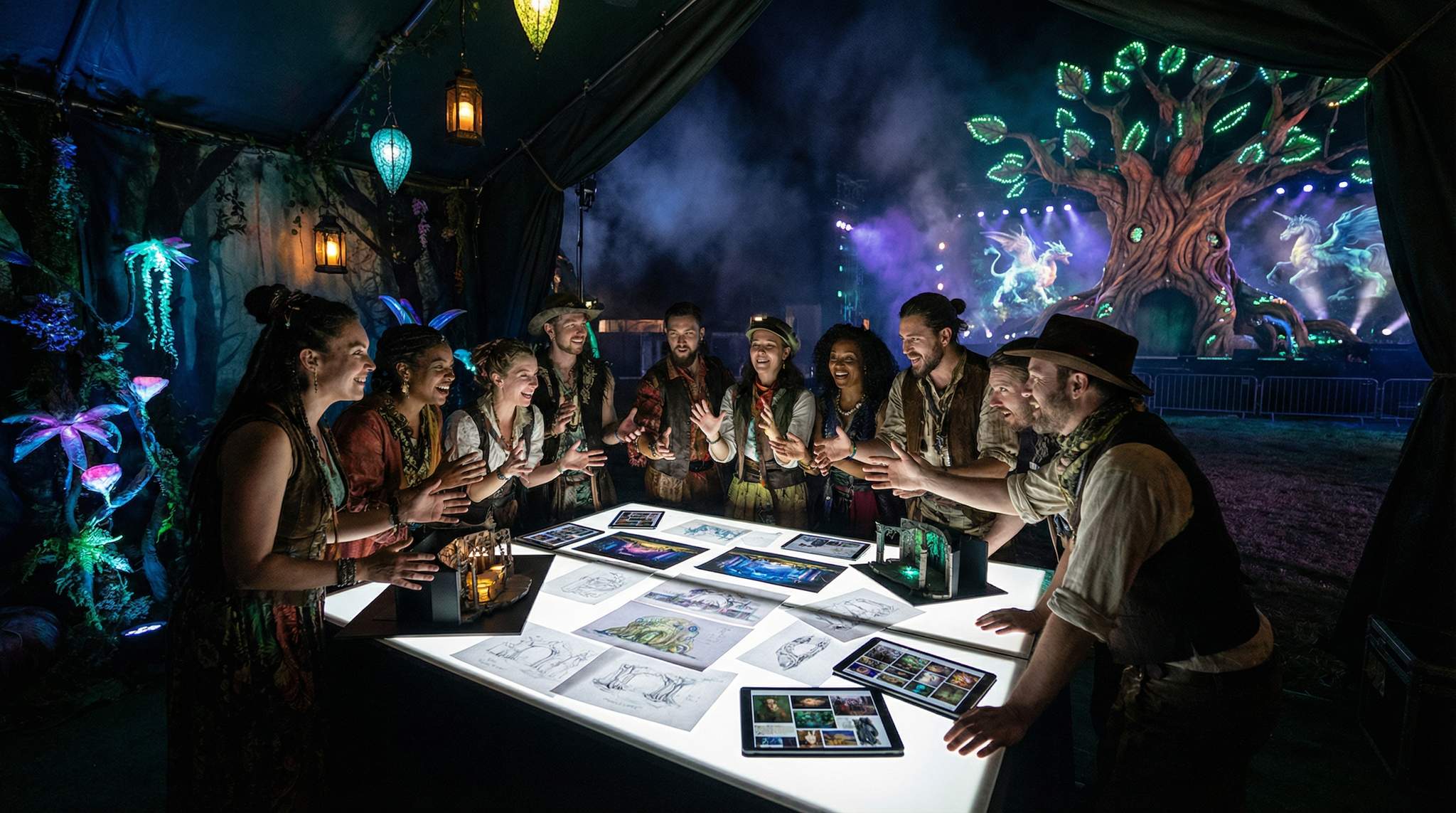
Another practical aspect is getting buy-in from stakeholders. If sponsors or partners are involved, ensure the theme is something they find attractive and on-brand as well. A concept that aligns with a sponsor’s image (e.g., an outdoor gear company supporting an adventure nature festival) can open doors to in-kind contributions or extra funding to make thematic ideas possible. Conversely, a mismatch might cause them to hesitate. Use your theme as a selling point: demonstrate with sketches, mood boards, or even small showcase events what the experience will be like. This can excite not only partners but also local authorities or venue owners when seeking permits and support – a well-presented concept shows you have a cohesive plan, not just an ad-hoc party.
In essence, aim high with creativity but ground each idea in a plan for execution. That mindset will protect the festival’s reputation and keep the experience magical for the audience from start to finish.
Conclusion: Bringing Your Vision to Life
Developing a unique festival concept and theme is a rewarding creative journey that pays off when you see your vision come alive and attendees immersed in an experience you imagined. The next generation of festival producers can carry events forward by daring to be original, yet also by learning from the trials of those who came before. Remember that every legendary festival started as just an idea – the difference is in how diligently and passionately the team developed that idea into a full-fledged reality.
By starting with a clear vision and understanding of your audience, brainstorming boldly, and then carefully refining and implementing your theme across every detail, you set the stage for something truly special. It’s about creating not just an event, but a story that people can step into for a day or a weekend. When done well, your theme will resonate so strongly that it forms a community around your festival and keeps people coming back for more, eager to see how the story unfolds in each new edition.
In the end, the role of a festival producer is part visionary and part realist. Embrace creativity and innovation to dream up that festival concept that no one has seen before, but also plan and execute with enough practicality to deliver on your promises. If you can achieve that balance, you’ll not only set your festival apart – you’ll also pass on a legacy of inspiration and wisdom to those who produce festivals after you. With a unique concept at the helm, your festival can leave a lasting imprint in the cultural landscape and in the hearts of all who attend.
Frequently Asked Questions
Why is a unique festival concept important for event success?
A unique festival concept sets an event apart in a saturated market, providing a distinct identity that fuels buzz and sets clear expectations. Beyond marketing, a defined theme serves as a strategic asset for internal decision-making, ensuring cohesive choices regarding branding, programming, and partnerships for a more immersive attendee experience.
How should organizers align a festival theme with their target audience?
Organizers must start by defining the event’s core purpose and values before researching the specific interests of their potential attendees. A successful theme connects with the audience’s passions, such as using an avant-garde concept for electronic music fans or inclusive themes for families. This alignment fosters community loyalty and ensures the event feels designed specifically for them.
What is the process for brainstorming a distinctive festival theme?
Producers should gather a creative team to brainstorm broad ideas inspired by local history, cultural trends, or market gaps. Once a list is compiled, concepts are filtered by asking if they are truly unique, feasible given resources and location, and aligned with the audience’s values. This process ensures the final theme is both exciting and achievable.
How can a festival concept be refined into a cohesive creative blueprint?
Refining a concept involves articulating the theme in a one-sentence elevator pitch and selecting a compelling name and tagline. Organizers must then outline how the theme manifests across visual design, programming, venue layout, and food. This creates a detailed plan where every element, from decor to staff attire, reinforces the festival’s unique story.
How do organizers test if a festival theme resonates with attendees?
Organizers can gauge resonance by conducting informal surveys, focus groups, or social media polls with the target demographic before fully committing. Monitoring early reactions helps identify if the concept generates excitement or confusion. If enthusiasm is lukewarm, the theme may need adjustments, such as a clearer narrative or a relatable twist, to truly connect.
How can festival elements be unified to create an immersive experience?
Producers unify an event by ensuring the central theme dictates branding, on-site atmosphere, and stage designs. Every detail, from the entrance experience to food menus and merchandise, should reinforce the narrative. Encouraging attendee participation through costumes or interactive art further deepens immersion, turning the festival into a cohesive, shared story rather than just a series of performances.
What is the difference between a festival concept and festival theming?
While the concept is the overarching idea or story behind your event, festival theming and styling refer to the physical execution of that idea. Professional themed productions involve set design, custom fabrication, curated decor, and lighting to transform a venue so that attendees feel completely immersed in the event’s narrative.
How do you choose a successful theme for a college fest?
Selecting a theme for a university or college festival requires balancing student demographics, campus traditions, and available budgets. The most effective college fest themes are highly interactive and culturally relevant to students, such as retro decades, neon glow parties, or seasonal campus takeovers, allowing for high engagement without demanding the massive infrastructure of a commercial mega-festival.
How do promoters develop a theme for a music festival?
Developing a theme for a music festival involves aligning the visual and experiential elements with the genres of music being performed. Promoters analyze the lineup’s soundscapes and build a narrative—such as a futuristic aesthetic for electronic dance music or a rustic, nature-focused vibe for folk and indie genres—that visually represents the audio experience.
What are some effective summer festival theme ideas?
Effective summer festival themes capitalize on outdoor environments and warm weather. Popular concepts include tropical oasis designs, midsummer solstice celebrations, and vibrant carnival atmospheres. Organizers should choose a theme that naturally integrates with the venue’s landscape and enhances the open-air experience for attendees.
How do you develop a compelling festival story idea?
Developing a festival story idea involves creating a central narrative that guides the entire event production. Organizers should start by defining the core emotions and atmosphere they want to evoke, then build a fictional or thematic world around it. This narrative framework helps dictate stage design, marketing copy, and interactive attendee experiences, ensuring all festival concept ideas feel cohesive and immersive.
Where can organizers find inspiration for innovative festival concepts?
Producers can discover innovative festival concepts by analyzing international event markets, attending fringe arts and culture gatherings, and monitoring emerging technology trends. Looking outside of the traditional music and food festival circuits often reveals fresh, avant-garde ideas that can be adapted to create a highly unique attendee experience.
How do you create a concept idea for a live music performance?
To create a cohesive concept idea for a music performance, producers should collaboratively storyboard the event with artists and production teams. This involves mapping the emotional arc of the setlist and designing lighting, stage props, and visual effects that physically manifest the music’s underlying narrative.