Introduction
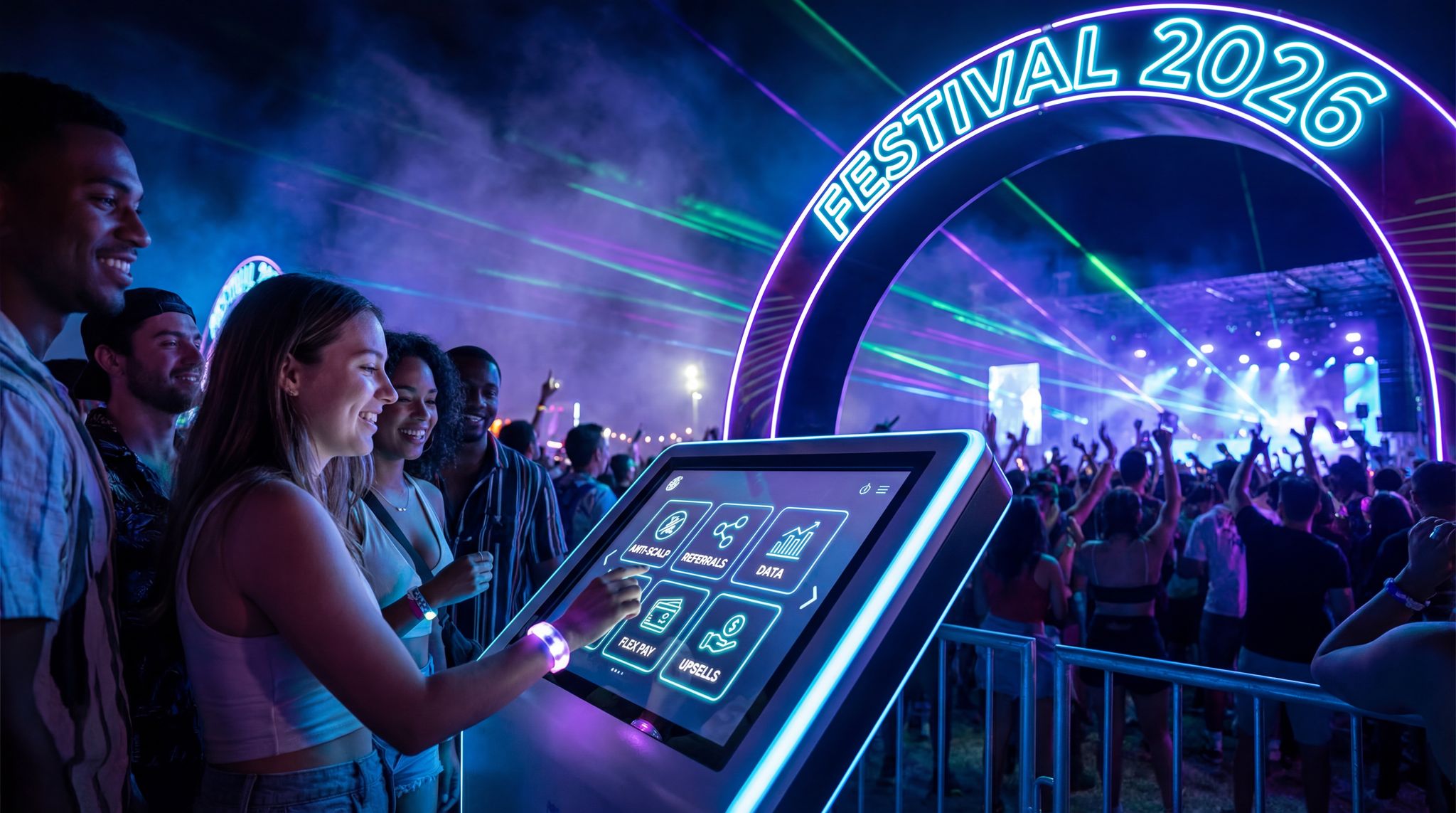
Modern festivals are embracing technology like never before. From cashless payments to virtual reality, live events have become tech-forward experiences. This shift isn’t just about flashy gadgets – it’s about enhancing the festival atmosphere, improving logistics, and creating new ways for audiences to engage. Seasoned festival organizers emphasize that adopting the right innovations can elevate both attendee enjoyment and operational efficiency. As a result, the next generation of festival producers is paying close attention to emerging tech trends that are shaping live events today.
RFID: Seamless Access and Cashless Payments
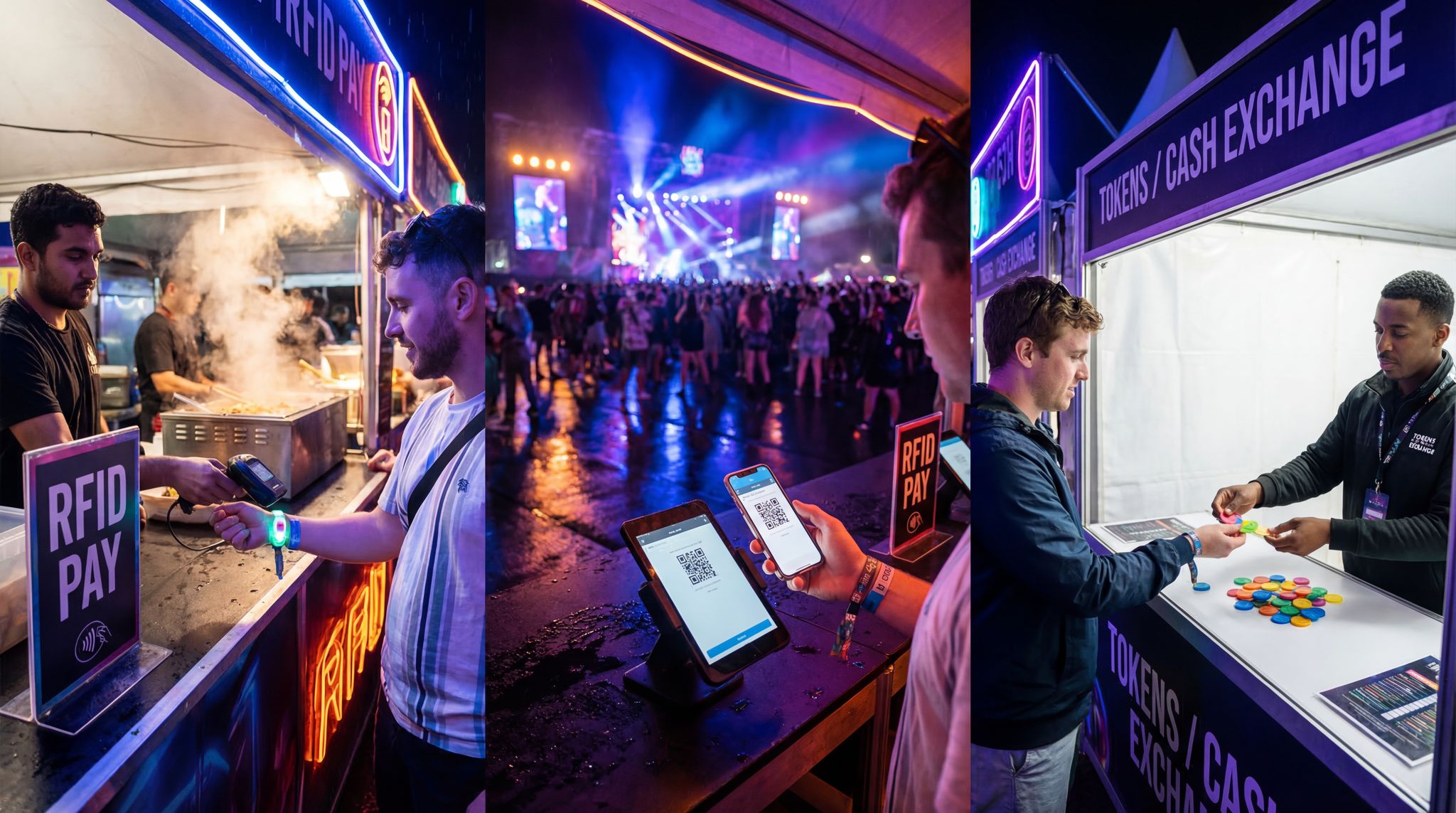
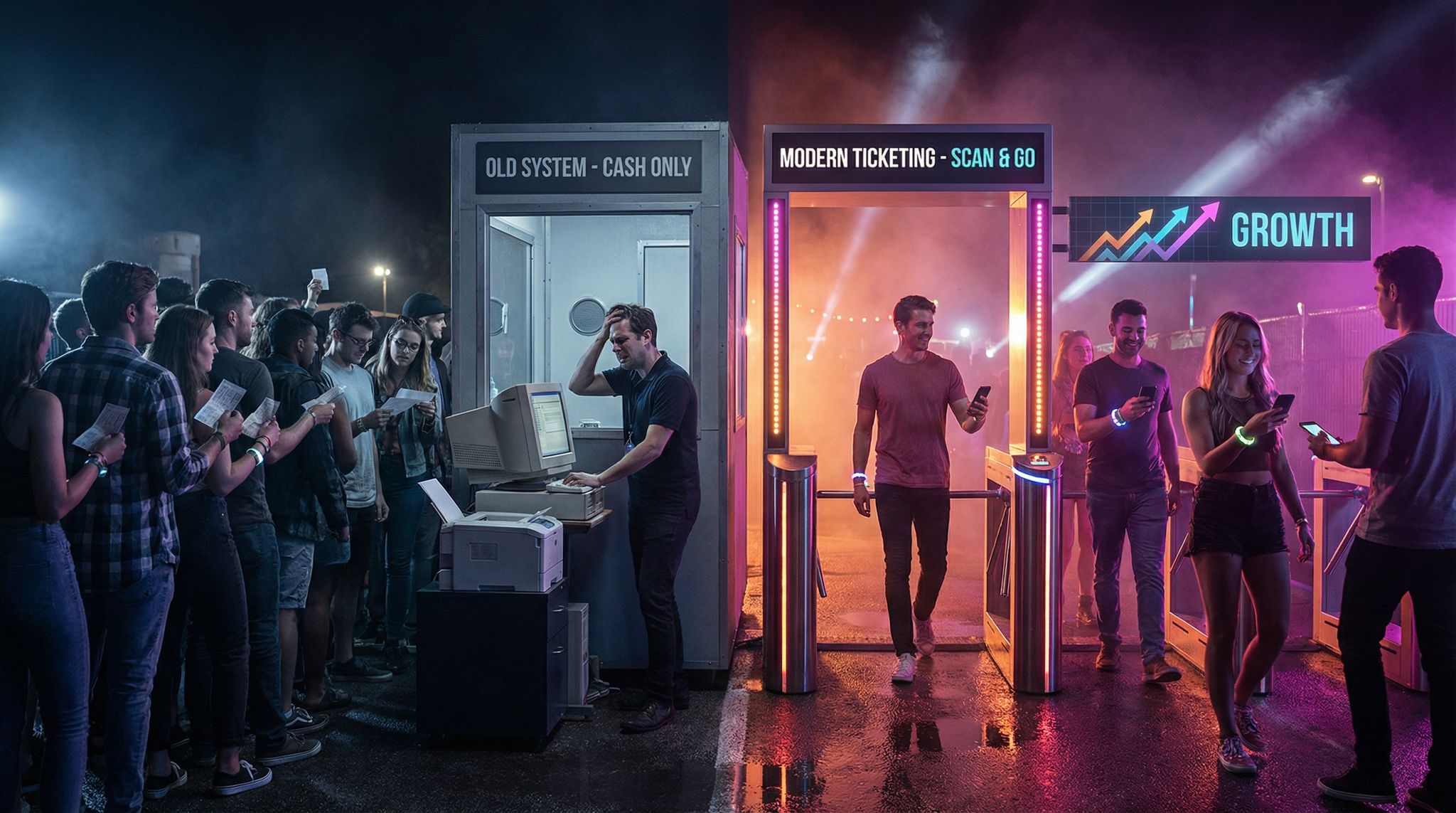
Many festivals have moved to RFID wristbands for ticketing and payments. These radio-frequency identification chips, embedded in wristbands or badges, streamline entry gates by allowing quick scans for credentials. Long lines at the entrance shrink as attendees simply tap their wrist to enter – a convenience that improves the arrival experience. Once inside, the same RFID system often powers cashless payments for food, drinks, and merch. Instead of fumbling for cash or cards, guests tap their wristbands to pay, which speeds up transactions and cuts down queues at vendors. Festival organizers benefit too: RFID provides real-time data on crowd flow and sales, helping teams respond swiftly to needs on the ground. For example, if one food stall sees an unexpected rush, organizers can dispatch support staff thanks to instant sales data. Some festivals even use RFID features to enhance social interaction – attendees at certain events can tap wristbands together to instantly share contact info or commemorate a friendship. While RFID systems require upfront investment (and solid Wi-Fi/network coverage to function smoothly), they have proven to reduce fraud and boost spending per head by making purchases frictionless. The key is thorough testing and backup plans; wise producers ensure there’s a contingency (like offline verification or backup scanners) in case the tech has hiccups. Overall, RFID technology has become a backbone of modern festival operations, marrying security with convenience.
Mobile Apps: Engaging Attendees On-Site
Almost every large festival now offers an official mobile app to keep attendees informed and engaged. A well-designed festival app acts as a digital concierge – putting the schedule, festival map, artist info, and real-time updates in everyone’s pocket. Attendees can build personal schedules by favoriting acts (and receive reminders before showtime), ensuring they don’t miss their must-see performances. Interactive maps help people navigate sprawling grounds to find stages, food courts, first aid, or those all-important restroom facilities. Push notifications allow organizers to communicate instantly with the crowd – whether it’s a weather alert, a last-minute schedule change (“Stage B performance moved to 8 PM”), or a surprise guest announcement. These apps often include social features too: some enable chat or friend-finding so groups can reconnect if they get separated. Others offer AR camera filters or scavenger hunts that turn the venue into an interactive playground for those inclined to play along. Beyond entertainment, mobile apps boost safety and service. Attendees can report issues or ask questions via the app, and organizers can direct people away from congested areas by sending location-specific alerts. The engagement doesn’t stop at the gate – a rich mobile app keeps festival-goers connected and informed, elevating their overall experience while providing organizers with valuable feedback and data (like which features people use most).
Crafting a cohesive music festival digital experience means looking beyond basic utility. Organizers are increasingly exploring how technology can be integrated into festival programming to captivate attendees from the moment they arrive. By syncing app features with on-stage production—such as triggering interactive light shows on attendees’ phones during a headline set—promoters create a unified environment where the physical and digital worlds seamlessly interact.
Go Cashless With RFID Technology
Enable contactless payments, faster entry, and real-time spending analytics with RFID wristbands and NFC-enabled ticketing for your events.
Live Streaming & Remote Participation
Festivals are no longer confined to those on the grounds. Thanks to live streaming, music and performances can reach fans around the globe in real time. Major festivals often partner with streaming platforms (like YouTube or specialized festival streaming services) to broadcast select stages or headline sets. This allows millions of remote viewers to tune in and feel like part of the event, even if they couldn’t attend in person. For festival organizers, live streaming expands the audience exponentially – it’s a powerful marketing tool as well as an additional revenue stream (some events offer paid virtual “tickets” with premium content or on-demand replays). At-home fans might watch a sunset DJ set from a beach festival or a legendary rock reunion on their TV or phone, experiencing the energy secondhand but in real time. Moreover, live streaming has become a lifeline in unforeseen circumstances; during global disruptions that paused in-person events, many festivals shifted to fully virtual formats, proving that the show can go on online. Now, hybrid festivals are emerging, where a physical crowd enjoys the show on-site while a parallel digital audience watches from afar. Some organizers are experimenting with multi-channel streams, letting viewers choose between different stages or camera angles for a customized experience. By embracing live streaming, festivals build a global community that extends beyond the venue’s gates and keeps fans engaged year-round (often teasing highlights that entice viewers to attend the next edition in person).
When expanding a music festival digital experience across borders—such as broadcasting to audiences in Canada, the UK, or the EU—promoters must also consider regional data privacy and digital broadcasting regulations. Ensuring compliance while delivering high-quality streams guarantees that international fans can participate seamlessly, protecting the event’s brand reputation globally.
Planning a Festival?
Ticket Fairy's festival ticketing platform handles multi-day passes, RFID wristbands, and complex festival operations.
AR & VR: Blending Realities for Immersive Experiences
The rise of augmented reality (AR) and virtual reality (VR) is adding new layers to how festival-goers experience events. AR, which overlays digital content onto the real world via smartphone cameras or AR glasses, has made its way into festivals through interactive experiences. Imagine holding up your phone at a festival and seeing virtual signposts to the nearest water station, or colorful creatures dancing on stage alongside the performers – AR can make it happen. Some festivals have introduced AR scavenger hunts where attendees unlock virtual collectibles or special content by exploring different locations on the grounds. A notable example is a leading music festival that created an AR-adventure within its app: festival-goers pointed their cameras at marked spots to see hidden messages and 3D visuals, turning the entire venue into a canvas for digital art. These kinds of playful additions give attendees extra entertainment between sets and encourage them to explore the venue more thoroughly. On the other hand, VR has opened the door to fully immersive remote attendance. Virtual reality concerts and festival livestreams can allow remote participants with VR headsets to feel like they’re “inside” the festival – complete with 360° views of stages and virtual crowd environments. Although VR attendance is still an emerging niche, it shows promise for boosting accessibility (for those unable to travel) and creating year-round virtual fan gatherings. Even on-site, some festivals set up VR tents or booths where fans can step into another world – for instance, experiencing a simulated ride or artistic journey related to the festival’s theme. The key with AR/VR is to complement, not replace, the live experience. When done thoughtfully, these technologies can enhance storytelling and memorability, giving festivals a cutting-edge vibe and attendees more to rave about.
For organizers wondering what is a practical example of AR in events that truly drives engagement, consider interactive art installations. Modern technologies heavily influence festival production, allowing traditional concepts—like a classic lantern festival or illuminated art walk—to be completely reimagined. By pointing a smartphone at a physical sculpture or light display, attendees might trigger a digital overlay that tells a story, reveals sponsor discounts, or animates the artwork, adding immense value to the visual programming.
Another compelling example of AR in events involves dynamic wayfinding and crowd management. Instead of relying solely on static signage, producers can integrate augmented reality navigation into the broader music festival digital experience. Attendees simply hold up their phones to see directional arrows overlaid on their live camera feed, guiding them to the nearest medical tent, VIP lounge, or emergency exit. This practical application not only elevates the attendee journey but also significantly improves on-site safety and logistical flow, a topic frequently highlighted in live events production technology news as a major operational upgrade.
Drones: Aerial Photography and Spectacular Light Shows
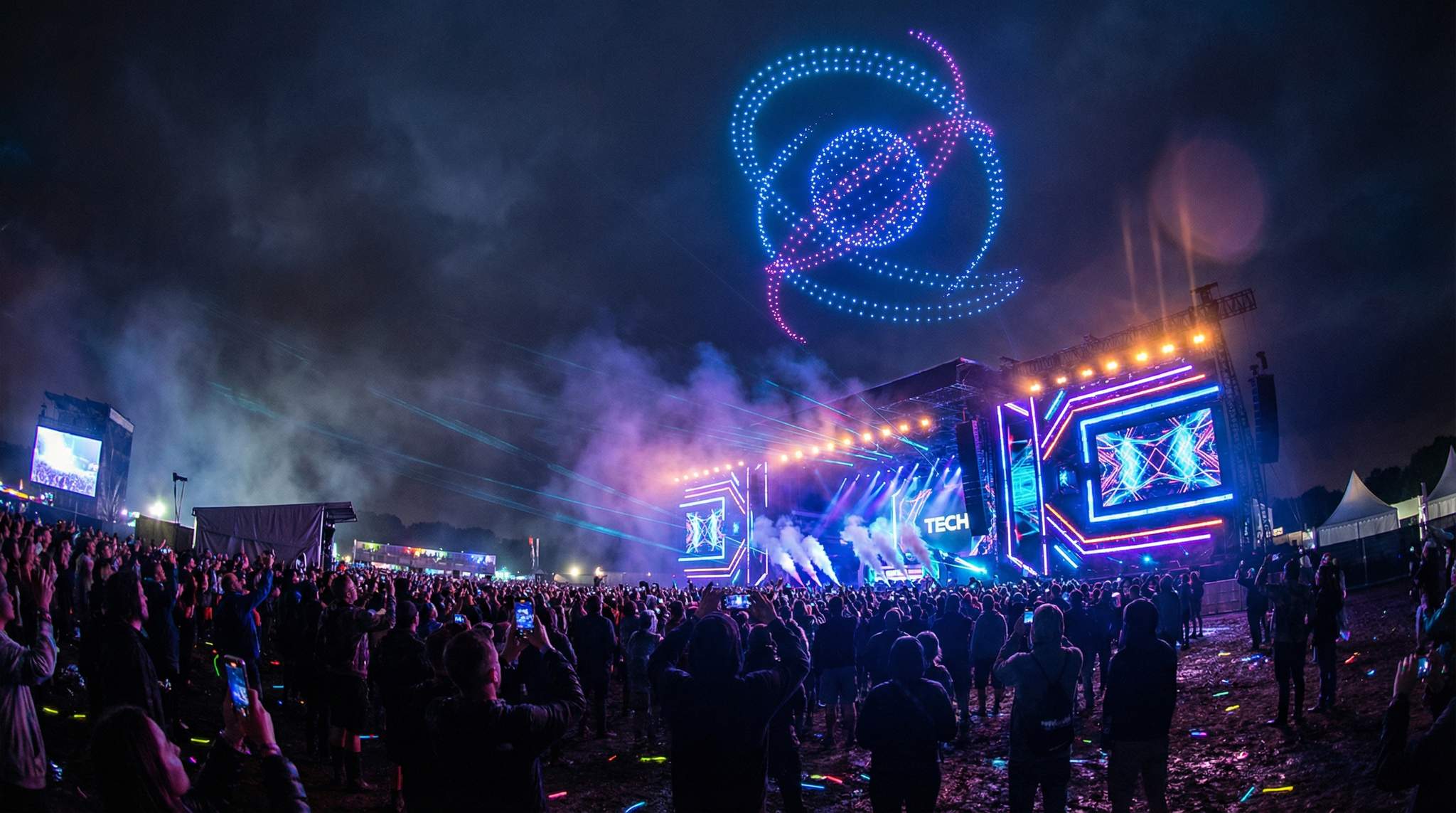
High above the festival grounds, drones are buzzing their way into the production toolkit. Equipped with cameras, drones give festival organizers new creative angles to capture the action. Live footage from drones can be displayed on big screens, offering the crowd a thrilling bird’s-eye view of massive audience moments – from a sea of waving hands at the main stage to the expanse of a bustling campsite at sunset. These aerial shots are not only great for the attendees’ immediate experience, but they also produce stunning marketing footage to promote the festival afterwards. Beyond filming, drones have taken on a show role of their own through choreographed light shows. In recent years, some events have swapped out or supplemented fireworks with fleets of illuminated drones dancing in the sky. Imagine hundreds of tiny drones synchronizing to form shifting patterns, logos, or storytelling scenes above a festival – it’s a futuristic spectacle that leaves audiences in awe. Drone light shows have wowed crowds at events ranging from city celebrations to major music festivals, and they carry added benefits: they’re reusable, quieter, and often safer than traditional pyrotechnics (no falling embers or smoke). Of course, using drones requires coordination with aviation authorities and strict safety protocols – you can’t just fly machines over a crowd without planning. But when done right, drones open up a literal new dimension for both creative expression and operational oversight (some security teams utilize drone footage to monitor crowd density in real time). This technology underscores how festivals are innovating both in what the audience sees on stage and how the production team manages the event from above.
Data-Driven Event Marketing
Track ticket sales, demographics, marketing ROI, and social reach in real time. Exportable reports give you the insights to make smarter decisions.
AI in Event Management and Personalization
Artificial intelligence (AI) is making inroads into the festival scene, largely behind the curtains but with significant impact. AI-powered tools are helping organizers make smarter decisions by crunching data and automating complex tasks. For example, booking and scheduling for a festival is a massive puzzle – AI software can analyze hundreds of artists’ availabilities, technical requirements, and popularity metrics to suggest an optimized schedule that minimizes overlaps and maximizes attendee satisfaction. In terms of operations, predictive algorithms might forecast attendee flow, helping to allocate staff and resources (like predicting which entrance will be busiest at opening time or which refreshment stand might need extra stock before it runs low). Customer service is another area transformed by AI: many festivals now use chatbots on their websites or apps to answer common questions day and night (“Where can I park?”, “What items are allowed?”) – offloading simple inquiries so staff can focus on more complex issues. AI can also personalize the festival experience for fans. Imagine an app that recommends which bands to check out based on your listening history, or suggests food vendors based on dietary preferences; these kinds of features are becoming possible by analyzing user data with machine learning. On the safety front, AI enhances security monitoring – computer vision systems can scan CCTV feeds for anomalies or detect if a crowd density is reaching unsafe levels, alerting staff to intervene before a situation escalates. Even ticketing and marketing benefit: AI helps identify purchase patterns and optimal pricing, and it can target promotions to likely attendees more efficiently. Seasoned producers caution, however, that AI is only as good as its data – the insights need to be interpreted by humans who understand the festival’s unique context. When balanced with expert human judgment, AI becomes a powerful assistant, handling the heavy data lifting and providing festival teams with actionable intelligence to throw better events.
Advanced Crowd Monitoring and Safety Tech
Keeping attendees safe is the number-one priority at any festival, and modern technology is giving organizers sharper eyes and ears on the ground. Advanced crowd monitoring systems now integrate sensors, cameras, and software to track crowd dynamics in real time. Instead of relying solely on staff observations, control centers can display live heat maps of attendee movement generated by data from various sources – CCTV cameras with AI analysis, mobile device pings, or even smart wristbands tracking aggregate movement. These tools help identify bottlenecks or dangerously crowded areas early. For instance, if one stage area starts seeing an unexpected surge of people, automated alerts can notify security teams to investigate or reroute foot traffic before it becomes a safety hazard. Some festivals employ thermal imaging cameras mounted around venues to pick up on heat signatures, which correlate with crowd density – useful for night events where visibility is low. There are also people-counting systems at gates and exits that feed data into dashboards, so organizers always know how many people are in each zone of the festival. In addition to monitoring crowd size, tech is improving emergency response. Mobile apps and RFID wristbands can both be used to pinpoint if someone triggers a distress signal; for example, an attendee might press a panic button in the app or on a special wristband to silently call for help at their GPS location. Drones too play a role here, as mentioned earlier, by giving security teams real-time aerial views of crowd patterns that aren’t easily visible from ground level. All of these innovations mean that festival safety teams can react faster and more precisely than ever. Of course, technology is an aid, not a replacement, for on-site vigilance and good planning. The combination of high-tech monitoring with well-trained staff and thoughtful venue layout is what creates the safest possible environment for festival-goers.
Need Festival Funding?
Get the capital you need to book headliners, secure venues, and scale your festival production.
Adapting Tech for Niche and Regional Events
Understanding how technology can be integrated into festival programming to captivate attendees requires looking at the specific context of the event. For example, producers organizing winter events or remote summer gatherings in Canada face unique environmental factors. In these scenarios, a resilient music festival digital experience might prioritize offline-capable mobile apps and weather-proofed RFID scanning stations. Similarly, modern technologies influence festival production across highly specialized themes, such as a traditional lantern festival. Instead of relying solely on physical lights, organizers can deploy projection mapping, synchronized drone silhouettes, and augmented reality to create a multi-sensory environment. By aligning tech investments with both regional demands and thematic programming, promoters ensure that digital enhancements feel like a natural extension of the event rather than a forced gimmick.
Staying Ahead: Following Live Events Production Technology News
For festival producers and venue operators, keeping a pulse on live events production technology news is no longer optional—it is a critical component of strategic planning. The landscape of event tech evolves rapidly, with new software platforms, crowd-management algorithms, and immersive hardware hitting the market every season. By regularly consulting industry publications, attending B2B trade shows, and subscribing to specialized tech newsletters, organizers can discover emerging tools before they become mainstream. This proactive approach allows promoters to evaluate the ROI of new innovations, ensuring they only invest in solutions that genuinely streamline operations or elevate the attendee journey. Furthermore, staying informed helps production teams anticipate regulatory shifts regarding data privacy and drone usage, keeping their events compliant and cutting-edge.
Tracking dedicated festival technology news also provides promoters with actionable case studies on how peer events successfully deploy these tools. Whether reading up on the latest digital experience enhancements or discovering how modern innovations influence production at niche gatherings, these insights are invaluable. Organizers who actively monitor event tech updates can pivot faster, adopting proven strategies that captivate attendees while avoiding costly experimental missteps.
Conclusion
The festival industry has entered an exciting era where technology and live experiences go hand in hand. From the moment a ticket is scanned via RFID to the final drone-lit spectacle in the night sky, every aspect of a modern festival can be enriched by innovation. Adopting these tech trends isn’t about being flashy for its own sake – it’s about enhancing the core experience for fans and running events more smoothly. A cashless payment system means shorter lines and happier attendees. A robust festival app means everyone stays informed and engaged. Advanced monitoring means issues are caught sooner, keeping the vibe positive and safe. Seasoned organizers pass on an important lesson: the best tech solutions are those aligned with a festival’s unique character and the needs of its community. Not every event will need every gadget, but by staying open to new tools, producers can discover game-changers that make their festival stand out. As these trends continue to develop, tomorrow’s festivals will likely be even more interactive, inclusive, and efficient. The next generation of producers is encouraged to embrace this fusion of music, art, and technology, and to carry forward the spirit of innovation. After all, at the heart of every successful festival is the unforgettable experience it crafts – and today, technology is a key instrument in that creative orchestra. This introductory survey of festival tech trends sets the stage; in upcoming articles, each of these innovations will be explored in depth, helping organizers decide which solutions can best amplify their own live events.
Staying updated with live events production technology news is essential for any promoter looking to maintain a competitive edge. As new software and hardware emerge, continuous learning ensures your team can evaluate which tools will genuinely enhance your operations and deliver a superior music festival digital experience.
Frequently Asked Questions
How do RFID wristbands improve the festival experience?
RFID wristbands streamline entry gates by allowing quick scans for credentials and enable cashless payments for food and merchandise. This technology reduces long lines, speeds up transactions, and provides organizers with real-time data on crowd flow and sales to improve operational efficiency and response times.
What features should a festival mobile app include?
A well-designed festival app acts as a digital concierge featuring interactive maps, artist schedules, and real-time push notifications for updates or alerts. Essential features also include social tools for friend-finding, safety reporting capabilities, and personalized scheduling options to ensure attendees don’t miss their favorite performances.
How are drones used at music festivals?
Drones serve multiple roles at festivals, from capturing aerial photography for live screens and marketing to performing choreographed light shows that replace traditional fireworks. Additionally, security teams utilize drone footage to monitor crowd density and dynamics in real time, enhancing overall event safety and situational awareness.
What is the role of artificial intelligence in festival management?
Artificial intelligence helps organizers automate complex tasks like artist scheduling and customer service through chatbots. AI algorithms analyze data to predict attendee flow, optimize resource allocation, and personalize recommendations for fans. Furthermore, computer vision systems enhance security by detecting crowd anomalies or unsafe density levels automatically.
How does augmented reality enhance live events?
Augmented reality overlays digital content onto the real world via smartphone cameras, creating interactive experiences like virtual signposts or on-stage visual effects. Festivals use AR for gamified elements such as scavenger hunts where attendees unlock virtual collectibles, adding a layer of digital art and entertainment to the physical venue.
Can people attend festivals remotely via live streaming?
Live streaming allows global audiences to experience festivals in real time through platforms like YouTube or specialized services. This technology enables hybrid events where remote viewers watch select stages or headline sets, sometimes offering multi-channel options for customized viewing angles and virtual participation alongside the physical crowd.
How can technology be integrated into festival programming to captivate attendees?
Organizers can integrate technology into programming by syncing digital experiences with live performances. Examples include using mobile apps to trigger synchronized phone flashlights during a concert, deploying AR overlays on physical art installations, and utilizing drones for dynamic visual storytelling above the stage.
What is an example of AR in events that drives sponsor revenue?
A highly effective example of augmented reality in live events is a sponsored digital scavenger hunt. Festival producers can partner with brands to place virtual tokens around the venue. When attendees use the official app to find and capture these tokens via their smartphone cameras, they unlock merchandise or food discounts. This strategy increases sponsor visibility, boosts mobile app engagement, and helps organizers manage crowd flow by incentivizing fans to visit less congested areas.
How can Canadian festival organizers integrate technology into their programming to captivate attendees?
For promoters operating in Canada, integrating technology into festival programming requires balancing innovative digital experiences with regional considerations. Organizers can captivate attendees by deploying interactive mobile apps that feature localized AR scavenger hunts, or by syncing stage production with wearable tech. Additionally, when broadcasting live streams or utilizing data-driven personalization, Canadian producers must ensure their tech stack complies with national data privacy regulations like PIPEDA, ensuring a secure and engaging environment for both on-site and remote fans.
Why should promoters actively follow festival technology news?
Regularly reading festival technology news allows event organizers to stay ahead of industry trends, from advanced crowd monitoring to the latest digital engagement platforms. By tracking these updates, promoters can evaluate new tools, learn from peer case studies, and make informed investment decisions that enhance both operational efficiency and attendee satisfaction.
How do modern technologies influence traditional productions like a lantern festival?
Modern technologies influence traditional festival production by enhancing visual storytelling and improving site safety. For a lantern festival, producers can integrate augmented reality to animate static light displays, use drone shows to safely replicate floating lanterns, and leverage crowd-monitoring AI to prevent bottlenecks around popular art installations. This approach preserves the event’s cultural aesthetic while delivering a highly engaging, modern digital experience.