Introduction
Scalpers and secondary market profiteers have long plagued live events, but 2026 is the year event organisers fight back with technology. Today’s ticket resale battlefield is online and global – armies of bots and broker networks use fake accounts to acquire inventory in seconds, leaving genuine fans empty-handed. When fans see a sold-out notice almost instantly, only to find tickets re-listed at outrageous markups, trust in the event begins to erode. To combat this, forward-thinking organisers are setting up official fan-to-fan resale systems that keep tickets in-house and fair. By building a secure secondary marketplace under your control, you can ensure tickets end up in real fans’ hands at reasonable prices and recapture revenue lost to third-party resellers.
Why does a safe resale marketplace matter? Aside from protecting fans from scams, it’s rapidly becoming an industry standard. A recent UK survey found 87% of fans support having an authorised resale service to curb touting, and 80% view exploitative secondary ticketing as a “rip off”. Simply put, fans want solutions that let them exchange tickets if their plans change, without enriching scalpers. Done right, a fan-to-fan resale platform boosts trust in your event, keeps pricing fair, and even unlocks new income streams via resale fees or increased loyalty.
In this comprehensive guide, we’ll explore tech strategies to build a fair and secure secondary ticket market. From selecting platforms with waitlists and verified exchanges to implementing fraud prevention, payment processing, and clear communication, each section provides practical steps and real-world examples. Whether you run 500-person conferences or 50,000-attendee festivals, these insights will help you design a resale system that benefits fans and organisers alike.
Understanding the Modern Scalping Problem
How Scalpers Exploit the Secondary Market
In the digital age, scalping operations have evolved into professional enterprises. Automated bots and fake accounts flood ticketing systems during on-sales, scooping up inventory at lightning speed using automated bots and fake accounts. These tickets are then flipped on secondary sites at markups of 200–500%, creating artificial scarcity and pricing out true fans. For example, £50 concert tickets can end up listed for £250+ on resale platforms, as observed when popular tours instantly sold out and reappeared at five times the price, creating hyperinflation in the secondary market. This doesn’t just hurt fans – it damages your reputation and bottom line. When fans have to pay exorbitant prices (or give up on attending), they often blame the organiser or venue, not realizing it’s rogue resellers at work.
Keep Tickets in Fans' Hands
Our secure resale marketplace lets attendees exchange tickets at face value, eliminating scalping while keeping you in control of the secondary market.
The secondary market is huge and growing. Estimates project the global secondary ticket market to reach $3.4 billion by 2024 and nearly $6.7 billion by 2033. That’s billions changing hands on platforms where organisers earn nothing and have zero oversight. Fraud is rampant too – counterfeit tickets and scams flourish in unofficial channels. In one notorious case, a U.S. broker ring used thousands of fake accounts to acquire 379,000 tickets (worth $57 million) before selling them for profit. When such schemes siphon off tickets, fans lose trust in the ticketing process entirely.
Why Traditional Measures Aren’t Enough
To curb scalping, organisers have tried tactics like ticket limits, CAPTCHA challenges, and even personalised tickets with ID checks. These help, but they don’t solve the core issue: legitimate fans sometimes need to sell their tickets, and if no official outlet exists, those tickets will find their way to secondary sites. Even strict “no transfer” policies can backfire – truly loyal fans who fall ill or have a conflict are left stranded with unusable tickets, creating frustration. A black-and-white ban pushes all resale into the shadows, where fraud risk and price gouging run high and strict policies stating tickets are non-transferable except via official channels are ignored.
Ready to Sell Tickets?
Create professional event pages with built-in payment processing, marketing tools, and real-time analytics.
The lesson from 2026’s most successful events is clear: preventing scalping isn’t just about stopping bots at the on-sale – it’s also about providing a safe, convenient resale pathway for genuine fans. If you don’t offer a controlled resale or transfer system, determined scalpers will fill that void with unofficial markets. As a result, more events are shifting from purely defensive measures to a more holistic strategy: build your own secondary marketplace and set the rules there. By doing so, you not only shield fans from rip-offs, you also keep revenue recirculating within your ecosystem instead of lining scalpers’ pockets.
Planning Your Official Resale Platform
Setting Goals: Fairness, Security & Revenue
Before diving into solutions, clarify what you want to achieve with a fan-to-fan resale system. Common goals include:
- Fair Access for Fans: Ensure real fans who missed out on the initial sale get another chance at face-value (or fairly priced) tickets.
- Scalper Prevention: Undercut the scalpers’ business model by removing their marketplace from the internet. When every legitimate resale goes through your system, there’s little room for scalpers to operate.
- Authenticity & Security: Guarantee that any ticket sold through your exchange is authentic – no fakes or duplicates – by validating and reissuing tickets within your official system.
- Recaptured Revenue: Optionally, take a reasonable resale fee or commission. While profit isn’t the primary motive, even a modest 5-10% fee on resales can help cover costs or generate income that previously went to third parties.
- Data & Oversight: Gain visibility into who ends up attending your event. An official exchange lets you know when tickets change hands, aiding security (you can track transfers) and marketing (you’ll see engaged fans who stepped in via resale).
By setting clear objectives, you can define success metrics for your secondary marketplace. For instance, you might aim for “90% of resale transactions stay at face value” or “50% of sold-out event attendees use our waitlist/resale system.” Knowing your goals will guide your choice of platform and policies.
Choosing a Resale Solution: Integrate, Partner, or Build?
When it comes to implementation, event organisers typically choose one of three approaches:
Smooth Entry With Mobile Check-In
Scan tickets and manage entry with our mobile check-in app. Supports photo ID verification, real-time capacity tracking, and multi-gate coordination.
-
1. Use Your Ticketing Provider’s Built-In Resale Feature – The simplest route is often leveraging tools offered by your primary ticketing platform. Many modern ticketing systems (Ticket Fairy, Ticketmaster, See Tickets, etc.) now have integrated fan-to-fan resale or transfer marketplaces. This means the exchange is directly inside the ticket purchase system or app your attendees already use. If your ticketing provider supports it, enabling this feature can be as easy as toggling it on in your dashboard. The upside: minimal development work, a seamless experience (buyers and sellers use the same platform as original sales), and all data stays in one system. The key is to verify the provider’s rules align with your needs – e.g. can you cap prices, set deadlines, and collect fees? Be sure to negotiate contract terms around data access and fees for resale transactions and ensure the provider’s rules align with your needs.
Example: A mid-sized conference enabled Ticket Fairy’s built-in resale tool and saw hundreds of tickets safely exchanged in-platform, eliminating scalper listings on external sites. -
2. Partner with a Third-Party Resale Marketplace – If your primary ticketing lacks resale functionality or you prefer an independent solution, third-party fan-to-fan exchange services can fill the gap. Specialised platforms like Lyte, Twickets, TicketSwap, and Tixel focus on verified secondary ticket exchanges with waitlists. They often provide features such as waitlists, face-value price caps, and fraud checks. Integration can range from simply linking out to a white-label marketplace to using APIs that connect the resale inventory with your ticketing system. When partnering, choose a reputable service known for fairness and security (avoid any with loose enforcement that could enable scalpers). Ensure data flows smoothly – ideally, when a ticket is resold via the third party, your main system invalidates the original barcode and issues a new one to the buyer automatically.
Example: Coachella collaborates with Lyte to run an official waitlist and exchange; fans who can’t attend return their passes, and fans who missed out join a waitlist to claim those tickets at face value. This partnership saved Coachella attendees from price gouging and kept resale in line with festival rules.Grow Your Events
Leverage referral marketing, social sharing incentives, and audience insights to sell more tickets.
-
3. Build Your Own Custom Exchange – For organisations with strong tech capabilities (or unique needs), building a proprietary resale platform is an option. This could be a custom module on your website or mobile app where fans can list tickets and purchase resales directly. A custom build offers maximum control: you tailor the user experience, set any rule imaginable, and fully own the data. However, it’s the most resource-intensive path – expect a significant development timeline and ongoing maintenance for security and support. You’ll need to implement robust features (user verification, payment processing, ticket validation via API, etc.) from scratch. A build vs buy analysis is crucial here to decide if the investment pays off. Custom exchanges make sense mostly for very large event brands or ticketing companies themselves.
Example: A major international festival brand built an in-house resale portal integrated into their festival app. It allowed attendees to list unwanted tickets, which other fans could buy after the festival’s primary sale sold out. The project succeeded in keeping tens of thousands of ticket resales off scalping sites, though the organisers noted the considerable cost and complexity of maintaining their own platform.
To summarise these options, here’s a comparison:
| Resale Implementation | Pros | Cons | Best For |
|---|---|---|---|
| Integrated (Built-In) | Seamless for users; one system to manage; data stays central; low dev work if provider supports it. | Limited by your ticketing provider’s feature set; may have fees; need to ensure policy control (price caps, etc.) | Events using modern ticketing platforms with resale features available. |
| Third-Party Service | Quick to set up; often come with waitlists & anti-fraud measures; can be branded (white-label). | Another system to integrate (less seamless); data sharing with third party; must ensure trust in partner’s tech and longevity. | Events whose ticketing platform lacks resale, or festivals wanting a strong independent solution (e.g. Lyte, etc.). |
| Custom-Built Exchange | Full control over features, branding, and data; tailor-made rules; no external fees. | High development and maintenance cost; longer time-to-market; requires tech expertise and ongoing security vigilance. | Large organisers with tech resources and unique requirements, looking for a flagship solution. |
Whichever route you choose, due diligence is key. Evaluate the solution’s security (how it prevents fraud/bots), scalability (can it handle high volumes around on-sales and event dates), and user experience. If opting for a vendor solution, speak with other organisers who’ve used it – did it truly reduce scalping? If building custom, consider consulting experienced event tech architects to avoid critical pitfalls in design.
Establishing Fair Resale Policies
Capping Prices to Face Value (or a Modest Increase)
The cornerstone of a fair fan exchange is price control. By capping resale prices, you remove the profit incentive for scalpers. Most organiser-run marketplaces either fix resale at face value or allow a very limited markup (often no more than +10-15% to cover fees or minor price fluctuations). For instance, some European sports teams and festivals mandate that resold tickets cannot exceed their original face value. In regions like parts of Europe, selling above face value is even illegal, so an official platform must enforce that by design.
Consider what pricing policy aligns with your event’s values and local laws:
– Face Value Only: Simplest and most fan-friendly – tickets can only be listed at the original price (plus any standard fees/taxes). This guarantees buyers pay the same as if they bought initially.
– Face Value + Allowed Margin: Some events allow a small increase (e.g. +10%). This recognises that sellers might have transaction fees or delivery costs to recover. Keep the cap low enough that scalpers don’t see it as a big opportunity.
– Dynamic Ceiling: In rare cases, organisers might allow pricing to float but within a controlled range (e.g. no more than 20% above face, and not below 90% of face to prevent dumping). This is more complex and not common for fan exchanges, but could be considered for unique scenarios (like charity events where extra proceeds go to charity).
Enforce the price cap through technology. Your chosen platform should have a setting to prevent listings above the allowed price. Manual monitoring is not enough – it must be automated so that the system simply rejects an invalid listing. By taking price gouging off the table, you send a strong message: the only reason to use the resale marketplace is to help out fellow fans, not to turn a profit. It fosters a community ethos and keeps media & public sentiment positive, since you’re actively combatting the stereotype of greedy secondary markets.
Verifying Every Ticket Transfer
A “verified resale” system means every ticket that changes hands is authenticated and reissued with the event organiser’s oversight. This is critical for security:
– When a seller posts a ticket for resale, the system should first validate that ticket – confirming it’s genuine, not previously cancelled, and tied to the seller’s account. If any check fails, the listing is rejected.
– Once a ticket is purchased by a new buyer, the original ticket’s barcode or QR code must be voided, and a new, unique ticket (with a new barcode/QR code or RFID assignment) is issued to the buyer’s account. This prevents the classic scam of one ticket being sold multiple times. The official system is effectively transferring ownership of the ticket, so only one person can ever use it.
– Ideally, personal information on the ticket (like the name) should update to the new owner as well. Many events print the attendee’s name on tickets or tie IDs to them. Your platform should update the attendee record upon resale, so door staff scanning tickets see the correct name if checked. This way even if an old PDF ticket image was printed, an ID check would expose that it’s no longer valid for the original person.
– Consider additional verification like requiring the seller to enter the original order number or credit card used for purchase to list a ticket. This deters anyone who somehow obtained ticket PDFs illicitly from trying to sell them. Some systems also implement two-factor authentication on accounts, and use device fingerprints to ensure the lister is the legitimate account holder and not a hacker or bot.
By rigorously verifying each transfer, you ensure buyers receive only authentic tickets and scammers are kept out. This approach was highlighted by the FanFair Alliance, where fans overwhelmingly support personalised tickets with ID checks and authorised resale channels as a combo to eliminate fakes. Many top venues and festivals in 2026 also implement dynamic ticket technology (like barcodes that refresh or NFC wristbands locked to an account) so that screenshots or photocopies won’t work at the gate and enabling tickets directly from other users. Any official resale must integrate with those systems – if a ticket was represented by a dynamic QR code in the primary sale, ensure the resale process issues a new dynamic code for the buyer.
Setting Transfer Windows & Limits
To maintain control, you’ll want to define when and how tickets can be resold or transferred. Clear rules prevent last-minute chaos and close loopholes that scalpers could exploit. Key policy considerations:
- Latest Resale Date: Decide how late into your event cycle tickets can be exchanged. Many events set a cut-off a few days or a week before the event. For example, you might disable resale 48 hours before doors open. This gives your team a final roster of attendees and avoids scenarios where a ticket is sold while people are literally en route to the venue.
- Transfer Freezes Around On-Sale: A smart anti-bot measure is to disable ticket transferring for a short period after initial sales. Scalpers sometimes buy tickets and immediately try to flip them. If you enforce “no transfer in the first X days after purchase,” it discourages bot buyers who want quick profit. Genuine fans typically won’t mind holding tickets for a few days since they intend to go. By the time transfers open, the initial frenzy is over and many scalper-held tickets could be caught and cancelled in that window.
- One Transfer Only: To prevent tickets from circulating repeatedly (and potentially being used for speculation), some organisers allow each ticket to be resold only once. After one resale, the ticket may become non-transferable. This policy ensures a ticket doesn’t bounce through multiple owners or end up effectively on an auction because someone keeps trying to resell it for more. It’s a strict approach but effective against continuous flipping.
- Bulk Transfer Limits: Limit how many tickets a person can resell. If one account is listing 20 tickets, that’s a red flag – likely a broker. Even if your original sale had a 4 or 6 ticket limit, scalpers might circumvent that with multiple accounts. But on your resale platform, you can set rules like “an individual can only list a maximum of 2 tickets for resale.” This stops someone who acquired many tickets (via friends or fake accounts) from dumping them all at once.
- Require Listing Whole Order vs. Partial: Some events to deter brokers require that if you want to resell, you must resell your entire ticket order, not just select tickets. The idea is to stop a scalper who bought 4 tickets from keeping 2 (to use or hold for profit later) and selling 2; instead, if they decide to sell, they give up all 4. This isn’t common, but it’s another lever to make life inconvenient for scalpers while still allowing fans with genuine conflicts to offload their purchase.
Whatever rules you pick, communicate them clearly to ticket buyers up front (more on communications in a later section). Transparency about deadlines or one-transfer policies will prevent confusion and customer service issues down the line. Also, configure your platform to enforce these automatically (e.g. disable the “Resell” button after the cut-off date, or prevent multiple sequential transfers of the same ticket). Automation ensures no one can plead ignorance or find workarounds.
Integrating Technology for Security
Waitlists: Ensuring Tickets Go to Real Fans
One of the most powerful features to include in a resale system is a waitlist or queue for would-be buyers. A waitlist flips the dynamic from sellers hunting for the highest bidder to buyers patiently waiting at face value. Here’s how it works:
- Fans who missed out on the initial sale can join a waitlist for tickets once an event is sold out. They input their request (often specifying how many tickets or which section, etc.) and agree to pay face value if tickets become available.
- When another fan decides to sell their ticket on the official platform, the system matches it to the next person in line on the waitlist (usually a first-come, first-served basis). That buyer is notified (via email or app) that a ticket is available and given a limited time window to complete the purchase.
- If the buyer completes the transaction in time, the ticket is automatically transferred to them. If they don’t, it goes to the next person on the list.
This process ensures a fair distribution: tickets return to the pool and immediately go to waiting fans at the set price, rather than lingering for opportunists. It’s great for fans – they don’t have to constantly check exchange listings or bid against others; they just queue up and have a fair shot. It’s also great for avoiding fraud – the exchange is a direct handoff via your system, no meetups or shady dealings.
Many successful fan-to-fan marketplaces leverage waitlists. Earlier, we noted Coachella’s use of Lyte’s waitlist to seamlessly allocate returned tickets. Another example: Tomorrowland (Belgium) operates an “Exchange Desk” where ticket holders can submit tickets for resale and fans can request tickets. In 2026, Tomorrowland’s official resale window ran from Feb 2 to April 30, and fans on the waitlist scooped up any passes that sellers returned. The result is a controlled secondary market where every resold pass went to a registered fan at the original price, and scalping was virtually eliminated for that period.
If your ticketing platform has a waitlist module, be sure to configure it and promote it. If not, third-party services like those mentioned often include one. One tip: Keep the waitlist mechanism simple and transparent – fans should know their position in line if possible, or at least be informed about how many others are requesting tickets. Scarcity and urgency can still play a role (“tickets are not guaranteed, but you will be notified in order”), yet a transparent system builds trust. It also creates valuable data: a long waitlist indicates excess demand and could justify adding shows or scaling venue size next time, while a short one might inform pricing or marketing adjustments.
Fraud Prevention: From Dynamic Barcodes to AI Monitoring
Security is paramount in any ticket exchange. When you implement a fan-to-fan resale, maintaining trust means zero tolerance for fraud. Here are essential tech strategies to keep transactions clean:
- Dynamic Barcodes/QR Codes: As mentioned, use ticket formats that update continuously or are one-time use to prevent fraud. If your primary tickets have rotating QR codes or NFC wristbands linked to unique IDs, make sure the resale process supports those. Dynamic codes ensure that if someone tries to screenshot and sell a ticket outside the system, it will be invalid by the time of event entry. Platforms like Ticket Fairy and others have embraced dynamic ticket tech as a standard anti-fraud measure.
- Secure Ticket Transfer Links: Avoid simply emailing PDF tickets to buyers. Instead, deliver resold tickets via secure channels – e.g. the buyer gets an email saying “Your ticket is ready”, and they must log into the official system to claim it. This way, you verify identity at pickup and ensure the ticket goes into the rightful owner’s account. It prevents man-in-the-middle attacks where a scammer might intercept a ticket email.
- Device and Identity Verification: Consider requiring that sellers and buyers have verified accounts. For example, when first signing up or purchasing, users might verify their phone number or use an SMS code. Some advanced systems even require ID upload or tie to social media for verification (though too much friction can hurt adoption, so balance is key). At minimum, flag any accounts with unusual activity – e.g. an account that bought tickets with 10 different credit cards or one attempting to list from multiple IP addresses. Modern fraud detection uses AI to find patterns, which your platform (or partner) should employ.
- Anti-Bot Protection: Keep your resale marketplace free of bots just as you would your initial on-sale. While the urgency is lower (resales trickle in, not a single on-sale moment), scalpers might still deploy automation to scoop up popular resales. Use CAPTCHA or other bot challenges for actions like joining waitlists or making a purchase. Monitor traffic for bot-like behavior. If you see scripts trying to repeatedly query inventory or join multiple waitlist spots, block and ban as needed.
- Transaction Escrow & Guarantees: Implement or leverage an escrow system for payments – the buyer’s payment is held and only released to the seller once the ticket transfer is confirmed and the event is successfully attended (or at least after the transfer is complete). This is how major secondary platforms protect buyers from no-shows. In an official exchange, you likely control the inventory so worst-case scenarios (ticket invalid) should be rare, but having a guarantee policy boosts confidence. Make it clear: if anything goes wrong with a resold ticket, the buyer will be made whole by the event organiser or platform. Conversely, ensure sellers only get paid for valid transfers.
- Audit Logs and Reporting: Maintain logs of every resale transaction – what ticket (ID/barcode) moved from who to who, timestamp, price, etc. This audit trail is invaluable if disputes arise or if you need to identify a scalper ring abusing the system. Some events publicly mention that they will void any ticket being sold improperly elsewhere; to do that, you need to catch wind of illicit sales. Staff can monitor known resale sites for listings (some use web crawlers or fans can report sightings), and if you catch a listing that should not exist, you can invalidate that ticket and refund/cancel it via official means. Knowing your logs and having the ability to cancel transfers if policy is breached is a last line of defense.
Real-world success: In the UAE, the ticketing platform Platinumlist introduced an in-app fan-to-fan resale with features like dynamic QR codes and strict verification. Their data shows 70% of users resold at face value, and the rest at modest markups averaging 45%, far below the 300% gouging on open markets. This was achieved by a combination of price caps and secure tech that made fraud nearly impossible. They also reported 600% growth in usage of the resale feature after launch, indicating huge pent-up demand for a safe resale channel. These kinds of results underscore that when fans trust the system, they will use it enthusiastically, reducing the power of illicit marketplaces.
Payment Processing & Payouts
Handling Money in the Middle
Implementing fan-to-fan resale isn’t just an operational challenge – it’s a financial one. Your system will act as an intermediary for payments between buyers and sellers, so it must be secure, smooth, and compliant. Key considerations include:
- Integrated Payment Gateway: Use a reliable payment processor to handle resale transactions, ideally the same one used for your primary ticket sales (to streamline setup). The platform should automatically charge the buyer’s credit card (or digital wallet) when they accept a resale. Funds can be held in escrow until the transfer is verified. Ensure the gateway supports your currency and any others if you allow international buyers, and is PCI compliant for security.
- Payout Method for Sellers: Decide how sellers get their money. Common methods are refunding to the original payment method, issuing a direct deposit, or giving credit back to the user’s account (which they can withdraw or use for future tickets). Refunding the original card is clean for users – it feels like a simple return – but not all payment systems allow easy reversed transactions after a long gap. Some events choose to pay out via bank transfer or PayPal if the resale happens months after the original purchase. Whatever you choose, communicate it clearly (“You’ll receive your resale payment via X, approximately Y days after your ticket sells”). Automate payouts in batches to reduce manual work, and have sellers provide any needed info in advance (bank details, etc., if not on file).
- Fees and Revenue Sharing: Determine if you’ll charge a resale transaction fee. Many organisers do, both to cover the added payment processing costs and to reclaim a slice of the secondary market. This could be a buyer-paid fee, a seller-paid fee, or split between both. For example, you might add a 5% buyer premium and deduct 5% from the seller’s payout. Be cautious with fee amounts – keep them reasonable so you’re clearly not exploiting fans (remember, the goal is fair resale, not to turn into a secondary scalper yourself). Some events opt to only recoup processing fees (~3%) so it feels truly face-value; others see ~10% total as acceptable since StubHub or Viagogo often charge far more (20%+). If using a third-party platform, be aware of their commission cut and how that affects pricing. All fees should be transparently disclosed in the resale interface and in your terms.
- Tax Considerations: Depending on the jurisdiction, resale transactions might have tax implications. In some countries, ticket resale by an organiser might be subject to VAT/GST on the fees collected, or even on the full amount if considered a facilitator of the sale. Work with your finance team or a tax advisor to ensure compliance. If necessary, build the system to handle issuing receipts or tax invoices to buyers and possibly sellers. The majority of cases treat the resale as a private transaction and only the fees are revenue, but rules vary.
- Anti-Money Laundering (AML) Checks: It’s unlikely but consider if large transactions might trigger any AML requirements. High-priced VIP tickets or bulk resales might raise flags. If you have any tickets costing thousands of dollars, just ensure your platform/payment processor has some monitoring for unusual activity to avoid inadvertently facilitating something shady. For most events this isn’t a big concern, but it’s part of being a responsible marketplace operator in 2026.
Ensuring Fast & Fair Transactions
The user experience around payments can make or break adoption of your resale system. Speed and simplicity matter:
- Fast Refunds/Payouts: Fans will be more willing to list their tickets if they know they’ll get their money back quickly after a sale. Aim to process payouts as fast as possible – if your system can refund to cards or send funds within 5–10 business days, communicate that. Some advanced systems even pay sellers as soon as their ticket is bought, trusting the authentication process (or holding a reserve for any chargebacks). Early payment delights users, but weigh the risk if an event is far in the future (what if the event is cancelled? You’d need to claw back funds from sellers, which is messy). A common compromise is paying sellers shortly after the event occurs to be absolutely sure everything was valid – but that’s a long wait. Many organisers instead choose to pay once the resale transaction is complete and rely on strong anti-fraud measures to avoid issues.
- Seamless Checkout for Resale Tickets: Make buying a resale ticket feel just like buying a primary ticket. Integrate the purchase flow so the user doesn’t see a difference – the ticket goes into their cart or they click “Buy Now” and checkout normally. If they have to navigate to a separate site or do a peer-to-peer payment, it adds friction and risk. Modern platforms allow in-app purchasing of resale tickets just like regular ones, which is ideal for adoption.
- Notifications and Communication: Automate emails or push notifications for each stage: confirm to a seller when their ticket lists, notify them when it sells (and what payout to expect), alert buyers on the waitlist when tickets are available, send confirmation to buyers after purchase with access to their new ticket. Keeping everyone informed reduces anxiety and support tickets. It’s especially crucial because resale often involves time windows (e.g. buyer must act in 24 hours) – notifications need to be timely and clear.
- Customer Support for Transactions: Despite best efforts, some transactions will encounter questions or hiccups. Ensure your customer support team is prepared to handle resale-related queries, like “Where is my payout?” or “How do I claim my ticket?”. Ideally, provide a brief FAQ on your resale page covering common concerns (many fans will be first-time users of such a system). Empower support staff with access to the resale platform’s admin side so they can see transaction statuses, re-send links, or manually assist transfers if needed.
- Scenario Planning: Think through a few “what if” scenarios – for instance, what if an event is postponed or cancelled? How will refunds or resales be handled across original and resale transactions? You may need contingency rules (perhaps resales are voided and everyone gets refunded). Another scenario: what if a ticket is resold and then the original buyer contacts you claiming they didn’t intend to (maybe their kid listed it without permission)? Having a policy (like, all resales are final unless a clear mistake/fraud is shown) will guide your team in responding consistently.
By optimizing the payment and transaction experience, you not only make the platform attractive to use, but you also demonstrate professionalism and reliability. Fans will trust an official resale system that “just works” – money goes where it should, quickly and safely – far more than any sketchy meetup or online classified ad. In fact, ease of use is one of your biggest competitive advantages over unofficial channels. When your exchange is the path of least resistance, even people who might be tempted to sell elsewhere will prefer using it because it’s simpler and they know they’ll get paid securely.
Operational Readiness & Support
Training Your Team and Vendors
Rolling out a new resale platform isn’t only a tech deployment – it’s an operational change. Make sure your internal team and any external partners are thoroughly prepared:
- Box Office and Ticketing Staff: Train the staff who manage ticketing on the backend. They should know how to use any admin interface for the resale platform – for example, how to view resale listings, how to cancel a transaction if needed, or how to generate a one-time use link for a special case. Walk them through typical scenarios: a fan calls saying “I can’t attend, how do I sell my ticket?” or “I bought a resale ticket, how do I download it?”. Equip them to confidently guide users through the process. If you have a call center or on-site box office, create a simple knowledge base or script for common Q&As.
- On-Site Admissions Crew: Your gate/security staff should be briefed on what an “official resale ticket” looks like in your system. In most cases, it’s identical to any other ticket (since it’s been reissued officially). But if you do anything special – e.g., marking resold tickets, or if ID checks are needed – make sure front-line staff are aware. For example, if your policy is that the name on the ticket must match ID, then after transfers, the name is updated – remind staff to actually check names, not just scan the code. Conversely, if you switch to a policy where resold tickets might have the original buyer’s name but are complemented by transfer verification, make sure security knows not to turn away someone just because the name differs, as long as the ticket scans valid.
- Promoters/Venue Management: If you’re an event promoter working with a venue (or vice versa), ensure both sides understand the system. The venue’s policies on entry might need adjusting if, say, previously they disallowed PDFs and now a mobile transfer is fine. Also, if there’s revenue sharing on tickets, clarify how resale fees are handled between promoter and venue – avoid any settlement surprises by addressing it beforehand (this ties back to negotiating contracts up front). Operationally, both promoter and venue management should have a point person who monitors the resale platform outcomes leading up to the event.
- Vendors (RFID, App Developers, etc.): If your event uses additional tech like RFID wristbands or a mobile app for tickets, coordinate with those vendors. For RFID, you’ll need a process to either issue new wristbands to resale buyers or update chip assignments. Some events require picking up wristbands on site – in that case, your system should mark which orders changed ownership so the registration desk knows. For mobile apps, if tickets are integrated there, the app team should incorporate resale listings or at least receive the updated ticket information in the user’s app wallet. Having all tech vendors looped in ensures a cohesive experience (e.g., the attendee’s app shows the correct QR code after a transfer, or the RFID pick-up works smoothly).
Customer Communication and Education
Introducing an official resale marketplace requires proactive communication to your attendees. If fans don’t know about it or understand it, they might ignore it – or worse, fall for scammers elsewhere out of ignorance. Key communication steps include:
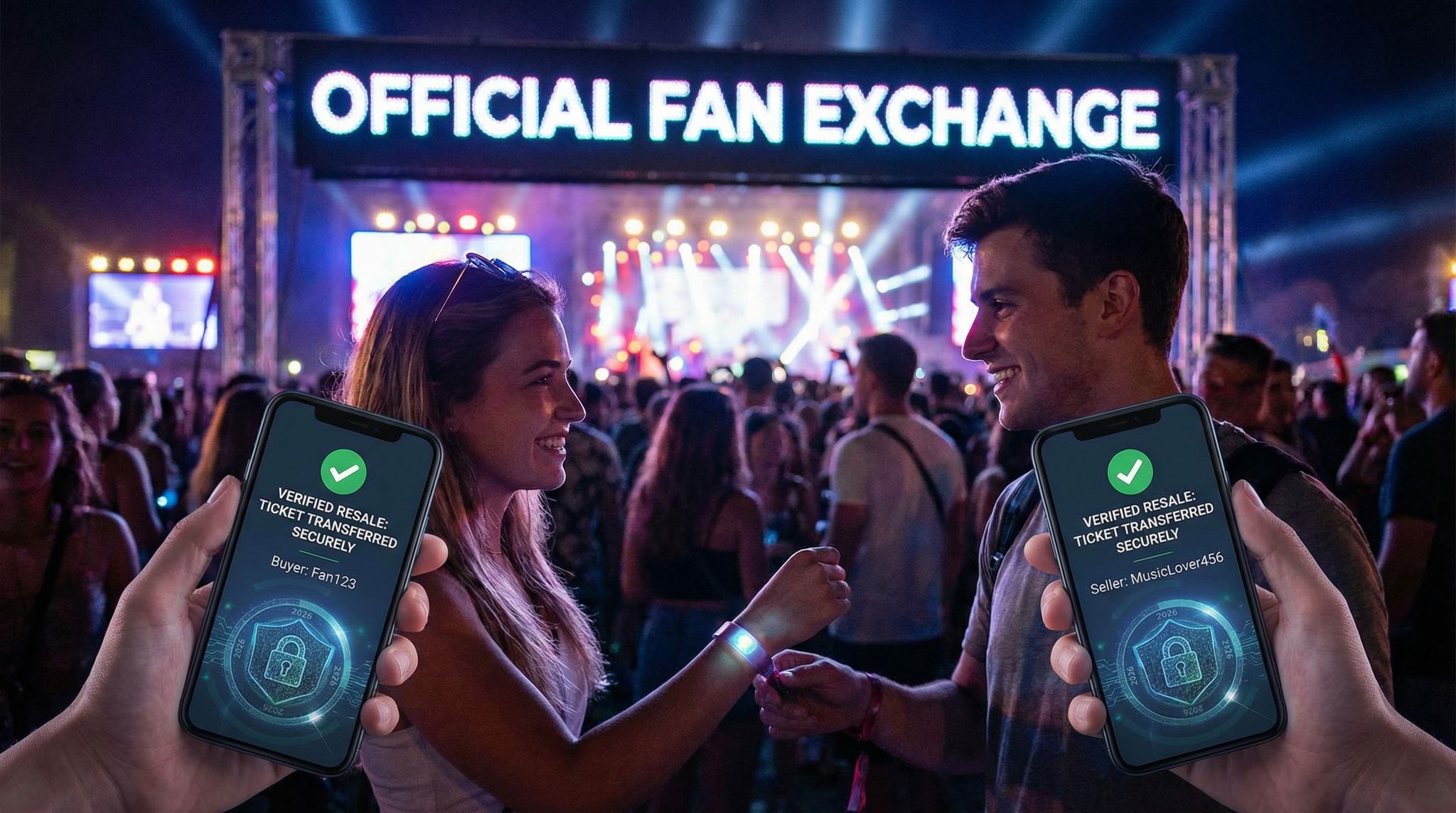
- Announce the Platform Proactively: Don’t hide your resale system in fine print. Announce it with the same visibility you would give to the original ticket on-sale. For example, once the primary sale sells out (or even from the get-go), make a public statement: “Looking for tickets or need to sell yours? We’ve got you covered with our official Fan Exchange – the only safe and authorised way to resell XYZ Festival tickets.” Use email blasts, your website, social media, and the event app to spread the word.
- Give Clear How-To Guides: Many fans will be first-time users of an official resale. Create a simple guide or FAQ: How to list your ticket, How to buy a resale ticket, How the waitlist works. Use screenshots if possible, or even a short video tutorial, to walk through the steps. Simplicity and reassurance are the goals – show that it’s easy (e.g., “just click the ‘Sell’ button in your Ticket Fairy account, and the platform takes care of the rest”) and safe (“the new buyer will get a brand-new ticket barcode, so you can’t be scammed”). Host this info on your website’s ticket page and link to it in communications.
- In-Ticket and Post-Purchase Messaging: At point of sale for initial tickets, inform buyers about the official resale option. For instance, on the confirmation page or email include: “Can’t make it? You can resell your ticket to another fan through our official exchange – it’s secure and fair.” Likewise, the ticket PDF or mobile pass itself can carry a note like “Only tickets resold via [Official Exchange] are guaranteed valid. Avoid third-party sellers.” Repetition helps ensure that when someone’s situation changes, they remember that email and choose the official route instead of posting on Facebook or Craigslist.
- Leverage Social Proof: Encourage early adoption by sharing success stories once the platform is live. For example, post on social media: “Over 500 fans have already used our Fan Exchange to snag tickets at face value – trust the official system to get yours!” or “Thanks to our resale platform, 200 fans safely sold their tickets to other community members – with no scalping.” This not only promotes usage but also builds a sense that the community is taking care of its own. Including a quote or endorsement from a popular artist or influential fan can turbocharge trust – as seen when Ed Sheeran publicly backed face-value resale, leading fans to embrace those channels.
- Redirect & Warn as Needed: Despite having an official option, some fans may still drift to secondary sites out of habit. Thus, maintain messaging that steers fans away from unofficial resale. If you detect common issues (e.g., fans posting in a Facebook group looking for tickets), politely intervene with a comment about the official exchange. On your FAQ, list known unauthorised resale sites and warn that tickets there may be voided. Many events state clearly: “Tickets are non-transferable except via our official platform. Any tickets sold elsewhere may be cancelled and denied entry.” This deterrent, when repeated, will make scalpers think twice and buyers thrice about going outside the system.
- Community Monitoring: Consider having a social media or community manager keep an eye on chatter about tickets. If someone tweets “Desperate for tickets to X event!”, your account can reply pointing them to the waitlist link. Likewise if someone says “I have extra tickets”, reply or DM that they can use the official resale (plus it’s safer than meeting a stranger). This hands-on approach shows you care and it directly captures transactions that might have gone offline.
Enforcement: Dealing with Rule-Breakers
Even with the best platform and education, a few individuals may attempt to circumvent the system. It’s important to actively enforce your policies to maintain the integrity of your secondary market:
- Monitor Known Sites: Regularly search secondary marketplaces and social media for your event’s tickets. You can set up Google Alerts or use services that scan resale listings. If you find tickets listed on unauthorised sites (especially with seat numbers or order info that identify them), take action. Some organisers publicly cancel those tickets – if your terms allow, you can void the ticket and release it back into your official pool (after contacting the original buyer). At the very least, issue warnings: send a cease-and-desist to known scalpers or request removal of listings (some resale sites will comply if you show policy violation, though many will not). Announce these actions selectively to make examples: “We identified and cancelled 20 tickets being resold above face value on unauthorized platforms. Those tickets are now back on our official exchange for face value.” This demonstrates follow-through on your warnings.
- Fan Reporting Mechanism: Encourage fans to report suspicious activity. For instance, if someone is approached by a scalper or sees a dubious offer, provide a channel (an email or form) for them to alert you. At festivals, some even have a hotline or an on-site booth for ticket issues where fans can report fraud. Quick follow-up on these reports (like voiding a reported fake ticket and helping the victim get a real one via the exchange) will generate goodwill and deter scammers once word spreads.
- Account Penalties: Within your own platform, watch for users trying to abuse the system. If someone is repeatedly listing tickets immediately after buying them, or using multiple accounts to circumvent limits, you may need to intervene. This could mean cancelling all their tickets (if clearly a broker in violation of terms) or banning their account from further sales. Make sure your terms of service for ticket purchase spell out that engaging in scalping or violating resale rules can result in ticket cancellation without refund – a strong deterrent when enforceable. On the flip side, if someone inadvertently breaks a minor rule (like tries to list above face not realising it’s capped), a friendly nudge email explaining the policy might suffice the first time.
- Legal and Regulatory Compliance: Keep an eye on any new laws in your territory regarding ticket resale. Some jurisdictions may require you to register as a resale operator or impose consumer protection rules (like refund guarantees or disclosure of original face value to buyer). For example, countries like Italy and Ireland have passed stricter anti-touting laws recently, and places like New York require certain ticket disclosures. Ensure your legal team reviews your resale operation so it stays compliant – this both protects your event and assures fans that the platform meets high standards.
In essence, staying vigilant after launch is crucial. A resale platform is not a “set and forget” tool – it requires active management, especially the first time around. Gather data on how it’s being used: How many tickets are resold? When do most listings happen? Are some users dominating the listings? Use that insight to adjust for the next event (e.g., if you see many last-second resales, maybe extend the cut-off slightly; if one section is constantly resold, maybe it was overpriced initially). Keeping a tight ship in the early years of your resale marketplace will cement its fairness and reliability, making it easier to manage in the long term as your community learns the norms.
Real-World Success Stories
Case Studies of Fan-to-Fan Marketplaces
To illustrate how these strategies come together, let’s look at a few real-world examples where official resale systems made a positive impact:
- Tomorrowland (Belgium) – Global Festival: Tomorrowland operates a tightly controlled ticketing system due to extremely high demand. They introduced an Exchange Desk for official resale of festival passes. In 2026, after the main sale, fans who could no longer attend had a window (Feb–Apr) to submit tickets for resale, which were then offered to waiting fans at face value. Thousands of passes exchanged hands safely. The organisers captured a small fee per resale, but more importantly, they maintained their reputation for fairness – attendees knew that if they missed out or had to cancel, the process was fair and transparent. Scalpers found little opportunity as any attempted listings outside faced immediate cancellation.
- Ed Sheeran’s 2022 Tour (UK) – Artist Initiative: While not in 2026, this is a textbook case often cited. Ed Sheeran’s team partnered with Twickets (a face-value resale platform) and made tickets non-transferable except via that channel. They cancelled over 10,000 tickets listed on Viagogo (a notorious secondary site) and redirected those buyers to purchase legitimately via Twickets. The result? Fans paid no more than face value and Ed’s stance won public praise. This approach has influenced many 2026 tours and festivals to adopt similar “face value exchange only” rules, proving that when artists and organisers stand firm, the secondary market can be tamed.
- Platinumlist (Middle East) – Regional Platform: Platinumlist, a ticketing provider in the UAE and surrounding region, launched an in-app resale feature in late 2024. By 2025, it saw huge success, with a 600% surge in resale usage over three months. They reported that most tickets sold at face value or modest markups thanks to built-in caps, and integrated SafeTickets technology to prevent fraud. This gave promoters confidence that their events could sell out early without fear that a secondary gouging spree would anger fans later. It essentially proved the concept that a well-designed resale system can reclaim the secondary market as a safe space for fans.
- Burning Man (USA) – Community Exchange: Burning Man has long operated its Secure Ticket Exchange Program (STEP), which is an official resale mechanism for its tickets. Participants who can’t attend list their tickets on STEP, and those who need tickets are offered them in turn – all at the original price. This system, active since the early 2010s, has become a cornerstone of Burning Man’s ticketing ethos: it reinforces community values by disallowing profit on resales and ensuring every ticket in use is legitimate. By 2026, many festival organisers have taken note of the STEP model as a gold standard for keeping a secondary market fair and mission-aligned.
- English Premier League Football – Venue/Team Exchanges: Outside of music/festival events, many sports teams have embraced fan exchange to combat touts. Top football clubs in the UK and EU now run official resale for season ticket holders. A season ticket holder who can’t attend a match can list their seat on the club’s exchange, usually at face value or less, and another fan (often a club member) can purchase it. This has dramatically reduced touting around stadiums and online for those games, and clubs often take a small cut that goes back into operations or fan services. It’s a model that shows even for high-demand events, you can enforce fairness – fans reward that with loyalty and compliance. The events industry in 2026 has learned from these sports models that a strong stance plus convenient technology can reshape the market.
Each of these cases underscores a common theme: when organisers take control of resale, fans respond with trust and enthusiasm. The technology is a means to an end – the real outcome is improved fan experience and a stronger relationship between events and their communities. By studying these examples and others, you can tailor your own resale strategy knowing it’s been battle-tested in the field.
Frequently Asked Questions
Why is an official fan-to-fan resale marketplace important for events?
Official resale marketplaces protect fans from scams and price gouging while allowing organizers to recapture revenue lost to third-party scalpers. These systems ensure tickets remain at face value or have capped markups, boosting attendee trust. Surveys show 87% of fans support authorized resale services to curb exploitative secondary ticketing.
How does a ticket waitlist work for sold-out events?
Waitlists allow fans who missed the initial sale to queue for tickets at face value. When a ticket holder lists a ticket for resale, the system automatically matches it to the next person in line. This prevents bidding wars, ensures fair distribution, and eliminates the need for buyers to constantly check for listings.
What technology prevents fraud in secondary ticket markets?
Fraud prevention relies on dynamic barcodes or QR codes that update continuously, rendering screenshots useless. Verified resale systems invalidate the original ticket barcode upon sale and issue a brand-new unique code to the buyer. Additional measures include device fingerprinting, two-factor authentication, and AI monitoring to detect bot activity and unusual purchasing patterns.
How do event organizers cap resale prices to stop scalping?
Organizers enforce price controls by configuring their official exchange platforms to reject listings above a set limit, typically face value or a modest 10-15% margin. This removes the profit incentive for scalpers who rely on markups of 200–500%. In some regions, selling above face value is illegal and strictly blocked by the platform software.
What are the options for setting up a ticket resale platform?
Event organizers can use built-in resale features from providers like Ticket Fairy or Ticketmaster, partner with third-party exchanges like Lyte or Tixel, or build a custom solution. Integrated tools offer seamless data management, while third-party partners provide specialized waitlists and fraud checks. Custom builds offer full control but require significant development resources.
What are the benefits of using a verified ticket exchange?
Verified exchanges eliminate fake tickets by reissuing valid barcodes to new owners and keeping prices fair. For example, Platinumlist saw a 600% growth in usage and 70% of resales at face value after launching their system. These platforms also provide organizers with valuable data on actual attendees and can generate revenue through reasonable resale fees.