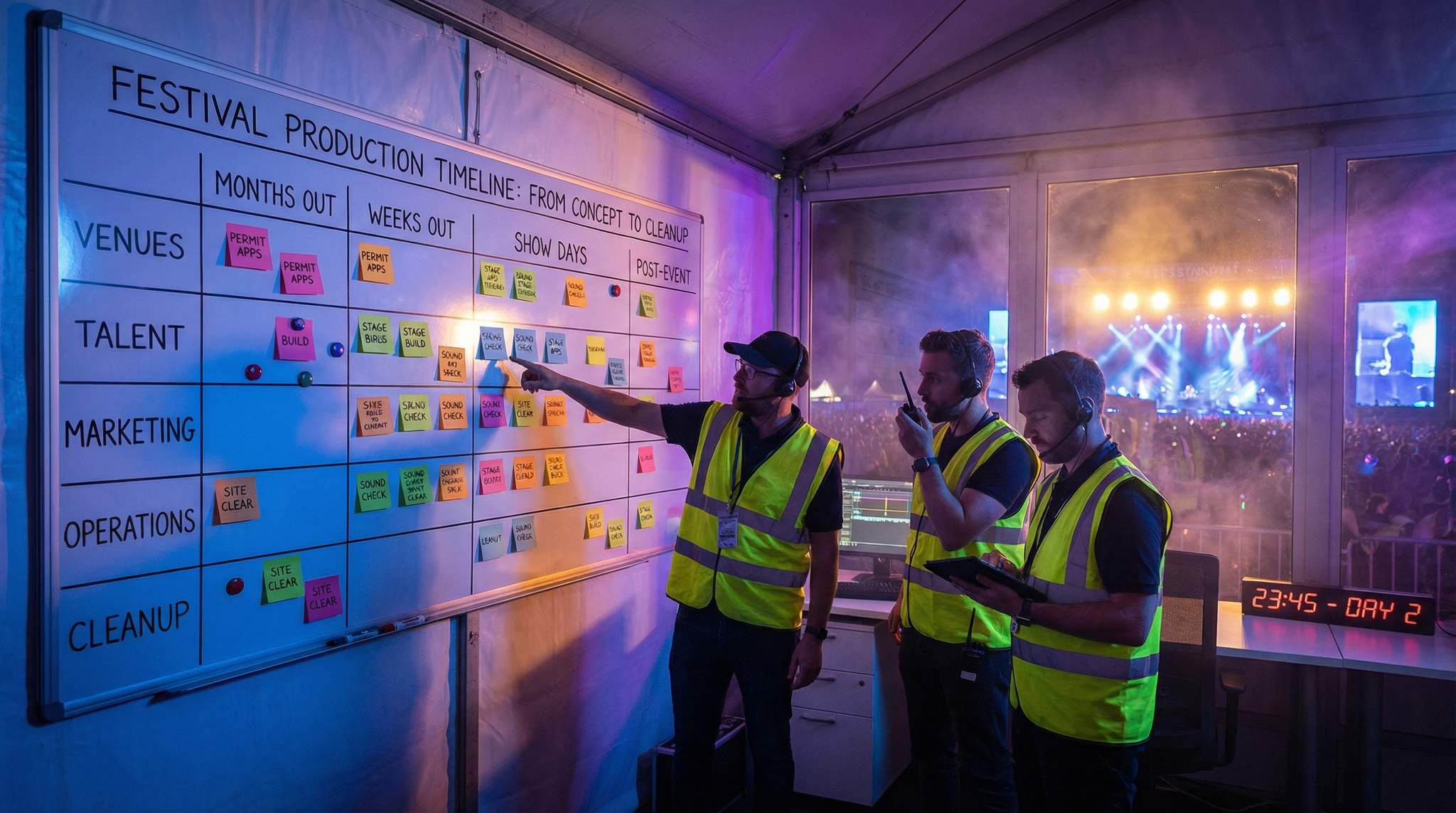
Every successful festival begins long before the lights, music, and crowds. It starts as an idea and evolves through careful planning and coordination across many months. Having a structured production timeline — from the initial concept all the way to post-event cleanup — is essential. A realistic timeline keeps every department in sync and ensures that no critical element gets left until the last minute. Without it, even promising events can face chaos or failure, as seen in infamous cases like the Fyre Festival, which was plagued by an overly optimistic timeline and rampant disorganization.
Developing a comprehensive festival timeline is the first step toward mitigating operational risks. Whether you are organizing a boutique food and wine gathering or a massive multi-stage music event, this master schedule serves as the central nervous system for your entire team, dictating when contracts must be signed, when marketing assets drop, and when site crews mobilize.
Concept and Vision (12–18 Months Out)
At the outset, clearly define your festival’s vision, theme, and goals. This is the phase to establish your budget, identify your target audience, and choose a suitable date (avoid clashing with major events or holidays). Early budgeting should include padding for unexpected costs, and risk management should start now by outlining contingency plans (for weather, cancellations, etc.).
When mapping out your initial event production timeline, you must also determine the scale and duration of your gathering. Organizers frequently ask how long do festivals last when modeling their initial budgets. While boutique single-day events offer a streamlined operational footprint, multi-day music festival production (typically spanning two to four days) requires exponentially more complex logistics, including overnight security, camping infrastructure, and extended vendor contracts. Your chosen duration will dictate every subsequent phase of your festival production management.
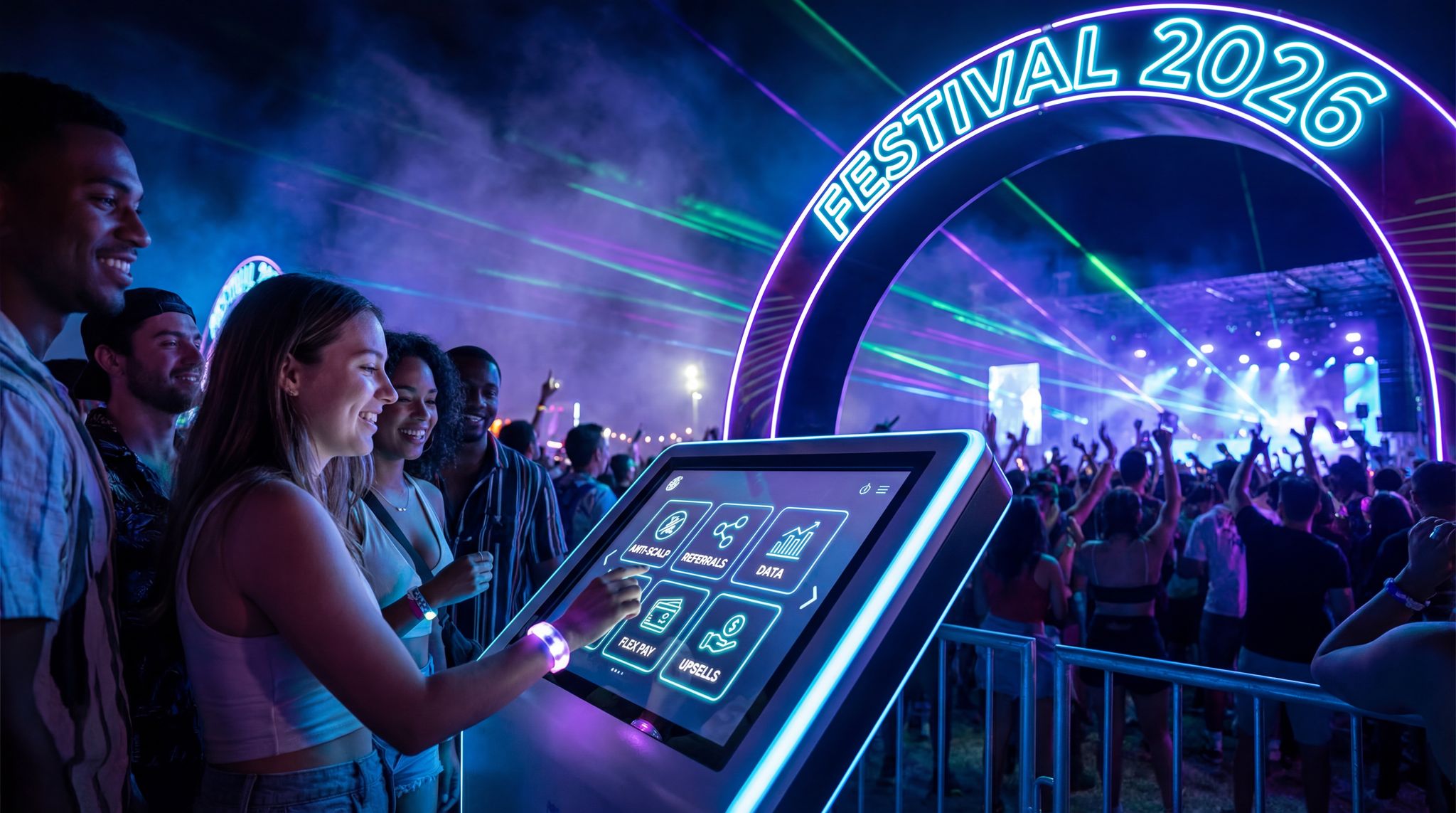
Data-Driven Event Marketing
Track ticket sales, demographics, marketing ROI, and social reach in real time. Exportable reports give you the insights to make smarter decisions.
Venue selection is one of the first major milestones – popular venues (or suitable large open areas) can book out over a year in advance, so securing your location as soon as possible is vital. Locking in the venue early also informs your capacity and infrastructure needs. For example, a festival on an open farm will require bringing in stages, power, and facilities, whereas an established venue might already have some infrastructure.
Similarly, begin reaching out to headline performers or key attractions early; top artists and features often plan their schedules a year ahead. In this concept phase, assembling a core planning team is crucial – define roles for operations, marketing, talent booking, sponsorship, and logistics. Many seasoned organizers emphasize that planning for next year should begin immediately after your current festival ends, carrying forward lessons learned while they remain fresh.
Planning a Festival?
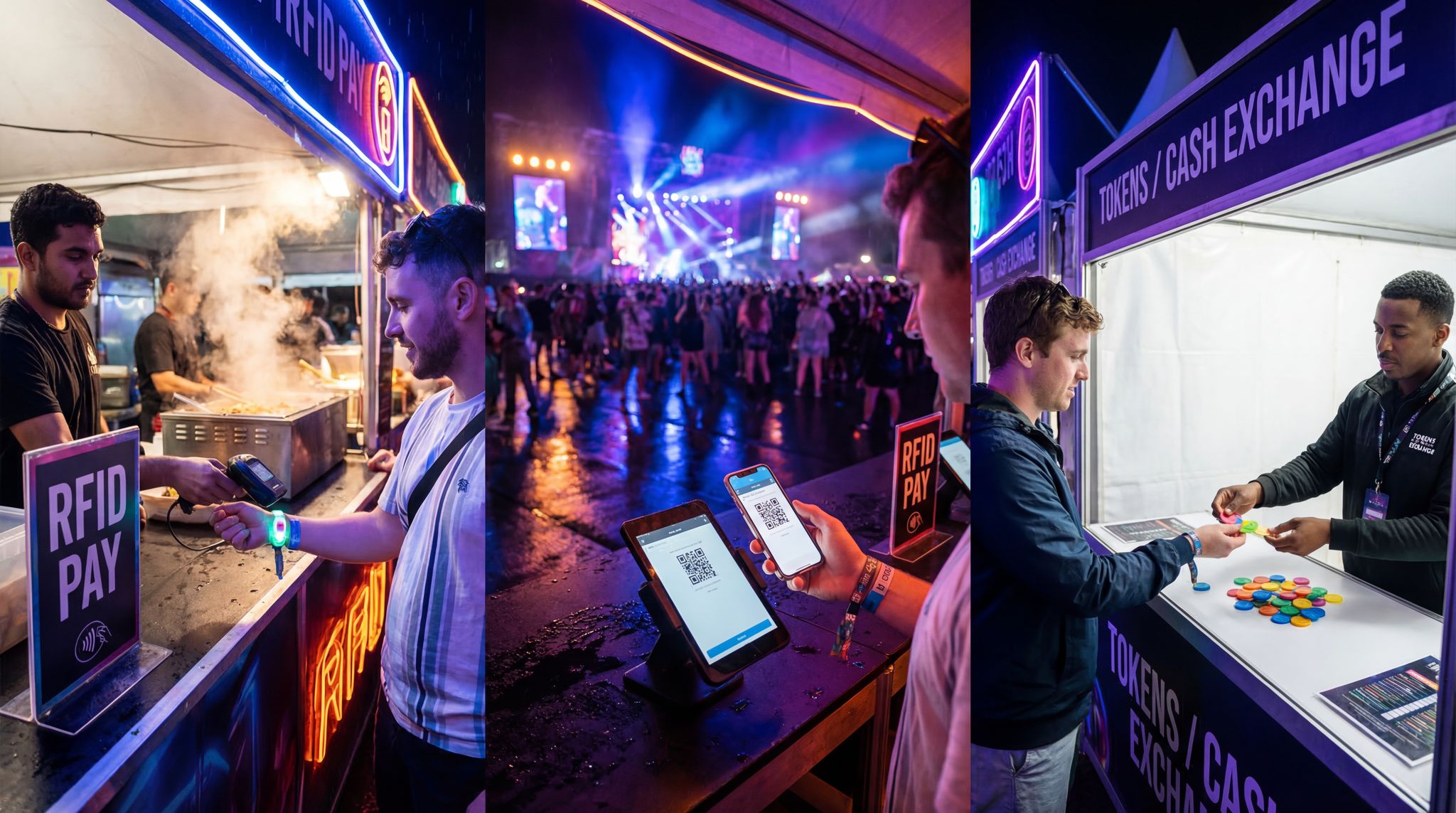
Ticket Fairy's festival ticketing platform handles multi-day passes, RFID wristbands, and complex festival operations.
Building the Foundation (6–12 Months Out)
With the groundwork laid, the mid-term planning phase is about turning ideas into confirmed commitments. Permits and legalities take priority once your venue and dates are set – applications for event permits, noise ordinances, health permits, and insurance should be submitted well in advance (sometimes city approvals can take months, so build that into your timeline).
For those planning a public event on municipal or county land, understanding local regulatory frameworks is non-negotiable. You might wonder, what is a special event permit? In the realm of festival production, it is a comprehensive authorization issued by local government that legally allows you to host a large-scale gathering outside of normal zoning or park usage rules. Securing this document often requires submitting detailed site maps, traffic management plans, and proof of liability insurance, making it a critical early milestone in your event production timeline.
This is also the time to confirm major vendors and suppliers: stage and sound production companies, lighting, fencing, sanitation services, generators, tenting, and other infrastructure providers should be booked 6+ months out to ensure availability. If your festival requires unique infrastructure (for instance, a temporary water supply or extra transportation arrangements), start coordinating those now.
Sponsorship outreach should be in full swing in this window as well – securing sponsors early not only brings in crucial funding, but sponsors may have activation requirements that need integration into your site plan and schedule. By six months out, key sponsorship deals should be close to final, and you’ll be coordinating how their branding and activations will fit on-site.
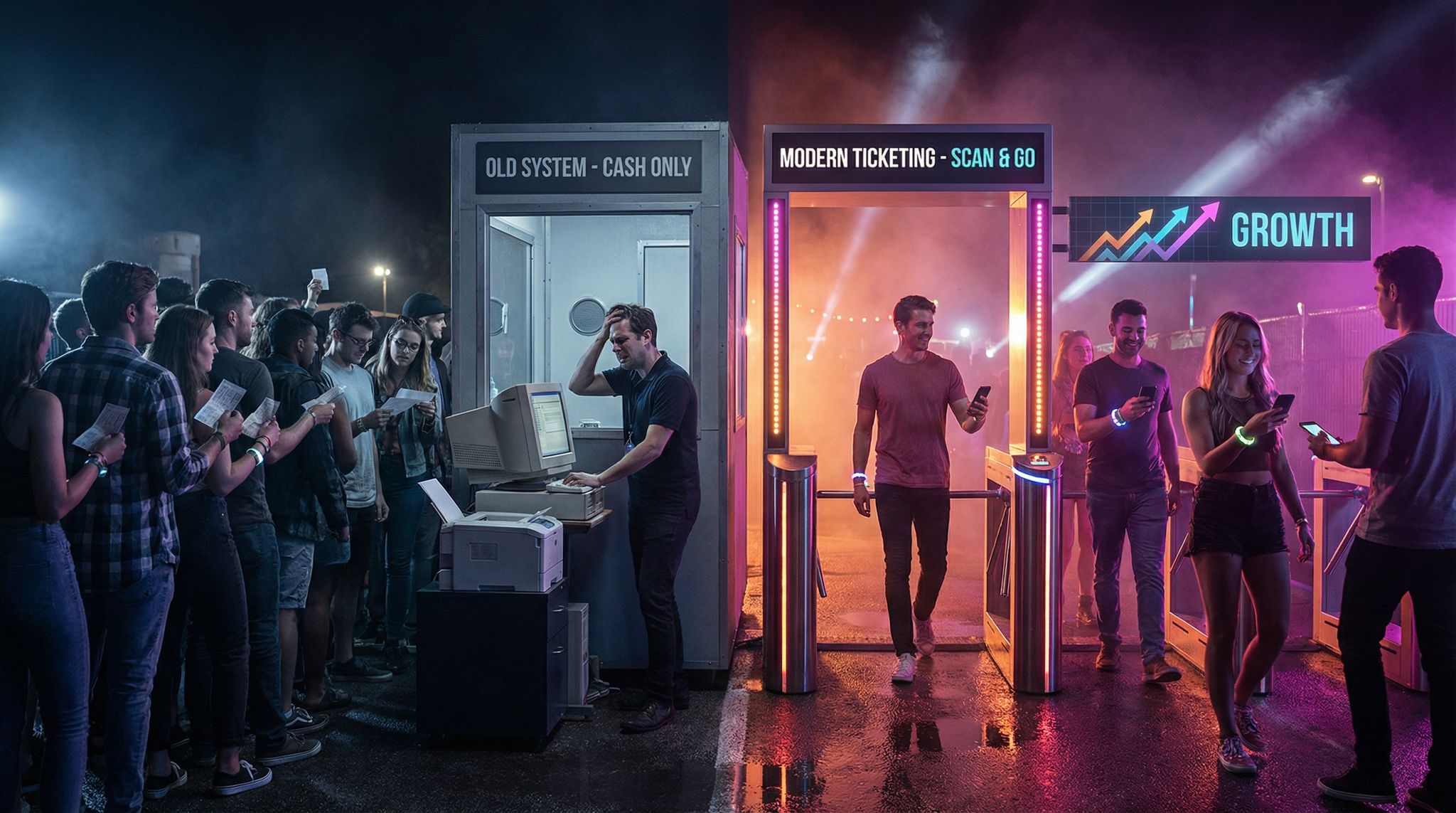
Smooth Entry With Mobile Check-In
Scan tickets and manage entry with our mobile check-in app. Supports photo ID verification, real-time capacity tracking, and multi-gate coordination.
Marketing efforts also ramp up: develop a detailed marketing plan and festival branding. Typically, a save-the-date announcement or teaser campaign can go out 9–12 months prior for large festivals, especially if you have early bird ticket sales. Many festivals launch initial ticket sales or crowdfunding campaigns at this stage to boost cash flow. Ensure your ticketing and comprehensive event registration platform systems are set up and tested early; integrate them with your marketing plan (for instance, coordinating early-bird ticket launches with your promo schedule). Internal communication is equally important – regular production meetings should be scheduled to track progress on all fronts, using shared timelines or project management tools to keep everyone aligned.
Effective festival event management during this mid-term phase relies heavily on delegating responsibilities across specialized teams. While the core producers focus on high-level strategy and financial oversight, dedicated site managers, artist liaisons, and guest services directors must take ownership of their respective domains. Utilizing centralized project dashboards ensures that every logistical detail—from vendor load-in schedules to volunteer shift assignments—is tracked transparently, preventing siloed communication as the event date approaches.
Need Festival Funding?
Get the capital you need to book headliners, secure venues, and scale your festival production.
Final Preparations (1–5 Months Out)
As the festival draws closer, detailed preparations take center stage. In the last few months, every department’s plans converge. Lineup and programming should be finalized no later than 1–3 months out – all performers, speakers, or attractions need to be confirmed so you can publish the schedule. This is the time to print schedules, create site maps for attendees, and finalize any interactive components (like workshops, installations, or VIP experiences). Conduct thorough site visits with key staff and vendors about 2–3 months out to double-check layouts and logistics on the actual grounds. Any adjustments to stage placements, traffic flow, or emergency access should be settled here.
Safety and emergency plans must be completed and reviewed with local authorities; involve fire, police, and medical services in a coordinated emergency response plan. About one month before showtime, host training sessions for staff and volunteers so everyone knows their roles and protocols – whether it’s ticket scanning procedures, emergency evacuations, or customer service scenarios. It’s also wise to reconfirm all rentals and deliveries (from portable toilets to golf carts and radios) in this window and have backup options ready for critical items.
When planning a public event, especially one that scales into a complex multi-day festival production, your schedule must account for external dependencies like municipal inspections and union labor rules. A well-calibrated festival timeline ensures that these critical compliance checks don’t bottleneck your final build-out.
Marketing reaches its peak intensity: deploy final ad campaigns, release last lineup additions or schedule highlights to spur any lagging ticket sales, and communicate attendee guidelines. By now, your team should have a detailed production schedule mapping out each day leading to the festival: when vendors load in, sound checks, power on, and so on. Crunch time is also when unexpected challenges might arise (a vendor backs out or a new regulation requirement); having built a time buffer into your schedule helps manage these without panic.
Beyond the macro-level planning phases, this is the exact moment to draft your granular run-of-show. A minute-by-minute timeline of events is critical for the actual festival days, detailing everything from artist load-ins and soundchecks to gate opening times and VIP activations. Transitioning your broad event production timeline into this hyper-specific daily schedule ensures that stage managers, security personnel, and technical crews are operating from a single source of truth.
Stage lighting and crowd at an outdoor music festival, representing the excitement of show day.
Figure: As show day arrives, all planning comes to fruition – the stage is set, the crowd is in place, and the festival atmosphere comes alive.
Showtime (Festival Days)
When the big day (or days) arrives, a solid advance timeline means each team member knows exactly what to do. Load-in and setup should have been completed in the days leading up to opening, following a master schedule (often load-in for large festivals starts a week out or more, staggering stage builds, sound checks, and vendor booth setups). Once gates open, the focus shifts to execution and real-time management. During the event, the production team typically holds briefings (e.g., a morning-of meeting) to address the day’s schedule, weather considerations, or any artist updates.
Communication systems (like radios or a control center) are vital for coordinating between stage managers, security, medical, and logistics. By having timelines for each performance and activity, stage managers can keep the program on track and adjust if a performance runs over or a delay occurs. The operations crew should monitor everything from crowd flow to sanitation throughout the event. It’s important to stick as closely to the run-of-show as possible, but also be prepared to adapt; for instance, if weather causes a schedule pause, you’ll rely on the contingency plans set earlier. A well-planned festival will appear to attendees as seamless fun, even if behind the scenes the team is rapidly solving issues. Keep documentation during the event (notes of what went wrong or right each day), as these notes will be gold when planning the next edition.
Post-Event Teardown and Debrief (Cleanup Phase)
The festival isn’t truly over until the site is cleared and the lessons are learned. Teardown of stages, equipment, and facilities is a massive task that should be scheduled as carefully as setup. Many venues have strict deadlines for when everything must be off-site, and failing to meet those can incur extra costs or penalties. Organize your teardown timeline in advance: which crews handle which areas, rental return schedules (e.g., generators picked up, fencing removed by X date), and cleaning crews covering the grounds. It’s wise to have a waste management plan so that trash and recycling are properly collected – leaving a venue or park in good condition is not only ethical but will determine if you’re welcome to host there again.
Once the physical cleanup is done, a post-event debrief should occur. Gather your core team (and even solicit feedback from volunteers, vendors, and attendees). Review what aspects of the timeline worked well and where there were bottlenecks. Perhaps the check-in process was slow on day one, or a stage changeover took longer than expected – these insights are critical for improving the next festival. Share reports with sponsors (fulfilling any agreed post-event reporting) and thank all stakeholders. This is also when you reconcile the budget, calculating the actual spend vs. projections. By following a structured timeline, you likely avoided many last-minute crises and delivered a smoother experience. This disciplined approach is what turns first-time festivals into beloved annual events.
Frequently Asked Questions
When should planning for a music festival begin?
Large festivals require planning 12 to 18 months in advance to establish budgets, identify target audiences, and secure venues. Smaller events should start as soon as possible. Early planning allows time for risk management, booking headline performers, and assembling a core team before popular dates are unavailable.
Why is selecting a festival venue early important?
Securing a venue is a priority milestone because popular locations often book out over a year in advance. Locking in the location early dictates capacity, infrastructure needs, and permit requirements. For example, open farms require bringing in stages and power, while established venues may already provide essential infrastructure.
When should festival permits be secured?
Permit applications and legalities take priority 6 to 12 months before the event once dates and venues are set. Organizers must submit applications for event permits, noise ordinances, health permits, and insurance well in advance, as city approvals can take months to process and finalize.
When should the festival lineup be finalized?
Festival lineups and programming should be finalized no later than 1 to 3 months before the event. Confirming all performers, speakers, and attractions by this deadline allows organizers to publish schedules, create site maps, and finalize interactive components like workshops or VIP experiences for attendees.
How do festival organizers manage safety and emergency planning?
Safety plans must be completed and reviewed with local authorities, including fire, police, and medical services, during the final preparation phase. About one month before the event, organizers host training sessions for staff and volunteers to ensure everyone understands their roles, emergency evacuations, and communication protocols.
What is the purpose of a post-festival debrief?
A post-event debrief gathers the core team to review timeline performance, identify bottlenecks, and reconcile the budget against projections. Documenting lessons learned immediately after the event helps improve the next festival’s planning cycle, ensuring a smoother experience and turning first-time events into annual successes.
What is a special event permit?
A special event permit is a formal authorization granted by local municipalities allowing organizers to host large-scale public gatherings. In festival production, securing this permit requires submitting comprehensive site plans, traffic routing, security protocols, and proof of insurance well in advance of the event date.
How long do festivals typically last?
The duration of a festival depends heavily on its scale and target audience. Single-day events are common for urban or boutique gatherings, while major music festival productions typically last between two and four days. Multi-day events require significantly more complex logistical planning, including overnight security, camping facilities, and extended vendor agreements.
How do you create a realistic festival timeline?
Creating a realistic festival timeline requires working backward from your target event date. Start by identifying hard deadlines for municipal permits, headline talent contracts, and venue deposits. From there, layer in departmental milestones for marketing, vendor procurement, and site operations, ensuring you build in a buffer for unexpected delays during the festival production process.
What is the difference between an event production timeline and a run-of-show?
While an event production timeline covers the macro-level planning phases—often spanning 12 to 18 months from concept to cleanup—a run-of-show is a minute-by-minute timeline of events for the actual festival days. The production schedule guides the long-term build, whereas the run-of-show dictates daily execution, including artist load-ins, set times, and curfew enforcements.
What are the core components of festival event management?
Successful festival event management encompasses several critical pillars: financial planning, talent booking, site operations, marketing, and risk mitigation. For large-scale gatherings, it also requires coordinating specialized teams—such as stage production crews, security personnel, and vendor coordinators—under a unified master timeline to ensure seamless execution from the initial concept through post-event teardown.