Think of the last great festival you attended or heard about – chances are, you remember the overall vibe and identity of the event as much as any single performance or activity. That’s the power of a strong festival theme and branding. In a world where new festivals pop up every year, having a memorable identity helps yours stand out and stick in people’s minds. It’s not just a name or a logo (though those are important); it’s an entire personality and aesthetic that flows through everything from your marketing materials to the on-site decor and even the attitudes of your staff. Let’s dive into how to craft a festival identity that captivates your audience and reinforces your event’s unique theme long after the gates have closed.
Develop a Compelling Theme
By now you likely have a general concept or genre for your festival (from the vision work you did earlier). Now it’s time to turn that into a concrete theme that attendees will experience. The theme is essentially the story or idea that ties the whole event together. It might be tied to a place, a time period, a cultural motif, or a particular ethos.
Consider questions like: What do I want attendees to feel when they think about my festival? What images or ideas do I want to pop into their heads? For example:
- A music festival might adopt a theme like “Woodstock Reimagined”, leaning into a retro-hippie vibe of peace, love, and music, with tie-dye visuals and a 60s aesthetic.
- A food festival could center on “Farm to Table Harvest”, emphasizing rustic farm imagery, autumn colors, and a cozy homestead feel that echoes freshness and community.
- A city film festival might play up “Hollywood Glamour meets Indie Grit”, balancing classic cinematic motifs (spotlights, red carpet visuals) with edgy modern art elements to show it’s both grand and cutting-edge.
- Some festivals revolve around an ethos: eco-friendliness, spiritual wellness, tech futurism, etc. For instance, a sustainability-themed festival could incorporate nature motifs, recycling symbols turned art, and a tagline about “celebrating Mother Earth” to reinforce that ethos.
When brainstorming a core festival concept theme, it helps to look at seasonal and industry trends. For example, popular summer festivals themes often revolve around escapism, tropical oasis environments, or interactive art utopias. If you are exploring themes for music festivals, the current landscape leans heavily into immersive, interactive environments rather than just passive viewing. Staying aware of the latest festival theme trends ensures your event feels modern, though you should always prioritize a concept that genuinely fits your target demographic over chasing a fleeting fad.
Grow Your Social Following With Every Sale
Require social media follows, shares, or playlist adds to unlock presale access or special pricing. Turn every ticket purchase into audience growth.
If you are developing a theme for cultural event programming or a heritage celebration, authenticity is your strongest asset. Unlike a purely commercial endeavor, cultural and jazz festival branding often requires balancing deep-rooted traditions with contemporary appeal. You want to honor the origins of the music or art while presenting a festival brand that feels fresh and inviting to new generations of attendees.
When choosing your theme, make sure it’s authentic and sustainable. By sustainable, I mean it’s something you can carry through every aspect of the festival without it feeling forced or getting stale. It should also be broad enough to allow creativity each year; some festivals update their theme annually within a concept (like a Renaissance fair might have a different storyline each year but always in medieval style). However, as a new festival, it might be better to let the theme solidify before changing it up too much in subsequent years. Consistency helps build brand recognition initially.
Planning a Festival?
Ticket Fairy's festival ticketing platform handles multi-day passes, RFID wristbands, and complex festival operations.
Once you have a theme idea, brainstorm how that theme can come to life at the event: in stage names, area decorations, staff costumes or uniforms, the style of posters and signage, and even in the types of activities you include. The goal is that when someone walks into your festival, they almost instantly “get” the vibe and theme without having to read it – it’s conveyed visually and experientially.
Crafting Your Festival Name and Logo
Your festival’s name is often the first piece of branding people encounter. A great name should be memorable, easy to say, and reflective of your theme or content. Some festivals go straightforward (e.g., “Toronto International Film Festival” or “Austin City Limits Music Festival” – clear and descriptive). Others invent a unique name that becomes its own brand (e.g., “Burning Man”, “Lollapalooza”, “Tomorrowland”). Whichever route you choose, try to pick something that resonates with the mood of your event. If your festival is local or community-focused, including the location in the name can build hometown pride (e.g., “Springfield Jazz & Arts Fest”). If it’s niche, you might hint at the genre (“IndieVerse Film Fest”). Do a bit of research to ensure your chosen name isn’t too similar to existing events to avoid confusion.
After the name, design a distinctive logo and visual identity. This is worth investing some time and possibly hiring a graphic designer. A logo will appear on all your promotions – website, tickets, merch, stage banners, social media, etc. Good logos tend to be simple, scalable (looks good small on a phone screen and large on a banner), and relevant to the theme. Think about color schemes and typography as well: colors evoke emotion (vibrant neon for an EDM festival vs. earthy tones for a folk festival, for example) and fonts convey style (a sleek modern font vs. a playful handwritten one can set very different tones).
For instance, if your theme is futuristic, you might use bold geometric shapes and sleek sans-serif fonts in your branding. If it’s a vintage 1920s theme, maybe an ornate, art-deco style logo with gold and black colors. Always ensure the text (festival name) in your logo is legible – it’s tempting to get fancy, but people should instantly read and recognize it.
Boost Revenue With Smart Upsells
Sell merchandise, VIP upgrades, parking passes, and add-ons during checkout and via post-purchase emails. Increase average order value by up to 220%.
When analyzing the best festival logos in the industry, versatility is a recurring trait. Specifically, music festival logos must function across a massive variety of mediums—from tiny social media avatars to massive main stage scrims and intricate lineup posters. A successful festival logo often features a distinct icon or emblem that can be separated from the primary wordmark. This allows organizers to use the standalone symbol on wristbands, staff credentials, and limited-edition merchandise without overcrowding the design. Whether you are designing logos for music festivals, culinary gatherings, or niche art fairs, prioritizing a clean, adaptable vector format ensures your brand identity remains crisp and professional at any scale.
The nuances of your festival branding design will shift heavily depending on your core offering. For example, effective music festival branding often leans into subculture aesthetics—think gritty textures for punk or sleek, neon-drenched visuals for electronic dance music. Conversely, food and drink festival branding relies on appetite appeal, approachability, and trust. A culinary event’s visual identity might prioritize warm, inviting color palettes, organic shapes, and typography that suggests artisanal quality or farm-fresh sourcing. Recognizing these subtle industry standards ensures your festival brand immediately communicates the right expectations to your target demographic.
Need Festival Funding?
Get the capital you need to book headliners, secure venues, and scale your festival production.
Beyond just a logo, establishing a comprehensive festival visual identity is crucial for scaling your event’s marketing efforts. A robust visual system includes standardized typography hierarchies, defined primary and secondary color palettes, and specific photographic styles or illustration guidelines. By compiling these elements into a formal brand book or media kit, promoters ensure that external partners, sponsors, and PR agencies represent the event accurately. This cohesive aesthetic framework prevents your marketing assets from looking disjointed across different platforms, ultimately building stronger trust and recognition with your target audience.
If you are expanding internationally or looking at global design trends, you might notice regional differences in aesthetic preferences. For instance, European event producers often approach branding voor festivals with a highly minimalist, avant-garde, or techno-industrial visual language, particularly in the electronic music space. Studying these international festival branding techniques can inspire unique logo and typography choices that help a domestic event stand out from local competitors.
Don’t hesitate to sketch multiple concepts or run ideas by people you trust. Your branding materials will create the first impression for potential attendees. You want them to glance at a poster or social media post and feel intrigued or excited because the design itself speaks to what they love.
Consistent Marketing and Messaging
Branding isn’t just visuals – it’s also the voice and messaging you use. Develop a tagline or a short value proposition for your festival that encapsulates the experience. It could be something like “An adventure for the senses” (for a multi-sensory food/music fest) or “Where the wild meets the wonderful” (for an eclectic art festival). A catchy tagline can appear on marketing materials and helps reinforce what makes your event special.
Maintain consistency in how you talk about the festival. Is your tone friendly and humorous? Or is it more professional and refined? It should match your audience and theme. For a comic-con style event, you might use a fun, geek-culture-savvy tone in your communications (“Calling all superheroes and wizards, get ready for an epic weekend!”). For a classical music festival, you may keep the language more elegant and informative.
Use the same color schemes, fonts, and style across all platforms – your website, flyers, social media posts, tickets, and email newsletters should look and feel like they’re part of the same family. This consistency builds recognition. When someone sees an ad or a post from you, they should immediately think of your festival because the branding cues are familiar.
Also, leverage storytelling in your marketing. Share the story behind the festival – why you’re doing it and what makes it unique. People love origin stories and behind-the-scenes peeks. As an experienced producer, maybe you share a bit of your own passion: “After producing festivals around the world, I dreamed of creating a hometown experience that mixes music and mindfulness – that’s how the Tranquil Beats Fest was born, blending yoga sessions with live ambient music.” Such narratives can endear your brand to the audience and differentiate you from more impersonal events.
Designing the On-Site Experience
A memorable identity truly shines on-site at the festival. This is where theme meets reality. Plan out how attendees will visually and experientially sense the theme:
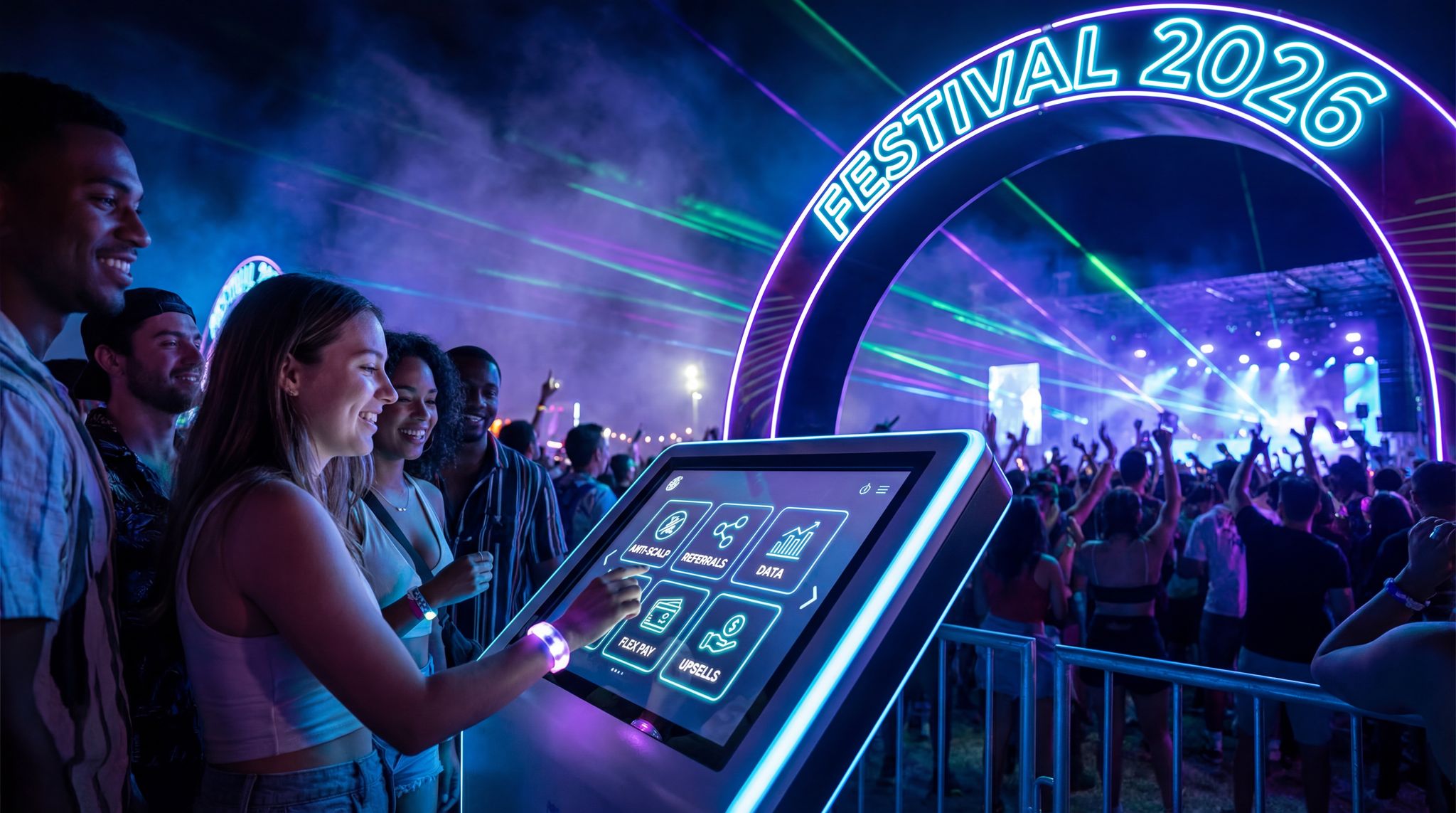
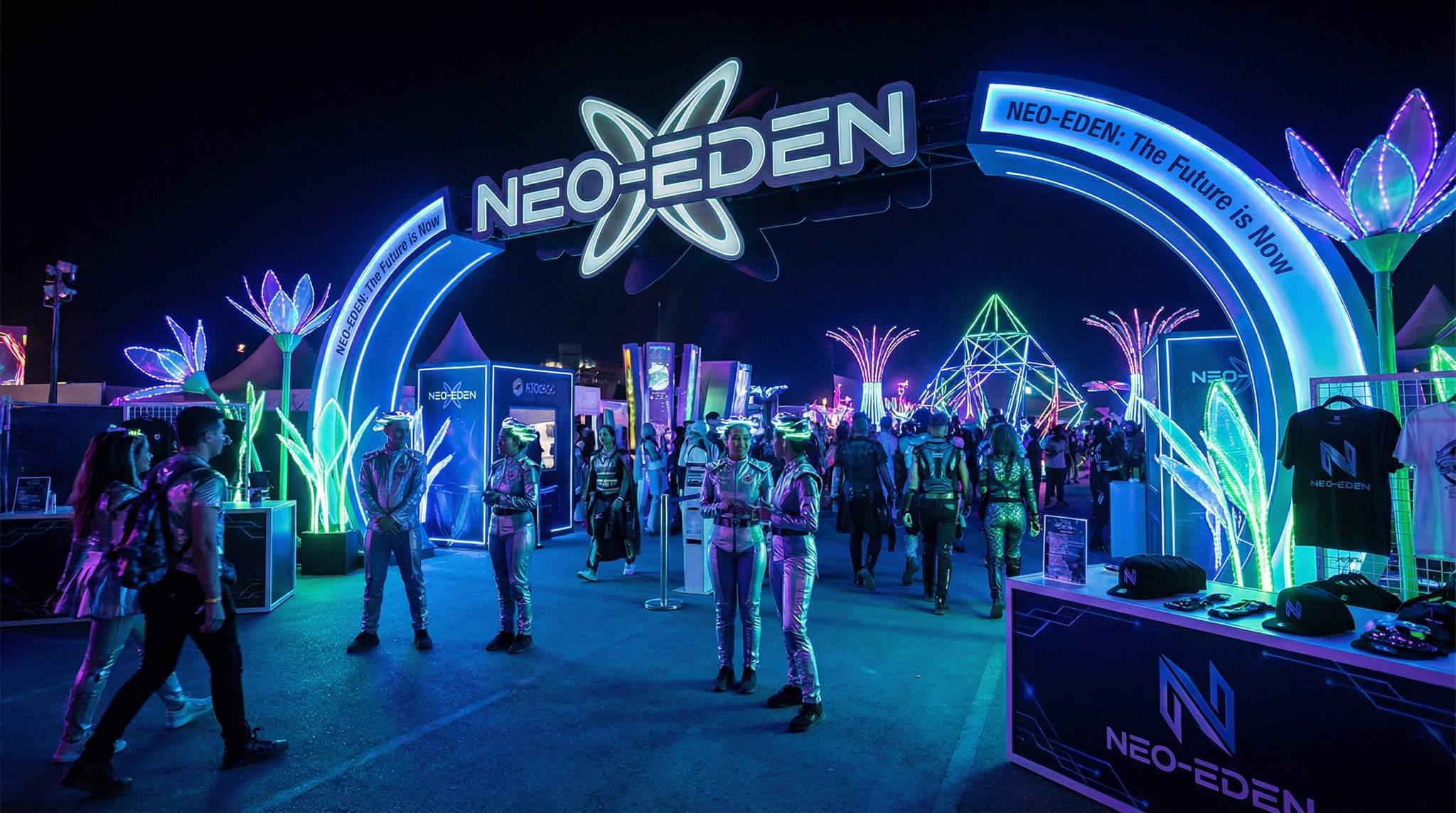
- Visual Decor: Align decorations, stage design, lighting, and signage with your theme. If your festival is beach-themed, maybe your stages look like tiki huts and there are neon palm tree installations around. If it’s tech-futuristic, you might have LED art, giant screens with sci-fi graphics, and staff in sleek outfits. Even small touches like table centerpieces in VIP areas, or what the ticket booth looks like, can reinforce branding (a ticket booth painted to look like a castle for a medieval theme, for instance). Create Instagram-worthy spots – attendees love taking photos in front of cool backdrops or art pieces, and when they share those, it’s free branding for you. Think of something like Coachella’s iconic art installations or Burning Man’s sculptures – those became synonymous with their brand. You don’t need a huge budget to do this; creativity and coherence matter more.
- Audio and Sensory Branding: Don’t overlook sound and even scent. Does your festival have a theme song or soundscape? Some festivals develop audio logos or specific playlists that play before shows or in common areas to set the mood. Certain scents or tastes can be part of branding too – for instance, a holiday festival with the smell of pine and cinnamon in the air, or a tropical fest pumping out a coconut scent near beaches. These create strong memory links.
- Staff and Volunteers: Your staff are brand ambassadors on the ground. Train them to embody the festival’s ethos in how they interact with attendees. If your identity is all about friendliness and community, staff should be extra approachable, maybe taught to engage with a smile and personal greetings. If your theme is fantasy, maybe staff wear costumes or at least theme-colored shirts and use themed lingo (“Welcome, adventurer!” at a fantasy fair). Uniforms or coordinated outfits can extend the color palette and look of your brand into the crowds.
- Merchandise and Touchpoints: Offer merchandise that reflects the brand – t-shirts, hats, posters, maybe quirky items related to your theme (rainbow parasols for a Pride festival, for example). A great logo or design on merch becomes a walking advertisement when attendees wear it later. Also consider all touchpoints like wristbands, tickets, badges – design those with care. A beautifully designed festival wristband (with your colors and icons) not only is a keepsake but also shows attention to detail. Some festivals even brand their food and drink (custom names for cocktails that fit the theme, etc.).
When working with a blank-slate location like a city park, rented field, or parking lot, effective temporary venue branding is essential for transforming an everyday space into your festival’s unique world. Event producers often rely on scalable, non-permanent solutions such as custom-printed scrims for stage scaffolding, branded mesh fencing wraps, and modular signage that can be easily installed and removed without damaging the site. Projection mapping onto existing structures or natural elements like trees is another powerful way to alter the environment temporarily. By strategically placing these short-term branding assets at high-traffic choke points—like entrances, bar queues, and VIP lounges—you maximize visual impact and ensure the venue feels entirely customized for your event’s duration.
Executing cohesive festival theming and styling requires close collaboration between your creative directors, site operations team, and external fabrication vendors. While the core concept provides the overarching narrative, the styling is the physical execution of that idea through spatial design, curated furniture, and structural decor. Whether you are building custom stage facades or sourcing vintage seating for VIP lounges, every aesthetic decision must account for weather resistance, crowd flow, and safety regulations. Effective event styling goes beyond surface-level decorations; it involves structural choices that guide attendee movement and reinforce the brand identity at every physical touchpoint.
The goal is an immersive experience – you want someone to walk into your festival and be transported into the world you’ve created. When theme and branding are done well, the festival becomes more than the sum of its performances or stalls; it becomes a distinctive memory. For example, attendees don’t just say “I saw X band at that festival,” they say “I went to that festival – the one that had the amazing enchanted forest decor and everyone dressed up – it was unforgettable.”
Evolving Your Identity
Branding is an ongoing process. After your festival’s first edition, gather feedback on what aspects of the theme and branding people loved. Maybe the logo is a hit but the tagline didn’t quite catch on. Or people particularly enjoyed a themed aspect you can expand next time. Festivals often refine their identity over the years – you might tweak the logo, introduce a new art style, or evolve the theme as trends and audience tastes change. That’s okay, as long as you keep the core essence consistent.
Also, consider how your branding carries over outside of the event dates. Maintaining social media with the same voice year-round, participating in community events under your festival’s banner, and even collaborations with other brands should all feel cohesive. The stronger and more recognizable your festival identity becomes, the easier it is to attract attendees through simple recognition. Think of major festivals – their font or logo color alone often cues fans into any post or poster being about that event.
In essence, festival theme and branding is about creating an identity that people can connect with emotionally. It’s the personality of your event. When done right, it builds anticipation (people get excited just seeing your poster or teaser videos) and loyalty (fans wear your merch and mark their calendars each year because they love what your festival stands for). Take the time to craft that identity thoughtfully. Be creative, be consistent, and ensure it aligns with the experience you plan to deliver. When your branding harmonizes with your festival’s vision and delights your target audience, you’re not just hosting an event – you’re cultivating a beloved tradition with its own unique soul.
Frequently Asked Questions
How do I choose a theme for my festival?
Select a theme that is authentic, sustainable, and broad enough to allow for future creativity. Consider the emotions and images you want attendees to associate with the event, such as specific genres, time periods, or ethos like eco-friendliness. Ensure the concept can flow through marketing, decor, and staff attitudes without feeling forced.
What are the best practices for naming a festival?
A strong festival name should be memorable, easy to pronounce, and reflective of the event’s mood or content. You can choose a descriptive name that highlights the location and genre or invent a unique brand name. Research existing events to avoid confusion and ensure the name resonates with your target audience’s interests.
What makes a successful festival logo design?
Effective festival logos are simple, scalable, and visually relevant to the event’s theme. The design must be legible on everything from small phone screens to large stage banners. Use color schemes and typography that evoke the specific emotion of the festival, such as neon colors for EDM or earthy tones for folk events.
How can I bring a festival theme to life on-site?
Create an immersive experience by aligning visual decor, stage design, and lighting with your specific theme. Engage all senses through curated soundscapes or scents, and ensure staff act as brand ambassadors through themed costumes or interactions. Additionally, offer branded merchandise and create Instagram-worthy photo spots that reinforce the event’s unique aesthetic.
Why is consistent branding important for festivals?
Consistency builds immediate brand recognition and loyalty among potential attendees. By using the same color schemes, fonts, and tone of voice across websites, social media, and tickets, you create a cohesive identity. This familiarity helps your event stand out in a crowded market and ensures marketing materials trigger excitement and trust.
What is the role of staff in festival branding?
Staff and volunteers act as on-the-ground brand ambassadors who embody the festival’s ethos through their interactions and appearance. Training staff to use specific greetings or wear themed uniforms extends the visual identity into the crowd. Their attitude, whether friendly and community-focused or immersive and theatrical, reinforces the overall event personality.
What makes the best festival branding design stand out?
The best festival branding design stands out by maintaining absolute consistency across every attendee touchpoint. From the initial website visit to the on-site stage banners and post-event merchandise, a strong festival brand uses cohesive typography, color palettes, and messaging. Whether it is high-energy music festival branding or warm, artisanal food and drink festival branding, successful designs instantly communicate the event’s unique vibe and promise.
What are some popular themes for music festivals in the summer?
Popular summer festivals themes often focus on escapism, outdoor adventure, and immersive art. A strong festival concept theme for the summer might include a tropical oasis, a retro beach party, or a futuristic desert utopia. The key is choosing a concept that enhances the outdoor environment and provides attendees with a cohesive, interactive experience.
How do you effectively brand a temporary festival venue?
Effective temporary venue branding relies on scalable, non-permanent solutions that transform a blank space without causing damage. Festival organizers frequently use custom-printed mesh fencing wraps, branded stage scrims, modular wayfinding signage, and projection mapping. Placing these short-term visual assets at key high-traffic areas like entrances and bars ensures the location feels fully customized for the duration of the event.
How do organizers execute effective festival theming and styling?
While a theme provides the overarching narrative, festival styling is the physical execution of that idea through decor, lighting, and spatial design. Organizers achieve effective festival theming and styling by ensuring all visual elements—from custom stage builds to VIP lounge furniture—are cohesive, weather-resistant, and strategically placed to enhance the attendee experience without disrupting crowd flow or compromising safety.
How do the best music festival logos handle lineup posters and merchandise?
Top-tier logos for music festivals are designed with modularity in mind. They often include a primary wordmark for main branding and a simplified emblem or icon for smaller applications like wristbands, social media avatars, and staff credentials. This adaptability ensures the brand remains legible even when placed alongside dozens of artist names on a crowded lineup poster or printed on limited-edition apparel.
What components make up a complete festival visual identity?
A comprehensive festival visual identity goes far beyond a primary logo. It encompasses a complete design system, including standardized typography, primary and secondary color palettes, custom iconography, and specific photography or illustration guidelines. Documenting these elements in a brand book ensures that all marketing materials, sponsor activations, and on-site signage maintain a cohesive and professional aesthetic.