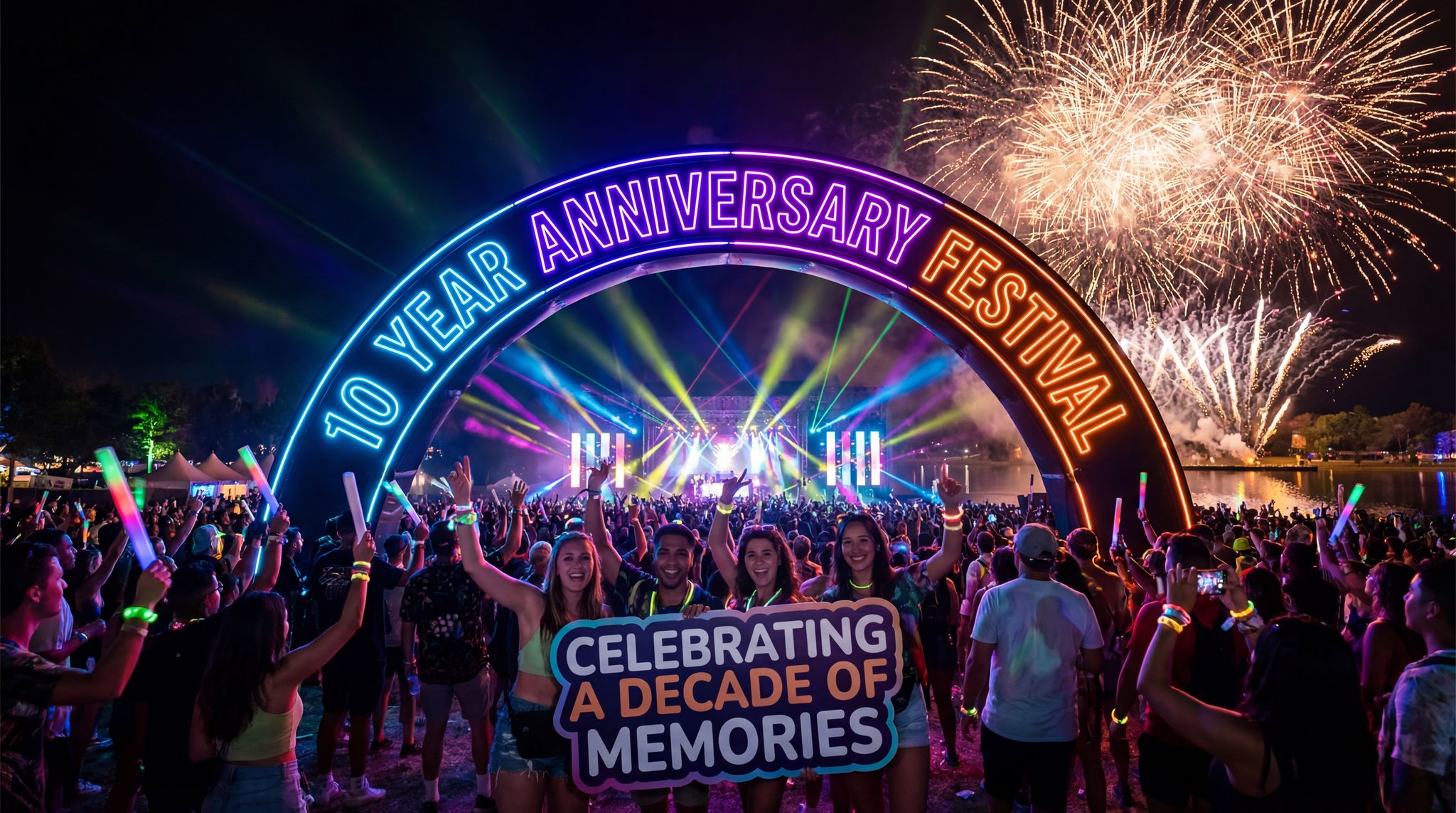
Crafting clear, fair ticket policies shields your festival from risk and builds credibility with your audience.
Ticket terms and conditions might seem like tedious fine print, but they are fundamental to successful festival operations. By defining refund rules, liability waivers, codes of conduct, transfer policies and more, festival organizers protect their events from legal and financial pitfalls while setting honest expectations for attendees. The result is twofold: your festival is safeguarded against disputes, and fans feel respected by transparent, fair policies. This guide breaks down the key components of comprehensive ticket T&Cs and offers practical advice (with real examples) to ensure your policies both protect your event and earn attendee trust.
The Importance of Clear Ticket Terms & Conditions
Shielding Your Festival from Legal & Financial Risks
Every ticket purchase is a contract between the festival and the attendee. Well-crafted terms and conditions act as a legal shield, outlining each party’s rights and responsibilities. This clarity can save a festival from costly lawsuits or chargebacks. For example, if severe weather or a pandemic forces a cancellation, predefined terms will dictate how refunds or credits are handled, preventing chaotic, ad-hoc decisions. Without clear terms, festivals have faced lawsuits and financial fallout – such as when a major festival’s no-refund policy during a COVID-19 cancellation triggered a class-action lawsuit from ticket holders claiming the clause was unfair and unenforceable, sparking legal action over refund refusals. In short, robust T&Cs help prevent disputes, limit liability, and ensure everyone (organizers, vendors, artists, and fans) understands the ground rules.
Building Trust Through Transparency
Transparent ticket policies aren’t just about avoiding trouble – they’re a cornerstone of attendee trust. Fans invest significant time and money to attend festivals; they want assurance that they’ll be treated fairly. By clearly communicating policies on refunds, transfers, expected behavior, and more before tickets are bought, festivals demonstrate integrity and respect for their audience. Attendees who know exactly what to expect (for example, whether tickets can be refunded or transferred, or what happens if a headline artist cancels) are far less likely to feel cheated or misled. Consistent, fair enforcement of these policies on-site further proves that the festival keeps its word. In an industry where word-of-mouth and reputation matter immensely, being upfront in the fine print builds goodwill. In contrast, hiding “gotcha” clauses or vague terms can backfire badly, as seen when a UK festival buried a harsh payment plan rule that caused a fan to lose all their installments and ticket with no refund – resulting in viral bad press and a breach of trust, highlighting the need for ticketing that feels fair at festivals. The lesson is clear: honesty and clarity in your ticket terms set the tone for a positive relationship with your attendees.
Keep Tickets in Fans' Hands
Our secure resale marketplace lets attendees exchange tickets at face value, eliminating scalping while keeping you in control of the secondary market.
Refunds, Cancellations, and Postponements
One of the most critical sections of any ticket T&Cs covers refund and cancellation policies. Festivals must balance protecting their finances with treating ticket buyers fairly – and complying with consumer protection laws. A well-defined refund policy can prevent headaches and legal issues down the line.
Clear Refund Policies & “All Sales Final” Clauses
It’s common for festival tickets to be sold as “all sales final”, meaning no refunds for change of mind or personal schedule conflicts. However, this policy should be clearly stated at purchase and in the terms to avoid any ambiguity. Define exactly under what conditions a refund would be available. For instance, many events allow refunds only if the event is canceled in full (and not rescheduled). Some may consider refunds for a “material change” – such as a date or venue change – but not for minor adjustments like a lineup change. Make sure to document what qualifies as a “material” change. For example, Sign of the Times Festival’s ticket terms explicitly state that a headline artist cancellation is not considered a material alteration warranting a refund, to set expectations that lineup is subject to change. The clearer and more specific you are, the less room there is for misunderstanding.
Planning a Festival?
Ticket Fairy's festival ticketing platform handles multi-day passes, RFID wristbands, and complex festival operations.
To make refund policies transparent and fair:
– Outline acceptable reasons for refunds: e.g. event cancellation, date change, or other major disruptions. Minor inconveniences (rain delays, artist swaps) are typically excluded.
– Specify the refund process: where should attendees request a refund (usually their original point of purchase), and within what time frame. For example, you might require refund requests to be submitted no later than 60 days after the canceled event date.
– State what will be refunded: at minimum, the face value of the ticket; note if fees and shipping are included or not. Some festivals refund the base ticket price but not third-party service fees – if so, say so up front.
– “Rain or Shine” policy: Explicitly mention that the festival is rain or shine, and that bad weather itself isn’t a valid reason for refunds unless it causes a safety cancellation. This sets expectations that attendees should prepare for the elements.
By spelling out these points, you both shield your event from false refund claims and show genuine consideration for fans by telling them the truth about your no-refund rules.
Event Cancellation or Postponement Clauses
Despite everyone’s best efforts, sometimes a festival must be canceled or postponed (think natural disasters, government bans on large events, or pandemics). It’s crucial for your terms to address these scenarios in detail, as they carry significant legal obligations and reputational stakes. A strong cancellation/postponement clause might include points like:
- If the festival is canceled in full: Attendees are entitled to a full refund of the ticket’s face value (and any services paid for, like camping or parking, if those won’t be honoured). Many festivals commit to automatic refunds in this case, which can reassure buyers. In fact, consumer laws in many regions require refunds for a canceled event since the core service was not delivered. For example, in the UK and EU, regulators have made it clear that if an event is canceled and not rescheduled, ticket holders should receive their money back as a right. Align your policy with these legal requirements – not doing so can lead to lawsuits or regulatory action.
- If the event is postponed or rescheduled: State that tickets will be valid for the new date, but also offer options if fans can’t attend the new date. The fair approach (and often legally necessary, depending on jurisdiction) is to allow refunds upon request when a date or venue change occurs. This was a contentious issue during COVID-19: some festivals tried to deny refunds for “postponements,” offering only a credit for a future event. Those decisions sparked major backlash. For example, after Ultra Music Festival 2020 was called off due to the pandemic, organizers offered no refunds – only the chance to use the ticket at a later festival – leading to a high-profile class-action lawsuit and fan outrage, leading to legal action over refund refusals and complaints about high ticket costs. The lesson is clear: if you reschedule, provide a transparent path for attendees to get their money back if they can’t make the new dates. It’s not only ethically sound, but it helps maintain trust for your next edition.
- Partial cancellations: If your festival spans multiple days or has separate ticketed components, address what happens if one day or a particular show is canceled. Do attendees get a partial refund (e.g. 1 out of 3 days refunded)? Define “major cancellation” versus a partial one. This nuance shows you’ve anticipated scenarios and prevents confusion. Some festivals specify that if one day is canceled, a pro-rata portion of the ticket value will be refunded, while the rest remains valid.
Also, consider including clear instructions on how cancellation announcements will be communicated (email, official website, ticket agency notifications) and emphasize that the festival isn’t liable for any additional costs attendees incurred (like travel or accommodation) due to the cancellation. Attendees should be advised to seek travel insurance for those costs. Being upfront about these points in your T&Cs manages expectations and reduces the likelihood of disgruntled fans later.
Let Fans Pay Over Time
Offer flexible payment plans that split ticket costs into manageable installments, making higher-priced events accessible and boosting conversions.
Force Majeure (Unforeseen Circumstances)
A force majeure clause covers truly unforeseeable or uncontrollable events – “acts of God” like extreme weather, natural disasters, epidemics, or government orders that make the event impossible or illegal to hold. In such cases, your policy might allow the festival to cancel or postpone without being considered in breach of contract. However, be very clear about how ticket refunds or credits will be handled under force majeure. Some festivals state that no refunds will be issued for force majeure cancellations, in order to protect themselves from ruinous losses if disaster strikes. Others might offer credit toward a future event. Whichever stance you take, phrase it plainly and follow local laws (for instance, some consumer protection laws might override a no-refund stance even in force majeure situations). The key is transparency: ticket buyers should know before purchase how these rare situations would be handled.
Tip: Use straightforward language rather than dense legalese when possible. Instead of saying “force majeure,” you might label the clause “Unforeseen Circumstances” and list examples (earthquakes, government public health shutdowns, etc.) so that readers immediately understand. This again reinforces trust – you’re not trying to hide anything in obscure terminology.
Need Festival Funding?
Get the capital you need to book headliners, secure venues, and scale your festival production.
Deposits, Payment Plans & Missed Payments
If your festival offers ticket payment plans or deposit schemes (common for high-priced tickets or early bird sales), your terms should detail how those work. Clarity here is essential, as misunderstandings can lead to anger and negative press. Outline the schedule of payments, due dates, and what happens if a buyer’s payment fails or they miss an installment. For example, do they forfeit the ticket and any money already paid after a certain grace period? Or will you refund some portion? A notorious example highlights the importance of fairness: a UK event (Truck Festival) allowed a payment plan for tickets, but a young attendee who missed his final payment lost both his ticket and all the money he’d already paid, with no refund – a policy that was only mentioned in fine print. The resulting uproar on social media painted the festival as uncompromising and greedy, highlighting the importance of transparent fees and simple tiers. To avoid such fallout, adopt a more compassionate approach if possible:
When structuring these options, organizers often ask: exactly what is a layaway ticket in the context of modern festivals? Simply put, a layaway ticket allows an attendee to secure their entry at the current price tier by paying an initial deposit, followed by scheduled installment payments leading up to the event. Unlike a standard credit purchase, the ticket is not officially issued or valid for entry until the final balance is paid in full. Clearly defining this layaway structure in your terms protects your cash flow while making higher-priced VIP or multi-day passes more accessible to your audience.
- Send reminders and a grace period: Include in terms that the festival will attempt to contact the buyer (via email, SMS) multiple times if a payment fails. Give a short grace window to fix the payment issue or use a different card. In the Truck Festival case, organizers later noted they would send three reminder emails and even a phone call for missed payments—a strategy for fair ticketing—a good practice that shows you value the customer.
- Partial refund if a plan falls through: If someone truly can’t complete their payments, consider refunding what they have paid minus a reasonable administrative fee, then canceling the ticket. This way the festival isn’t out of pocket, the ticket can be released to another fan (perhaps via a waiting list), and the would-be attendee doesn’t feel completely burned. Glastonbury Festival uses a similar model for its deposit system – if a ticket buyer who placed a deposit can’t pay the remaining balance by the deadline, Glastonbury refunds the deposit minus a small £25 fee and makes that ticket available to the next fan in line, as detailed in Glastonbury’s ticket information. Such a policy strikes a balance between firmness and fairness, and it’s openly communicated so fans know the risk and recourse.
- Define the contract point: Clarify that a ticket isn’t fully confirmed until all payments are made. This can protect you legally (for example, if prices change or the event sells out meanwhile). Conversely, committing that the ticket price is locked in once the first payment is made is a gesture of good faith that fans will appreciate.
By addressing installment plans in your terms, you demonstrate professionalism and avoid “gotcha” scenarios. Fans on a budget will feel more comfortable using a payment plan when they see the rules laid out in black and white, with no hidden penalties.
Liability Waivers and Safety Disclaimers
Festivals are high-energy, dynamic environments, which also means they come with inherent risks – from loud music and strobe lights to large crowds and physical activities. Liability and safety clauses in your ticket terms make it clear that attendees are assuming certain risks by attending, and they define the extent of the festival’s responsibility for any injuries, losses, or damage.
Personal Injury Liability
A well-crafted liability waiver in your T&Cs can protect your festival from lawsuits if an attendee is injured or has a medical issue at the event (to the extent allowed by law). Typically, the terms will state that attendees attend the festival “at their own risk” and that the organizers are not liable for personal injuries, illness, or even death, except in cases of the organizers’ gross negligence or willful harm. In practice, this means if someone twists an ankle dancing in the crowd or has a health episode, the festival is not automatically responsible. However, if a court found the festival negligent (say, improper safety measures on a stage that collapses), you might still be on the hook – and indeed, many jurisdictions don’t allow a company to waive liability for negligence causing personal injury. Word your waiver carefully: it should discourage frivolous claims but not overreach in a way that would be deemed unenforceable or unfair.
Be sure to highlight known risks: if your festival will have pyrotechnics, strobe lighting, extreme loud sound levels, or other potentially hazardous elements, mention them. A common clause is to warn that prolonged exposure to loud noise may cause hearing damage and that attendees are advised to wear ear protection (with free earplugs often offered at info points). Similarly, if the event involves physically participatory elements (like interactive art installations, sports, rides, or a mosh pit), note that these are voluntary and have inherent risks. For instance, an adventure sports music festival might include a disclaimer like “attendees acknowledge that participating in [XYZ activity] entails known and unanticipated risks that could result in injury; by engaging in it, you assume those risks.” Such wording can deter lawsuits by establishing the assumption of risk.
Property Loss & Damage
Beyond personal injuries, think about attendees’ personal property. Festivals often include a clause that the organizer is not responsible for lost, stolen, or damaged personal items at the event. With thousands of people on-site, it’s impossible to prevent all theft or loss, and attendees should be mindful of their belongings. State in the terms that bringing items to the festival is at the attendee’s own risk. Encourage use of on-site lockers (if you provide them) but still disclaim liability for the contents. Also clarify policies like: if security confiscates prohibited items (say, at the entry gate), those items won’t be returned and the festival isn’t liable for compensating them. This is typically mentioned in the prohibited items section, but it’s effectively a property disclaimer – e.g. “surrendered items will not be returned, and no compensation will be offered.” Make sure your attendees understand that if they bring something they shouldn’t, it’s their loss.
Additionally, if you offer any kind of festival currency or RFID payment wristbands, include a note that lost or unused tokens are not refundable as cash (unless required by law). Being upfront about “use it or lose it” for drink tokens or top-up balances, for example, will prevent disputes later.
Consent to Safety Measures
To maintain a safe environment, your terms should also gain attendees’ consent for certain safety measures. A prominent one is consent to security searches. State that as a condition of entry, all attendees and their belongings may be searched (bag checks, pat-downs, metal detectors, etc.), and that any refusal will mean denial of entry without a refund. This protects your right to enforce security at the gate and inside the venue. It’s wise to mention that security personnel might be aided by tools like CCTV cameras and that attendees consent to that surveillance for safety purposes. Some festivals even include by purchasing the ticket, the attendee agrees to abide by any health and safety rules in effect at the event (for example, if there are last-minute public health measures or security directives). In the post-2020 era, that could extend to things like health screenings at entry. Make sure such requirements are communicated in advance via email or website when possible, not just hidden in fine print, to be transparent.
On the flip side, consider also a clause advising attendees to act responsibly for their own safety – e.g. “Attendees must follow all safety instructions from staff and exercise common sense during the event.” While you can’t enforce common sense via T&Cs, including this underscores that safety is a shared responsibility. It can also serve as a reference point if someone behaves recklessly and is injured; they were reminded to act prudently.
Finally, check with legal counsel that your liability waivers align with local law. Some jurisdictions have limits on waivers (for example, in the UK, you cannot contract out of liability for death or personal injury due to negligence under the Unfair Contract Terms Act). Your terms can still assert broad protections, but avoid clauses that will obviously be thrown out in court – instead, use enforceable language that still emphasizes attendees accept the inherent risks of attending a large event.
Attendee Conduct and Entry Policies
A festival’s vibe and safety depend heavily on attendee behavior. That’s why ticket terms should incorporate a Code of Conduct and entry rules that all guests agree to. By outlining expected behavior and the grounds for removal, you empower your staff to maintain a safe, enjoyable atmosphere – and attendees know in advance what is and isn’t acceptable.
Age Restrictions and Minor Admission
First, clarify your age policy. Is your festival 18+ or 21+ only? Family-friendly for all ages? Perhaps different age rules for certain areas (like 21+ for VIP lounges or alcohol-service zones)? Spell this out in the terms. For adult-only events, state that valid government photo ID will be required at entry to verify age, and that anyone underage will be turned away (usually without refund, so warn that tickets should not be purchased for minors). If minors are allowed with guardians, define the requirements: e.g. “Attendees under 18 must be accompanied by a parent or guardian over 21 at all times.” Some festivals even specify a ratio (one adult per X minors). Include that the festival does not assume any parental or supervisory duty for minors – parents/guardians are fully responsible for underage attendees in their care. This was exemplified by events like Sign of the Times Festival, which states that while children are permitted with adults, the organizers accept no liability for under-18s and expect guardians to supervise at all times.
Age-related terms should also mention if there are ID checks for things like alcohol purchases on-site (e.g. enforcing a “Challenge 25” policy – meaning anyone who looks under 25 should carry ID). While this might also be handled in your on-site signage, putting it in the terms reinforces that attendees need proper identification and compliance with liquor laws.
Prohibited Items, Searches and Security
Every festival should provide a list of prohibited items in its terms and on its website. This is vital for both safety and compliance (for example, most venues have legal restrictions on weapons, fireworks, etc.). Common items on the banned list include:
– Weapons of any kind (firearms, knives, pepper spray, etc.)
– Illegal substances and drug paraphernalia (even if your festival culture is relaxed, you must legally forbid controlled drugs and usually state a zero-tolerance policy)
– Outside alcohol (many festivals ban bringing your own alcohol to control consumption and comply with licensing)
– Glass containers of any kind (broken glass is a hazard)
– Large bags or backpacks (some events enforce a clear bag policy or size limit for security)
– Laser pointers, air horns, and other disruptive items
– Professional camera equipment or recording devices (to protect artists’ rights, many festivals restrict detachable-lens cameras or pro audio gear without media credentials)
– Drones or any UAVs (safety and privacy reasons)
– Fireworks, explosives, flammable items
– Any other specific items that don’t fit your event (e.g. no camping gear if it’s not a camping festival, no chairs or umbrellas if they’re not allowed, etc.)
Make sure to also note that illegal items will be confiscated and may result in eviction or law enforcement involvement (for instance, if someone is caught with illegal drugs, your terms should allow you to eject them and turn them over to police, as many festivals do under zero-tolerance drug policies). For less severe infractions like bringing a prohibited water bottle or outside food, state that such items may be confiscated at the gate – and they won’t be returned. The terms should support your security team’s actions, giving them the right to make judgment calls on items not explicitly listed (“if security deems an item unsafe or inappropriate, it will be prohibited”). This catch-all covers unexpected issues.
As noted earlier, always include that attendees consent to bag searches and person searches as a condition of entry. If your festival uses metal detectors or has drug-sniffing dogs on entry, disclose that too. Transparency about security measures can actually reassure attendees that you take safety seriously (though you might not detail every tactic for security reasons, giving a general notice is wise). For example, Glastonbury Festival’s official policy informs attendees that security checks will be carried out and only the person named on the ticket will be admitted, reinforcing how seriously they take entry checks to prevent prohibited items and unauthorized entrants, similar to Glastonbury’s strict admission policies.
Expected Behaviour & Zero-Tolerance Policies
A Code of Conduct sets the tone for what kind of behavior is expected at your event. It’s beneficial to outline these expectations in the ticket terms so that by agreeing, attendees are essentially promising to behave. Key points can include:
– Respect for others: Emphasize that everyone should enjoy the festival free from harassment, abuse, or discrimination. Many festivals now have explicit anti-harassment and anti-discrimination clauses. For instance, Lightning in a Bottle in California promotes an “enthusiastic consent” policy, making it clear that any physical contact requires a clear yes and that harassment of any kind will not be tolerated. By championing such values, the organizers (Do LaB) set a respectful, inclusive tone and back it up with trained safety teams on-site to handle any incidents.
– No violence or abuse: State that fighting, bullying, or any form of violence will result in immediate ejection and potential banning from future events. This includes not just physical fights but also hateful or abusive language that can create a hostile environment.
– Follow staff instructions: Attendees must cooperate with festival staff and security personnel. If an evacuation is needed or a section is closed off due to crowding, for example, fans should comply. Non-compliance (like attempting to rush a barricade or access restricted areas) can be grounds for removal.
– Substance policies: While illegal drugs are banned as mentioned, also clarify rules on alcohol use (e.g. “excessive intoxication leading to disorderly conduct will result in being asked to leave”). Some festivals with a harm reduction focus might have medical Amnesty areas or services, but it’s still standard to note that disruptive behavior due to intoxication isn’t tolerated.
– No unauthorized commercial activity: Include that attendees cannot sell goods, distribute promotional materials, or conduct marketing on site without permission. This prevents ambush marketing and unauthorized vending. Even things like “no flag poles or banners with corporate logos” could fall here if relevant. (Many standard terms have a line about no promotions or trading on-site by ticket holders.)
An important part of behaviour policies is highlighting any dedicated initiatives you have for safety and inclusion, which also boosts trust. For example, after facing widespread complaints about harassment, Coachella introduced its Every One program with clearly stated policies to create a safe and inclusive festival culture. This initiative includes deploying safety ambassadors throughout the grounds, on-site counselors, and a strict zero-tolerance stance on assault or harassment, as reported in coverage of Coachella’s anti-harassment initiatives. Publicly committing to programs like this – and embedding them into your code of conduct – shows attendees that the festival organizers prioritize their well-being. It’s worth mentioning these efforts in attendee communications (blogs, social media) in addition to the formal T&Cs; the terms enforce the rules, while your public messaging encourages everyone to uphold them.
Grounds for Removal or Refusal of Entry
Your ticket terms should make it unmistakably clear that violating the above rules (or any terms) can result in ejection from the festival (or denial of entry at the gate) without a refund. This clause is essential; it gives your staff the authority to act when someone is endangering others or detracting from the event, and deters attendees from bad behavior if they know consequences are attached.
Common language might read: “The organizers reserve the right to refuse admission or eject any person who violates the terms and conditions, festival rules, or who behaves in a disorderly, offensive, or illegal manner. No refunds will be given in such cases.” That covers everything in one swoop. You can also list specific causes for ejection like: possession of illegal drugs, public indecency, causing damage to property, engaging in violence, or climbing on unsafe structures – tailor it to issues that are plausible at your event.
Don’t shy away from being firm here. Attendees should understand that a ticket is a revocable license – if they break the contract (the rules they agreed to), that license can be revoked. Some festivals even add that the organizer can refuse entry to anyone for reasonable cause (even if they haven’t broken a rule yet but perhaps look to be in very bad shape or present a risk). For instance, if someone arrives extremely intoxicated to the point of endangering themselves, security might bar them from entering in the first place. Your terms can support that decision.
One more thing: include a note that any banned or ejected individuals may be removed from the site by security and, if necessary, handed over to local authorities (if a law was broken). You should also reserve the right to ban that person from future events. While this may never need to be enforced, having it in writing could come in handy, say, if a known troublemaker tries to buy a ticket the next year – you have grounds to cancel their ticket.
By clearly stating the removal policy, you protect your right to keep the event safe and enjoyable, and you give attendees a clear warning that the onus is on them to behave. In practice, this results in fewer incidents; people tend to act more responsibly when they know the rules and the repercussions upfront.
Ticket Transfer and Resale Rules
Ticket transferability is a hot topic in modern festival ticketing software. Policies here are all about finding the sweet spot between preventing scalpers/fraud and allowing genuine fans flexibility if plans change. Your terms should lay down the law on whether tickets can be resold or transferred, and if so, how.
Combatting Scalping with Transfer Restrictions
Many major festivals make tickets non-transferable to combat the rampant secondary ticket market that drives prices up and defrauds fans. For example, the UK’s legendary Glastonbury Festival has a famously strict anti-touting system: tickets are personalized with the buyer’s photo ID and are completely non-transferable, with checks at the gate to verify identity, a core part of Glastonbury’s anti-touting measures. This policy, implemented by Michael and Emily Eavis (Glastonbury’s organizers), has been highly effective – it essentially eliminated scalping for the festival, ensuring real fans get in at face value and shady resellers can’t profit. If your festival faces scalper bots and overpriced resale listings each year, moving toward a non-transferable, ID-checked model (even if not as intensive as Glastonbury’s) can be a game-changer.
Should you choose this route, your terms must clearly state: tickets are a revocable personal license only for the original buyer and those in their party, and that any attempted resale or transfer will render the ticket void. Also mention that IDs will be checked at entry to confirm names (and make sure your front gate staff actually enforce it). You’ll want to implement a mechanism for fans who truly can’t attend to surrender their tickets back to the festival or an authorized resale pool – otherwise non-transferable could mean “use it or lose it,” which might discourage sales. Glastonbury, for instance, allows ticket holders to cancel and get a refund (before a certain deadline) so those tickets can be resold to people on the waiting list. Building a similar officially sanctioned process (even if it’s just “contact us to discuss options if you can’t attend”) shows fairness and keeps fans on board with the strict no-transfer rule.
Keep in mind, some countries have anti-ticket-touting laws that you should align with. For instance, Ireland in 2021 enacted a law banning the resale of tickets above face value for large events. If your festival is in such a jurisdiction or draws an international audience, explicitly prohibiting resale above face value and through unofficial channels in your terms not only helps you legally, but it sends a message that you stand with fans against scalpers.
Official Resale Platforms and Name Changes
If outright banning transfers isn’t suitable (it can be a bit inflexible, especially for smaller festivals or those that don’t have a problem with scalping), you can allow transfers under controlled conditions. Many festivals partner with or create official resale platforms. Your terms can state that tickets may be resold only via the festival’s official resale system or trusted partner, and that any ticket sold elsewhere (StubHub, Viagogo, street touts, etc.) may be canceled or denied entry. This approach protects fans from buying fakes and lets you regulate pricing (often these exchanges allow resale only at face value or less). For example, events in the UK like BST Hyde Park have used official resale portals and invalidate any tickets sold through scalpers. The terms laid out by one music festival noted that any ticket found for sale on an unauthorized exchange would be canceled immediately – a strong deterrent that was communicated widely to scare off touts.
If you do allow ticket transfers or name changes, clarify how and when. Some policies let attendees transfer tickets to a friend up to a certain date before the event (often for a small admin fee), but require that it’s done through the official ticketing account or support channel. After that deadline, names can’t be changed (which helps prevent last-minute scalping outside the gates). Outline any fees for transfer and any limits (e.g. each ticket can only be transferred once). Also require that the new holder agrees to the same terms – usually, the act of transferring via the official system will require the new person to check a box agreeing to the T&Cs.
From a trust standpoint, fans appreciate when festivals provide a legitimate way to resell tickets they can’t use. It shows you’re not just out to take their money no matter what, but you understand life happens. On the flip side, by funneling all transfers through an approved system, you still keep control and discourage exploitive reselling. A great example is Belgium’s Tomorrowland, which issues personalized “Pearl” bracelets as tickets; if a buyer can’t attend, Tomorrowland offers an official exchange where the ticket can be reassigned (for face value) to someone on the waitlist – no gouging allowed. The terms and FAQ explain that any bracelet not obtained through this official swap could be invalid. This kind of system maintains fairness and fan goodwill.
When writing transfer rules, also mention that any ticket found to be counterfeit, duplicated, or obtained in breach of the terms may be refused. Reserve the right to void barcodes if you detect improper transfers. Your ticketing provider can assist with tracking fraudulent activity – for instance, Ticket Fairy’s platform provides secure ticket QR codes and the ability to handle name changes or reissues smoothly through an official channel. By leveraging a ticketing system that supports waitlists and verified resale, festival organizers can enforce their no-unofficial-transfer rules without creating a nightmare for genuine attendees. (Notably, Ticket Fairy does not implement dynamic pricing surcharges, which fans hate – keeping pricing fair is a core tenet of building trust in ticketing.)
Preventing Fraud and Misuse
In this section of your T&Cs, it’s wise to include a general warning against fraud. State that tickets may not be used for promotions, contests, or sweepstakes by third parties without written consent from the festival. This prevents scalpers or businesses from giving away your tickets as promos, which can undermine your brand or violate resale rules. Also clarify that any ticket determined to be purchased fraudulently (like with a stolen credit card) will be voided. This ties into your admission policy: you might require the original credit card or purchase confirmation at entry for certain high-value tickets or VIP packages, precisely to combat fraud. While you don’t want to make entry a hassle for honest fans, having a line in the terms about reserving the right to verify purchase details helps cover scenarios of large-scale credit card fraud or scalping rings.
Lastly, if you issue wristbands for entry, add that wristbands are non-transferable once applied. Many festivals explicitly note that if a wristband is tampered with or removed, it becomes invalid. In practical terms: “don’t even think about trying to slip your wristband off to give someone else.” Including that language (and maybe printing it on the wristband instructions too) gives you grounds to confiscate shared wristbands and refuse re-entry.
In summary, a balanced transfer/resale policy can significantly boost attendee confidence. Fans feel safer buying tickets, knowing they either will have a fair shot at extras via an official resale or can recoup their money if they can’t go – without resorting to shady scalpers. It positions your festival as attendee-friendly while still protecting your revenue and attendance numbers.
Privacy and Use of Data & Media
In our digital age, ticket purchases involve sharing personal data, and attending events often means being photographed or filmed. Including privacy and media consent clauses in your ticket terms demonstrates that your festival respects attendees’ information and image rights, further building trust.
Data Protection and Privacy
When someone buys a ticket, they typically provide personal details: name, email, phone, billing info, perhaps even mailing address and date of birth. Attendees will appreciate knowing how you handle this data. Your ticket T&Cs (or a separate Privacy Policy referenced in the T&Cs) should assure ticket buyers that their personal information will be protected and used appropriately. Key points to cover:
– Purpose of data collection: Explain that personal data is collected for the purpose of processing the ticket order, preventing fraud, and communicating important event information. If buyers opt in to marketing, that should be a separate consent – don’t bury automatic sign-ups in terms, as that can violate laws like GDPR.
– Sharing data: State whether you share attendee data with any third parties. For example, you might share necessary info with a ticketing provider (if they’re separate from you), or with government authorities if required by law. If you have sponsors that want data, be very careful here – generally, you shouldn’t share personal data with sponsors or partners without explicit attendee consent. Most festivals simply won’t do that, and your terms can reassure “we do not sell or rent your personal information to third parties.” Transparency here is key to trust.
– Data security: While you don’t need to write an essay on cybersecurity, a line that you implement reasonable security measures to protect personal data can be comforting. And if applicable, mention compliance with relevant privacy laws (GDPR for EU, CCPA for California, etc.), as that signals professionalism.
– Retention and deletion: Some terms note how long data will be kept and that attendees can contact you to have their data deleted after the event (especially in jurisdictions where that’s a right). Providing a contact email for privacy inquiries is a good practice.
Remember that privacy laws vary worldwide, so consult a legal expert to ensure your privacy wording meets the standards of where you’ll be selling tickets. For instance, EU attendees have specific rights that you should address if selling in Europe. But even aside from law, a clear privacy promise will make customers more comfortable buying a ticket, especially when news of data breaches is all too common.
Photography & Recording Consent
At almost any large event, you’ll see cameras – whether it’s official festival photographers, media crews, or just fellow attendees with smartphones. Your terms should include a photo/video release so that you can use crowd images or recordings in your marketing, and so that media outlets can film without needing every person’s permission on the spot. A typical clause might read: “By entering the event, attendees consent to being photographed, filmed, and recorded. The attendee grants the festival and its partners the right to use any such image, video, or likeness for promotional or archival use without further consent or compensation.” This covers you for everything from appearing in the festival aftermovie to a live stream broadcast or social media post that might feature crowd shots.
Be sure to mention this consent covers any live broadcasts or streaming as well, since many festivals now live-stream performances (where the camera might pan across the audience). Also, include that this could be used in any media worldwide. Essentially, once they step onto festival grounds, attendees shouldn’t have an expectation of privacy in terms of being filmed in the crowd.
Writing this in the terms is usually sufficient legally, but it’s wise to also remind attendees via signage at entrances (“By entering, you consent to being filmed and photographed. Please smile!” or similar friendly messaging). It’s about covering yourself legally while also giving a heads-up.
In the vein of media, clarify any restrictions on attendee recordings too. If you don’t allow professional recordings, say that unauthorized video or audio recording of performances for commercial use is prohibited. Many festivals ban live streaming from personal devices or recording entire sets. While enforcement is tricky (everyone has a phone), placing it in the terms at least gives you the right to intervene if someone is, say, filming a concert with pro equipment to upload later. It also protects agreements you might have with artists about recording.
Demonstrating Integrity and Compliance
Including privacy and media clauses isn’t just about legality – it’s an opportunity to demonstrate your festival’s integrity. By proactively telling attendees “here’s how we’ll treat your data and image,” you show that you respect their rights. Make it sound friendly and responsible. For example, “We care about your privacy. Contact us anytime at [email]if you have questions about your personal data,” humanizes the policy. Attendees who see that you’ve thought about these details will feel more confident that your festival is run by professionals who care about the community, not faceless profiteers.
Drafting and Communicating Your Ticket Terms
Having the right policies is one thing; implementing them effectively is another. As you develop your festival’s ticket terms and conditions, keep in mind the following steps to ensure they work as intended and bolster attendee trust:
Starting with an Event Ticket Terms and Conditions Template
For newer promoters or those overhauling their policies, starting from scratch can be daunting. Utilizing a reliable event ticket terms and conditions template provides a solid foundational framework. A standard template will typically outline the core clauses—such as refund limitations, liability waivers, and entry requirements—which you can then customize to fit your specific operational needs. If you are looking for a practical ticket terms and conditions example, consider reviewing the public policies of established mega-festivals or consulting with your ticketing partner. Platforms like Ticket Fairy often provide baseline agreements that cover standard industry practices. However, while a sample document is an excellent starting point to ensure you haven’t missed major categories, it must always be adapted to your local jurisdiction and unique event risks.
When evaluating any boilerplate agreement, festival producers must ensure it covers modern operational realities. A generic document might miss crucial nuances like RFID cashless payment dispute resolutions, VIP upgrade terms, or multi-day camping liabilities. Always treat a downloaded framework as a starting point rather than a finished product. Cross-referencing your draft against a real-world policy from a similarly sized event in your specific region can highlight missing clauses that a basic template might overlook.
Beyond the drafting phase, integrating your finalized ticketing terms and conditions directly into the buyer journey is critical. Modern festival ticketing software allows organizers to mandate a mandatory checkbox during checkout, ensuring fans explicitly agree to the rules before their card is charged. When reviewing any ticket terms and conditions example, pay close attention to how the language translates to a digital checkout experience—long, unformatted blocks of text often lead to disputes, whereas concise, bulleted summaries linked to the full legal document provide better protection and clarity.
Consult Legal and Industry Experts
While this guide provides general direction, nothing replaces professional legal advice tailored to your specific event and location. Work with an attorney experienced in events or entertainment law to review your T&Cs. They’ll ensure your clauses are enforceable and compliant with local and national laws (from consumer rights to health and safety regulations). They can also help craft wording that holds up in court if challenged. Additionally, speak to industry peers or advisors – many festival producers have learned lessons the hard way and can offer pointers on what to include. For instance, seasoned organizers might share that including a clause about noise curfews or local community standards helped them avoid conflicts with authorities. Leverage that collective wisdom.
It’s also wise to review the terms used by similar festivals (especially those in your region or of a similar size). While you should never simply copy-paste someone else’s terms (they may not fit your event exactly, and you could copy their mistakes!), it can be a helpful benchmark or checklist. You might discover a policy you hadn’t considered, like a specific drone ban or an ADA compliance statement, by reading others’ fine print. Use those insights to refine your own document.
Use Clear, Organized Language
A dense wall of legal jargon doesn’t do anyone favors – not attendees who won’t read it, nor your team who has to enforce it. Structure your ticket terms in a clear, logical format with headings and plain language as much as possible. As we’ve done in this article, break topics down into sections: Refunds, Code of Conduct, Liability, etc. Many festivals publish their terms in a FAQ-like format, converting clauses into Q&A or bullet points (“What is the refund policy?” “What items are prohibited?”). This can be more digestible than one long prose document, though you might still have a formal version for the record. The easier it is to read, the more likely attendees will actually see the important rules.
Within each section, highlight critical points. You can bold key phrases like “no refunds” or “at your own risk” so they catch the eye. Clarity is essential: say “You may not bring outside alcohol” instead of a convoluted sentence about non-licensed beverages. If your terms span multiple pages, consider providing a one-page summary of “Top Things to Know” that covers the biggies (refunds, transfers, behavior) in layman’s terms, alongside the full T&Cs. Some festivals send this as an email checklist or post it on social media before the event – it’s not legally binding like the full terms, but it drives home the main rules in a friendly way.
And of course, ensure the terms are available in the languages of your attendee base if you draw an international crowd. If you expect a sizeable number of non-native English speakers, providing translations (or at least an English version written in simple terms) is part of being transparent.
Communicate Terms Before and After Purchase
For terms to truly be effective, attendees need to be aware of them. It’s not enough to hide a link at checkout and assume everyone’s informed. Consider the whole customer journey:
– On the ticket purchase page: prominently link to your terms and conditions. Many ticketing platforms (including Ticket Fairy) allow you to require buyers to check a box agreeing to the T&Cs before completing purchase. Use that feature – it provides legal proof of acceptance. Near that box, you might list a few ultra-key points (e.g. “All tickets are non-refundable and non-transferable. Event is rain or shine.”) as a quick heads-up.
– Confirmation email: Once someone buys a ticket, send the terms (or a summary) in the confirmation email or attach the PDF. People may actually read it now that the excitement of purchase is over. Reiterating vital info like what to bring/not bring, ID requirements, and how they’ll get a refund if something goes wrong, all helps set expectations early.
– Pre-event communications: In the run-up to the festival, send out an “Know Before You Go” email to all ticket holders highlighting rules and policies. This isn’t exactly part of the T&Cs, but it’s derived from them. If your terms say “no re-entry,” remind people in advance so they don’t learn the hard way at the gate. If there’s a curfew for noise, let them know when headliners will end so they’re not surprised. Essentially, use the terms as the source, but translate them into attendee-friendly guidance as the event approaches.
– On-site signage and enforcement: Back up your written terms with festival signage. “No drugs or weapons” signs at the entrance, “Respect others” posters in the crowd, “Consent is mandatory” reminders at appropriate locations – these all reinforce the code of conduct in a visible way. Train your staff on the terms too; they should know the protocol if someone requests a refund at the gate, or what to do if they catch someone selling a wristband. Consistent enforcement is what makes terms more than just words on paper.
Strive for Fairness and Balance
As a final thought in drafting terms: aim for fair, balanced policies that you’d feel are reasonable if you were the customer. Overly draconian or one-sided terms (like “organizer retains the right to change any aspect of the event at any time without any remedy for the ticket holder”) might protect you but can alienate your audience. Regulators and courts may also strike out terms that are deemed unconscionable or misleading. Use language that is firm but not aggressive. Where you have strict rules, explain them if possible (“Tickets are non-transferable to prevent scalping and protect fans – only buy through our official channels”). When attendees understand why a policy exists, they’re more likely to accept it.
In the end, comprehensive ticket terms and conditions are a vital tool for festival producers. They require careful thought and upkeep, but they pay dividends by reducing risk and strengthening the bond with your audience. Your festival’s credibility is enhanced when fans see that even the fine print reflects your event’s values of safety, fairness, and respect.
Frequently Asked Questions About Festival Ticket Policies
What must an event ticket terms and conditions template include?
A robust template should cover refund and cancellation policies, force majeure clauses, liability waivers for personal injury and property loss, a strict code of conduct, age restrictions, and data privacy consents. Festival organizers must customize these baseline clauses to reflect their specific venue rules and local consumer protection laws.
Where can promoters find a valid ticket terms and conditions example?
The best examples come from established mega-festivals or your primary ticketing partner. Platforms like Ticket Fairy often supply baseline agreements tailored to live events. Reviewing the public policies of major festivals in your jurisdiction can also provide a practical reference for structuring your own rules.
What is a layaway ticket and how should it be handled in the T&Cs?
A layaway ticket allows attendees to pay for their festival pass in scheduled installments rather than a single upfront sum. Your terms must explicitly state the payment schedule, the grace period for failed transactions, and whether partial deposits are refundable or forfeited if the buyer defaults on their final balance.
How do ticketing terms and conditions differ from a festival’s general website terms of use?
While a website’s terms of use govern digital interactions like browsing and account creation, ticketing terms and conditions form a specific, legally binding contract regarding the purchase, entry, and physical attendance at the event. The ticketing agreement specifically addresses operational liabilities, refund limitations, and on-site codes of conduct that protect the promoter from financial and legal risks.