High-Tech Inspirations from Asia and Beyond
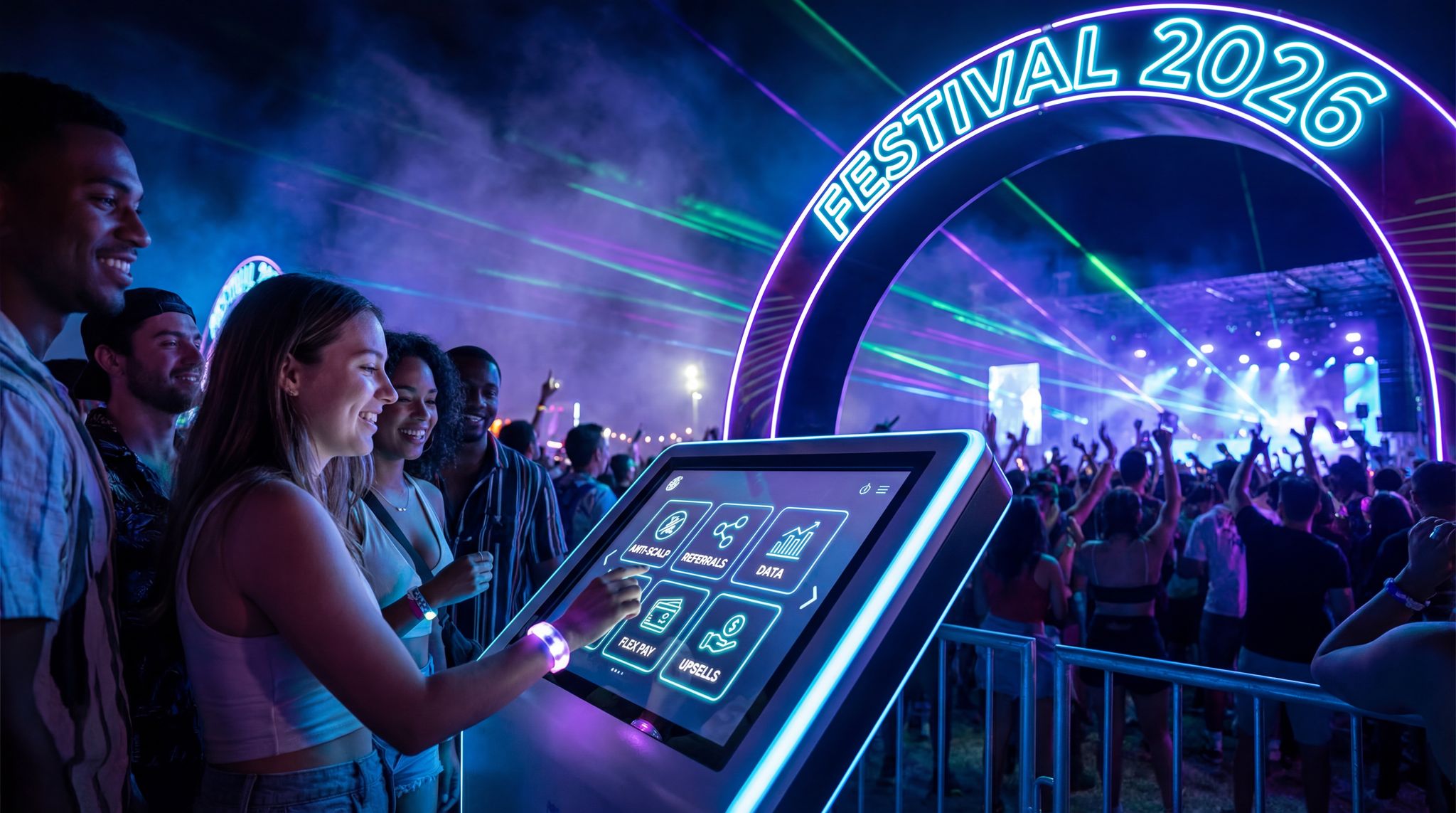
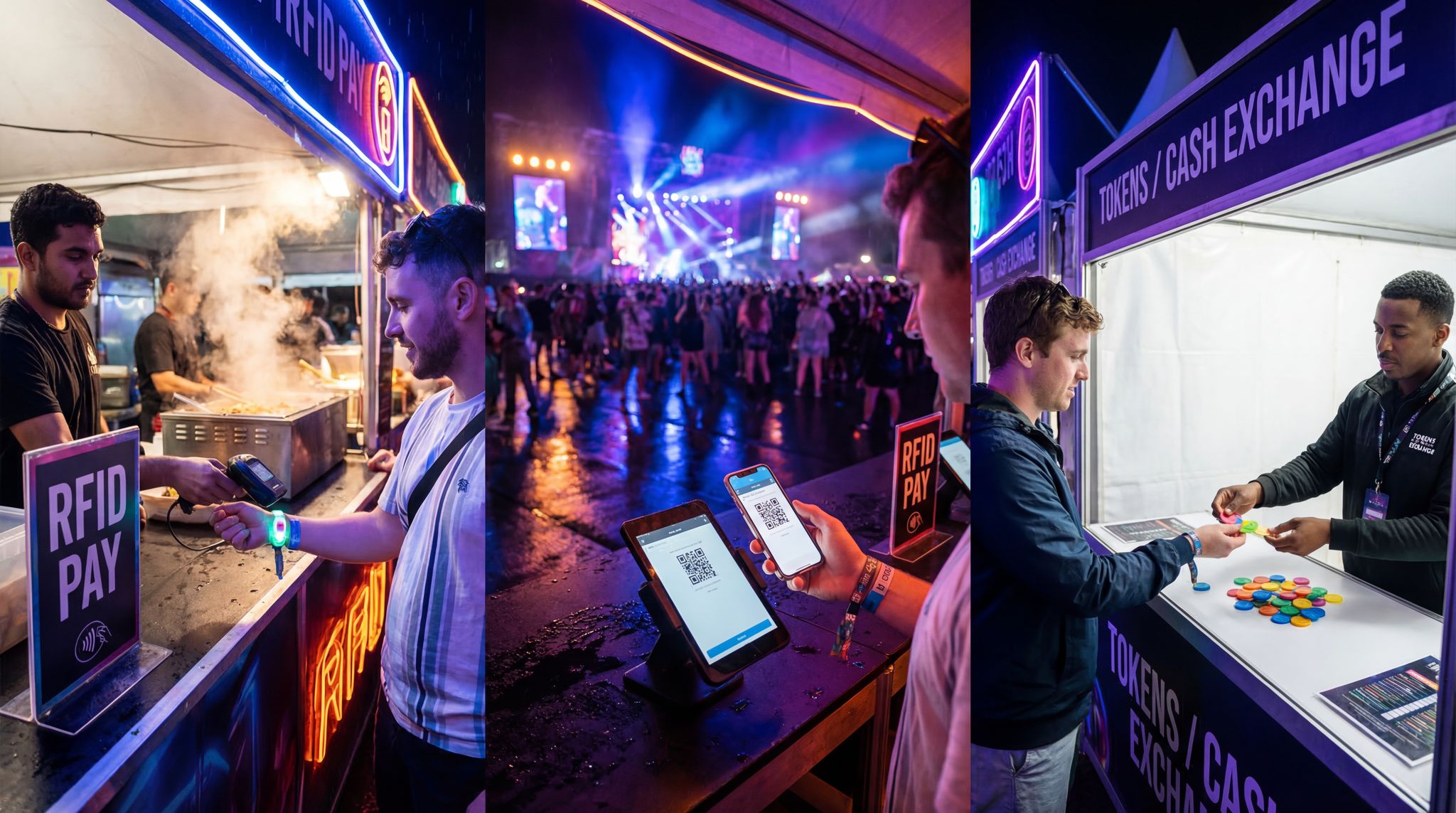
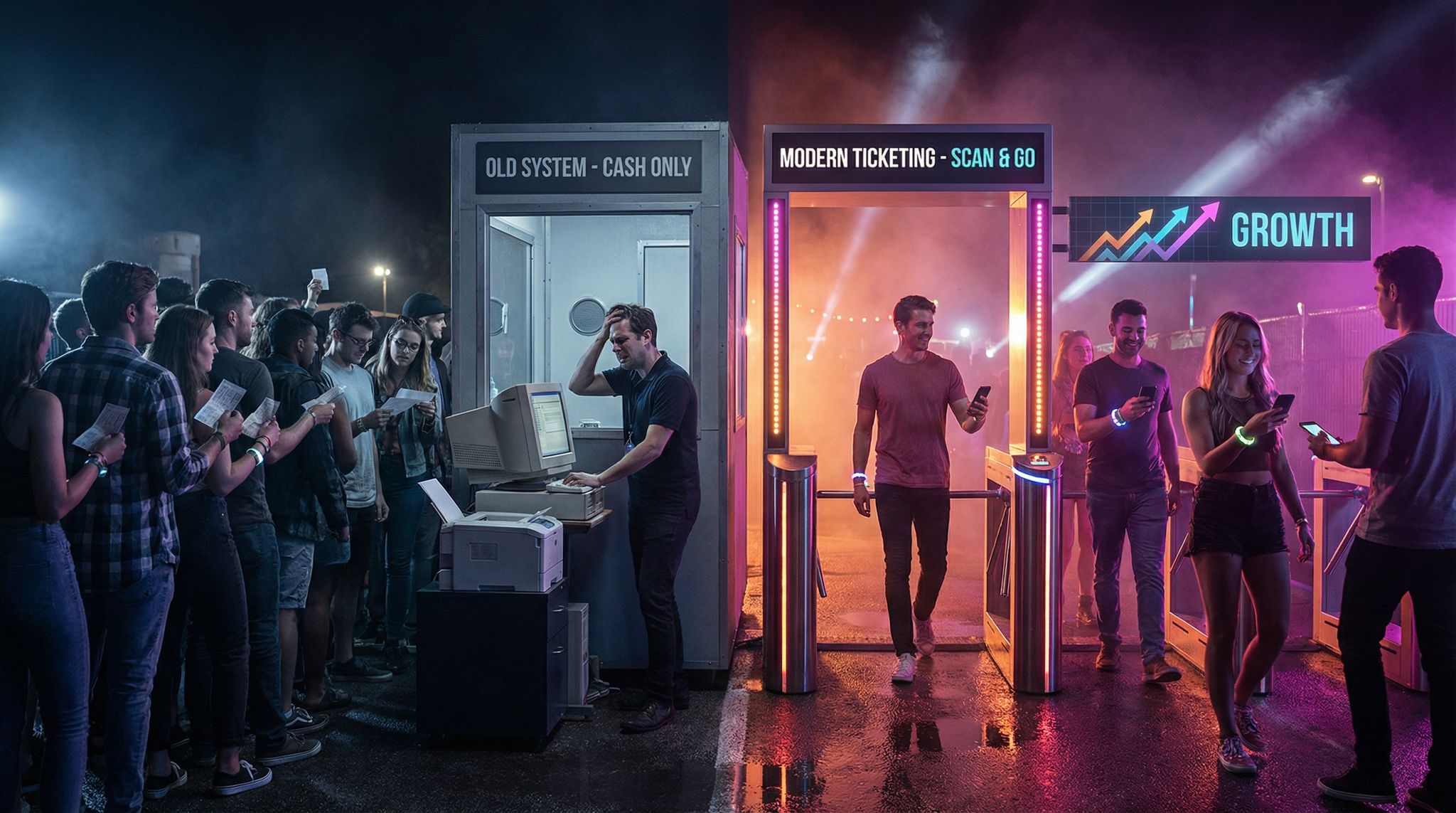
Technology is transforming festivals worldwide, and some of the most cutting-edge examples come from Asia. Festivals across East and Southeast Asia have been quick to adopt new tech, setting trends that others can follow. For instance, many events in Asia have gone almost entirely cashless, using mobile payment apps and RFID wristbands to streamline entry and purchases. This not only speeds up service (think shorter lines at food stalls) but also enhances safety by reducing cash handling. Global producers can take note – integrating cashless systems or festival apps can significantly improve the attendee experience and provide valuable data on crowd flow and spending patterns.
Another tech innovation gaining traction is interactive wearable technology. A famous example comes from Belgium’s Tomorrowland festival, where attendees used smart wristbands to connect on social media by simply tapping together, a feature highlighted by Event Technology’s coverage of smart wristband innovations. This kind of technology-driven engagement – whether pioneered in Europe or Asia – shows how festivals can use wearables or smartphone apps to connect people. Imagine attendees at your event exchanging digital contacts or unlocking special content with a tap of a wristband. Embracing such ideas can turn a festival into a more interactive community experience, breaking the ice between strangers and giving fans a fun story to tell.
Immersive technology is another area where looking abroad can spark ideas. Drone light shows, for example, have dazzled crowds from Sydney to Shanghai, and they made a splash at Coachella in the United States with 500 drones painting the sky in sync with the music, as reported in SFGATE’s review of the spectacle. In Asia, high-profile concerts and festivals often experiment with augmented reality (AR) effects and holographic performances, blending digital art with live music. These spectacles captivate audiences and generate buzz on social media. A local festival might not have the budget of a global mega-event. But scaled-down versions of these tech-forward ideas – like a basic drone show by a local tech club or a simple AR feature in a festival app – can still set your event apart. The key is to stay curious about tech trends worldwide. Follow what major festivals in tech-centric markets (like Japan, South Korea, or China) are trying out, and consider how those innovations could be adapted in an affordable way for your own festival.
Sustainability: Lessons from Europe’s Greenest Festivals
Across Europe, festival organizers have been leading the charge on sustainability, turning their events into testing grounds for eco-friendly practices. From massive music festivals to intimate food fairs, there’s a push to reduce waste, lower carbon footprints, and leave no trace on the local environment. This green movement isn’t just a moral choice – it’s shaping festival brands and attracting eco-conscious audiences.
Go Cashless With RFID Technology
Enable contactless payments, faster entry, and real-time spending analytics with RFID wristbands and NFC-enabled ticketing for your events.
One striking example is the approach to waste reduction. In the UK, it’s estimated that around 250,000 tents are abandoned at music festivals each year, many ending up in landfills, according to The Guardian’s report on sustainable festivals. But at Shambala Festival in England, organizers proved this doesn’t have to be the norm – they achieved a year with zero tents left behind on-site, a milestone noted in industry coverage, by campaigning hard for attendees to “take your tent home” and providing convenient drop-off points for donations. Shambala didn’t stop there: they also banned single-use plastics and even went meat-and-fish-free in their catering to cut down on environmental impact, further solidifying their commitment to eco-friendly festival practices. The success at Shambala shows that with the right messaging and infrastructure, festival-goers will embrace sustainability. For producers, it’s a lesson that clear policies and creative incentives (like eco-deposits or reward schemes for picking up trash) can dramatically reduce waste at your event.
Mainland Europe offers case studies in going green as well. The DGTL Festival in the Netherlands set an ambitious goal to become the world’s first circular, waste-free festival. Its playbook includes running on renewable energy, using reusable cups, and offering a completely plant-based menu, which is detailed in Red Bull’s list of eco-friendly music festivals. Initiatives like onsite composting and resource recycling at DGTL demonstrate that even large electronic music events can prioritize sustainability without sacrificing fun. Similarly, Glastonbury Festival in the UK, one of the world’s largest, has introduced solar-powered stages and a comprehensive recycling program, and famously banned the sale of plastic water bottles to curb waste. These big festivals provide a blueprint for greener operations: from energy planning (e.g., swapping diesel generators for biofuel or battery systems) to promoting public transport and car-pooling among attendees.
Planning a Festival?
Ticket Fairy's festival ticketing platform handles multi-day passes, RFID wristbands, and complex festival operations.
Producers everywhere can draw inspiration from these ideas. If a European festival can manage tens of thousands of attendees while drastically cutting waste and emissions, a smaller festival can do the same on a scaled level. Start by adopting a few key practices: encourage or even require vendors to use compostable foodware, partner with local nonprofits to handle recycling, or create fun marketing around sustainability (for example, a competition for the most creative upcycled costume or a discount for bringing your own water bottle). Remember that sustainability is now a global expectation – many festival fans will applaud and support events that show they care about the planet, a trend seen from Europe to Australasia.
Embracing Cultural Diversity and Community
Looking globally also means learning how festivals celebrate culture and build community. Festivals around the world succeed by reflecting and respecting the communities that host them, often blending local traditions with modern festival formats. By studying these approaches, you can find ways to make your own event more inclusive, unique, and connected to its audience.
Cultural fusion is a powerful trend. In Asia, for example, some music festivals incorporate traditional art forms alongside contemporary acts – think of a major festival in India featuring not just DJs and rock bands, but also classical Indian dance or folk music segments. This mix of old and new gives festivals in those regions a distinct flavor and can attract a broader audience. It’s a reminder that honoring local culture can set your festival apart. Consider weaving in elements from your locale’s heritage – whether it’s local artists, culinary specialties, or cultural ceremonies – to give attendees an experience they won’t get elsewhere.
When planning community-focused gatherings, establishing a unique cultural rally theme can serve as the creative anchor for your entire production. Organizers often search for fresh cultural program theme ideas to differentiate their events in a crowded market. Instead of a generic heritage day, consider thematic concepts like “Ancestral Futurism,” which pairs traditional folklore with digital art, or a “Crossroads of Rhythm” concept that highlights the historical migration of local music styles. A strong, cohesive theme for a cultural rally not only simplifies your marketing and stage design but also gives attendees a clear, compelling reason to participate and celebrate their shared identity.
Accept Payments Across 13 Countries
Local currency processing via Stripe, Razorpay, Xendit, Paystack, and OXXO across 13 countries with region-specific payment methods.
One illustrative case is the Rainforest World Music Festival in Malaysian Borneo, which brings international artists and indigenous musicians together on the same stage. Attendees not only enjoy performances but also daytime workshops where they might learn traditional crafts or dances. The result is an immersive cultural exchange that educates and entertains. Even if your festival isn’t explicitly about world music or culture, borrowing this idea – such as hosting interactive sessions or demonstrations tied to local culture or global themes – can deepen the engagement of your audience.
A well-defined cultural identity doesn’t just engage attendees; it also serves as a powerful magnet for brand partnerships. When your event boasts a clear, authentic narrative, pitching to prospective sponsors becomes significantly more effective. Observing major industry players, you will often see strategic alignments—such as the All Points East festival sponsors, where brands like Red Bull integrate deeply into the event’s fabric. These global companies actively seek out festivals with a distinct cultural footprint and a highly engaged demographic. By continuously brainstorming fresh cultural program theme ideas, independent promoters can offer bespoke, targeted activations to lifestyle brands, proving that their mid-sized events deliver the same cultural relevance and audience connection as massive mega-festivals.
Need Festival Funding?
Get the capital you need to book headliners, secure venues, and scale your festival production.
If you are wondering why it’s important to integrate different art forms in a festival, the answer lies in audience retention and emotional impact. Combining visual arts, spoken word, interactive installations, and live music transforms a standard concert into a multi-sensory journey. This cross-pollination of disciplines keeps attendees engaged longer, appeals to diverse demographics, and creates highly shareable moments that boost your event’s organic reach.
Beyond audience retention, blending diverse creative disciplines directly impacts your bottom line. Multi-disciplinary programming encourages attendees to arrive earlier and stay longer, which naturally drives up on-site food, beverage, and merchandise sales. Furthermore, offering a rich tapestry of artistic expressions allows promoters to segment their ticketing strategy. Organizers can design premium VIP packages around exclusive gallery viewings or intimate spoken-word performances, transforming a standard music event into a comprehensive cultural destination that commands higher ticket prices.
Building a strong community vibe is another lesson from international festivals. Many European festivals have nurtured a culture of volunteerism and social purpose. Denmark’s Roskilde Festival is a prime example: it’s a non-profit event powered by over 30,000 volunteers, with all proceeds donated to charity, a model highlighted by Smiley Movement’s feature on Roskilde. The atmosphere at such an event is electric with goodwill; attendees often feel they’re part of something bigger than just a weekend of entertainment. While not every festival can run as a charity, you can still adopt elements of this model. Perhaps you invite local community groups to volunteer or fundraise at your festival in exchange for a donation to their cause, or partner with a charity to raise awareness during the event. By integrating a social mission or volunteer opportunities, you create a sense of community and purpose that can increase loyalty among attendees and staff alike.
Inclusivity is a global trend that successful festivals are championing as well. In Europe, there’s a growing movement toward more inclusive lineups – for instance, several major festivals have pledged gender-balanced artist rosters, ensuring equal representation of male and female performers. This push for diversity resonates with audiences and can inspire you to evaluate how your festival can be more inclusive, whether in the artists you book or the audiences you target in marketing. Another angle is accessibility: look at how international events accommodate people of different abilities. Festivals in Australia and North America have led the way in providing viewing platforms for wheelchair users, sensory-friendly spaces, and detailed accessibility guides. Learning from these efforts, you might implement better accessibility features at your own event, making it welcoming to all fans.
Bringing Global Ideas Home
The ultimate takeaway from exploring international festival trends is that great ideas know no borders. Successful festival producers become great by being avid learners – they swap stories with peers from other countries, attend festivals abroad (in person or virtually), and keep an eye on global news in the live events industry. By doing so, you’ll find that a solution to a challenge you’re facing may already exist somewhere in the world, tested and refined by another festival.
When borrowing inspiration from abroad, it’s important to adapt ideas to fit your context. Not every concept will translate perfectly to your festival’s scale, budget, or audience – but with creative tweaks, even a grand idea from a mega-festival can work at a boutique event. For instance, you might scale down a high-tech innovation into a pilot program at your next festival, or phase in sustainability measures gradually so vendors and attendees can adjust. The goal is continuous improvement. Maybe your visit to a renowned festival in Asia sparks an idea for a new stage design or interactive art installation, or reading about a European event’s community outreach leads you to start a local neighborhood engagement program.
In this way, global trends become personal innovations. By learning from international successes – and even failures – you gain a toolkit of practices to draw from. Every festival, no matter the size or theme, can evolve by observing and adapting what’s working elsewhere. The next wave of festival producers will shape the future by staying curious, open-minded, and globally connected. In the spirit of a true mentor, the advice is: never stop learning from others. The world’s festivals are full of inspiration; bring that inspiration home, and watch your own festival thrive on the cutting edge of creativity and excellence.
Implementing these international concepts successfully requires robust operational infrastructure. Partnering with an advanced ticketing and marketing platform—leveraging tools like The Ticket Fairy global network—allows organizers to seamlessly manage attendees from diverse regions. With localized payment options, automated referral marketing, and deep demographic data capture, your backend operations will be fully equipped to support a worldwide audience, whether you are launching a localized cultural rally or scaling up a high-tech immersive experience.
As European festivals continue to lead in areas like sustainability and community-driven models, many independent promoters ask if theticketfairy.com is popular in Europe. The platform has indeed seen widespread adoption across the continent, particularly among electronic music events, boutique festivals, and culturally immersive gatherings. European organizers value its robust localized support, strict adherence to regional data privacy standards, and seamless integration with multi-currency payment gateways, making it a trusted partner for scaling events across EU borders.
Expanding your reach internationally also means tapping into a broader ecosystem of event professionals and fans. Utilizing a comprehensive platform with global infrastructure ensures that whether you are routing a multi-city tour or launching a boutique destination event, your data remains centralized. This globalized approach to ticketing and audience analytics empowers independent producers to scale their operations confidently, knowing their technological backend can handle cross-border transactions and multi-currency payouts with ease.
Frequently Asked Questions
How do cashless payment systems benefit music festivals?
Cashless systems, widely adopted in Asia using mobile apps and RFID wristbands, streamline entry and purchase processes while enhancing safety by reducing cash handling. These technologies improve the attendee experience by shortening lines at food stalls and provide organizers with valuable data regarding crowd flow and spending patterns.
What are examples of interactive wearable technology at events?
Interactive wearable technology includes smart wristbands like those used at Belgium’s Tomorrowland, which allow attendees to connect on social media by tapping devices together. This technology-driven engagement fosters community by enabling fans to exchange digital contacts or unlock special content, effectively breaking the ice between strangers.
How can festivals effectively reduce tent abandonment and waste?
Festivals can reduce waste by implementing clear policies and creative incentives, such as “take your tent home” campaigns and eco-deposits. Shambala Festival in England achieved zero abandoned tents by providing donation drop-off points, banning single-use plastics, and adopting meat-free catering to significantly lower their environmental impact.
What defines a circular or waste-free festival model?
Circular festivals like DGTL in the Netherlands operate on renewable energy, utilize reusable cups, and offer completely plant-based menus to minimize environmental impact. Strategies include onsite composting, resource recycling, and swapping diesel generators for biofuel or battery systems to prioritize sustainability without sacrificing the event experience.
How do non-profit festivals utilize volunteer workforces?
Non-profit festivals like Denmark’s Roskilde operate by relying on a massive workforce of volunteers, with all proceeds donated to charity. This model creates an electric atmosphere of goodwill where attendees feel part of a social mission, fostering a strong sense of community and purpose among staff and fans.
Why is cultural fusion important for modern festival lineups?
Cultural fusion distinguishes festivals by blending local traditions with modern formats, such as mixing contemporary acts with classical dance or folk music. Events like the Rainforest World Music Festival feature international artists alongside indigenous musicians to create an immersive cultural exchange that attracts broader audiences and deepens engagement.
How can organizers develop a unique cultural rally theme?
Organizers can develop a unique cultural rally theme by looking beyond generic heritage concepts and focusing on specific intersections of history and modern life. Exploring cultural program theme ideas like “Ancestral Futurism” or “Crossroads of Rhythm” provides a cohesive creative anchor that simplifies marketing, guides stage design, and gives attendees a compelling reason to participate.
Why is it important to integrate different art forms in a festival?
Integrating different art forms—such as combining live music with visual arts, spoken word, or interactive installations—transforms a standard event into a multi-sensory experience. This cross-disciplinary approach keeps attendees engaged longer, broadens the event’s appeal to diverse demographics, and creates highly shareable moments that naturally boost organic marketing reach.
How do strong cultural themes help attract festival sponsors?
Developing distinct cultural program theme ideas gives your event a clear identity, making it highly attractive to lifestyle brands. Sponsors look for engaged, specific demographics. Just as global brands like Red Bull sponsor major events such as the All Points East festival, independent organizers can leverage unique cultural narratives to secure brand partnerships by offering highly targeted, culturally relevant audience activations.
How does multi-disciplinary programming impact a festival’s revenue?
Incorporating diverse creative disciplines—such as interactive installations, theater, and visual arts—increases attendee dwell time. When fans arrive earlier and stay longer to explore these varied attractions, festivals typically see a corresponding rise in on-site spending for food, beverage, and merchandise, while also creating opportunities for premium VIP experiences.
Is theticketfairy.com popular in Europe for festival ticketing?
Yes, the platform is highly popular and rapidly growing across Europe. Festival producers and independent promoters throughout the continent rely on its advanced ticketing infrastructure, localized multi-currency support, and robust data analytics to scale their events and reach international audiences effectively.