Label Stages and Collective Takeovers: Deepening Community and Discovery
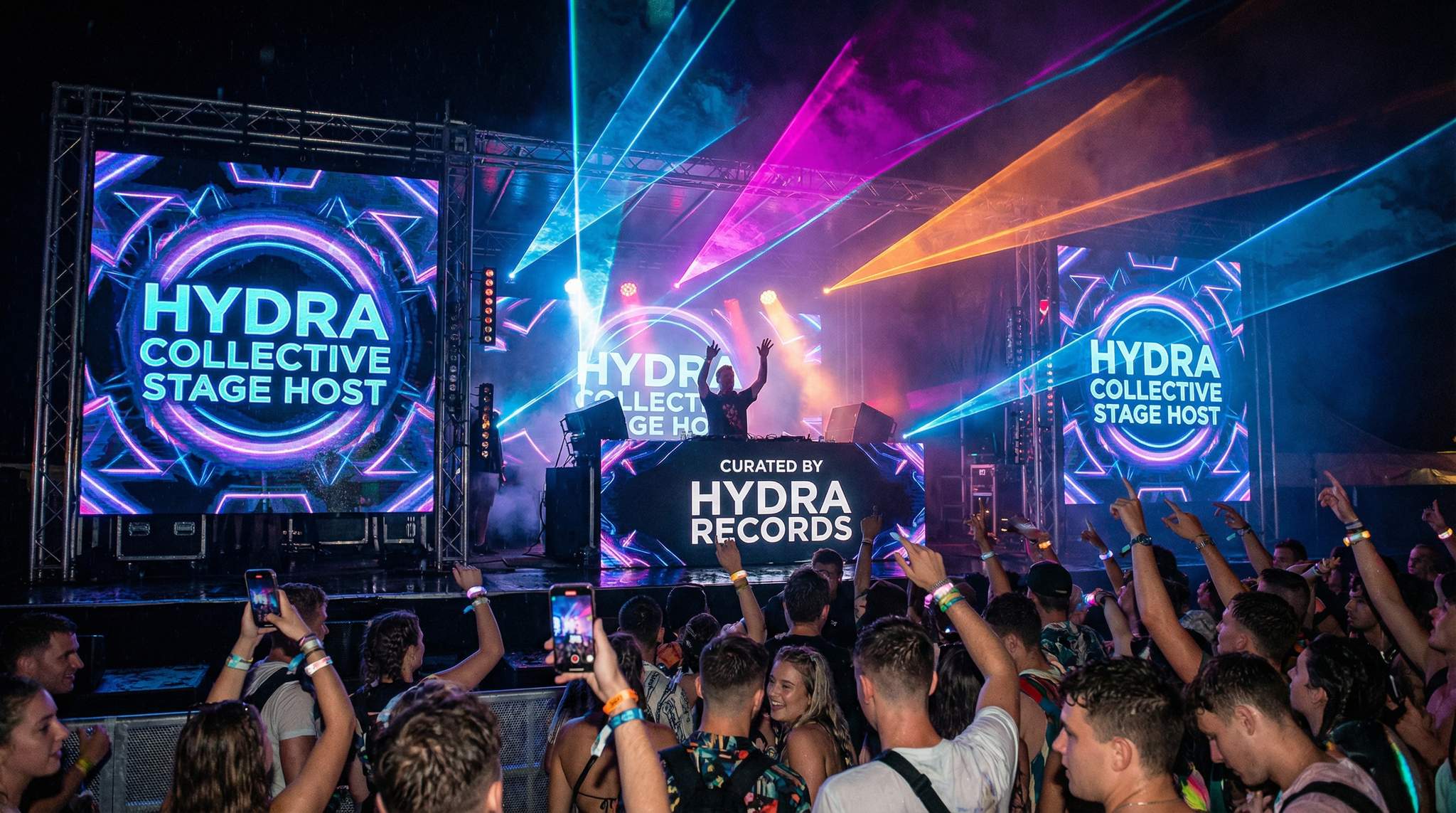
Festivals thrive on community and the thrill of discovering new artists. One powerful way to amplify both is by inviting trusted record labels and artist collectives to take over stages or programming blocks at your event. From boutique gatherings to mega-festivals, these collaborations can infuse a festival with fresh energy, draw niche audiences, and strengthen ties within the music community. This approach has been embraced worldwide – from Europe to Asia to the Americas – as festival producers seek to diversify lineups and create memorable, community-driven experiences.
Why Invite Labels and Collectives to Curate?
Allowing a record label or local collective to program a stage offers several benefits:
- Community Building: Labels and scene collectives come with their own loyal followings. When they host a stage, their community of fans and artists converges at the festival, creating a festival-within-a-festival vibe. This strengthens the overall sense of community on-site.
- Discovery of New Talent: These partners often showcase emerging artists alongside known names. Attendees get to discover fresh talent under the banner of a trusted brand. For example, Tomorrowland (Belgium) regularly features over 30 hosted stages by various labels and artists, ensuring fans can explore new sounds and rising stars.
- Authenticity and Diversity: Each label or collective has a unique identity and sound. A psy-trance collective will curate an immersive, genre-specific atmosphere that might differ vastly from a house music label’s stage. This adds authenticity and genre diversity to the festival program, appealing to different taste groups. Boomtown Fair in the UK, for instance, splits into thematic districts, each co-created with creative crews to deliver distinct experiences – from reggae hideouts to psy-trance forests – all within one festival.
- Extended Reach: Partnering with international labels can attract attendees from new regions. A Canadian bass music label hosting a stage in Spain may pull in expats and niche fans, expanding the festival’s geographic reach. In Asia, Quest Festival in Vietnam once hosted Singapore’s underground collective The Council on a takeover, introducing Vietnamese festival-goers to Singaporean DJs and strengthening cross-border scenes.
Beyond these core benefits, dedicating a specific area as a branded label stage allows promoters to tap into the imprint’s existing marketing infrastructure. When a renowned electronic or indie imprint takes ownership of a space, that stage label becomes a powerful anchor attraction, driving targeted ticket sales from fans who might otherwise skip a mixed-genre event.
Smart Promo Codes & Presale Access
Create percentage or flat-rate discount codes with usage limits, date ranges, and ticket type restrictions. Plus unlock codes for private presales.
In short, a well-chosen label stage or collective takeover can become a festival highlight, offering curated content that complements the main lineup while broadening the event’s appeal.
Selecting the Right Partners
Not every label or collective will be a good fit. Festival organizers should be strategic and select partners that align with the festival’s vision, scale, and audience:
Planning a Festival?
Ticket Fairy's festival ticketing platform handles multi-day passes, RFID wristbands, and complex festival operations.
- Relevance to Genre and Audience: The label’s music style should complement the festival’s overall theme. If you run an electronic music festival, inviting a techno label collective or a trance family makes sense. Ensure their fan base overlaps or at least resonates with your attendees’ interests.
- Proven Experience and Trust: Look for partners with a track record of hosting successful events or stages. A trusted label with experience in live showcases will understand the stakes and logistics better than a completely novice group. They should have professional standards in artist management and show production.
- Local vs. International Acts: Decide if you want a local collective (which can highlight homegrown talent and draw regional crowds) or an international label (bringing global cachet and potentially international attendees). Some festivals balance both, giving a daytime slot to a local crew and a nighttime stage to a famous label.
- Cultural Fit and Values: It’s crucial that the partner’s ethos aligns with the festival’s values. If your festival prides itself on sustainability or inclusivity, a partner known for similar principles is ideal. Conversely, avoid any brand with a history of problematic behavior or values that clash with your event’s image. The collaboration should enhance your brand, not risk it.
By carefully vetting potential stage hosts, festival producers can ensure the takeover feels like a natural extension of the event rather than a random add-on.
Defining Deliverables and Expectations
Once you’ve chosen a label or collective to host a stage, it’s time to get down to brass tacks. Clear deliverables and mutual expectations must be set early on to avoid confusion later. Key areas to define include:
- Lineup and Roster Mix: Determine how many hours or slots the partner will program and what mix of talent is expected. Encourage a healthy roster mix – for instance, a few headliners or veteran crowd-pleasers combined with mid-tier and emerging artists from their roster. This balance ensures the stage has draw power (big names to pull crowds) as well as discovery (newer artists for fans to unearth). Set deadlines for when the lineup must be finalized and communicated for marketing.
- Technical Requirements (Backline and Gear): Clarify what equipment and backline the festival will provide versus what the collective must bring or specify. Backline refers to the on-stage gear like drum kits, guitar amps, DJ mixers, and other instruments. The festival’s production team should get technical riders from each artist the partner books. If the label’s showcase requires unusual gear (e.g. modular synth setups, specialized turntables), decide who is supplying those. Having this nailed down in advance prevents last-minute scrambles for equipment.
- Visual & VJ Assets: Many collectives have a visual identity – logos, banners, or even dedicated VJs (Video Jockeys) who run live visuals. If the partners want to transform the stage’s look and feel, ask them to provide their VJ assets and any custom visuals or branding materials by a set date. Determine if the festival will integrate these into the main stage screens or if the collective can decorate the stage environment. High-resolution logos and media are also needed for the festival’s website, app, and marketing – ensure they supply these in the right format.
- Promotional Duties: Outline how the label or collective is expected to promote their participation. Typically, both parties benefit from co-promotion. The collective should hype their stage via social media, newsletters, and artist channels, driving their community to buy tickets. The festival should likewise announce the takeover prominently (e.g. “Stage X hosted by Label Y”) in lineup releases. Provide the partner with a promotion kit (flyers, approved graphics, tracking ticket links) and encourage them to push sales. If you use a ticketing platform like Ticket Fairy, you can even give the partner a unique promo code or tracking link to monitor how many ticket buyers they bring in.
- Financials and Logistics: It’s wise to agree on budget responsibilities. In many cases, the festival covers the artist fees (within a budget or via your regular booking process, using the partner’s input) and standard production costs. Some takeovers might be sponsored or the collective might have its own funding for extra decor or special effects – clarify that. Also discuss hospitality: Will the festival handle artist travel and accommodation, or is the label arranging any of that? All these details should be put in writing, usually in a collaboration contract or rider.
Effective collective festival management requires a synchronized approach to advertising and marketing. When a partner hosts a space, they want it branded con su nombre (with their name) to maximize visibility. Festival organizers should establish a clear marketing workflow that integrates the collective’s promotional efforts with the main event’s advertising campaigns. This collaborative management ensures that both the festival and the collective benefit from shared audience data, coordinated ad spends, and unified messaging across all marketing channels.
To execute this shared vision, festival marketing teams should develop a co-branded advertising playbook. This strategy allows the collective to utilize their niche influence while the festival provides the broader promotional infrastructure. Tactics like collaborative Instagram Reels, joint press releases, and pixel-sharing for retargeting campaigns ensure that the collective festival management approach translates directly into measurable ticket sales and heightened brand awareness.
Go Cashless With RFID Technology
Enable contactless payments, faster entry, and real-time spending analytics with RFID wristbands and NFC-enabled ticketing for your events.
Structuring Advertising and Marketing in Collective Festival Management
To maximize the impact of a stage host, your collective festival management strategy must include a formalized advertising and marketing agreement. Promoters should establish a shared content calendar that dictates when the guest brand will announce their specific lineup, drop co-branded merchandise, or launch targeted social media ads. By aligning these promotional beats with the main festival’s overarching marketing phases—such as early-bird ticket tier changes or major headliner reveals—both entities can amplify their reach without cannibalizing each other’s audience. Furthermore, providing the collective with custom affiliate links or dedicated promo codes allows organizers to track the exact conversion rate of the partner’s marketing efforts, ensuring transparent ROI for the collaboration.
Spelling out deliverables not only ensures everyone is on the same page, but it also gives the label/collective a blueprint for what they need to do. This professional approach prevents misunderstandings and sets the stage (literally) for a smooth collaboration.
Need Festival Funding?
Get the capital you need to book headliners, secure venues, and scale your festival production.
Financial Models for a Stage Takeover
When structuring a stage takeover, promoters must decide on the most viable financial model. Common arrangements include a flat curation fee paid to the collective, a dedicated budget where the guest label handles all artist payouts, or a revenue-share model tied to specific ticket tiers or promo code conversions. Regardless of the chosen structure, it is critical to outline liability. The hosting festival should require the takeover partner to provide a Certificate of Insurance (COI) and clearly delineate who is responsible for specialized equipment rentals, travel buyouts, and performance royalties.
Establishing Guardrails: Safety and Inclusivity
While giving creative freedom is part of the appeal in a takeover, festival organizers must set non-negotiable guardrails when it comes to safety and inclusivity. Before the event, communicate these standards clearly to your stage hosts:
- Safety Protocols: The partner’s programming should adhere to all festival safety regulations. This includes respecting venue capacities (no secret guest that causes dangerous overcrowding), following sound curfews or volume limits, and complying with any stage structural limits (for example, if they plan to hang banners or décor, it must be approved by the stage manager for safety). Ensure that the collective knows the chain of command for any on-site issues – like how to quickly reach festival security or medical staff if needed. It can help to assign a festival stage manager or liaison to the label’s stage during their takeover block to oversee safety and assist with any issues.
- Conduct and Crowd Management: If the label’s events are known for mosh pits, pyrotechnics, or other high-energy antics, discuss in advance how to manage these safely. The festival might require extra security or barricades for that stage, which should be arranged beforehand. All stage hosts should enforce the festival’s code of conduct among their staff and performing artists – i.e., zero tolerance for harassment, discrimination, or dangerous behavior. It’s important that the collective’s MCs or artists communicate any safety reminders to the crowd (such as encouraging hydration or peaceful partying if relevant).
- Inclusivity and Diversity: Set expectations that the stage lineup and the experience should be inclusive. Encourage the label to book a diverse lineup (across gender, ethnicity, and background) where possible, aligning with the wider industry movement for representation. Also, any messaging or visuals should be respectful to all cultures and communities present. Many festivals around the world are taking steps to improve inclusivity; your partners should share that commitment. Essentially, the collaboration should elevate voices and create a welcoming space for all attendees.
- Content Guidelines: Occasionally, a collective might want to bring performers or installations that push boundaries. Make sure they understand any limits – for instance, if your festival is all-ages, hosts need to ensure content (lyrics, imagery, costumes) is suitable for younger attendees or clearly signposted as 18+ in certain areas. Guardrails like these protect both the audience and the festival’s reputation.
By laying down these ground rules, you ensure that the label or collective has creative leeway within safe and principled boundaries. A good partner will appreciate knowing the dos and don’ts upfront. It’s all about mutual respect: the festival trusts the collective to bring an amazing experience, and in return the collective upholds the festival’s standards.
Logistics: Working Hand-in-Hand Onsite
As the festival approaches, coordination with the collective becomes intensive. Treat their stage like any other festival stage in your schedule, with regular communication and support:
- Timeline and Run of Show: Share the festival’s production schedule with the collective. They should know their soundcheck times, set times for each artist, and when the stage needs to go dark. Encourage them to create a run sheet (running order) for their segment and share it with your production team. This should include changeover plans between acts, any planned special moments (like a group photo on stage or a surprise guest, which security should know about).
- Onsite Point People: Designate a point person on both sides. The festival might assign a stage manager or coordinator specifically to liaise with the label’s team. Likewise, ask the collective to have a stage representative or manager present who can make quick decisions or relay information. These two point people should meet in advance (virtually or on-site) and stay in radio contact during the takeover.
- Sound & Lighting Checks: If the collective’s artists are performing back-to-back DJ sets, long soundchecks might not be needed, but a quick line check is still essential when switching gear. If it’s a band or live electronic act showcase, allocate proper soundcheck time earlier in the day. Ensure the festival’s audio and lighting crew know about any special technical requests the label’s artists have (from the deliverables you defined earlier).
- Branding and Signage: Help the collective display their presence without compromising festival branding. Perhaps the festival allows a banner on the DJ booth or a logo projection on screens during their sets. Approve these placements beforehand. The idea is to let them personalize the space so their fans feel at home, while still keeping within the festival’s aesthetic and sponsor agreements.
- Being Prepared for the Unexpected: Live events always involve curveballs. If an artist the collective booked cancels last-minute, have a contingency plan (maybe the label boss can do an extended set or you have a standby act). Weather issues, technical glitches – plan together how to handle such scenarios. Cooperation is key: festival staff and the label crew should operate as one team during the show.
Close collaboration in the lead-up and during the event will make the takeover run seamlessly. When festival staff and the collective’s team work side by side, it also builds a strong relationship – increasing the likelihood of great results and future partnerships.
Post-Event Follow-Up and ROI: Beyond the Vibes
The music might have stopped, but the work isn’t quite over once the festival ends. A crucial (and often overlooked) phase is the post-event debrief and data sharing with your label/collective partners. This is where you show them the ROI of their involvement, beyond just the feel-good vibes:
- Attendance and Engagement Metrics: Share any available data on how the stage performed. If your festival uses RFID wristbands or a mobile app check-in, you might provide stats like how many unique attendees visited the stage, peak headcount during the label’s headline act, or average dwell time. Even basic figures like, “approximately 5,000 people came through your stage over the day,” can validate the collective’s effort.
- Ticket Sales Impact: If you issued the partner a promo code or tracking link for ticket sales, give them the rundown of how many tickets they helped sell. For instance, “Your promo code was used by 200 buyers.” This not only quantifies their contribution but can encourage them to push even harder (and negotiate value) in future collaborations. With Ticket Fairy’s analytics, this kind of data is at your fingertips – making it easy to attribute sales to specific promotional efforts or partners.
- Social Media and Content: Provide a mini media report. How many times was the label’s stage mentioned or tagged on social platforms during the festival? Share any standout attendee feedback that came through surveys or comments (e.g., “Many guests said the XYZ Collective stage was a festival highlight for its energy and atmosphere”). If professional photos or aftermovies were taken, give the collective access to these for their own marketing use (with proper photo credits as needed). This content is gold for them to showcase the success.
- Feedback Session: Arrange a debrief call or meeting with the collective after the event. Discuss what went well and what could be improved. Perhaps they loved the experience but felt they needed better monitor speakers on stage, or maybe the festival team noticed the crowd flow near that stage could be improved next time. Exchange honest feedback. This not only helps refine the partnership model but also shows the collective that you value their perspective.
- Long-Term Benefits: Point out any long-term wins. Did the collective gain new followers or subscribers due to the festival exposure? (They might see a spike on their social media or streaming platform after performing.) Did the festival itself reach a new audience segment thanks to their involvement? Sometimes the benefits of a takeover are intangible and unfold over time – highlight whatever you can.
By sharing data and feedback transparently, you turn a one-off stage takeover into a learning opportunity for both parties. Crucially, you also validate the collective’s contribution with hard numbers, reinforcing why such partnerships are worthwhile. This makes them more likely to want to collaborate again, and it helps both of you justify the effort to stakeholders or sponsors by demonstrating return on investment.
Success Stories and Cautionary Tales
To truly drive the lessons home, let’s glance at a couple of real-world examples where label stage collaborations have shined – and a scenario where things can go wrong:
- Success – Monstercat at Tomorrowland: The Canadian electronic label Monstercat has hosted its own stage multiple times at Tomorrowland in Belgium, one of the world’s largest electronic music festivals. Their 2017 debut featured a massive lineup including acts like Seven Lions and Marshmello as detailed in Monstercat’s event archives, and they continued to draw huge crowds in subsequent years. For Tomorrowland, partnering with Monstercat injected a cutting-edge bass music presence into the festival, appealing to younger and online-oriented fans. Monstercat, in turn, gained global visibility – their stage presence signaled to the industry that they’d “made it” as a label, and it surely attracted new listeners who wandered in to see what the buzz was about. The clear branding, strong lineup curation, and seamless integration with Tomorrowland’s production made this takeover a win-win.
- Success – Local Collective Spotlight at Regional Festival: In Mexico, the now-global BPM Festival built its early reputation by dedicating each night to showcases from different house and techno labels during their expansion to Portugal. One night might be hosted by NYC’s Deep House stalwarts, another by a hot Barcelona party brand. This approach turned BPM into a hub for music discovery; attendees would buy a ticket to BPM knowing they’d get a taste of numerous sub-scenes all in one event. For the labels involved, the ROI came in the form of new fans, international press coverage, and even being able to test new markets (some labels used their BPM showcases as a springboard to later do standalone events in Mexico). It exemplifies how giving programming control to respected curators can elevate a festival’s content across the board.
- Cross-Cultural Expansion: When expanding into new territories, utilizing local curators is a powerful market entry strategy. For instance, an international promoter entering Latin America might use local stage hosts to build immediate grassroots credibility. By clearly demonstrating qué es un takeover en un festival to local sponsors and attendees—showcasing it as a true partnership rather than a corporate imposition—the festival fosters goodwill and authentic community integration, which is vital for long-term regional success.
- Challenge – When a Partnership Misfires: Not all takeovers go perfectly. Imagine a scenario where a festival allowed a small collective to host an overnight stage, but the collective underestimated the costs and effort. They booked a lineup beyond their means, communication was patchy, and on the day, several of their DJs showed up late. The stage fell behind schedule and the vibe suffered. On top of that, they hadn’t followed the festival’s guidance on sound levels, resulting in a temporary shutdown due to a noise complaint from local authorities. This cautionary tale underscores why those deliverables and guardrails are so important. The festival producer learned to only work with collectives that have solid logistics in place, and to always have a staff member on hand to assist and intervene if needed.
- Recovery and Lessons: Even in the above case, there were lessons to salvage. Post-event, the festival met with the collective’s leaders to review what went wrong. By sharing honest feedback and some attendance data (which showed that, despite issues, a core crowd stayed till morning on that stage), they found silver linings. The collective improved their planning for future events, and the festival refined its vetting process. The next year, a different local crew was given the same slot, armed with clearer guidelines – and it was a success.
Real examples reinforce that the concept of label stages and collective takeovers can significantly enhance a festival when executed well. With preparation, the right partners, and thorough follow-through, these collaborations often become fan favorites—remembered long after the gates close.
Frequently Asked Questions
Why do festivals invite record labels to host stage takeovers?
Inviting record labels or collectives to host stage takeovers deepens community ties and aids talent discovery. This strategy infuses festivals with fresh energy and niche audiences, creating a “festival-within-a-festival” vibe. For example, Tomorrowland features over 30 hosted stages to ensure fans explore new sounds and rising stars alongside established headliners.
How should festival organizers select partners for stage takeovers?
Organizers must select partners that align with the festival’s vision, scale, and audience interests. Key criteria include the label’s genre relevance, proven experience in event production, and cultural fit with festival values like sustainability or inclusivity. Vetting potential hosts ensures the collaboration feels like a natural extension of the event rather than a random add-on.
What deliverables must be defined for a successful festival stage takeover?
Clear deliverables include the lineup roster mix, technical requirements like backline and gear, and visual assets for stage branding. Organizers and partners must also agree on promotional duties, financial responsibilities regarding artist fees, and specific timelines for finalizing details. Establishing these expectations early prevents confusion and ensures a smooth collaboration.
How can festivals ensure safety during collective stage takeovers?
Festival organizers must set non-negotiable guardrails regarding safety protocols, venue capacities, and sound limits. Partners need to understand the chain of command for emergencies and enforce the festival’s code of conduct to prevent harassment or dangerous behavior. Assigning a festival stage manager to oversee the takeover helps maintain these standards onsite.
How can festivals measure the ROI of a label stage collaboration?
Measuring ROI involves analyzing attendance metrics, such as unique visitors or dwell time tracked via RFID, and ticket sales attributed to specific partner promo codes. Organizers should also review social media engagement and share professional content like photos or aftermovies with the collective. Transparent data sharing validates the partner’s contribution and encourages future collaborations.
What are examples of successful label stage takeovers at festivals?
Notable examples include Monstercat hosting a bass music stage at Tomorrowland, which attracted younger fans and global visibility, and The BPM Festival dedicating nights to different label showcases to highlight sub-scenes. These collaborations succeed by combining strong lineup curation with seamless production integration, benefiting both the festival’s diversity and the label’s brand growth.
¿Qué es un takeover en un festival? (What is a festival takeover?)
A festival takeover (un takeover en un festival) occurs when an external brand, record label, or artist collective is given control over a specific stage or area within a larger event. During this time, the guest curator manages the lineup, visual branding, and overall vibe of that space, creating a unique, specialized experience that reflects their distinct identity while operating under the umbrella of the main festival’s infrastructure.
How do you coordinate advertising and marketing for a collective stage takeover?
Successful collective festival management relies on deeply integrated advertising and marketing strategies. Event organizers should work with the guest collective to co-create promotional assets, share tracking pixels for retargeting, and align social media rollout schedules. This collaborative marketing approach ensures that the collective’s dedicated fanbase is effectively funneled into the festival’s primary ticketing platform.
How do stage takeovers help festivals expand into new international markets?
Stage takeovers are highly effective for international expansion because they leverage the established trust of local collectives. When a global festival partners with a regional brand, it immediately gains grassroots credibility and access to a dedicated local audience. This collaborative approach helps foreign promoters authentically integrate into the regional music scene, making the event’s introduction much smoother and more culturally relevant.
What is the operational difference between a standard festival stage and a dedicated label stage?
A standard festival stage is programmed entirely by the in-house talent buying team, often featuring a mix of unaffiliated artists. In contrast, a dedicated label stage is co-curated or fully programmed by a specific record imprint or collective. The stage label partner typically handles their own roster’s running order, visual identity, and niche marketing, while the festival operator provides the overarching infrastructure, ticketing, and technical production.
What is the best financial model for a festival stage takeover?
The ideal financial structure depends on the partner’s draw and the event’s budget. Promoters often use a flat curation fee, allocate a set talent buying budget to the label, or implement a revenue-share agreement based on affiliate ticket sales. Clear contracts must define who covers artist travel, backline rentals, and liability insurance.