Introduction
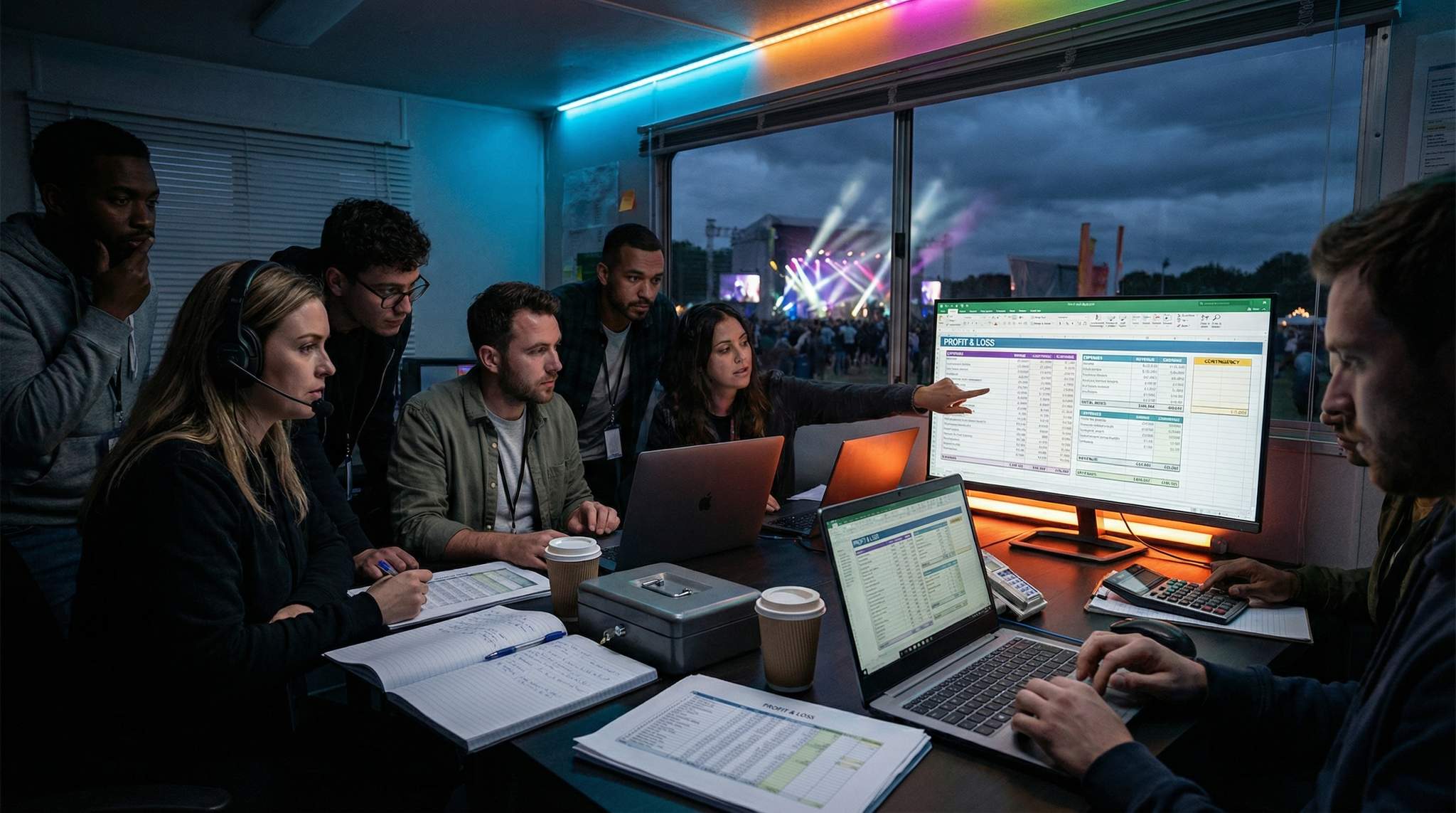
After decades of producing festivals of all kinds and sizes, I’ve learned one truth: a detailed budget is the backbone of any successful festival. Enthusiasm and creativity are vital, but if you don’t have a solid financial plan, even the best ideas can crumble. A festival budget — often structured as a Profit & Loss (P&L) spreadsheet — is your roadmap to ensuring every dollar is accounted for. In this guide, I’ll walk you through creating a comprehensive festival financial plan, sharing hard-earned lessons from both triumphant successes and a few stumbles along the way.
Laying the Groundwork: Why a Detailed Budget Matters
Before diving into numbers, understand why budgeting is so critical:
– Clarity and Control: A clear budget lets you see the big financial picture at a glance, from major expenses to minor line items.
– Informed Decisions: It empowers you to make informed choices — whether you can afford that extra stage or need to scale back marketing.
– Financial Discipline: Most importantly, it instills discipline, preventing those all-too-easy little extras from snowballing into a big overrun.
I once saw a promising festival nearly derailed because the team kept saying “yes” to unbudgeted extras (extra decor, last-minute acts) — those costs added up fast. Trust me, no matter how small or large your festival, a well-planned budget will keep your vision feasible and on track.
When you are first setting up a festival, the sheer volume of moving parts can feel overwhelming. Whether you are launching a boutique electronic music gathering or a multi-day food and wine event, your initial financial framework dictates your operational limits. A well-structured budget acts as your anchor, ensuring that early decisions—like securing a venue or booking a headliner—don’t compromise your long-term viability.
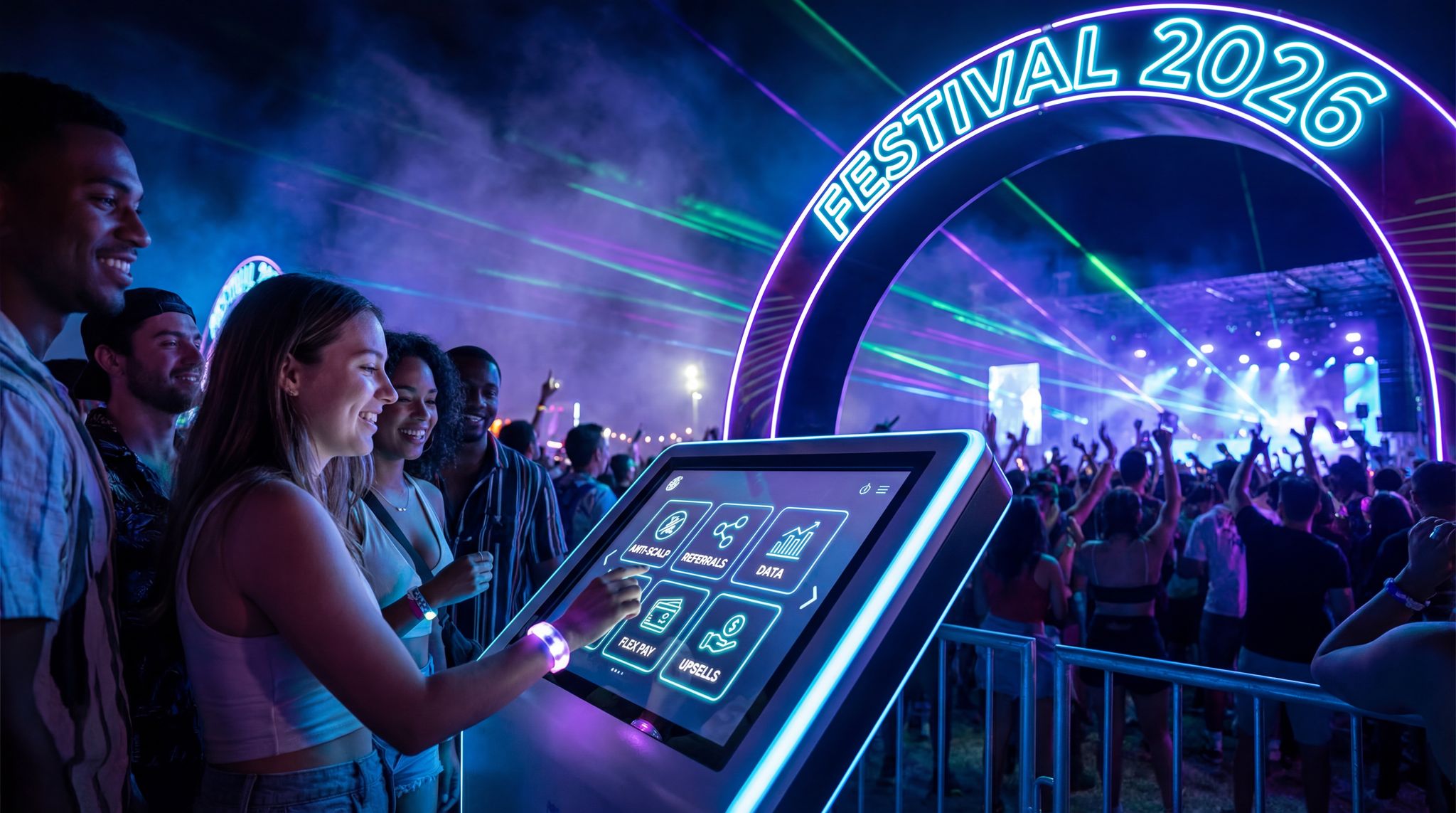
Boost Revenue With Smart Upsells
Sell merchandise, VIP upgrades, parking passes, and add-ons during checkout and via post-purchase emails. Increase average order value by up to 220%.
Building Your Festival Budget Step-by-Step
- Start Early and Update Often: Begin crafting your budget as soon as the festival idea takes shape. Your budget isn’t a one-and-done document; it’s a living blueprint. As plans evolve – maybe you find a cheaper stage supplier or decide to add a second day – update the budget immediately. Regular updates will show you exactly how changes impact your bottom line. In my experience, the most common budgeting mistake is setting a budget and forgetting about it until it’s too late. Avoid that by checking in with your budget regularly (weekly or bi-weekly during planning).
-
List All Expense Categories: Make a thorough list of every possible expense category. Start broad, then break each category into specific line items. Below are typical festival expense categories and what they include:
-
Venue & Site Fees: Rental costs for your festival site or venue. This is often a fixed cost – e.g., a flat fee to rent a park, field, stadium, or convention center. Don’t forget to include any deposits, city fees, or site-specific costs like on-site utilities. Example: For a 5,000-person outdoor festival I organized, the city park rental was a fixed $10,000, plus a $2,000 refundable damage deposit.
Planning a Festival?
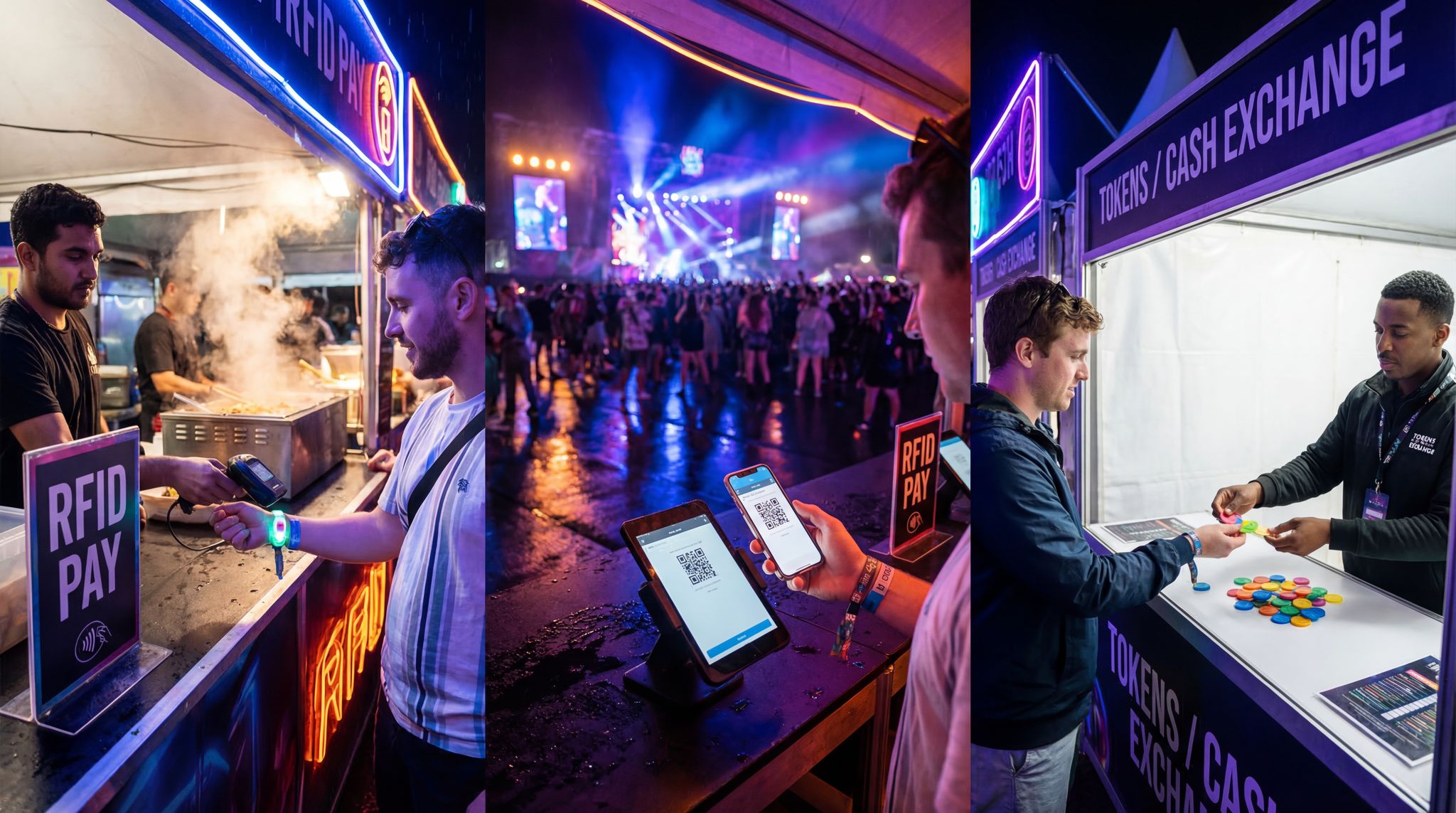
Ticket Fairy's festival ticketing platform handles multi-day passes, RFID wristbands, and complex festival operations.
- Stages, Sound & Lighting (Production): The technical production costs for staging your event. This includes stage structures, sound systems, lighting rigs, video screens, generators for power, and the crews to set up and operate them. These costs often scale with the size of your festival. A small 500-person community festival might use a single modest stage and sound setup (lower cost), whereas a 50,000-person music festival will require multiple large stages and professional-grade production across the board.
- Artist Fees & Entertainment: Payments to performers, speakers, bands, celebrity chefs – anyone providing content or entertainment. This is usually a major portion of the budget. Artist fees are typically fixed per act (negotiated in contracts). Remember to also budget for artist hospitality (catering, drinks, comfortable lounges) and travel or accommodation if you’re covering those. Lesson learned: Early in my career I booked a headline band for a concert festival without factoring in their flights and hotel rooms – those expenses hit our budget hard. Now I always include a line for artist travel and hospitality.
- Permits & Licensing: Costs for all the permits and licenses needed to legally run the festival. This might include event permits, noise permits, health department permits (for food vendors), fire marshal inspections, liquor licenses (if alcohol is served), and music licensing fees (if applicable). These are often fixed or have flat fees based on your expected attendance. Always consult your local authorities early to list out every permit you’ll need – missing one can shut down a festival. Example: For one street festival, we needed a city permit, a street closure fee, and individual food vendor permits – totaling several thousand dollars.
- Staffing & Crew: All the people who make the festival happen on the ground. This includes security personnel, stagehands and technical crew, event managers, ticketing staff, clean-up crew, and volunteers (plus volunteer coordination costs). Some staffing costs are fixed (e.g., your core production team’s salaries or stipends), but many scale up with festival size. The bigger the event, the more security guards, gate staff, and cleaners you’ll need. Consider whether you’ll also need to budget for staff training sessions or crew meals. Tip: For smaller festivals, you might rely more on volunteers (reducing labor costs but requiring good volunteer management). For large festivals, professional staffing becomes essential – and expensive.
- Insurance: Premiums for insurance policies to protect your event. At minimum, you’ll need general liability insurance to cover accidents or injuries. Large festivals might also get cancellation insurance (especially for weather-related cancellations) or additional coverage for equipment. Insurance is usually a fixed cost based on coverage limits and risk factors (bigger events or higher risk activities = higher premiums). Never skip insurance – I’ve seen unexpected incidents (like a sudden storm causing damage) that would have bankrupted an event if we hadn’t been insured. Build this into your budget from day one.
- Marketing & Promotion: All costs to get the word out and sell tickets. This can include online advertising, social media campaigns, printed flyers/posters, PR services, press events, and any promotional partnerships. Some marketing costs are fixed (e.g., hiring a PR agency for a flat fee), while others can be scaled to your target attendance (you might spend more on ads if you need to sell 50,000 tickets versus 500). Track marketing spend carefully and allocate enough budget to actually reach your audience – I’ve watched great festivals falter because not enough people heard about them. A good rule of thumb is to set aside a certain percentage of your expected revenue or overall budget for marketing.
- Site Infrastructure & Logistics: Often overlooked, these are the on-the-ground necessities that make the festival run smoothly. It includes fencing and barriers (to secure the perimeter and create crowd flow), sanitation (portable toilets and hand-wash stations, plus waste disposal), tents and shelters (for shade, info booths, first aid, etc.), power and electricity (generators, fuel, electrical distribution), water (for attendees and vendors), and transportation/shuttles if you need to move people to the site or between areas. Many of these costs are variable based on festival size: more attendees means more toilets, more fencing, more power usage. Always err on the side of having a bit extra capacity here – for instance, it’s better to have a couple of extra porta-potties than too few.
- Miscellaneous & Contingency: Every festival has unique needs and surprise expenses. This bucket covers miscellaneous costs that don’t fit neatly elsewhere — for example, permits for drone filming, last-minute hardware store runs, or special decorations. Crucially, include a contingency line in your budget, typically around 10% (or more for first-time festivals) of your total expenses. This contingency is a safety net for unexpected costs that will pop up — trust me. In one festival I ran, a sudden change in weather meant we needed to lay down straw and mats in high-traffic areas to prevent mud; our contingency fund covered the $5,000 expense. If we hadn’t budgeted for unforeseen needs, we would have been scrambling or taking a loss.
Once you’ve listed all expense categories relevant to your festival, assign estimated costs to each line item. Base these on real quotes whenever possible (get estimates from vendors early) or past experience. Be realistic – it’s better to overestimate costs than underestimate. And remember, scale matters: if you double the audience size, you might need to double certain costs (security, toilets) but others may only increase a bit (the stage might just need slight upgrades, not double the cost).
So, How Much Does It Cost to Put On a Festival?
One of the most common questions I get from emerging promoters is, “How much does a festival cost?” The truth is, there is no single answer, as the total expense depends entirely on your scale, location, and production ambitions. However, to give you a realistic baseline on how much it costs to run a music festival, we can look at historical averages across different tiers.
For an intimate, 500-person boutique gathering with local talent and minimal infrastructure, you might spend anywhere from $15,000 to $40,000. Scaling up to a mid-sized regional event (around 5,000 to 10,000 attendees) with touring headliners, professional staging, and comprehensive site logistics, the festival costs typically range between $250,000 and $750,000. If your ambition is to produce a massive, multi-day mega-festival for 50,000+ fans, you are looking at a multi-million dollar endeavor—often starting around $3 million to $5 million just to cover top-tier artist fees, extensive marketing, and complex municipal permitting. Ultimately, how much do festivals cost? Exactly as much as your detailed P&L dictates, which is why building that comprehensive financial roadmap is non-negotiable.
Music Festival Budget Example: A Community Rock Event
If you are wondering exactly how to budget for a music festival, looking at a sample breakdown can be incredibly helpful. Let’s consider the average cost of a community rock and roll festival designed for about 2,000 attendees. In this scenario, your festival budget planning might allocate roughly 30% to talent and entertainment (local and regional bands), 25% to production (stage, sound, and lighting rentals), 15% to venue and site infrastructure (fencing, portable restrooms, permits), 10% to marketing, 10% to staffing and security, and 10% to your contingency fund. While every event is unique, using a baseline model like this provides a solid foundation for independent promoters trying to balance high production expectations with realistic revenue projections.
Smart Promo Codes & Presale Access
Create percentage or flat-rate discount codes with usage limits, date ranges, and ticket type restrictions. Plus unlock codes for private presales.
To give you a clearer picture of an average cost of community rock and roll festival budget breakdown, imagine a total working capital of $100,000 for those 2,000 attendees. Your financial allocation would look something like this:
- Talent & Entertainment ($30,000): Securing three regional headliners and five local support acts, plus their hospitality riders.
- Production & Staging ($25,000): A mobile covered stage, professional line-array PA system, basic lighting rig, and the technical crew to run it.
- Venue & Site Infrastructure ($15,000): Park rental fees, perimeter fencing, portable restrooms, and waste management services.
- Marketing & Promotion ($10,000): Targeted social media ads, local radio spots, and printed street posters.
- Staffing & Security ($10,000): Licensed security personnel, a site manager, and a volunteer coordinator.
- Contingency Fund ($10,000): Held in reserve for unexpected weather mitigations or last-minute equipment rentals.
How to Plan a Community Festival: Financial First Steps
When figuring out how to plan a community festival from scratch, your budget is the most effective tool for aligning local stakeholders. Unlike massive commercial events, local gatherings often rely heavily on municipal grants, neighborhood sponsorships, and volunteer labor. Start by engaging your city council or local parks department early to understand hidden municipal costs—like mandatory police presence or specific street closure permits—which can drastically impact a budget festival model. By mapping out these hyper-local expenses first, you ensure that your community-focused event remains financially sustainable and truly serves its neighborhood without operating at a deficit.
Need Festival Funding?
Get the capital you need to book headliners, secure venues, and scale your festival production.
-
Outline Your Revenue Streams: Now let’s talk about the fun part – income! A festival’s revenue can come from multiple sources. Identifying and projecting these is just as important as tallying expenses. Typical festival revenue streams include:
-
Ticket Sales: This is usually the primary revenue source. Consider different ticket types: early-bird discounts, general admission, VIP passes, multi-day passes, etc. Estimate how many tickets you expect to sell at each price point. Be conservative – it’s safer to budget based on a realistic or slightly pessimistic sales scenario than assume a sell-out on day one. I often create a few sales scenarios (e.g., 70% tickets sold vs. 100% sold) to understand best and worst cases for revenue. If your festival is free to attend, then ticket sales might be zero – and you’ll rely more on other funding sources.
- Food & Beverage Sales / Vendor Fees: Festivals often earn money from food and drink. There are two main models: running your own concessions (you buy supplies and sell food/drinks directly to attendees) or charging vendors a fee or revenue share to serve at your event. Either way, this can be significant income. For instance, at a beer festival I produced, we earned funds by taking a percentage of each brewery’s sales plus an upfront booth fee. If you run concessions yourself, remember to factor in the costs (buying product, hiring bartenders, etc.) in your expenses. If using vendors, research what fee is reasonable so vendors still find it worthwhile.
- Sponsorships & Partners: Getting sponsors (companies, brands, or even local businesses) can inject substantial revenue or valuable in-kind support (like free product or services). Sponsorship might range from a title sponsor contributing a large sum, to smaller businesses paying for booth space or advertising. Create a sponsorship package with tiers, and budget what you realistically think you can raise. In my experience, sponsorship dollars can be unpredictable – some years you’ll land a big deal, other years it’s tougher. Don’t bank on a sponsor until a contract is signed, but definitely pursue these opportunities vigorously as they can underwrite costs like stages or marketing.
- Merchandise Sales: Selling festival-branded merchandise (t-shirts, hats, posters) or taking a cut of artist merchandise sales can add extra revenue. This usually won’t overshadow ticket or sponsor income, but it’s a nice boost and also serves as marketing (people wearing your festival tee around town). If you plan to produce merch, remember you’ll have upfront costs to include in the expense budget (design, printing shirts, etc.), but you can estimate profits from sales. Track inventory and price items smartly so you actually make a profit after costs.
- Parking & Accommodation Fees: If you have on-site parking and plan to charge for it, this can be a revenue line (minus any costs for parking attendants, lot rental, etc.). Similarly, for multi-day festivals, you might offer camping or RV spots for a fee. These can be lucrative if managed well. For example, a weekend music festival I ran offered camping passes that generated enough income to cover all our sanitation and trash removal costs. Just ensure you budget the related expenses (security for the parking lot, portable showers for camping, etc.) in the expense section.
- Other Income: Think of any additional sources: maybe grants or public funding (some cultural or non-profit festivals get government or arts grants), VIP experiences or add-ons (like selling backstage tours or special access for a premium), or equipment rentals (perhaps attendees rent lockers, chairs, or headphones for a silent disco). List any applicable to your festival. Every bit counts, and sometimes smaller revenue streams can cover specific costs (e.g., charging for locker rentals might pay for the cost of renting those lockers plus a little extra).
After listing revenue categories, project realistic amounts for each. Use historical data if you have it (e.g., last year’s ticket sales or sponsor contributions) or comparisons to similar events. Be honest with yourself about these numbers – overestimating revenue is a classic rookie error that can leave you in a financial hole. It’s wiser to underestimate income and be pleasantly surprised than the other way around.
- Calculate Profit (or Loss) and Adjust: With all projected expenses and all projected revenue tallied, do the math:
Total Expected Revenue – Total Expected Expenses = Projected Profit/Loss. This bottom line tells you if your festival plan is financially viable. If you’re seeing a loss (negative number), treat it as a red flag but not the end of the story. Many first budget drafts come out in the red. Now is the time to adjust: Can you trim some expenses without compromising safety or core experience? Can you find additional revenue, perhaps an extra sponsor or slightly higher ticket price? Iterate on the budget until the numbers make sense. Personally, I aim to budget for a modest profit if possible, because that cushion can vanish if actual costs run higher or ticket sales come in lower than expected.
Fixed vs. Variable Costs: Understanding Scale
It’s important to distinguish between fixed costs and variable costs in your budget. This understanding will help you scale your festival up or down and forecast how changes in attendance affect your finances:
– Fixed Costs are expenses that stay roughly the same regardless of how many people attend. These often include venue rent, permits, insurance, and core staffing or equipment that you need whether 100 people show up or 10,000. For instance, the cost to rent a park might be $5,000 flat, whether your festival has 500 attendees or 5,000. Fixed costs create the baseline expense to open the gates.
– Variable Costs rise (or sometimes fall) in proportion to the event’s scale or attendance. These include things like wristbands or tickets (you pay per item), staffing that is hourly or per attendee, security personnel (more needed for larger crowds), sanitation (more people = more toilets and cleaning), and consumables like water, food ingredients if you’re running concessions, etc. For example, if you plan for 10,000 attendees but only 5,000 come, you’ll spend less on things like trash removal or volunteer t-shirts, whereas those costs would increase if 15,000 showed up. It’s useful to calculate some costs on a per-person basis (e.g., “sanitation costs $2 per attendee”) to model different scenarios.
– Semi-variable Costs: Some costs have a fixed component and a variable component. A stage rental might be fixed, but the crew overtime could depend on schedule changes. Or you pay a baseline for security and add more guards per thousand attendees over a certain number. Recognize these and plan for the potential increase if your festival grows.
Understanding which costs are fixed vs. variable lets you scale your festival plan intelligently. If your early ticket sales are slow (indicating lower attendance), you might reduce some variable expenses (maybe hire fewer temp staff or order fewer tents). If demand is high, you might invest more in variable areas to maintain quality and safety (more toilets, additional entry gates to avoid bottlenecks, etc.) – but you’ll also earn more revenue from those extra attendees, balancing it out. Build a version of your budget for different attendance scenarios (for example: worst-case, expected, and best-case) to see how the balance shifts.
For independent promoters operating a strict budget festival, mastering this balance between fixed and variable expenses is the ultimate key to profitability. By meticulously tracking these fluctuating metrics, you can successfully survive festival season on a budget without sacrificing the core attendee experience or compromising on safety.
The All-Important Contingency Fund
I’ve mentioned contingency earlier, but it’s worth its own spotlight. Always, always include a contingency fund in your budget. This is a line item, typically 5-15% of total expenses (I lean toward 10% or more for new festivals or complex events), set aside for the unexpected. Why so crucial? Because in live events, something unexpected always happens. Examples from my career:
– A supplier fell through last-minute, forcing us to find a more expensive replacement 10 days before the festival.
– An unseasonal cold snap meant we decided to rent portable heaters for outdoor areas to keep attendees comfortable.
– A headliner artist’s equipment truck got delayed, and we had to arrange emergency local equipment rentals.
Each of these could have blown the budget if we hadn’t planned a cushion. With a contingency fund, you have breathing room to handle surprises without panicking. Pro tip: Keep the contingency funds somewhat visible but not “committed” — mentally treat them as untouchable unless an emergency arises. If, by good fortune, you don’t use the contingency money, that becomes extra profit or seed money for next year.
If you are organizing a different style of gathering, you might wonder about the recommended contingency percentage for arts event budgets or cultural fairs. Because art installations often require specialized handling, weather-proofing, and unique insurance riders, I strongly advise setting aside at least 12% to 15% for these specific types of events. Protecting delicate assets outdoors almost always incurs surprise costs.
When establishing the standard contingency percentage in arts event budgets, it is crucial to remember that this figure isn’t just a buffer—it’s a dedicated risk management tool. Unlike a traditional music festival budget, where staging costs are relatively predictable, interactive exhibits and large-scale sculptures introduce variables that can fluctuate wildly based on site conditions.
Operating a budget festival with razor-thin margins makes this safety net even more critical. When you are trying to survive festival season on a budget, it is tempting to slash the contingency line to make the numbers look better on paper. Resist this urge. A robust reserve is exactly what allows independent promoters to navigate unforeseen logistical hurdles—like emergency structural reinforcements for a sculpture or last-minute interactive tech repairs—without derailing the entire production.
Keeping the Budget on Track
A budget isn’t “set and forget.” Staying on top of it throughout the festival planning process is a must:
– Regular Reviews: Schedule a brief weekly budget review meeting with your core team. Go over any changes: new expenses, updated quotes from vendors, changes in ticket sales projections, etc. This habit ensures nothing sneaks up on you. I’ve had events where a vendor quote quietly increased by a few thousand because of added requirements – if we hadn’t updated the budget and caught it, we’d have been surprised later.
– Track Actuals vs. Estimates: As you start spending (paying deposits, buying supplies) track those real costs against your initial estimates. After the event, compare the final actual costs and revenues to your projections. This will teach you a lot and improve your budgeting accuracy for future festivals. Over the years, creating a “post-event” financial report for myself was one of the best learning tools – I could see where I under-budgeted or over-budgeted and adjust my assumptions next time.
– Cash Flow Planning: A budget might show eventual profit, but consider when money is coming in vs. going out. Many expenses will occur before the first ticket is ever sold (deposits, marketing, permits). Ensure you have a plan for cash flow – do you need to secure early funding or loans to cover upfront costs? Monitor that you have enough cash on hand each month. One year, I nearly hit a cash crunch a month out from a festival because sponsor money was delayed but big vendor payments were due; after that, I started adding a cash flow timeline to my budget sheet to avoid nasty surprises.
– Financial Discipline: Treat your budget like the law (with the contingency as your emergency exception). It’s easy to justify “just a little more here and there” especially in the excitement of making the festival bigger or better. But those extras can add up to thousands before you know it. Hold yourself and your team accountable: if something new is essential, figure out where to cut equivalent costs elsewhere or find extra revenue to cover it, so you keep the balance.
As your operations grow, you may want to transition from standard spreadsheets to dedicated festival budget software. These specialized platforms offer real-time expense tracking, multi-user access for your department heads, and automated cash flow forecasting. Upgrading your financial tech stack is one of the best ways for independent promoters to survive a busy festival season on a strict budget, as it prevents duplicate spending and highlights cash flow bottlenecks before they threaten your event’s viability.
Conclusion: Your Budget as a Festival Blueprint
Crafting a detailed festival budget might not be the most glamorous part of organizing an event, but it is absolutely one of the most important. It’s your blueprint and safety net rolled into one. A comprehensive budget illuminates the path to a festival that is not just amazing for attendees, but financially successful and sustainable for you.
Remember, every line item in that spreadsheet is an expression of your festival’s plan — from the grand stage where your headliner will perform, to the portable toilets that keep everyone comfortable, to the Facebook ads that let fans around the world know about your event. Approach it with care, detail, and a dose of realism. And always keep learning: each festival you produce will make you a little sharper at predicting costs or spotting hidden expenses.
As someone who’s weathered both the exhilarating highs and nail-biting lows of festival production, my final advice is this: respect your budget, and it will respect you. That means give it the time and attention it deserves. Update it, review it, question it. Use it as a tool to make wise decisions, not just a static document gathering dust. With a strong financial plan in hand, you’ll be well on your way to bringing your festival vision to life without the financial heartache.
Good luck, and happy festival planning!
Frequently Asked Questions
Why is a detailed festival budget critical for success?
A detailed budget provides clarity and control, allowing organizers to see the big financial picture and make informed decisions regarding expenses. It instills financial discipline to prevent cost overruns from unbudgeted extras. Without a solid financial plan, even creative ideas can fail, making the budget the backbone of any successful event.
What are the key expense categories in a festival budget?
Essential festival expense categories include venue and site fees, production costs like stages and sound, artist fees and hospitality, and permits. Organizers must also budget for staffing, insurance, marketing, and site infrastructure such as fencing and sanitation. Including a miscellaneous category ensures all potential costs are covered.
How much contingency fund should be included in a festival budget?
A contingency fund should typically range from 5% to 15% of total expenses, with 10% being a standard target for new or complex events. This safety net covers unexpected costs like last-minute equipment replacements, weather-related needs, or supplier changes, preventing unforeseen incidents from bankrupting the festival.
What is the difference between fixed and variable costs in festival planning?
Fixed costs, such as venue rental and insurance, remain constant regardless of attendance. Variable costs, including wristbands, sanitation, and hourly staffing, rise or fall based on the number of attendees. Understanding this distinction helps organizers scale the event plan intelligently and forecast how attendance changes impact the bottom line.
What are the primary revenue streams for a music festival?
Ticket sales generally form the primary revenue source, supplemented by food and beverage sales or vendor fees. Sponsorships and partnerships can provide significant funding or in-kind support. Additional income streams include merchandise sales, parking fees, camping passes for multi-day events, and VIP experience add-ons or equipment rentals.
How can organizers keep a festival budget on track during planning?
Maintaining a budget requires scheduling weekly review meetings to monitor changes and updating the document immediately as plans evolve. Organizers should track actual costs against initial estimates and manage cash flow to ensure funds are available when payments are due. Treating the budget as a living blueprint prevents financial surprises.
What is a good music festival budget example for a community event?
A standard breakdown for a community rock festival typically allocates about 30% to talent, 25% to production and staging, 15% to site infrastructure and permits, 10% to marketing, 10% to staffing, and 10% for contingency. This baseline helps organizers balance production needs with realistic revenue.
Should organizers use dedicated festival budget software?
Yes, as events scale, transitioning from spreadsheets to specialized festival budget software can drastically improve financial tracking. These tools offer real-time updates, multi-department collaboration, and automated cash flow forecasting, making it easier to manage complex event finances.
How much does it cost to put on a music festival?
The cost to put on a music festival varies drastically by size and scope. A small 500-person boutique event can cost between $15,000 and $40,000. A mid-sized festival for 5,000 to 10,000 attendees typically requires a budget of $250,000 to $750,000. Large-scale, multi-day mega-festivals with top-tier talent often cost upwards of $3 million to $5 million to produce.
What are the first financial steps when setting up a festival?
When setting up a festival, your first financial step should be establishing a baseline budget that outlines your fixed costs, such as venue rentals, permits, and insurance. From there, project conservative revenue estimates based on realistic ticket sales, rather than best-case scenarios, to ensure your new event remains financially viable from day one.
How do you start planning a budget for a community festival?
When learning how to plan a community festival, the first step is identifying hyper-local fixed costs such as municipal permits, park rentals, and mandatory city services (like police or sanitation). Because these events often operate on tighter margins, organizers should prioritize securing local sponsorships and community grants early to offset these baseline expenses before booking talent.
What is the recommended contingency percentage for arts event budgets?
For arts events and cultural fairs, organizers should allocate a contingency fund of at least 12% to 15% of their total expenses. Unlike standard music events, art installations often involve fragile materials, specialized rigging, interactive technology, and unique insurance riders. This higher percentage ensures you have the capital to handle unexpected weather-proofing or emergency repairs without jeopardizing the rest of your financial plan.
How does the standard contingency percentage in arts event budgets differ from music festivals?
The standard contingency percentage in arts event budgets is typically higher—often 12% to 15%—compared to the 10% usually reserved for standard music festivals. This increased financial buffer accounts for the unpredictable costs associated with transporting, custom rigging, and weather-proofing delicate visual installations or interactive exhibits.