Introduction
Naming a festival and crafting its brand identity are pivotal steps in event planning. The name of a festival is often the first impression it makes on potential attendees, and a strong name paired with consistent branding can make an event unforgettable. Successful festival producers know that a festival’s name and brand identity set the tone for the entire experience – from the imagery on posters to the vibe attendees feel on-site. This guide provides practical advice for choosing an impactful name and developing a cohesive brand identity, drawing from lessons learned across festivals big and small.
What’s in a Name?
A festival’s name carries immense weight. It’s not just a label, but a promise of the experience to come. The right name can spark curiosity, convey the festival’s theme or values, and even become synonymous with a certain culture or community. Think of iconic events like Burning Man, Tomorrowland, or Comic-Con – their names alone evoke specific imagery and expectations. On the other hand, a generic name like “Summer Music Fest” might fail to stand out in a crowded market. Choosing a memorable, meaningful name helps your festival rise above the noise and stick in people’s minds.
Audience Alignment: When brainstorming names, consider who your target audience is and what will resonate with them. A name for a family-friendly food festival will likely sound very different from one for an underground techno rave. For example, a whimsical name like “Cupcake Carnival” might suit a dessert festival aimed at families, whereas “Midnight Bass” could appeal to electronic music fans. The goal is to capture the spirit of your event and instantly communicate it to the right people.
Originality and Memorability: Stand out with a name that’s unique. Avoid overly generic or copycat names that could confuse people (imagine two events both called “Spring Fest” in the same region – a recipe for mix-ups). A unique name not only helps with branding but also makes it easier for people to find information about your event online. Attendees should be able to recall and search your festival name without stumbling on unrelated results. Shorter names or catchy phrases tend to be more memorable and hashtag-friendly, but even longer names can work if they’re distinctive (e.g. “Electric Daisy Carnival”). Test potential names by saying them out loud and imagining them on merchandise or in news headlines – a strong name should sound natural and exciting in all contexts.
Boost Revenue With Smart Upsells
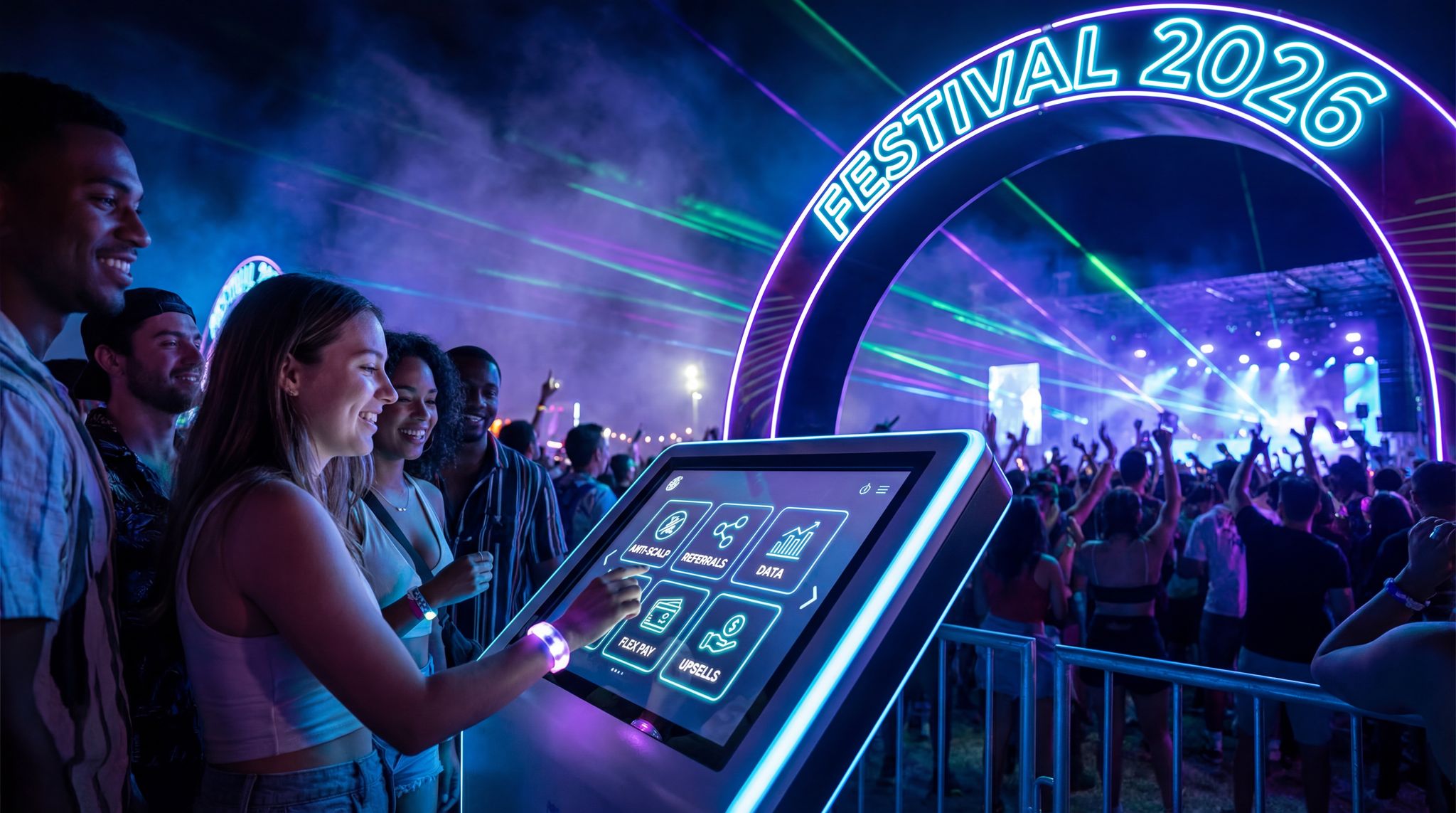
Sell merchandise, VIP upgrades, parking passes, and add-ons during checkout and via post-purchase emails. Increase average order value by up to 220%.
Clarity of Purpose: While creativity is key, ensure the name still gives some hint of what the festival is about. It doesn’t have to be extremely literal, but it should align with your festival’s theme or values. A clear connection helps attract the intended audience. Montreux Jazz Festival immediately signals a jazz focus, for instance, whereas Lollapalooza uses a quirky word that came to represent an eclectic alternative music celebration. In either case, the names fit the event’s identity. Strike a balance between inventive and descriptive: evoke the feeling or theme without locking yourself into something too narrow if you plan to grow or diversify.
Crafting an Unforgettable Festival Name
Choosing the perfect name is a process. Here are some actionable tips for festival organizers when developing a name:
– Brainstorm with the Vision in Mind: Start with the core vision or theme of your festival. List keywords, emotions, or images you want people to associate with the event. If it’s a coastal reggae festival, words like “beach,” “waves,” or “sunset” might come up, leading to ideas like “Sunset Riddim Fest”.
– Keep It Short and Pronounceable: A shorter name or a name that rolls off the tongue is easier for attendees to remember and share. Complex or hard-to-pronounce names can create confusion. Imagine fans excitedly telling friends about your event – you want the name to be one they can say and spell without effort.
– Make It Unique: Research other festivals, especially within your genre or region, to avoid overlapping names. Ensure your festival name isn’t already in use (or too similar to another event or brand). Uniqueness also protects you from legal issues down the line and helps secure domain names and social media handles. For example, if your ideal name is “Eclipse Festival”, a quick search might reveal several events or businesses with “Eclipse” in the name – you might then tweak it to something more specific, like “Eclipse Valley Fest” or a completely distinct name.
– Visual and Emotional Resonance: Think about how the name will look and feel in your branding. Some names lend themselves to great logos or imagery. Electric Forest, for instance, immediately suggests vibrant lights and trees – its branding cleverly uses neon colors and woodland imagery. Choose a name that inspires a visual; this will make the design process smoother and the brand more cohesive. Also consider the emotions the name evokes. Does it sound energetic, peaceful, mysterious, or fun? Make sure that vibe matches your event’s atmosphere.
– Timeless Over Trendy: Aim for a name that can stand the test of time. Avoid slang or ultra-trendy references that might feel dated in a few years. A festival often aims to become an annual tradition, so you want a name that feels just as relevant in five or ten years. For example, a name like “YOLO Fest 2015” would have aged poorly as the phrase fell out of use. Classic or imaginative names tend to have more longevity.
– Test It Out: Before you commit, get feedback from trusted partners or a sample of your target audience. Share a few name options (and a bit of context about the festival) and gauge reactions. You might discover that one name connects much better with people. Ensure the name doesn’t carry unintended meanings or negative connotations you might have missed. This extra step can save you from costly rebranding later.
Planning a Festival?
Ticket Fairy's festival ticketing platform handles multi-day passes, RFID wristbands, and complex festival operations.
If you are struggling to generate festival names ideas, try breaking your brainstorming sessions into the best categories for your specific niche. Categorizing your concepts—such as location-based titles, genre-specific terms, experiential action words, or cultural references—can quickly yield hundreds of viable event name ideas. This structured approach helps organizers move past creative blocks and pinpoint a moniker that truly encapsulates the attendee experience.
When brainstorming music festival name ideas, consider the specific subgenre and the atmosphere of the venue. A bass music event in a warehouse requires a vastly different lexical approach than an acoustic folk gathering in a meadow. Similarly, food festival name ideas often benefit from appetizing, sensory words combined with the core ingredient or culinary style. If you are organizing seasonal events, summer festival names ideas should evoke warmth, outdoor freedom, and long days, whereas spring festival names ideas might lean into themes of renewal, blooming, and fresh starts. For cinema-focused events, film festival names ideas traditionally incorporate the host city or the specific cinematic niche (like documentary or horror) to immediately signal the programming focus to directors and attendees. If your team hits a creative wall, running your core keywords through a festival name ideas generator can spark unexpected combinations, providing a raw list of concepts that you can refine into the perfect brand.
Beyond internal brainstorming, actively soliciting music festival name suggestions from your wider network can uncover hidden gems. Promoters often find that sourcing names for music festivals from venue operators, booking agents, or even a focus group of dedicated local fans ensures the final choice resonates authentically with the target demographic. Whether you are trying to name a music festival focused on underground techno or a massive open-air indie showcase, compiling a diverse list of external suggestions allows you to test how different titles look on a mock flyer or sound in a promotional read.
When narrowing down your shortlist of music fest name ideas, consider how the title will look on a physical wristband or a mobile ticket. Shorter fest names often perform better in digital marketing campaigns where character limits and attention spans are strict. Whether you are brainstorming names for fest brands that cater to a massive EDM crowd or looking for hyper-local, community-driven concepts (such as school or KG fest names for family-oriented daytime programming), the core principle remains the same: clarity beats cleverness. A strong fest name should instantly communicate the event’s vibe to your target ticket buyer.
Turn Fans Into Your Marketing Team
Ticket Fairy's built-in referral rewards system incentivizes attendees to share your event, delivering 15-25% sales boosts and 30x ROI vs paid ads.
For large-scale productions, teams often build extensive spreadsheets to track their brainstorming efforts. By systematically combining location tags, genre keywords, and experiential adjectives, it is entirely possible to generate a master list of 490+ event name ideas. Sorting these into the best categories—such as VIP experiences, underground raves, or family-friendly daytime events—allows stakeholders to vote on the strongest contenders and narrow down a massive pool of options into a single, definitive festival brand.
Practical Checks and Legal Considerations
Once you have a frontrunner name, take time to handle a few practical checkpoints:
– Domain and Social Media Availability: In the digital age, you’ll want your festival name or a clear abbreviation available as a website domain and on major social platforms. Consistency in your handles (e.g., @YourFestivalName) makes it easier for fans to find and follow you. If the exact name is taken, consider creative alternatives that still tie closely to the festival name.
– Trademark Search: Do a basic trademark search or consult a professional to ensure your festival name isn’t infringing on an existing trademark, especially if you plan to grow the festival. Even if you’re a small local event now, you could face challenges later if another organization has legal rights to that name. It’s better to choose an original name than to risk a forced name change after you’ve built an audience.
– Geographic and Cultural Sensitivity: If you expect an international audience or plan to take the festival to multiple regions, double-check that your name doesn’t mean something inappropriate in another language and is culturally appropriate. A name that’s charming in English might confuse or offend elsewhere. Also, if your festival is tied to a location (like a city or region in the name), consider what happens if you expand beyond that locale. Many festivals proudly feature their city (e.g., “Chicago Blues Festival”) to leverage local identity, but if your ambitions are global, a non-location name might travel better.
– Acronyms and Nicknames: Think about possible short forms or nicknames people might use. Sometimes a long name gets shortened by fans (for instance, Electric Daisy Carnival is widely known as “EDC”). Make sure any acronym or abbreviation of your festival name isn’t awkward or unintentionally funny. You want even the shorthand to be positive or at least neutral. Planning for this helps you embrace a nickname early or steer away from names that shorten poorly.
– Future-Proofing: Envision where your festival might be in a few years. Will the name still fit if the event grows or evolves? It might be perfectly fine to be “Salsa Fiesta 2025” if it’s a one-time event, but if you intend to make it annual, consider dropping the year in the official name and just add it in marketing materials as needed. Likewise, a name like “SummerFest” works great in summer, but if you ever decide to do a winter edition, that name limits you. Choose a name that gives you room to expand your festival’s concept over time without losing meaning.
Need Festival Funding?
Get the capital you need to book headliners, secure venues, and scale your festival production.
Regional and Multilingual Appeal: When expanding globally or targeting specific diasporas, consider how your naming and marketing translate. For example, organizers looking for regional arts fest names might incorporate local dialects or languages—such as using Malayalam for a cultural celebration in South India—to build immediate grassroots authenticity. Similarly, understanding localized marketing nuances, like how European promoters approach “branding voor festivals” (branding for festivals), ensures your event resonates deeply with its specific demographic while maintaining a cohesive global identity.
Building a Strong Festival Brand Identity
With a solid name in hand, the next challenge is creating a brand identity around it. Your festival’s brand identity is the personality and visual presence of the event – it encompasses your logo, color scheme, typography, tone of voice, and overall aesthetic. A well-defined brand identity makes your festival instantly recognizable and sets it apart from others. It will influence everything: the design of your tickets, the style of your social media posts, the look of your website, merchandise, and even on-site decor.
Effective festival branding transcends borders and scales. Whether you are developing a visual identity for a massive North American gathering or exploring concepts like branding voor festivals in the Dutch and broader European markets, the core principles remain universal. A robust brand strategy anchors your marketing efforts, ensuring that every promotional asset communicates the exact same energy and professionalism to prospective ticket buyers.
While music and arts gatherings have unique creative needs, the core principles of establishing a cohesive event brand identity apply to any large-scale production. Whether you are organizing a multi-day cultural festival, a B2B industry conference, or a hybrid experiential pop-up, your event brand identity serves as the foundational blueprint for all marketing and operational decisions. A well-articulated identity ensures that sponsors, vendors, and attendees all perceive the same level of professionalism and thematic consistency.
Developing a distinct music festival brand identity requires aligning your visual assets with the auditory experience you are selling. A successful festival brand goes beyond just a logo; it dictates the style of your stage design, the tone of your artist announcement videos, and the aesthetic of your VIP areas. When your festival branding perfectly mirrors the energy of your lineup, attendees immediately understand the cultural cachet of your event before they even hear a single DJ set or live performance.
Start with Core Values and Story: Begin by defining the story and values behind your festival. Ask: What is the festival’s mission or central theme? What feelings should attendees have during and after the event? The answers form the foundation of your brand. For example, if the core mission is to foster community and sustainability, those values should shine through in your branding (perhaps earthy colors, inclusive messaging, and eco-friendly imagery). If your festival’s story is about resurrecting retro 90s rave culture, your visuals and language might be bold, neon, and a bit tongue-in-cheek. By solidifying the identity in conceptual terms, you give your designers and marketing team a clear direction.
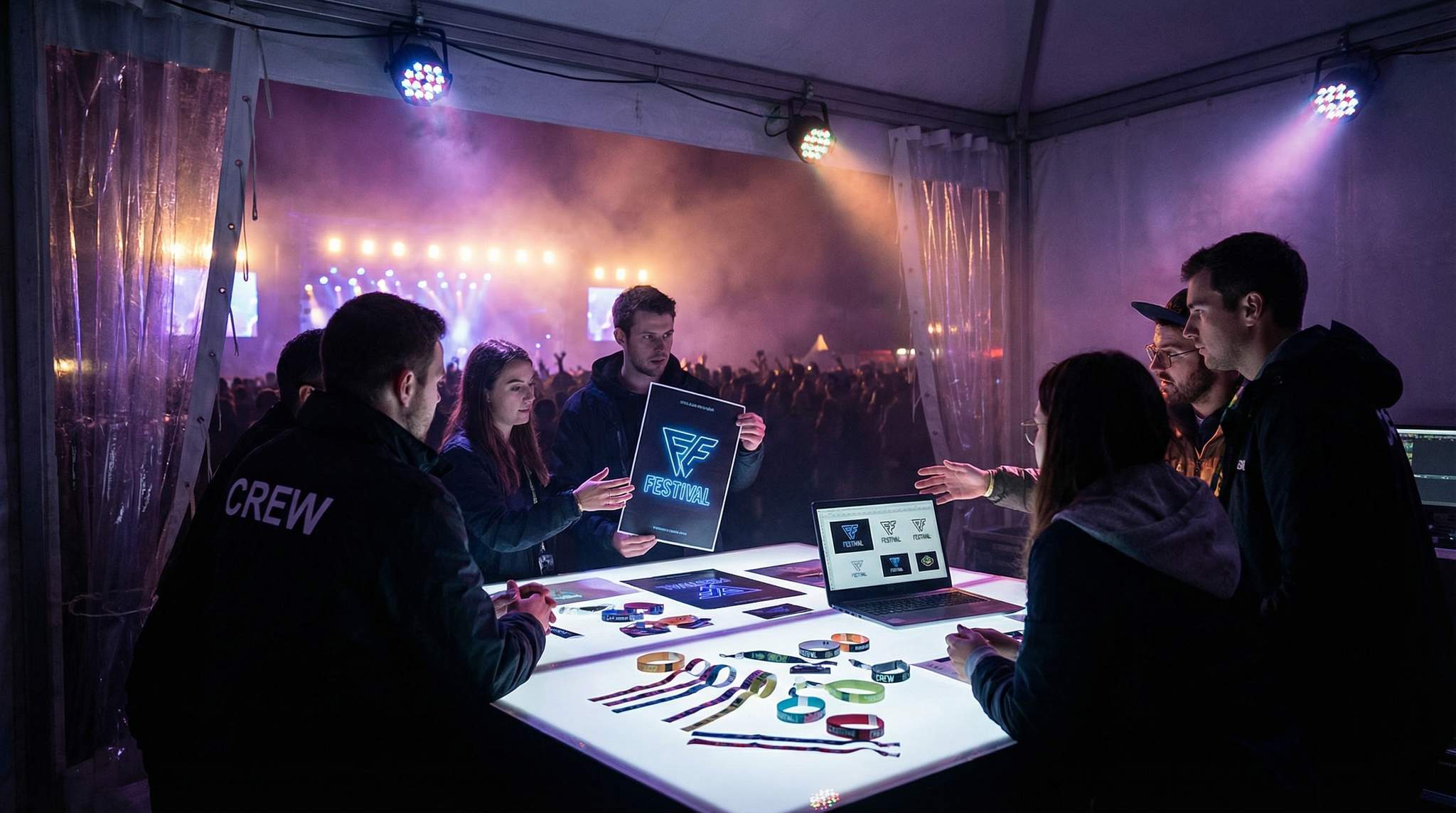
Logo and Visual Elements: A great logo is a cornerstone of festival branding. It needs to be distinctive and versatile – looking good on a massive stage banner, a smartphone screen, or a flyer tacked to a cafe wall. Work with a professional designer if possible to create a logo that encapsulates the spirit of your festival. Some festivals use an icon or symbol alongside stylized text; others craft a unique wordmark (stylized writing of the festival name). Either approach can work as long as it’s true to the festival’s character. Consider famous festival logos: Coachella uses a bespoke font that feels dusty and bohemian, echoing its desert setting; Tomorrowland uses an intricate emblem that suggests fantasy and unity. Your visuals (logo, graphics, color choices) should all reinforce the atmosphere you want to create. Also, think about color psychology – for instance, bright warm colors might convey energy and excitement for a summer music festival, while earthy tones could fit a folk or wellness festival. Once you pick a palette and style, use it consistently across all materials.
Consistent Look and Feel: Consistency is key to brand identity. Develop a simple brand style guide for your team, covering basics like fonts to use, color codes, logo usage rules, and tone of copy. This ensures that every poster, social media image, ticket design, and email newsletter looks and “sounds” like it’s coming from the same source. Inconsistency (like changing your logo style year to year without reason, or using random colors/fonts that aren’t part of your scheme) can dilute your brand recognition. Seasoned producers have learned that repetition builds remembrance – when attendees see your festival’s distinctive font or hear a tagline repeatedly, it cements the event in their memory. Over multiple editions, a consistent brand forms a strong association; people see an ad and immediately know it’s your festival. This doesn’t mean the branding can never evolve – many festivals do refresh their look over time – but changes should be thoughtful and the core identity should remain recognizable.
Voice and Messaging: Branding isn’t only visual. Your festival’s voice – how it communicates in writing and marketing – should also be defined. Is the tone of your messaging fun and irreverent? Professional and informative? Artsy and poetic? Align the voice with your audience and the experience you promise. For instance, a comic-book convention might use excited, fandom-filled language with lots of pop culture references, whereas a scholarly film festival might adopt a more refined, intellectual tone. Develop a tagline or slogan that encapsulates your festival’s identity and message if you can – a concise rallying cry or phrase that you use in promotions. (Think of slogans like “Three days of peace and music” from Woodstock’s marketing, which instantly conveyed the festival’s ethos.) Use language consistently in promotional materials: if you decide your festival refers to attendees as “family” or “citizens” or “monsters” (if it’s a Halloween fest, say), use that term everywhere to build community around your brand.
Making Your Event Memorable Through Branding
A strong brand identity can transform a one-time event into an annual pilgrimage. Here’s how to leverage your festival name and branding to make a lasting impact:
– Every Touchpoint Counts: Apply your branding at every attendee touchpoint. That means your website, ticketing page, emails, social media profiles, and physical signage at the venue should all present a unified image. Small details like having your festival logo on lanyards, staff T-shirts, stage scrims, and even on the festival map all reinforce the brand. When people go home with merchandise or photos, those branded elements continue to remind them of your festival.
– Immersive On-site Experience: If possible, carry your theme into the event decor and activities. This is where branding meets logistics and creative design. A medieval-themed renaissance fair, for example, might have staff in period costumes and stages designed like castles – not just a logo on the brochure. A techno festival with a futuristic name might include advanced LED installations and modern art to live up to that futuristic branding. Attendees should feel the festival’s personality in the environment around them. This cohesiveness helps forge an emotional connection; the more immersed people feel in the world you’ve created, the more memorable and sharable the experience becomes.
– Merchandise and Memorabilia: Offering well-designed merchandise (T-shirts, hats, posters, stickers) featuring your festival name and artwork can turn attendees into walking ambassadors for your brand. If your branding is strong and visually appealing, people will proudly wear it year-round, effectively providing free word-of-mouth marketing. Think of how band tour shirts become cherished collectibles – festivals can achieve that too. The key is quality and design that people actually want to wear or display. Successful festivals often commission artists to create special edition posters or apparel that tie into the festival’s theme each year, while still maintaining the core brand elements.
– Engage Through Storytelling: In marketing campaigns, tell the story of your festival and what makes it special. Use the name and theme as anchors for content. For example, if your festival is called “Harvest Moon Fest” and centers on folk music, you might share content about harvest traditions, moon lore, or folk culture in your promotions, creating a narrative around the event. Storytelling makes your brand more relatable and gives media or influencers something concrete to talk about when they mention your festival. It also helps seasoned festival-goers explain to newcomers what your event is about, because you’ve provided them with a clear narrative and identity to latch onto.
– Adapt but Stay Authentic: Over multiple years, be open to tweaking your branding based on feedback or evolving audience tastes, but do so carefully. Perhaps you update the logo subtly to modernize it, or introduce a new color accent for a fresh feel. Changes should feel like a natural evolution, not a completely new identity (unless you’re deliberately rebranding). Attendees often grow attached to a festival’s brand symbols and quirks. Honor that loyalty by keeping the spirit of your brand intact even as you refine it. Authenticity is crucial: any branding promises you make (for example, being “the greenest festival” or “an inclusive celebration for all ages”) must be backed up by the actual festival operations and experience. Broken brand promises can damage trust. On the flip side, when your event consistently delivers on its branded identity, it earns a strong reputation that keeps fans returning year after year.
Learning from Successes and Failures
Even the most experienced producers have seen some festival branding triumphs and missteps. Learning from these can help you avoid common pitfalls:
– Case Study – Success: Tomorrowland (Belgium) started as a relatively small electronic music festival and grew into a global phenomenon, largely on the strength of its branding and production quality. The name suggests a futuristic utopia, and the festival’s branding follows through with elaborate fairy-tale meets EDM imagery. Its logo – a butterfly/eye symbol – and the mantra “Live Today, Love Tomorrow, Unite Forever” create an emotional appeal. Consistent use of these elements across stages, aftermovies, and even spinoff events (like Tomorrowland Winter) built a devoted worldwide community. The lesson: a clear, aspirational name coupled with immersive, positive branding can propel an event to international fame.
– Case Study – Cautionary Tale: The infamous Fyre Festival (2017) serves as a warning. Its name and branding promised an ultra-luxurious, once-in-a-lifetime experience – the very word “Fyre” (a stylized spelling of fire) was meant to evoke heat, exclusivity, and excitement. Slick promo videos and a bold logo created huge buzz. However, the event failed to deliver on those branded promises spectacularly. This discrepancy between image and reality not only ended that festival before it began, but also became a pop culture punchline and legal disaster. Takeaway: A great name and flashy marketing mean nothing if the actual festival experience doesn’t match the brand identity. Always ensure your festival’s logistics and content live up to the image you project.
– Case Study – Rebranding for Growth: Sometimes a festival’s initial name or look may need an update as it evolves. One example is a regional music event that started as “Smallville Indie Fest”, focusing on local indie bands. As the event’s popularity grew, it began attracting international artists and a broader audience, so the organizers rebranded it as “Smallville Sound Festival”. The new name was still rooted in its town identity (“Smallville”) but the word “Sound” was more inclusive of various genres beyond indie. They introduced a new logo and modernized the website to reflect a more diverse, professional event, and attendance jumped in subsequent years. The key insight: don’t be afraid to rebrand if your original identity no longer fits your ambitions, but do it thoughtfully. Engage your existing audience in the change, explaining the reasons, and carry over any positive brand equity (in this case, the connection to Smallville’s community) into the new branding.
– Case Study – Niche Identity: Niche festivals can thrive with strong branding that fiercely appeals to a specific subculture. Consider “Gothic Wave Gathering” (a hypothetical example inspired by real goth music festivals): if your festival targets a tight-knit scene, the name and visuals should immediately signal that niche vibe (dark, dramatic fonts, gothic motifs, etc.). This might repel people outside the target group, but that’s okay – you’re creating a focused brand that your ideal audience will find authentic. The success here is measured by loyalty and atmosphere rather than sheer numbers. A clear identity helps attract the right attendees who will become devoted fans.
Conclusion
Selecting an impactful festival name and building a strong brand identity are foundational to your event’s long-term success. These elements define how your festival is perceived from the first announcement to the final encore. A well-chosen name grabs attention and hints at the magic you’re offering, while consistent branding amplifies that magic by weaving a cohesive story through every touchpoint. Future festival producers should treat naming and branding not as a superficial task, but as an integral part of the festival’s concept and vision.
By learning from both triumphs and missteps of past festivals, you can make informed branding decisions. Remember to stay true to your festival’s soul – authenticity resonates. Whether you’re organizing a 500-person local fair or a 100,000-strong mega festival, the principle is the same: know what you want your event to stand for, and reflect that in its name and identity at every turn. Build a brand that your community of attendees will love, and they’ll wear it, share it, and carry it in their hearts, year after year. With creativity, care, and consistency, your festival’s name and brand can become something truly iconic in the cultural landscape.
Frequently Asked Questions
How do organizers choose a memorable festival name?
Festival organizers should start with the event’s core vision and brainstorm keywords that evoke specific imagery. Select a name that is short, pronounceable, and unique to avoid confusion with existing events. Ensure the name aligns with the target audience and test it for negative connotations or unintended meanings before committing.
What constitutes a strong festival brand identity?
A strong festival brand identity encompasses the event’s personality and visual presence, including the logo, color scheme, typography, and tone of voice. It begins with defining the festival’s mission and story. Consistency across all touchpoints, from tickets to on-site decor, makes the event instantly recognizable and sets it apart from competitors.
Why is a trademark search important when naming a festival?
Conducting a trademark search is crucial to ensure a festival name does not infringe on existing legal rights, which could force a costly name change later. It protects the brand as the event grows. Organizers should also verify domain and social media handle availability to secure a consistent digital presence.
How does a festival’s name influence audience alignment?
A festival’s name acts as a promise of the experience, signaling the specific theme or values to the target demographic. For example, a whimsical name like “Cupcake Carnival” attracts families, while “Midnight Bass” appeals to electronic music fans. The right name captures the event’s spirit and instantly communicates it to the intended crowd.
Why is visual consistency critical for festival marketing?
Consistency builds remembrance and brand recognition among attendees. Using the same fonts, colors, and logos across posters, tickets, and social media ensures people instantly recognize the event. A unified brand style guide prevents dilution of the festival’s identity, helping to form a strong mental association that turns a one-time event into a tradition.
When is it appropriate for a festival to rebrand?
Rebranding is appropriate when an event’s original identity no longer fits its evolved ambitions or scope. For instance, if a local event expands to international artists or broader genres, updating the name and visuals helps reflect this growth. Organizers should engage existing audiences in the change to maintain loyalty while attracting new attendees.
How can organizers generate the best festival name ideas?
Organizers can generate the best festival name ideas by dividing their brainstorming process into distinct categories, such as geographic locations, musical genres, experiential feelings, and cultural heritage. This structured approach helps produce a wide variety of event name ideas, making it easier to find a unique and memorable title that aligns with the target audience.
Why is localized festival branding important?
Localized festival branding ensures that an event resonates with its specific regional or cultural demographic. Incorporating local languages—such as using regional dialects for arts fest names—or adapting to regional marketing styles (like European “branding voor festivals” strategies) builds grassroots authenticity while maintaining the event’s overarching professional identity.
How can organizers brainstorm music, food, or film festival name ideas effectively?
Promoters should tailor their brainstorming to the event’s specific niche. Music festival name ideas should reflect the genre and venue vibe, while food festival name ideas benefit from sensory, appetizing terminology. Seasonal events require names that evoke the time of year, such as warmth for summer or renewal for spring. When stuck, using a festival name ideas generator can help combine core keywords into fresh, viable options that organizers can further refine.
How can regional languages enhance a festival brand?
Using regional languages can deeply connect your event to the local culture and community. For instance, curating names for an arts fest in Malayalam for an event in Kerala, India, immediately signals authenticity and respect for regional heritage. This localized approach to a festival brand identity helps differentiate the event in a crowded global market.
How should promoters gather music festival name suggestions?
Promoters can gather music festival name suggestions by hosting structured brainstorming sessions with their core team, surveying venue operators, or running focus groups with target attendees. Compiling a wide range of names for music festivals from diverse stakeholders ensures the final brand identity is both memorable and culturally relevant to the intended audience.
What makes certain music fest name ideas stand out to ticket buyers?
The most effective music fest name ideas instantly communicate the event’s genre, atmosphere, and scale. Standout fest names are typically short, highly memorable, and easy to read on mobile devices and digital flyers. When brainstorming names for a fest, organizers should prioritize titles that evoke a strong emotional or visual response, ensuring the chosen fest name aligns perfectly with the target demographic’s expectations.
How does a strong event brand identity impact sponsor and vendor relationships?
A cohesive event brand identity signals professionalism and reliability to potential partners. When organizers present a unified visual and tonal identity, sponsors feel more confident investing in the production, knowing their own brands will be associated with a well-executed, high-quality experience.