Why 2026 Festivals Are Rethinking Drinks
The 2026 festival season is shaping up to be a beverage revolution. Savvy festival producers recognize that a stellar drink lineup can be as much of a draw as the headliners. In an era of jam-packed event calendars, unique food & beverage experiences help festivals stand out in an oversaturated 2026 season. Attendees have raised their expectations – they want more than music, craving memorable flavors and inclusive options alongside the performances. Drinks are no longer an afterthought; they’re central to the festival experience and a key revenue stream.
Changing Tastes and Expectations
Consumers today are health-conscious, adventurous, and community-minded. Global surveys show younger generations are drinking less alcohol overall, opting for moderation and wellness. For example, a 2024 industry report found 61% of Gen Z plan to cut back on alcohol, up from 40% the year before, reflecting growing demand for alcohol-free options. This “sober-curious” mindset means festivals must offer compelling alcohol-free options or risk alienating a large segment of their audience. At the same time, fans seek novelty – they’ll flock to festivals that serve Instagram-worthy craft cocktails or regionally authentic brews they can’t get elsewhere. In short, festival-goers in 2026 expect a beverage selection that’s as curated and exciting as the music lineup.
Drinks as a Revenue Driver
From a business perspective, an innovative drink program isn’t just about delighting attendees – it’s crucial for the bottom line. At many festivals, on-site food and beverage sales contribute around 15–25% of total revenue, creating high margins on alcohol sales. Alcohol in particular carries high profit margins, often helping offset rising talent fees and production costs. A cold draft beer or a signature cocktail can yield 70%+ gross margins, making each pour a significant income source. Embracing modern payment tech like RFID wristbands and cashless systems can further boost sales; one case study showed going cashless increased transaction volume by 119% and overall sales grew about 22% in the following year, effectively maximizing per-attendee spending at festivals. In practice, that means faster lines, more frequent purchases, and a big uplift in per-capita spending. Simply put, beverage strategy = revenue strategy. Festivals that invest in diverse, high-quality drink offerings are finding fans spend more and go home happier.
More Than “Just a Drink” – Building Experience
Beyond dollars and cents, great beverages enhance the festival’s vibe and identity. Think of the buzz when a festival announces a limited-edition craft beer collaboration or unveils a tiki-themed cocktail lounge on site. These extras create experiences within the experience, giving attendees more to do than watch music – they become part of the festival’s story. As one industry analysis put it, fans today demand “unique, memorable events that offer more than just music,” a sentiment driving the need for curated, high-quality festival experiences. A creative drink lineup can deliver exactly that: from immersive cocktail bars to global tasting areas, drinks can transform a festival into a multi-sensory adventure. The following sections explore the leading beverage trends for 2026 and how festival organizers can leverage them — with practical tips on implementation, vendor partnerships, sustainability, and inclusive hospitality so every guest finds something exciting to sip.
Go Cashless With RFID Technology
Enable contactless payments, faster entry, and real-time spending analytics with RFID wristbands and NFC-enabled ticketing for your events.
Craft Cocktails Take Center Stage
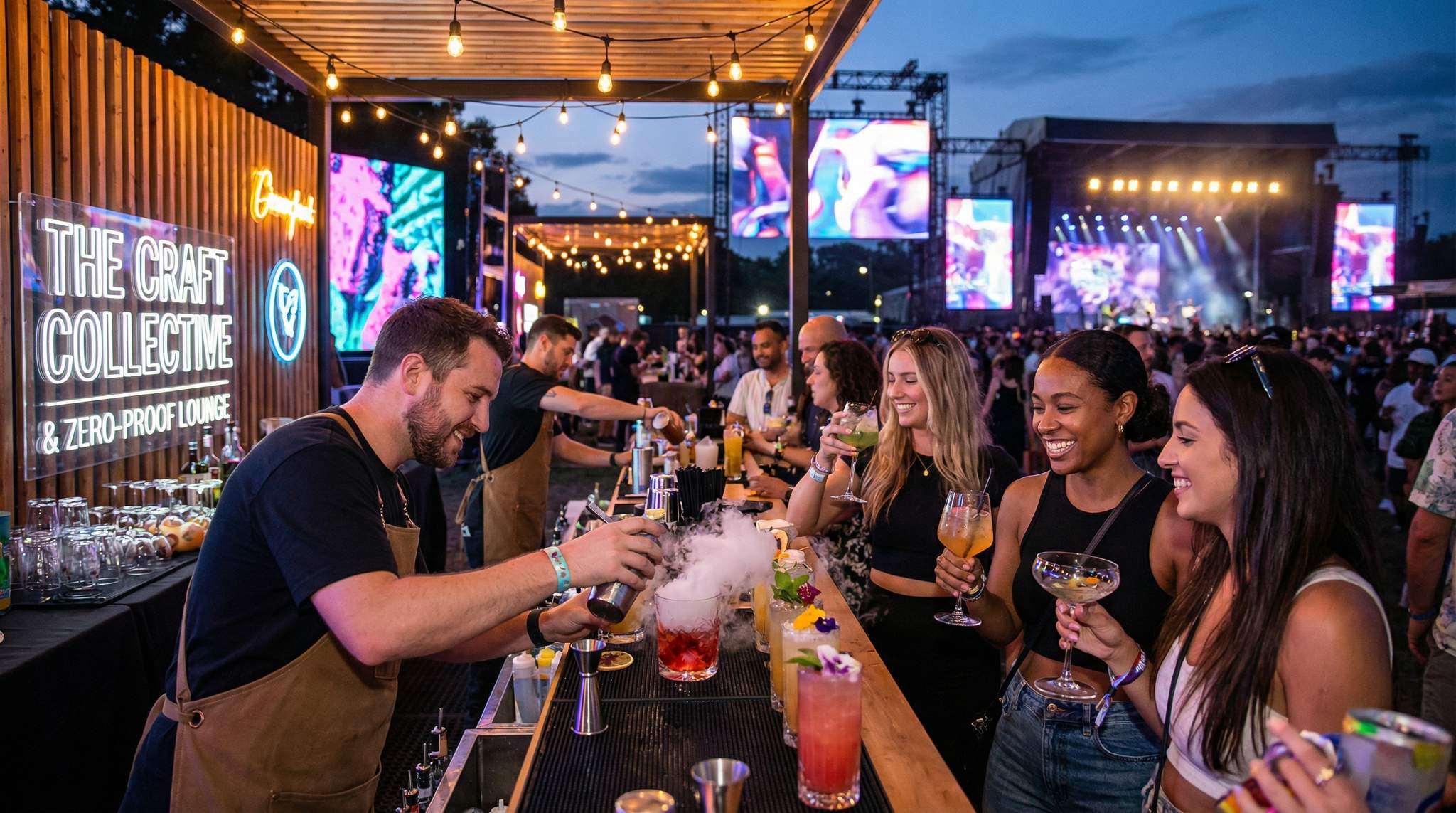
In 2026, craft cocktails are taking the spotlight at music festivals worldwide. No longer confined to swanky bars, mixology has made its way to the field, forest, and beach stages of festivals large and small. Attendees have developed a taste for quality, and they’re willing to pay premium prices for well-crafted drinks that elevate their experience. Festival producers are responding by swapping out basic well drinks and bland beer tents for inspired cocktail menus and skilled bartenders who can bring a bit of cocktail bar magic to the masses.
Elevating Festivals with Mixology
An emerging trend is festivals partnering with renowned mixologists and craft cocktail bars to design on-site drink experiences. For example, San Francisco’s Outside Lands festival introduced “Cocktail Magic” — a dedicated craft cocktail village featuring top local bars like Trick Dog and The Kon-Tiki serving signature drinks alongside gourmet bites, as seen when Outside Lands introduced cult cocktail bars. This eliminated the old “beer here, food over there” separation and let attendees enjoy mixology-level cocktails without leaving the music area. Similarly, Coachella in California has welcomed pop-ups from famous cocktail lounges in its VIP areas, and boutique festivals are hiring award-winning bartenders to curate their menus. These collaborations bring authenticity and expertise, ensuring that even in a muddy field, fans can sip a perfectly balanced mojito or a botanical gin concoction that rivals any city speakeasy. The buzz created by these cocktail bars – often decked out with stylish decor and lounge seating – adds an extra layer of luxury and uniqueness to the festival atmosphere.
Planning a Festival?
Ticket Fairy's festival ticketing platform handles multi-day passes, RFID wristbands, and complex festival operations.
Signature Drinks that Tell a Story
Festival producers are also creating signature cocktails tied to their event’s theme, location, or lineup. Crafting a drink that fans associate with your brand can become a memorable tradition (and a lucrative one). For instance, New Orleans’ Voodoo Music + Arts Experience has a famous “Voodoo Daiquiri” that plays on local cocktail culture, and at Electric Daisy Carnival (EDC) in Las Vegas, organizers introduced a neon-colored “Electric Lemonade” to match the festival’s EDM energy. Developing a festival’s own drinks – like a “Sunset Sangria” for a beach festival or a “Mountain Mule” (twist on the Moscow Mule) for a forest camping fest – not only gives attendees a unique taste to remember, but can drive sales as a must-try item. The branding opportunities are huge: these drinks are often given fun names related to stages or headliner songs, turning them into conversation pieces and social media darlings. Tip: Consider offering the signature cocktail in a collectible cup with festival artwork. Fans pay extra for the souvenir cup, you reduce waste with reusability, and the drink’s identity spreads as people carry those cups around.
Balancing Craft and Crowd Volume
One challenge of mixology at scale is maintaining speed and efficiency. Craft cocktails typically take longer to prepare than cracking a beer can, so festival bars must adapt to keep lines moving. Successful producers employ strategies like:
- Batch Pre-Mixing: Precise batched recipes can be prepared in bulk (minus perishable garnishes) so bartenders can pour quickly during rushes. For example, a large batch of spiced rum punch can be on tap, cutting individual mixing time dramatically.
- Streamlined Menus: Offering a focused menu of 3–5 cocktail options rather than a full bar speeds up service. Each drink can be optimized for quick assembly. Think pre-squeezed citrus, ready-to-pour mixes, and simple elegant garnishes.
- Dedicated Bar Roles: High-volume festivals often split roles – some staff take orders and handle payments, while others focus solely on mixing and pouring to maintain throughput without trouble. This assembly-line approach, akin to high-end cocktail catering, can significantly boost throughput. During peak times (e.g. a headliner changeover when 20,000 people hit the bars at once), such optimizations are vital to prevent excessive waits.
Festival case studies bear this out. At Lollapalooza Berlin, organizers found that by deploying extra “barbacks” as runners to replenish ice, cut fruit, and change kegs, their cocktail booths could serve far more guests per hour. Another tactic is positioning cocktail stations at multiple locations – not just one fancy bar in the VIP area. If you sprinkle smaller craft cocktail kiosks throughout the grounds, more people have access without long treks (and each kiosk can specialize in one signature cocktail for simplicity). The bottom line: with smart planning, festivals can deliver mixology quality and volume. Fans will remember the amazing drinks – and hardly notice that they never spent more than a few minutes in line to get them.
Pricing and Value Perception
Craft cocktails at festivals tend to command premium prices (USD $12–20 is common for a craft drink at U.S./European events). Attendees will pay it if they perceive value – meaning the drink is delicious, strong (but balanced), and well-presented. Transparent pricing and quality go a long way. Many veteran festival producers advise using real glassware or quality reusable cups in VIP areas to enhance perceived value, while in GA you might use branded hard plastic tumblers that customers can keep. Presentation counts: a zero-proof hibiscus ginger fizz in a tall glass with mint and candied ginger looks worth $10+, and fans are happy to indulge if it feels like a treat. This aligns with strategies for serving zero-proof drinks with pride. On the flip side, avoid skimping on portions or quality just to save cost – festival-goers are quick to complain if a $15 cocktail is mostly ice. It’s a delicate balance: set prices to cover your costs and training (craft ingredients and skilled staff are pricier than basic beer), but make sure the product justifies the price. Track what sells and solicit attendee feedback via your festival app or social media. If the artisanal mezcal margarita is $18 but barely selling, you may need to adjust the recipe or price point. With the right formula, craft cocktails can both delight guests and significantly boost revenue per attendee, as fans happily splurge on a few specialty drinks as part of their festival splurge.
Turn Fans Into Your Marketing Team
Ticket Fairy's built-in referral rewards system incentivizes attendees to share your event, delivering 15-25% sales boosts and 30x ROI vs paid ads.
Local Brews and Regional Flavors
Another major trend for 2026 is festivals doubling down on local brews, wines, and regional specialties. Craft beer’s boom over the past decade has transformed festival beer offerings from a generic pint of light lager into a curated tasting experience. Similarly, local wineries, cideries, and even craft distilleries are finding a place on festival grounds. Embracing local beverages not only supports the community and sustainability – it also gives festivals a unique flavor profile that can become a selling point for attendees.
Partnering with Craft Breweries
Festival organizers are forming partnerships with nearby microbreweries and craft beverage makers to bring authentic local taste to their events. This can range from inviting a dozen local breweries to pour in a “beer garden” area, to having one official brewery create a special festival-branded beer. A prime example is Outside Lands in San Francisco, whose “Beer Lands” tent features beer exclusively from California craft breweries, curated by a well-known local brewmaster, creating a dedicated Beer Lands serving local brews. What started as a small tent became such a popular attraction that it’s now a centerpiece of the festival, boasting 30+ regional brews and drawing beer enthusiasts in its own right to sample over 30 California craft beers. Other festivals have followed suit: the UK’s Download Festival introduced an on-site “Doghouse” craft beer bar in partnership with a local ale producer, and Mexico’s Corona Capital festival highlights Mexican craft cervezas alongside the namesake macro lager sponsor.
Need Festival Funding?
Get the capital you need to book headliners, secure venues, and scale your festival production.
For festival producers, these partnerships bring multiple benefits:
- Uniqueness: No two regions have the same array of craft producers. Featuring local IPAs, stouts, or hard ciders gives your festival a taste profile fans can only experience there.
- Community goodwill: Involving local businesses – breweries, wineries, cold brew coffee roasters, etc. – ingratiates the festival with the community. It shows you’re supporting area entrepreneurs, which can help with community relations and even permits. Many festivals report that partnering with local breweries or farms for F&B has strengthened community support for their event. For instance, organizers noted that partnering with local vendors like Love From helped create a more inclusive atmosphere and boosted the festival’s community reputation.
- Marketing boosts: The breweries and vendors often become additional promoters of the festival, sharing it with their loyal customers. A beloved microbrewery advertising that their taproom will be at your festival can pull in beer fans who might not have attended otherwise.
- Revenue sharing: Some festivals charge craft vendors a fee or revenue split to be in these specialty areas, adding to festival income. Others treat it more as a fan perk and focus on the indirect revenue via increased ticket sales and attendee satisfaction. Either way, it tends to pay off.
Festival-Exclusive Brews and Co-Branded Drinks
A particularly hot idea is commissioning exclusive beverages for the event. We’ve seen festivals large and small collaborate on limited-edition beers or spirits that carry the festival’s name or theme. For example, Belgium’s Tomorrowland worked with a local brewery to create a Tomorrowland-themed beer, and Oregon’s Pickathon festival annually teams up with craft brewers to produce a special beer (or kombucha) that’s only available at the festival. These exclusives generate excitement – attendees often seek them out as a collectible experience (some even take cans home as souvenirs if allowed). Co-branding can also attract sponsors: a regional distillery might become a sponsor by crafting a signature whiskey cocktail named after the festival. Just be mindful of exclusivity clauses with any major beverage sponsors; if a global beer brand is paying to be the official beer, you may need their blessing to also showcase small brews. Many forward-thinking festivals find a balance, such as letting the big brand be sold festival-wide but reserving a craft corner where indie brews pour freely. By negotiating creatively, you can keep sponsors happy and give craft vendors a platform.
Showcasing Regional Taste
Leaning into local beverages also means highlighting regional drink traditions. This goes beyond beer: a festival in Kentucky might feature a bourbon tasting lounge; a summer fest in Britain’s West Country could celebrate local farmhouse cider. In Japan, Fuji Rock Festival added a sake tent to showcase Japanese rice wine to international attendees. In India, festivals have begun offering lassi (a yogurt-based drink) and spiced chai alongside cocktails, to integrate local culture. These touches not only please local attendees who find their favorites on the menu, but they enrich the travel experience for visitors. A tourist flying in for a festival gets to literally taste the region’s culture. It’s the same logic driving food courts full of local cuisine at festivals, extended now to beverages. For festival producers, it’s a chance to differentiate your event. If your wine selection highlights only nearby vineyards, or your coffee vendor is a beloved neighborhood roastery, those details shape an authentic festival identity that touring mega-festivals can’t replicate.
Case in Point: Denmark’s Roskilde Festival worked with microbrewery Mikkeller to brew an official festival beer – an easy-drinking ale suited for long days – and also opened a “Roskilde Winery” wine bar featuring Scandinavian producers. The result was not just strong sales, but press coverage applauding Roskilde’s support of local craft culture. Many attendees reported that discovering new Danish beers on site was a highlight of their festival experience.
Logistics of Beer Service at Scale
Featuring craft beverages is fantastic, but producers still need to nail the logistics – especially for beer, which is often the highest volume alcohol category at festivals. Large events have learned from both successes and disasters in this area. A legendary example is Wacken Open Air (Germany), which saw its 75,000 metalhead attendees consuming so much beer (roughly 400,000 liters over 3 days, prompting organizers to construct a beer pipeline for Wacken) that organizers built a 7 km underground beer pipeline to keep the taps flowing! This investment prevented countless keg delivery runs that would have torn up the grounds, and it ensured beer never ran dry even during the heaviest metal thunder. While a pipeline is an extreme case, it underlines the importance of anticipating demand.
For most festivals, key best practices include:
- Adequate Taps and Pourers: Long beer lines can sour attendee mood quickly. Aim for enough tap stations and bartenders to handle peak rush (many events plan at least 1 bar point per ~100-150 attendees in peak hours, adjusting based on pour speed). Self-serve beer vending machines or “beer-wall” taps can supplement staff, allowing tech-savvy guests to pour their own pint via RFID wristband – increasing throughput.
- Efficient Cooling and Supply: Warm beer is a cardinal sin. Use high-capacity draft systems with proper refrigeration (cold rooms or jockey boxes). Keep backup kegs chilled and ready to swap. If the festival spans a large area, consider multiple smaller beer storage depots near different stages to reduce the distance staff must haul kegs. Some events deploy golf carts or small vehicles as “beer runners” to quickly ferry kegs and CO? tanks as needed.
- Beer Variety vs. Simplicity: Too much variety can slow service (if every order is different). Strike a balance – offer a range (e.g. a light lager, a hoppy IPA, a cider, maybe a sour or stout) but not 20 choices at a single booth. Many festivals smartly dedicate different bars to different brews: e.g. one craft beer tent for ales and IPAs, another for canned popular beers, etc., to segment the lines.
- Training for Foam Management: Staff should be trained to pour beer efficiently with minimal waste (spilling and foam kill speed and profit). Experienced beer fest servers know how to adjust tap pressure and tilt cups for a perfect pour in seconds. Teach these skills to all bar staff – a quick mini-training before gates open can save gallons of beer and lots of time during the event.
By embracing local brews and mastering the service logistics, festivals create a win-win: attendees rave about the choices, and organizers tap into a powerful revenue stream. The smell of hops in the air and the sight of unique brewery names on taps only adds to that sense of place that modern festival-goers adore.
The Rise of Alcohol-Free Bars & Mocktails
Gone are the days when a festival’s idea of a non-alcoholic offering was a single soda stand or free water. In 2026, zero-proof drinks are taking off at festivals, driven by both demand and a new understanding that inclusivity makes for a better festival. Attendees who don’t drink alcohol – whether for health, faith, age, or just personal preference – are a growing demographic that expects exciting options, not an afterthought. Festival producers worldwide are responding by investing in alcohol-free bars, creative mocktails, and low-ABV alternatives that ensure everyone can raise a flavorful glass on site.
Sober-Curious Attendees Fuel Change
The cultural shift toward sobriety and mindful drinking has hit the mainstream. Health agencies and trend analysts note that young adults today drink less than previous generations – many are outright sober-curious, exploring sobriety as a lifestyle. In the UK, nearly half of young adults (about 44%) now regularly drink low- or no-alcohol beverages, leading festivals like Parklife to introduce alcohol-free bars. Globally, the non-alcoholic beer and spirits market is booming, with U.S. sales of alcohol-free drinks exceeding $500 million in 2024, growing 30%+ year-over-year, confirming that non-alcohol is a mindful moderator in the market. Festival organizers can’t ignore these numbers. Not only is there a responsibility to cater to diverse preferences, but there’s real money on the table: sober attendees will spend on drinks if appealing options exist (just because someone isn’t drinking liquor doesn’t mean they don’t want to buy a fun beverage!). Moreover, a festival that visibly supports non-drinkers in enjoying themselves stands to gain a reputation for inclusivity and forward-thinking hospitality.
“Offering great alcohol-free drinks is now considered part of a smart beverage strategy” notes one boutique festival guide focused on keeping attendees hydrated and happy. It’s not just for the minority who abstain entirely; many moderate drinkers alternate alcoholic and non-alcoholic beverages to pace themselves. By normalizing alcohol-free choices, festivals keep attendees hydrated, happy, and often staying longer into the night because they aren’t getting exhausted or overly intoxicated early. In fact, veteran organizers report that providing enticing zero-proof options often means higher overall spend per guest – attendees might have that craft mocktail in between beers instead of switching to free water, resulting in additional sales without any downside.
Creative Mocktails and Zero-Proof Bars
The heart of this trend is the emergence of dedicated alcohol-free bars and mocktail menus on festival grounds. These aren’t your standard “soda and juice” stands – we’re talking full-fledged mixology experiences without the booze. For example, the UK’s Parklife Festival in 2024 launched its first ever alcohol-free bar in partnership with a local alcohol-free pop-up called Love From. The bar served crafted mocktails, zero-alcohol beers, and alcohol-free spirits in cocktails, and it was placed in a prime spot on the grounds, not hidden away. The bar, run by alcohol-free pop-up Love From, was a direct response to demand for inclusive festival environments. Parklife’s organizers reported huge uptake and positive feedback, with young attendees thrilled that the booze-free crowd had a trendy place of their own. This move, championed by Parklife co-founder Sacha Lord, was about “running an inclusive festival” as much as it was about sales, according to Parklife co-founder Sacha Lord.
Other festivals have been quick to innovate as well. Carnival Oasis 2024, a Caribbean music festival, put sophisticated tropical mocktails center stage, garnished with fresh fruit and herbs to be just as eye-catching as the rum cocktails, putting satisfying zero-proof options center stage. In California, the wellness-focused Lightning in a Bottle festival integrated a “elixir bar” serving herbal tonics, kombucha mocktails, and CBD-infused sparkling drinks – blending the line between beverage and functional wellness experience. Even massive events like Belgium’s Tomorrowland now include alcohol-free beer options and zero-proof cocktails on their menu, often highlighted with equal billing as the beers and wines. The trend is clear: zero-proof is no longer a sideline – it’s mainstream.
So, how can festival producers execute a winning zero-proof program? A few best practices:
- Craft, Don’t Compromise: Design alcohol-free drinks with the same creativity and care as alcoholic ones. That means interesting flavor profiles (e.g. a spritz with elderflower, mint, and yuzu) and quality ingredients. Many festivals borrow techniques from craft cocktail bars – using fresh-squeezed juices, homemade syrups, bitters, and eye-catching garnishes. The first step is treating zero-proof ingredients with respect and ensuring they become a core part of the beverage lineup. The goal: a zero-proof drink should look and taste so good that even drinkers are tempted by it.
- Dedicated Menu Section: Feature non-alcoholic specialties prominently on bar menus or even have separate “Zero-Proof” menu boards. Don’t just list “soda” – give enticing names to signature mocktails. Some events use terms like “Spirit-Free Cocktails” or “Mocktail of the Day” to market them. The more visibility, the more normalized it becomes for any attendee to order one.
- Skilled Bar Staff: Train your bartenders to make the mocktails with the same enthusiasm. A common pitfall is bar staff treating a non-alcoholic order as second-class (“Here’s your soda…”). Instead, ensure staff are versed in describing the zero-proof options with excitement – “Our Sunshine Spritz is a tangy mix of yuzu, elderflower, and mint – super refreshing!” Training staff on the specifics of non-alcoholic options is crucial. This positive framing removes any stigma and actually drives more sales; people see others enjoying colorful mocktails and want to try them.
- Prime Placement: Don’t tuck the alcohol-free drinks in a distant corner. The best approach is integration side by side with regular bars or in high-traffic hubs. Placing these options in prime locations of the festival ensures visibility. For instance, having a well-decorated, inviting “zero-proof cocktail lounge” adjacent to a main music stage can attract even curious drinkers. By placing alcohol-free options at the heart of the event, festivals send the message that these drinks are for everyone, not just for designated drivers or a niche group.
Low-ABV and “Better for You” Beverages
Beyond fully zero-proof offerings, many festivals are expanding the range of low-ABV drinks and other “better-for-you” beverages. Hard kombucha, session IPAs (light alcohol beers), and wine spritzers are increasingly common on menus, appealing to those who want to drink but lightly. For example, Australia’s Splendour in the Grass festival reports strong sales of mid-strength craft beer and hard seltzers around 4% ABV – attendees appreciate having lighter options to stay buzzed but not blitzed on long festival days. Similarly, some U.S. festivals now offer canned cocktails in lighter versions (like a ready-to-drink paloma at 5% ABV) which sell well particularly during daytime hours when pacing is important.
There’s also a wellness angle: drinks with functional benefits are trending. Think electrolyte-infused sparkling waters, CBD drinks (in regions where permitted), or adaptogenic herbal sodas. These can be great additions to the non-alcoholic menu, catering to health-conscious festival-goers. After dancing for hours, a cold can of electrolyte lemonade or a vitamin B12 boosted juice can be a welcome recharge – and yes, festivals can charge a premium for these since they’re value-added. Some events even partner with sports drink or coconut water brands to set up hydration stations, turning a necessity (water) into an experience (branded hydration lounges with free samples of new zero-sugar flavors, etc.). In all cases, the guiding principle is choice: by 2026, attendees expect a spectrum from 0.0% ABV up to the hard stuff, and everything in between. The festivals that provide that range are earning praise – and creating safer, more comfortable environments for all.
Upgrading the Soft Drink Experience
When evaluating the best sodas to serve at events in 2026, organizers are moving far beyond the traditional cola-and-lemon-lime fountain guns. Today’s attendees are looking for premium, functional, and artisanal options. The carbonated drinks creating buzz in 2026 include prebiotic sodas, botanical sparkling waters, and small-batch craft colas that feature natural sweeteners like agave or stevia. For promoters, stocking the best soft drinks for outdoor festivals means prioritizing refreshing, thirst-quenching profiles—such as yuzu citrus spritzes or ginger-turmeric sparkling tonics—that hold up well over ice in the summer heat. These elevated soda varieties not only cater to the sober-curious demographic but also command a higher price point, transforming a historically low-margin afterthought into a premium revenue driver.
Business and Safety Upsides
It’s worth highlighting the business case and safety benefits of embracing alcohol-free culture. Festivals that have rolled out robust zero-proof programs often see a few key outcomes:
- Higher Total Sales: Rather than cannibalizing alcoholic sales, zero-proof drinks tend to be incremental. Attendees who might have stuck to free water or one beer are now buying a fancy mocktail in between. More product choices = more opportunities to spend. Many organizers quietly note that some of their alcohol-free cocktails have among the highest profit margins of any drink (a $8 ginger-mint mocktail has low ingredient cost, and you’re not paying for expensive liquor). When done right, it’s profitable hospitality.
- Longer Attendee Engagement: Simply put, guests who aren’t overly drunk at 6pm will stay for that 10pm headliner and possibly buy dinner, late-night coffee, and next-day tickets. By encouraging mindful drinking, festivals reduce early drop-offs and keep people enjoying themselves (and spending) for the full event duration. Some event producers also observe that the crowd energy stays positive and upbeat longer when more people mix in some non-alcoholic rounds – fewer messes and medical incidents to dampen the vibe, leading to a safer and more positive atmosphere.
- Safety and Reputation: A tangible effect of offering alternatives is fewer extreme intoxication cases. Medical tents at festivals that push hydration and zero-proof report lower alcohol-related incidents. That’s a relief on resources and a big win for attendee safety and festival reputation. No organizer wants headlines about hospitalizations or drunk driving incidents tied to their event. Providing plenty of options (and even gently incentivizing them, like free water refills or prominent mocktail stalls) helps fans moderate by choice. In turn, security deals with fewer fights or injuries, and everyone has a better time. Sponsors and authorities take note of this responsible approach, which can make it easier to get permits and partnerships. As one festival director succinctly put it: “Empowering sober or sober-curious attendees with great choices isn’t just altruistic; it’s a win-win that can boost a festival’s reputation, revenue, and safety record.” This approach helps in boosting festival reputation and revenue.
Global Flavors and International Inspirations
In a world where music festivals draw attendees from across the globe and showcase artists of all nationalities, it’s only fitting that global flavors are finding their way into festival drink menus. 2026’s trendsetting events are moving beyond the standard bar lineup by incorporating international drink styles and ingredients – both alcoholic and non-alcoholic – to delight cosmopolitan crowds. Curating a beverage program with global inspiration not only satisfies diverse palates but also adds an adventurous spark to the festival’s culinary profile.
World-Inspired Cocktail Creations
One way festivals are bringing global flair is through internationally inspired cocktails. Instead of the usual gin and tonic, you might find a Japanese-inspired yuzu margarita, a Brazilian açai caipirinha, or a Caribbean mango-habanero rum punch on the menu. These creations often tie into the festival’s theme or artist lineup. For example, at a Latin music festival, bars could feature aguas frescas (fresh fruit drinks) spiked with tequila or mezcal for a true taste of Mexico. A K-pop themed event might serve soju-based cocktails (soju is a popular Korean spirit) or refreshing Korean-style iced coffees. By aligning drink options with cultural themes, festivals create a more immersive experience – attendees feel like they’re traveling the world without leaving the venue.
Some festivals set up “global cocktail” booths or districts, each highlighting a different tradition. Coachella’s 2025 VIP area toyed with this idea, offering a Tiki bar (Polynesian-inspired tropical cocktails), an Apéritif bar (European-style spritzes and vermouth drinks), and a South American bar (pisco sours and caipirinhas). The variety encouraged VIP guests to bar-hop between cultures. Even in general admission, you can incorporate global elements: add a popular international beer or two (Japanese Sapporo, German weissbier, Jamaican Red Stripe) to the beer list, or include a famed cocktail like an Aperol Spritz or Mojito as a nod to Italy or Cuba. These touches are fun for attendees – many love trying a drink from a place they dream of visiting – and they broaden the festival’s appeal to international visitors who appreciate seeing something familiar from home.
Non-Alcoholic Beverages from Around the World
Global flavors aren’t limited to liquor. Festivals are also introducing international non-alcoholic favorites to refresh the crowd. Bubble tea (the Taiwanese tea with tapioca pearls) has popped up at a few western festivals, leveraging its worldwide craze among young people. In hot climates, stalls selling coconut water straight from the coconut (a staple in many tropical countries) or Indian-style spiced limeade (nimbu pani) provide both a cultural experience and much-needed hydration. We’ve seen Middle Eastern influences too: lemonade infused with mint, Turkish coffee carts for a caffeine jolt, and even kombucha on tap flavored with Asian fruits like lychee or yuzu.
One particularly innovative example is a festival in London that created a “Global Sips” booth featuring a rotating menu of alcohol-free drinks from various countries each day – Thai iced tea and Malaysian bandung (rose milk drink) one day, then Italian Sanbitter sodas and Argentinian maté tea the next. The concept educated attendees about different cultures’ beverages and gave non-drinkers something novel to explore beyond the ubiquitous cola. It was a hit, often selling out by evening as curious festival-goers lined up to try the day’s special. The lesson: creativity with global N/A drinks can pay off, just like with global cocktails, especially as festivals welcome an increasingly international audience.
Embracing Cultural Celebrations
Festivals stepping into new regions or aiming to attract diverse communities are making a point to respect and celebrate those cultures through F&B. For instance, when AfroNation (a global Afrobeats festival) expanded to Ghana, the event featured local palm wine and sobolo (a spiced hibiscus tea) alongside international beverages, making local attendees feel seen and introducing visitors to Ghanaian tastes. In multicultural cities like Toronto or Melbourne, festivals actively consult with community groups to ensure the bar offerings include favorites of major ethnic groups in attendance. This could mean offering Halal-certified craft sodas or non-alcoholic malt drinks for Muslim attendees, or stocking popular Indian whiskey and Japanese whisky brands because those communities might have a taste for their home styles.
The key is research and representation. Use ticketing data or surveys to understand who your audience is – if you have a large contingent of attendees from, say, Latin America, adding a familiar brand of Mexican beer or a Fernet and cola cocktail (beloved in Argentina) could really resonate. Likewise, showcasing drinks tied to certain cultural festivals or holidays can be cool: imagine a Chinese Lunar New Year themed cocktail at a spring festival, or a Scandinavian glögg (mulled spiced punch) at a winter fest. These special touches spark conversations and learning, turning a simple drink purchase into a mini cultural exchange.
Collaborations with Global Brands and Experts
Another angle is partnering with global drink brands or celebrity bartenders for exclusive appearances. It’s not uncommon now for a major spirit brand to host a themed bar experience at festivals (e.g. a “Taste of Tokyo” bar by a Japanese whisky brand, complete with décor and guest mixologists). Festivals benefit by getting high-quality content (the brand often builds a fancy activation space and provides professional staff), while the brand gets to engage directly with thousands of festival-goers. Just be sure any branded bars align with your vibe and are value-adding for attendees, not just marketing. The best ones offer something unique – like free tastings of a new flavor, cocktail classes, or immersive decor that fits the theme. For example, at Singapore’s ZoukOut festival, a global vodka brand created an “Arctic Dome” bar serving chilled cocktails in an ice-cave environment; it fit the nightlife theme and gave fans a memorable chill-out zone.
Festivals aiming for an upscale or worldly reputation might also invite international star bartenders or sommeliers to curate experiences. There have been music festivals that included a “wine tasting hour” with a famous sommelier for VIP ticket holders, or a one-night pop-up of an Asia Top 50 cocktail bar on the grounds. These types of collabs bring press buzz and attract aficionados (some people literally travel to festivals for the F&B almost as much as the music). They work best when integrated seamlessly – for instance, a renowned tiki bartender could run the festival’s tiki bar all weekend, elevating quality across the board. As with everything, execution is key: you need the infrastructure to support them (e.g., enough stock of their required ingredients, proper glassware, etc.). But when done right, globally inspired drink programming can become a defining feature of your festival, one that both attendees and media will talk about long after.
Appealing to Tourist Attendees
Finally, consider the role of beverages in serving festival tourists. Many festivals, especially destination events, attract attendees flying in from other countries. These guests often seek out local experiences – they likely didn’t travel to drink the same big-brand beer they have at home. Offering regional craft drinks and global variety is a form of hospitality to out-of-town visitors. It says “we welcome you” in a language everyone understands: food and drink. This can be particularly powerful if your festival coincides with cultural moments. For example, during Oktoberfest season, even non-German festivals might stock a few Märzen beers or pretzel and beer combo specials to draw in those in the celebratory mood.
In summary, exploring global flavors in your drink lineup is an effective way to delight a diverse crowd and set your festival apart. It turns your bar from just a service into an attraction. Just be sure to pair this ambition with practical planning: sourcing authentic ingredients, training staff on unfamiliar recipes, and ensuring you meet any import or licensing rules for exotic beverages. Do it right, and your festival will be as much a journey for the taste buds as it is for the ears.
Vendor Selection and Menu Curation
Behind every great festival drink lineup is a series of smart decisions about vendors and menus. Choosing the right partners to provide beverages – whether it’s in-house operations, contracted bar operators, or independent vendors – can make or break the attendee drink experience (and your profitability). Likewise, curating a menu that hits all the right notes for your audience requires a mix of data, creativity, and understanding your event’s identity. In this section, we dive into how to select beverage vendors and craft a menu strategy that aligns with your festival’s goals.
Choosing the Right Beverage Partners
Many festivals rely on external vendors or concessionaires to run bars and beverage stands. Others handle some or all bars in-house with hired staff. Either way, vetting and selecting partners is crucial. Here’s a breakdown of key criteria and options:
| Selection Criteria | What to Consider | Tips/Examples |
|---|---|---|
| Vendor Experience & Capacity | Can they handle your crowd size and service speed? | Look for proven volume service (e.g. partners from sports stadiums or large events). Ask for references from past festivals of similar scale. Consider a mix of big operators for main bars and smaller niche vendors for specialty stands. |
| Quality & Variety | Will they offer diverse, high-quality products? | Ensure their portfolio matches your vision. If you want craft variety, don’t pick a vendor who only knows how to serve basic beer. Some festivals set minimum quality standards (e.g. fresh juices, local brands) in vendor contracts. Conduct tasting interviews if needed. |
| Compliance & Training | Are they properly licensed and do they train staff in responsible service? | Verify liquor licenses, insurance coverage, and safety certifications. Many jurisdictions require Responsible Beverage Service training – make sure vendors adhere. It’s wise to include in contracts that all bar staff must be certified (e.g. TIPS in the USA, RSA in Australia). |
| Financial Terms | How do they charge or share revenue? | Common models: a flat fee for booth space, a percentage of sales, or a hybrid. Negotiate what makes sense – a revenue share can incentivize vendors to perform (they’ll push sales if they benefit). Be clear on pricing controls: you might set the drink prices festival-wide or allow vendor input. |
| Alignment with Festival Values | Do they fit your branding, sustainability, and community goals? | For instance, if sustainability is key, choose vendors with eco-friendly practices (reusable cup programs, minimal plastic). If community vibe matters, lean toward local family-owned businesses over national chains. Fans notice the difference! |
Some festivals issue an RFP (Request for Proposal) to beverage service companies well in advance, outlining the expected scope (number of bars, hours, types of drinks) and then compare bids. Others might directly approach known entities – perhaps the same trusted bar company that has handled another festival successfully. If you’re going with multiple craft vendors (like a dozen breweries), a curated approach works: maybe partner with a local brewers’ guild to select participants, or have a tasting event to pick which craft vendors get slots. Remember, each vendor you bring in becomes a part of the attendee experience, so choose those who share your commitment to quality service.
Balancing Big Brands and Independents
A strategic decision for producers is how to balance major beverage sponsors versus independent offerings. Large brands (beer companies, soda corporations, energy drink sponsors) often bring big dollars in sponsorship – but usually with exclusivity. That can restrict what you can serve. For example, a deal with a major beer sponsor might forbid selling any competitor’s beer. Festivals must weigh the immediate financial boost of sponsorship against the flexibility of diverse options.
One approach is to negotiate carve-outs. Even if you have a big beer sponsor, try to allocate a small portion of your beverage program to craft or local options. For instance, maybe the sponsor’s beer is sold at all main bars, but you are allowed a “Craft Corner” with 5-10 local brews. The sponsor might agree, especially if those locals aren’t direct national competitors (and you can position it as supporting local community, which sponsors appreciate for PR). Similarly, if a soft drink company sponsors, see if you can still serve unique non-cola beverages like regional iced teas or coconut water, which don’t directly compete. Many festivals successfully mix both worlds: fans who want the familiar big-brand Lager can get it, while those seeking an indie IPA can head to the specialty tent – and the festival reaps benefits of both the sponsorship cash and the goodwill from offering variety.
In some cases, festivals have eschewed big sponsors entirely to cultivate an image of authenticity. This strategy can work for boutique and niche events: the “Craft Beer & Folk Music Fest” might proudly proclaim that every drop of beer comes from within 50 miles, no mega beer allowed. It appeals strongly to a target audience, differentiating the festival in marketing. Of course, turning down sponsorship is easier if you have other revenue or funding. For many general music festivals, the reality is a blend: a main beverage sponsor anchors the menu, and independents add color around the edges. Transparency and fairness with vendors is important here – if small vendors are coming in, don’t surprise them last-minute with rules like they can only sell if the big sponsor’s product runs out, etc. Integrate them thoughtfully so each has a fair shot to succeed.
Designing a Menu for Your Audience
Crafting the optimal drink menu is an art and a science. A winning festival menu hits several targets:
- Broad Appeal: Cover the bases – beer, wine, cocktails, non-alcoholic, hot drinks (if weather calls for it). Even if your theme is narrow, have at least a token option for common preferences. For example, a wine-heavy festival should still offer a beer or two; a craft beer fest might include one cider or hard seltzer for the gluten-free or non-beer crowd. Don’t let a segment of attendees feel completely left out.
- Specialty Highlights: At the same time, highlight what makes your event special. If your crowd loves EDM and neon, maybe your specialty cocktails are colorful and served in light-up cups. If it’s a foodie-forward festival, perhaps wine and cocktail pairings with certain food vendors are featured. For family-friendly events, creative non-alcoholic drinks or novelty sodas (think wild flavors or floats) might be front and center. Tailor the star items to your demographic and theme.
- Price Variety: Not everyone wants to spend $15 on a cocktail every time. A good menu has a range of price points: some affordable go-tos (like standard beer, house wine, basic mixed drinks) and some premium choices (top-shelf spirits, fancy craft cocktails, large format drinks). This way you cater to both the budget beer drinker and the splurger who’ll buy champagne at sunset. Also consider portion sizes – offering a smaller size beer (say 12 oz) at a lower price alongside pints can let people moderate spending and consumption.
- Dietary and Allergen Inclusion: A detail many are now considering: ensure the menu is marked for any common allergens or dietary concerns. For instance, some cocktails use egg whites (a potential allergen) – note that on the menu. Offer at least one gluten-free beer or cider for those with celiac disease (traditional beer has gluten). Have a couple of low-sugar or diet options for diabetics or the sugar-conscious (e.g. zero-sugar mixers available). These small inclusions matter. Leading festivals optimize their food & beverage mix by clearly marking allergen info and providing alternatives. It builds trust and safety.
When organizers analyze what beverages do people rely on at music festivals, the data consistently points to a mix of high-energy stimulants (like cold brew coffee and yerba mate) for daytime stamina, electrolyte-enhanced waters for rapid hydration, and familiar, sessionable festival drinks (like light lagers or hard seltzers) that can be consumed safely over a 10-hour day. Balancing these reliable staples with your trendy, high-margin specialty items ensures that both basic survival needs and experiential desires are met.
When curating, draw on both data and testing. Look at sales data from previous years (if available) to see what sold and what didn’t. Survey your ticket buyers on what they’d like to drink (some fests send fun polls via email or social media – e.g. “What beer style should we feature this year?”). You can even hold tasting sessions with staff or a focus group of fans to refine recipes. The effort put into menu design will show on site when people are giddy about the choices rather than grumbling “nothing good to drink here.”
Finally, print menus and signage that make navigation easy. Large festivals should distribute a festival map highlighting all bar locations and their specialties – for instance, mark which one has craft cocktails, which one has frozen drinks, etc. The festival app or website should have a menu listing as well, so serious connoisseurs can plan their drink stops. These touches prevent a common frustration of attendees wandering to three bars asking “do you have wine?” or “anything non-alcoholic?” only to find limited options – because they’ll know exactly where to go. In essence, treat your beverage program with the same respect as stage schedules: give info to help attendees customize their experience.
Real-World Example: Menu Curation in Action
To illustrate menu curation, let’s say we’re organizing a hypothetical “Global Beats Festival” expecting 20,000 attendees with a mix of local and international music fans, many aged 20s-30s (health-conscious but also looking to party). A possible menu strategy:
- Beer: Offer 4 types – a domestic light lager (for mass appeal), a local craft IPA (trendier option), an imported German pilsner (for global flair), and a gluten-free cider. This covers casual drinkers, beer geeks, and dietary needs.
- Wine: Keep it simple but quality – maybe a red, a white, and a rosé, all from regional wineries (promoted as “local vineyard selections”). Plus one sparkling option for celebratory vibes.
- Cocktails: Feature 3 signature cocktails: “Global Groove” (a tiki-style rum punch with tropical juices), “Zen 0.0” (a zero-proof cucumber-mint cooler, clearly labeled alcohol-free), and “Sunset Spritz” (an Aperol Spritz for a light, Euro touch). Each has a distinct flavor profile and visual appeal, and at least one is non-alcoholic by design. Also have basics like vodka soda on the menu for those who keep it simple.
- Non-Alcoholic: Beyond the zero-proof cocktail above, include a couple of craft sodas or iced teas (e.g. a berry kombucha, a mango iced tea), and ensure free water stations are noted as well.
- Special: Because it’s a global theme, add one rotating daily special cocktail representing a different region (advertise on social media each day: Friday = Mexican michelada, Saturday = Japanese highball, Sunday = Brazilian tropical mocktail). This keeps it fresh and encourages multi-day attendees to try something new each day.
By structuring it this way, we’ve hit diversity, we’ve embedded local elements (local beer and wine), global inspiration (tiki, spritz, etc.), inclusive zero-proof choices, and clear anchors for marketing (signature cocktails to push on social media). This is the kind of holistic planning that separates a generic bar list from a killer festival beverage menu that people will rave about.
Logistics and Service Efficiency
The best-crafted drink menu means little if festival-goers can’t get their beverages smoothly. Long lines, slow service, or running out of stock can quickly sour the attendee experience (and hurt sales). Logistics and service efficiency are the unglamorous but essential backbone of a successful beverage program. This section covers how to design bars, leverage technology, train staff, and manage inventory so that drinks keep flowing without a hitch, from the first act to the encore.
Optimized Bar Layout and Design
“One of the first keys to a smooth beverage operation is bar design” notes a festival operations guide on ensuring throughput without trouble. A well-planned bar layout can dramatically increase throughput. Key principles include:
- Sufficient Serving Area: Bars should be long enough to accommodate multiple service points. Instead of one or two bartenders at a small booth, a 30-foot bar with 6-8 bartenders allows far more simultaneous orders. For big festivals, multiple massive bars (or repeating bar units in each zone) are a must.
- Clear Queuing: Use signage and physical barriers (stanchions, railings) to organize lines. A single-file line per cashier or bartender works better than a chaotic crowd. Some festivals paint footprints or use rope lines to subtly direct where to stand. Reducing confusion at the bar front speeds up each transaction because people aren’t jockeying for position.
- Point-of-Sale Placement: The cash register or POS terminal placement matters. Some events pull the cashiers slightly forward of the bar – attendees pay or show tokens first, then move to where drinks are handed over. This separation can prevent payment processes from holding up pouring. If bartenders handle both tasks, make sure each has a dedicated POS so they don’t wait on each other.
- Equipment Layout: Within the bar, set it up for speed. Ice bins, liquor bottles, keg taps, and garnishes should be within easy reach of staff (no one should be running to a back tent for more vodka in the middle of a rush if it can be helped). High-capacity ice wells, multiple keg taps, and duplicates of popular liquor at different stations along the bar will reduce congestion behind the counter.
- Dedicated Lines for Simple Items: If feasible, have a “fast lane” for water/soft drinks or beer only. For instance, a small separate counter that only sells cold cans of beer and water can peel off those quick transactions, alleviating the main bar. Some festivals employ roaming vendors or hawkers for water and beers in the crowd – these mobile sellers can take pressure off the fixed bars during peak times (and increase impulse sales!).
A case study from a large U.S. festival showed that simply reconfiguring one main bar from a single 8-person line into four lines with two staff each increased the number of drinks served per minute by over 50%. Similarly, at events like Glastonbury, planners analyze choke points each year and have added more decentralized bar outlets (smaller bars spread out) to avoid massive queues. The lesson: keep evaluating and iterating your bar layouts. If you see a particular bar always has a 30-minute wait, that’s a sign to expand it or add a second bar nearby next year.
Embracing Technology for Speed
2026 is bringing more tech into festival beverage service than ever – and the good news is, it’s tech that actually works. Going cashless is one such innovation now proven to speed up transactions. When attendees pay with RFID wristbands or contactless mobile payments, it’s typically quicker than fumbling for cash or cards, and it keeps lines moving. One industry analysis found that moving to cashless/contactless systems “increased the number of transactions by 119%… Fans made more small, frequent purchases” by moving to cashless payments, and overall sales jumped ~22%, making spending easier and faster. Many festivals also notice that cashless payments shorten each transaction by several seconds – which adds up to hours saved over thousands of transactions.
Beyond payments, festivals are experimenting with mobile ordering apps for drinks. For example, some events let attendees order a drink from a phone app and then pick up at a dedicated window when it’s ready. This can work well in VIP areas or less crowded times, but during peak, fulfillment can get tricky. Still, offering an order-ahead option for certain bars (or even a waiter service in VIP cabanas via app) can cater to those willing to pay a little extra for convenience. If implementing, ensure there’s a cap or throttle so the bar isn’t overwhelmed with more orders than it can make in real-time.
Another tech approach is self-serve beverage dispensers. We touched on beer vending machines; these typically require an attendee to pre-load credit and age-verify (often tying into their wristband) then they can pour their own pint from a machine or tap wall. The machines limit how much one person can pour before re-verification (to promote responsible consumption). Festivals in Europe have used RFID beer walls successfully – cutting down queue times since 10 people can pour at once rather than waiting on 2 bartenders. Similarly, Coca-Cola’s Freestyle drink machines (touchscreen soda fountains) have made appearances in family areas, letting kids mix their own funky soda flavors without any staff needed. Self-serve can speed things up if the environment is right and backups are available (you need staff on hand to fix jams or check IDs for alcohol machines). But it’s promising especially for simple high-volume items.
Lastly, data analytics tools can predict and prevent issues. Smart inventory systems track keg levels and can alert managers when a particular bar is an hour away from running out, so they can proactively re-stock before taps run dry. IoT-connected coolers and sensors are emerging that monitor temperature, track foot traffic near bars, and more, allowing managers to monitor throughput per bartender. These technologies are still cutting-edge, but some festivals are piloting them to optimize bar staffing and placement dynamically. Even without fancy systems, just use your POS sales data each day: if one bar sold twice as many vodka sodas as another, maybe reassign a bartender or move some stock accordingly for the next day.
Staff Training and Incentives
Even with great layout and tech, the human element remains vital. Well-trained, motivated staff can dramatically alter bar efficiency and guest satisfaction. Start with pre-festival training sessions for all bar staff and volunteers. Cover the menu in detail (they should know the ingredients of specialty cocktails and the differences between the beers on tap), the POS system, and responsible service policies. Emphasize speed techniques: for example, taking multiple orders at once, using both hands to prepare two drinks in tandem, or pouring several beers in a row and then taking payment for all – versus doing one complete order at a time. Teach the concept of “pours per minute” as a KPI, something top festivals use to measure how many drinks each bartender dispenses in a given time, tracking the number of transactions per minute. Making staff aware of these metrics can instill a sense of pacing and pride in improving their throughput.
Also train on customer service at the bars. A friendly, efficient interaction (“Hello! Two beers? That’ll be $14 – cashless accepted. Here you go, enjoy!”) can leave a positive mark even if the wait was long. Conversely, a rude or slow bartender will be all an attendee remembers. Role-play some scenarios, including how to politely refuse service to someone visibly intoxicated, how to upsell (“Would you like to try our festival special cocktail? It’s a hit today.”), and how to handle equipment hiccups (like a keg blowing out mid-rush – they should know to immediately signal for a replacement keg without panicking). Equipping staff with radios or a reliable way to contact supervisors can also cut down response times for any issues.
To motivate staff, some festivals implement incentives or competitions. For instance, track sales by shift or by bar, and reward the highest performers with a bonus or a shout-out. Healthy competition (“Bar A served the most drinks during the headliner set – let’s all try to beat that tomorrow!”) can boost morale. If budget allows, provide small perks: free meal vouchers, festival merch, or even a dedicated chill-out zone with refreshments for staff breaks. Hydrated, happy bartenders will work faster and more accurately than fatigued ones. Keep an eye on shift lengths and make sure everyone gets breaks – burnout leads to errors and slowness as the day wears on.
Another trick is to cross-train some floating staff. These are folks who can jump in where needed – maybe volunteers or extra runners who aren’t tied to one bar. If bar lines start swelling unexpectedly at one area, a couple of floaters can back up that team to bust the line. Your eyes on the ground (bar managers or ops leads) should monitor and deploy these floaters as needed. It’s analogous to opening another checkout lane at a grocery store when things get busy.
Inventory Management and Contingencies
Logistics also means ensuring you have the right products in the right place at the right time. Good inventory management for festival beverages entails:
- Accurate Forecasting: Use ticket counts, past consumption data, and weather forecasts to predict demand by drink category. Hot day? Expect more beer and water per person. Cold evening? Maybe more hot drinks or whiskey. Big headliner = people stay at main stage and buy there, etc. It’s better to slightly over-stock than run out of a top-seller mid-event, as stockouts not only lose sales but also upset attendees. If concerned about leftover stock, arrange with suppliers in advance whether they’ll buy back unused kegs or cases (many are willing to on unopened product).
- On-Site Storage & Distribution: Set up a central beverage depot on the festival grounds – a secure, cooled area where extra stock is stored. From there, you can dispatch supplies to each bar as needed. Use a fleet of carts or small vehicles dedicated to F&B resupply. Radios are indispensable: bar staff or managers should call in restocks as levels get low (e.g. “Beer tent 3 needs 5 more kegs of IPA, we’re down to 1 left”). It’s wise to have a mini inventory at each bar that the bar manager tracks, so they know when they’ve gone through half their allotment, etc.
- Contingency Plans: Despite best forecasts, sometimes you misjudge – perhaps seltzers are flying off the shelf twice as fast as expected, or an unexpectedly cold night means spiked coffee drinks become the rage. Have a plan for emergency restocks. This could mean a nearby store or distributor on standby for rapid delivery, or keeping a small reserve of multi-purpose stock (like extra vodka and mixers that can create various cocktails on the fly if another runs out). Many festivals develop supplier relationships where the supplier has a truck nearby with additional stock just in case. It’s also smart to have backup equipment: an extra draft tap or CO? regulator, spare coolers, extra cups and ice – these “little” things can halt service if they fail and you don’t have replacements ready.
- End-of-Night Reconciliation: Each night, do an inventory count at the bars to plan for the next day. This can reveal trends – e.g. if one cocktail barely sold on Friday, you might reassign those ingredients to a different use on Saturday. Or if one bar is overloaded with leftover stock that another bar ran out of, you’ll adjust distribution for day two. Quick team debriefs after the crowd leaves (“What issues did we see? What ran low?”) will let you act proactively. Some festivals even adjust menus day-to-day (if something isn’t selling, swap it out or promote it more heavily to move stock).
By mastering these logistical elements, festivals create a smooth beverage operation that fans don’t even notice – which is the goal. As the saying goes in live events, the greatest compliment is when attendees don’t have to think about logistics at all because everything “just works.” Drinks appear in their hands almost as fast as they can drink them, and they spend more time dancing and less time queueing. That leads to happy customers and higher revenue, a win-win scenario.
Sustainability and Eco-Friendly Serving
In 2026, festival-goers and sponsors alike are expecting events to step up their sustainability game – and the beverage program is one of the most visible places to do so. From the containers drinks come in, to the sourcing of ingredients, to waste management, there are numerous opportunities to make festival drinks more eco-friendly. Doing so isn’t just good for the planet; it resonates with fans (especially younger audiences deeply concerned about climate impact) and can even save money in the long run. Let’s explore how festivals are making their beverage service greener and leaner.
Ditching Single-Use Plastics
Perhaps the biggest movement has been reducing or eliminating single-use plastics in drink service. Plastic cups, straws, and bottles have historically been massive waste contributors at festivals – but that’s changing fast. Pioneering events like Glastonbury have led the way, banning the sale of single-use plastic water bottles entirely starting in 2019. (Fans at Glastonbury consumed more than 1 million plastic bottles in 2017, prompting organizers to realize that stopping their sale was vital, a number that dropped dramatically once a plastics ban and free water stations were implemented.) Following suit, many festivals now require all beverages to be served in reusable or compostable cups. Plastic straws are out – replaced by paper or plant-based straws if any (many drinks just go strawless). Even plastic stirring sticks have been nixed in favor of wooden ones or clever substitutes (like dry pasta sticks that can stir and then biodegrade!).
A popular solution is the refundable cup deposit system. Festivals like Denmark’s Smukfest and Roskilde issue sturdy reusable cups for beer and cocktails, charging a small deposit (say $2) that you get back upon return. The results are impressive: Smukfest 2025 achieved a 97% return rate on their recyclable cups, proving that recyclable cups achieve high return rates, practically eliminating cup litter. This system not only cuts waste but engages attendees in the effort – people become very diligent about returning or collecting cups (some even gather discarded ones to earn the deposit back, effectively helping clean the venue). Many French and UK festivals have adopted similar “eco-cup” programs with branded hard plastic cups as souvenirs; some fans keep them, others return them, both outcomes mean far less trash than single-use.
Beyond cups, festivals are tackling water distribution sustainably. Free water refill stations are now a must, so attendees can fill reusable bottles or the festival cups instead of needing bottled water. Some have partnered with canned water companies (since aluminum is more recyclable) for backstage or artists, instead of plastic bottles. The ethos is clear: use once and throw away is out, reuse or recycle is in. Festival sustainability reports often boast of tonnage of plastic saved by these initiatives, which not only boosts environmental cred but sometimes attracts sponsorship from eco-friendly companies that want to be associated with green events.
Sustainable Sourcing and Local Supply Chains
The drinks themselves offer chances to reduce carbon footprint. Local sourcing of beverages is one strategy – which often dovetails with the trend of featuring local craft vendors we discussed. By serving beer brewed 20 miles away instead of shipped from across the country, you cut down on transportation emissions (and often get fresher product too). Some festivals go a step further and insist on using local ingredients in cocktails as much as possible: local orchard fruit in a sangria, herbs from a nearby farm in a gin cocktail, etc. This supports local agriculture and trims the footprint of shipping exotic ingredients. It can also differentiate flavors; a cocktail garnished with herbs grown on-site in a festival garden has a great story and zero travel miles!
Organic and fair trade options are another angle. Festivals aiming to be eco-leaders often stock organic wines or fair trade coffee and tea. While an average attendee might not explicitly notice, there is a segment who care and it contributes to the overall sustainable brand image (which sponsors and press do notice). For example, Lightning in a Bottle festival in California incorporated a totally organic kombucha vendor and fair trade coffee stands as part of its sustainability and wellness focus. Aligning what you serve with your values creates authenticity.
Reducing Waste and Increasing Recycling
Inevitably, some waste is generated, so the goal is to manage it responsibly. Recycling programs at festivals have ramped up significantly: clearly marked recycling bins for cans, special bins for cup returns, even compost bins for biodegradable plates and straws in food/drink areas. Staff or volunteers often help “police” these bins to avoid contamination (for instance instructing people that only aluminum cans go in this bin, etc.). Some events include an educational nudge like signage showing the festival’s recycling rate target and progress. Attendees can be surprisingly cooperative if you make it convenient and remind them their efforts matter – a kind of communal accountability kicks in when you see your fellow festgoers sorting their trash.
Another tactic is incentivizing less waste: some festivals have offered a small discount on drinks if you bring your cup back for a refill, encouraging reuse instead of grabbing a new cup each time. Others partner with charities for cleanup drives – e.g. for every 10 cups you pick up from the ground and turn in, you might get a token for $1 off a drink. It gamifies litter reduction and fosters community spirit (plus many people just do it out of pride in keeping the place clean by day 3).
On the backend, coordinate with waste management vendors who can handle compostables if you’re using them – no point in compostable cups if they end up in landfill due to lack of industrial compost facilities. Some festivals have even invested in on-site small-scale digesters or composters to start breaking down waste during the event. While not directly beverage-related, things like composting leftover fruit scraps from cocktail prep or spent grain from on-site brewing demonstrations can contribute to an overall greener operation.
Energy and Water Efficiency at Bars
Sustainability extends to how you run the bars. Cooling drinks and making ice can be energy-intensive. Festivals are exploring ways to reduce this impact, such as using solar-powered chillers or biodiesel generators for bar fridges. Glastonbury, for instance, trialed solar panels on the roof of a bar structure to power some of its fridges. In some climates, ice is a huge necessity – consider ordering from a local ice plant that uses filtered greywater or eco-friendly practices. It’s a behind-the-scenes detail, but every bit counts.
Water usage is another consideration. Draft systems for beer, besides reducing packaging, can also be more water-efficient per serving compared to cleaning a bunch of individual bottles or cans. Educate vendors on not wasting water during cleanup (e.g. using nozzle sprayers on hoses, so water isn’t just flowing freely, and reusing rinse water when possible). If you have any say in product types: kegs over hundreds of bottles = less packaging waste; post-mix fountain soda (syrup + carbonated water on site) over thousands of plastic soda bottles, etc. Lean production principles here serve both waste reduction and often cost savings (buying in bulk, less trash haul needed).
Communicating the Green Message
A final piece: let attendees know about your sustainability efforts in the beverage realm. It increases compliance and also enhances their festival pride. When you announce your lineup, also announce eco-initiatives: like “New for 2026: a reusable cup program – help us eliminate 100,000 plastic cups!” and explain how it works. On site, use signage to highlight achievements (“Thanks to you, 20,000 cups have been returned so far – 90% return rate!”). According to a sustainability benchmark guide, today’s festival fans respond well to genuine green measures, and sponsors are increasingly on board with supporting them. As seen when Glastonbury banned plastic bottles, clear communication ensures plastic ends up in the right place.
Be prepared for scrutiny too – if you tout being green but still pour everything in single-use plastic, you’ll hear about it on social media. So follow through and be transparent about what you can’t change yet (maybe certain regulations require something, etc.). The trust you build by doing sustainability right can be a long-term asset. It may even draw environmentally conscious consumers to choose your festival over another. And practically speaking, many sustainable practices like reusables can save money on cleanup and waste disposal, ultimately benefiting the budget .
In essence, the trend is clear: the future of festival drinks is sustainable. The disposable party culture of the past is being replaced by a more responsible ethos, without losing any of the fun. Festivals are proving that you can quench every thirst and still be kind to the earth – and fans are thirsty for that change.
Safety, Compliance and Inclusive Service
Serving beverages at a festival isn’t just about taste and profit – it’s also a significant matter of safety, legal compliance, and inclusivity. Alcohol is a controlled substance in all countries, and large events have a duty of care to their attendees. From checking IDs to monitoring over-consumption, a solid plan for responsible beverage service protects both festival-goers and the festival itself. Moreover, creating an inclusive environment where everyone feels safe and considered – whether they drink alcohol or not, regardless of age or background – can set your event apart as welcoming and well-run. Let’s break down the key aspects of safety and inclusivity when it comes to festival drinks.
ID Checks and Legal Compliance
One of the most fundamental requirements: prevent underage drinking. Festivals must enforce age restrictions diligently or face serious legal consequences (fines, loss of license, even event shutdown). Best practices include:
- ID Verification Points: Establish controlled points where IDs are checked and age verification wristbands are issued. For many festivals, this is done at entry (e.g. 18+ or 21+ wristbands given after showing ID at the gate). Others do it at the bars themselves – but that can slow service. A combination is ideal: check at entry for the majority, and still empower bar staff to double-check anyone who looks underage without a wristband or if suspicious.
- Staff Training on IDs: Train bar staff on how to spot fake IDs and what forms of ID are acceptable. In festival chaos, someone might flash a questionable card; your team should know not to cave to pressure if it’s not clearly valid. Having a supervisor or security person near major bars to handle any escalations (disgruntled rejected underage attempt) is wise.
- Zoning if Needed: In some jurisdictions or certain festivals, there are designated 21+ drinking areas (beer gardens) separate from all-ages areas. If that’s the case, strictly control entry/exit of those zones. The downside is it segregates drinkers and non-drinkers; many modern festivals prefer integrated but responsibly managed environments. Still, if law or policy dictates, ensure those zones are well-marked and staffed.
- Permits and Laws: Be absolutely sure you have all necessary alcohol sales permits for the event, and obey serving hours. Some places forbid alcohol service after a certain time by law (like 10pm curfew in some locales) – adhere to that, and communicate last call clearly to attendees to avoid backlash. Also comply with any rules about container types (some cities ban glass, etc.). Your compliance is not just ethical, it’s the foundation that allows you to keep doing the festival next year.
Responsible Service and Over-Intoxication Prevention
Even for of-age guests, too much alcohol can lead to accidents, illness, or worse. Festivals have learned hard lessons in the past about over-intoxication in crowds. A proactive approach includes:
- Limit Servings per Purchase: Many events implement a rule like max 2 drinks per person per order. This slows down anyone trying to buy a huge amount for themselves rapidly. It’s not foolproof (friends can make multiple trips), but it acts as a speed bump. In some alcohol licensing contexts, it’s actually a requirement (e.g. no more than X oz of spirits in a single drink, etc.). Design your sales process to encourage pacing: smaller cup sizes for high-ABV drinks, for instance.
- Staff Vigilance: Train bar staff to watch for red flags – slurred speech, can’t stand straight, overly aggressive behavior, etc. They should feel empowered to refuse service to someone already intoxicated, in a polite but firm manner (“Sorry, I can’t serve you another drink right now”). Back them up on this – if an incident occurs because a bartender kept serving a clearly drunk person, it’s not just on that individual, it’s on festival management. Make it clear that turning someone down when appropriate is not just allowed but expected. It helps to have security nearby so if someone gets belligerent after refusal, they can be calmly removed or taken to a medic area for monitoring.
- Alcohol Alternatives and Food: As covered, providing free water, sports drinks, and a variety of food helps mitigate intoxication. People who stay hydrated and have a meal are less likely to get dangerously drunk. Consider requiring food to be sold wherever alcohol is (some licenses insist on this). Encouraging attendees to eat – via scheduling (e.g. a break in music around dinner) or messaging – indirectly supports safer alcohol consumption. Some festivals hand out free salty snacks at beer tents (salt makes them thirsty and also gives a bit of food in stomach) – it’s a small investment for harm reduction.
- First Aid and Medical Support: Ensure your medical tents are prepared for alcohol-related issues. Sadly, things like alcohol poisoning, heat + alcohol dehydration, or injuries from falls do happen. Medical staff should have access to stretchers, hydration salts/IVs, and transport for severe cases. In some large U.S. festivals, medic teams even roam the grounds specifically watching for people who might have passed out or are ill from substance use. Having a clearly communicated Amnesty or “Good Samaritan” policy (if someone needs help, they won’t get in legal trouble for seeking it) encourages people to get help when needed.
- Cut-off Times and Messages: Decide when bars will stop serving alcohol each night and announce last call. Many festivals cut alcohol 30 minutes to an hour before music ends, so people have some wind-down time. Use stage screens or MC announcements to remind “Last call for alcohol at 11:30!” and also perhaps a gentle safety reminder as folks exit (“Stay safe – don’t drink and drive, grab water on your way out!”). Consider partnering with a rideshare or designated driver program – e.g. offering free coffee or soft drinks to designated drivers on site, or having a taxi stand. These are small things that can prevent drunk driving incidents, which are a huge liability and tragedy.
Inclusive and Family-Friendly Considerations
If your festival is all-ages or family-friendly, you have added layers to consider. How do you ensure drink service doesn’t impede a safe environment for kids and those who don’t drink? Some tips:
- Family Zones: Many family-oriented festivals create alcohol-free family viewing areas or Kids Zones separated from the rowdiest parts of the crowd. This doesn’t mean alcohol isn’t sold event-wide, but families know they can retreat to a certain zone where people around won’t be drinking. For example, at some city festivals, the front area of the stage is divided – one side for families/no alcohol, one side for general admission with drinks allowed. Decide if this is needed based on your demographic.
- Stroller and Accessibility Logistics: If parents with strollers or disabled attendees are queuing at the same bars, ensure the bar design accounts for them (maybe a lower counter section for those in wheelchairs, wide lanes for strollers). Train staff to be patient and attentive to these guests – e.g. helping carry multiple drinks for a parent who also has kids in tow, or assisting someone in a wheelchair with their order. That level of service goes a long way to making everyone feel welcome.
- Non-Alcoholic variety: We touched on this heavily – but it bears repeating: inclusivity means robust choices for non-drinkers. Not just one token soda. Festivals aiming to be inclusive often publicize that “whether you’re a craft beer lover or sober by choice, you’ll find plenty to enjoy.” For example, an LGBTQ+ pride festival might emphasize both its fabulous cocktail bars and its alcohol-free mocktail lounge to signal inclusivity. The same goes for catering to different faiths/cultures: advertising Halal or Kosher-certified drink options (if any) during events that coincide with cultural moments can make certain groups feel considered.
- Sensitivities and Harassment: Sadly, alcohol can sometimes lower inhibitions and lead to harassment or uncomfortable situations, especially for women and LGBTQ+ attendees. Festival organizers should promote a zero tolerance policy for harassment. Bartenders and security should be trained on how to handle if they witness someone being harassed or drugging risks (e.g. someone suspiciously tampering with a drink). Providing drink lids or cup covers for free can help prevent spiking incidents. Also consider a system where if an attendee feels unsafe (say being followed or harassed), they can approach a bar and use a code phrase to staff to get help – some clubs have implemented this (“Ask for Angela” initiative in some places as a discreet SOS). Applying similar awareness in festival bars can increase safety for vulnerable populations.
Emergency Protocols and Liability
Even with precautions, things can go wrong. It’s crucial to have clear protocols for any alcohol-related emergencies. Develop an incident response plan: if there’s a fight at a bar, staff should know to immediately call security and never try to intervene physically themselves beyond deescalating verbally. If someone collapses, bar staff alert medics ASAP and keep crowd away to give space. Document incidents – keep a log of any refusal of service, fake IDs caught, or medical transports. These records can be important if any legal issues arise later (and they help you improve next year).
Regarding liability, check your insurance coverage carefully. Most festival insurance requires you to have responsible alcohol service measures in place. Some policies might exclude incidents if laws were broken (like serving minors) or if negligence is found. You might also consider Dram Shop Insurance (in some countries, venues and servers can be liable if they overserve someone who then causes harm). Work with legal advisors to ensure waivers, signage (e.g. “Drink Responsibly” disclaimers), and insurance are adequate. It’s a heavy topic, but protecting your event and staff legally is part of trustworthiness and professionalism.
At the end of the day, a festival that takes care of safety and inclusion will earn trust from attendees, authorities, and potential sponsors. People will know your event as a place where they can have fun and feel looked after. They’ll remember that security politely helped their friend who had too much, or that your team prevented a worse situation by acting fast when someone was ill. These things might not show up in flashy marketing, but they very much drive long-term loyalty and word-of-mouth. As experienced producers often say, the best festivals make every person – from the light beer drinker to the teetotal vegan to the hard-partying superfan – feel equally valued and catered to.
Frequently Asked Questions: Festival Beverage Strategy
What beverages do people rely on at music festivals for stamina and hydration?
Attendees typically depend on a strategic mix of functional drinks to sustain their energy over multi-day events. Promoters should ensure vendors stock high-energy stimulants like cold brew coffee, matcha, and yerba mate for daytime pacing, alongside electrolyte-enhanced waters and coconut water for rapid hydration. Sessionable, low-ABV options are also heavily relied upon by fans looking to socialize safely in the heat.
Which carbonated drinks are creating buzz for the 2026 festival season?
The sparkling beverage landscape is shifting toward health-conscious and artisanal choices. Prebiotic and probiotic sodas, botanical sparkling waters, and CBD-infused seltzers (where legally permitted) are generating significant interest. These functional fizzy drinks offer organizers excellent markup potential while satisfying the sober-curious demographic.
How do I choose the best soft drinks for outdoor festivals?
Selecting the optimal non-alcoholic lineup requires balancing refreshment, heat stability, and premium appeal. The best sodas to serve at events in 2026 feature natural sweeteners (like agave or stevia) and complex flavor profiles such as yuzu, ginger-turmeric, or hibiscus. Avoid relying solely on traditional high-fructose fountain syrups, as modern festival-goers are willing to pay premium prices for craft canned sodas that elevate their overall culinary experience.