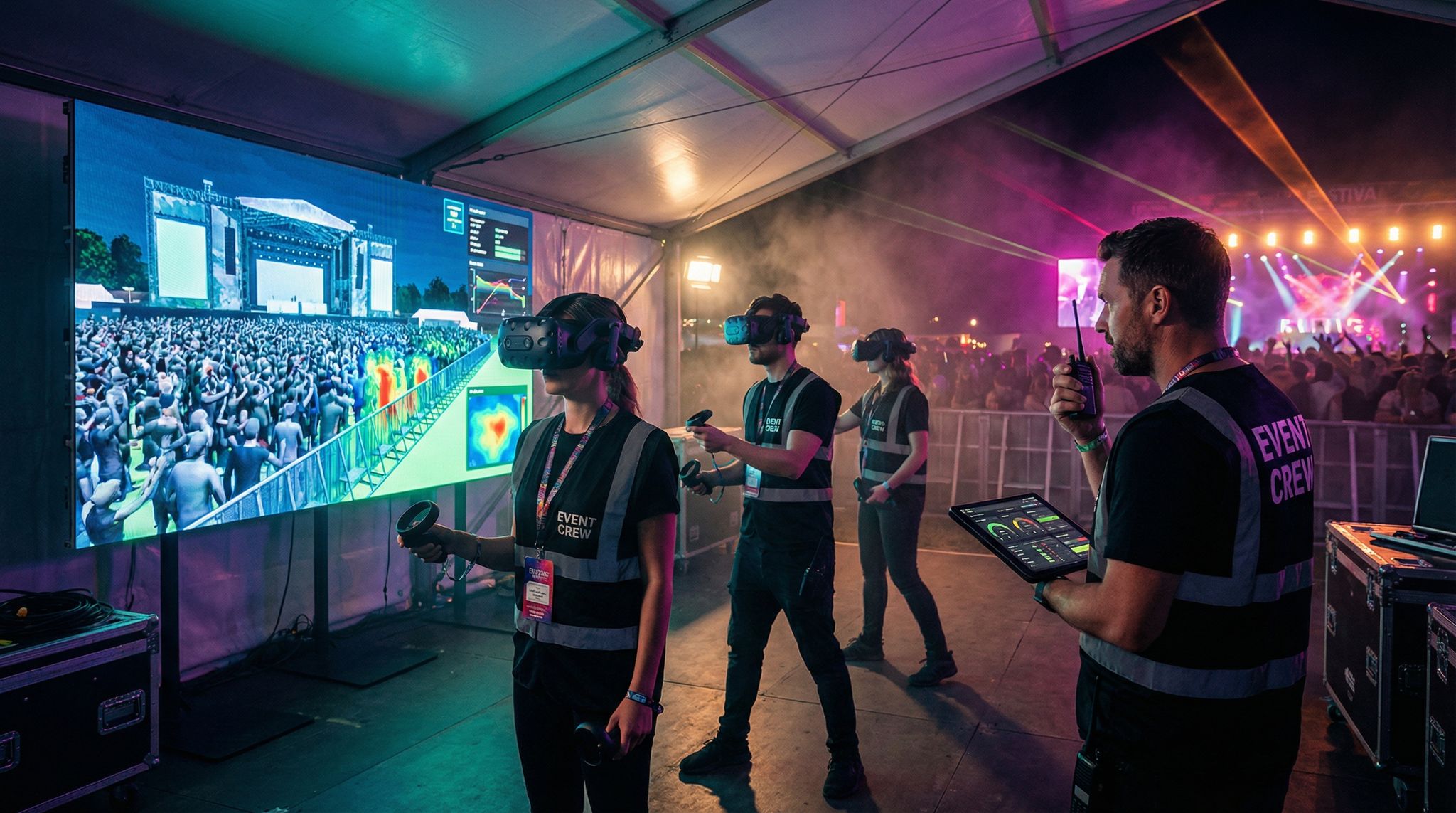
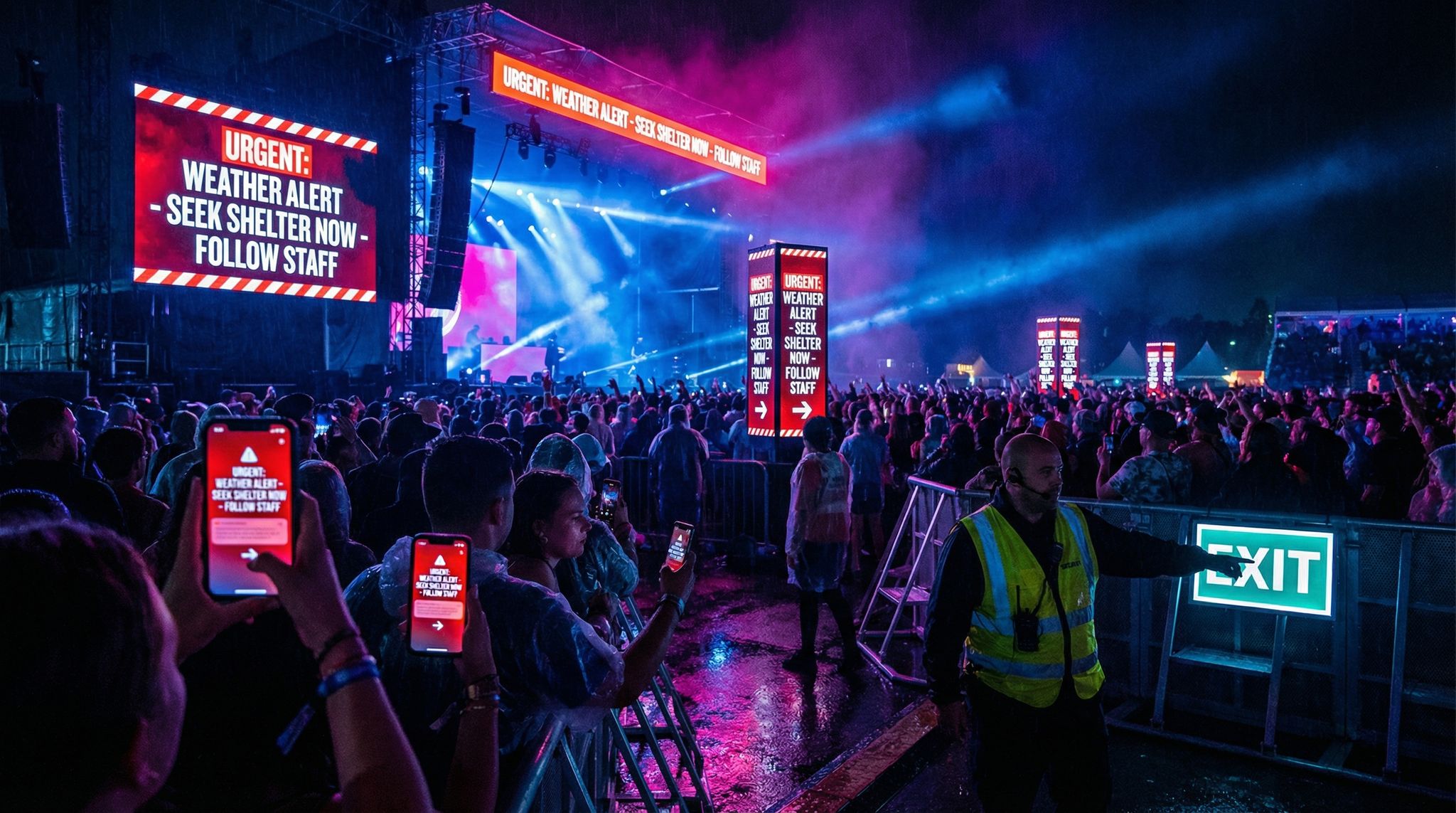
When it comes to planning a successful concert or live music event, the experience doesn’t just happen by chance. A seamless event relies heavily on technical execution and event production, from sound systems to lighting design. The atmosphere, energy, and overall vibe of a live performance are deeply influenced by how well the technical aspects are coordinated. Whether it’s a small venue or a large arena, sound, lighting, and technical planning can make or break the event.
In this article, we’ll explore the key elements of technical event planning at concert venues, how to manage the complex systems of sound and lighting, and how to ensure that everything runs smoothly for both performers and the audience.
1. Understanding the Importance of Technical Event Planning
At any concert, the technical setup plays a crucial role in delivering a memorable performance. Understanding and meeting the technical requirements is essential for achieving this. Sound and lighting systems need to be carefully designed and managed to ensure the artists’ vision is fully realized and the audience has an immersive experience.
Effective technical event planning helps:
Smooth Entry With Mobile Check-In
Scan tickets and manage entry with our mobile check-in app. Supports photo ID verification, real-time capacity tracking, and multi-gate coordination.
- Enhance the Audience Experience: Properly managed sound and lighting create an immersive atmosphere that brings the performance to life.
- Support Artist Performance: Technical teams provide the necessary support for artists, from managing sound levels to creating visual effects that match the music.
- Ensure Safety and Smooth Operations: Managing technical aspects includes preparing for potential technical issues, ensuring safety standards, and maintaining equipment throughout the event.
Successful technical event planning is all about balancing the needs of the artists, the venue, and the audience while staying within budget and ensuring that all equipment runs smoothly.
At its core, robust technical event management bridges the gap between creative vision and physical execution. For promoters and venue operators, mastering this discipline means overseeing not just the gear, but the specialized personnel, load-in schedules, and safety compliance required to pull off a complex live production without a hitch.
Ready to Sell Tickets?
Create professional event pages with built-in payment processing, marketing tools, and real-time analytics.
Ultimately, successful live music event planning requires a distinct operational mindset compared to standard corporate or private functions. When organizing a large-scale show, promoters must integrate technical production timelines with talent buying, marketing, and venue logistics. This comprehensive approach to concert planning ensures that every department—from the box office to the backstage crew—operates in perfect synchronization.
2. Sound Planning: The Heart of the Concert Experience
Sound is the core of any live music event. Audio quality is crucial to ensure that the audience has the best possible experience. Without proper sound planning, even the best performances can fall flat. Technical planners must focus on the following key elements when planning sound for a concert:
A. Sound System Design
The sound reinforcement system design is one of the most important factors in technical event planning. This involves choosing the appropriate sound equipment, ensuring it is set up correctly, and fine-tuning the system for optimal acoustics.
- Speakers and Subwoofers: The type, placement, and quantity of speakers affect the overall sound coverage. For larger venues, array speakers may be used to cover different sections of the space. Subwoofers should be positioned carefully to ensure deep bass without overpowering the sound.
- Mixing Consoles: The sound engineer uses a mixing console to adjust the sound levels, EQ, and effects. This includes managing vocals, instruments, and ambient sounds to create a balanced mix.
- Monitor Systems: On-stage monitors are essential for performers to hear themselves and each other. In-ear monitors or floor wedges help musicians hear the mix clearly without any feedback.
- Microphones and Instrument Miking: Proper microphone placement is key to capturing the best sound. Different types of microphones (e.g., dynamic, condenser) are chosen depending on the instrument or vocal style.
B. Acoustic Considerations for the Concert Venue
The acoustics of a venue directly impact sound quality. Technical event planners must take into account the venue’s shape, size, and materials when setting up the sound system. Proper acoustic treatment can mitigate issues like echo, feedback, and distortion, ensuring the sound is clear and evenly distributed.
- Venue Acoustics: A large arena or open-air venue may have different acoustic needs compared to a smaller, more intimate setting. In large venues, sound delays from speakers at a distance may need to be managed through time alignment.
- Sound Checks and Testing: Prior to the event, it’s essential to conduct thorough sound checks to ensure the system is working as expected and that adjustments can be made before the audience arrives.
C. Sound Engineers and Technicians
Skilled sound engineers and technicians are essential to monitor sound levels throughout the event, address any technical issues, and ensure that everything runs smoothly. Their technical expertise is crucial in managing complex audio systems and troubleshooting problems on the spot. Having experienced sound staff who are familiar with the specific equipment and venue ensures the sound quality is top-notch.
Beyond simply pushing faders, comprehensive technical sound management for events involves coordinating frequencies for wireless microphones, managing stage bleed, and integrating the front-of-house mix with broadcast or recording feeds. Venue operators must ensure their audio directors have the authority to enforce decibel limits and optimize the acoustic environment dynamically as crowd sizes fluctuate.
Grow Your Events
Leverage referral marketing, social sharing incentives, and audience insights to sell more tickets.
3. Lighting Planning: Creating the Atmosphere
Lighting is the visual complement to sound in a live music setting. Proper lighting design helps set the mood, enhance the performance, and highlight key moments of the show. Lighting has a significant impact on the energy and emotion conveyed during the performance.
A. Types of Lighting
There are several types of lighting fixtures and elements to consider when planning a concert’s visual experience:
- Stage Lighting: This includes key lights that illuminate the performers and create visual interest. Spotlights, floodlights, and LED lights can highlight the performers and interact with their movements.
- Ambient Lighting: Ambient lighting helps create the overall mood of the venue. Soft or colorful lighting can be used to set the tone for different parts of the event.
- Effect Lighting: This includes moving lights, lasers, strobe lights, and fog machines, which add dynamic effects to the performance. These elements are crucial in sync with musical beats, enhancing the energy and excitement of the show.
- Backlighting and Silhouettes: Backlighting can create dramatic silhouettes of performers, making for a visually stunning show that emphasizes their movement and presence.
B. Lighting Design and Timing
Lighting design is not just about creating beautiful effects; it’s about timing the lights to match the performance. For live music, lighting should change with the tempo, mood, and key moments in the song.
- Syncing with Music: Lighting must be timed to complement the music. This could mean using bright, fast-moving lights during high-energy parts of a song and softer, slower lighting during more intimate moments.
- Cueing and Automation: Lighting systems are often programmed to change automatically during the performance. Lighting cues are typically set ahead of time and adjusted as needed during rehearsals and sound checks.
C. Lighting Technicians
Lighting technicians play a crucial role in ensuring that the lighting setup runs smoothly. Lighting control is essential for managing and adjusting the lights during the event. They manage the lights during the event, making adjustments in real time and ensuring everything works in harmony with the music and sound. They also troubleshoot any issues that may arise during the performance, such as malfunctioning lights or power failures.
Collect Any Attendee Data at Checkout
Add custom registration fields to your checkout — dietary needs, t-shirt sizes, company names, and more. Conditional logic and per-ticket-type fields.
4. Concert Venue Selection and Planning
Choose the Perfect Concert Venue
Choosing the perfect concert venue is a pivotal step in the concert planning process. The right venue sets the stage for a successful event, ensuring that both performers and attendees have a memorable experience. When selecting a concert venue, several critical factors must be considered to ensure it meets the needs of your event.
First and foremost, the venue’s capacity is crucial. It should comfortably accommodate the expected number of attendees, whether it’s a small, intimate gathering or a large-scale concert. Adequate seating or standing arrangements are essential to ensure everyone has a good view of the stage.
Location is another key consideration. The venue should be easily accessible by public transportation and have ample parking facilities. This makes it convenient for attendees to reach the event without hassle.
Acoustics play a significant role in the overall concert experience. The venue’s acoustics should be suitable for live music performances, ensuring that sound quality is top-notch. Poor acoustics can detract from even the best performances.
Amenities such as restrooms, concessions, and merchandise areas are also important. These facilities enhance the overall attendee experience, making the event more enjoyable and comfortable.
Technical capabilities are a must. Ensure the venue has the necessary sound and lighting systems to support the concert. This includes checking for adequate power supply and backup systems to avoid any interruptions during the performance.
Lastly, clearly negotiate rental terms with the venue owner. Clarify fees, setup and teardown times, and any additional services or restrictions. By carefully considering these factors, you can choose a concert venue that meets the needs of your event and provides a great experience for your attendees.
Implementing Best Practice Guidelines for Live Music Venues
Once a location is secured, operators must establish strict best practice guidelines for live music venues to guarantee safety, compliance, and operational efficiency. These standard operating procedures cover everything from crowd control and emergency evacuation routes to noise ordinance compliance and staff training. Adhering to recognized industry standards protects the venue’s licensing and ensures a secure environment for both touring crews and attendees.
A core component of these operational frameworks involves regular audits of the facility’s infrastructure. Venue managers should routinely inspect rigging points, update fire safety protocols, and ensure that all technical installations meet current electrical codes. By integrating these best practices into daily operations, promoters and venue owners can mitigate risks and streamline the overall concert planning process.
5. Event Management and Logistics
A. Event Management Software and Tools
In the realm of event planning, efficiency and organization are paramount. Event management software and tools can significantly streamline the planning process, making it easier to manage various aspects of the event. These tools offer a range of features that can help you stay on top of every detail, ensuring a successful event.
Event registration and ticketing are simplified with platforms like Eventbrite, which allows you to manage ticket sales and attendee information seamlessly. This not only helps in tracking ticket sales but also provides valuable data for future events.
Event marketing and promotion are crucial for attracting your target audience. Tools like Bizzabo offer comprehensive event management solutions, including marketing features that help you reach a wider audience and boost ticket sales.
Event logistics and operations can be complex, but tools like Social Tables provide event diagramming and seating chart capabilities, making it easier to plan the layout and flow of the event. This ensures that everything is in place and runs smoothly on the event date.
Event budgeting and financial management are made easier with platforms like EventMobi, which also offers a mobile event app. This app provides attendees with event details, schedules, and maps, enhancing their overall experience.
By utilizing event management software and tools, you can save time and reduce stress, allowing you to focus on creating a successful and memorable event.
B. Event Planning Checklist
An event planning checklist is an invaluable tool that ensures all aspects of the event are considered and planned for. A comprehensive checklist helps you stay organized and on track, covering every detail from start to finish.
Start with the event details, including the date, time, location, and purpose of the event. Clearly define these elements to provide a solid foundation for your planning process.
Identify the event coordinators who will be responsible for planning and executing the event. Assign specific roles and responsibilities to ensure that every aspect of the event is covered.
Utilize event planning software to streamline the planning process. Event management software can help you manage tasks, track progress, and stay organized.
Identify your target audience and create a plan to engage and retain them. Understanding your audience’s preferences and needs will help you tailor the event to their expectations.
For a concert event, consider the specific needs such as sound and lighting requirements. Ensure that these technical aspects are carefully planned and executed to provide a high-quality experience.
Careful planning is essential for a successful event. Ensure that all aspects of the event are meticulously planned and executed, from logistics to marketing.
Create an event website to provide attendees with event details and registration information. This serves as a central hub for all event-related information.
Identify the key personnel responsible for managing the event on-site. Having a dedicated team ensures that everything runs smoothly on the event date.
Consider the long-term goals and objectives of the event, especially if it’s an annual event. Planning with future events in mind helps in building a lasting relationship with your audience.
For live music events, consider the specific needs such as sound and lighting requirements. Ensure that these technical aspects are carefully planned and executed to provide a high-quality experience.
Incorporate event technology, such as mobile apps and social media, to enhance the attendee experience. These tools can provide real-time updates and interactive features.
Finally, confirm the event date and ensure that all necessary arrangements are made. This includes securing the venue, finalizing contracts, and coordinating with vendors.
By utilizing an event planning checklist, you can ensure that all aspects of the event are considered and planned for, resulting in a successful and memorable event.
Structuring Your Music Concert Planning Checklist
When figuring out how to plan a concert checklist specifically for live music, organizers must bridge the gap between general event management and specialized technical execution. A robust music concert planning checklist should be broken down into distinct phases: pre-production (securing permits, advancing technical riders, and venue site visits), load-in (coordinating stage builds and equipment delivery), show execution (managing run-of-show cues), and load-out. Effective event management for music concerts relies on this phased approach to ensure that technical teams, artists, and venue staff are perfectly aligned long before the doors open.
When developing your master document, understanding how to plan a concert checklist effectively means categorizing tasks by department. A comprehensive music concert planning checklist should include dedicated sections for talent buying, marketing rollouts, technical production, and front-of-house operations. By breaking down the broader scope of planning a concert into these manageable, department-specific milestones, promoters can maintain strict oversight over budgets and timelines.
C. Core Pillars of Concert Event Management
Mastering event management for music concerts goes beyond simply booking a venue and selling tickets; it requires synchronizing multiple operational layers. Concert event planning demands a dedicated focus on crowd flow dynamics, artist hospitality, vendor coordination, and strict adherence to safety protocols. When planning a concert of any scale, organizers must establish clear communication channels between the front-of-house staff, security personnel, and the backstage technical crew. This holistic approach to concert planning ensures that if a production issue arises, the operational team can manage the audience experience seamlessly without causing disruption.
To streamline the complexities of planning a concert, experienced producers often rely on centralized production schedules. These master documents track everything from initial budget approvals and permit acquisitions to final load-out procedures. By treating concert event planning as a continuous, phased lifecycle rather than a series of isolated tasks, venue operators can drastically reduce overhead costs and minimize day-of-show emergencies.
6. Additional Event Technology Considerations for Live Events
Technical setup is crucial for a successful live music event. While sound and lighting are the primary elements, several other technical aspects must be managed to ensure a successful live music event:
A. Video and Visual Effects
Many modern concerts incorporate video production, including video screens or visual effects, to enhance the live experience. Video screens may display live footage of the performance, custom visuals, or interactive content. Video technicians are responsible for managing the video feeds, ensuring the screens are properly synced with the performance, and troubleshooting any technical issues.
B. Power and Backup Systems
Live events require a significant amount of power, especially when large sound and lighting systems are involved. Proper power distribution and backup systems are essential to ensure there are no interruptions in the event. Backup generators and uninterruptible power supplies (UPS) help ensure the show can go on even in the event of a power failure.
C. Communication Systems
Clear communication using effective communication protocols between all technical team members is vital to managing the different elements of the show. Walkie-talkies, headsets, and intercom systems are used by the technical team to stay in constant contact and address any issues that arise in real-time.
D. Stage Setup and Rigging
In addition to sound and lighting, stage design and setup is a key part of technical event planning. This involves rigging the lights and sound equipment, setting up the stage, and ensuring everything is stable and secure. Safety is paramount when rigging equipment, as poorly set-up rigging can pose a risk to both performers and the audience.
Advanced rigging requires precise engineering, especially when you need to set up a stage with rope, chain motors, and truss systems for heavy props and lighting fixtures. Riggers must calculate dynamic loads and ensure that all overhead equipment is secured using industry-standard safety cables and rated hardware. This level of technical planning for events protects the structural integrity of the venue while allowing for complex, multi-layered visual productions.
Furthermore, when crews set up a stage with rope for props and lighting, strict adherence to load-bearing limits and fire safety regulations is mandatory. Venue operators must ensure that all rigging points are certified and that the technical team uses appropriate synthetic or wire ropes designed specifically for overhead lifting in entertainment environments.
E. Event Planning Equipment for Engineers
Beyond the primary audio and visual gear, specialized event planning equipment for engineers is required to measure, calibrate, and monitor the environment. This includes acoustic measurement microphones, spectrum analyzers, laser distance meters for precise speaker placement, and advanced software for 3D stage rendering. Equipping your technical crew with these diagnostic tools is a non-negotiable aspect of professional concert event planning, ensuring that theoretical designs translate flawlessly into the physical space.
Investing in high-quality event planning equipment for engineers not only streamlines the load-in process but also provides critical data for troubleshooting during the show. For instance, real-time decibel monitoring tools help venue managers comply with local noise ordinances while still delivering the high-impact audio that fans expect from top-tier concert event planning.
7. Collaborating with Artists and Event Planners
Event coordination is a collaborative process. Coordinating with the performers, event planners, and other technical teams ensures that all elements of the show come together smoothly. Prior to the event, the technical team must review the artist’s technical rider (which details their equipment requirements), schedule rehearsals, and conduct sound checks.
Building Your Roster of Technical Event Staff
Executing a flawless live show relies heavily on the expertise of your technical event staff. For venue operators and promoters, assembling a reliable crew—ranging from front-of-house (FOH) engineers and monitor mixers to lighting directors, riggers, and stagehands—is just as critical as booking the right talent. High-quality technical personnel not only ensure that complex audiovisual systems operate seamlessly but also maintain strict adherence to safety protocols during load-in and load-out. Developing strong relationships with local production agencies or maintaining an in-house roster of vetted technicians will significantly streamline your concert planning process and safeguard your venue’s reputation.
The Art of The Technical Event Planning Checklist
Technical execution in planning the aspects of a concert or live music event is an intricate process that requires attention to detail, coordination, and experience. Sound and lighting work together to create an immersive atmosphere that enhances the live music experience for both the performers and the audience.
By understanding the importance of sound, lighting, and technical coordination, event planners can ensure that each performance is delivered with precision and energy. When executed well, the technical elements become an extension of the music itself, elevating the concert to something extraordinary.
You May Also Like:
7 Tips for Seamless Event Entry Management at Your Events
Technology Against Ticket Scalping: 2025 Trends and Tips
OnGround Event Technology For Music Concerts to Know About in 2025
Frequently Asked Questions
Why is technical event planning important for concerts?
Technical event planning is essential for delivering a memorable performance by enhancing the audience experience through immersive sound and lighting. It supports artists by managing sound levels and visual effects while ensuring safety and smooth operations. Proper planning balances the needs of artists, venues, and audiences within budget to prevent technical failures.
What are the key elements of sound system design for live events?
Sound system design involves selecting specific equipment like speakers, subwoofers, and mixing consoles to ensure optimal acoustics. It requires careful placement of array speakers for coverage, using subwoofers for deep bass, and utilizing monitor systems so performers can hear themselves. Proper microphone selection and placement are also critical for capturing clear audio.
How does lighting design impact a live music performance?
Lighting design complements sound by setting the mood and highlighting key moments through stage, ambient, and effect lighting. Technicians sync lights with the music’s tempo and energy, using cues and automation to change visuals dynamically. This creates an immersive atmosphere that conveys emotion and emphasizes the performers’ movements throughout the show.
What factors should be considered when choosing a concert venue?
Selecting the perfect concert venue requires evaluating capacity to accommodate attendees comfortably and ensuring the location is accessible with parking. Critical factors include acoustic quality for live music, available amenities like restrooms, and technical capabilities such as power supply. Negotiating clear rental terms regarding fees and setup times is also essential.
Why are backup power systems necessary for concert venues?
Live events demand significant power for large sound and lighting systems, making backup solutions critical to prevent interruptions. Backup generators and uninterruptible power supplies (UPS) ensure the show continues even during a power failure. Proper power distribution planning guarantees that technical equipment operates smoothly without overloading the venue’s infrastructure.
What is the role of an event planning checklist for concerts?
An event planning checklist ensures all aspects of a concert, from logistics to marketing, are meticulously organized and executed. It helps coordinators define roles, track progress via software, and manage specific technical needs like sound and lighting. A comprehensive checklist covers details from initial scheduling to final on-site management and safety.
What are the critical phases of concert event planning?
Successful concert event planning is divided into pre-production, load-in, show execution, and load-out. Pre-production involves advancing technical riders and site surveys. Load-in focuses on rigging, setting up stages, and calibrating equipment. Show execution relies on precise run-of-show cues, while load-out ensures the safe dismantling of all technical gear.
What does event management for music concerts entail?
Event management for music concerts involves coordinating all logistical, technical, and operational aspects of a live show. This includes overseeing venue selection, managing ticketing and registration, advancing artist riders, directing technical load-ins, and ensuring crowd safety. Successful concert planning requires seamless communication between promoters, venue operators, and production crews to deliver a flawless experience for both the artists and the audience.
What should be included in a comprehensive music concert planning checklist?
A robust music concert planning checklist should cover pre-production tasks like securing permits and advancing technical riders, marketing and ticket sales milestones, load-in schedules for stage and equipment setup, and detailed run-of-show cues. Effective concert planning also requires post-event load-out and financial reconciliation steps to ensure the event is profitable and safe.
What are the standard best practice guidelines for live music venues?
Best practice guidelines for live music venues encompass comprehensive safety protocols, crowd management strategies, and technical compliance standards. Venue operators must enforce strict rules regarding capacity limits, emergency evacuations, and structural safety, including regular inspections of rigging and electrical systems. Adhering to these operational standards ensures a secure environment for artists, staff, and attendees while protecting the venue’s licensing.
What is the core focus of technical event management?
Technical event management focuses on the logistical and operational execution of a live production’s audiovisual, lighting, and staging requirements. For venue operators and promoters, it involves coordinating specialized crews, managing equipment load-ins, ensuring power distribution, and maintaining strict safety and compliance standards throughout the show.
How does technical sound management for events impact venue operations?
Technical sound management for events goes beyond basic audio mixing to include frequency coordination, acoustic optimization, and noise ordinance compliance. Effective sound management ensures that the audio system delivers high-fidelity sound to the audience while preventing feedback, managing stage volume, and protecting the venue’s structural acoustics.
What roles make up the technical event staff for a concert?
The technical event staff for a concert typically includes front-of-house (FOH) audio engineers, monitor engineers, lighting directors, video technicians, riggers, and stagehands. This specialized crew is responsible for setting up, calibrating, operating, and tearing down the complex audiovisual and staging equipment required for live music productions.
What makes live music event planning different from standard event management?
Live music event planning requires a highly specialized focus on technical production, artist advancing, and crowd dynamics. Unlike standard corporate functions, organizing a live show involves coordinating complex audiovisual setups, managing strict load-in/load-out schedules, and ensuring compliance with noise ordinances and specialized safety protocols.