Moving Beyond Big Headliners
Modern festival-goers expect more than a lineup of famous headliners. In today’s competitive scene, a festival needs a unique promise that dancers can feel on the floor. Promoters around the world have learned that simply booking big names is not enough – attendees are increasingly seeking meaningful experiences. They want superior sound, immersive moments, and a vibe that goes beyond who’s on stage. As one industry observer put it, dance music fans have become “spoiled by events but jaded by lineups”. In other words, festivals must deliver something deeper than name recognition.
Leading festival brands like Insomniac and Goldenvoice have proven this by cultivating experiences that sell out even before any lineup is announced. The success of events such as Electric Daisy Carnival (EDC) in the US or Electric Forest is built on trust that the production, atmosphere, and surprises will be top-notch each year – regardless of which artists play. Around the globe, boutique festivals from Boomtown Fair in the UK to Shambhala in Canada have gained loyal followings by focusing on their core vibe and values, not just star power. The lesson for new festival producers is clear: identify a compelling promise for your event, and let that guide every aspect of planning.
Defining a Unique Festival Promise
Every great festival offers something special that sets it apart. Crafting a value proposition means asking, “What experience are we promising our attendees?” This promise should be concrete enough to guide planning, yet inspiring enough to excite your audience. Here are a few examples of festival promises beyond just booking superstar DJs or bands:
- Audiophile Sound Experience: Some festivals build their reputation on phenomenal sound quality. They promise attendees crystal-clear audio and chest-rattling bass that you can feel in your bones. For example, a techno festival might tout its Funktion-One or Void Acoustics sound systems and expert audio engineers as a headline feature. By focusing on audiophile-grade sound, the event appeals to true music connoisseurs who value quality over big-name acts.
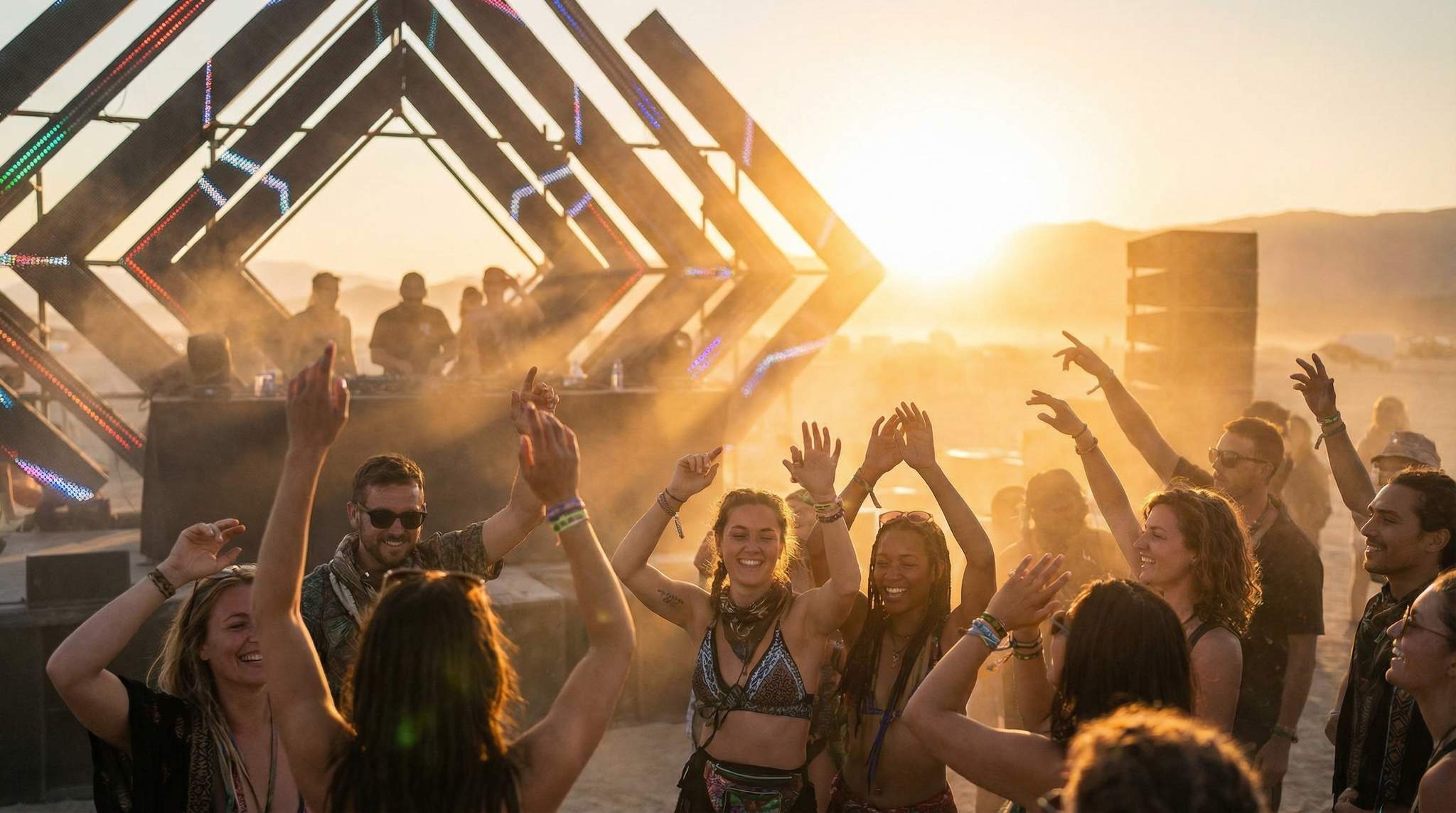
- Sunrise Sessions & Late-Night Magic: Others center their promise on unforgettable time-of-day moments. A festival could offer all-night music leading into gorgeous sunrise sets that become the stuff of legend. At camping festivals like Shambhala in Canada or desert gatherings like Burning Man in Nevada, the sunrise set is often where the most magical performances happen. Promising sunrise sessions means curating a lineup and schedule that sustains energy through the night and delivers a collective euphoria as dawn breaks. Some beach festivals – such as ZoukOut in Singapore – even market themselves on dancing from dusk till dawn, so the sunrise finale is a key selling point.
- Label Curated Stages or Takeovers: A festival can distinguish itself by offering curated music programming in the form of record label takeovers or themed stages. Instead of a random assortment of artists, entire nights or stages might be hosted by respected labels or artist collectives (for example, a stage run by Drumcode, Anjunadeep, or a local underground crew). This promise tells fans they’ll get a deep dive into a particular sound or community. It creates a cohesive journey – attendees know that for a few hours, they’re immersed in the vibe of that label’s universe. Such curated programming often draws dedicated fans who trust the curation even more than any one headliner.
- Citywide Venue Crawl: Not all festivals live in one field – some turn an entire city into the venue. A multi-venue urban festival (think of Amsterdam Dance Event across the Netherlands’ capital, or SXSW in Austin, Texas) promises the thrill of exploration. Attendees move through clubs, theaters, warehouses, and pop-up stages citywide, experiencing different atmospheres as part of one event. The value proposition here is an urban adventure: the festival itself is woven into the city’s fabric. This can attract travelers eager to not only enjoy music but also discover a city’s nightlife and culture. However, it also means the organizers must provide guidance and transportation solutions so that the “crawl” is fun rather than frustrating.
These are just a few examples – a festival’s unique promise could be anything from extreme theme camp interactivity (à la Boomtown’s immersive theatrics) to wellness and learning activities by day (as seen at events like Wonderfruit in Thailand). The key is that the promise is tangible and meaningful. It’s not just marketing fluff; it’s a concept that will shape attendees’ expectations and your operational decisions.
Smart Promo Codes & Presale Access
Create percentage or flat-rate discount codes with usage limits, date ranges, and ticket type restrictions. Plus unlock codes for private presales.
Delivering on Your Promise: From Vision to Reality
Once you’ve defined the promise of your festival, every detail of production should align to deliver it. Attendees will remember if you keep your word – and they’ll definitely notice if you don’t. Here’s how to link your big-picture promise to concrete deliverables on the ground:
Sound Design and Production Quality
If top-notch sound is a pillar of your festival’s value, invest in it wholeheartedly. This means working with experienced audio engineers and sound system providers to design a setup tailored to your venues. Pay special attention to sub-bass design – the low frequencies that make dancers literally feel the music. For outdoor stages, this might involve deploying extra subwoofers in an array or using gear known for powerful, clean bass. Ensure the sound field is evenly distributed, so even the back of the crowd gets immersive audio without distortion. Schedule proper soundchecks and calibrations at each stage. By delivering pristine sound quality, you fulfill the audiophile promise and earn the trust of artists and attendees alike (there’s nothing worse than a marquee act playing on muddy speakers). In short, let the technical specs live up to the hype – if you advertised “hi-fidelity sound all day,” make sure that’s exactly what people get.
Planning a Festival?
Ticket Fairy's festival ticketing platform handles multi-day passes, RFID wristbands, and complex festival operations.
Programming Arcs and Schedule
A festival promising special musical moments – like sunrise sets or label showcases – must reflect that in its programming arc. Craft a running order that maximizes the impact of those key moments. For instance, if sunrise sessions are a highlight, plan the overnight lineup so energy ebbs and flows toward that hour. You might have deeper, hypnotic music in the pre-dawn hours, setting the stage for a transcendent live set as the sun comes up. This requires coordinating with artists about set times and perhaps encouraging them to play styles suited to the time of day. Similarly, for a label takeover stage, work closely with the label on the running order of their artists to create a coherent build-up (perhaps starting with newer talents and peaking with veteran headliners of that label). The goal is to create a musical journey that matches what you promised. Let your marketing tagline become reality in the timetable – if you claim “24 hours of nonstop journey through sound,” then your schedule should indeed run round-the-clock with intentional rises and falls in intensity.
Transport and Logistics Planning
Logistics can make or break a citywide festival or any event where attendees need to move around. If your value proposition involves a multi-location adventure, then a concrete deliverable is a solid transport plan. Consider arranging shuttle buses between major venues or partnering with local transit authorities for extended late-night service. Clearly communicate the transport options on your website, app, and emails well in advance. For example, provide maps that highlight venue locations and the best routes (walking paths, subway lines, parking areas if needed). Stagger set times slightly between venues to allow people to hop without missing the next act. Nothing will sour an attendee’s experience faster than hyping a “citywide party” only for them to end up stranded across town. If the venues are far apart, perhaps include transit passes or ride-share discount codes as part of the ticket perks. By smoothing the journey from venue to venue, you uphold the promise of a carefree city crawl.
Even on a single-site festival, logistics matter for delivering any promise. If you emphasize an environmentally sustainable “green” festival as part of your value, then running efficient shuttles from the nearest train station (to discourage driving) or providing ample bicycle parking becomes a deliverable tied to that promise. Always connect the operational dots: whatever you’ve promised, think about what infrastructure is needed to actually provide it.
Guest Experience and Care
Never forget that the attendee’s personal comfort and safety are fundamental to every festival promise. If you’ve invited people to dance all night or explore a sprawling venue, you must take care of them. Guest care measures include things like plentiful water stations, rest areas with shade or heating (depending on weather), clean toilets, and medical/harm reduction services on-site. For instance, when throwing an all-night sunrise event, ensure you have hot coffee or tea vendors ready by the early morning and maybe even free water and electrolyte stations – dancers who have been moving for 8+ hours will need it. Provide clear signage and friendly staff or volunteers to help attendees navigate, especially in a multi-venue scenario or a large festival site.
Turn Fans Into Your Marketing Team
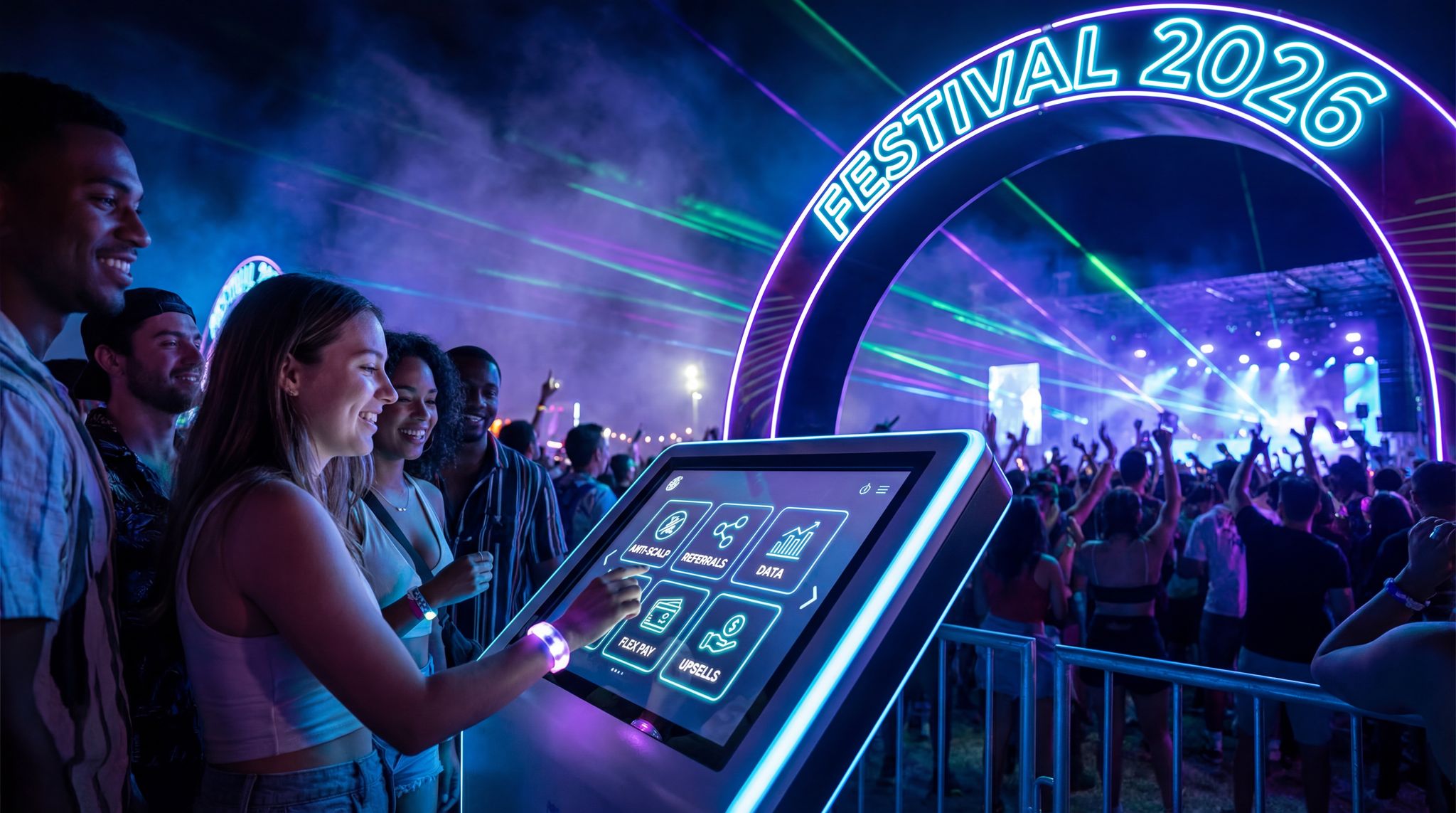
Ticket Fairy's built-in referral rewards system incentivizes attendees to share your event, delivering 15-25% sales boosts and 30x ROI vs paid ads.
Going the extra mile in guest care can also mean offering phone charging zones, earplug dispensers for high-decibel stages, and a well-thought-out plan for crowd management so people feel safe even in the busiest moments. Remember, a happy, cared-for guest is more able to enjoy that amazing sound or sunrise you’ve curated. Guest satisfaction is the glue that holds your promise together – it aligns expectations with reality. If you promise a “boutique luxury festival” experience, then amenities like real showers, comfortable lounging spaces, and attentive customer service (perhaps a helpdesk or mobile app support) need to be in place. If you promise an off-the-grid wilderness rave, guest care might involve extra emphasis on safety, lighting the paths, and providing secure lockers for personal belongings. Tailor your guest services to reinforce the kind of experience you vowed to create.
Messaging the Promise and Aligning Ticket Tiers
Your festival’s unique promise should shine through in how you market and sell the event. Effective messaging means communicating that value proposition clearly across all channels – from the first teaser poster to the ticket purchase page. Use imagery and language that reinforce what sets your event apart. For example, if your promise revolves around audiophile sound and underground vibes, your social media might feature videos of your speaker stacks shaking the dancefloor or testimonials about the sound quality. If sunrise sessions are a selling point, share stunning photos of past dawn moments and highlight “Sunrise Set by [Artist]” in your lineup announcements. Consistency is key: by the time someone lands on the ticketing page, they should already understand the core experience they’re buying into.
Need Festival Funding?
Get the capital you need to book headliners, secure venues, and scale your festival production.
This is where ticket tiers can also be leveraged to reflect the promise. Structure your ticket types and pricing in a way that aligns with expectations and delivers fairness. For instance:
- If you offer a citywide festival pass, make sure it’s clear it includes all venues and perhaps local transit benefits. You could also sell single-venue or single-day tickets for locals who only want part of the experience, but describe them accurately (e.g. “Friday Club Pass – access to all Friday venues only”).
- For a festival emphasizing an all-night into sunrise experience, you might have a “Night Owl” ticket tier that includes the after-hours stage entry or a special sunrise welcome pack (like a commemorative blanket or breakfast).
- If sound quality and comfort are your selling points, perhaps a VIP tier offers access to a designated audiophile zone – an area with optimal sound sweet-spot or even a behind-the-scenes tour of the sound setup for the real enthusiasts.
When naming and describing your tiers, use language tied to your theme so buyers know exactly what they’re getting. This keeps expectations aligned. And importantly, avoid practices that undermine trust. One common frustration for ticket buyers is dynamic pricing – a practice of raising ticket prices as demand surges. Since Ticket Fairy’s platform does not implement dynamic pricing, you can assure your fans that prices are transparent and won’t suddenly jump. Instead, create early bird tiers or loyalty discounts for returning attendees to reward commitment without trickery. Fans appreciate honest pricing and will associate it with the integrity of your festival’s promise.
Finally, carry the promise through to on-site delivery and follow-up. If you sold a “VIP Sunrise Terrace” ticket, make sure that terrace really does have the best view of the sunrise and maybe some hot cocoa ready. If you marketed a festival around community and connection, consider using Ticket Fairy’s features like attendee communities or referral rewards to foster engagement even before the event begins. By building your marketing and ticketing around your core promise, you set clear expectations and then meet them – which is the ultimate formula for attendee satisfaction.
Frequently Asked Questions
Why is a unique value proposition important for music festivals?
A unique value proposition is essential because modern festival-goers are increasingly looking beyond famous headliners for meaningful experiences. Successful events build loyalty by promising specific vibes, such as superior sound quality or immersive themes, rather than just star power. This distinct promise guides operational decisions and helps festivals stand out in a competitive market.
What constitutes an audiophile sound experience at a festival?
An audiophile sound experience prioritizes high-fidelity audio over big-name acts, often utilizing premium systems like Funktion-One or Void Acoustics. This approach promises attendees crystal-clear audio and chest-rattling bass designed by expert engineers. It appeals to music connoisseurs who value the physical sensation of sound and ensures the technical specifications live up to the hype.
How do festivals successfully plan for sunrise sets?
Planning successful sunrise sets involves creating a programming arc that manages energy levels throughout the night. Organizers often schedule deeper, hypnotic music in the pre-dawn hours to build anticipation for a transcendent finale as the sun comes up. This requires coordinating specific set times with artists to ensure the music matches the atmospheric shift of dawn.
What are the logistical requirements for a multi-venue city festival?
Multi-venue urban festivals require a robust transport plan to turn a citywide crawl into a cohesive adventure. Organizers must provide clear maps, arrange shuttle buses between venues, or partner with local transit for extended hours. Staggering set times allows attendees to move between locations without missing acts, ensuring the experience remains fun rather than frustrating.
How does guest care impact the festival experience?
Guest care serves as the glue that holds a festival’s promise together by aligning attendee expectations with reality. Essential measures include providing free water stations, rest areas, and medical services, especially for all-night events. When attendees feel safe and comfortable, they are better able to enjoy the music and atmosphere, which builds long-term trust and loyalty.
How should festival ticket tiers align with the event’s promise?
Ticket tiers should be structured to reflect the specific experiences offered, such as “Night Owl” passes for sunrise sets or VIP access to audiophile zones. Clear, descriptive naming helps buyers understand exactly what they are purchasing. avoiding dynamic pricing and offering transparent options reinforces the integrity of the festival and builds trust with the audience.