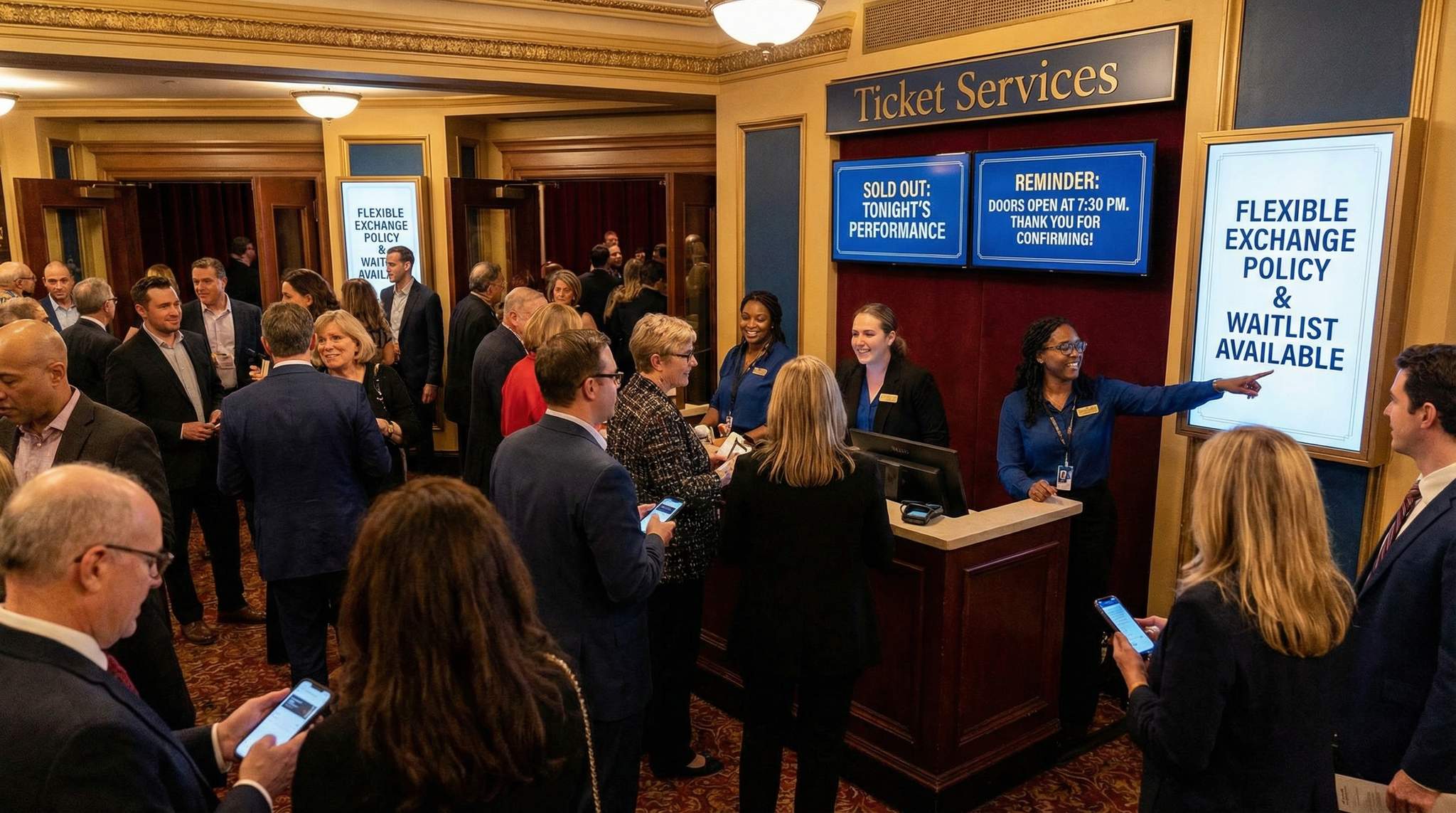
Whether it’s a Broadway production or a local play, theatre events bring people together for an immersive, shared experience. Crowd control is crucial for both indoor and outdoor events to ensure safety and manage unforeseen circumstances. Effective crowd control can protect the brand’s reputation by preventing incidents that could lead to negative feedback. Planning and implementing various measures to ensure crowd safety is essential, including the layout of the venue, controlling attendance, and coordinating with trained personnel and local authorities. But with large crowds comes the challenge of ensuring safety, comfort, and seamless movement—especially during entrances, intermissions, and exits. Effective crowd control at theatre events is essential not just for logistics, but for delivering a stress-free and enjoyable night for everyone.
In this article, we explore how theatres are managing audiences with modern strategies and technologies designed to protect, direct, and enhance the guest experience.
What is Crowd Control and Management?
Crowd control and management are essential strategies for handling large gatherings efficiently and safely. Effective crowd control is crucial for the success of any event, ensuring both safety and smooth operations. Employing crowd control techniques, such as the use of physical barriers, designated entry and exit points, and security personnel, is vital for managing large events effectively. These measures help manage the flow of people, reduce congestion, and ensure that everyone can enjoy the event without unnecessary stress.
On the other hand, crowd management encompasses broader planning before the event. This includes conducting risk assessments, training staff, and developing strategies to handle potential issues. By implementing these measures, event organizers can anticipate challenges and create a safer, more enjoyable experience for all attendees. Crowd control tips, such as clear signage and effective communication with attendees, can further enhance safety and organization. Whether it’s a theatre production or a large-scale festival, understanding and applying effective crowd control and management techniques are vital for maintaining order and ensuring the success of the event.
Data-Driven Event Marketing
Track ticket sales, demographics, marketing ROI, and social reach in real time. Exportable reports give you the insights to make smarter decisions.
At its core, understanding what is crowd control requires looking beyond physical barriers. It involves the psychological management of audience expectations, clear communication of venue rules, and the strategic deployment of personnel to maintain a calm, orderly environment from the moment doors open until the final load-out.
Understanding Different Types of Crowds
Not all crowds are alike, and each type of crowd brings its own dynamics, challenges, and requirements for safety and management. Understanding the type of crowd is essential for planning effective crowd control strategies, especially when managing crowded events to prevent overcrowding and ensure safety. Different types of crowds include festival crowds, concert crowds, and sporting event crowds, each requiring a unique approach to crowd control and management.
Ready to Sell Tickets?
Create professional event pages with built-in payment processing, marketing tools, and real-time analytics.
For instance, festival crowds often involve large, open spaces with multiple stages or attractions, necessitating clear signage and designated pathways to manage crowd flow. Concert crowds, typically more dense and energetic, require robust security measures and physical barriers to prevent overcrowding near the stage. Sporting event crowds, with their high energy and competitive spirit, need well-coordinated entry and exit points to ensure smooth transitions before and after the event.
Guiding attendees through designated queues and barriers is crucial for maintaining order and reducing chaos, especially during emergencies.
Smaller, more intimate venues also face unique operational hurdles. For example, when considering what factors affect a comedy club’s ability to make a comeback after a temporary closure or incident, the answer often lies in restoring patron confidence through visible security measures. Implementing strict show and event crowd safety protocols—such as clear bag policies, well-lit exits, and trained door staff—reassures attendees and helps these smaller spaces rebuild their reputation and audience base.
Recognizing the type of crowd helps event organizers anticipate potential challenges and plan accordingly. By tailoring crowd control strategies to the specific dynamics of the crowd, organizers can enhance safety, improve the attendee experience, and ensure the event runs smoothly.
Smooth Entry With Mobile Check-In
Scan tickets and manage entry with our mobile check-in app. Supports photo ID verification, real-time capacity tracking, and multi-gate coordination.
When organizing specialized crowd control events—such as immersive theatre experiences, interactive comedy shows, or multi-stage performing arts festivals—producers must adapt their baseline strategies. Event crowd control isn’t a one-size-fits-all template; it requires dynamic scaling. For instance, managing a sold-out opening night demands different barrier placements and staffing ratios compared to a standard matinee. By treating crowd control for events as a flexible, living framework, venue operators can seamlessly adjust to varying attendance levels and audience behaviors.
The Importance of Crowd Control in Theatre Settings
Unlike stadiums or outdoor venues, theatres often operate in more confined spaces with specific seating arrangements. This makes crowd management even more crucial. Conducting a thorough risk assessment is essential to identify potential hazards such as bottlenecks at entry and exit points, delays in showtimes, and discomfort during intermissions. Implementing safety measures, such as planning event layouts and employing trained security, is crucial to identify and mitigate these potential hazards. Additionally, having contingency plans in place to address emergencies like fires, earthquakes, or violence is vital. These plans should be communicated effectively to both staff and attendees while ensuring sufficient emergency exits are accessible.
Grow Your Events
Leverage referral marketing, social sharing incentives, and audience insights to sell more tickets.
Effective crowd control can significantly enhance an event’s reputation by ensuring a positive experience for attendees. Poor crowd control can lead to significant safety hazards during emergencies. Here are the steps involved in an efficient crowd control plan:
1. Thorough Planning and Preparation
Effective crowd control begins with thorough event planning and preparation. Anticipating potential challenges and proactively addressing them can prevent issues before they arise. Thorough planning involves a detailed understanding of the audience, venue, and specific event needs. This includes assessing the layout of the venue, identifying potential bottlenecks, and planning for various scenarios, such as sudden weather changes or emergency evacuations.
A well-structured approach to crowd control incorporates comprehensive risk assessments, staff training, and clear communication strategies. By preparing for potential risks and ensuring that all staff members are well-trained and informed, event organizers can create a safer environment for attendees. This proactive approach not only safeguards the well-being of guests but also enhances the overall event experience.
Gathering insights from attendees and stakeholders after an event is crucial for evaluating its success and identifying areas for improvement. This process helps make future events more spectacular by implementing strategic changes based on the collected insights.
To streamline these complex operations, many producers rely on dedicated theatre event management software. These platforms centralize everything from staff scheduling and vendor coordination to real-time audience analytics. By integrating ticketing data with operational dashboards, venue managers can make informed decisions that directly enhance both profitability and the guest experience.
When diving into theatrical productions risk management, organizers must account for variables unique to the performing arts. Unlike standard music gigs, stage plays often involve complex rigging, rapid set changes in low light, and interactive cast movements that extend into the aisles. A comprehensive risk mitigation strategy evaluates these specific production elements alongside standard venue safety protocols to ensure that artistic ambition never compromises audience security.
Incorporating thorough planning and preparation into crowd control strategies ensures smooth event operations and helps maintain order, even in the face of unexpected challenges. By prioritizing these elements, event organizers can deliver a seamless and enjoyable experience for all attendees.
2. Smart Ticketing and Timed Entry
To enhance event security and crowd management, many venues are adopting smart ticketing systems with assigned entry times and efficient check-in processes. These staggered entries help manage the flow of guests into the theatre, minimizing crowding in lobbies and queues. Understanding the event type is crucial for planning effective crowd control strategies, as different events present unique challenges.
Strategies Include:
- Digital QR code tickets scanned at multiple entry points
- Entry slot assignments by row or seating section
- Real-time notifications to reduce wait times
3. Trained Staff and Ushers: The Human Element
No technology can replace well-trained human staff. Professional ushers and security personnel play a key role in directing foot traffic, resolving disputes, and responding to emergencies, especially at large events where effective management is crucial.
Heavy duty barriers, including stanchions with retractable belts and steel barricades, are essential for effectively managing and directing crowds in a safe manner.
Best Practices:
- Clear uniforms and visible badges for easy identification
- Regular staff training in emergency procedures and customer service
- Strategic placement at key intersections and exits
- Preparedness for potential crises, including the risk of a security breach
A critical but often overlooked step is the pre-show briefing. Gathering local officials and stage management to discuss crowd control before the doors open ensures everyone is on the same page. This alignment allows the production crew and front-of-house staff to coordinate seamlessly, particularly if a performance involves interactive elements or unexpected audience surges.
During these pre-show meetings, venue operators should review the run-of-show with all stakeholders. When local law enforcement, fire marshals, and production officials and stage management discuss crowd control before an event begins, they can identify specific moments—such as a highly anticipated encore or a complex set change—that might trigger sudden audience movement, allowing security teams to proactively adjust their positions.
Furthermore, when city officials stage conversations about crowd control before a major production, it provides an opportunity to align municipal emergency services with private venue security. This collaborative approach ensures that external traffic management and internal show and event crowd safety protocols operate in perfect harmony.
4. Digital Signage and Wayfinding Systems
Clear, well-placed signage significantly enhances crowd control by guiding attendees in the right direction. When guests know where to go, confusion and congestion drop dramatically. Additionally, preparing for a worst case scenario is crucial. A comprehensive emergency plan should address various potential emergencies, including security breaches, natural disasters, fires, weather changes, and crowd conflicts. Thorough staff training on emergency response protocols ensures effective implementation and enhances overall event safety.
Essentials Include:
- Floor markings and illuminated signs
- Bilingual or multilingual directions
- Accessible route information for guests with disabilities
5. Seating Design and Exit Planning
Modern theatres are being designed (or retrofitted) with audience flow in mind, especially for large scale events where effective planning and management are crucial. This includes wider aisles, more entry/exit points, and staggered seating layouts.
Considerations:
- ADA-compliant seating for guests with mobility needs
- Tiered exits that release audiences by section
- Clear exit routes illuminated during and after shows
- Reserved seating to manage large crowds effectively
When venue operators ask how to make theaters more safe, the answer frequently starts with spatial design. Removing physical bottlenecks in the lobby, widening high-traffic corridors, and ensuring that all emergency hardware is fully functional are foundational steps in proactive risk management.
Beyond spatial adjustments, upgrading facility infrastructure is a critical step in making performance spaces more secure. Installing high-visibility emergency lighting, utilizing slip-resistant flooring in high-traffic corridors, and ensuring that all sightlines remain unobstructed for security personnel are proven methods to elevate overall venue safety without compromising the aesthetic experience of the production.
6. Real-Time Monitoring and Emergency Response
In large venues, the importance of well-trained event staff cannot be overstated. Real-time monitoring systems are becoming more common. These use cameras, sensors, or crowd density analytics to alert staff about potential issues before they escalate.
Conducting a post-event evaluation is crucial for analyzing the overall success of an event. It involves gathering feedback from attendees and stakeholders, as well as assessing various logistical aspects to identify areas for improvement in future events.
Examples:
- Live-feed monitoring for congestion zones
- Emergency alerts via mobile app or PA system
- Direct communication between security and management
7. Crowd Safety and Emergency Preparedness
Ensuring crowd safety and being prepared for emergencies are paramount for any event organizer aiming to provide a smooth and secure experience for attendees. Effective crowd control measures and a well-thought-out emergency preparedness plan can make all the difference in maintaining order and ensuring the well-being of everyone present.
Crowd safety as a top priority
Crowd safety is the cornerstone of any successful event. As an event organizer, it is your responsibility to create a safe and secure environment for all attendees. This involves implementing effective crowd control measures to manage crowd flow and prevent overcrowding. By strategically placing physical barriers, designating clear entry and exit points, and employing trained security personnel, you can significantly reduce the risk of accidents and injuries. Prioritizing crowd safety not only enhances the attendee experience but also protects your event’s reputation.
Developing comprehensive show and event crowd safety guidelines also means accounting for the specific nature of the performance. If a theatrical production involves immersive elements, strobe lighting, or pyrotechnics, organizers must establish dedicated buffer zones and brief front-of-house staff on how to manage audience reactions, ensuring that artistic choices never compromise physical security.
Furthermore, maintaining rigorous show and event crowd safety standards requires continuous communication between the front-of-house team and the backstage crew. If a performance includes sudden blackouts or loud, unexpected sound effects, ushers must be pre-positioned to reassure startled patrons and prevent panic-driven movement toward the exits.
Emergency response and evacuation procedures
In the event of an emergency, having a well-defined response plan is crucial for ensuring a smooth and orderly evacuation. This includes clearly marked emergency exits, designated assembly points, and a robust communication plan to keep everyone informed. Regular drills and exercises are essential to test the effectiveness of your emergency response plan and ensure that both staff and attendees are prepared. By being proactive and well-prepared, you can handle emergencies efficiently and maintain a secure experience for all.
8. Creating a Crowd Management Plan
A comprehensive crowd management plan is essential for any event, providing a structured approach to control, safety, and emergency response. By developing and implementing a detailed plan, event organizers can ensure a smooth and secure experience for attendees, even in the face of unexpected challenges.
Procedures for control, safety, and emergency response
A well-rounded crowd management plan should encompass procedures for controlling crowd flow, ensuring safety, and responding to emergencies. Start by identifying potential risks and developing strategies to mitigate them. This includes planning for various scenarios, such as sudden weather changes or security breaches. Your plan should also outline clear evacuation procedures and communication strategies to keep everyone informed during an emergency.
Key elements of a crowd management plan include:
- Risk Identification and Mitigation: Assess potential risks and develop strategies to address them.
- Emergency Response Plan: Outline procedures for evacuation and communication during emergencies.
- Staff and Attendee Awareness: Ensure that everyone is aware of the plan and knows what to do in case of an emergency.
- Regular Drills and Exercises: Conduct drills to test the plan and ensure preparedness.
- Plan Review and Updates: Regularly review and update the plan to keep it effective and relevant.
By following these best practices, event organizers can create a robust crowd management plan that ensures a smooth and secure experience for all attendees.
A formalized crowd control plan is often a mandatory requirement when securing event permits from local municipalities. This document should explicitly detail your staffing ratios, barrier placements, and communication hierarchies. By presenting a comprehensive crowd control plan to city officials and emergency responders during the permitting phase, organizers demonstrate proactive risk management and ensure all stakeholders are aligned on safety protocols.
Ultimately, successful theatre event management relies on this synergy between proactive planning and adaptable execution. When producers equip their teams with the right frameworks and digital tools, they transform potential logistical nightmares into seamless, highly coordinated performances.
9. COVID-19 and Health-Conscious Measures
The pandemic changed how theatres operate. Even post-COVID, many venues have retained measures to prioritize health and space-conscious experiences. Efficient crowd management is crucial to ensure safety and a positive experience for attendees.
Ongoing Practices:
- Contactless ticket scanning
- Spaced seating for lower-density events
- Enhanced ventilation systems and sanitation stations
Steel barricades play a vital role in crowd control measures, helping to safely direct and manage large groups of people at events.
Essentials Include:
- Digital signage for real-time information updates, schedules, and announcements to enhance communication and crowd control
Conclusion: Safety and Comfort Go Hand-in-Hand
Effective crowd control at theatre events is about more than avoiding chaos—it’s about creating a welcoming, inclusive, and safe environment for every guest. Learning from past events is crucial to enhance the quality and success of the next event. With thoughtful planning, trained staff, and modern technology, venues can deliver a smoother, more enjoyable experience from lobby to curtain call.
Are you planning a theatre event? Prioritize audience comfort and safety with professional crowd control strategies. From smart ticketing to staff training, every detail counts in creating an unforgettable night at the theatre. Power up your theatre events with Ticket Fairy; book a demo today.
You May Also Like:
Marketing and Audience Engagement Strategies for Theatre Venues: Maximizing Attendance at Events
Theatre Ticketing Costs: How Dynamic Pricing Is Evolving
Guide to Managing Box Office Ticket Sales: Streamlining Operations and Attendee Entry Efficiently
Frequently Asked Questions
What is the difference between crowd control and crowd management?
Crowd control involves active measures during an event, such as using physical barriers, designated entry points, and security personnel to manage flow. In contrast, crowd management encompasses the broader planning phase before the event, including risk assessments, staff training, and developing strategies to anticipate and handle potential issues.
Why is crowd control specifically important for theatre venues?
Theatres operate in confined spaces with specific seating arrangements, making effective crowd management crucial to prevent bottlenecks and ensure safety. Proper control measures mitigate hazards during entrances, intermissions, and exits. Additionally, thorough planning protects the venue’s reputation by preventing incidents and ensuring a comfortable, stress-free experience for attendees.
How do smart ticketing systems help with event crowd flow?
Smart ticketing systems enhance crowd management by utilizing assigned entry times and efficient check-in processes to stagger guest arrivals. This technology minimizes congestion in lobbies and queues. Strategies include using digital QR codes scanned at multiple entry points and assigning specific entry slots based on seating sections.
What are the key components of a crowd management plan?
A robust crowd management plan includes risk identification and mitigation strategies, detailed emergency response and evacuation procedures, and clear communication protocols. It also requires ensuring staff and attendee awareness, conducting regular drills to test preparedness, and performing consistent plan reviews to address potential scenarios like security breaches or weather changes.
How does venue design impact theatre audience safety?
Modern theatre design improves safety by prioritizing audience flow through wider aisles, increased entry and exit points, and staggered seating layouts. Effective design considerations include ADA-compliant seating for accessibility, tiered exits that release audiences by section, and clearly illuminated exit routes to reduce confusion and congestion during shows.
What role do trained staff play in managing theatre crowds?
Well-trained ushers and security personnel are essential for directing foot traffic, resolving disputes, and executing emergency procedures. They provide a critical human element that technology cannot replace. Best practices involve equipping staff with visible uniforms, placing them at key intersections, and ensuring they are trained in customer service and crisis response.
How can operators make theaters more safe for large-scale productions?
To make theaters more safe, operators must prioritize comprehensive show and event crowd safety protocols. This includes conducting pre-show briefings with local officials and stage management about crowd control before the doors open, upgrading to smart ticketing to reduce lobby bottlenecks, and ensuring all emergency pathways remain unobstructed.
Why is it important to brief local officials and stage management about crowd control before a show?
Conducting a pre-show briefing with local authorities, fire marshals, and production teams ensures that all safety protocols are aligned. When officials and stage managers discuss crowd control before the doors open, they can anticipate high-energy moments in the performance, coordinate emergency response tactics, and deploy security personnel more effectively.
What are the best practices for crowd control at events?
Effective crowd control for events relies on a combination of proactive spatial design, smart ticketing technology, and highly trained personnel. Venue operators should conduct comprehensive risk assessments, establish clear communication channels with local authorities, and implement scalable strategies that adapt to the specific size and energy of the audience.
What are the core elements of theatrical productions risk management?
Theatrical productions risk management involves identifying and mitigating hazards specific to stage performances. This includes assessing risks related to complex set designs, special effects like pyrotechnics or strobe lighting, cast interactions within the audience, and managing crowd flow in darkened auditoriums. Effective management requires aligning the artistic vision with strict venue safety protocols.
How does theatre event management software improve venue operations?
Dedicated software centralizes critical operational tasks, such as staff scheduling, ticketing, and real-time audience analytics. By consolidating these functions into a single platform, venue operators can streamline communication, reduce administrative overhead, and make data-driven decisions that enhance both show and event crowd safety and overall profitability.
What should a standard crowd control plan include for a theatre event?
A comprehensive crowd control plan should outline staffing ratios, barrier configurations, designated entry and exit routes, and emergency evacuation protocols. It must also detail communication strategies between front-of-house staff, backstage crew, and local authorities to ensure show and event crowd safety is maintained throughout the performance.