Choosing the right ticketing platform can make or break your festival’s success. This decision impacts your attendees’ first impression and your event’s revenue stream from the very start. Before a single note is played or a dish served, most attendees will interact with your ticketing system – and any hiccup in that process can leave them frustrated or drive them away. Reliable ticketing is truly the front line of attendee experience and revenue capture.
To select the ideal system, festival organizers should look at everything from technical capacity to on-site support. Below is a breakdown of the major options – from industry giants to white-label solutions – and the key features and services to evaluate.
Navigating the current landscape of festival ticketing software requires a deep understanding of your specific operational needs. From robust access control to advanced data analytics, the right festival ticket software acts as the central nervous system of your event. Whether you are producing a massive multi-day music gathering or require nuanced film festival ticketing software for assigned seating and passholder management, selecting a platform with the right mix of scalability and promoter-friendly features is paramount.
Major Ticketing Companies vs. White-Label Solutions
There are two main approaches to selling festival tickets: partnering with a major ticketing company or using a white-label ticketing solution. Each has pros and cons:
Go Cashless With RFID Technology
Enable contactless payments, faster entry, and real-time spending analytics with RFID wristbands and NFC-enabled ticketing for your events.
-
Major Ticketing Companies (e.g., Ticketmaster, Eventbrite, See Tickets): These well-known platforms come with proven infrastructure and built-in customer bases. They often handle huge on-sales for concerts and festivals, so they’re built to scale. Using a big name can lend credibility to your event, and they may offer turnkey services like marketing to their user lists. However, large ticketing companies also tend to impose higher service fees, and your event branding can be overshadowed by the ticketing company’s branding. You might have less flexibility or ownership over customer data when using these platforms. Support levels can vary: big clients get dedicated reps, but smaller events might only get a help desk.
-
White-Label Ticketing Solutions: A white-label system allows you to sell tickets under your own brand, usually via a specialized provider’s technology. This means the ticket purchase process can live on your website with your branding, and attendees may not realize a third party is powering it. The advantages here are greater control over the customer experience, data ownership, and often a more flexible fee structure. White-label platforms let you maintain a consistent brand identity from promotion through checkout (which can increase ticket buyer trust and conversion rates). On the flip side, not every white-label provider can handle massive demand as reliably as the major players – so it’s crucial to vet their capacity and track record. For example, Ticket Fairy’s platform combines a white-label approach with enterprise-grade capabilities, having processed millions of tickets with 99.9% uptime. Choosing a reputable partner like that gives you the personalization of white-label without sacrificing reliability.
Planning a Festival?
Ticket Fairy's festival ticketing platform handles multi-day passes, RFID wristbands, and complex festival operations.
For independent organizers managing a diverse portfolio, finding a versatile ticketing solution for concerts, festivals, and local promoters is essential. A unified platform allows you to centralize customer data across different event types rather than fragmenting your audience insights. Furthermore, scalable ticketing solutions for seasonal or annual festivals ensure that you aren’t paying exorbitant software subscription fees during your off-season, while still guaranteeing enterprise-grade server capacity is instantly available the moment your massive lineup drops.
When organizers evaluate the live-event ticketing company Ticketmaster on music festival tickets, or compare Eventbrite vs Ticketmaster vs See Tickets vs Front Gate Tickets for festivals, VIP handling and data ownership often become the deciding factors. Front Gate Tickets, for instance, is heavily tailored toward massive multi-day music events and RFID integrations, while Eventbrite serves a broader, more generalized event market. However, many independent organizers are actively seeking promoter-friendly Ticketmaster alternatives to escape rigid fee structures and retain full control over their customer data. This is where finding the best white-label ticketing platform for music festivals becomes a strategic advantage, allowing producers to keep their brand front-and-center while still accessing enterprise-level infrastructure.
When conducting a thorough festival ticketing system comparison, it is also vital to look at marketing integrations. A truly promoter-centric platform doesn’t just process transactions; it actively helps you sell more tickets. Features like built-in affiliate tracking, automated cart abandonment emails, and direct integrations with Meta and Google tracking pixels empower your marketing team to optimize ad spend and drive higher conversions without relying on a third-party marketplace.
Selecting the Best Ticketing Platform for Music Festivals in 2025 and 2026
As we look toward the 2025 and 2026 festival seasons, the criteria for choosing a festival ticketing platform have evolved. Today’s top-tier systems must offer more than just transaction processing; they need to provide comprehensive marketing ecosystems. The ideal ticketing platform for music festivals will seamlessly blend white-label branding with advanced data analytics, allowing promoters to track attendee behavior across multiple touchpoints. When evaluating your options for upcoming events, prioritize platforms that offer dynamic pricing capabilities, robust API access for custom integrations, and native support for complex multi-day wristband fulfillment.
Smooth Entry With Mobile Check-In
Scan tickets and manage entry with our mobile check-in app. Supports photo ID verification, real-time capacity tracking, and multi-gate coordination.
Ultimately, identifying the best event ticketing companies for large music festivals comes down to balancing raw server power with promoter-centric features. Mega-festivals require platforms that can instantly process tens of thousands of simultaneous transactions without crashing, while still offering granular control over VIP upgrades, multi-day wristband fulfillment, and real-time data analytics. While legacy giants have historically dominated this space, modern independent solutions are increasingly proving they can handle massive scale while offering superior data ownership and lower fees.
Scalability and High-Traffic On-Sales
For popular festivals, the initial ticket on-sale can bring a flood of traffic. Your ticketing platform must handle high demand without crashing. There have been high-profile instances where a major tour’s ticket sale overwhelmed a ticketing system – you want to avoid that scenario. When evaluating options, ask about their peak load capacity and whether they use virtual waiting rooms or queue technology during big on-sales. The system should be able to process thousands of transactions per minute without slowdowns. Also consider uptime and reliability: look for platforms with a proven record of stability during critical sales moments. A platform that’s successfully managed high-profile events (or explicitly stress-tests their system) will be safer for your large on-sale. It’s wise to talk to references – other festivals or concerts that have used the platform – to confirm it performs well under pressure.
Need Festival Funding?
Get the capital you need to book headliners, secure venues, and scale your festival production.
Fee Structure and Transparency
Ticketing fees directly affect your bottom line and your attendees’ satisfaction. Different ticketing platforms have different fee structures:
– Some charge a percentage of each ticket plus a flat fee (e.g., a certain percent + $X per ticket).
– Others offer tiered pricing or monthly subscription models for the event organizer.
– There are platforms that let you pass fees on to the customer or absorb them into your ticket price.
Be sure to compare not just the headline fee percentage, but also payment processing fees, any “hidden” costs (like fees for using certain features or for payouts), and whether there are costs for things like on-site equipment. A platform might advertise low fees but then add credit card processing on top, so get a full breakdown. Transparency is key: you want to know exactly what you and the ticket buyer will be charged. Remember that overly high service fees can deter potential attendees, especially for high-priced festival tickets. Strike a balance between a platform that provides the features you need and one that doesn’t gouge buyers with fees. Many independent festivals favor ticketing partners that offer fair, capped fees or opportunities to share revenue, rather than the one-size-fits-all fees of some major providers.
Beyond just the cost to the attendee, cash flow is a critical operational concern for festival producers. Legacy systems often hold ticket funds until after the event concludes, which can severely limit your ability to pay vendor deposits or fund marketing campaigns. In contrast, many independent ticketing platforms provide rolling payouts or daily settlements. This financial flexibility is a hallmark of promoter-focused solutions, allowing organizers to leverage their own capital in real-time to scale the event.
Ticket Tiers, Discount Codes, and Flexibility
Festivals often have complex ticketing needs – early-bird tiers, VIP passes, group discounts, add-ons for camping or parking, etc. It’s important your ticketing system allows flexible ticket configuration. Key things to check:
– Multiple Ticket Tiers: Can you create several ticket types (General Admission, VIP, Super VIP, etc.) and limit quantities for each? The platform should let you set different price levels and allocate inventory accordingly.
– Timed Releases & Price Increases: Can you schedule price changes or automatically switch from Early Bird pricing to Regular pricing when a date passes or an allocation sells out?
– Discount and Promo Codes: Make sure you can generate promo codes easily. This is vital for marketing campaigns, influencer or sponsor deals, and group sales. You’ll want the ability to set code rules (percentage off, dollar amount off, only valid for certain ticket types, expiration dates, usage limits per code, etc.).
– Add-ons and Bundles: Can the system handle add-on purchases (like merchandise, parking, or drink tokens) in the checkout flow? Bundling options can increase your per-attendee revenue.
– Transfer and Refund Options: Festival goers might need to transfer a ticket to a friend or request a refund if something comes up. Your platform should allow you to enable or disable transfers or resale, and to handle refunds or credit if you choose to offer them.
Not all systems handle these scenarios gracefully. Look for an intuitive backend that makes it easy to configure tiered tickets and promotions without headaches. As an example, some festival organizers have found that offering small discount codes for early newsletter sign-ups boosted their initial sales – but that’s only feasible if creating and tracking those codes is simple in the platform.
Furthermore, when you compare legacy providers against modern alternatives for handling VIP experiences, the distinction often lies in post-purchase upselling. A premium festival ticketing system allows organizers to seamlessly upgrade general admission buyers to VIP status, offer exclusive backstage add-ons, or bundle luxury glamping packages directly within the attendee’s user portal. This level of self-service flexibility is essential for maximizing revenue from your highest-spending guests without burdening your customer support team.
Managing Multi-Day Festivals and Hospitality Packages
When evaluating the top ticketing platforms for multi-day festival events, organizers must look beyond basic single-day general admission sales. Multi-day operations require sophisticated inventory management, especially when bundling weekend passes with exclusive accommodations or backstage access. The best event ticketing platforms for multi-day festivals with hospitality packages allow producers to seamlessly link wristband fulfillment with these premium add-ons. Modern white-label alternatives offer enterprise-grade routing with immense flexibility, enabling you to package, price, and upsell your hospitality tiers directly within the primary checkout flow.
Integration with Mobile Ticketing and Scanning
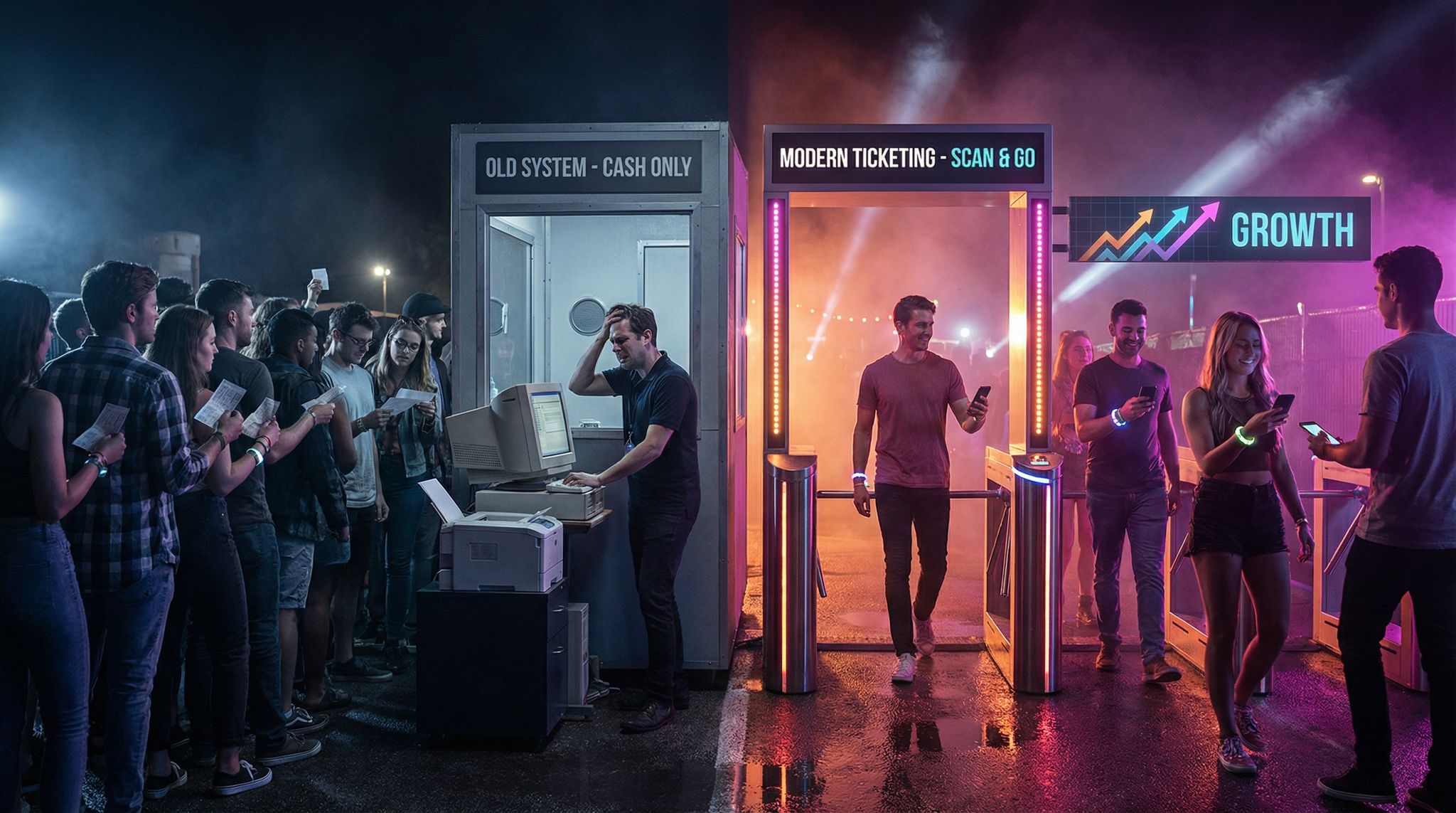
At the gate of your festival, speedy and secure entry is crucial. Modern ticketing platforms typically provide a mobile app or scanning solution to validate tickets on-site. When comparing providers, consider their integration with mobile scanning:
– Do they offer a dedicated scanner app for smartphones or tablets to scan QR codes or barcodes on tickets? (Most major platforms like Eventbrite, See Tickets, and Ticketmaster have apps for this. Specialist platforms like Ticket Fairy also offer robust mobile scanning tools for entry management.)
– Can the scanning app work offline or in low-connectivity environments? Festivals can be in remote fields or crowded areas where Wi-Fi is spotty. An app that can sync tickets beforehand and still scan without internet will save headaches.
– What’s the scanning speed and capacity? If you have thousands of attendees arriving at once, the app and equipment need to scan quickly (a good system can handle many scans per minute without errors).
– Integration with Mobile Wallets: Tech-savvy crowds may appreciate support for Apple Wallet or Google Pay tickets, where tickets can be saved on their phones for easy access. This can speed up entry and reduce issues with finding emails or printing.
– Physical Ticket Support: Conversely, ensure the platform can also handle printed ticket barcodes for any attendees who prefer a paper ticket. The scanning system should be able to read both mobile screens and paper printouts reliably.
When sourcing the best festival ticketing software with mobile scanning for 2025 or 2026, producers must prioritize offline resilience and hardware compatibility. The most effective festival ticket software doesn’t just read a QR code; it syncs instantly across dozens of gates, preventing ticket pass-backs even when local cell towers are overloaded. Whether you are managing a sprawling outdoor music event or need specialized film festival ticketing software to handle rapid theater turnover and VIP pass scanning, your access control technology must be bulletproof.
On the organizational side, test the software before event day. Train your door staff with the scanning app and run a simulation if possible. A reliable ticketing partner will often provide guidelines – or even staff support – to make sure entry goes smoothly. For instance, if you partner with a company like Ticket Fairy, you might get access to their seasoned on-site support crew or at least detailed training, making entry management far easier.
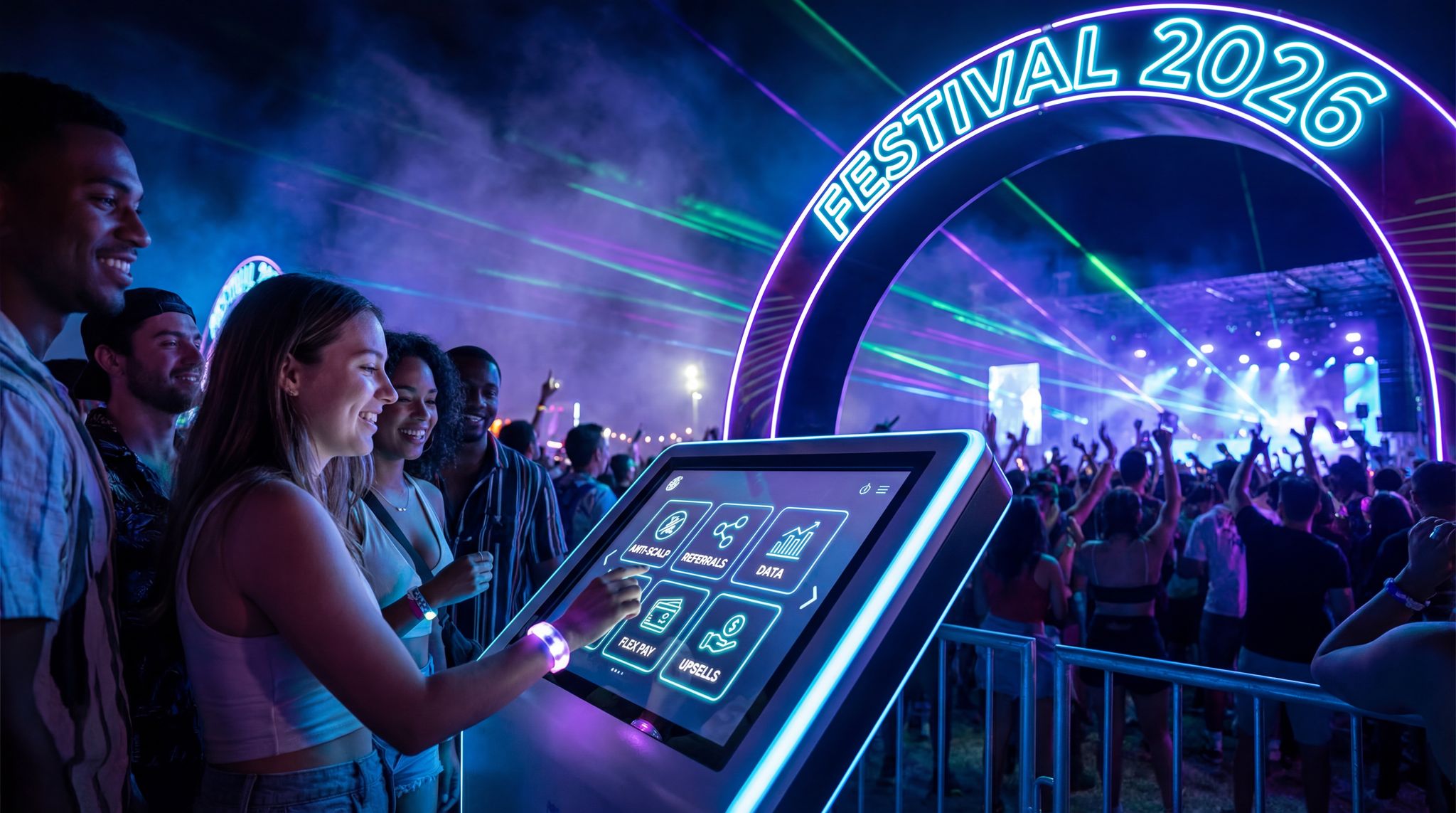
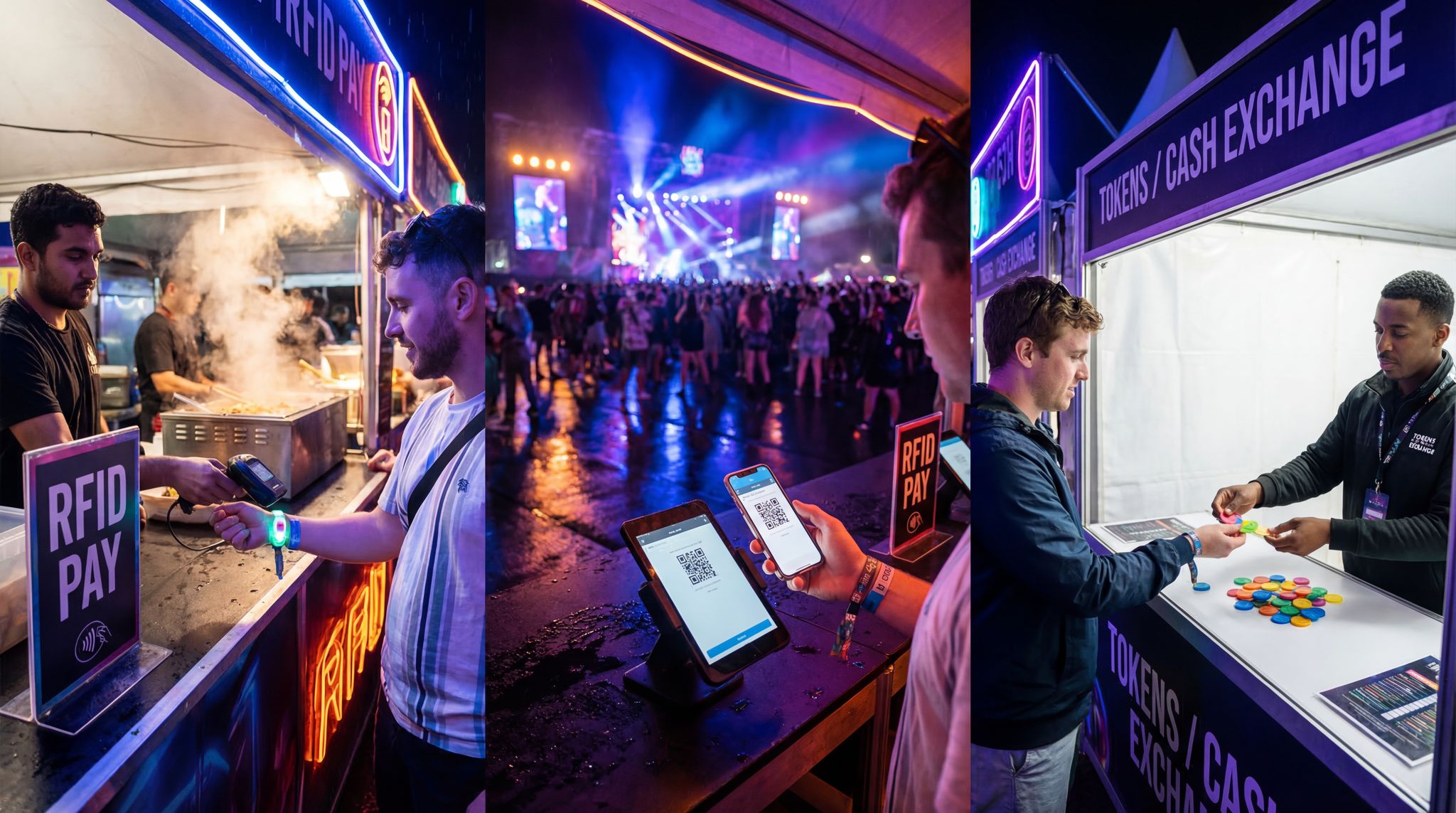
Beyond basic barcode reading, a comprehensive festival ticketing system must seamlessly integrate with advanced access control hardware. When conducting a top festival ticketing systems comparison, wristband RFID scanning is a major consideration for multi-day events. RFID technology allows for rapid, tap-and-go entry, cashless payments, and precise zone control for VIP areas. Furthermore, festival ticketing systems with on-site check-in support ensure that your box office staff can instantly resolve credential issues, assign new wristbands, and keep the ingress flowing smoothly even during peak arrival times.
On-Site Considerations: Will-Call and Equipment
Even in the digital age, many festivals still need will-call support – a place for attendees to pick up tickets or resolve ticket issues on-site. Check if the ticketing platform provides features for will-call management, such as:
– A real-time list of ticket buyers that can be searched quickly by name or order number, so your staff can verify purchases and hand out physical tickets or wristbands.
– Ability to leave notes on orders (e.g., if someone else is authorized to pick up the tickets).
– Easy conversion of an e-ticket to a physical ticket at the window if needed.
Also find out if the provider offers any on-site hardware or services. Will they supply scanners or handheld devices if you need them, or do they expect you to use your own smartphones/tablets? For very large festivals, some ticketing companies can rent out professional scanning equipment or even deploy staff to help manage entry lines. While smaller events may not require that level of service, it’s good to know what’s available. If your team is lean, having a ticketing partner that can send a few experienced staffers to assist on the day (or at least be on-call by phone) is a huge plus.
Customer Support and Partnership
When problems arise – whether it’s a technical glitch during the on-sale or a question about a specific ticket – you’ll want responsive support from your ticketing provider. Evaluate the customer support offered, not only to you as the organizer but also to ticket buyers:
– Organizer Support: Do you get a dedicated account manager or 24/7 support line? Especially important during your on-sale and on event day. Quick assistance can save a sale or solve an entry issue on the spot.
– Attendee Support: Will the ticketing company handle customer service for buyers (like answering questions about lost tickets, refund requests, etc.), or is that largely on your team? Some platforms offer robust FAQ portals and email/chat support for purchasers, which can take pressure off your festival staff.
– Training and Resources: Look for platforms that provide onboarding for your team, training materials, and perhaps an online knowledge base. A good partner wants you to fully utilize their system’s features.
– Reputation for Reliability: Beyond just uptime, what do other event organizers say about this provider when things went wrong? A company with great support will have clients who testify that issues were resolved quickly. You might not find this in marketing materials, so consider reaching out to colleagues or industry forums for honest feedback on each platform’s support track record.
Remember that in a very real sense, your ticketing provider is a partner in your event’s success. Companies like Ticket Fairy, for instance, emphasize a partnership approach – aligning their success with yours – which can be reassuring. Whichever provider you choose, ensure they’re as invested in a smooth attendee experience as you are.
Audience Demographics: Mobile vs. Physical Tickets
Consider your audience demographics and preferences when choosing ticket delivery methods. Many modern festival-goers (especially younger, tech-savvy attendees) prefer the convenience of mobile tickets. Mobile tickets reduce fraud (since they are harder to duplicate and can be dynamically refreshed or have rotating QR codes) and eliminate the need to print anything. If your crowd is comfortable with technology, a mobile-first ticketing approach is likely fine – just make sure to communicate how to download or access the mobile tickets easily.
However, some events and audiences still appreciate or even require physical tickets. For example, an upscale wine tasting festival might attract an older demographic that isn’t as smartphone-focused, and they might feel more secure with a paper ticket or PDF they can print out. In other cases, festivals create commemorative hard-copy tickets or RFID wristbands as part of the experience. If physical tickets or wristbands are needed, confirm that your ticketing partner can accommodate printing and shipping (and know the costs and logistics involved). You may also need a plan for on-site distribution (will-call) for those physical credentials.
The key is to meet your ticket buyers where they are. If you have a broad audience, it doesn’t hurt to offer multiple options: e-tickets for those who want them, and a mail-out or will-call option for those who prefer a tangible ticket. Just be sure your platform supports whatever mix you choose, and clearly communicate the options during the sale process.
Conclusion: The Front Line of Attendee Experience
In the end, your ticketing platform is not just a technical choice – it’s a cornerstone of your festival’s relationship with its fans. From the moment tickets go on sale to the moment your attendee’s ticket is scanned at the gate, the system plays a pivotal role. A reliable, feature-rich ticketing partner ensures that buying a ticket is as exciting and smooth as the event itself, whereas a poor choice can lead to lost revenue and damaged reputation.
Seasoned festival producers will attest that investing time in finding the right ticketing solution pays off immensely. It means peace of mind when thousands of eager fans hit that “Buy” button, and faster entry with fewer headaches on event day. Whether you go with a big-name platform or a white-label partner, choose one that aligns with your event’s scale, needs, and values. The goal is to build a seamless experience where the ticketing process enhances your festival’s brand. After all, ticketing is the front door to your festival – make sure it’s welcoming, sturdy, and open for all who want to come in.
Frequently Asked Questions
What are the benefits of using white-label ticketing solutions for festivals?
White-label solutions allow festivals to sell tickets under their own brand, offering greater control over the customer experience and data ownership. They often provide more flexible fee structures compared to major companies. However, organizers must ensure the provider has a proven track record of handling high-demand on-sales reliably.
How can festival organizers ensure ticketing platforms handle high-traffic on-sales?
Organizers should evaluate a platform’s peak load capacity and ask about virtual waiting rooms or queue technology. Selecting a system with a proven record of stability and high uptime is crucial to process thousands of transactions per minute without crashing during critical sales moments.
What hidden costs should organizers check for in festival ticketing fee structures?
Beyond headline fee percentages, organizers must check for payment processing fees, payout costs, and charges for on-site equipment. Transparent fee structures are essential to avoid gouging buyers. Comparing total costs, including whether fees are passed to customers or absorbed, ensures the platform aligns with budget goals.
Why is flexible ticket configuration important for festival production?
Flexible configuration allows organizers to manage complex needs like multiple ticket tiers, VIP passes, and timed price increases. Systems supporting discount codes and add-on bundles for camping or merchandise directly boost marketing effectiveness and per-attendee revenue while accommodating specific inventory limits for different access levels.
Can festival ticket scanning apps work without an internet connection?
Many modern ticketing platforms offer scanning apps capable of working offline or in low-connectivity environments. These apps sync ticket data beforehand to validate entry securely even when Wi-Fi is spotty. This feature is critical for festivals in remote locations to ensure speedy entry without technical delays.
How do audience demographics influence the choice between mobile and physical tickets?
Tech-savvy, younger audiences typically prefer the convenience and security of mobile tickets and digital wallets. Conversely, older demographics or upscale events may require physical paper tickets or print-at-home options. Offering a mix of delivery methods ensures all attendees feel comfortable and accommodated regardless of their technical preference.
What should organizers look for in film festival ticketing systems?
Film festival ticketing systems require unique features like assigned seating, multi-venue scheduling, and passholder management. Organizers should look for platforms that allow attendees to easily redeem all-access passes for individual screenings, manage overlapping showtimes, and handle rush lines or standby queues effectively.
Are there promoter-friendly Ticketmaster alternatives for independent festivals?
Yes, many independent organizers prefer white-label festival ticketing systems as promoter-friendly alternatives. These platforms offer enterprise-grade scalability and robust on-site check-in support while allowing producers to retain full ownership of their customer data, customize fee structures, and keep their own branding front and center.
What features define a truly promoter-centric ticketing platform?
A promoter-centric platform prioritizes the organizer’s operational needs by offering full data ownership, customizable fee structures, and real-time financial payouts. Unlike legacy systems that restrict access to customer insights, these independent solutions provide robust marketing tools, white-label branding, and dedicated account management to help producers scale their events efficiently.
What features make the best ticketing platform for music festivals in 2025 and 2026?
For the 2025 and 2026 seasons, the top festival ticketing platforms prioritize deep marketing integrations, white-label branding, and comprehensive data ownership. Organizers should look for systems that offer dynamic pricing, seamless VIP upgrade paths, and robust API capabilities to connect with modern access control and cashless payment hardware.
What makes a ticketing solution for festivals suitable for local promoters?
A versatile ticketing solution for concerts, festivals, and local promoters provides unified data tracking across various event sizes. It offers scalable infrastructure that handles massive annual festival on-sales while remaining cost-effective for smaller, routine club shows or seasonal events during the off-season.
What should organizers look for in the best event ticketing companies for large music festivals?
The top platforms for massive music events must combine enterprise-grade server scalability to handle high-traffic on-sales with advanced features like RFID wristband integration, complex VIP tiering, and comprehensive data ownership. Organizers should prioritize systems that offer real-time analytics and dedicated on-site support to ensure smooth ingress for tens of thousands of attendees.
Which event ticketing platforms are best for multi-day festivals with hospitality packages?
The top ticketing platforms for multi-day festival events provide robust inventory management that seamlessly links weekend passes with premium add-ons like glamping, VIP access, and exclusive hospitality packages. Modern white-label solutions often offer the best balance, giving organizers enterprise-grade features to bundle accommodations while retaining full control over their premium customer data and ticketing revenue.
What features define the best festival ticketing software with mobile scanning?
The best festival ticketing software with mobile scanning combines offline resilience, rapid QR code processing, and seamless hardware integration. For upcoming 2025 and 2026 events, organizers should look for festival ticket software that prevents pass-backs in real-time, supports RFID wristbands, and provides box office staff with instant troubleshooting capabilities right at the gate.