Audience Targeting and Experience Design are the twin pillars of successful festival production. A festival’s success hinges on truly knowing its audience and crafting an experience that speaks to them. With thousands of festivals worldwide each year, attendees have endless options – and they gravitate toward events that align with their interests and needs. Veteran producers understand that audience targeting and experience design are two sides of the same coin: first identify exactly who your attendees are, then design every aspect of the event to delight that specific crowd. From the moment tickets go on sale to the final encore on-site, the best festivals meticulously align programming, amenities, and atmosphere with the expectations of their target audience.
In this comprehensive guide, we’ll explore how to execute audience-centric planning and immersive experience design. Whether you’re organizing an intimate 500-person boutique gathering or a major 50,000+ attendee extravaganza, the principles remain the same. We’ll cover how to segment your audience and build attendee personas, adapt your festival for different demographics and cultures, create interactive and meaningful on-site experiences, and keep your community engaged long before and after the event. Let’s dive in!
Table of Contents
- Audience Segmentation and Attendee Personas
- Family-Friendly vs Adults-Only: Designing Age-Appropriate Experiences
- Engaging Gen Z and the Digital-Native Generation
- Local vs. Tourist Audiences: Adapting Festival Appeal
- Diversity and Inclusion: Serving All Audience Segments
- Tailoring Experiences to Audience Interests and Niches
- Interactive Engagement and Gamification On-Site
- Amenities, Comfort, and Safety: Prioritizing Attendee Well-Being
- Immersive Environments: Crafting Unforgettable On-Site Atmosphere
- Creating Emotional Impact and Meaningful Connections
- Pre-Festival Outreach and Hype Building
- Attendee Participation, Feedback, and Loyalty
Audience Segmentation and Attendee Personas
No festival can be all things to all people. Successful events start by clearly defining who they’re for. Producers analyze demographics (age, gender, location), interests (music genres, hobbies), and behaviors (spending habits, social media engagement) to segment their potential audience. This process sharpens the festival’s focus. Instead of a generic approach, organizers craft marketing and programming for specific groups with shared traits. Many veteran producers even create detailed attendee personas to identify their festival’s target audience – fictional profiles that represent key segments. For example, a music festival might envision a persona like ‘EDM Eva’, a 22-year-old dance music fan who shares every moment on Instagram, versus ‘Family-Man Frank’, a 40-year-old attending with kids who values safety and daytime activities. By visualizing these archetypes, the team can design the experience through each persona’s eyes.
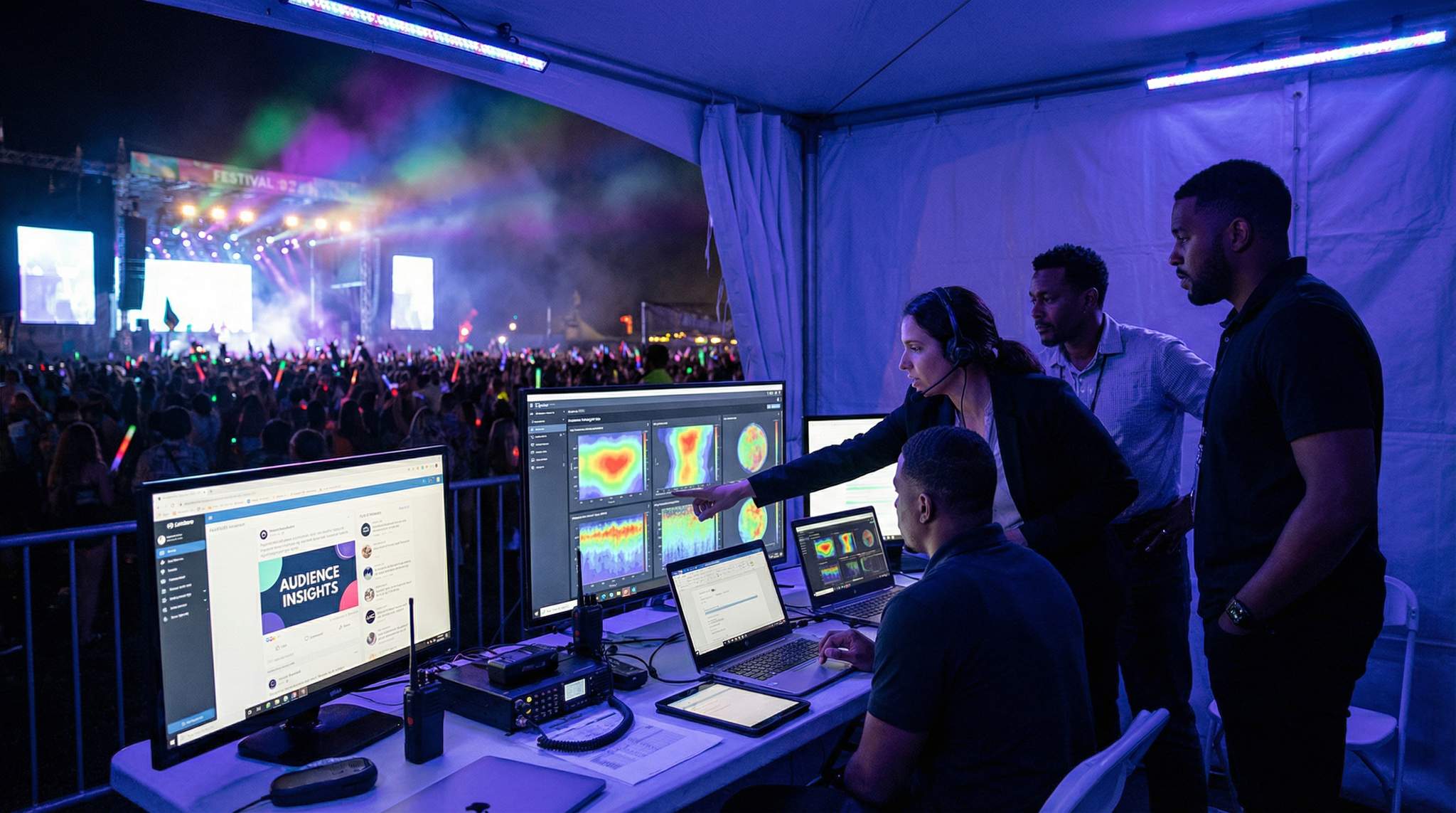
Understanding these segments informs every decision. If ‘EDM Eva’ dominates the target demographic, the lineup might skew toward electronic artists and late-night DJ sets. If families are a core segment, daytime programming and kid-friendly zones become essential. Organizers gather data to refine these insights: surveying past attendees, studying ticket purchase patterns, and researching trends at similar events. Social media is a goldmine for audience research – monitoring comments and follower analytics reveals what excites fans. Tools like Facebook Audience Insights or Instagram polls can spotlight fan preferences and guide planning. In fact, leveraging social media insights to reach and understand your festival audience often uncovers surprising interests or concerns that might not surface in formal surveys.
Turn Fans Into Your Marketing Team
Ticket Fairy's built-in referral rewards system incentivizes attendees to share your event, delivering 15-25% sales boosts and 30x ROI vs paid ads.
When defining a music festival target audience, organizers must look beyond basic demographics to understand genre affinity and subculture participation. The target audience for music festivals is rarely monolithic; it often consists of primary fans devoted to the headlining genre and secondary attendees drawn by the overall atmosphere, crossover acts, or social experience. For instance, a multi-genre event might identify its core festival audience as indie-rock enthusiasts, but strategically book electronic or hip-hop artists to attract adjacent listener segments. By analyzing streaming data, ticketing histories from similar regional concerts, and artist follower overlaps, promoters can build a highly accurate profile of who will actually buy tickets, ensuring the lineup and marketing spend are perfectly aligned with attendee expectations.
Pro Tip: Engage with potential attendees early. Simple tactics like online polls, email questionnaires, or focus groups with fan club members can validate your assumptions about what your audience wants (and what they don’t). Early feedback – on preferred artists, ideal ticket prices, or desired amenities – helps you fine-tune the festival vision to better match your crowd.
Clarity about the target audience is more than a marketing exercise – it’s the foundation of experience design. The venue selection, branding style, communication tone, and on-site amenities should all align with the expectations of your core attendees. A festival that tries to please everyone often ends up satisfying no one. By zeroing in on distinct audience segments and their personas, producers set the stage for designing an experience that feels custom-made for those attendees. The table below illustrates a few common segmentation criteria and how they influence festival planning:
| Segmentation Basis | Example Segment | How It Guides Design |
|---|---|---|
| Demographics | Young adults (18–24) | Choose trending artists, active social media marketing, budget-friendly tickets |
| Interests | Electronic music fans | EDM-heavy lineup, immersive lighting/visuals, late-night stages |
| Location | Local city residents | Focus on local marketing, provide commuter-friendly scheduling (no Monday events) |
| Attendee Type | First-timers vs. Regulars | Extra guidance and info for newbies; loyalty perks for veteran attendees |
Family-Friendly vs Adults-Only: Designing Age-Appropriate Experiences
Age demographics shape a festival’s character. An event open to families with children must be designed very differently than a strictly 18+ festival. The content, amenities, and even marketing tone should reflect the intended age range. Festivals that welcome kids typically emphasize daytime programming, gentler environments, and a safer atmosphere. This could mean scheduling headline acts earlier in the evening, providing play areas or carnival rides, and keeping volume levels and lyrics appropriate for younger ears. Facilities also need to accommodate families – expect to offer baby changing stations, stroller-accessible paths, and perhaps discounted youth tickets. In contrast, an adults-only festival can push boundaries with edgier art and performances, later operating hours, and a broader range of food and beverage (including alcohol-focused experiences). Security and medical plans differ too: with minors on-site, organizers need extra lost-child protocols and family reunification points, whereas at 18+ events more resources might go toward monitoring over-21 alcohol service.
Producers must decide early which route to take – family-friendly or adults only – and align every element accordingly. The distinction affects the festival’s brand and expectations. Advertising a ‘family fun day’ vibe will attract parents and kids, so the experience had better deliver on that promise. Conversely, marketing a festival as an exclusive 18+ party will draw a crowd expecting freedom to indulge without children around. Designing the right festival experience for a family-friendly versus 18+ demographic requires radically different choices. For example, at family-friendly events like California’s BottleRock, you’ll find dedicated kids’ zones and even nursing stations for parents, while at adult-focused festivals like EDC Las Vegas (21+), the emphasis is on all-night stages, neon spectacle, and club-like environments. Each choice comes with trade-offs: family events may limit certain sponsorships or content (no explicit lyrics or adult themes), whereas adult festivals sacrifice the broader ticket base that families provide.
All-ages festivals often need to serve multiple sub-audiences simultaneously. Parents, teens, and young children have very different needs and attention spans. Organizers end up balancing these diverse audience needs in one space – offering quiet rest areas and child-friendly activities alongside more intense entertainment for adults. This balancing act requires thoughtful layout planning (e.g. placing family zones farther from loud stages) and scheduling (alternating kid-friendly acts with mainstream artists). On the other hand, an adults-only festival can zero in on one mature audience segment without those compromises – but even within that, the age range might span college students to middle-aged fans, so the experience should still offer variety (high-energy areas as well as relaxed lounges).
Smart Promo Codes & Presale Access
Create percentage or flat-rate discount codes with usage limits, date ranges, and ticket type restrictions. Plus unlock codes for private presales.
Warning: Misrepresenting your festival’s age appropriateness can backfire badly. If you bill an event as ‘family-friendly’ but fail to provide a safe, comfortable environment for kids (or if adult content slips through), parents will be the first to complain – loudly. Likewise, if your 18+ festival isn’t clearly advertised and minors sneak in, you risk legal penalties and insurance nightmares. Always match your marketing to the reality on the ground.
In summary, know your festival’s intended age group and design with that lens. If it’s for everyone from toddlers to grandparents, prioritize inclusivity, safety, and broad appeal. If it’s for adults only, you have latitude to create a more immersive, uninhibited atmosphere. Neither approach is “better” universally – the right choice depends on your brand and goals, but it must be executed consistently through programming, infrastructure, and policies.
Engaging Gen Z and the Digital-Native Generation
As the older Gen Z and younger Millennial cohorts become the core festival audience, their preferences are reshaping festival design. This is the first generation of true digital natives – people who grew up with smartphones, social media, and on-demand content from day one. Engaging these attendees requires designing festivals through a tech-savvy, socially conscious lens. Gen Z fans discover events and form opinions online, so a strong digital presence is a must. They respond to authentic storytelling on platforms like TikTok, YouTube, and Instagram far more than traditional print or radio ads. To grab their attention, festivals incorporate interactive content (think AR filters for your festival app or behind-the-scenes artist TikToks) and leverage influencers or peer recommendations. In fact, designing a festival experience that speaks to Gen Z’s digital habits and values often means embracing new technology on-site and off.
Yet it would be a mistake to view Gen Z as only screen-obsessed. This generation craves real, meaningful experiences – perhaps as a counterbalance to their digital lives. Many Gen Z festivalgoers actively seek deeper engagement at events: workshops, cause-driven activities, and moments of genuine connection. They also have high expectations for convenience and tech integration. Cashless payment systems, intuitive festival apps, and robust Wi-Fi or charging stations aren’t perks; they’re baseline requirements for a positive experience. At the same time, producers should recognize that while Gen Z shares everything online, they also value being in the moment. Key Stat: A recent survey showed 89% of Gen Z festival-goers consider enjoying the live experience more important than posting about it on social media, according to data from the WYSE Travel Confederation. In response, some festivals now balance connectivity with opportunities to unplug – for example, designated phone-free zones (where artists request fans put devices away) have popped up to help attendees immerse themselves in the music without digital distractions.
To design for Gen Z, focus on flexibility, shareability, and authenticity. Provide plenty of Instagrammable visuals and interactive installations – today’s young attendees love capturing memorable scenes – but also craft experiences worth sharing in the first place. Gen Z also values diversity and inclusion; they want to see lineups and festival staffs that reflect different genders, cultures, and backgrounds. Likewise, sustainability matters: eco-friendly practices (recycling programs, solar-powered stages) and social causes (charity tie-ins, awareness booths) resonate strongly with younger audiences who often choose experiences aligned with their values.
Pro Tip: When marketing to Gen Z, meet them where they are. Lean into short-form video content and authentic influencer partnerships on platforms like TikTok or Instagram. Traditional ads won’t resonate with this crowd as much as viral challenges or peer recommendations. And make sure your online ticketing and info are mobile-friendly; a clunky web experience will turn digital natives off fast.
In short, winning over Gen Z involves a blend of high-tech convenience and genuine human connection. If you create an environment where they can use technology to enhance their fun – but don’t feel tethered to it – you’ll strike the perfect balance. Festivals that can seamlessly integrate digital engagement while delivering authentic, meaningful moments on the ground are the ones that will turn Gen Z attendees into passionate lifelong fans.
Local vs. Tourist Audiences: Adapting Festival Appeal
Who your attendees are – locals from the surrounding region or travelers from afar – dramatically influences how you plan and promote a festival. A community-based event may rely on attendees who drive in for a single day, while a destination festival might entice fans to fly in and spend a long weekend. Organizers must be adept at adapting the festival experience for local vs. tourist audiences. If the bulk of your crowd is local, you can lean into hometown pride and convenience: highlight local artists, use familiar landmarks in your branding, and provide ample parking and commuter-friendly scheduling. Marketing for locals might involve regional media, community influencers, and posters around town. In contrast, if you’re courting tourists, you need to sell the destination as part of the appeal – emphasizing unique experiences, scenery, or cultural elements worth traveling for. Marketing will skew digital and global, targeting interest-based communities and using content (videos, blogs, travel magazines) that positions your festival city as a must-visit.
Planning a Festival?
Ticket Fairy's festival ticketing platform handles multi-day passes, RFID wristbands, and complex festival operations.
Logistics are a key differentiator. A mostly local audience means fewer worries about lodging and long-distance travel – many attendees will go home each night. But a tourist-heavy festival requires careful coordination with hotels, transit, and even visa timelines. Providing travel guides on your website, discount codes for partner hotels, and shuttle services from airports or city centers can make a huge difference. Key Stat: According to global festival attendance statistics from WiFi Talents, approximately 15% of festival attendees worldwide are international travelers, so even a modest event can have a global footprint if positioned right. Major destination festivals capitalize on this: Belgium’s Tomorrowland packages global travel experiences (flights + festival tickets) for tens of thousands of international fans, and events like Ultra Miami or Glastonbury see attendees from dozens of countries. These festivals start ticket sales and promotions extra early – often a year in advance – because travelers need time to plan vacations and book flights. For any event hoping to draw non-locals, building hype well before the festival isn’t just marketing fluff; it’s essential lead time for your audience to arrange their trip.
The on-site experience should also reflect your audience mix. Local attendees might appreciate touches like honoring community traditions (e.g. a stage for regional talent or local food vendors). Out-of-town guests, on the other hand, may need extra hospitality – think welcome booths with city maps, multilingual signage, and tips for exploring the area before or after the festival. If a large portion of your crowd is international, consider culturally inclusive choices (dietary options, diverse music programming) to make everyone feel welcome despite traveling far. You may even schedule activities on adjacent days (like a pre-festival city tour or a post-festival meetup) so tourists get more bang for their long journey.
Pro Tip: Partner with local tourism boards and travel companies when courting a non-local audience. Collaborative promotion – such as festival packages that include hotel stays or airline discount codes – can boost your event’s visibility abroad and simplify trip planning. Many regions’ tourism agencies are eager to support festivals that bring in visitors, sometimes even offering marketing grants or in-kind assistance.
Warning: Don’t neglect the basics for your travelers. Ensure there are enough accommodations during festival weekend – if hotel prices surge or rooms sell out, some fans will reconsider attending. Likewise, clearly communicate transport options: How do people get from the airport to the festival? Are there late-night shuttles or rideshares? Removing uncertainty from travel logistics goes a long way in converting interested tourists into actual ticket buyers (and repeat visitors).
Ultimately, understanding the mix of local versus tourist attendees helps tailor both the festival’s allure and its practical support. By catering to hometown fans you strengthen community bonds and word-of-mouth. By beckoning tourists with a seamless destination experience, you can significantly expand your festival’s reach and economic impact. Many events succeed by finding the sweet spot – treating the locals like VIPs who shape the festival’s identity, while making outsiders feel like locals for a weekend.
Diversity and Inclusion: Serving All Audience Segments
Modern festivals thrive on diversity – not just in music or art, but in the people who attend. Fostering an inclusive environment means ensuring that attendees of different ages, abilities, genders, ethnic backgrounds, and orientations all feel welcome and accommodated. This starts with accessibility. Every festival should be prepared to host fans with disabilities as seamlessly as any other patron. That includes basics like wheelchair-accessible entrances, ramps and pathways, ADA-compliant viewing platforms at stages, and reserved accessible parking close to the venue. It also means offering alternatives for those with hearing or visual impairments (such as sign language interpreters on the main stage or captioning on screens, and tactile signage or assistive listening devices). With around 15% of the global population living with a disability, these accommodations aren’t niche extras – they’re essential infrastructure. An organizer’s goal is to have someone with mobility or sensory impairments enjoy the show as freely as anyone else. Proactively ensuring your festival is inclusive and accessible to all is not just the right thing to do morally; in many places it’s also a legal requirement, and it expands your potential audience.
Inclusion extends beyond disability access. A truly diverse crowd might encompass different cultures and lifestyles, which introduces a variety of needs and expectations. Programming should reflect this diversity – for example, featuring artists from different backgrounds or balancing genres to appeal to a wider racial or cultural spectrum of attendees. Festival messaging and decor can be made culturally sensitive and welcoming (multilingual signs, acknowledgment of holiday observances if your dates overlap with any, etc.). Food and vendor choices, too, can mirror the diversity of your audience by including cuisines and products that cater to different ethnic groups or dietary restrictions (halal, kosher, vegan, etc.). If your festival has a significant international audience, providing information in multiple languages and training staff on basic cultural etiquette goes a long way to making everyone feel at home.
Creating a safe space is another pillar of inclusion. Attendees should feel protected from harassment or discrimination. Many festivals now implement zero-tolerance policies on harassment and clearly communicate codes of conduct. Staff and security are trained to handle issues sensitively, whether it’s responding to reports of inappropriate behavior or assisting someone with special needs. Some events designate “safe zones” or help booths where attendees can seek support for any personal safety concerns. The atmosphere of the festival should be one of celebration and respect – everyone belongs. Sometimes small gestures reinforce this, like offering pronoun stickers at check-in, or scheduling empowerment workshops/panels alongside entertainment.
Diverse audiences also mean varied preferences and comfort levels. Families, LGBTQ+ attendees, older revelers, and others might all share the festival grounds. The key is balancing different audience needs so each group feels catered to. That could mean dedicating a quiet area for those who need a break from crowds, or ensuring festival merchandise includes inclusive designs that appeal across genders and cultures. Solicit input from underrepresented attendee groups during planning – what makes them feel welcome or unwelcome? Often, adjustments can be simple (e.g. providing free water as an alternative to alcohol-centric hospitality, or having female security staff available) but make a significant difference in comfort.
Pro Tip: Appoint an Inclusion or Accessibility Coordinator on your team. This person’s job is to review plans with a diverse eye – catching things like narrow gate entrances that would bottleneck wheelchairs, or lack of vegan food options – and to suggest solutions. Having a dedicated advocate for accessibility and diversity in the planning process ensures these considerations aren’t an afterthought but built into the event from the start.
Warning: Token gestures aren’t enough. Avoid ‘checkbox’ inclusion – for instance, advertising your event as inclusive but then booking an all-male lineup, or adding one wheelchair platform without maintaining accessible pathways elsewhere. Attendees will notice insincerity. True inclusion requires follow-through in every detail: if you declare that everyone is welcome, every aspect of your festival (from marketing images to on-site facilities) should back that up. Otherwise, you risk public criticism and alienating the very audiences you want to attract.
In summary, by designing your festival to be accessible and welcoming to the broadest range of people, you not only do right by your audience – you also expand your reach and enrich the festival experience. A diverse crowd brings a special energy, mixing perspectives and cultures in a way that can make the event unforgettable. When people from all walks of life can dance side by side, share new experiences, and feel equally valued, you’ve achieved something truly powerful as a festival producer.
Need Festival Funding?
Get the capital you need to book headliners, secure venues, and scale your festival production.
Tailoring Experiences to Audience Interests and Niches
No two festivals should feel the same, because no two audiences are identical. The most successful events are those finely tuned to the passions and interests of their particular crowd. This goes beyond genre. It means picking up on the nuances of what your attendees love and weaving those elements throughout the experience. For a music festival, that might involve curating a lineup around the specific sub-genres your ticket buyers favor, rather than a generic mix. If data or surveys show your attendees skew heavily toward, say, indie folk, then an EDM rave tent would feel out of place – instead, you might add an acoustic side stage or songwriter workshop to delight the folk aficionados. Similarly, a festival with a foodie audience should feature top-notch culinary options; a tech-savvy crowd will expect festival apps and AR activations; a wellness-oriented gathering could offer morning yoga sessions. In short, know what makes your audience tick and double down on it. By tailoring the festival experience to match your audience’s interests, you create a vibe that genuinely resonates and sets your event apart.
In recent years, niche festivals have exploded in popularity. Rather than aiming for the mass market, these events serve specialized communities – and often do it better than broad festivals could. There are festivals dedicated entirely to board gamers, vegan food lovers, K-pop fans, historical reenactors, you name it. If your event targets a specific niche, authenticity is paramount. You’re catering to attendees who likely live and breathe that passion year-round. They will notice if something is inauthentic or ‘for show.’ Everything from the programming and decor to the MC’s on-stage banter should demonstrate respect for the culture of the niche. For example, a festival for hardcore metal fans might feature a rugged DIY aesthetic, fan workshops (like guitar shredding clinics), and merch booths with rare vinyl – not polished pop aesthetics or overly commercial branding. A cosplay convention will ensure there are ample cosplay repair stations, costume contests, and themed backdrops for photos because they understand those details matter deeply to that audience. Organizers of niche events often work closely with community leaders or forums to shape the content. This grassroots approach creates an event that feels like it’s truly by and for the community.
Even within larger festivals, recognizing niche segments of your audience can enhance the experience. Big multi-genre events often carve out themed areas or stages (e.g. an R&B stage at a predominantly rock festival) to give subgroups their space. This shows attendees that their particular music taste or interest is valued, even in a broader context. It can also entice crossover attendance – someone might initially come for the big headliner, but stay because they discover you also catered to their love of jazz in a smaller lounge area. These thoughtful touches emerge from knowing the micro-communities within your macro audience.
Pro Tip: If you’re serving a highly specialized audience or subculture, involve insiders from that community in your planning process. Form an advisory panel of passionate fans or collaborate with well-known figures (artists, bloggers, influencers) from the scene. Their input on everything from lineup choices to appropriate terminology can be invaluable in nailing the authenticity that your audience will appreciate.
Warning: Avoid “trend-hopping” without substance. Don’t label your festival as a niche experience just because that niche is hot right now – unless you’re ready to commit wholeheartedly. For instance, slapping a ‘sustainability’ theme on your event to ride a trend, but not actually implementing eco-friendly practices, will alienate savvy attendees. Niche audiences are often tight-knit and vocal; losing credibility with them can harm your reputation more broadly. Stay true to the interests you’ve promised to cater to.
In summary, tailoring the experience means shaping your festival’s content, atmosphere, and amenities around what your audience values most. When attendees see their interests reflected back at them – whether it’s through a perfect lineup, themed decor, or unique program elements – they feel understood and excited. That emotional connection turns a good festival into a beloved one, and it transforms casual attendees into die-hard fans who spread the word within their communities.
Interactive Engagement and Gamification On-Site
Today’s festival attendees don’t just want to watch – they want to participate. That’s why leading festivals are infusing interactivity and game elements into the on-site experience. Scavenger hunts, QR code quests, interactive art installations, mobile app challenges, and even old-fashioned competitions (like costume contests or dance-offs) can turn passive spectators into active players in the event. These activities create an extra layer of fun and encourage attendees to explore the entire festival grounds rather than staying in one spot. By gamifying parts of the festival experience with interactive challenges, organizers keep the energy high even between big stage acts. For example, some music festivals plant clues around the venue and reward those who complete a scavenger hunt with exclusive meet-and-greet passes. Others use their festival app to push out daily missions (“find the secret DJ set,” “take a selfie with the art installation X”) and show live leaderboards to spark friendly competition. The result is attendees engaged on multiple levels – not just with the performances, but with the festival environment and community.
One area where interactivity has really taken off is in promoting positive behaviors like sustainability. Many events now incorporate eco-challenges and rewards as part of the fun. You might encourage fans to pick up recycling in exchange for points or badges, or use a “green leaderboard” to spotlight those who complete tasks like refilling water bottles instead of buying disposable plastic. Key Stat: Roughly 50% of festival-goers prefer events that are eco-friendly and sustainable, as noted in recent festival attendance reports from WiFi Talents, so tapping into that interest benefits both the planet and your festival’s brand. Innovative producers are gamifying sustainability at festivals by turning eco-actions into engaging challenges. At Australia’s Splendour in the Grass, for instance, attendees who brought reusable cups and sorted waste earned points in a festival app that could be redeemed for merch – an approach that significantly boosted recycling. Not only do such initiatives get people involved, they also create talking points that often spread on social media (free marketing!) and give attendees a sense of contribution.
The key to successful on-site gamification is keeping it accessible and rewarding. Activities should be easy to join and understand – something attendees can stumble upon and say ‘why not, let’s try it.’ Small incentives or recognition (exclusive swag, a shout-out on the main stage, discounts on next year’s tickets) can motivate huge participation. It’s also important to match the tone of your games to your audience. A high-tech AR-driven quest might thrill a tech conference crowd, while a simple “festival bingo” card (e.g., spot these 10 things on site) might suit a laid-back folk festival. Always ensure that participating is optional and doesn’t detract from the core music/film/food experience.
Pro Tip: Use gamification to guide attendee behavior in positive ways. For example, if you want to reduce litter, create a game where attendees earn points (visible on a leaderboard) for each bag of trash they collect, with meaningful prizes for top point-getters. People are surprisingly willing to go the extra mile when it feels like a fun competition rather than a chore – you’ll achieve practical goals like a cleaner venue and attendees will enjoy the challenge.
Warning: Don’t let the games overshadow the main event. Interactive elements should enhance the festival, not consume it. Make sure challenges are low-barrier and enrich the overall theme. If they become too time-consuming or complex, attendees might ignore them – or worse, feel distracted from why they came (the music, art, or core attraction). Always test your interactive ideas with a small group (or even staff) to ensure they’re intuitive and add value to the experience.
When done right, interactive engagement turns attendees into active participants and creates memorable moments beyond the main stage. Fans will leave not only talking about the headline act they saw, but also the goofy scavenger hunt they completed at 2 AM or the fact that they won a prize for visiting every food truck. These layers of experience give festivals an extra dimension that keeps people buzzing long after they leave the venue.
Amenities, Comfort, and Safety: Prioritizing Attendee Well-Being
Even the best entertainment can be ruined if fans are hungry, dehydrated, exhausted, or feel unsafe. Ensuring attendee well-being through thoughtful amenities and safety measures is a fundamental part of experience design. Start with the basics: plentiful restrooms (and yes, their cleanliness and placement matter), free water stations or at least affordable bottled water, and ample trash/recycling bins to keep the environment pleasant. Provide shelter from the elements – shade and misting areas in hot sun, covered areas or ponchos if rain is likely. Seating is another often-overlooked comfort; even a high-energy music festival benefits from chill-out zones or picnic tables where people can recharge their legs. If your venue is large, consider offering transportation within the grounds (shuttle carts or a miniature train, for example) so attendees with mobility needs or those simply tired from walking can easily reach far stages. By planning amenities that truly enhance attendee comfort and convenience, you send a message that your festival cares about more than just the show – it cares about the people attending.
Safety is equally critical. A well-designed festival experience makes attendees feel secure at all times. This includes visible but friendly security staff, clearly marked medical tents with trained medics, and protocols for handling emergencies (from a lost child to severe weather to an evacuation). Crowd management plays a role in comfort too – nobody enjoys being stuck in a crushing bottleneck between stages. Smart layout planning with multiple exit routes, one-way pedestrian flows in tight areas, and use of barriers to prevent dangerous crowd surges will keep people safe and at ease. Similarly, lighting is a comfort and safety feature: ensure pathways, parking lots, and remote areas are well-lit at night so attendees can navigate confidently. If your event runs into the late hours, think about attendees’ journey after the show: are there late-night shuttles or clear directions for safe transport home? Many festivals partner with rideshare services or provide night buses to get people back to town, which not only is a convenience but can save lives by preventing drunk driving or people wandering in unsafe areas.
Little touches can have big impacts on comfort. Provide phone charging stations or lockers – in today’s smartphone-reliant world, a dead battery can cause major stress (and cut off that digital engagement you cultivated). Offer free water and sunscreen at first aid stations to prevent dehydration and sunburn. If the festival is overnight or camping-based, ensure there are hot showers, lighting in the camp areas, and maybe morning coffee/snack vendors for when people wake up. The table below illustrates how amenities might scale up from a small boutique event to a massive festival:
| Amenity | Boutique Festival (500–1,000 ppl) | Major Festival (50,000+ ppl) |
|---|---|---|
| Restrooms | Portable toilets cluster at one end of site; quick maintenance by volunteers. | Hundreds of units spread across all zones, with 24/7 professional cleaning crews and dedicated ADA units. |
| Food & Beverage | 5–10 local food trucks or vendors, modest variety. | 50+ vendors spanning global cuisines, dedicated vegan/vegetarian stands, large bars in multiple areas. |
| Water Stations | A couple of water refill taps, possibly staff-assisted. | Dozens of free refill stations with clear signage, plus roaming water vendors and misting tents in heat. |
| Phone Charging | Basic charging hub at info tent (bring your own cable). | Multiple charging lounges with lockers or battery rental, some stations powered by solar or bike generators (interactive element). |
As shown above, as attendee numbers grow, so does the scale of amenities required – but even a small festival should cover the comfort essentials. One strategy is to adopt a “day in the life” perspective: walk through your event as if you were an attendee and note every point where a need could arise (thirsty, tired, lost, etc.). Then make sure you have a solution in place for each.
Pro Tip: Map out the attendee journey from arrival to departure. At each step, ask “Do they have what they need here?” For example, entering the venue – are there enough entry lanes to prevent hour-long waits? At the far stage – is there a water station nearby? Considering these details and placing amenities strategically (with clear signage) prevents pain points before they happen. Comfortable attendees stay longer, spend more, and leave happier.
Warning: Never underestimate how quickly a lack of basic amenities can sour the public’s perception. History has shown that festivals with too few toilets, no free water in heat, or inadequate medical services don’t just get complaints – they risk serious safety incidents and subsequent bad press or even lawsuits. Always err on the side of providing more comfort and safety resources than you think you’ll need, especially for first-time events. It’s far easier to scale back in future years than to rebuild trust after a preventable fiasco.
Attendee comfort and safety might not generate headlines like a superstar headliner does, but it is absolutely integral to festival success. When people feel cared for, they can fully immerse themselves in the experience you’ve created. They’ll remember that along with the great performances – “the music was amazing and the festival thought of everything, I never even had to worry about a thing.” That peace of mind is what turns a fun day out into an outstanding memory (and makes attendees eager to return next time).
Immersive Environments: Crafting Unforgettable On-Site Atmosphere
A festival isn’t just a series of performances – it’s an ephemeral world that you create for your audience. The on-site atmosphere and environment can be as impactful as the artists on stage. Think of it as set design on a grand scale: your festival grounds should immerse attendees in an experience from the moment they arrive. Many top festivals adopt themes or aesthetic motifs each year, building entire worlds that feel transportive. Through creative staging, lighting, art installations, and layout, you can make your event’s ambiance truly unforgettable. Consider elements like large-scale art (sculptures, murals, interactive pieces), stage designs that wow (towering LED walls, thematic props), and environmental details (flags, arches, colorful lighting in trees at night). Even costumed performers roaming the grounds or pop-up theatrical moments can contribute to a sense that “anything can happen” here. By designing an unforgettable on-site festival experience, you encourage attendees to fully lose themselves in the moment and the setting.
One hallmark of an immersive environment is consistency – every touchpoint reinforces the vibe. At a tropical-themed festival, for instance, you might hear steel drum music in the VIP lounges, serve cocktails in coconuts, and deck the site with palm fronds and beach sand. At a retro ’80s event, you’d incorporate neon art, vintage arcade games, and throwback movie clips on screens between acts. These details create layers of authenticity that attendees subconsciously pick up on. Don’t forget the power of multi-sensory design: aroma can be an underrated tool (the scent of incense or delicious food stalls wafting through), and tactile experiences (like a chill-out dome with soft pillows) give people a physical comfort that ties into emotional comfort. The goal is to engage as many senses as possible – sight, sound, touch, even taste – in service of your festival’s identity.
Layout and flow also contribute to immersion. A thoughtfully designed festival site will have natural “discoveries” and journeys. Perhaps a hidden acoustic stage in a grove of trees provides a magical retreat from the main stage’s chaos, or a winding path of art pieces leads attendees on an exploratory adventure between areas. When people stumble upon a beautiful chill-out zone or an unexpected performance by accident, it fosters a sense of adventure and personal connection to the event. Spacing is important too: avoid dead zones where nothing is happening (attendees will feel bored or disconnected walking through them) and avoid sensory overload spots where too many loud or visually frantic elements clash. Balance high-energy and low-energy spaces. An immersive environment often means giving attendees agency in how they experience the space – multiple points of interest, rather than one choke point where everyone must be.
An increasingly discussed aspect of immersion is managing technology’s role. While festival-goers love sharing content, too much screen time can pull people out of the here-and-now. Some festivals encourage attendees to be present by offering phone-free areas or at least moments where the audience is asked to put devices down for a song. Other events integrate technology into the immersive experience (augmented reality art, interactive light shows via an app) so that phones enhance rather than detract. Consider what fits your audience: a tech-driven crowd might love a coordinated LED wristband experience that makes them part of the light show, whereas a folk festival audience might appreciate an unplugged campfire singalong area with no amplifiers or screens at all.
Pro Tip: Design at least one signature ‘wow’ moment or space that will live on in attendees’ memories (and Instagram feeds). It could be a dramatic fireworks finale, a secret speakeasy tent hidden behind a bookshelf that only a few lucky guests find, or a sunrise set at an art installation that creates pure euphoria. These flourishes become talking points that differentiate your festival and get attendees telling their friends “you had to be there.”
Immersion is ultimately about suspension of reality – for the hours or days festival-goers are in your gates, they should feel like they’ve entered a different world. When the environment complements the music and programming, the entire experience becomes cohesive and engrossing. Attendees won’t just recall which artists played – they’ll remember how the festival felt. Achieving that level of atmosphere is a major step toward cultivating the kind of emotional impact and loyalty that every producer dreams of.
Creating Emotional Impact and Meaningful Connections
At its core, a festival experience isn’t just about what attendees do – it’s about how the event makes them feel. The most beloved festivals leave a mark on the heart. They create a sense of community and euphoria that attendees carry with them long after the final encore. Achieving this kind of emotional impact requires intentionality beyond logistics and entertainment. It’s about crafting moments of meaning. This could be as simple as a unified sing-along when a headliner plays an anthem that everyone knows, or as profound as a memorial tribute to a cultural icon that the festival community cherished. Some festivals build in rituals: for instance, Tomorrowland ends each year with all attendees singing the same closing song in unison, forging a powerful shared memory. Others champion a cause – like Global Citizen Festival intertwining music with social change messaging – so attendees feel they’re part of something important. When you create a festival experience with genuine emotional impact, you transform your event from just “a fun time” into a life highlight for many attendees.
One way to foster deeper connection is to give attendees a voice or role. People bond more with an experience when they contribute to it. For example, inviting fans to help shape the festival – perhaps through voting on an aspect of the lineup, contributing to a collaborative art piece on site, or sharing their stories on a memory wall – can heighten their emotional investment. Festivals that encourage these participatory moments often find that attendees develop a sense of ownership and pride about the event. (In fact, some organizers have started involving attendees directly in designing parts of the experience, recognizing that co-creation builds a loyal community.)
Facilitating human connections is also key. The friendships people make at festivals, or the feeling of unity dancing among thousands of strangers, is a huge part of the magic. You can nurture this by designing spaces and activities that encourage social interaction – interactive installations that require teamwork, communal tables in dining areas, or app features that help fans meet others with similar interests. Some festivals go as far as organizing meetups or speed-friending sessions for solo travelers so no one feels alone. When attendees form new bonds or strengthen existing ones at your event, those relationships become part of your festival’s story and emotional resonance.
Don’t underestimate the power of surprise and delight. Unannounced “secret” sets, spontaneous fireworks, or little thank-you gestures (like staff handing out free water during a hot encore) can move people emotionally. Many producers have witnessed attendees moved to tears – not just by a beloved song, but by the overwhelming sense of belonging and joy a well-crafted festival atmosphere can generate.
Pro Tip: Plan for at least one collective moment of emotion in your schedule. It could be orchestrated – for instance, have all the stages pause at a certain time while a message of unity is broadcast, followed by a giant group countdown and cheer. Or it could be artistic – a soulful performance dedicated to the crowd. These moments, when everyone’s hearts sync up, become legendary. Attendees will recount “I’ve never felt anything like singing along with 20,000 people under the stars” – that’s the kind of memory that defines a festival’s legacy.
Warning: Sincerity is crucial. Forced or overly scripted “heartfelt” moments can feel cheesy or, worse, manipulative. Read your audience – if your festival’s vibe is breezy and light, a heavy-handed sermon about saving the world might not land. Conversely, if you claim a social mission, you must follow through (donate proceeds, highlight activism on-site, etc.). Authenticity builds trust and emotional impact; hollow gestures erode it.
When a festival strikes the right emotional chords, attendees leave feeling not just entertained but inspired, recharged, or even transformed. They’ll talk about ‘the vibes’ or ‘that intangible feeling’ they got at your event. That emotional imprint is what turns first-timers into repeat attendees (and passionate promoters of your festival to their friends). In the next sections, we’ll look at how to harness that passion – converting the post-festival glow into long-term loyalty through smart outreach and listening.
Pre-Festival Outreach and Hype Building
The festival experience begins long before gates open. Effective producers cultivate excitement and engagement in the months (or even year) leading up to the event. This pre-festival phase is all about targeting the right potential attendees and building anticipation. It starts with knowing where your ideal audience hangs out and tailoring your message to them. For instance, a comic-con might find its audience on Reddit and fandom forums, while a jazz festival might lean on local radio and Facebook communities of jazz enthusiasts. Successful outreach often combines multiple channels – social media, email newsletters, press releases, influencer partnerships, street marketing – but keeps a consistent, compelling message. It’s not just about broadcasting ‘buy tickets!’ but about telling a story that draws people in. Maybe you highlight the unique experiences awaiting (“DesertFest 2025 – dance under the stars among surreal art structures”), or you tap into FOMO by showing past attendees having the time of their lives.
Digital platforms are indispensable here. According to industry statistics on festival marketing from WiFi Talents, 85% of festival organizers use social media as a primary marketing tool. But simply having accounts isn’t enough – you need to leverage them smartly. One strategy is leveraging social media insights to understand and reach your festival audience. Analyze which posts get the most engagement, what comments people leave, and which platforms your target demographic prefers (Instagram for under-30s, perhaps Facebook or email for older audiences). Use these insights to shape your content. Another tactic is early community building: create a Facebook group or Discord server for ticket holders and fans to start bonding and speculating; run polls (“Which classic album should our cover band play front-to-back?”) or contests (“Share your best festival photo, win merch”). These not only spread the word but also make participants feel like they’re already part of the festival’s community before it even happens.
Hype thrives on teasers and reveals. Rather than dropping all your news at once, drip-feed content to keep people excited over time. Many festivals announce their lineup in phases – teasing a big headliner early to drive early-bird ticket sales, then trickling out more names weekly. You can release venue or stage renderings, sneak peeks of new amenities, or hints about special guests. Outreach strategies that attract your ideal festival attendees often involve creating shareable moments in this lead-up period. For example, launch a creative hashtag challenge (“Show us your festival dance moves” video contest) or a referral program where fans earn rewards for getting friends to buy tickets. Early-bird discounts and limited ticket tiers (like first 500 tickets at 50% off) can spur urgency and buzz as well. Engaging storytelling is key: behind-the-scenes footage of stage construction or artist rehearsals, interviews with the founders about the festival’s vision, countdown posts (“100 days to go!”) all serve to keep your event top-of-mind and build emotional investment.
Pro Tip: Treat your most enthusiastic early followers as VIPs – they can become your grassroots ambassadors. For instance, you might create a “street team” or digital ambassador program where superfans get perks (like free swag or an exclusive meet-up at the festival) in exchange for spreading the word. Often, authentic fan-to-fan recommendation is far more persuasive than any ad. Equip these ambassadors with sneak previews, special promo codes, and let them do what they love best: rave about your event to everyone they know.
Warning: While building hype, strive for authenticity. Modern audiences, especially digitally savvy ones, can sniff out overhyped promises. Avoid the trap of overselling (say, ‘THIS WILL BE THE GREATEST EVENT EVER!!!’) and instead highlight real value and unique traits of your festival. Also, pace your communications – too many announcements or constant marketing blasts can lead to fatigue or people tuning out. It’s a marathon, not a sprint: maintain excitement with a steady cadence of meaningful updates, and ramp up intensity as the festival date nears, so that anticipation peaks at just the right time.
An effective pre-festival campaign means that by the time the event arrives, your attendees are already emotionally invested. They’ll step onto the festival grounds not as strangers who just showed up, but as a community that’s been on a journey together for weeks or months. That sense of belonging and excitement from day one greatly enhances the on-site atmosphere. Next, it’s crucial to sustain that positive relationship even after the last act – which is where post-festival engagement, feedback, and loyalty-building come into play.
Attendee Participation, Feedback, and Loyalty
The festival may be over, but your work as a producer isn’t done. What happens in the days and months after an event largely determines whether attendees come back next year – and whether they bring friends. It’s crucial to actively seek feedback, learn from it, and keep the newly formed community engaged. Start by closing the feedback loop – send out post-festival surveys while the experience is fresh in people’s minds. Ask what they loved, what could be improved, and even for new ideas. Keep surveys short and make them worth their time (entry into a prize drawing or a discount code for next year can boost responses). Also monitor social media and forums for unfiltered discussions about your event. You might discover recurring praise (e.g. everyone loved the silent disco) or common pain points (long lines at food trucks). Showing the community that their opinions directly shape the festival’s evolution is crucial. Most importantly, act on the feedback – and let people know you did. For example, if many attendees said water access was an issue, in your next year’s announcement highlight “we’ve doubled the water stations.” This shows the community that their input has been heard and used to make improvements.
Maintaining engagement in the off-season keeps the festival spirit alive. Share photo galleries, aftermovies, and highlights from the event on your channels – attendees love reliving the magic and seeing themselves or friends featured. Encourage attendees to share their own memories using a festival hashtag, and repost some of the best user content (this not only rewards them, but also markets the event to new eyes). Some festivals keep the momentum by hosting smaller fan meetups or online events (like an exclusive livestream Q&A with an artist or the festival director) months after the festival. These foster a year-round community rather than a one-and-done gathering.
Now, turning satisfied attendees into loyal regulars is the goal of any recurring festival. One strategy is to implement a loyalty or alumni program. Offer returning guests perks such as early access to tickets, discounted pricing for multi-year attendance, or a special “veterans” merch item only they can get. Simple gestures – like an email thanking first-time attendees for coming, and inviting them to an alumni pre-sale for next year – can significantly boost repeat purchase rates. Cultivating loyalty and turning first-timers into festival regulars often comes down to making people feel valued as members of the festival family. Some events even track attendance history and surprise their 5-year veterans with a shout-out on social media or a free upgrade. These personal touches deepen the bond between attendee and event.
Key Stat: In a 2021 UK survey highlighted by WiFi Talents’ festival data, over 90% of festival-goers said they would recommend their festival experience to friends. This kind of goodwill is gold – happy attendees become voluntary ambassadors for your event, spreading excitement through word-of-mouth that no paid ad can match. When you focus on attendee satisfaction and connection, you’re not just securing one sale, you’re cultivating a network of passionate fans who market the festival organically.
Finally, always express gratitude and keep communication lines open. A heartfelt thank-you message via email or social media after the festival – recapping the journey and perhaps dropping a hint about next year – reinforces positive feelings. Continue to update followers with meaningful news (rather than going radio silent for 10 months). By being present year-round, the next ticket on-sale or lineup drop doesn’t come out of the blue; it feels like picking up a conversation right where you left off.
Pro Tip: When announcing the next festival edition, offer a ‘loyalty pre-sale’ exclusively for last year’s attendees before tickets go on sale to the general public. Not only does this reward your core fans with first dibs (often at a special price), it also creates a sense of camaraderie – attendees feel like insiders. Many will jump at the chance to secure their spot again, giving you an early base of guaranteed returnees and revenue.
Warning: Don’t take loyalty for granted. Each year is a new experience, and even devoted fans will walk away if quality slips or they feel ignored. Avoid resting on past success – continue to innovate and address concerns. If your festival sold out easily this year, for example, resist the urge to scale up too fast or hike prices exorbitantly for next year without adding value; loyal attendees might perceive that as cashing in at their expense. Treat every festival as if it’s the first one attendees are experiencing – strive to impress and accommodate, and loyalty will follow naturally.
By actively listening to your audience and nurturing the community you’ve built, you transform attendees into true believers. These are the people who not only come back themselves, but bring their friends along and fiercely defend your brand online. Over time, this cultivates a sustainable, loyal following – the kind that can weather the occasional hiccup and keep your festival thriving for years to come.
Essential Reading
- Identifying Your Festival’s Target Audience: Creating Attendee Personas – Guide to researching and defining who your festival is for.
- Family-Friendly or 18+? Designing the Right Festival Experience for Your Demographic – How to adjust content and amenities for all-ages vs. adults-only events.
- Inclusive Festivals: Ensuring Accessibility and Diversity – Tips for making your event welcoming and accessible to everyone.
- Gamifying the Festival Experience: Interactive Challenges to Boost Engagement – Ideas for introducing games and interactivity to involve your crowd.
- Niche Festival Audiences: Reaching and Serving Specialized Communities – Strategies for festivals built around specific passions or subcultures.
- Engaging Gen Z: Designing Festivals for the Digital-Native Generation – Understanding and appealing to the new generation of festival-goers.
- Building Hype and Engagement Long Before the Festival – Proven tactics to generate excitement and momentum in the pre-event phase.
- Closing the Feedback Loop: Using Attendee Input to Improve Your Festival – How to collect, analyze, and act on feedback to make each year better.
- Cultivating Loyalty: Turning First-Timers into Festival Regulars – Techniques to foster repeat attendance and build a devoted fan base.
FAQ
How do I identify my festival’s target audience?
Start by researching who is most likely to enjoy your festival’s content or theme. Look at data from similar events, use social media insights (age, location, interests of followers), and even conduct informal polls. Create attendee personas – hypothetical profiles of ideal attendees with details like age, interests, and what they seek from a festival. These personas and data points help you focus marketing and programming to attract the right people.
What should I do differently for a family-friendly festival versus an 18+ event?
It affects nearly everything. For a family-friendly festival, emphasize daytime activities, gentle content (no explicit lyrics or adult themes), and provide amenities like stroller access, nursing stations, and children’s entertainment. Security and staffing should be prepared to handle lost children and family needs. For an 18+ event, you have more leeway with edgy content, later hours, and alcohol service, but you’ll limit entry to adults. Make sure your marketing clearly communicates which type of event it is so attendees know what to expect.
How can I make my festival more inclusive and accessible?
Prioritize accessibility from the planning stages. This means providing wheelchair-accessible entrances, pathways, and viewing areas, offering sign language interpreters or captioning for performances, and ensuring restrooms and other facilities accommodate those with disabilities. Also, train your staff on inclusion and harassment prevention so everyone feels safe (for example, a zero-tolerance policy on harassment and visible, friendly security can help). Additionally, demonstrate diversity in your lineup and vendors – showing representation for different genders, cultures, and backgrounds sets an inclusive tone.
What are effective ways to engage festival attendees during the event?
Go beyond passive entertainment. Incorporate interactive elements like scavenger hunts, photo booths with contests, live polls (e.g., voting for an encore song), or festival-wide games through your mobile app. Install art or activity zones where people can participate (paint a mural, play a sport, try an instrument). Think about surprise pop-up performances or workshops that attendees can join. Gamification – like giving points or small prizes for various activities (visiting all stages, recycling trash) – can motivate attendees to explore and engage more deeply with the festival environment.
How do I use attendee feedback to improve my festival?
Collect feedback right after your event ends, either through online surveys, social media, or community forums. Look for common themes: what did people love most, and what complaints came up repeatedly? Prioritize fixing any major pain points (for example, long entry lines or not enough water stations). When you announce your next festival, communicate some of the changes you’re implementing based on feedback (e.g., “You asked for more shade – we’re adding two tented chill-out zones”). This closes the feedback loop and shows attendees that their voice matters, making them more likely to support you again.
When should I start marketing and building hype for my festival?
Generally, marketing begins as soon as your key details (dates, location, theme) are set – often 6-12 months in advance for large festivals, and at least 3-4 months for smaller ones. Start with a “Save the Date” announcement to past attendees and social followers. As you get closer (a few months out), roll out lineup announcements, ticket on-sale dates, and teaser content. The crucial period to ramp up hype is the last 4-6 weeks before the festival, with frequent engaging content (artist previews, behind-the-scenes looks, contests). The key is to sustain interest from the initial announcement all the way until the gates open, without letting the buzz completely die down in between.
How can I encourage first-time attendees to return next year?
Give them an outstanding experience and make them feel valued. Beyond delivering on fun and good organization, follow up after the festival with a thank-you and perhaps a loyalty incentive (like an early access sale or discount for next year’s tickets). You can also keep them engaged year-round through social media or email updates, so they feel like part of a community rather than a one-off customer. If you have the resources, consider a formal loyalty program: for example, returning attendees might earn perks such as a dedicated fast-entry lane, merch discounts, or the opportunity to vote on certain festival elements. All these steps show first-timers that you appreciate them, increasing the chances they’ll come back (and bring friends along).
How do I define the target audience for music festivals?
Defining the target audience for music festivals requires analyzing both musical preferences and lifestyle habits. Start by evaluating the streaming data, social media demographics, and historical ticket-buying patterns associated with your prospective lineup. A successful music festival target audience profile breaks down fans into primary genre loyalists and secondary lifestyle attendees. By understanding these distinct segments of your festival audience, you can tailor your marketing campaigns, VIP offerings, and on-site brand activations to match their specific expectations and spending behaviors.
Glossary
- Audience Persona – A fictional profile representing a typical attendee in a target audience segment, used for planning and marketing decisions.
- Audience Segmentation – The process of dividing a broad audience into smaller groups based on characteristics like age, interests, or location, to tailor marketing and experiences.
- Demographics – Statistical characteristics of a population (e.g., age, gender, income) used to understand and target festival audiences.
- Niche Festival – A festival focusing on a specialized genre, interest, or subculture, catering to a specific community (for example, an event dedicated entirely to comic books or vegan food).
- Gamification – Incorporating game-like elements (points, challenges, competitions) into the festival to boost attendee participation and engagement.
- Accessibility – The practice of designing your festival so that people with disabilities can attend and enjoy it (e.g., providing ramps, accessible viewing areas, and sign language interpreters).
- Inclusive Design – Planning festival experiences that consider the needs of a diverse range of attendees (different ages, abilities, cultures) so that everyone feels welcome and accommodated.
- Attendee Engagement – The degree to which festival-goers are actively involved in the event (high engagement means they’re participating in activities, interacting with content, and emotionally invested; low engagement means they’re mostly passive).
- Social Media Insights – Data and trends derived from social media platforms that help organizers understand audience preferences and behaviors (used to inform marketing and programming decisions).
- Feedback Loop – The process of collecting attendee feedback, implementing improvements based on that input, and then communicating those changes back to attendees.
- Attendee Retention – The ability of a festival to keep attendees coming back for future editions (high retention means a large percentage of this year’s attendees return next year).
- Loyalty Program – A system of rewards or benefits offered to repeat attendees to encourage loyalty (for instance, discounts for returning customers or a points system that can be redeemed for perks).
- Immersive Experience – An experience that fully envelops attendees in the moment, engaging multiple senses and attention so they feel part of the event’s world (beyond just watching from the sidelines).
- Brand Activation – An interactive, often onsite marketing experience created by a sponsor or brand at a festival (e.g., a sponsored lounge or activity booth) to engage attendees and leave a memorable impression.
Conclusion
At the end of the day, great festivals are built on understanding people. When producers align every aspect of an event – from lineup and amenities to marketing and on-site surprises – with the desires and needs of their audience, magic happens. The festivals that get it right don’t just throw an event, they build a community and create memories that stick with attendees for a lifetime. By targeting your audience wisely and designing experiences that truly resonate, you set the stage for success – not just for one festival, but for years of beloved events to come.