Introduction
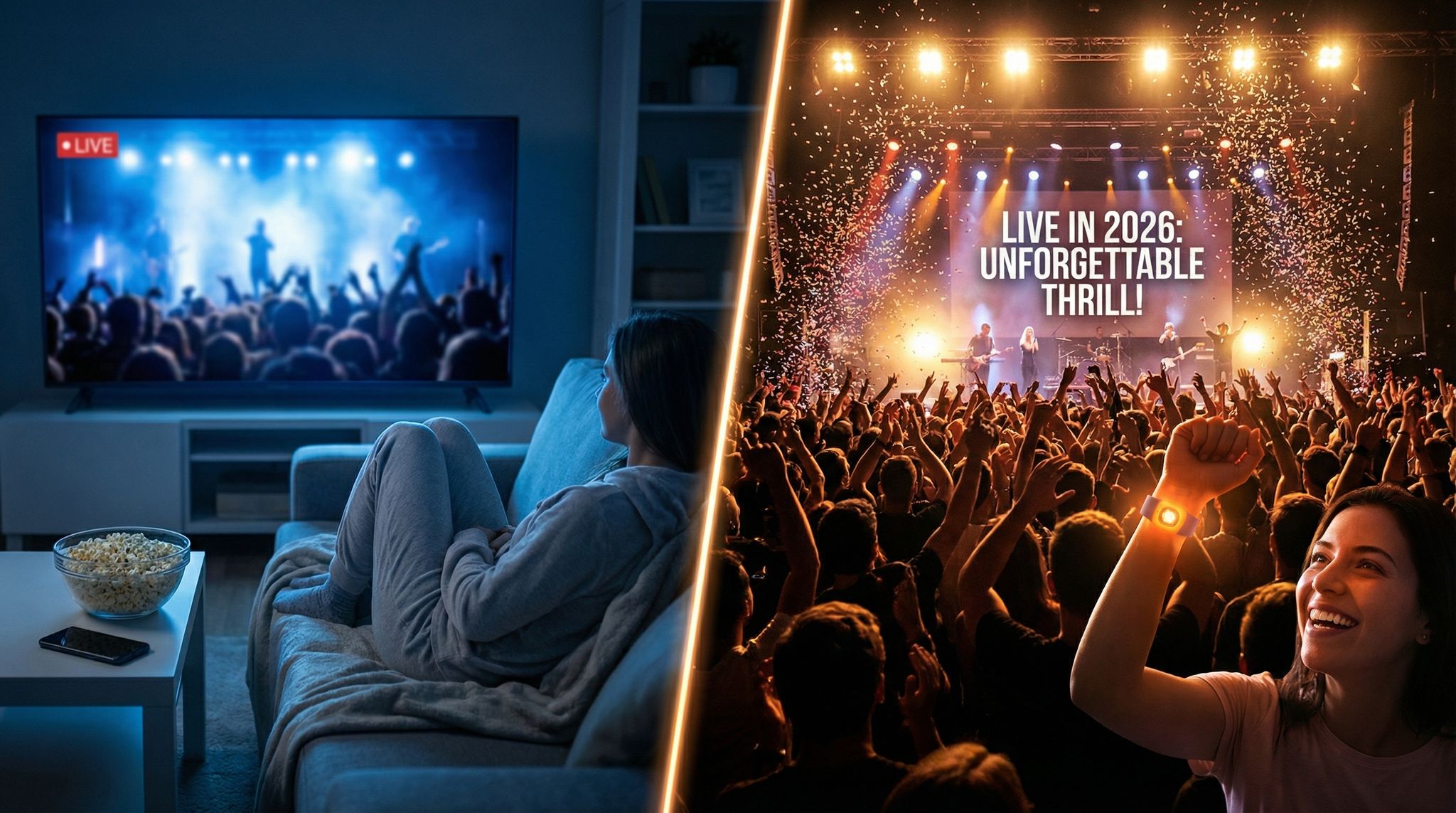
Live events in 2026 face an unlikely competitor: the comfort of home. With endless Netflix shows, immersive video games, and high-quality live-streams at people’s fingertips, convincing fans to venture off the couch has become a battle for attention and motivation. This challenge comes even as live entertainment is booming – global concert tour revenues hit a record $9.5 billion in 2024, nearly double pre-pandemic levels, requiring smart booking and programming strategies for 2026. Surveys show one in three consumers plans to spend more on live music next year, reinforcing the need for a robust event marketing strategy, and a global study found concerts are now the world’s top form of entertainment, with 70% of fans preferring a live show over any other activity, according to a global study on entertainment preferences. The appetite for live experiences is there. However, audiences have grown more selective about which events are worth the effort. They’re increasingly content to stay home unless an event promises something truly special.
The 2026 reality is that promoters must work harder to differentiate the live experience from what fans can get through a screen. People have grown accustomed to convenience – why drive to an event, pay for tickets and parking, and stand in crowds when you could watch a live-stream or play a game from your sofa? To win over these comfort-loving fans, event marketers need to highlight benefits that simply can’t be felt at home. From the electric energy of a cheering crowd to exclusive in-person perks that create FOMO (fear of missing out), the goal is to showcase the unique value of being there in person. At the same time, savvy promoters are tackling the barriers that keep fans home – whether it’s cost, convenience, or inertia – by making attending as easy and rewarding as possible.
This article outlines actionable strategies to convince even the most contented stay-at-home fans to buy a ticket and head to the venue. Drawing on real-world examples of events that lured couch-bound viewers back into venues, we’ll explore how to craft marketing campaigns and on-site enhancements that highlight what streaming and TikTok can’t deliver. From amplifying the one-of-a-kind atmosphere of live shows to offering comforts and incentives that tip the scales, these tactics will help event promoters worldwide boost attendance by winning back a distracted, convenience-loving audience.
Highlight the Irreplaceable Live Experience
One key to prying people off the couch is emphasizing all the irreplaceable elements of a live event – those emotional, sensory, and communal experiences that simply do not translate through a TV or phone. Experienced event marketers know that you must remind fans of the magic they’ll only get by being there in person.
Turn Fans Into Your Marketing Team
Ticket Fairy's built-in referral rewards system incentivizes attendees to share your event, delivering 15-25% sales boosts and 30x ROI vs paid ads.
The Electric Atmosphere You Can’t Get at Home
There’s no substitute for the electric atmosphere of a live crowd. The roar of thousands of fans singing in unison, the collective gasp at a spectacular stunt, the bass you can feel in your bones – these visceral sensations just don’t hit the same at home. As hybrid event experts note, in-person attendees crave “the energy of the crowd… and the atmosphere that only a live event can provide,” a sentiment central to mastering hybrid event marketing in 2026. It’s that goosebump-inducing electricity in the air when everyone is connected in the moment. Sports teams call it the home-field advantage; concertgoers simply call it unforgettable.
Marketing campaigns should capture and convey this energy. Use video highlights and attendee testimonials that showcase the crowd’s excitement. For example, a festival aftermovie might show tens of thousands jumping in sync to the beat, or a concert ad could feature audio of the crowd cheering for an encore. Visual content that conveys the scale and emotion of the audience can trigger viewers’ memory of what they’re missing. Even a simple social post – e.g. a photo of a packed arena lit up with fans’ phone lights – can remind stay-at-home followers that no amount of streaming at home matches the thrill of being in that sea of people.
Ready to Sell Tickets?
Create professional event pages with built-in payment processing, marketing tools, and real-time analytics.
A great case study is the K-pop phenomenon: when BLACKPINK’s Coachella set live-streamed in 2023, over 3 million people tuned in online, far exceeding the 100,000 on-site attendees. Yet Coachella still sells out in person every year. Why? Because fans know that watching the stream isn’t the same as feeling the desert sky explode with fireworks around you. The festival deliberately feeds this FOMO by sharing shots of the massive crowd and epic stage production on social media. Those images implicitly tell fans: “Look at the once-in-a-lifetime party you could be part of – if you were here.” As event marketers, we need to sell the atmosphere as much as the artist or content. The couch can’t compete with 50,000 screaming fans and a stadium shaking from collective energy.
One-of-a-Kind Moments and FOMO-Driven Perks
Beyond general atmosphere, highlight the exclusive moments and perks attendees can only get at the live show. This taps into fans’ FOMO – the fear of missing out on something amazing. In 2026, successful events often create “had to be there” moments on purpose. This could be a surprise guest appearance, a unique live collaboration, an unreleased song played only on that night, or a spectacular finale that isn’t recorded for the stream. When Adele brought a random fan on stage for a duet during one concert, or when a DJ dropped a remix that isn’t available online, those in the venue experienced a special moment the at-home crowd never will. Emphasize these possibilities in your marketing: “Who knows what could happen – don’t miss your chance to witness it live!”
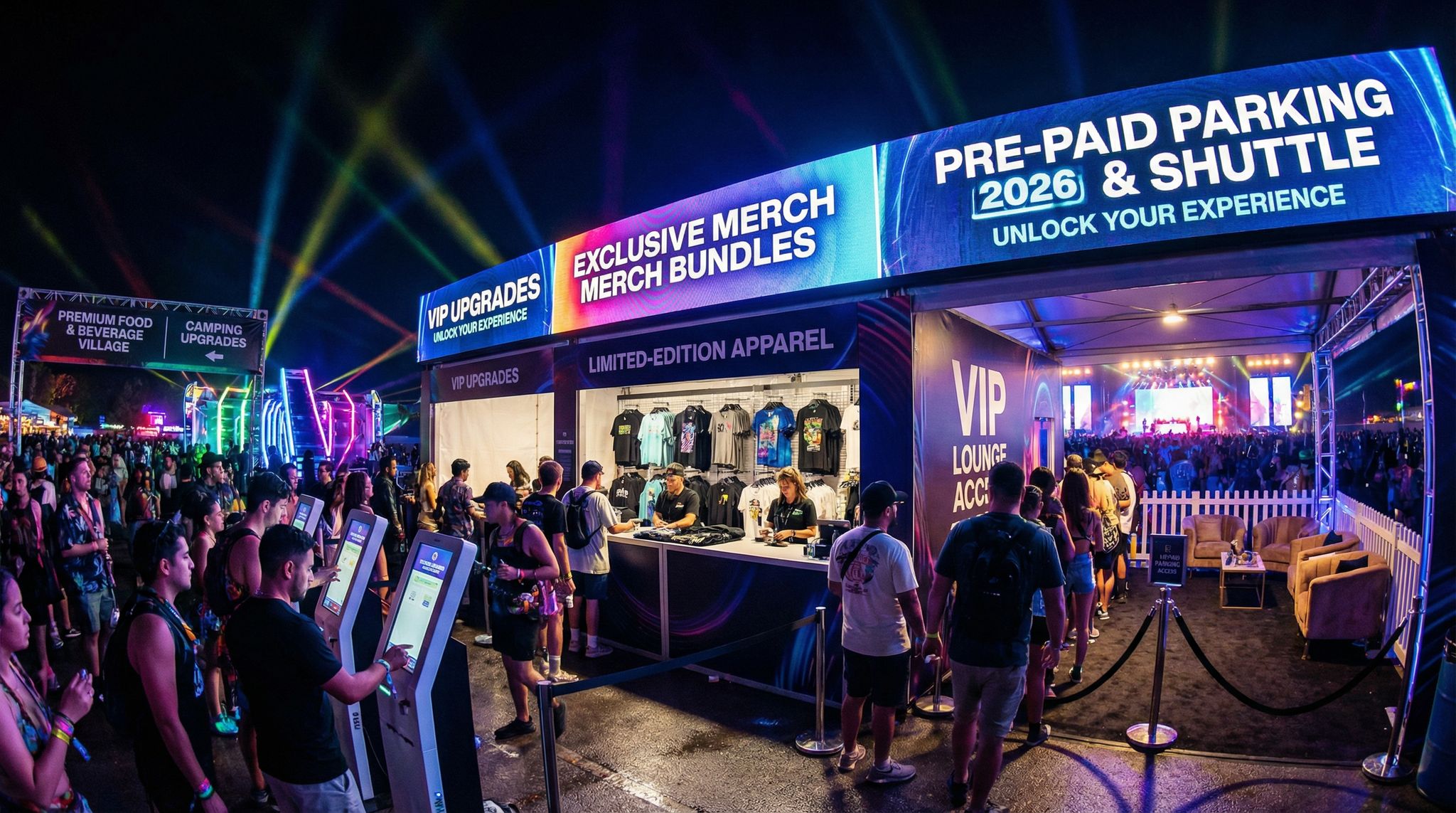
Also consider FOMO-driven perks: tangible benefits that only ticket holders enjoy. This might include limited-edition merchandise only sold on-site, meet-and-greet opportunities, or VIP experiences at the venue. For instance, Taylor Swift’s tours often offer exclusive merchandise and wristbands that light up in sync with the music for attendees, creating a beautiful interactive light show in the stadium. Coldplay famously gave every fan LED wristbands, turning the audience itself into part of the spectacle. A live-stream viewer can see that visual, but only an attendee gets to wear the wristband and be part of the blinking constellation of lights. As a promoter, you could advertise these perks: “All attendees get an exclusive tour poster” or “In-venue AR games with prizes for fans on-site”. When fans know they’ll get something extra (whether a keepsake or a memory), the ticket becomes more enticing.
Real-world examples illustrate how highlighting exclusivity boosts attendance. The organizers of San Diego Comic-Con, for example, emphasize that attendees will see sneak previews and surprise celebrity panels that are not streamed publicly. This strategy helped Comic-Con 2022 sell out all 130,000 in-person badges even though many panels were recorded for YouTube later. The promise of “you’ll be the first to see it” or “exclusive to the live audience” is a powerful motivator. According to Live Nation’s large-scale 2025 survey, 80% of fans say the main reason they attend live events is to experience something they can’t elsewhere – no replay or recap can fully capture being there in the moment, as noted in Live Nation’s large-scale 2025 survey results. In fact, that same global survey found 70% of respondents would rather attend a live concert than, say, spend that evening doing anything else (even intimate activities), confirming that most people would choose gigs over sex. This underscores that people highly value those unique live moments. The task for marketers is to clearly communicate: if you stay home, you will be missing out.
Grow Your Social Following With Every Sale
Require social media follows, shares, or playlist adds to unlock presale access or special pricing. Turn every ticket purchase into audience growth.
This approach is particularly effective when developing marketing strategies for new comedy shows. Stand-up promoters often rely on the promise of unrecorded crowd work or surprise drop-ins by famous comedians to create a “you had to be there” urgency. But besides tickets, what other high end experiences do they sell? To maximize revenue, organizers frequently offer premium add-ons like post-show artist meet-and-greets, signed merchandise bundles, or front-row VIP tables with dedicated service. How do you think the sales staff convinces customers that these experiences are worth the price? They train their teams to pitch the exclusivity and intimacy of the moment, emphasizing that these premium upgrades transform a standard night out into a memorable, status-driven event that simply cannot be replicated by watching a special on a screen.
Upgrade On-Site Engagement to Outshine Home Entertainment
If a fan is comfy at home with endless digital content, one way to lure them out is to make sure your on-site experience is so engaging and immersive that it blows away anything on their TV or phone. In 2026, top events are leveraging technology and creative production design to create jaw-dropping spectacles and interactive features that can only be appreciated in person. By turning the live event itself into a must-see attraction, you give stay-at-home fans a compelling reason to leave the house.
Grow Your Events
Leverage referral marketing, social sharing incentives, and audience insights to sell more tickets.
Immersive Tech and Interactive Spectacles
Modern audiences, especially younger generations, are used to high-tech entertainment at home – ultra-HD screens, VR headsets, interactive video games. To compete, live events are incorporating immersive tech that makes the in-person show truly next-level. A leading trend here is augmented reality and mixed reality (AR/MR) effects at events. These technologies overlay digital magic onto the real world, resulting in stunning visuals for the live audience. For example, at a recent sports championship game, attendees were astonished to see virtual surfers riding giant waves across the stadium’s big screens (an AR illusion that had the crowd cheering in disbelief), a prime example of mastering AR and mixed reality for event marketing. At music festivals, AR-driven scavenger hunts and interactive art installations on festival grounds have become popular, with tens of thousands of fans participating on-site via their smartphones, showing how immersive tech engages fans and boosts ticket sales. These kinds of experiences keep attendees engaged and entertained beyond just the main act, and – crucially – they don’t translate to the live-stream. A fan watching from home might see a camera view of the stage, but they won’t get to point their phone at a mural and see it come alive in 3D, or catch a Pokémon GO creature at the venue.
Event marketers should tout these immersive on-site elements in their promotions. If your festival has a mixed-reality light show or your conference features live holograms on stage, make sure potential attendees know they’ll witness cutting-edge experiences. According to industry analysis, augmented reality activations not only wow crowds but also generate huge social media buzz from attendees sharing the cool visuals, creating memorable moments that build loyalty. That buzz creates a feedback loop: people at home see their friends posting these AR moments and feel “I wish I was there to see that!”. In one case, a festival’s custom AR Snapchat lens (accessible only at the venue) went viral and directly drove hundreds of extra ticket sales for last-minute fence-sitters, effectively enticing new audiences organically. The lesson: use immersive tech as both a selling point (before the event) and a FOMO engine (during the event) to entice on-the-fence fans.
Even without fancy AR, think about on-site production value that makes the live show spectacular. Massive LED walls, 360-degree stage setups, pyrotechnics, or coordinated drone light displays are now increasingly used at concerts and festivals. These big visual moments are devastatingly effective at convincing fans that this isn’t just another show – it’s an experience. A great example is the 2024 launch of U2’s residency at the MSG Sphere in Las Vegas: the venue’s ability to envelop the audience in a 160,000-square-foot wraparound screen created visual moments that flooded social media and made global headlines. Fans around the world saw those clips and many decided it was worth traveling to Vegas to witness it live. While not every venue has a $2 billion hi-tech dome, even smaller events can invest in creative staging and lighting that stand out from the norm. And if you do, make sure your marketing emphasizes it: “Featuring a mind-blowing 3D stage design”, “an immersive sound experience in quadraphonic audio,” etc. The more you can position your event as a must-see spectacle, the less appealing that couch looks by comparison.
Engaging Fans as Participants (Not Just Spectators)
Another potent strategy is to design your event – and your marketing – in ways that make attendees feel like active participants rather than passive viewers. Home entertainment is passive by nature: the couch fan is just watching. But at a live event, they can be part of the action. Lean into this advantage. For instance, many artists now get the crowd involved directly, whether it’s a sing-along chorus, a live Q&A session (common at fan conventions and panel events), or on-the-spot voting for something (like choosing a song for the encore via a mobile app poll). If your event offers these interactive opportunities, promote them: “Your voice matters – vote for the final song live via the event app!” or “Join the on-site scavenger hunt and win upgraded seats during the show.” This signals to fans that by attending, they’re not just consuming content, they’re actively shaping the experience.
Community meetups and fan interactions are a huge draw as well. For example, eSports tournaments often feature free-play gaming stations and meet-and-greet booths where attendees can play games with or get autographs from their favorite pro players – an experience you obviously can’t get by watching the Twitch stream at home. Likewise, anime and comic conventions advertise their interactive cosplay contests and fan art workshops, enticing die-hards to come out and participate. The psychology here is giving fans a role in the event. Instead of sitting alone on a couch, they’ll be high-fiving strangers, dancing with the crowd, or maybe even up on stage as a volunteer. This kind of engagement delivers a sense of belonging and excitement that no home theater can rival.
Consider what Fan Expo and similar large-scale pop culture conventions do to pull gamers away from their screens. By hosting exclusive tabletop tournaments, interactive voice-actor Q&As, and massive cosplay meetups, these organizers directly compete with the appeal of couchbound games. They give attendees a physical space to celebrate their fandoms together, proving that shared, in-person participation easily outshines solitary digital play.
In marketing copy, paint a vivid picture of these participatory moments. Use phrasing like “Join thousands in a record-breaking dance-off” or “Be part of the live recording as the audience sings the theme song”. Make it clear that the audience is a star player in the show. When prospective attendees imagine themselves in those shoes – contributing to a world-record cheer or asking a question in front of the crowd – it builds anticipation that pulls them off the sidelines. Veteran promoters often say that if you can get a fan to envision the night they’ll have (the sights, sounds, and their own smiles), you’ve half-won the battle to get them off the couch.
Remove Barriers and Friction Points
Even when fans are intrigued by your event, practical barriers can keep them home. It’s critical to identify what pain points or anxieties your target audience might have about attending, and proactively address them in your campaign. By removing friction and adding convenience, you make the decision to go out much easier. As one marketing adage goes, “make the right choice the easy choice.” Here we look at common reasons people opt to stay home – and strategies to counter each one.
Comfort and Convenience: Meeting Audiences Halfway
After years of lockdowns and on-demand everything, people have grown fond of their comfort. The thought of battling traffic, standing in long entry lines, or being jostled in a crowd can deter potential attendees. The answer is to make your event experience as comfortable and convenient as possible, and communicate these improvements clearly. Many venues in 2026 are already moving in this direction, focusing on attendee wellness and comfort. They’re creating “chill-out zones” with couches, free water stations, and sensory-friendly spaces to give fans a break from the noise and crowds, as wellness and comfort take center stage at venues. When fans know they can sit and relax in a lounge area or easily get a drink of water, a lot of the dread of “ugh, it’s going to be exhausting to go out” dissipates.
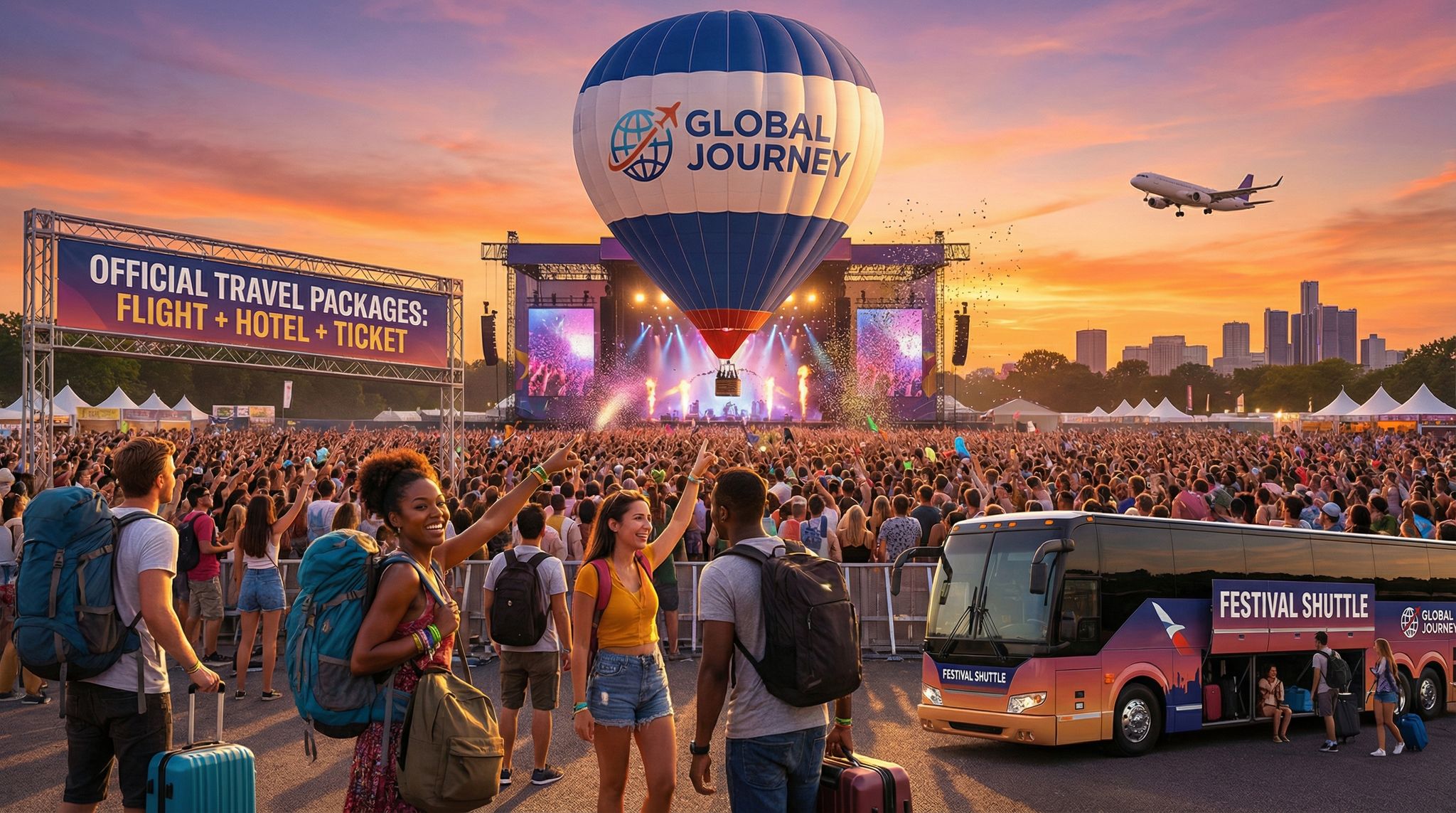
You should highlight such features in your marketing. If your concert has a quiet lounge or VIP area with seating, mention it: “Tired of standing? Enjoy our comfy lounge and recharge between sets.” If your festival adds amenities like plentiful shade, water refill stations, or phone charging corners, promote those as selling points that make the outing more comfortable. Emphasize ease as well: for example, underscore that the venue has ample parking or partnered with a rideshare service for discounted rides to/from the event. Some events arrange shuttle buses from major transit hubs – letting fans know about these options can eliminate the “transportation hassle” excuse. Convenience can also mean scheduling considerations: If a segment of your audience (say working parents) might find an 11 pm show daunting, perhaps highlight that your event has an early start or offers multiple showtimes, etc. In 2026 we also see a trend of events providing mobile ordering for concessions (so attendees can order food from their phone without missing the show) and improving crowd flow with fast-track entrances for digital ticket holders. All of these enhancements should be messaged as part of an overall narrative that “we’ve made the live experience as easy and welcoming as possible.”
The more you can align the live experience with the ease of staying home, the better. Think about what the couch provides: comfort, safety, no surprises. You might not match it completely, but you can certainly narrow the gap. For example, one major UK venue recently introduced full-capacity Wi-Fi and mobile streaming of the stage view, so fans at the back could sit in a comfortable area watching on their device when needed – essentially bringing a bit of the couch experience into the venue. Not every event can do that, but the principle is to be empathetic to attendees’ needs. Train your staff to be hospitality ambassadors who help people have a great time (friendly staff who guide attendees or quickly resolve issues can turn a stressful situation into a positive memory). If first-timers know that they’ll be taken care of and not just herded like cattle, they’ll be more inclined to give your event a try. Crucially, in post-event surveys, comfort and convenience factors often correlate with whether attendees say they’d return—a key benefit of prioritizing attendee comfort and wellness—and positive word-of-mouth from those who came will help convince the next wave of couch-sitters to venture out.
Price and Value: Tackling the Cost Objection
Let’s face it: sometimes staying home wins simply because it’s cheaper. Why pay $50 for a ticket (plus fees) when you can stream something similar for free? To overcome this, event marketers must justify the value of the live experience and remove any sense of gouging or unfair pricing. Start by being transparent and fair with pricing – today’s consumers are extremely price-savvy and sensitive to hidden fees. In one study, over half of young fans said excessive ticket fees or surprise add-on costs made them hesitate to attend events, opting to consume entertainment at home instead. To build trust, make your pricing clear up front. If you advertise a $40 ticket, don’t hit buyers with $15 of surprise fees at checkout. Many digitally savvy fans will abandon their purchase – and their night out – if they feel tricked by pricing. As an organizer, push for ticketing platforms or solutions that avoid hidden fees and confusing markups. For instance, Ticket Fairy’s platform emphasizes transparent pricing (no artificial “dynamic pricing” spikes that many fans resent) and offers features like face-value ticket resale to combat scalpers, so fans know they’re paying a fair price. Messaging that “prices are honest and protected” can actually be a selling point in an era where some big providers have earned fan ire for pricing practices.
Beyond transparency, think value-added. People will pay if they feel they’re getting their money’s worth (and then some). So bundle extra value into your ticket when possible: maybe the ticket includes a free drink, a merch item, or access to an after-party. Even a small perk can tip perceptions from “too expensive” to “actually that’s a good deal.” Highlight how many hours of entertainment they get for the price – e.g. “$50 for a 5-hour festival with 10 bands (just $5 per band!)”. If comparable at-home entertainment would be renting several movies or a new video game, draw that parallel in marketing in a clever way. For example, an ad might say: “Sure, you could order takeout and binge 3 movies again… or for the same price, come live out a night you’ll be talking about all year.”
Also consider flexible pricing strategies to lower the barrier for price-sensitive fans. Offer early bird discounts to reward those who commit to going out (and make sure your ads shout about the early bird deadline to create urgency). Family or group bundles (e.g. “buy 4, get 1 free”) not only make it more affordable per person but also encourage attendees to become your promoters by rallying friends to fill the group. One proven tactic is referral discounts: a formal referral program can track when fans persuade others to buy tickets, and reward them with cash back or upgrades – this both incentivizes word-of-mouth and effectively gives a slight discount in return for promotion. Case studies show well-implemented referral programs can boost ticket sales by 15–25% and yield a 20:1 ROI for promoters, effectively capturing hidden word-of-mouth to drive sales. If your ticketing platform (like Ticket Fairy) has built-in referral links, leverage that and mention it: “Invite a friend and you both get 10% off your tickets”. Now the on-the-fence fan has a financial nudge to choose the event over another night of Twitch streams.
To streamline these promotions, many organizers are turning to specialized event management and ticketing platforms designed to maximize conversions. Utilizing modern off the couch booking software allows promoters to easily deploy these referral links, group discounts, and targeted SMS campaigns, reducing the friction between a fan seeing an ad and actually purchasing a ticket.
Finally, acknowledge the economic reality your audience faces. In 2025, surveys found consumers remain concerned about inflation and are scrutinizing their discretionary spending, especially as streaming is overtaking theaters for movie watchers. Position your event as worth the splurge. Use social proof in the form of reviews or quotes from past attendees about the fantastic value they got. “Best $30 I ever spent – the memories were priceless!” is the kind of sentiment that can tilt someone’s calculus. Also, make buying easy on the wallet: allowing payment plans or “buy now, pay later” options for higher-priced tickets (through services like Afterpay or Klarna) can convert price-sensitive buyers who might not drop a lump sum at once. If someone can spread the cost of a $200 festival pass over four payments of $50, attending becomes more feasible. The more you broadcast these options and the overall bang-for-buck, the more you neutralize cost as a reason to stay home.
Common Couch Comforts vs. Live Event Solutions – The table below summarizes a few top reasons fans choose their couch, and how event organizers can counter each one:
| Why Fans Stay Home (The Couch Comfort) | Live Event Solution to Win Them Over |
|---|---|
| Ultimate Comfort: soft sofa, PJs, climate-controlled environment. No physical effort required. | Venue Comforts: Offer cozy seating areas or lounges to relax. Ensure climate control (heaters, misting fans) and shelter as needed. Emphasize that attendees can be comfortable on-site, with places to sit and recharge. |
| Zero Hassle & Flexibility: no travel or traffic, no lines, can pause or multitask anytime. | Easy Logistics: Highlight ample parking or transit options (shuttles, rideshare deals). Use mobile ticketing for fast entry to eliminate long queues. Keep event scheduling tight (minimize downtimes) so there’s always excitement and little waiting around. |
| Low Cost Entertainment: streaming and gaming are often cheap or subscription-based; a night in has no $50 Ticketmaster surprise. | High Value & Fair Pricing: Market the event’s value (multiple acts, extras included) and use transparent pricing. Offer early-bird or group discounts to lower the cost barrier. Assure fans there are no hidden fees and they’re getting a great deal for a unique experience. |
| Personal Space & Safety: no crowds to deal with; at home there’s no risk of being caught in uncomfortable or unsafe situations. | Safety & Well-Being Measures: Communicate crowd management plans (e.g. controlled audience capacity, well-trained security and medical staff). Provide sensory-friendly spaces for those who might need a break from crowds. Show that you prioritize attendee safety so they feel secure coming out. |
| No FOMO If Friends Aren’t Going: if their circle is also at home, there’s less social pressure to go out. It’s easy to just all hop on a group video game or watch party together from the couch. | Social Pull & Group Fun: Implement referral programs and group offers – “bring your friends and everyone saves.” Promote the event as an amazing group experience (e.g. “Girls’ night out” or “Ultimate squad outing”). Feature content of friend groups at your events having a blast, to encourage peer influence. Once a few friends commit, others won’t want to be left out. |
As the table shows, virtually every reason someone might choose staying home has a counter-strategy. The most effective promoters put themselves in the fan’s shoes and preempt those objections. If you address comfort, convenience, cost, safety, and social factors in your marketing communications (and of course, in the event experience itself), you remove the rationalizations for staying home. What’s left is the positive pull of everything exciting your event offers – and that should win when the scales are balanced.
Leverage Social Influence and Community
Sometimes, all it takes to get a homebody out the door is a little social influence. Humans are social creatures – if our friends are going, we’re more likely to go. If an event becomes the talk of the town (or the group chat), nobody wants to be the one who missed it. Savvy event marketers actively cultivate this peer pressure (in a positive way!) and turn fans’ communities into powerful motivators for attendance. In 2026, much of this happens through digital word-of-mouth and influencer marketing, which can be more persuasive than any ad copy you write.
Friends Bring Friends: Referrals, Groups, and Word-of-Mouth
One of the most powerful factors in event attendance is peer influence. People are far more likely to attend if their friends invite them or if they know a bunch of their peers will be there. In fact, over 90% of consumers trust recommendations from friends more than any form of advertising, highlighting the importance of mastering dark social in 2026. This means your marketing strategy should intentionally harness and amplify word-of-mouth. Start by making it easy for fans to invite others. Include social sharing links or “invite a friend” buttons on your ticket confirmation page and event website. For private channels (where a lot of event sharing happens, via messaging apps and DMs), provide a simple copy-paste invite message or a short referral link. The goal is to empower someone who’s excited about your event to immediately go “let me text my group about this.” Bear in mind, an estimated 70% of event-related sharing happens in these “dark social” private channels, representing a hidden word-of-mouth channel public ads can’t match. But we can seed and reward it. That’s where formal referral programs help: give each ticket buyer a unique referral link or code and a compelling incentive (e.g. “Get $10 back for each friend who buys via your link” or “Refer 3 friends and earn a VIP upgrade”). Fans then have a reason to persuade their friends. Promoters using Ticket Fairy’s referral tools have reported a significant uptick in sales – often 15-25% of tickets sold can be directly attributed to fans sharing links, which shows how many extra people you can pull in by leveraging excitement to drive ticket sales.
Another tactic is group offers. For example, music festivals often offer a 4-pack of tickets at the price of 3, explicitly to encourage that group outing mentality. Nightclubs sometimes advertise “free entry for groups of 5+ before 11pm.” These deals not only make attending more affordable per person, as discussed earlier, but they literally turn going out into a team activity. If one person in a friend circle is a big fan of the artist or event, a group deal empowers them to rally the whole squad (“Come on, we can get a free ticket if we get two more people to join!”). Suddenly the decision isn’t just one person debating couch vs. event; it’s a collective plan – and people are less likely to bail on a planned social outing with friends.
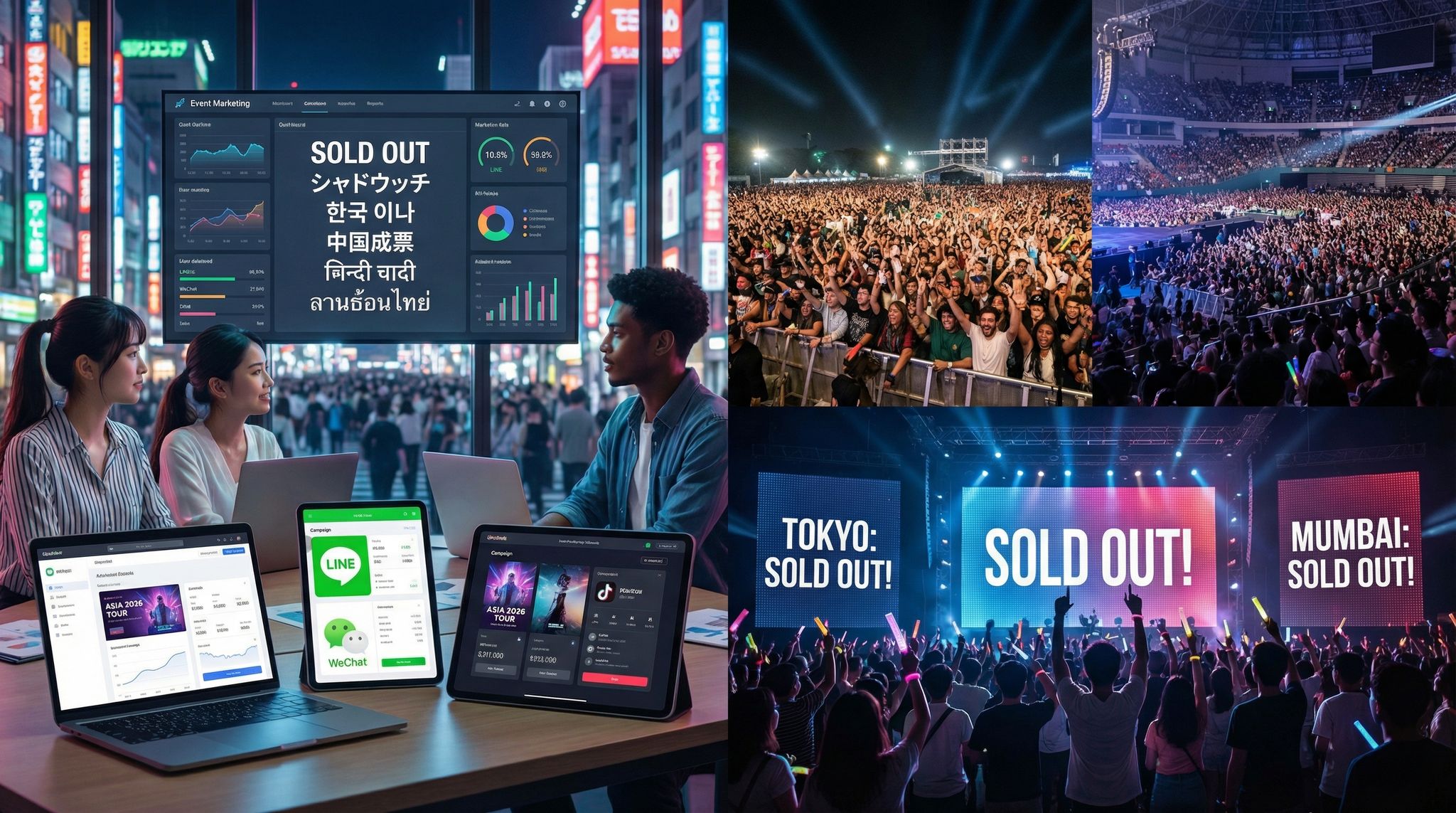
On the marketing content side, lean heavily into social proof. Show off user-generated content from those who are attending or have attended in the past: photos of happy friend groups at your event, testimonials and tweets from attendees saying “I’m so glad I went – totally worth it!”, etc. When potential ticket buyers see their peers endorsing the event, it builds trust and FOMO. If “everyone” on their timeline or in their community is talking about an upcoming festival, they’ll feel the pull to join the conversation by actually going. Consider creating Facebook event pages or Discord groups for your event where interested fans can see who among their network is going or discuss plans. Even a simple hashtag campaign can surface content that makes others think “people like me are going to this – I should not miss out.” In 2026, some promoters also create official WhatsApp or Telegram groups for attendees (especially for conventions or multi-day events), turning that into a mini-community that others will want to join, utilizing appropriate tools like WeChat, LINE, or Telegram. Just be sure to moderate and keep those spaces positive and on-topic.
Finally, don’t overlook the classic street team and ambassador programs. While digital word-of-mouth is huge, having actual people champion your event in communities (on campus, at clubs, etc.) can directly convince fence-sitters. For example, college music tours often recruit student ambassadors who get free tickets or merch in exchange for getting 10 friends to buy tickets. Those ambassadors personally message classmates about going, which is often more effective than any generalized ad. It’s the personal touch – when someone you know says “I’m going, you should come too!”, that’s immensely persuasive. The data backs it up: many events see sales spikes that correlate with friend groups chatting and deciding to go in unison, even if each individual was indecisive before. The more you can catalyze these friend-to-friend interactions (through incentives, tools, and content), the more you’ll win over the stay-at-home fan via their own social circle.
Influencers and Hype: Creating the Cultural Moment
In addition to friends, influencers and cultural buzz can tip people off their couches. If an event becomes the thing everyone’s posting about, even people who weren’t originally interested might feel compelled to go just to be part of the zeitgeist. We see this with events like Coachella or major sports finals – they turn into social media phenomena where even non-hardcore fans attend because it’s a cultural happening. You don’t need a mega-budget for this; micro-influencers and creative PR can build local hype that makes your event the hot topic of the weekend.
A proven strategy is to partner with influencers who align with your target audience’s interests. This might mean local YouTubers, TikTok personalities, popular streamers, or niche bloggers. Have them experience your event (or preview it) and share genuine excitement about it. For instance, leading up to a festival, you might invite a TikTok music reviewer to tour the festival grounds build-out or sample the food vendors, then have them post behind-the-scenes clips hyping what’s to come. If a stay-at-home fan follows that influencer, hearing “Guys, you have to check out this festival, it’s insane!” from a trusted voice can push them to get tickets. Influencer campaigns work especially well at targeting those who aren’t already superfans of the headline artist but could be swayed by lifestyle appeal – e.g., an Instagram travel vlogger posting about the beautiful festival location and fun vibes can attract people who just want a great weekend outing.
Celebrity endorsements can also stir FOMO, but choose them wisely. Sometimes the performers themselves are the best influencers – encourage artists on the lineup to promote the unique aspects of their upcoming show (like a DJ tweeting “I have a special set planned for this venue, you won’t want to miss it”). When artists tease surprises or share rehearsal snippets, it not only excites their existing fans but also signals casual followers that “hey, something big is happening at this show.” For example, when The Weeknd hinted at a one-time-only collaboration during a show, social media lit up and local ticket sales jumped as people didn’t want to regret missing that moment. Media partnerships can amplify this buzz too: local radio or popular event blogs can frame your event as the centerpiece of the weekend. Public relations efforts to get featured in “Top 5 Things to Do in [City] this week” lists or culture articles can legitimize your event as the can’t-miss occasion.
Crucially, make sure any influencer-driven content shows off the aspects that will hook the stay-at-home fan. That might be the comfort and amenities (e.g., a lifestyle influencer raving about the VIP lounge or gourmet food options at an event – making it look luxe and pleasant), or the exclusivity and excitement (an influencer at a live event posting “this crowd energy is unbelievable!” with a panoramic shot of the audience). In 2025, StubHub reported that ticket sales for live shows by social media stars themselves surged nearly 500% year-over-year, illustrating the trend of hosting live podcasts and social media star shows and moving from URL to IRL event experiences – essentially, creators are bringing their online fanbases into live venues. This “URL to IRL” trend shows that online hype can very directly convert into real-world attendance. If an online community is fired up about something, they will show up in person. As promoters, our job is to spark that fire. Use every channel – influencers, press, fan communities – to make your event part of the cultural conversation. When an event starts trending or everyone on TikTok is talking about it, even hardcore couch-bound fans won’t want to feel left out of the story.
Bridging the Digital and Physical Worlds
Even after deploying all the right marketing moves, there will still be fans who choose to engage from home – via live-streams, social media, or other digital means – especially for events with hybrid components. Instead of seeing these remote viewers as a lost cause, treat them as warm leads. They’ve shown interest in your content; now you need to gently encourage them to take the next step and attend in person next time. The truth is, digital engagement and physical attendance can complement each other. With the right strategy, you can convert stay-at-home fans into on-site attendees over time by leveraging their FOMO and offering entry points that pull them into the live experience when they’re ready.
Turning Virtual Viewers into Future Attendees
Start by using your live-stream and online content as a marketing funnel. If you livestream parts of your event or post a lot of real-time content, don’t just broadcast the performances – also show the fun the crowd is having. For example, if you’re streaming a music festival, occasionally cut to crowd shots: the sea of people dancing, friends enjoying themselves, the sunrise set at 5am with thousands still going strong. Those visuals plant a seed in remote viewers’ minds: maybe next time I should be there instead of watching from home. During a live-stream, you can even have the host or MC directly address the viewers with a friendly taunt: “We wish you could smell the amazing BBQ here – you’re missing out, online folks! Make sure you join us on-site next year!” said jokingly, but it sends a message.
More concretely, collect data on your virtual participants (where possible) and follow up with them after the event. For instance, many hybrid conferences require online viewers to register an email – use that to send a post-event highlight email showcasing what made the in-person experience special, and include an early bird offer for the next in-person edition. Even for events without formal online tickets, you can track who engaged heavily with your live content (say, people who commented on your stream or used your event hashtag extensively from afar) and target them with social ads or messages like: “We saw you enjoyed the show online – here’s 20% off tickets to experience it live next time!”. This kind of follow-up works. According to event marketing experts, reaching out to virtual attendees with incentives and by showcasing what they missed in person is key to converting them, a core tactic in engaging on-site and online audiences. Essentially, you’re kindly reminding them that as good as the stream was, being there was a whole different level – and next time they have the opportunity, they shouldn’t settle for the couch.
Some events create aftermovies or photo galleries and intentionally include shots that highlight things you didn’t see on the stream. For example, the aftermovie might show the huge pyrotechnics during the final song (which maybe weren’t fully visible on the broadcast) or the artist doing a surprise 3-song acoustic set at the afterparty for the onsite VIPs. By promoting those recaps on YouTube and socials, you let remote fans know, “hey, here’s what you could have experienced beyond what you saw.” It’s not about making them feel bad, but about inspiring them. You want them to think, “Wow, that looked incredible. I enjoyed watching from home, but I really want to be in that crowd next time.”
This hybrid approach is also gaining traction on university campuses. When looking at how new college students attract a large number of fans in live streaming, student organizers and campus promoters often broadcast the first 15 minutes of a campus concert or pep rally on social media. By showing the raw, high-energy environment of their peers having fun, they create immediate FOMO that drives students out of their dorms and down to the venue before the event ends.
One smart tactic is offering exclusive bonuses for online fans who convert to live attendees. For instance, a virtual festival viewer who buys a ticket for next year could receive a merch discount or a welcome package at the event. This acknowledges their existing support and nudges them to cross over. Some conferences do this by applying a portion of the virtual ticket fee as a credit toward an in-person ticket in the future. It says, “Thank you for tuning in – we’d love to see you in person, so here’s $50 off if you join us live next time.” This kind of goodwill gesture can make a difference for someone on the fence.
Finally, maintain a community connection year-round that includes both your live and remote audiences. Many events keep engagement going on social media or via a newsletter with behind-the-scenes content, fan spotlights, and updates. Within that content stream, share stories of people who had an amazing time attending after previously only watching from home. For example: “Meet Sarah – she watched our 2024 live-stream, then flew out to attend in 2025 and said it was the best experience of her life.” Real testimonials like that are gold. They validate the skeptic’s hope that attending will indeed be worth it. Over time, as your event’s community grows and more people venture out, it creates a virtuous cycle: even the most comfortable stay-at-home fan may decide to give the live experience a try “just this once” – and once they do, if you’ve followed all the advice above, they’ll be hooked on the unique thrill of live events.
Frequently Asked Questions
How can event promoters increase attendance in 2026?
Event promoters increase attendance by highlighting the irreplaceable electric atmosphere and offering exclusive in-person perks like surprise guests or limited merchandise. Successful strategies also involve removing barriers through improved comfort amenities, transparent pricing, and leveraging social influence to differentiate the live experience from home entertainment.
Why is the live event experience better than streaming at home?
Live events offer an electric atmosphere and communal energy that streaming cannot replicate, such as the visceral sensation of a cheering crowd. In-person attendance provides exclusive “had to be there” moments, interactive participation, and sensory experiences like deep bass or pyrotechnics that create emotional connections unavailable on a screen.
How is immersive technology changing live events?
Immersive technology like augmented reality (AR) and mixed reality (MR) transforms live events into interactive spectacles by overlaying digital visuals onto the physical venue. These technologies create unique, shareable moments—such as virtual 3D art or interactive games—that engage fans deeply and offer visual experiences impossible to replicate on a home live-stream.
How can venues improve attendee comfort and convenience?
Venues improve comfort by creating designated chill-out lounges, offering sensory-friendly spaces, and providing free water stations to reduce fatigue. Enhancing convenience involves implementing fast-track digital entry, mobile concession ordering to skip lines, and partnering with rideshare services or shuttles to eliminate transportation friction for attendees.
What are effective FOMO marketing strategies for events?
Effective FOMO marketing highlights exclusive benefits available only to ticket holders, such as limited-edition on-site merchandise, VIP meet-and-greets, or unrecorded surprise guest performances. Promoting these unique, fleeting moments creates urgency and convinces potential attendees that staying home means missing out on a once-in-a-lifetime experience.
How can events overcome high ticket price objections?
Organizers overcome price objections by ensuring transparent pricing without hidden fees and offering value-added bundles that include perks like drinks or merchandise. Flexible payment options, such as “buy now, pay later” plans, and group discounts or referral rewards further increase affordability and perceived value for price-sensitive fans.
How do referral programs boost event ticket sales?
Referral programs boost sales by leveraging peer influence, as over 90% of consumers trust friend recommendations more than ads. By rewarding fans with cash back, upgrades, or discounts for inviting their network, promoters tap into “dark social” channels and incentivize word-of-mouth marketing that effectively converts fence-sitters.
How can virtual event viewers be converted to in-person attendees?
Virtual viewers become in-person attendees when marketers use live-streams to showcase crowd energy and exclusive off-camera moments that remote fans miss. Post-event follow-ups should include highlight reels demonstrating the unique on-site atmosphere, accompanied by special incentives like ticket discounts or merchandise offers to encourage future physical attendance.
What are effective marketing strategies for new comedy shows?
Effective marketing strategies for new comedy shows focus on the unscripted, spontaneous nature of live stand-up. Promoters highlight unrecorded crowd work, the potential for surprise celebrity drop-ins, and the contagious energy of a laughing audience. Additionally, offering high-end experiences like VIP tables or post-show meet-and-greets helps convince fans that the live show offers premium value over streaming a special at home.