Are you ready to turn your music festival into the hottest event of the season?
Marketing a music festival or concert requires creativity, strategy, and a deep understanding of your festival attendees and potential customers. With the right event marketing approach, you’ll have music lovers flocking to your upcoming festival in droves.
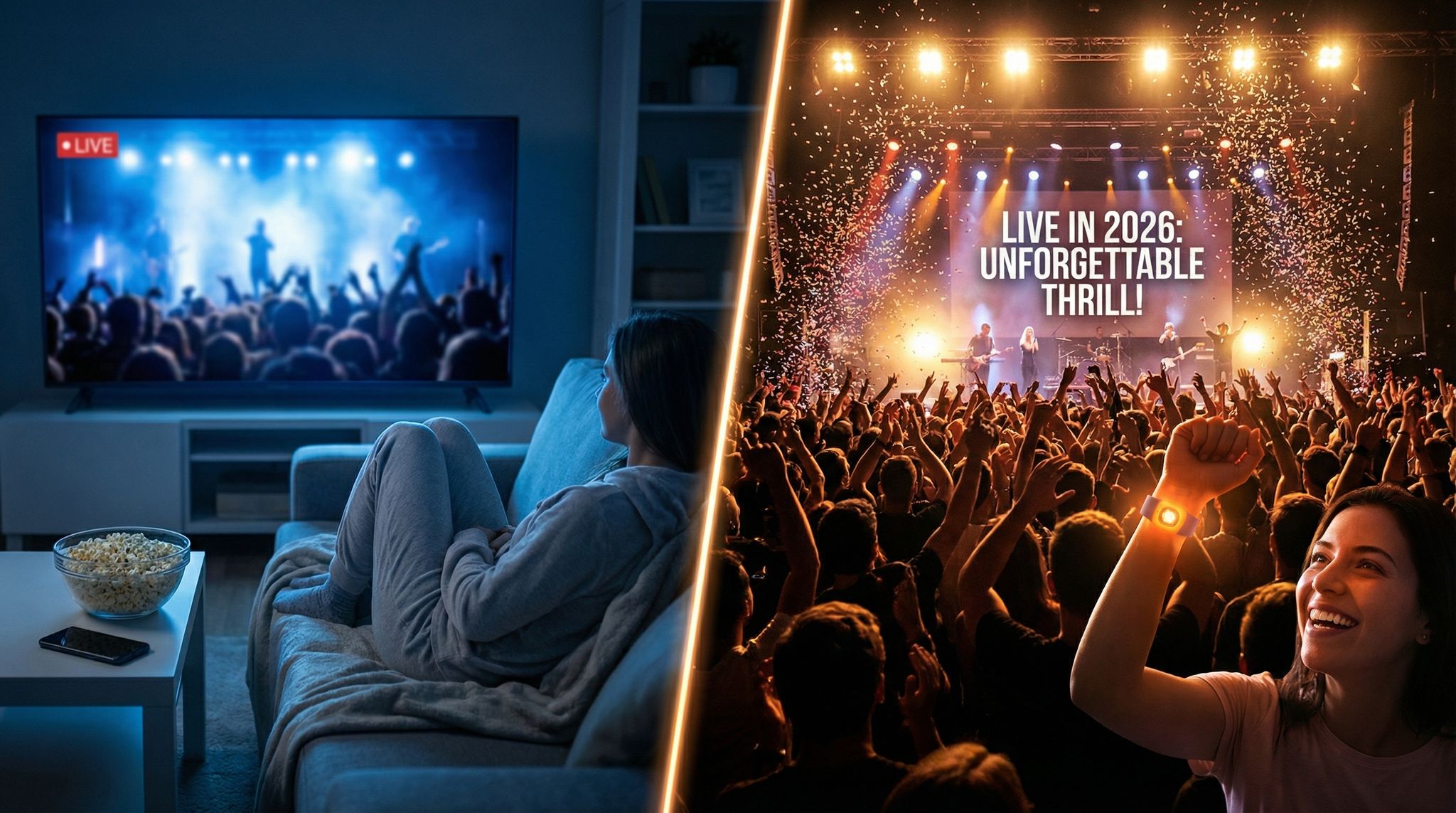
In today’s digital age of the live music industry, promoting music festivals goes beyond traditional advertising. It’s about creating a buzz, engaging with music fans, and building a community around your music event. From leveraging social media to partnering with influencers, there are countless ways to get the word out and boost ticket sales.
In this guide, we’ll explore effective strategies to market your music festival or concert and make it an unforgettable experience for attendees. Get ready to learn the secrets of successful festival promotion and watch your event grow into a must-attend sensation.
Turn Fans Into Your Marketing Team
Ticket Fairy's built-in referral rewards system incentivizes attendees to share your event, delivering 15-25% sales boosts and 30x ROI vs paid ads.
Explore Ticket Fairy’s dedicated festival ticketing solutions to execute many of these strategies.
Understanding Your Music Festival’s Identity
Defining Your Target Audience
Identify your festival’s primary demographic to tailor your music festival marketing efforts effectively. Consider factors such as age range, music preferences, and lifestyle habits. Analyze data from previous events or similar festivals to create detailed audience personas. Ultimately, all the data you gather will leave you well-equipped to market your upcoming event, as well as your next music festival.
Ready to Sell Tickets?
Create professional event pages with built-in payment processing, marketing tools, and real-time analytics.
Use surveys, social media insights, and ticket sales data to gather information about your potential attendees. Focus on understanding their motivations, pain points, and expectations from a music festival experience.
Crafting a Unique Brand and Message
What sets your music event apart from other festivals? Your goal is to offer attendees memorable experiences that are unique to your brand, keeping them coming back for more.
Once you have defined your target audience, the next step is to build brand awareness. Your audience is cued in, they’re listening. Are you targeting young people, or does your festival cater to an older audience? What promotional material specific to your brand do you think would generate hype around your music festival experience?
These are questions to keep in mind while you put together the perfect music festival marketing campaign to bolster your brand’s identity in the live music industry.
Grow Your Social Following With Every Sale
Require social media follows, shares, or playlist adds to unlock presale access or special pricing. Turn every ticket purchase into audience growth.
Develop a distinctive brand identity that sets your music festival apart from competitors. Create a compelling logo, color scheme, and visual elements that reflect your festival’s atmosphere and values. Craft a clear and memorable tagline that encapsulates your event’s essence. Establish a consistent tone of voice across all your music festival marketing materials and platforms.
Consider also highlighting unique aspects of your festival, such as exclusive performances, innovative stage designs, or immersive experiences. Ensure your brand message resonates with your target audience’s interests and aspirations.
Grow Your Events
Leverage referral marketing, social sharing incentives, and audience insights to sell more tickets.
Creating a Comprehensive Music Festival Marketing Strategy
When organizers ask how to promote concerts and music festivals effectively, the answer always begins with a unified, data-driven roadmap. Whether you are figuring out how to promote a festival for the first time or scaling a legacy event, a well-documented plan ensures every dollar spent directly influences ticket sales and brand awareness.
When brainstorming festival promotion ideas, it is essential to filter your creative concepts through the lens of your target demographic and budget constraints. Not every viral trend will translate into ticket sales for your specific genre. By categorizing your marketing strategies for music festivals into distinct phases—such as awareness, engagement, and conversion—you can ensure that your promotional efforts are both innovative and financially viable.
Setting Clear Goals and Timelines
Set specific and measurable goals for your music festival marketing campaign. Define key performance indicators (KPIs) such as ticket sales, social media engagement, and website traffic. Create a timeline with milestones for each marketing phase:
- Pre-launch: 6-8 months before the event
- Early bird ticket sales: 4-6 months before
- Main promotional push: 2-3 months before
- Last-minute promotions: 1 month before
Assign responsibilities to team members and establish regular check-ins to track progress and adjust strategies as needed.
Developing a Multi-Channel Approach
Implement a diverse event marketing strategy across multiple channels to maximize reach and engagement:
- Digital Marketing:
- Optimize your festival website for search engines
- Run targeted social media ad campaigns on platforms like Facebook, Instagram, and Twitter
- Create engaging content for TikTok and YouTube
- Develop an email marketing campaign for updates and promotions
- Traditional Media:
- Secure radio spots and interviews with local stations
- Place print ads in music magazines and local publications
- Design eye-catching posters and flyers for distribution in high-traffic areas
- Partnerships and Collaborations:
- Team up with local businesses for cross-promotions
- Collaborate with music bloggers and influencers for content creation
- Partner with ride-sharing services or public transportation for attendee discounts
- On-site Promotions:
- Organize pre-festival events or pop-up performances
- Set up booths at related live events or music festivals
- Create interactive experiences at local venues or college campuses
- User-Generated Content:
- Encourage attendees to share their experiences on social media posts
- Create a unique festival hashtag for easy content tracking
- Run contests for ticket giveaways or VIP experiences
By diversifying your festival marketing efforts across these channels, you increase the likelihood of reaching potential festival goers and generating buzz for your music festival.
To execute these multi-channel campaigns efficiently, organizers must rely on robust marketing tools for music festivals. Integrating your ticketing platform with dedicated CRM software, automated email marketing suites, and advanced social media scheduling apps ensures your music festival marketing plan runs seamlessly. Centralizing your data allows your team to track attendee behavior across touchpoints and adjust promotional tactics in real time.
When evaluating different marketing strategies for music festivals, it is crucial to allocate your budget based on historical conversion data rather than spreading resources too thin. Effective music festival promotion relies on identifying which channels actually drive ticket sales for your specific genre and demographic. By continuously testing new music festival promotion ideas—such as retargeting campaigns for abandoned carts or dynamic pricing alerts—organizers can optimize their ad spend and maximize return on investment.
Evaluating Ticketing Platforms for Music Event Promotion
Your choice of ticketing partner plays a massive role in how effectively you can scale your campaigns. When organizers evaluate an event management company or ticketing provider, they must look closely at built-in music event promotion features. A strong platform doesn’t just process transactions; it actively contributes to your marketing strategies for music festivals through automated referral programs, pre-sale registration tools, and deep data analytics. By leveraging a system that rewards fans for inviting friends, you can turn your existing ticket buyers into a powerful, organic promotional street team.
Leveraging Social Media Marketing
Platform-Specific Strategies
Tailor your social media approach to each platform’s unique features and audience. On Instagram, post high-quality visuals of past music festivals, artist performances, and behind-the-scenes content. Create Instagram Stories and Reels to showcase festival highlights and teasers. For Twitter, share real-time updates, engage in conversations, and use relevant hashtags to increase visibility.
Facebook allows for detailed event pages, targeted ads, and community building through groups. LinkedIn can be used for B2B networking, sponsorship opportunities, and music industry insights. TikTok’s short-form video format is perfect for showcasing festival energy, artist collaborations, and user-generated content.
Engaging Content Creation Tips
Create diverse content types to maintain audience interest. Share behind-the-scenes footage of festival preparations, artist interviews, and exclusive announcements to build anticipation. Develop interactive content like polls, quizzes, and contests to boost engagement and gather valuable audience insights. Use countdown posts to create urgency and excitement as the festival date approaches.
Share user-generated content from previous years to showcase authentic experiences and foster community. Create shareable graphics with lineup announcements, schedule updates, and festival tips to encourage social sharing. Utilize live streaming features to broadcast pre-festival events or exclusive performances, expanding your reach beyond physical attendees.
If you are exploring new festival promotion ideas to refresh your digital presence, consider launching interactive digital scavenger hunts or gamified ticket giveaways. These tactics not only drive immediate engagement but also provide valuable data capture opportunities. When figuring out how to market a music festival to younger demographics, leaning into interactive, short-form video challenges often yields a higher return on ad spend than static image posts.
Utilizing Influencer Partnerships
Choosing the Right Influencers
Identify influencers who align with your music festival’s genre and target audience. Focus on micro-influencers with 10,000 to 100,000 followers for higher engagement rates and cost-effectiveness. Use influencer marketing platforms like AspireIQ or Upfluence to discover potential partners based on demographic data, engagement metrics, and content quality.
Evaluate an influencer’s authenticity, past collaborations, and audience demographics before reaching out. Prioritize influencers with a genuine interest in music festivals and a history of attending similar music events.
Collaborative Campaign Ideas
Create exclusive behind-the-scenes content with influencers, showcasing festival preparations and artist interviews. Develop custom hashtag challenges that encourage followers to participate and share festival-related content.
Offer influencers VIP experiences or meet-and-greet opportunities with headlining artists in exchange for content creation. Collaborate on limited-edition merchandise or ticket giveaways to generate buzz and increase ticket sales. Organize influencer-led workshops or panel discussions during the festival to provide added value to attendees.
Email and SMS Marketing Techniques
Building and Segmenting Your List
Build your email and SMS list through website sign-ups festival ticket purchases and social media posts and promotions. Segment your list based on demographics music preferences and past festival attendance. Create targeted groups for first-time attendees VIP ticket holders and genre enthusiasts.
Use double opt-in methods to ensure list quality and compliance with data protection regulations. Regularly clean your list to remove inactive subscribers and maintain high engagement rates.
Crafting Effective Campaigns
Craft personalized email and SMS campaigns that resonate with each segment of your audience. Use attention-grabbing subject lines and preview text to increase open rates. Include clear call-to-action buttons for ticket purchases lineup announcements and exclusive offers.
Incorporate visually appealing elements such as artist photos festival artwork and branded graphics. Optimize emails for mobile devices to ensure readability across all platforms. Schedule campaigns strategically leading up to the festival with increasing frequency as the event approaches. Test different send times message lengths and content types to maximize engagement and conversion rates.
Enhancing Exclusivity and FOMO
Limited-Time Offers and Early Bird Specials
Create a sense of urgency with time-sensitive promotions. Offer early bird tickets at discounted rates for a specific period. Set up tiered pricing structures that increase as the festival date approaches. Implement flash sales with countdown timers on your website and social media platforms.
Release a limited number of tickets at each price point to encourage quick purchases. Announce special deals exclusively to your email subscribers or social media followers to reward loyalty and drive engagement.
VIP Experiences and Packages
Design exclusive VIP packages that offer unique festival experiences. Include backstage access, meet-and-greet opportunities with artists, or premium viewing areas. Create tiered VIP levels with escalating benefits to cater to different customer segments. Offer luxury accommodation options, such as glamping or nearby hotel partnerships.
Provide exclusive merchandise or limited-edition items only available to VIP ticket holders. Collaborate with local services to offer curated experiences before or after the festival, such as private dinners or guided tours. Limit the number of VIP packages available to maintain their exclusivity and desirability.
Emphasizing the Festival Experience
Highlighting Unique Features and Attractions
Showcase your festival’s distinctive elements to captivate potential attendees. Focus on exclusive performances, interactive art installations, and innovative stage designs. Create immersive zones or themed areas that transport concert goers to different worlds. Highlight eco-friendly initiatives, such as solar-powered stages or waste reduction programs.
Promote unique food and beverage offerings, including collaborations with local chefs or specialty cocktails. Emphasize any cutting-edge technology integrations, like augmented reality experiences or RFID wristbands for seamless transactions.
Showcasing Past Event Highlights
Leverage the success of previous music festivals to build excitement for the upcoming music event. Share high-quality photos and videos that capture the energy and atmosphere of past editions. Create a highlight reel featuring memorable performances, crowd reactions, and behind-the-scenes moments.
Display testimonials from attendees, artists, and industry professionals praising the festival experience. Showcase media coverage and positive reviews from reputable sources. Create an interactive timeline or gallery on your website to showcase the festival’s evolution and growth over the years. Use user-generated content from past events to demonstrate authentic experiences and foster a sense of community.
Partnering with Sponsors and Artists
Collaborating with sponsors and artists amplifies your music festival’s reach and enhances its overall value. Strategic partnerships create mutually beneficial opportunities for all parties involved.
Maximizing Cross-Promotion Opportunities
Leverage sponsor and artist networks to expand your festival’s visibility. Coordinate joint marketing efforts with sponsors to tap into their established customer base. Create co-branded content featuring headlining artists to generate excitement and reach new audiences.
Develop exclusive merchandise collaborations with sponsors and artists, offering limited-edition items to festival-goers. Organize pre-festival events or pop-up experiences with sponsor involvement to build anticipation. Implement social media takeovers by artists on your festival’s accounts to boost engagement and follower growth.
Collaborative Content Creation
Partner with sponsors and artists to produce engaging content that resonates with your target audience. Develop behind-the-scenes video series showcasing artist preparations and sponsor contributions to the festival experience. Create interactive social media challenges or contests involving sponsors and artists to increase audience participation.
Produce sponsor-branded stage performances or unique activations featuring artists to enhance the festival atmosphere. Design custom filters or augmented reality experiences in collaboration with sponsors for attendees to share on social platforms. Curate spotify playlists featuring festival artists and promoted by sponsors to build excitement pre-event.
Implementing Guerrilla Marketing Tactics
Creative Offline Promotion Ideas
Implement unconventional offline promotion tactics to generate buzz for your music festival. Create interactive street art installations featuring QR codes linking to festival information or ticket purchases. Organize flash mobs in high-traffic areas with performers showcasing the festival’s musical genres. Distribute custom-designed festival-themed objects like stickers, temporary tattoos, or unique business cards in local hotspots. Partner with local businesses to create festival-branded products or menu items, extending your reach within the community.
If you are wondering how to promote a music festival on a grassroots level, consider launching a dedicated street team or ambassador program. Empowering passionate fans to sell tickets in exchange for VIP upgrades or backstage access is a proven method for marketing a music festival directly within niche communities. This peer-to-peer approach not only drives sales but also builds long-term brand loyalty among your core demographic.
Strategic Music Festival Outdoor Advertising
While digital channels dominate modern campaigns, music festival outdoor advertising remains a highly effective way to capture local attention and build massive market presence. Traditional out-of-home (OOH) placements—such as highway billboards, transit shelter posters, and subway station takeovers—create unavoidable visibility in your target geographic areas. When planning your festival advertising budget, consider allocating funds to digital out-of-home (DOOH) screens, which allow organizers to run dynamic, motion-graphic lineup announcements that can be updated in real-time as ticket tiers sell out.
To maximize the ROI of these physical placements, ensure your outdoor music festival promotion ideas integrate seamlessly with your digital tracking. Use custom QR codes, dedicated short-link URLs, or specific promo codes on your printed materials. This allows promoters to measure exactly how much web traffic and how many ticket conversions are generated from specific street-level marketing strategies for music festivals.
Viral Campaign Strategies
Design shareable content that encourages audience participation and organic spread. Launch a hashtag challenge on social media platforms, prompting users to recreate iconic music moments or showcase their festival outfits. Create an augmented reality filter or game tied to the festival theme, incentivizing users to share their experiences.
Develop a mysterious teaser campaign, gradually revealing festival details through cryptic messages or puzzles across various platforms. Collaborate with local influencers or musicians to create short, engaging video content that highlights the festival’s unique aspects and encourages viewers to share.
Measuring and Optimizing Marketing Efforts
Key Performance Indicators to Track
Track these key performance indicators (KPIs) to measure your music festival marketing success:
- Ticket Sales: Monitor daily and weekly ticket sales trends.
- Website Traffic: Analyze unique visitors, page views, and bounce rates.
- Social Media Engagement: Track follower growth, likes, comments, and shares.
- Email Marketing Metrics: Measure open rates, click-through rates, and conversions.
- Ad Performance: Evaluate click-through rates, conversion rates, and cost per acquisition.
- Brand Mentions: Monitor online mentions and sentiment across social platforms.
- Referral Traffic: Identify top-performing channels driving traffic to your website.
- Mobile App Downloads: Track installation numbers and active users.
- Hashtag Usage: Measure the frequency and reach of your festival’s hashtags.
- Video Views: Analyze view counts, watch time, and engagement on promotional videos.
Analyze Ticket Sales Patterns
- Identify peak selling periods and adjust promotional efforts accordingly.
- Tailor pricing strategies based on sales velocity.
Refine Social Media Tactics
- Focus on platforms yielding the highest engagement rates.
- Adjust posting schedules to maximize reach and interaction.
Optimize Website Content
- Improve pages with high bounce rates to enhance user experience.
- Create more content similar to your top-performing pages.
Enhance Email Campaigns
- Segment your audience based on open rates and click-through behavior.
- A/B test subject lines and content to improve engagement.
Adjust Ad Spend
- Allocate more budget to high-performing ad channels and formats.
- Refine targeting based on demographic data of ticket buyers.
Leverage Influencer Insights
- Identify influencers driving the most ticket sales or engagement.
- Expand partnerships with top-performing influencers.
Iterate on Creative Content
- Produce more content similar to your most-shared posts and videos.
- Experiment with new content formats based on audience preferences.
Refine Mobile App Features
- Add or improve features based on user behavior and feedback.
- Address common issues to increase app retention rates.
Adapt to Geographic Data
- Target marketing efforts in regions showing high interest or ticket sales.
- Tailor messaging to resonate with specific geographic audiences.
Respond to Sentiment Analysis
- Address common concerns or questions appearing in online discussions.
- Amplify positive sentiment by showcasing fan experiences and testimonials.
Marketing a music festival requires a comprehensive approach that blends creativity with data-driven strategies. By implementing the tactics outlined in this guide you’ll be well-equipped to create buzz amplify your festival’s reach and boost ticket sales.
Remember to stay flexible and adapt your strategies based on the insights you gather. With careful planning consistent effort and a willingness to innovate you’ll be on your way to hosting a successful and memorable music festival that resonates with your target audience and leaves a lasting impact on the music scene.
What are the key strategies for marketing a music festival?
The key strategies include understanding your target audience, utilizing social media effectively, and forming influencer partnerships. Define your festival’s identity, create detailed audience personas, and craft a unique brand message. Develop a multi-channel festival marketing approach using platforms like Instagram, Twitter, Facebook, and TikTok. Engage in content creation, collaborate with influencers, and use email and SMS marketing techniques.
How can I effectively use social media to promote my music festival?
Use social media platforms strategically by creating engaging content tailored to each platform’s audience. Share behind-the-scenes content, artist spotlights, and festival preparations. Run contests, use hashtags, and encourage user-generated content. Live stream events or teasers to build excitement. Interact with followers regularly and use paid advertising to extend your reach. Remember to maintain a consistent brand voice across all platforms.
What role do influencers play in music festival marketing?
Influencers can significantly boost your festival’s visibility and credibility. Partner with influencers whose followers align with your target audience. They can create authentic content, share their festival experiences, and generate buzz. Collaborate on exclusive content or experiences for their followers. Consider micro-influencers for niche genres or local events. Ensure influencers understand your brand message and festival ethos for authentic promotion.
How can I measure the success of my music festival marketing efforts?
Track key performance indicators (KPIs) such as ticket sales, website traffic, social media engagement, email marketing metrics, and ad performance. Monitor brand mentions, referral traffic, mobile app downloads, hashtag usage, and video views. Analyze ticket sales patterns, refine social media tactics, optimize website content, and adjust ad spend based on performance data. Use these insights to continuously improve your festival marketing strategy.
What are some effective email marketing strategies for music festivals?
Build a targeted email list and segment your audience based on preferences or past attendance. Create compelling subject lines and personalized content. Include exclusive offers, early bird tickets, or behind-the-scenes information. Use eye-catching visuals and clear calls-to-action. Implement automated email sequences for different stages of the customer journey. Regularly clean your email list and analyze metrics like open rates and click-through rates to optimize your campaigns.
You May Also Like:
How To Create An Effective Event Marketing Plan For Your Music Festival or Concert
Navigating the Pain Points: Achieving Profitability and Sustainability for Festival Organizers
The Ultimate Guide To Creating And Managing Your Festival Budget
Frequently Asked Questions
How do I define the target audience for a music festival?
Identify your festival’s primary demographic by analyzing data from previous events to create detailed audience personas based on age, music preferences, and lifestyle habits. Use surveys, social media insights, and ticket sales data to understand attendee motivations, pain points, and expectations for the experience.
When should I start marketing a music festival?
A comprehensive music festival marketing timeline begins with a pre-launch phase 6-8 months before the event. Follow this with early bird ticket sales 4-6 months out, a main promotional push 2-3 months prior, and last-minute promotions one month before the festival to maximize reach.
What type of influencers are best for festival promotion?
Micro-influencers with 10,000 to 100,000 followers often provide higher engagement rates and cost-effectiveness for festival marketing. Choose partners who align with your specific genre and target audience, prioritizing those with a genuine interest in music festivals and a history of attending similar live events.
What are effective guerrilla marketing ideas for music festivals?
Effective guerrilla tactics include creating interactive street art with QR codes, organizing flash mobs in high-traffic areas, and distributing custom items like stickers or temporary tattoos. You can also partner with local businesses for branded products or launch mysterious teaser campaigns to generate viral buzz offline.
Which KPIs should I track for music festival marketing?
Essential Key Performance Indicators (KPIs) include tracking daily ticket sales trends, website traffic metrics like bounce rates, and social media engagement. Additionally, monitor email marketing open rates, ad performance costs per acquisition, and brand sentiment across online platforms to measure the success of your campaign.
How can I create FOMO to boost festival ticket sales?
Create urgency by offering limited-time early bird specials and implementing tiered pricing structures that increase closer to the event. Design exclusive VIP packages with backstage access or premium viewing areas, and use flash sales with countdown timers to encourage quick purchases and drive immediate demand.
What are the most cost-effective music festival promotion ideas?
Some of the most cost-effective music festival promotion ideas include launching peer-to-peer ambassador programs, leveraging user-generated content from past events, and utilizing targeted email marketing to previous attendees. Partnering with micro-influencers and local businesses for cross-promotion also provides high ROI without requiring a massive advertising budget.
How do you market a first-year music festival?
Marketing a first-year music festival requires building trust and clearly communicating your unique value proposition. Focus heavily on the lineup, venue experience, and early-bird pricing incentives. Utilize targeted social media ads to reach fans of the booked artists, and partner with established local promoters or venues to tap into their existing audiences.
What should be included in a music festival marketing plan?
A comprehensive marketing plan for a music festival should outline your target audience personas, core brand messaging, and a multi-channel promotional timeline. It must also detail your budget allocation across digital ads, influencer partnerships, and traditional media, while defining the specific marketing tools and KPIs you will use to track ticket sales and overall ROI.
How do ticketing platforms assist with music event promotion?
Modern ticketing platforms assist with music event promotion by offering built-in marketing tools like automated fan referral programs, targeted email integrations, and detailed demographic analytics. When you evaluate an event management company, prioritize platforms that actively help you reach new audiences and incentivize word-of-mouth sharing, rather than just processing payments.
How do you promote concerts and music festivals to new audiences?
To successfully promote concerts and music festivals to untapped demographics, organizers should leverage lookalike audiences in their paid social campaigns, partner with niche lifestyle influencers, and collaborate with performing artists for cross-promotion. Expanding your reach also involves utilizing data from your ticketing platform to identify secondary markets and tailoring your messaging to resonate with those specific communities.
How effective is music festival outdoor advertising?
Music festival outdoor advertising is highly effective for building localized brand awareness and capturing high-intent foot traffic. By utilizing billboards, transit ads, wild posting, and digital out-of-home (DOOH) displays, organizers can dominate a specific geographic market. To measure its effectiveness, promoters should include trackable elements like custom QR codes or dedicated URLs on all physical festival advertising materials.
How do you brainstorm effective festival promotion ideas?
To brainstorm effective festival promotion ideas, start by analyzing past attendee data and current industry trends. Focus on concepts that encourage user-generated content, leverage strategic partnerships, and create a sense of urgency. The best marketing strategies for music festivals blend digital engagement—like gamified ticket giveaways—with experiential offline activations that resonate with your specific target audience.