Creating a successful brand partnership strategy for live music events requires thoughtful planning, meticulous attention to detail, and a clear understanding of both the event’s and the brand’s goals.
Effective partnerships don’t happen by accident; they are the result of strategic thinking, collaboration, and an effective event marketing strategy. Based on industry best practices and successful case studies, here are five crucial elements that every event organizer should include in their partnership strategy to ensure lasting success.
Understanding Event Marketing

Event marketing is a powerful tool for businesses to connect with their target audience, build brand awareness, and drive sales. It involves creating and hosting events designed to engage and educate attendees while promoting a product or service. Whether it’s a live event or a virtual event, the goal is to create a memorable experience that resonates with the audience and achieves the event’s objectives.
Key Concepts in Event Marketing:
- Event Objectives: Clearly defining the goals and objectives of the event is crucial for its success. This includes identifying the target audience, determining the event format, and establishing key performance indicators (KPIs) to measure the event’s effectiveness. For instance, are you aiming to increase brand recognition, generate leads, or drive sales? Knowing your objectives will guide your entire event marketing strategy.
- Event Targeting: Understanding the target audience is essential for creating an event that resonates with them. This includes identifying their demographics, interests, and pain points, as well as their preferred communication channels and event formats. Tailoring your event to meet the specific needs and preferences of your audience will enhance engagement and satisfaction.
- Event Format: The event format can vary widely, from in-person events such as conferences and trade shows to virtual events like webinars and online conferences. The choice of format will depend on the event objectives, target audience, and resources available. Virtual events, for example, can reach a global audience and offer flexibility, while live events provide opportunities for face-to-face interaction and networking.
- Event Promotion: Effective event promotion is critical for attracting attendees and driving engagement. This includes creating a compelling event website, leveraging social media and email marketing, and utilizing paid advertising and sponsorships. A well-rounded promotion strategy ensures that your event reaches the right people and generates buzz before, during, and after the event.
The Shift Toward Strategic Event Partnerships
Modern event partnership marketing has evolved far beyond simple logo placement. Today, organizers must focus on building strategic event partnerships that align deeply with a brand’s core values and target demographics. Whether you are organizing a boutique festival or negotiating a large-scale venue event partnership, the goal is to create immersive, mutually beneficial activations. Executing these paid partnership live events successfully not only generates crucial revenue but can also increase your reputation with the entertainment sector by proving you deliver measurable ROI for top-tier corporate sponsors.
Data-Driven Event Marketing
Track ticket sales, demographics, marketing ROI, and social reach in real time. Exportable reports give you the insights to make smarter decisions.
Also Read: Live Music Event Trends in 2025 That Event Organizers Should Know About
Maximizing ROI Through Event Partnership Marketing
To truly capitalize on event partnership marketing, promoters must view sponsors as co-creators of the attendee experience. Rather than simply selling logo placements, successful organizers integrate brands into the fabric of the festival or club night. This collaborative approach not only elevates the production value but also helps offset rising operational costs. When executed correctly, these deep integrations yield higher engagement rates, proving to corporate stakeholders that live music activations are a highly effective channel for reaching targeted demographics.
Ready to Sell Tickets?
Create professional event pages with built-in payment processing, marketing tools, and real-time analytics.
Comprehensive Event Branding and Value Proposition Development

At the heart of any successful partnership strategy is a strong value proposition. Event branding is crucial as it enhances visibility and creates memorable experiences through cohesive visual identity across various platforms. Your value proposition should clearly articulate why your event is an attractive opportunity for potential brand partners and set you apart from competitors. Simply listing basic demographic data and attendance numbers is not enough. A compelling value proposition should provide a complete story about the event, outlining the unique benefits for potential partners and incorporating a well-defined event branding strategy.
Key Components to Include:
- Detailed Audience Personas: To create a truly compelling value proposition, you need to dive deep into understanding the behaviors and motivations of your audience. Audience personas should include not only basic demographic information (such as age, gender, and location) but also lifestyle preferences, spending habits, and the brands they are most likely to interact with. This data can help potential partners see how they align with your audience and whether your event is the right fit for their brand.
- Historical Data on Audience Engagement: If you have previous data from past events, highlight key metrics like social media reach, audience engagement rates, and ticket sales growth. This provides partners with insights into the effectiveness of past collaborations and the impact of your event. Demonstrating a track record of engagement makes it easier for potential sponsors to justify their investment.
- Success Metrics from Previous Partnerships: Highlight the results of past brand partnerships. For example, did a brand see a significant boost in brand awareness, sales, or customer loyalty as a result of their involvement? Showcasing specific outcomes such as increased website traffic, social media mentions, or even product sales tied directly to your event will enhance the credibility of your value proposition.
- Unique Selling Points: Every event has something that sets it apart from others. This could include unique features such as a specific genre focus, an exclusive venue, an innovative fan experience, or a notable lineup of performers. By outlining these unique aspects, you position your event as an unmissable opportunity for brands looking to stand out.
- Event Branding Elements: Ensure that all event branding elements work together to form a cohesive experience. Visual consistency across promotional materials, merchandise, and other aspects of the event is crucial. Utilize analytics to gauge audience engagement and feedback, which can inform the effectiveness of these elements.
- Tangible and Intangible Benefits for Partners: Be sure to articulate both the tangible and intangible benefits for potential brand partners. Tangible benefits might include exposure through branded content, on-site activations, or product placement. Intangible benefits could include being associated with an event that aligns with a brand’s values (such as sustainability, community engagement, or supporting emerging artists).
It’s essential to customize this value proposition for different types of partners. A large, national brand may be more interested in widespread exposure and audience reach, while a smaller, niche brand may value deeper connections with specific audience segments. Tailoring your pitch increases the likelihood of forging a mutually beneficial partnership.
Creating a Compelling Event Brand

A strong event brand is essential for creating a consistent and memorable experience for attendees. It involves developing a unique visual identity, tone of voice, and messaging that resonates with the target audience. A well-defined event brand not only attracts attendees but also fosters loyalty and engagement.
The Role of Live Event Branding in Sponsorship Acquisition
Effective live event branding goes beyond a memorable logo or a catchy festival name; it encompasses the entire sensory and emotional experience you deliver to attendees. For promoters and venue operators, a strong, recognizable brand identity acts as a magnet for corporate sponsors. When your live event branding is cohesive—spanning from digital ticketing pages and social media aesthetics to on-site stage design and VIP lounge decor—it signals to potential partners that you operate a highly professional, curated environment. Brands are far more willing to invest in properties where their own identity can seamlessly integrate with an established, premium aesthetic.
Grow Your Social Following With Every Sale
Require social media follows, shares, or playlist adds to unlock presale access or special pricing. Turn every ticket purchase into audience growth.
Strategies for Brand Differentiation:
- Develop a Unique Visual Identity: Creating a distinctive visual identity is crucial for standing out in a crowded events market. This includes developing a unique logo, color palette, typography, and imagery that reflects the event’s brand personality and values. A cohesive visual identity helps create a recognizable and professional image that can be used across all event marketing materials.
- Craft a Compelling Tone of Voice: The tone of voice is a critical element of the event brand, as it helps to create an emotional connection with attendees. This includes developing a tone that is consistent across all event marketing materials, from the event website to social media and email marketing. Whether your tone is formal, casual, or playful, it should align with the event’s brand and appeal to the target audience.
- Create Clear and Consistent Messaging: Clear and consistent messaging is essential for communicating the event’s value proposition and unique selling points. This includes developing a messaging framework that outlines the event’s key themes, topics, and takeaways. Consistent messaging across all channels ensures that attendees understand what to expect and why they should attend, enhancing the overall event experience.
Implementing a cohesive event branding strategy is often the deciding factor for top-tier sponsors evaluating multiple opportunities. When your festival or conference possesses a distinct, well-documented brand identity, it becomes significantly easier to pitch strategic event partnerships. Sponsors want to align with properties that have a clear voice and a dedicated community. By treating your event’s brand as a premium asset, you elevate the perceived value of your sponsorship inventory, allowing you to command higher rates for integrated marketing activations.
Also Read: Customizing Your Event Page According To Your Event Theme
Grow Your Events
Leverage referral marketing, social sharing incentives, and audience insights to sell more tickets.
Evaluating Sponsor Alignment in Your Brand Partnership Strategy
A highly lucrative sponsorship deal can quickly turn into a reputational liability if the sponsor’s values clash with your attendee demographic. A resilient brand partnership strategy requires rigorous vetting to ensure corporate sponsors genuinely complement the live event experience. Promoters must evaluate potential partners not just on their financial contribution, but on their cultural fit, sustainability commitments, and overall brand perception within the target market.
When executing strategic event partnerships, consider implementing a brand alignment checklist. Does the sponsor’s target audience overlap with your ticket buyers? Can their proposed on-site activation add tangible value—such as interactive lounges, free charging stations, or exclusive merchandise—rather than just taking up physical space? Prioritizing these synergies ensures that your event partnership marketing efforts enhance the festival atmosphere rather than commercializing it in a way that alienates loyal fans.
Tiered Partnership Structure

A flexible and tiered partnership structure, incorporating strategic partnerships, allows you to cater to a wide range of potential partners, from small local businesses to global brands. This approach not only provides clear value differentiation but also ensures that you can accommodate different levels of investment, involvement, and customization.
Key Features of a Tiered Partnership Structure:
- Scalable Activation Opportunities: Different partners will have varying levels of resources to commit. By offering scalable activation opportunities, you allow smaller brands to participate in a meaningful way without requiring the same level of investment as a major sponsor. For example, a local beer company may sponsor a single bar area, while a large corporate partner might sponsor an entire stage.
- Varying Levels of Brand Visibility: Each tier should offer different levels of brand visibility. A higher-tier partner may receive top billing on event signage, prominent logo placement, and exclusive access to key event moments, while lower-tier partners might receive smaller logo placements or limited visibility during certain parts of the event. Providing these options allows you to cater to a range of partners with varying budgets.
- Audience Access: A tiered structure also enables you to offer different levels of audience access. Higher-tier partners may have access to VIP areas, exclusive meet-and-greets with artists, or backstage passes, while lower-tier partners may receive general access or VIP entry without additional perks. This flexibility can increase the appeal of your event to a broader spectrum of potential partners, including event attendees.
- Custom Experience Creation: Customizable partnership packages allow you to work with brands to create unique experiences for event-goers. For example, a high-tier sponsor may wish to activate a branded pop-up experience or a custom event within the festival, while a mid-tier partner might want to focus on merchandise sales or activations like giveaways or sampling stations. Tailoring experiences to fit the brand’s objectives is key to building long-term relationships.
- Exclusive Category Rights: At higher tiers, exclusive category rights provide brands with the benefit of being the sole sponsor within a specific category (e.g., official beverage partner, exclusive fashion partner). This exclusivity adds extra value to a partnership, as it allows the brand to differentiate itself from competitors in a meaningful way.
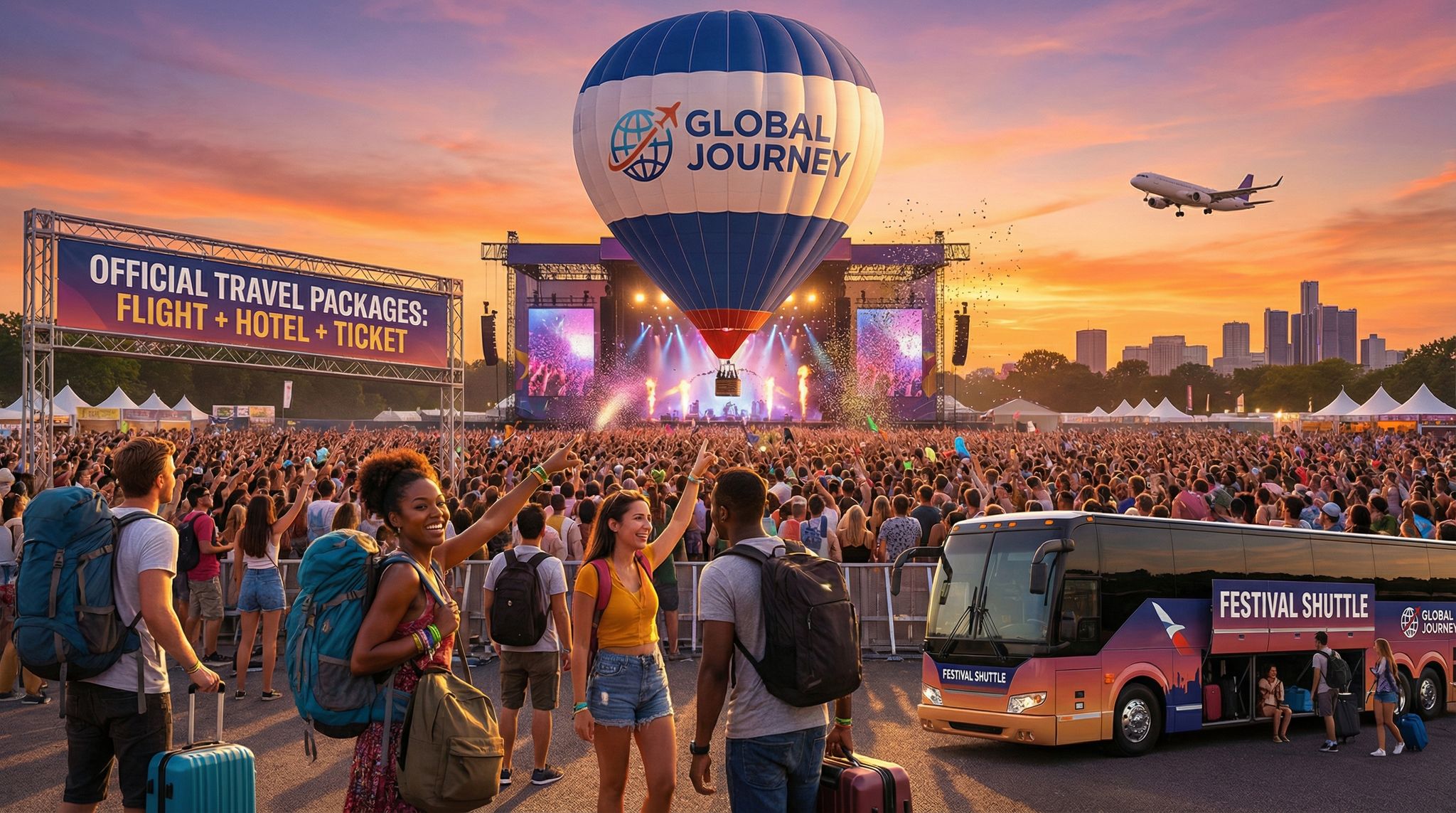
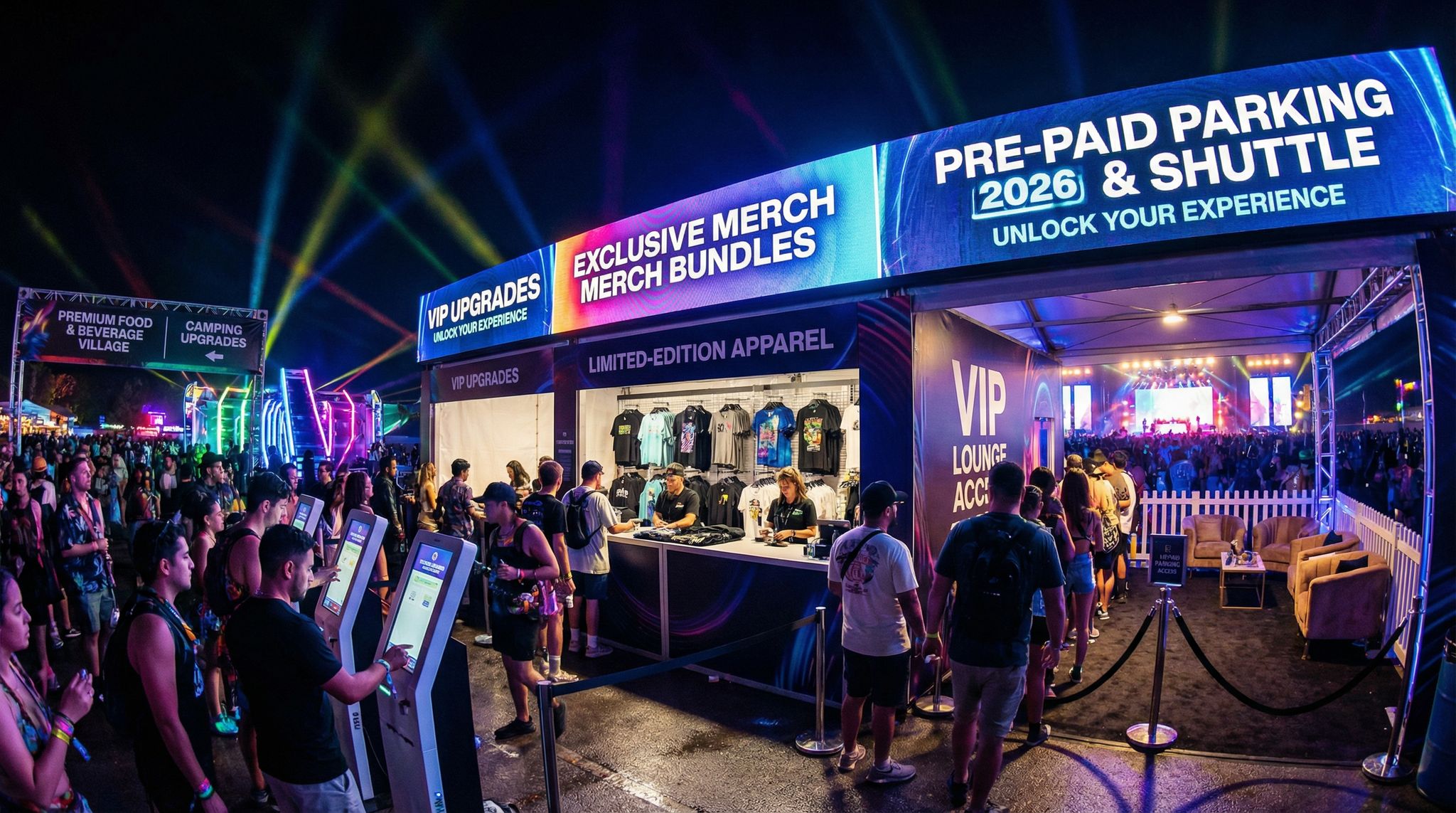
When developing these tiers, don’t overlook the value of a dedicated venue event partnership. Collaborating closely with your host venue allows you to offer brands unique physical spaces—such as branded VIP lounges, exclusive entrance lanes, or concourse takeovers—that might otherwise be off-limits. This collaborative approach to event partnership marketing ensures that sponsors receive maximum visibility while enhancing the overall attendee experience.
Furthermore, structuring a multi-layered venue event partnership can unlock additional revenue streams for both the promoter and the property owner. By aligning the venue’s existing infrastructure—such as digital marquees, pouring rights, or VIP suites—with the incoming brand’s objectives, organizers can broker tripartite agreements. These strategic event partnerships ensure that the brand receives maximum exposure across all touchpoints, while the venue and promoter share the financial upside of a fully integrated sponsorship package.
Each partnership tier should include clear deliverables with measurable outcomes. From the exposure that each partner will receive to the level of fan interaction and engagement, ensure that all expectations are well-defined. While flexibility is crucial to accommodate unique partner requests, it’s essential to have baseline offerings that can be easily communicated to potential sponsors.
Crafting a Winning Sponsorship Proposal

A well-crafted sponsorship proposal is essential for securing sponsorships and driving revenue for the event. It involves developing a compelling proposal that outlines the event’s value proposition, target audience, and sponsorship opportunities. A strong proposal not only attracts sponsors but also sets the stage for a successful and mutually beneficial partnership.
Essential Elements of a Sponsorship Proposal:
- Event Overview: Providing a clear and concise overview of the event, including its objectives, target audience, and format. This section should give potential sponsors a comprehensive understanding of what the event is about and what it aims to achieve.
- Sponsorship Opportunities: Outlining the various sponsorship opportunities available, including branding, speaking opportunities, and networking. Highlighting these opportunities helps sponsors see how they can benefit from being associated with the event.
- Target Audience: Providing demographic information about the target audience, including their interests, pain points, and preferred communication channels. This information helps sponsors understand the potential reach and impact of their involvement in the event.
- Event Marketing Materials: Including examples of event marketing materials, such as the event website, social media, and email marketing campaigns. Showcasing these materials demonstrates the event’s professionalism and the promotional efforts that will support the sponsors.
- Sponsorship Packages: Outlining the various sponsorship packages available, including the benefits, pricing, and terms and conditions. Clearly defined packages make it easier for sponsors to choose the level of involvement that best suits their needs and budget.
Leveraging Venue Assets in Your Pitch
A highly effective way to strengthen your proposal is by highlighting a formalized venue event partnership. When promoters and property operators align their assets—such as digital marquees, VIP lounges, and concourse displays—they create a more comprehensive inventory for potential sponsors. Demonstrating that your strategic alliances extend to the physical property itself reassures brands that their on-site activations will be fully supported by management. This unified approach makes sponsored live experiences significantly more attractive to top-tier advertisers and can rapidly boost your standing within the live entertainment industry as a reliable, ROI-focused organizer.
By incorporating these elements into your sponsorship proposal, you can create a compelling case for why potential sponsors should invest in your event, ultimately driving revenue and enhancing the event experience for all involved.
Also Read: How to Write the Perfect Event Press Release: 6 Easy Tips
Integrated Digital and Physical Activation Plans

In today’s world, brand partnerships must bridge the gap between physical and digital experiences. Incorporating interactive elements such as live polls, gamification, and augmented reality is crucial to enhance audience engagement and experience. For your strategy to be effective, you need to consider how your event can create seamless and integrated activation plans across both domains. This not only enhances the fan experience but also ensures that the event reaches a broader audience, whether they are attending in person or engaging remotely.
Key Components for Digital and Physical Integration:
- Pre-event Digital Marketing Campaigns: Begin building excitement for your marketing events well before they start. Utilize email marketing, social media platforms, and digital advertisements to promote the event and the brand partners involved. By working closely with your partners on pre-event marketing, you create a buzz around the event that can drive ticket sales and early engagement. Exclusive content, such as artist interviews, event teasers, or behind-the-scenes looks, can be used to build anticipation.
- On-site Experiential Activations: The physical event should be designed to amplify brand partnerships through experiential marketing. For example, brands can sponsor unique on-site activations, such as interactive booths, games, or art installations. These activations engage the audience directly and leave a lasting impression on attendees. They also provide valuable content for digital and social media sharing.
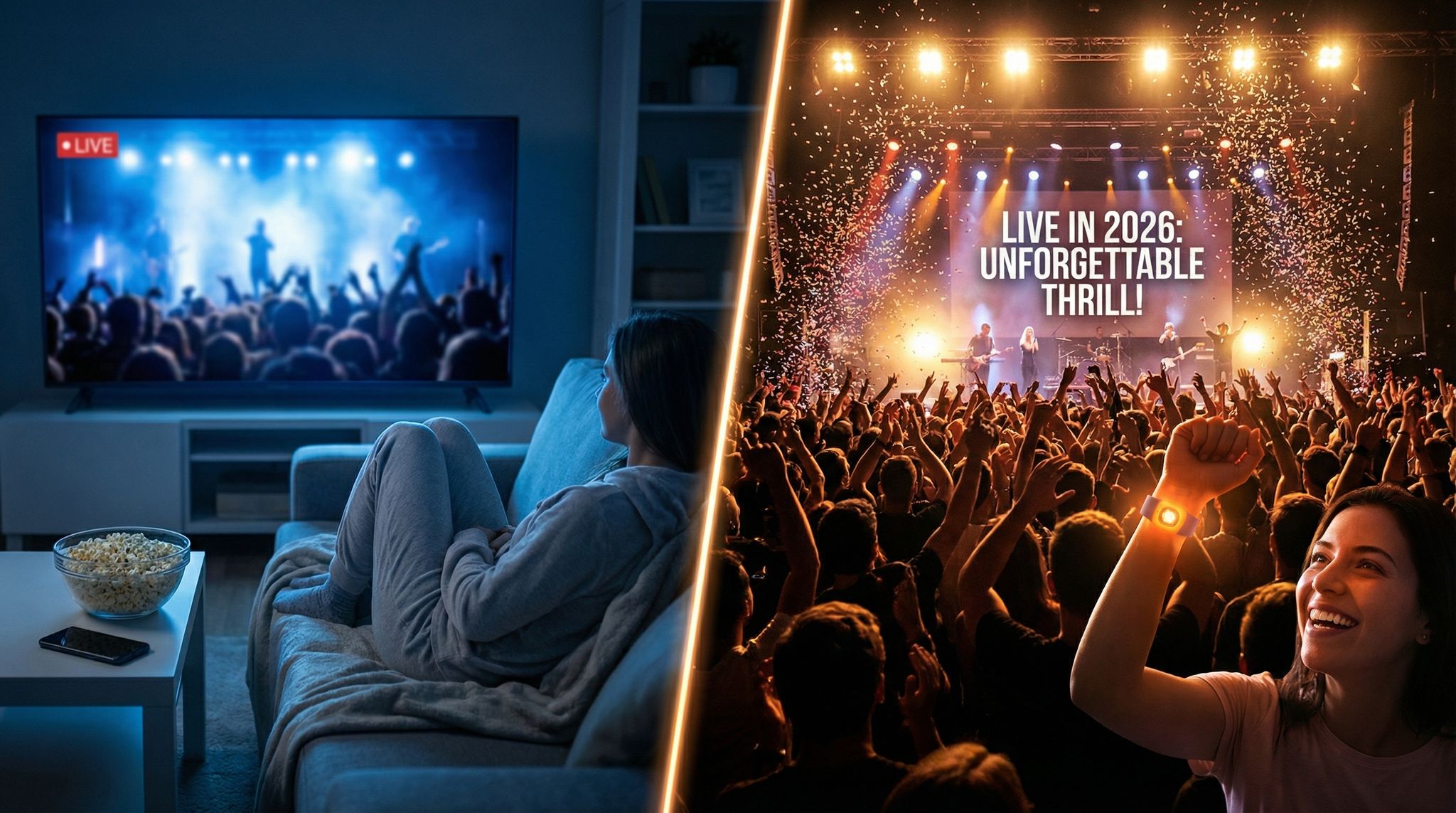
- Live Streaming Opportunities: For events with large or geographically diverse audiences, live streaming is an essential component. Offering brand partners the opportunity to sponsor or co-host live streaming broadcasts allows them to connect with a global audience. In addition to streaming the event itself, you can offer sponsors the chance to create exclusive virtual content, such as artist interviews or behind-the-scenes footage.
- Social Media Integration: Social media is an indispensable tool for event marketing. Develop a comprehensive social media strategy that integrates your event’s activities with your brand partners’ platforms. Encourage audience interaction by creating shareable content, such as behind-the-scenes videos, countdowns, or event hashtags. Social media contests and influencer collaborations can further amplify your brand partners’ presence.
Also Read: 5 Things Every Promoter Should Do As Part Of Their Organic Social Media Campaign
- Post-event Content Distribution: Post-event content is another important aspect of brand partnerships. This could include recap videos, highlight reels, or content that is specific to the brand’s activation during the event. Sharing this content across social media and digital channels ensures continued engagement long after the event ends, increasing the lifetime value of your brand partnerships.
- Virtual and Hybrid Experience Options: For partners looking to expand their reach beyond physical event attendance, consider offering virtual or hybrid event options. Virtual experiences can be enhanced with brand activations, and hybrid formats allow fans who cannot attend in person to participate in the event through branded digital experiences.
By blending physical activations with digital engagement, your event can create memorable experiences that resonate with a broader audience, creating a deeper and longer-lasting connection with both the brand and the event.
How Live Events Shape the Overall Brand Experience
Understanding how live events interact with brand experience is critical for organizers pitching high-level sponsorships. A festival or club night isn’t just a passive backdrop; it is an active, emotionally charged environment that directly shapes consumer perception. When attendees engage with a sponsor’s activation—whether through a curated VIP lounge, an interactive art installation, or a seamless digital integration—they associate the positive energy of the show directly with that company. By designing these touchpoints carefully, promoters ensure that paid partnership live events deliver a cohesive narrative, transforming everyday ticket buyers into loyal brand advocates.
Navigating Large-Scale Music Festival Integrations
Industry professionals often analyze how brands advertise or partner with major music events effectively without disrupting the fan experience. The most successful examples of event partnership marketing at scale involve seamless utility—such as a technology company providing free Wi-Fi charging lounges, or a beverage sponsor hosting a shaded hydration station. By focusing on attendee needs rather than intrusive advertising, organizers can facilitate high-value interactions that deliver measurable returns for the sponsor while genuinely improving the festival environment.
Data Collection and Analytics Framework

To prove the effectiveness of brand partnerships and demonstrate ROI, establishing a robust data collection and analytics framework is essential. The events industry, with its significant growth and investment potential, underscores the importance of data-driven insights to enhance event success in a competitive landscape. Data is not only critical for evaluating the success of your partnerships but also for demonstrating the value of your event to future sponsors.
Also Read: How Audience Demographics Help Event Promoters Create Effective Campaigns
Key Data Points to Track:
- Attendance and Engagement Metrics: Monitor key metrics such as the number of attendees, their demographics, and engagement levels during the event. This data can be collected through ticketing systems, mobile apps, or on-site interactions. Provide your partners with reports that detail how many people interacted with their brand during the event.
- Social Media Reach and Impressions: Track how many times your event (and your partners) were mentioned across various social media platforms. Analyze metrics such as impressions, shares, likes, and comments to quantify social media exposure. This provides partners with an understanding of the broader digital impact of their involvement.
- Brand Sentiment Analysis: Beyond raw numbers, understanding the sentiment around a brand is crucial. Incorporating event branding strategies can help refine these efforts. Use social media listening tools to monitor how people feel about the brands associated with your event. Sentiment analysis can help your partners gauge public perception and adjust their marketing strategies accordingly.
- Sales and Revenue Attribution: For many brands, the ultimate goal of a partnership is to increase sales. Whether through direct product sales on-site, online purchases, or in-store promotions, track how much revenue is generated during or after the event as a result of the partnership.
- Customer Satisfaction Scores: Partnering with brands also impacts customer satisfaction. After the event, collect feedback from attendees about their experience with brand activations, merchandise, and on-site experiences. Use surveys, mobile app feedback, or social media polls to gather insights.
- Partnership Performance Indicators: Define key performance indicators (KPIs) for each partnership, ensuring that each partner’s goals are being met. Whether it’s increased brand visibility, audience engagement, or sales conversions, tracking these KPIs is critical for measuring success.
By collecting real-time data and providing detailed reports to your partners, you can demonstrate the tangible value of their investment and establish a foundation for long-term partnerships.
Also Read: How Event Organizers Should Prioritize Learning Detailed Audience Demographics
Long-term Relationship Development Plan

Building lasting relationships with brand partners and establishing a cohesive event’s brand is far more valuable than securing one-off deals. Long-term partnerships can lead to repeat business, more substantial investments, and deeper collaboration on future events. To create lasting relationships, you need a plan for nurturing partnerships over time.
Key Elements for Long-Term Relationship Development:
Multi-year Partnership Opportunities: Rather than focusing on one-time deals, offer partners the opportunity to commit to multi-year agreements. This stability allows both parties to plan more strategically and opens the door for larger, more ambitious collaborations, contributing to a successful event.
Regular Partnership Review Meetings: Maintain open lines of communication with your partners through regular review meetings. These meetings provide an opportunity to assess the success of the current partnership, discuss any challenges, and identify new opportunities for future collaboration.
Joint Innovation Sessions: The most successful partnerships often involve joint innovation. Work with your partners to brainstorm new ideas for experiences, activations, and collaborations. This fosters creativity and ensures that the partnership remains fresh and exciting for both parties.
Exclusive Renewal Benefits: Offer exclusive benefits for long-term partners, such as early access to sponsorship opportunities, priority placement for activations, or increased visibility in event promotions. These incentives can help foster loyalty and make partners feel valued.
Strategic Planning Workshops: Conduct workshops or planning sessions where both the event organizers and brand partners can align their objectives for future events. Collaborative goal-setting helps ensure that both parties are working toward shared goals, increasing the likelihood of continued success.
In Summary:
Building a successful live event brand partnership strategy involves much more than simply securing sponsors. It’s about crafting a comprehensive, flexible, and data-driven approach that can meet the needs of diverse brands while ensuring your event remains unique and valuable to attendees.
By focusing on comprehensive value proposition development, tiered partnership structures, integrated activation plans, robust data collection, and long-term relationship management, you can create an effective event marketing strategy that drives mutual success for your event and its partners.
Ultimately, the key to building lasting brand partnerships is understanding what each partner wants to achieve and finding creative ways to help them meet those goals while providing exceptional value to your event and audience through strategic partnerships.
You May Also Like:
6 Steps Event Organizers Need To Know To Keep The Show Running Smoothly
The Ultimate Guide to Selecting Venues for Touring Artists: A Comprehensive Strategy for Success
Nightclub Marketing: 10 Proven Strategies to Boost Your Venue’s Success
Frequently Asked Questions
What are the key concepts in event marketing for brand partnerships?
Event marketing involves creating live or virtual experiences to engage audiences and promote products. Key concepts include defining clear event objectives like lead generation, understanding target audience demographics, selecting the right format (in-person vs. virtual), and executing a robust promotion strategy using social media and email to drive engagement.
How can event organizers create a strong value proposition for potential sponsors?
A strong value proposition requires detailed audience personas beyond basic demographics, including lifestyle preferences and spending habits. Organizers should present historical data on engagement, success metrics from previous partnerships, and unique selling points like exclusive venues or innovative fan experiences to demonstrate tangible benefits and ROI to potential sponsors.
Why is a tiered partnership structure beneficial for live events?
A tiered partnership structure allows events to cater to diverse budgets, from local businesses to global brands. It offers scalable activation opportunities, varying levels of brand visibility, and different degrees of audience access. This flexibility maximizes revenue potential while providing distinct value differentiation and exclusive category rights for top-tier partners.
How can brand partnerships integrate digital and physical event activations?
Effective integration bridges physical and digital experiences through pre-event digital marketing campaigns and on-site experiential activations like interactive booths. Strategies include live streaming for global reach, social media integration with shareable content, and post-event content distribution. This approach enhances audience engagement and extends the partnership’s impact beyond the physical venue.
What data metrics are essential for measuring event partnership success?
Essential metrics include attendance numbers, demographic data, and engagement levels tracked via ticketing systems or apps. Organizers must also monitor social media reach, brand sentiment analysis, and sales revenue attribution. Collecting these data points proves ROI to partners and helps refine strategies for future sponsorship opportunities.
How do event organizers build long-term relationships with brand partners?
Building lasting relationships involves offering multi-year partnership opportunities rather than one-off deals. Organizers should conduct regular partnership review meetings, host joint innovation sessions to brainstorm new activations, and provide exclusive renewal benefits. Strategic planning workshops align objectives, ensuring both parties work toward shared goals for continued success.
How do brands advertise or partner with major music events?
Brands typically partner with major music events through strategic event partnerships that go beyond traditional advertising. This includes sponsoring specific stages, creating immersive on-site experiential activations, integrating into the event’s digital marketing campaigns, and offering exclusive VIP experiences. Paid partnership live events often involve a mix of physical presence and digital reach to maximize brand visibility and audience engagement.
What is event partnership marketing and how does it benefit promoters?
Event partnership marketing goes beyond transactional sponsorships by integrating a brand into the core attendee experience. For promoters and venue operators, these strategic collaborations provide essential funding, enhance the event’s production value, and tap into the partner’s existing audience to drive ticket sales.
What are the most common mistakes in a brand partnership strategy for live events?
The most frequent missteps include failing to align the sponsor’s corporate values with the event’s core demographic, relying on passive logo placement instead of immersive experiential activations, and neglecting to establish clear, trackable ROI metrics before the event begins. A successful strategy requires treating sponsors as co-creators of the attendee experience.
How does a strong event branding strategy attract better sponsors?
A well-defined event branding strategy provides corporate partners with a clear understanding of your festival or venue’s identity, audience, and cultural footprint. When promoters maintain cohesive visual assets, consistent messaging, and a distinct tone of voice, it signals professionalism. This makes it easier to secure lucrative event partnership marketing deals, as brands feel confident that their activations will be integrated into a premium, highly curated environment.
What is live event branding and why is it critical for securing sponsorships?
Live event branding is the comprehensive visual, emotional, and experiential identity of your festival or venue. It includes everything from your logo and digital marketing aesthetics to on-site stage design and attendee communications. For promoters, robust live event branding is critical because it demonstrates professionalism and provides a cohesive, premium environment where corporate sponsors feel confident integrating their own brand activations.
How do live events interact with a sponsor’s brand experience?
Live events interact with a sponsor’s brand experience by providing an emotional, immersive environment where consumers engage with products firsthand. Rather than relying on passive advertising, the live setting allows companies to create memorable, tactile touchpoints. When attendees associate the excitement of a festival or concert with a specific activation, it significantly elevates brand perception and fosters long-term customer loyalty.