The Evolving Event PR Landscape in 2026
From Press Releases to Full-Scale Storytelling
Event PR in 2026 is about much more than blasting out press releases. Successful promoters craft a narrative around their event that earns media attention on multiple platforms. Traditional press releases still have their place, but they’re now just one piece of a larger storytelling puzzle. Modern event PR blends classic media relations with content marketing, social media virality, and influencer buzz to create a cohesive story that media outlets can’t resist covering. Experienced promoters treat every announcement, artist reveal, or milestone as a chance to tell a compelling story rather than just list facts.
Media Fragmentation and Trust in Earned Media
Audiences today are spread across countless media platforms – from local newspapers and radio to global blogs, podcasts, and TikTok. This fragmentation means earned media (coverage you don’t pay for) is more valuable than ever for cutting through the noise. In fact, a recent global survey of 3,000 journalists found 61% receive over 100 pitches a week, yet 92% of consumers trust earned media over ads, according to consumer trust research by YouGov. That trust is gold for event marketers. When your festival lineup gets written up by a popular blog or your charity fundraiser is profiled on local TV, readers and viewers inherently view it as credible. In a world of paid ads and sponsored posts, genuine news coverage carries a psychological weight that can dramatically boost an event’s reputation. Savvy promoters know to invest effort in PR because a single story in a respected outlet can provide social proof that no amount of advertising spend can buy.
The New PR Playbook: Integration with Marketing
In 2026, PR isn’t a silo – it’s woven tightly into the overall event marketing strategy. The line between PR and marketing has blurred as media outlets scour social media for stories, and marketing campaigns increasingly aim for earned viral moments. A year-round marketing mindset has PR touchpoints at every phase: announcement press releases timed with ad campaigns, publicity stunts engineered to go viral online, and media partnerships that amplify paid promotions. Seasoned event marketers ensure that their PR and advertising tell a unified story. For example, when a festival launches its lineup announcement video on YouTube and social channels, the PR team is simultaneously pitching that story to music journalists to avoid common festival marketing mistakes. This integration means every press mention echoes the same core message as your ads, emails, and posts, creating a surround-sound effect that maximizes impact.
Why Event PR Matters More Than Ever
Powerful PR can be the difference between a sold-out show and an empty venue. With more events vying for attention, media coverage provides an edge by reaching attendees who might otherwise never hear of your event. It also adds prestige – being featured in a major publication or popular blog lends instant credibility. Sponsors and partners closely watch press coverage too. An event that garners headlines signals a strong brand, attracting sponsors who want their name associated with high-profile happenings. And let’s not forget the SEO boost: online articles about your event improve search visibility, driving organic ticket buyers. In short, PR in 2026 isn’t just “nice to have” – it’s a mission-critical channel for amplifying your event’s profile in a crowded media landscape, helping you move beyond reliance on paid ads and establish a brand that attracts both fans and partners.
Turn Fans Into Your Marketing Team
Ticket Fairy's built-in referral rewards system incentivizes attendees to share your event, delivering 15-25% sales boosts and 30x ROI vs paid ads.
Adapting to a Changing Media Environment
The media world is in flux: newsrooms have shrunk, journalists are stretched thin, and algorithms influence what gets seen. These changes mean event promoters must adapt their PR tactics. For one, lead times can be shorter – digital news can publish within hours, while print magazines still need months of advance pitching. Also, journalists now juggle online articles, Twitter feeds, and video content all at once. They’re looking for stories that are timely, visual, and shareable. Understanding these shifts is crucial. For example, many reporters now monitor social media trends to find story ideas, so a clever tweet or an Instagram-worthy image from your event can spark press interest. The bottom line: to master event PR in 2026, promoters need to stay agile, tech-savvy, and attuned to what resonates with both journalists and the audiences they serve.
Crafting Compelling Event Story Angles
Identifying Your Unique Hook
At the heart of every great PR campaign is an irresistible story angle. Start by asking: What makes this event special? Experienced promoters know that “just another concert” won’t grab journalists’ attention – but “a concert powered 100% by solar energy” or “the first reunion show of a beloved band in a decade” just might. Identify your event’s unique selling points: a theme, a cause, a record-breaking attempt, a celebrity involvement, a quirky venue, an anniversary, or an inspiring origin story. Even a small local event has something one-of-a-kind about it – maybe it’s the personal story of the organizer or a connection to local history. Lead with that hook in all your PR materials. Journalists are storytellers; give them a compelling narrative, not just an event listing. For example, instead of “Annual Food Festival returns,” frame it as “Local Food Fest Founded by Single Mother Becomes Culinary Phenomenon,” if that narrative rings true. A strong hook piques interest and increases the chance your event gets covered as a story, not an ad.
Ready to Sell Tickets?
Create professional event pages with built-in payment processing, marketing tools, and real-time analytics.
Aligning with Trends and Causes
One savvy way to make your event more newsworthy is to tap into larger trends or social causes. Media outlets love to ride the wave of what’s trending in society. If your event can be connected to a hot topic, you’ve got a built-in angle. For instance, is there a sustainability movement in your industry? Emphasize your festival’s eco-friendly practices or charity partnerships – perhaps your music festival is eliminating single-use plastics or planting a tree for every ticket sold. Many publications will jump to feature an event that exemplifies positive trends. According to veteran promoters, positioning your event as “part of something bigger” transforms it into a story that’s relevant beyond just your attendees. Consider the cause or theme that matters to your target audience, be it mental health, diversity, community revival, or tech innovation, and weave that into your PR messaging. A great example is how some festivals have leaned into social impact; when an event highlights its activism done right to support a cause, it not only earns press but also wins fans’ hearts. This approach aligns with strategies for effective festival sponsorship and leveraging media partnerships to build hype. Just be authentic – insincere pandering to a trend can backfire if it comes off as opportunistic. Choose an angle that genuinely fits your event’s values.
Human Interest and Emotional Storytelling
Every event, big or small, has a human story behind it. Unearthing these human interest angles can dramatically increase your PR success. Media outlets, especially local news and lifestyle sections, love stories that readers can connect with emotionally. Think about the people involved in your event: the 10-year-old DJ prodigy playing his first big show, the couple who met at your festival and are now getting married on stage, or the community that saved a historic theater from closing by hosting a benefit concert. These kinds of stories turn an event into something relatable and sharable. When pitching journalists, don’t just pitch the event – pitch the people and the passion behind it. For example, a small town marathon could get national press if framed as “Veteran with Disability to Run Marathon to Raise Cancer Research Funds” – suddenly it’s not just an event, it’s a inspiring narrative. Collect anecdotes from staff, artists, or attendees that highlight compelling personal journeys connected to your event. A well-placed human interest story can even transcend your usual audience, reaching folks who might not typically attend but are moved by the story – and some will buy tickets out of sheer inspiration.
Data, Superlatives, and Record-Setters
If you’ve got impressive numbers or first-evers up your sleeve, use them. Superlatives and records scream newsworthiness. Journalists often perk up at “the biggest, the first, the fastest, the only.” Perhaps your conference is hosting a world-record attempt for the largest virtual reality dance class, or your comic-con is the first in the country to feature a fully holographic panel of speakers. Even quirky stats can work: “over 10,000 cupcakes will be served at the festival” or “attendees from 42 countries are coming to this 5,000-person event.” Numbers add weight to your story angle – they quantify excitement. You might also leverage industry data: is your event growth representative of a larger trend (“our attendance grew 50% amid a national boom in e-sports events”)? Incorporating a stat like that can catch a business editor’s eye. Surveys indicate that 40% of journalists rely on data and 75% want original research to produce stories. Just be sure you can back up any claims; nothing kills credibility like an overstated record that isn’t real. Partnering with organizations like Guinness World Records for an official attempt is one way to ensure legitimacy (and Guinness often publicizes record attempts themselves). Even if you’re not literally breaking a world record, think about the “wow factor” metrics for your event and lead with them in your press hooks.
Visual and Experiential Hooks
We live in a visual culture, and media outlets – from newspapers to Instagram feeds – are hungry for great visuals. When crafting story angles, consider the imagery or experience that will make for eye-catching coverage. This might influence how you plan the event itself. An extreme example: a festival once released hundreds of sky lanterns at night – the stunning photos were featured in news articles worldwide. While you don’t need to orchestrate something so grand, do think about what visuals your event offers: maybe it’s the colorful costumes at your parade, the dramatic backdrop of your mountaintop concert, or the cutting-edge stage design at your rave. Offering compelling photos or video footage to the media can sometimes tip the scales in convincing them to cover your event. It’s no coincidence that events with spectacular art installations or stunts tend to get more press – they provide journalists with ready-made content. If your event itself isn’t inherently visual, create a visual moment. It could be as simple as a photo-friendly kickoff ceremony (ribbon cutting with a giant pair of scissors, anyone?) or as elaborate as a flash mob performance in the city center a week before the event. These shareable moments not only appeal to the press but also explode on social media, creating a cool experience that floods feeds, multiplying your reach. Just ensure any visual stunt aligns with your event’s vibe so it feels authentic, not gimmicky, ensuring you and your sponsors are on the same page.
Data-Driven Event Marketing
Track ticket sales, demographics, marketing ROI, and social reach in real time. Exportable reports give you the insights to make smarter decisions.
Building Relationships with Journalists & Bloggers
Finding the Right Media Contacts
Successful event PR starts with targeting the right outlets and journalists. Not every writer or publication will care about your jazz fundraiser or esports tournament – and that’s okay. The key is to hone in on those who will care. Experienced publicists begin by researching media outlets that match the event’s niche and audience. If you’re promoting a local indie band night, your local arts and entertainment reporters and city event bloggers are prime targets. For a tech conference, you’ll be looking at tech blogs, industry magazines, and LinkedIn writers who cover tech events. Identify journalists who have covered similar events or artists in the past. Most publications have beats (areas of focus), so find out who covers music, culture, business, food, etc., depending on your theme. Twitter (X) and LinkedIn can be useful for sniffing out which journalists are talking about relevant topics. Tools like media databases exist, but even a good old Google search like “
Personalizing Your Outreach
Journalists are inundated with generic PR emails daily – to stand out, you must personalize your approach. It’s worth the effort: nearly half of journalists say they seldom respond to irrelevant pitches, citing lack of relevance as the #1 reason for ignoring PR emails, so make sure yours is worth reading. So make it abundantly clear why your event is a fit for them and their audience. Address the journalist by name and reference their work: for example, “I enjoyed your article on sustainable festival practices – since you often cover green events, I thought you’d be interested in our plastic-free concert series coming up in July.” This shows you’ve done your homework and aren’t blasting every reporter in town with the same form letter. Keep your pitch concise but impactful: lead with the most intriguing part of your story angle (remember those hooks you crafted). Highlight what’s in it for their readers/viewers – whether it’s a fun experience, an inspiring human story, or a scoop on a trending phenomenon. Seasoned promoters often create slightly different pitch angles for different media segments. A local news reporter might get the community impact angle (“This event will revitalize our downtown for a night”), while a music blog gets the artist angle (“Headline DJ reveals this will be his only 2026 performance – exclusive”). By tailoring the message, you respect the journalist’s focus, and you vastly increase your odds of a response. As a rule of thumb, quality beats quantity in media outreach: 10 well-researched, personalized pitches will outperform 100 copy-paste emails every time.
Grow Your Events
Leverage referral marketing, social sharing incentives, and audience insights to sell more tickets.
Networking and Relationship-Building
Beyond formal pitches, the best event PR pros focus on building real relationships with media folks over time. Think of it as tending a garden – you’re not just hunting for one-off coverage, you’re cultivating ongoing rapport. Start local and small if you need to; those early relationships can grow. Attend media networking events, panels, or workshops in your area. If there’s a music blogger meetup or a local press club event, go say hello. Even following journalists on social media and engaging genuinely with their posts can put you on their radar (just don’t be creepy or overly pushy). When you see a great piece written about someone else’s event, share it or drop the writer a note saying you liked it – with zero agenda except to give kudos. These touches set you apart from the crowd that only emails when they need something. Another pro tip: invite media to experience your event first-hand. Offer a press pass or special “media tour” during your event so they can see and feel what makes it interesting. According to a Cision media survey, 44% of reporters appreciate access to events as a perk of working with PR folks, and 63% value exclusive information, and it often leads to better coverage since they witness the excitement directly. Lastly, remember that relationships are two-way; think about how you can help journalists. Do you have data or access they might find useful for a story? Can you connect them with a source (even unrelated to your event) as a favor? Being a helpful connector and respecting their time (e.g., not calling at 5 PM on their deadline) will earn you goodwill that pays off when it’s time to pitch your next big event.
Leveraging Influencers and New Media Personalities
In the 2026 media landscape, influencers, podcasters, and streamers can be as important to your PR outreach as traditional journalists. While influencer marketing is its own strategy, there’s overlap with PR when you earn mentions or collaborations organically. Many of these content creators operate like mini media outlets with dedicated followings. Identify influential voices in your event’s niche – maybe it’s a YouTuber who vlogs about food festivals, a TikTok creator known for concert reviews, or a Twitch streamer who loves gaming expos. Building relationships with them can amplify your reach significantly. Approach them not just as “influencers to hire” but as storytellers who might genuinely be interested in your event’s content. For example, invite a local Instagram foodie to preview your food fair’s top dishes, or give a respected industry podcaster an exclusive interview with a keynote speaker at your conference. If they create content about your event on their own channels, that’s free publicity and often reaches highly engaged fans. The key is authenticity: these creators value their audience’s trust, so pitch them an experience or story they’ll truly enjoy, not just a promotional script. Oftentimes, treating an influencer like press – giving them behind-the-scenes access or an early scoop – results in coverage that feels organic. This not only generates buzz among their followers, but traditional media sometimes picks up on trending posts or viral content from influencers, creating a PR chain reaction. The lines between influencer buzz and PR are blurring, so smart event promoters harness both, making sure their event is being talked about on all the channels their audience frequents, utilizing creators and influencers that actually convert.
Consistency, Respect, and Professionalism
When dealing with the press and bloggers, how you communicate is as important as what you communicate. Consistency is key: respond to inquiries quickly, meet any promises you make (like sending additional info or quotes by a certain time), and keep communication channels open. If a journalist expresses interest, be prepared to accommodate them – that might mean arranging an interview with your event’s headliner on short notice or providing a last-minute high-res photo they requested. Always respect journalists’ time and medium. Before calling someone, try email first unless you know they prefer calls; 91% of journalists prefer email pitches over phone calls, as reporters get too many irrelevant calls. If a writer asks for an exclusive (they want to be the first to break your news), consider granting it to a top-tier outlet – but be clear on the embargo timing for others. Never spam a journalist with repeated follow-ups if they haven’t responded; a polite one-liner follow-up after a few days is fine, but pestering will burn bridges. Professionalism also means handling rejections gracefully. Not every pitch lands, and that’s normal. Thank the reporter for their consideration if they decline, and keep them on your radar for future stories that might suit them better. Maintaining a good reputation in the media community will carry far – journalists do talk to each other, and you want to be known as the promoter who’s courteous, truthful, and easy to work with. That reputation can become your calling card, where press contacts start reaching out to you for stories because they know you deliver great content and respect the process.
Mastering Press Releases and Media Kits
Writing a Newsworthy Press Release
The traditional press release remains a staple of event PR – but to be effective in 2026, it must be concise, compelling, and tailored. Journalists use press releases to grab the basic facts and find an angle, but they won’t read past the headline if it’s not interesting. Craft a clear, catchy headline that highlights your story hook, e.g., “Local Jazz Festival Celebrates 100th Birthday of Historic Theater with Star-studded Lineup.” In the opening paragraph (the lede), cover the Who, What, When, Where, and most importantly Why it’s newsworthy – this is your angle. Don’t bury the key excitement until the bottom. Use an inverted pyramid structure (most important info first) so that even if an editor only reads the first 2 lines, they get the gist. Keep the tone factual but energizing; a press release isn’t an advertisement, but it should convey why people should care. Include a captivating quote from someone important – perhaps the festival director or headline artist – that adds color and opinion (“We’re honored to reunite these legendary chefs for a one-of-a-kind culinary experience,” says Event Director Jane Doe). Quotes can be used by journalists verbatim, so make them punchy and human. Brevity is gold: aim for 400-600 words total. Before sending, put yourself in a journalist’s shoes – does this release give a clear story angle and interesting tidbits to run with? If not, revise it. And always double-check the details (dates, URLs for tickets, spelling of names); errors in a press release can quickly erode your credibility.
The Modern Press Kit: Assets Journalists Need
In 2026, a media kit is a critical companion to your press release. Busy journalists appreciate when you proactively supply all the elements that can make their job easier. A typical event press kit should include:
- High-resolution photos: Provide a link to an online folder or attachment (if requested) with quality images. Include a variety – the venue, past event crowds, headlining performers, key organizers, and any unique visuals (like your signature cocktail or art installation). Label them clearly with captions. Many editors will skip covering an event if they don’t have good photos to publish with the story.
- Video clips or B-roll: If relevant, short video snippets of past events or interviews with organizers can be golden, especially for TV or online news. For example, a 30-second highlight reel of last year’s festival crowd can entice media to visualize the excitement. Keep file sizes reasonable or host them on a platform and share links.
- Fact sheet: A one-pager with quick facts – event name, date/time, location, expected attendance, ticket prices, notable guests, charity partnerships, etc. Bullet points here help. This lets journalists grab key facts at a glance without hunting through paragraphs of text.
- Backgrounder: A brief history or background info about the event or organization. If your event has a rich heritage or your organizer team has interesting credentials, note that. For instance, “Founded in 2015 by two college roommates, X Conference has grown from 100 attendees to 5,000 in just 5 years.” Keep it concise and separate from the main press release narrative.
- Contact information: Clearly mark who the press contact is for follow-up. Include name, phone, email, and even WhatsApp if you use it. Journalists on deadline may need a quick answer; make sure they know exactly how to reach your PR point person 24/7 during the campaign.
All these pieces can be compiled in a single PDF or a well-organized press section on your website. Many event promoters now use cloud folders (Google Drive, Dropbox) with public view links – just double-check permissions so any journalist can download without a hassle. By anticipating what reporters might ask for (images, facts, quotes), you position your event as press-friendly, increasing the chances of coverage. In fact, 28% of journalists surveyed said they want multimedia assets included with pitches and releases, as visuals enable them to produce better stories. Supplying these upfront could put you ahead of the pack.
Timing and Distribution Strategy
When it comes to sending out press releases, timing can make or break coverage. You want to align your press outreach with key moments in your event campaign – and also with media deadlines and cycles. Start by plotting out your press releases on a timeline (we’ll illustrate a sample timeline shortly). Common releases include: Announcement (lineup reveal or initial event announcement), a reminder or update (additional headliner, new element added) a few weeks out, and a final advisory (logistics, “coming this week!”) right before the event. For major events, an early teaser release can build intrigue (e.g., “Save the Date: Major New Year’s Festival Coming to City – full details next month”). Just be sure you have something newsworthy to say each time – don’t cry wolf with repetitive releases.
Also consider the day and hour: typically, mid-week mornings are ideal for press releases. A release sent at 5pm on a Friday may languish unnoticed as journalists clock off for the weekend. If you’re targeting daily newspapers or local TV, send your release early in the day so it can make that day’s news meeting. For industry blogs that post at specific times, try to land in their inbox a bit before their usual publishing schedule. And always account for time zones when sending to national or international media.
Distribution can be done in two main ways: directly and via wire services. Direct distribution means emailing your curated media list individually or via a mail-merge (but still address reporters by name). This personalized approach often yields better pickup, especially for niche and local outlets. On top of that, consider using a newswire service (like PR Newswire, Business Wire, etc.) for big news – this blasts your press release to a broad network of newsrooms and can also improve online discovery (many wire releases get indexed by news sites). However, wires can be costly, so weigh the benefit for your event’s scope. Smaller events usually stick to direct outreach which is essentially free.
No matter how you distribute, don’t rely on the press release alone to do all the work. It’s a conversation starter, not the full story. Often, the real PR wins come from follow-up (personal emails or calls to key journalists to say “just wanted to make sure you saw this – I think your readers would love the story about XYZ angle”). Use the press release as a tool, but remember that media relationships and targeted pitching ultimately drive the best results.
Embracing Digital Formats and SEO
Press materials in 2026 need to be as digital-friendly as possible. Many journalists will never download a Word doc or PDF if they can get the info from a quick glance at an email or a web page. Consider hosting your press release online – either in a news section of your event website or via a service that creates a web version of your release. This has multiple benefits: you can format it with images and links, and you can optimize it for search engines (SEO). If someone Googles your event, a well-optimized press release page could rank highly and function as an official news source about your event.
Use SEO best practices in your press release headlines and body: incorporate the name of your event, location, and year (“2026”) in the title or first line, and mention any big headliners or unique attractions – things people might search for. For example, “DragonCon 2026 Announces Marvel Star as Keynote Guest” is search-friendly. Media outlets that pick up your release might run it as-is on their websites, multiplying the SEO effect.
Also adapt to multimedia press releases – it’s not uncommon now to embed a short video or a tweet within a digital press release. For instance, include a 10-second time-lapse of last year’s crowd build or a testimonial quote graphic from an artist. These elements make your news more shareable on social media and more engaging for journalists who see it. Some outlets might even embed your provided content in their coverage (many news sites love to include an official tweet or Instagram post from an event). So, coordinate your social media with your PR: when you send a release, maybe also tweet a key fact or image from your official account. If a journalist can simply cite that tweet or include your pre-made infographic about the event’s impact, it reduces their workload and enhances your story’s appeal.
Remember that AI tools are part of journalists’ workflows now, too. Reporters might use AI to summarize your press release or check facts, so clarity and accuracy in your writing help ensure the algorithms convey your story correctly. On your end, you can leverage AI as well – for example, to quickly generate press release drafts or tailor different versions for different outlets (just always have a human polish it for tone and accuracy). As covered in our guide on harnessing AI for event marketing, these tools can save time, but human insight is still required to craft a truly newsworthy narrative.
Following Up Without Annoying
After your press release is out, a gentle follow-up can significantly boost pickup – but there’s an art to it. Wait a reasonable time (usually 2–3 days for print/online, or the next day if it’s for fast-paced news desks) and then send a brief, polite follow-up email to your top targets. Something like: “Hi [Name], just wanted to check if you saw the press release below about [Event]. I believe your readers might be interested because [insert tailored angle]. Happy to provide more info or an interview with [artist/organizer] if that would be useful. Thanks for considering!” Keep it short and don’t be pushy. Often, the follow-up is where you’ll get a reply like, “Thanks, this slipped my radar but we can run a brief” or “Interesting – can you send 2 tickets for our reviewer?” If you still hear crickets, it’s okay; reporters are busy and sometimes not interested. Do not send a third or fourth email ranting about lack of response – that will land you on the ignore list permanently.
If a journalist does respond with a request – jump on it fast. You might get questions or an ask for a phone chat. Treat these with highest priority in your day. A common mistake is to fire off releases and then not monitor your email closely; a delay in replying to an interested journalist can mean a missed opportunity as they move onto other stories. Set up notifications if needed and be ready with whatever they might need (this is where having that press kit ready saves the day). Another tactic: if your initial release got little traction, think of a newsworthy update you can share a bit later to rekindle interest. For example, “Hey, one more quick update – our event just sold out of early bird tickets in record time” or “We’ve added a notable local chef to the lineup.” Sometimes a fresh nugget can turn a “no thanks” into a “tell me more.” Just use this sparingly and only when true; manufacturing fake urgency or updates will damage trust. Remember that a few press articles carry more weight than constant minor updates.
Lastly, always express appreciation. If a piece gets published, even a short event listing, send a thank-you note to the writer or editor. A little “thanks for the shoutout” goes a long way to cement a positive relationship. They’ll remember you as someone who values their time and coverage, and might be even more receptive when you pitch the next event.
Leveraging Local, National & Global Media
Cracking the Local Media Code
For events with a strong community or regional focus, local media is your bread and butter. Local newspapers (print or their online versions), city magazines, radio stations, community blogs, and regional TV news can deliver directly to your most likely attendees – the people in your vicinity. To succeed locally, frame your PR with a community angle: how does your event benefit or involve the local area? Are you boosting the economy by bringing tourism? Supporting local artists or charities? Emphasize these points in pitches to hometown journalists. Local reporters are generally eager for feel-good stories or anything that puts a positive spotlight on their community. Also, the competition for coverage is lower at the local level than national, so a well-crafted local press release has a decent shot at getting picked up as-is.
Timing matters for local press too. Weekly papers or city magazines often have longer lead times – they might plan features a month or two out. Daily papers or TV news can work closer to the event, especially if you create a timely angle (“this weekend”, “tonight”). Don’t forget community event calendars and listing sections; ensure your event is submitted to all relevant local calendars (many newspapers/radio have an online submission form for event listings – use them, they’re free PR!). In the final couple of weeks, consider offering key local outlets something special: maybe an exclusive interview with the event headliner for the city paper, or a ticket giveaway contest partnership with the popular radio morning show. Partnerships like that both promote your event and earn you goodwill with the outlet. This aligns with strategies for media partnerships that move festival tickets and generate on-air buzz and ticket sales.
A crucial local tactic is boots-on-the-ground PR – actually meeting local media folks. It could be inviting the local news anchor to emcee your event (they get publicity, you get coverage). Or arranging a familiarization visit: e.g., bring a few local reporters to tour your event site as it’s being built, complete with hard hats and a preview of the lights and stage. Those personal experiences can later turn into enthusiastic coverage (“I got a sneak peek of the new art installation – it’s incredible!”). And if nothing else, leverage local word of mouth: even in media, a recommendation from one journalist to another (“Hey, are you covering that new brew festival? It sounds cool”) can spur interest. So, focus heavily on your immediate media circle – they’re the most likely champions and often the most directly tied to ticket sales in your area. Don’t rely only on digital ads when local relationships are key.
Securing National and International Press
For larger events or those with broad appeal, aiming for national or international media coverage can massively elevate your profile. However, the bar for newsworthiness is higher here. National outlets (major newspapers, TV networks, big websites) won’t cover a local fundraiser unless there’s a truly extraordinary angle. To interest them, highlight aspects of your event that have wide relevance. Is there a celebrity or public figure involvement that national entertainment media would write about? Is your event addressing a global issue or trend (e.g., a conference on climate innovation during a year of intense climate news)? Perhaps you have participants from 50+ countries – a story of global unity might appeal to international press.
When pitching big outlets, think like an editor: their audience might number in the millions, so your event’s story should resonate on that scale. For example, “Small Town’s Music Fest Becomes Unexpected Global Phenomenon – Tickets Sold in 30 Countries” could catch a CNN travel section or Reuters attention. Craft a succinct pitch that immediately answers, “Why would a national audience care about this event?” Often, trade publications and industry media are a stepping stone to top-tier press. A tech event might first get a story in TechCrunch, which then gets referenced by a mainstream outlet like Fortune if the story gains traction.
International media outreach introduces additional considerations: language and cultural angles. If you’re targeting media in specific countries (say, because you have artists from there or marketing to tourists there), it may be worth translating your press materials or engaging a native speaker to pitch. Highlight connections that matter to that country – e.g., “Japanese Jazz Prodigy to Perform at UK Festival” in a pitch to Japanese music media. The rise of digital means even international outlets love interesting content from abroad, but be prepared to accommodate time zones and possibly have representatives available for interviews at odd hours.
Finally, use major press events to your advantage. If you’re producing a film festival, for instance, industry reporters all gather at Cannes or Sundance – those might be opportunities to network or even announce your lineup there to catch press already assembled. Similarly, if your event is relevant to a certain “awareness week” or international day (like World Music Day, Earth Day, Pride Month), tying your PR into that global narrative can make it more compelling for far-flung media.
Niche Media and Trade Publications
Don’t overlook niche outlets and trade press – they can be your secret weapon, especially if your event caters to a specific interest group or industry. Trade magazines, industry blogs, forums, and special-interest websites often have intensely loyal readerships. For example, if you run an EDM music festival, getting featured on a popular EDM blog or in DJ Mag can directly reach hardcore fans worldwide who are likely to travel for shows. If you have a gaming convention, sites like IGN or Kotaku are goldmines for publicity to gamers. These outlets might not have the mass reach of CNN, but their audience is exactly your target demographic, which can yield high conversion rates.
Approach niche media with tailored content. They’re usually very knowledgeable and picky about details. Provide insider info that general press wouldn’t care about but their readers will. For instance, an anime convention pitch to an anime blog could emphasize a famous voice actor reunion happening at your event – something mainstream press would gloss over but fans will go crazy for. Also, niche journalists and bloggers appreciate when you speak their language: use the correct jargon and context in your communication. If you show you’re genuinely part of their community (and not an outsider trying to exploit their platform), they’re more inclined to cover you.
Another advantage: niche outlets often have longer lead content like feature stories or interviews. You might pitch a guest article or op-ed about your event’s topic to a trade publication (ensuring it subtly plugs the event). Or offer exclusive content, like “the top 10 tips for aspiring DJs” by the headliner, given to a music production blog ahead of your festival – with the festival mention in the intro. This kind of value-add content can get your event name in front of the right audience without a traditional “press article” at all. It’s quasi-PR meets content marketing.
Remember to reciprocate: once niche outlets cover you, show them love on your social media and website (“As seen in ___”). This drives traffic their way and strengthens the relationship. Over time, becoming a known player in niche circles can cause a snowball effect: more writers in that niche hear about you, and your event could become one that’s regularly on their radar each year.
Media Partnerships and Sponsored Coverage
For both local and broader media, consider forging media partnerships – formal or informal agreements where an outlet becomes a kind of “official media partner” for your event. In practice, this might mean a local radio station or city magazine agrees to promote your event in exchange for branding or access. For example, a radio station might run ads or talk about your festival daily, and in return you dub them the “Official Radio Partner” (with their logo on your flyers and a shout-out on stage). You can offer VIP passes and booth space in exchange for coverage, creating an atmosphere that brings the festival to thousands of listeners. Such partnerships can massively amplify your reach with minimal cash outlay, essentially trading value instead of buying ads. Many festivals and venues do this with great success: they give a media outlet exclusive interviews or on-site broadcasting slots, and the outlet gives them months of airtime and hype.
To set up a media partnership, start discussions early – media companies plan their promo calendars in advance. Identify what you can offer (tickets, VIP access, content, stage naming rights, etc.) and what you want (a certain number of promo spots, feature articles, etc.). Be specific in proposals: “In exchange for 4 full-page ads and two feature stories, we’ll give you a booth on-site, 20 VIP passes for contests, and present you as the main media sponsor.” Ensure the partnership makes sense for the outlet’s audience too; a hip-hop station partnering with a hip-hop festival is a natural fit, but that same station won’t partner with a classical music event.
Sometimes media partnerships blur into sponsored content. You might negotiate a deal where a magazine runs a “special section” about events in the region and your event is prominently included, essentially as a form of paid coverage. This can be useful, but mark it clearly as sponsored if so – authenticity is key. Many readers can sniff out advertorials, so don’t rely solely on those for credibility.
However, even a paid media deal can lead to genuine editorial interest. If your event’s partnership with a media outlet generates buzz (say the station’s promotions drive huge ticket upticks), other media might take notice and cover the phenomenon. Essentially, you’re leveraging one outlet’s involvement to validate your event’s newsworthiness for others. The ultimate goal is to turn a media partnership into more ticket sales and organic PR (www.ticketfairy.com) (www.ticketfairy.com), a synergy where every party – you, the media partner, and the audience – gains value.
Adapting Your Message for Different Markets
If you’re promoting an event across multiple cities or countries, you’ll need to adapt your PR messaging for each locale. Cultural nuances and local interests matter. Let’s say your event is a traveling art exhibit stopping in New York, Paris, and Tokyo – the press angle might shift in each city. New York media might get the angle about the exhibit’s celebrity curator (if that’s a draw in the U.S.), Paris press might care more about the artistic style’s French influences, and Tokyo outlets might emphasize any Japanese artists featured. Always localize quotes and references in press materials: mention the city’s name, tie into local culture if possible (“bringing the exhibit to Paris, the art capital of the world, is a full-circle moment for us…”). This signals that the event is for that market, not a generic global tour treating the city like a checkbox.
Language is an obvious factor – issue press releases in the local language if you’re seeking coverage in non-English media. Investing in a good translator or local PR rep can dramatically improve pickup abroad. Also be mindful of release dates relative to local holidays or news cycles; avoid launching a PR campaign in another country on their major public holiday when everyone’s offline.
In some cases, you might lean on international newswires or PR agencies to distribute news in other regions. They can help navigate local media lists and practices (for example, some countries’ journalists prefer phone pitching while others hate it). And if your event draws international attendees, consider global news angles that transcend borders – like “World’s Top 10 Chefs Unite in Melbourne for One Night” or human-interest stories like “Fans from 50 Countries Heading to EDM Festival in Croatia.” These kinds of stories underscore a worldwide appeal and can be pitched to travel media or global news services.
One more tip: use your event’s global footprint as content. If you have a map showing ticket buyers’ origins, that could be a mini-story in PR (“tiny town’s event draws crowd from five continents”). It’s a virtuous cycle – global PR can drive global attendance, which generates more global PR. By thinking both globally and acting locally in your media strategy, you avoid poor marketing that costs sales and instead implement incentive programs tailored to different markets, ensuring your event’s story resonates wherever it’s told.
Table: Tailoring PR Outreach to Media Levels
| Outlet Type | What They Care About | PR Approach Tips |
|---|---|---|
| Local Media (city paper, radio, regional TV) | Community impact, local talent, civic pride. Timely happenings that affect local readers/viewers. |
Frame event as benefiting or involving the community. Provide local human-interest angles. Offer easy access for on-site coverage (press passes, interviews with local organizers). |
| National Media (major newspapers, networks) | Broad relevance, celebrity factor, large-scale trends. Unique or record-setting aspects that stand out nationally. |
Highlight what’s “first, largest, or only” about your event. Tie into national conversations or trending topics. Pitch well in advance for feature stories; use newswire for wide distribution. |
| International Media (global newswires, foreign press) | World impact or cross-country interest. Involvement of international figures or alignment with global issues. |
Emphasize multicultural or global participation. Provide translated press materials if needed. Use internationally recognized metrics (e.g., Guinness record attempt, UNESCO partnership). |
| Niche/Trade Media (industry mags, blogs) | Specific content related to their focus (genre, industry, hobby). Technical or insider details that general media skip. |
Tailor the narrative to niche interests (“the only anime con hosting a K-pop night”). Offer expert interviews or technical details upfront. Be available for deeper discussions or guest articles. |
Publicity Stunts & Creative Buzz
Designing Stunts with Purpose
Publicity stunts can rocket your event into the headlines – but only if they’re executed thoughtfully. A great PR stunt is memorable, on-brand, and newsworthy. Before you plan an outrageous spectacle, ask how it ties back to your event’s identity. The best stunts amplify your story angle rather than distract from it. For example, if your event is a sci-fi film festival, a flash mob of people dressed as aliens parading through downtown would turn heads and reinforce what the event is about. But a random stunt, like a celebrity skydiving into the venue, might grab attention yet leave people confused about the event’s actual theme unless that celebrity or extreme element is relevant. Clarity of message is key – the public and press should instantly get what the stunt represents.
Brainstorm ideas that have a “water-cooler” factor: something people will talk about the next day. In 2026, stunts often have both a physical and digital component (because what’s the point if it doesn’t go viral?). Think of how your stunt will look on camera, since photos and videos will carry it far beyond the people who witness it live. Also consider logistics and permission – public stunts may require city permits or at least tacit support if you’re, say, staging a surprise concert in a public square. Always have safety and respect in mind; an unsafe or insensitive stunt can blow up in your face (the line between buzz and backlash is thin). Plan for the worst-case: if your stunt fails (nobody shows up, or that flash mob fizzles), how will you minimize embarrassment? Have a backup plan or a way to gracefully recover.
Importantly, time your stunt for maximum impact. Align it with a peak in your marketing campaign. Many successful promoters schedule a big stunt during the final push when ticket sales need a boost or at launch to kickstart buzz. For instance, a festival might unveil a giant art installation in the city center one week before gates open, drawing media photographers out and reminding everyone that “hey, this festival is a major happening.” When designing any stunt, keep the purpose front and center: is it to generate social media shares, get TV coverage, engage influencers, or create attendee word-of-mouth? The design might differ slightly for each goal. With clear purpose and planning, a creative stunt becomes more than a gimmick – it’s a strategic PR weapon.
Examples of Buzz-Worthy Stunts
Looking for inspiration? Here are a few examples (big and small) of publicity moves that paid off and got press talking:
- Guerrilla Art Installation: A few years back, a major electronic music festival covertly placed neon-painted pianos around the city, free for anyone to play. These pop-up art pieces drew crowds and local news crews alike, all wondering “who’s behind this?”. The reveal: each piano had the festival logo and a message about unity through music. Result: extensive local TV coverage and social media posts galore, framing the festival as a community-wide experience. This is a prime example of guerrilla marketing stunts and virality.
- Record-Breaking Attempt: A small-town food festival aimed for a Guinness World Record by creating the world’s largest handmade burger live at the event. Leading up, they pitched it to food bloggers and news wire services. On the day, media outlets showed up for the spectacle of a 3m wide burger being assembled. The story got picked up internationally – even outlets in other countries ran fun “news of the weird” segments about it. Ticket sales spiked as locals didn’t want to miss being part of a record-breaking moment.
- Celebrity Surprise: At a California fan convention, organizers secretly arranged for a beloved cult TV actor to appear unannounced at a panel. They dropped cryptic hints on social media that something big would happen at 3 PM. When the star walked on, fans erupted and the video of the surprise racked up millions of views online. Entertainment news sites that normally wouldn’t cover that mid-size con embedded the clip and wrote about the actor’s return to the spotlight – giving the event global exposure.
- Interactive Online Challenge: Publicity stunts don’t have to be physical. One music festival ran a 3-day online puzzle challenge: each day they released clues on their website and social media, leading to a secret lineup announcement. The first 50 people to solve it won free VIP upgrades. The mysterious game had Reddit and Twitter communities buzzing, effectively turning fans into promoters as they debated clues. Press coverage in music blogs highlighted this unique way of unveiling the lineup, praising the festival’s fan engagement innovation.
- City Landmark Takeover: To promote a theater show, the production team lit up a famous city monument (with permission) in the show’s signature color and projected a short cryptic message one night. Think London’s Big Ben turning neon green with a projected quote from the play. City residents and tourists took notice, posting pictures online. The local press reported “Why is Big Ben Green tonight?” which allowed the PR team to step in with the answer the next morning. The stunt turned a city landmark into a billboard and had the whole town talking about the upcoming show.
Each of these examples taught promoters a common lesson: commit to the stunt and amplify it. They didn’t just hope people would notice – they coordinated media alerts, social hashtags, influencer invites or follow-ups to ensure the stunt’s story kept spreading after the initial splash. And importantly, each stunt was related to the core essence of the event (music, food, fandom, interactive theater) so the buzz translated into genuine interest in attending.
Harnessing Social Media for Viral Reach
In the age of TikTok and Instagram, a stunt’s success is often defined by how far it travels online. Always plan a stunt with social media virality in mind. This means thinking about visuals: is this stunt Instagrammable or TikTok-friendly? Create a hashtag for your event or the stunt specifically, and publicize it. For example, if you’re breaking that giant burger record, maybe #MegaBurgerChallenge starts trending as attendees and onlookers post. Social media virality can also be spurred by involving influencers—invite a few local content creators or those relevant to your event’s theme to witness or even participate in the stunt. If they capture it from the front lines, their followers will get a raw, exciting view.
Leverage features like live streaming. Going live on Instagram or Facebook during the stunt (with a charismatic host narrating) can draw an audience who feel like they’re part of the action even if they’re not physically there. Those live clips can later be edited into shareable highlights. If the stunt involves the public (like a flash mob dance), encourage participants to film and share from their perspective too. It’s free marketing when dozens of people are broadcasting your event teaser to their networks.
Be aware of the “TikTok effect” – sometimes a 10-second clip on TikTok from your stunt might blow up in ways you didn’t anticipate. This can be great, but make sure you quickly build on any momentum. If a video of your alien parade flash mob gets 2 million views and people are asking “what is this about?”, jump into the comments (from your official account) to answer and direct people to your event link. Perhaps prepare a short press release or blog post on your site titled “Why 50 Aliens Invaded Downtown – The Story Behind [Your Event]” so curious netizens can easily find context. Being responsive and interactive online during and after the stunt is crucial to convert buzz into actual ticket interest.
Lastly, always capture professional footage of your stunt in addition to whatever the public/influencers do. You’ll want high-quality photos and video to send to media afterward and use in your own marketing. Often, news sites will cover a stunt after the fact if provided with great images or videos that they can publish. Package a few of the best shots or a short edited video and push it out with a post-stunt press note: e.g., “Yesterday, [Event] stunned downtown as 50 aliens danced in formation… (photos attached)”. With everyone’s social feeds inundated, sometimes an old-school media email with awesome visuals will get your stunt into a news article recap of “look at this cool thing that happened.”
Balancing Hype with Authenticity
While big stunts and flashy campaigns are exciting, it’s vital to keep it authentic. Today’s audiences (and journalists) have a keen nose for BS. A stunt that feels too contrived or unrelated to your event can come off as desperate or, worse, deceitful. For example, if a festival plants a fake controversy just to get attention, it might succeed in getting headlines but could also earn backlash for manipulating fans or the media. Transparency counts – it’s okay if everyone knows a PR stunt is a PR stunt (most do), but it should leave them delighted or impressed, not feeling tricked.
Make sure any claims or impressions you create, you can back up. If you hype that “secret guest appearances” will happen and then your surprise is underwhelming, you’ll erode trust. A classic cautionary tale is the Fyre Festival: massive hype fueled by influencer stunts (remember those mysterious orange Instagram tiles) sold out the event, but when reality didn’t match, it became a PR disaster. The lesson for ethical promoters: never promise what you can’t deliver. It’s better to over-deliver on a modest stunt than under-deliver on a sensational promise. In this era of transparency, publicity stunts can backfire if not handled well, as seen when Twitter tends to amplify failures.
Also, understand your core audience and don’t alienate them for the sake of media attention. A super edgy stunt might get press but could turn off a family-friendly audience, for instance. Or partnering with a flashy brand for a stunt might irritate fans if it looks like you sold out. Know where the line is for your event’s brand. Often, involving your loyal community in the stunt can ground it in authenticity. If your die-hard fans are cheering it on (because they find it cool and true to the spirit), then you’re likely on safe ground. Some festivals involve fan groups in planning surprise moments – that way it’s reflective of genuine fan enthusiasm, not just a top-down marketing ploy.
In interviews and comms, be honest about the stunt if asked. If a journalist says “wasn’t that just a PR grab?”, you can respond along lines of, “We wanted to do something fun and yes, get everyone excited for the event – after the tough few years we all had, we thought the city deserved a bit of spectacle!” Own it with a smile; authenticity doesn’t mean downplaying your desire for buzz, it means framing it as part of your event’s personality and outreach. When hype and authenticity are balanced, you not only get the attention, but you earn respect and loyalty – turning curious onlookers into long-term fans of your event’s brand.
Handling Risks and Contingencies
Every stunt carries some risk – maybe it flops, maybe it goes too well (overcrowding!), maybe someone gets offended or, worst case, someone gets hurt. Responsible PR planning includes thinking through these scenarios. First, assess safety and legal considerations: Will your stunt block traffic or gather a huge crowd? Loop in local authorities if needed (it’s better to have the police aware and supportive than surprised and angry). Get permits for public space use if required; an unauthorized stunt that ends with your team in handcuffs will dominate the headlines for all the wrong reasons.
Have a contingency plan for weather and other variables. If your outdoor stunt is scheduled and a storm hits or a heatwave strikes, can you move it indoors or switch days? Build some flexibility into your promotions: mention “this week” rather than a specific date until you’re certain, or keep the stunt semi-secret so if you delay, it doesn’t disappoint the public. If you plan to drop 1,000 helium balloons and there’s an unexpected helium shortage (it’s happened!), have a backup idea like drones with LED lights, for instance.
Consider public sentiment – could anyone interpret your stunt negatively? Sometimes what seems fun to your team might touch a nerve. (A horror-themed prank could be taken as a security threat in certain contexts, for example.) Run the concept by a diverse set of eyes beforehand, possibly including a PR colleague or advisor not involved directly, to catch red flags. If despite all, a stunt does upset people or something goes awry, be ready to respond quickly and transparently. Issue an apology if warranted, explain the intent, and how you’ll make it right. Controlling the narrative in a crisis is part of PR too – it might turn a potential PR crisis into a demonstration of your professionalism. We have a whole piece on handling PR crises and bad press which underscores being proactive and honest when things don’t go to plan.
Finally, don’t let stunt planning consume all your PR energy. It’s easy to get so wrapped up in a flashy idea that you forget the fundamentals (press releases, pitching, etc.). Stunts are supplements to solid PR strategy, not replacements. If they hit, fantastic – you’ll get a big boost. If not, your event’s fate shouldn’t hinge solely on them. Always integrate stunts as one part of a broader campaign so even if Plan A fizzles, Plans B, C, and D (media outreach, ads, community engagement) are still driving your event forward.
Turning PR into Ticket Sales & Sponsor Gold
Converting Press Coverage into Attendees
Glowing media coverage is excellent for credibility and awareness – but how do you translate that buzz into real ticket sales? The key is to make it as frictionless as possible for someone who reads about your event to become an attendee. One simple tactic: wherever possible, ensure that press coverage mentions how to get tickets (and that your ticketing platform can handle spikes in traffic!). For example, if a news website covers your story, they often link to the event page. Double-check those links or politely ask the journalist/editor to include one if they haven’t – many will oblige, since it’s useful for readers. If you use Ticket Fairy or another platform, provide the direct URL in your press release and media kit so it’s easy to copy into articles.
Beyond that, leverage the social proof that press coverage provides. When potential attendees see multiple media outlets talking about your event, it creates a sense of FOMO (fear of missing out). Amplify this by sharing press clippings on your own channels: “As seen on XYZ News – we’re trending!” This reminds your followers that the event is hot and might encourage fence-sitters to commit. You can even incorporate media quotes into your paid marketing: e.g., use a snippet from a great preview article (“‘This is the can’t-miss event of the summer’ – Local Times”) on your flyers or ads.
Trackable promo codes are another savvy trick. Consider giving a unique discount code or tracking link to certain media outlets to share with their audience (“Use code TIMES10 for 10% off tickets”). This not only incentivizes readers to buy now, but it also lets you measure exactly how many sales a particular piece of coverage drove. Later, you might see that, say, the radio partnership with code ROCK99 yielded 200 ticket sales. For example, if RockRadio 99 ad spots drove over 500 sales, you have clear data, while a feature in the city magazine yielded 50 with code CITYMAG – valuable data for future PR focus.
Sometimes PR works less directly: a person might see an article, not buy immediately, but the next time they see your ad or a friend mentions the event, they recall that positive coverage and finally purchase. That’s fine – it’s part of the multi-touch journey. What you want to do is keep the momentum. If a big press hit comes out, follow it with a timely marketing push (“Tickets are 80% sold out – saw us on the news? Grab yours before they’re gone!”). Use the excitement in press to create urgency and validation for ticket buyers. When PR and marketing operate hand in hand like this, each amplifies the other’s effectiveness.
Building Long-Term Credibility and Brand
Every time your event is featured in the media, you’re not just selling the current edition of the event – you’re also building an event brand that can pay dividends in the long run. Widespread press coverage positions your event as a “must-see” or a fixture in the cultural calendar. People start referring to press accolades in conversation (“Oh yeah, I read about that festival in the Herald, supposed to be amazing”). This halo effect makes future marketing easier: it’s easier to sell tickets to something people feel they “know” and trust.
Capitalize on positive press quotes in your branding. Create a press section on your website touting media highlights: display logos of outlets that have featured you (“Featured in The Guardian, Rolling Stone, BBC Radio…”). This immediately signals to new site visitors that your event has industry respect. Use compelling pull quotes in pitch decks or on your “About” page: e.g., “The best New Year’s party in the country – XYZ Magazine.” These act as third-party endorsements and can sway skeptics.
Consistent media coverage also attracts sponsors and partners. Companies want to align with events that get buzz, because it means their brand will indirectly get exposure too. When negotiating with sponsors, mention your press track record and share a brief media impact report from past events (e.g., “Last year’s event was covered by 12 media outlets with an estimated 5 million impressions”). According to sponsorship insiders, brands highly value media exposure – it’s often a line item in sponsorship proposals. Media partnerships fall into this category, and ensuring you and your sponsors are on the same page regarding visibility is crucial. If you can show that being a sponsor gets them mentioned in press releases or on media partner spots (for example, a festival’s official radio partner might mention the sponsor in on-air promos, where the listener is bombarded with a message), that’s a tangible benefit. Always adhere to journalistic ethics (most editorial content won’t name drop sponsors unless it’s organic to the story), but you can certainly integrate sponsors into aspects of your event that generate PR. For instance, “the Coca-Cola Main Stage” might get named in local news coverage of your festival simply because that’s what the stage is called. It’s a subtle way PR serves sponsor interests without paid placement.
Another long-term angle: if your event’s press appeals to influencers or high-profile personalities, you might attract bigger talent in the future. Artists, speakers, and performers love participating in events that get press – it elevates their own exposure. We’ve seen festivals where the level of media attention in year one helped lure a top-tier headliner in year two (“I saw the buzz you guys had, I want in”). Thus, PR can set off a virtuous cycle: press leads to prestige, which leads to better lineups or features, which leads to more press.
In essence, think of every PR win as an investment in brand equity. It accumulates. Even coverage that doesn’t have a direct ticket sales bump is adding to the narrative that your event is noteworthy. Over a few years, you might go from hustling for small mentions to having major media proactively cover you – because you’ve built an expectation that your event is newsworthy and spectacular year after year.
Using PR to Attract and Satisfy Sponsors
We touched on sponsors valuing press – let’s dive deeper. Sponsorships are often where events make significant revenue, and savvy PR can help both clinch deals and keep sponsors happy. When pitching potential sponsors, highlight your media plan. Sponsors love to hear that the event will be widely talked about, because it amplifies their return on investment. If your event has been featured in prominent media, include those examples in sponsor decks. It’s one thing to say “we’ll promote your brand to 10,000 attendees on-site,” but if you add “our event also garnered over 10 million media impressions last year, with sponsors like you mentioned in many stories,” that can seal the deal. Media partnerships fall into this strategy and help ensure sponsors get branded promotions. It shows the sponsor that your event isn’t just reaching attendees, but also a broader public audience where their brand could get exposure.
Work with sponsors to create PR-worthy moments or angles. Many sponsors have interesting things they can bring – maybe a tech sponsor can help you set a tech record, or a beverage sponsor is willing to create a special charity cocktail with proceeds to a cause (making for a nice human-interest piece in press). If a sponsor is particularly prestigious or doing something notable at your event, include that in press materials (“Our sustainability partner, GreenCorp, is installing free water refill stations across the venue as part of their mission to reduce plastic – making our festival the first in the region to eliminate bottled water sales”). Journalists might give a nod to that initiative, giving the sponsor a shout-out and demonstrating the event’s innovative spirit.
It’s also wise to manage expectations: not every sponsor will be named in press coverage (most won’t, aside from maybe title sponsors in trade press). So instead, focus on delivering value through PR activities. This could be as simple as insuring the sponsor’s logo is visible in event photos that you know will go to media (backdrops, stage banners). If there’s a press conference or media day, give sponsors a role: perhaps a key sponsor rep can speak or be available if media want to inquire about a partnership angle. Some events produce a post-event PR report for sponsors, summarizing all the media coverage and noting where sponsors were mentioned or had logo appearances. Even if the references are indirect (e.g., a photo gallery in a magazine where the sponsor’s banner is subtly in the background), it’s worth highlighting to show the additional impressions sponsors received.
One creative idea: collaborate with sponsors on a publicity stunt or activation that gets press. For instance, a car sponsor might provide a fleet of electric cars to shuttle artists – so you pitch a story about “Electric Car Convoy Brings Rockstars to Festival, Cutting Carbon Emissions,” highlighting the sponsor’s role. It’s a win-win story for you and the brand, and news outlets might bite at the eco-friendly tech angle. Just be sure the story is compelling even without the sponsor – it should stand on its own merit, with the sponsor woven in naturally.
At the end of the day, your PR success makes sponsors look smart for backing you. Many will renew year after year if they see quantifiable PR benefits layered on top of on-site exposure and direct attendee engagement. Some might even increase their investment to become title sponsors once they see the buzz around your event. So treat sponsors as part of your PR ecosystem: keep them informed of big media hits, involve them in exciting stories, and they’ll likely amplify the PR through their own channels too, creating an even wider promotional net.
Capitalizing on Post-Event Press and Testimonials
The PR job isn’t over when the event ends. In fact, post-event media coverage can bolster sales for your next edition or help attract sponsors and partners for the future. Be ready with a post-event press release that shares the success: attendance numbers, key highlights, any records or surprises, and quotes reflecting on the event’s impact (“We raised $50,000 for charity; exceeded last year’s attendance by 20%; hosted fans from 15 countries, etc.”). Media sometimes do round-up coverage, especially if something notable happened (like “Festival x Wraps Up with Stunning Fireworks – Organizers Announce It Will Return Next Year”). Even if you don’t get many bites on a post-event story, having that info out there helps control the narrative of how your event concluded – and it serves as the first bit of PR for the next event (“the successful 5th edition concluded… now planning begins for next year’s milestone 6th edition”).
Collect testimonials and social proof from attendees, performers, and even media who were on-site. A quote from a happy attendee like “I’ve been to many concerts, but this was on another level – can’t wait for next year!” can be gold in press materials for the next cycle. Performers often post their gratitude or excitement on social media – ask if you can quote them in press kits (“‘One of my favorite crowds ever,’ said DJ so-and-so about the 2026 event”). These add credibility in media eyes; they love when they can cite others praising the event instead of just you. If a journalist attended and wrote a positive review or recap, amplify that piece all over. Consider sending a small thank you gift or note to key media who came – those relationships will carry forward.
Analyzing what PR tactics worked and what didn’t is also part of this phase. Look at your ticket sales timeline against PR hits: did the local TV spot coincide with a spike in last-minute sales? Did that influencer’s YouTube vlog send a wave of traffic? Use whatever tracking you set up (UTM links, promo codes, Google Analytics referral data) to compile insights. This data will guide next year’s PR strategy – maybe you discover podcasts drove a lot of interest, or that your early press releases didn’t get traction until you tweaked the angle mid-campaign. Many event marketers document these findings and even share a mini report with stakeholders (including sponsors) to show the earned media value achieved.
Finally, keep the PR momentum going even in the off-season. If your event is annual, find occasional reasons to put out feelers or small stories in the months between. Maybe you announce dates or venue changes early on, or share an impact report if you did a charity angle, or throw a reunion party for volunteers that local press might cover. Staying in the public eye to some degree ensures that when you ramp up for the next event, you’re not starting from zero. You maintain the narrative that your event is growing and thriving. Over time, consistent press year after year can turn your event from a newcomer into an institution – one that media and fans alike anticipate and support routinely.
Table: PR Campaign Timeline for an Event
| Campaign Phase | Timing (Before Event) | Key PR Activities | Purpose & Outcomes |
|---|---|---|---|
| Pre-Announcement | 6–12 months out (for large events) 3–6 months out (for smaller events) |
– Develop core story angles and branding. – Soft “save the date” mentions to media contacts in conversations. – If appropriate, leak a tiny teaser on social or to a friendly journalist (without full details). |
Build early intrigue and mark the calendar for media. This phase plants seeds that something newsworthy is coming, warming up key press contacts to expect an announcement. |
| Official Announcement | 4–6 months out (or at on-sale) | – Issue the main press release with headline info (lineup, headliners, theme). – Pitch exclusive stories or interviews around the announcement (e.g., give one major outlet a one-on-one with your director or an artist). – Hold a press event or live online reveal if scale warrants (sometimes done for major festivals). |
Kick off wide awareness and drive initial ticket sales. Media coverage here should emphasize what’s new/exciting. This is often the biggest press wave; aim for listings, news briefs, and feature stories to coincide with tickets going on sale. Local media and PR are crucial for heightening FOMO. |
| Mid-Campaign Buzz | 2–3 months out | – Release a secondary press update: might be a new artist added, a schedule release, or a human-interest angle (e.g., local hero involved). – Execute a planned publicity stunt or media preview to reignite coverage. – Push feature stories (e.g., profile of an artist or the event founder) to publications that need lead time. |
Maintain momentum during the lull. Ensure the event stays in media conversation so there isn’t a long quiet period. Mid-campaign PR can bump sales if they slowed down. This helps reduce how many tickets you have left to sell in the final push. |
| Final Countdown | 1–4 weeks out | – Local PR blitz: Local TV/radio appearances, last press release with “final highlights & almost sold out” messaging. – Send media advisory inviting press to attend/cover on the day (include event schedule, press check-in details). – Leverage any timely hooks (e.g., “this weekend”, weather outlook “sunny for festival”, etc. can be mini pitches). |
Drive last-minute sales and maximize on-site media presence. Creating urgency (“only 10% tickets left!”) often gets mentioned in local coverage, pushing fence-sitters to buy. Also sets the stage for good media turnout at the event (for live coverage or photography). |
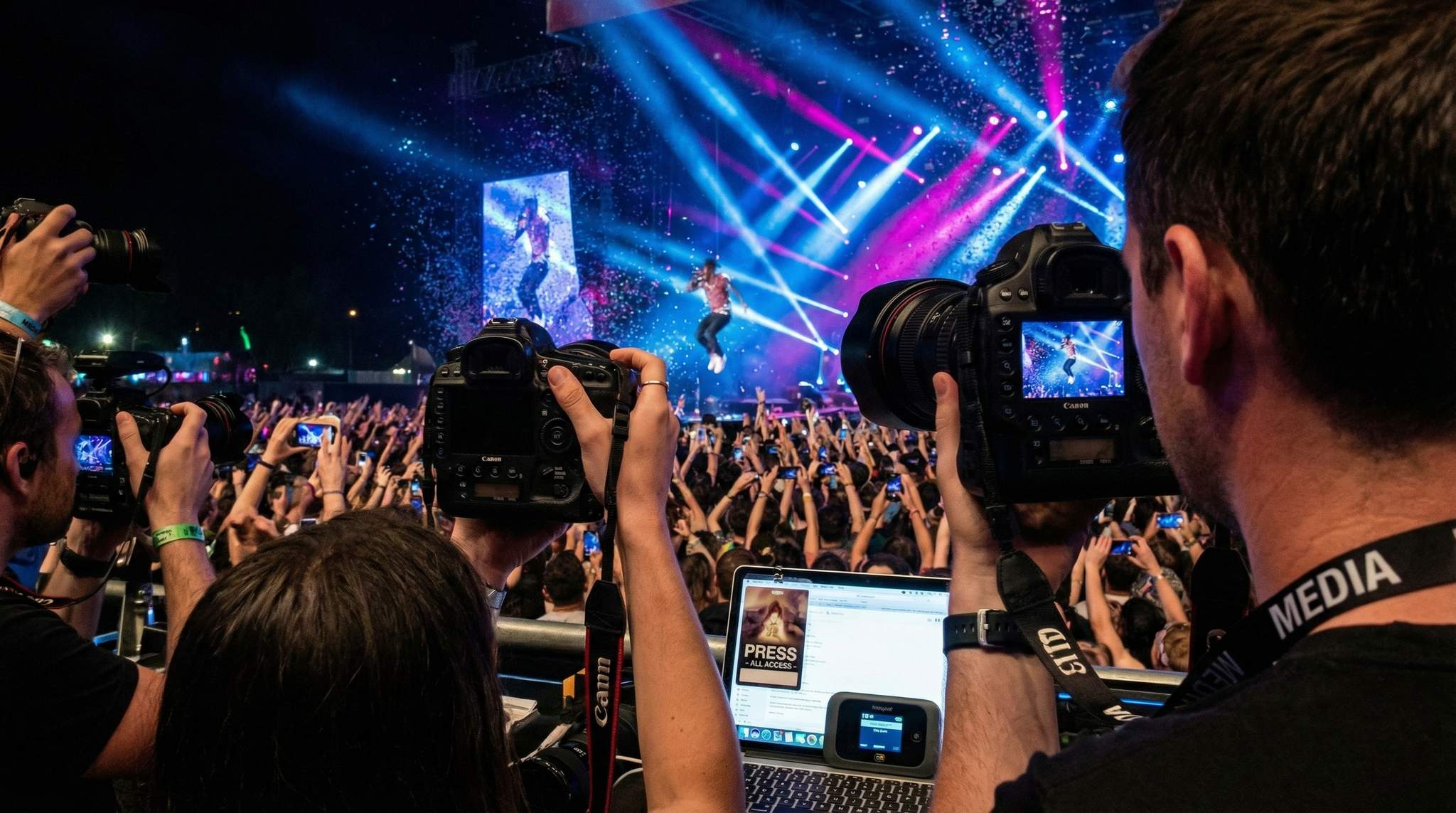
| During Event | Event Day(s) | – Host a press check-in or lounge for media covering the event (offer amenities, a point person for info). – Facilitate on-site interviews or photo ops (e.g., coordinate where photographers can get the best shots of the crowd). – Monitor social media for any issues and amplify positive posts (engage with journalists who share live updates). |
Ensure quality coverage on the ground. By taking care of media on-site, you increase the likelihood of positive, detailed post-event stories. Real-time engagement can also capitalize on trending moments (e.g., a performance goes viral, you share official content immediately). |
| Post-Event Wrap-Up | 1–3 days after | – Send a post-event press release with key outcomes (attendance, highlights, next year’s dates if announced). – Offer thanks and follow-ups to media: share great photos from the event to those who couldn’t attend, for potential post-coverage. – Collect and circulate media clippings internally (and to sponsors). |
Capstone the narrative of this year’s event and lay groundwork for the next. Positive wrap-up coverage reinforces success to attendees and stakeholders. It also keeps your event in the news a bit longer, which helps with early interest or sponsorships for future editions. |
Measuring PR Success & Maintaining Momentum
Monitoring Media Coverage and Buzz
To understand the impact of your PR efforts, you need to track media coverage and audience buzz. Start with simple tools: set up Google Alerts for your event name (and common misspellings or hashtag names) to get notified when new articles go live. During an active campaign, you might get pinged often as blogs, news sites, and even forum discussions mention your event. There are also PR monitoring services (Cision, Meltwater, etc.) that can compile more comprehensive reports of media and social mentions, but they can be pricey — not always feasible for smaller events. Alternatively, manually keep a log: each time you land a piece of coverage, bookmark it or list it in a spreadsheet with date, outlet, headline, and any notable context (like if the tone was especially positive or if a sponsor got named).
Don’t neglect social media listening as part of monitoring. Use the search functions on Twitter (X), Instagram, TikTok etc., for your event’s name and hashtag. This helps catch unofficial chatter — for example, a viral tweet about your lineup or a TikTok video showing your publicity stunt that you weren’t even aware of. Sometimes, an attendee’s TikTok reaction can garner millions of views and become a PR win (or crisis) in itself. By staying on top of what’s being said, you can react as needed: amplify the good content by sharing or engaging, and manage the negative or incorrect info by addressing it quickly.
It’s also important to track referral traffic and ticket sales correlations. In your ticketing or analytics platform, note spikes in web traffic or sales and trace back to see if they align with media drops. For instance, a local news article goes live at 10am and you see a surge of 200 extra ticket purchases by noon – that’s a strong indicator of PR-driven sales. If you set up unique URLs or discount codes for certain media partners, check their performance (e.g., “RADIO10” code was used 50 times). These numbers give you a concrete sense of ROI on PR channels, akin to how you’d evaluate paid ad campaigns. PR might be harder to attribute, but these clues help.
For a more qualitative measure, read the comments and engagement on the media coverage as well (when available). Are people tagging friends saying “we should go to this!” when the festival’s Facebook event or a news post appears? Are Redditors discussing the event after a piece in a blog? This kind of buzz can sometimes precede a wave of sales. It’s not always about volume of coverage, but the resonance of it. Ten tweets from excited locals could sell more tickets than one indifferent blurb in a big outlet.
Finally, make monitoring a team effort. Encourage your staff, volunteers, and even fans to share media mentions they come across. A group Slack or WhatsApp can be useful where everyone drops links or screenshots of coverage or social posts related to the event. This way you won’t miss some obscure gearhead forum where your rave’s sound system is being praised – not a mainstream mention, but maybe valuable within that community. Comprehensive monitoring ensures you have the full picture of your PR reach, which is essential for evaluating success and learning for next time.
Evaluating Impact: Metrics That Matter
PR can sometimes feel “fluffy” to quantify, but there are several metrics that help gauge success. Here are key ones and how to interpret them:
- Media Impressions: The total potential reach of your media coverage (often derived from circulation/viewership figures of outlets). For example, if you got an article in a magazine with 100,000 readers and a TV spot with 50,000 viewers, you’d have 150,000 impressions. This is a rough measure of how many eyeballs you could have reached. It’s not exact, but higher is obviously better. Compare impressions year-over-year if you run recurring events to see growth in PR reach.
- Number of Media Hits: Simply, how many distinct pieces of coverage were secured. This could be broken down by type (10 print/online articles, 3 TV mentions, 5 radio mentions, etc.). Hitting a variety of media (multichannel presence) is often as important as hitting high quantity. A balanced PR campaign has a mix of quality and quantity – a dozen small blog posts is nice, but one NPR radio feature can outweigh them in influence.
- Share of Voice: If applicable, compare how much buzz your event got versus similar events in the same timeframe. For example, if there were three big concerts in town this summer and you got 50% of all media mentions among them, that’s a strong share of voice. This metric requires tracking peers or competitors, but it’s useful to know if you dominated the local conversation or were an afterthought. It’s not zero-sum, but it gives context.
- Engagement Metrics: On social media, analyze likes, shares, comments for posts about your event (both your own and notable third-party ones). High engagement on a press piece (like a news article shared widely on Facebook) indicates the public found it interesting. Also, track hashtag usage; e.g., how many posts used #EventName2026 leading up to the date. An upward trend means momentum.
- Website Traffic & Conversions: Look at your web analytics to see referral sources. How many site visitors came via news sites or social media links that correlate to PR? Did those visitors have a higher conversion rate (buy tickets, sign up) than average? Often, visitors from an article are pre-qualified leads – they arrive warm because they just read a glowing piece. If your conversion rate from those is high, it implies quality PR targeting.
- Ticket Sales Velocity: Examine your sales graph pre- and post-PR pushes. PR can create noticeable inflection points (e.g., a plateau in sales suddenly spikes after press hits). If you have historical data, see if PR-heavy campaigns have shorter or more pronounced “dips” in the mid-cycle slump compared to when you didn’t do much PR. This relates to strategies for reigniting mid-campaign sales, as PR is one way to jolt a slump.
Also consider qualitative impact: Did the press narrative align with your desired messaging? Sometimes success isn’t just about how much coverage, but what kind. If all the articles praised your event’s organization and atmosphere, that’s building a positive brand image. If some coverage went negative or harped on a minor issue, that’s a PR lesson to address next time (or in a post-event statement if needed). In evaluating impact, weigh quality vs. quantity. Ten rave reviews in niche outlets might be more valuable than one lukewarm mention in a big paper.
Create a post-event PR report with these metrics. It not only helps you debrief internally, but also is a professional touch for sponsors and partners. It shows PR isn’t just fluff but has tangible outcomes. And if some metrics fell short of goals, treat that as learning. Maybe next time you aim for earlier pitching to get more long-lead magazine hits, or you realize regional press was missing and plan to add that in future outreach. Measuring PR success is how you make each campaign smarter and more effective than the last.
Adapting and Learning from Failures
Not every PR effort will hit the bullseye – and that’s okay, as long as you learn from misses. Conduct an honest audit of what didn’t work. Did a particular story angle get zero interest from media? Perhaps it wasn’t as strong as you thought, or you pitched the wrong outlets for it. If your “VIP charity dinner” angle didn’t land, maybe next time you lead with the star power of the headlining act, and mention the charity as a supporting point (or pitch the charity angle to lifestyle media instead of music press). Analyzing the mismatch between pitch and pickup can teach you a lot about media preferences.
Also look at your timing. If you sent out the lineup press release late and many outlets said their calendar was already full, that’s a timing failure. Next year, schedule those releases a month or two earlier. Or conversely, if you did everything super early and then found media forgot by the time the event came, you might compress the timeline a bit or have more follow-ups closer to the date.
Consider feedback if you can get it. It’s okay to politely ask a media contact you have a good rapport with, “Hey, I noticed you didn’t cover [Event] this year. Is there something we could have provided to make it a better fit?” You won’t always get an answer, but sometimes you might get a nugget like, “We were waiting for an exclusive interview offer,” or “Honestly, your press release was too promotional in tone for our editorial standards.” That kind of insight is gold – it may sting, but it helps you adjust your approach.
If a particular stunt or promotion fell flat, dissect why. Did it lack public visibility? Maybe next time partner with a bigger entity to ensure crowds. Or was it confusing? Simplify the concept and messaging. PR failures aren’t fatal; even global brands have campaigns that flop. What sets apart the pros is using that failure to refine strategy. Veteran promoters often have war stories of, say, a press conference where no one showed up – prompting them to rethink format (maybe better to do a virtual reveal next time) and bolster pre-event media RSVPs.
Keep in mind, some factors are beyond your control. Maybe your big announcement got eclipsed by a major news event that day (bad luck). Or a key journalist left their position right before you pitched, so no one picked up your story at that outlet. Don’t be too hard on yourself for those. Instead, build resilience by having a diverse PR plan (so one miss doesn’t derail everything) and always a backup idea to generate buzz.
In iterative fashion, update your PR playbook after each event. Jot down what media told you, what results showed, what random things you noticed (“huh, when our founder tweeted at that journalist it actually led to an interview request – do that more”). Over years, this accumulated wisdom becomes your competitive advantage. You’ll instinctively know how to navigate PR landmines and seize PR opportunities that less experienced promoters might miss.
Sustaining Relationships Year-Round
When the event is over and done, it’s tempting to drop PR efforts until next year. But maintaining those media relationships in the off-season is immensely beneficial. Stay in touch with key journalists and bloggers who were champions of your event. This doesn’t mean spamming them with irrelevant info, but perhaps a friendly check-in a few months later: “Hope you’re doing well! Saw your article on XYZ – great piece. Just an FYI, we’ll have some exciting news about next year’s edition soon; I’ll keep you posted.” No ask, just keeping the connection warm.
If you produce content year-round (like a blog, or you have updates – maybe seasonal smaller events or community initiatives), share those stories. For instance, if your festival team does a holiday charity drive in December, local media might like that human-interest story, and it keeps your event’s name in their mind during the off months. Some events send out a New Year’s card or care package to top media contacts – a thoughtful gesture that stands out. Imagine a food festival mailing a small spice kit with a note “Something to remember us by in the winter – can’t wait to spice things up again at FoodFest next summer!” Little touches build goodwill.
Continue engaging on social media too. Follow the journalists who covered you, retweet or comment on their non-event posts if you have something genuine to add. Essentially, support their work even when it’s not about you. This isn’t just altruistic – it’s networking. You’re saying “I see you as a person and professional, not just as a means to get my event publicity.” That goes a long way when it’s time to pitch again; the tone of your interactions will be warmer and more trusted.
Also, look for new angles in the off-season that could spark a story. Did your event have noteworthy outcomes? (Ex: “Local festival’s economic impact: $2 million to city businesses” – that could be a business or local news story a month after the fact, once you gather the data). Or “Festival releases aftermovie highlighting diversity of attendees” – a soft PR touch but sometimes arts/culture sections might do a piece on the trends (especially if you tie it to something like, say, UN World Tourism Day or a relevant observance). The media world is always churning, so if you can latch your event to something timely even when the event isn’t imminent, you can snag extra coverage.
By treating PR as a year-round conversation, you avoid the syndrome of only showing up when you need something. It makes journalists more receptive and even proactive. Some might reach out to you when they’re planning content: “Hey, I remember you do that comic-con – we’re doing a spring travel feature, anything new happening with it?” That’s the dream scenario, and it only happens when you’ve built a genuine, ongoing rapport. Keep feeding the fire and by the time your next event rolls around, you’ll have a network of media allies already eager to hear what you have in store.