Music festival merchandise represents more than just band t-shirts and promotional items – it’s a crucial revenue stream and a powerful way to create lasting connections with fans. Whether you’re a festival organizer, artist, or vendor, understanding how to effectively sell merchandise can significantly impact your event’s success and bottom line. In this comprehensive guide, we’ll explore proven strategies for creating a thriving festival merchandise operation.
Creating the Perfect Festival Merchandise Setup

The foundation of successful merchandise sales begins with strategic booth placement and design. Festival organizers should prioritize high-traffic locations near main entrances, popular performance stages, and food courts. These prime spots ensure maximum visibility and convenience for attendees who might otherwise skip the merchandise experience entirely. Your booth’s visual appeal plays a crucial role in attracting customers – incorporate vibrant, branded displays that capture the festival’s energy and spirit while maintaining professional presentation standards.
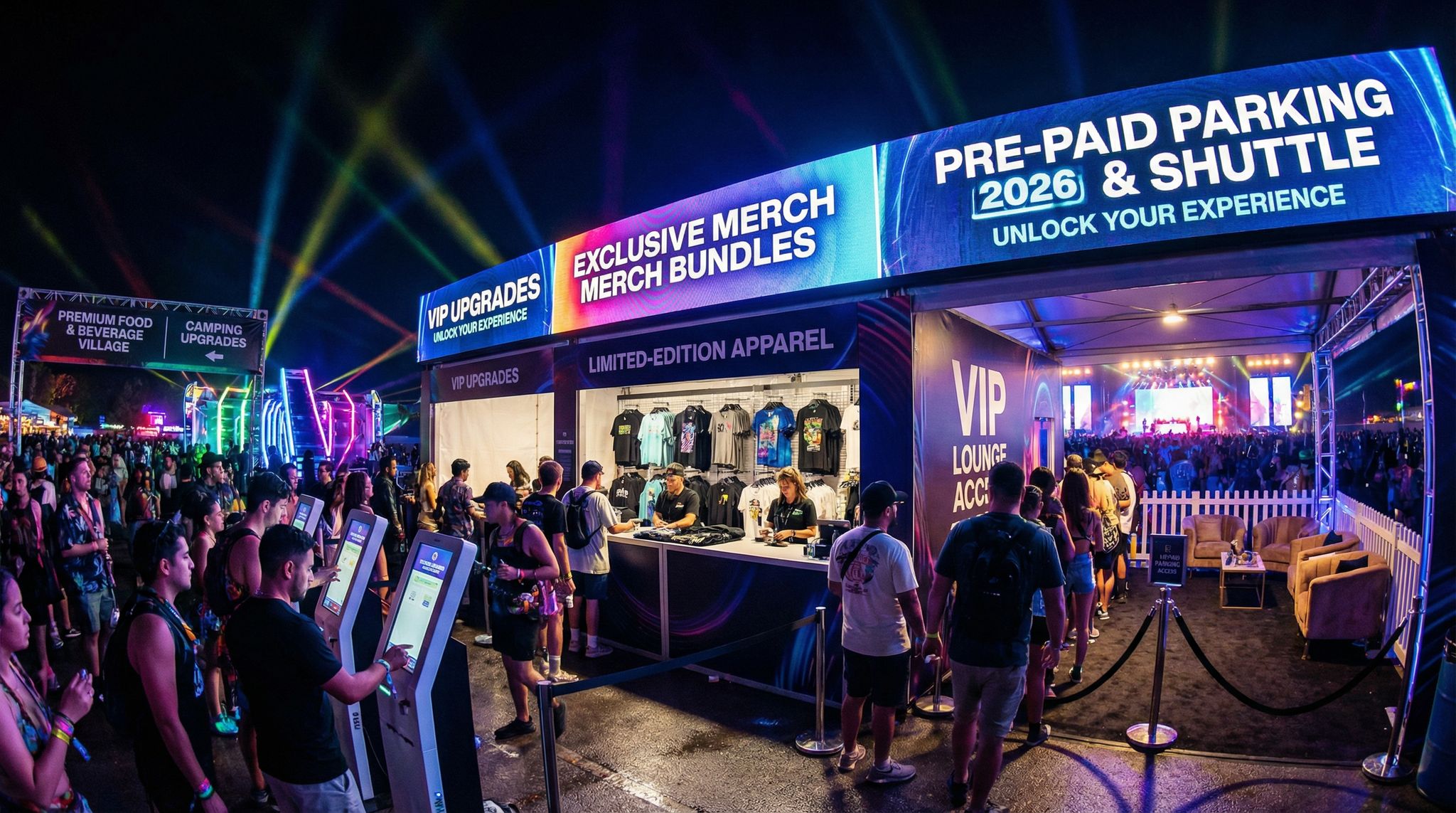
A well-organized merchandise display can transform casual browsers into eager buyers. Consider implementing modern grid walls, professional mannequins, and illuminated display cases to showcase your products effectively. Creating dedicated sections for exclusive or limited-edition items can generate additional excitement and drive sales through scarcity marketing. Modern payment processing is equally essential – implement versatile point-of-sale systems that accept various payment methods, including contactless options, to reduce wait times and enhance customer satisfaction.
Effective festival merchandising goes beyond simply placing items on a table. It requires a cohesive visual strategy that guides the attendee’s eye toward high-margin products and exclusive music festival merch. By utilizing vertical space, clear pricing signage, and strategic lighting, organizers can create an immersive retail environment that elevates the perceived value of every item on display.
Boost Revenue With Smart Upsells
Sell merchandise, VIP upgrades, parking passes, and add-ons during checkout and via post-purchase emails. Increase average order value by up to 220%.
Merchandise Production and Sourcing

Creating and acquiring festival merchandise is a meticulous process that requires careful planning and execution. Whether you choose to produce merchandise in-house or outsource to third-party suppliers, the goal is to ensure high-quality products that meet customer demands.
In-house production allows for greater control over quality and branding, but it can be resource-intensive. Outsourcing, on the other hand, can be cost-effective and scalable, provided you find reliable suppliers. Sourcing involves identifying suppliers who can deliver products at competitive prices without compromising on quality. Building strong relationships with these suppliers is crucial to ensure timely delivery and consistency.
Ready to Sell Tickets?
Create professional event pages with built-in payment processing, marketing tools, and real-time analytics.
Understanding your target market is essential for aligning merchandise production and sourcing with your business goals. This involves researching customer preferences and trends to create products that resonate with your audience. Additionally, external factors such as supply chain disruptions, changes in consumer demand, and fluctuations in raw material costs can impact production and sourcing. Being prepared to adapt to these changes is key to maintaining a steady flow of merchandise.
Leveraging tools and technologies like product lifecycle management software can streamline the production and sourcing processes. These tools help in tracking inventory, managing supplier relationships, and ensuring that products are produced efficiently and cost-effectively.
Effective merchandise production and sourcing lay the foundation for a successful merchandise brand. By focusing on these areas, businesses can reduce costs, improve product quality, and increase customer satisfaction, ultimately boosting their bottom line.
Also Read: Live Music Event Brand Partnerships Guide 2025: How They Drive Success
Turn Fans Into Your Marketing Team
Ticket Fairy's built-in referral rewards system incentivizes attendees to share your event, delivering 15-25% sales boosts and 30x ROI vs paid ads.
Curating the Perfect Festival Merchandise Collection

Understanding your audience’s preferences is crucial when selecting merchandise offerings. Festival-goers typically gravitate toward comfortable, stylish apparel that serves as both a practical purchase and a cherished memento. High-quality t-shirts, hoodies, and headwear featuring creative designs that incorporate festival branding, performer artwork, or event-specific imagery consistently rank among top-selling items. Ensure your sizing options accommodate all attendees to maximize sales potential.
Beyond traditional apparel, successful merchandise programs often include practical accessories that enhance the festival experience. Popular items include branded portable chargers, water bottles, and weather-appropriate gear like bandanas or rain ponchos. These functional products provide value while serving as lasting reminders of the event. Consider incorporating eco-friendly merchandise options, such as organic cotton apparel or reusable items, to appeal to environmentally conscious attendees and demonstrate your commitment to sustainability.
Grow Your Events
Leverage referral marketing, social sharing incentives, and audience insights to sell more tickets.
Investing in high-quality branded merchandise for festivals serves a dual purpose: it generates immediate on-site revenue and acts as a long-term marketing asset. When attendees wear your festival branded merchandise back home, they become walking billboards, sparking conversations and driving organic awareness for future editions. To maximize this effect, ensure your logos and event typography are integrated into stylish, wearable designs rather than just slapped onto cheap garments.
When planning your inventory, look to successful annual events for inspiration on driving urgency. Releasing year-specific, limited-edition collections—similar to the highly anticipated drops seen around major events like the upcoming Innings Festival 2026 merchandise releases—creates a “get it now or never” mentality. This strategy not only boosts immediate revenue but also turns those specific music festival merch items into coveted collector’s pieces for long-time attendees.
Effective Merchandise Search Marketing Strategies

Building anticipation for your merchandise offerings begins well before the festival gates open. Develop a comprehensive pre-event marketing campaign that leverages social media platforms, email newsletters, and your event website to showcase product previews and exclusive merchandise announcements. Creating engaging content that highlights the unique features and stories behind special edition items can generate early excitement and drive pre-sales.
In the digital age, ensuring a seamless online experience is crucial. If users encounter an error, such as a 404 page not found, it can significantly impact their perception of your brand. Make sure that any requested pages are easily accessible and provide clear navigation options to help users find what they are searching for. Implementing a robust search function can mitigate the impact of these errors and enhance the overall user experience.
Social media plays a pivotal role in merchandise promotion during the festival. Encourage attendees to share photos wearing their purchases by creating dedicated hashtags and offering incentives for user-generated content. Partner with performing artists and influencers to showcase your merchandise naturally throughout the event, leveraging their audiences to amplify your reach. Consider implementing a strategic mix of time-sensitive promotions and bundle deals to create urgency and maximize sales during peak festival hours.
To truly elevate your retail strategy, consider integrating a dedicated music festival fan engagement platform into your marketing stack. These specialized software solutions allow organizers to gamify the merchandise experience, offering digital rewards, VIP access, or exclusive discounts to attendees who interact with the event app or complete specific on-site activations. By connecting your festival merchandising efforts directly to an engagement platform, you capture valuable first-party data while incentivizing fans to visit your physical booths or digital storefronts.
Also Read: Music Festival Marketing: The Ultimate Guide to Boosting Ticket Sales and Buzz
Maximizing Sales During the Festival

The festival environment presents unique opportunities to drive merchandise sales through strategic timing and customer engagement. Train your staff to be knowledgeable brand ambassadors who can connect with attendees authentically while efficiently managing transactions during busy periods. Consider implementing daily specials or rotating merchandise displays to encourage repeat visits to your booth throughout multi-day events.
When developing your on-site strategy, incorporating proven merchandising tips for live shows can dramatically increase your average transaction value. Train your booth staff to upsell complementary items, such as offering a branded tote bag to carry multiple apparel purchases. Additionally, creating limited “merch drops” tied to specific set times—similar to how major annual events release exclusive year-specific collections—can drive massive surges in foot traffic and create a sense of urgency among fans.
Also Read: Music Event Floor Plan Guide: Creating the Perfect Layout
Coordinate with festival production teams to feature merchandise announcements during key moments, such as between performances or during scheduled breaks. This targeted promotion can capture audience attention when they’re most receptive to making purchases. Maintain consistent communication with your inventory team to ensure popular items remain well-stocked during peak sales periods.
For promoters and venue operators, collaborating directly with performers is a proven way to boost your artist merch sales across the board. When festivals provide dedicated, well-lit artist merchandise tents and coordinate with tour managers on inventory drops, both the event and the talent see increased revenue. Offering VIP packages that include exclusive artist collaborations or fast-track merch lane access further incentivizes high-tier ticket buyers to spend more on-site, elevating the overall festival merchandising strategy.
Measuring Merchandise Success and Optimizing Sales

To ensure your merchandise strategy is effective, it’s crucial to measure success through key performance indicators (KPIs) such as sales revenue, profit margins, and customer satisfaction. Setting clear goals and regularly reviewing your strategies will help you stay on track and make necessary adjustments.
Analyzing customer behavior, preferences, and purchasing patterns provides valuable insights that can help optimize merchandise sales. Data analytics tools can be instrumental in gaining these insights, allowing you to identify trends and opportunities for improvement. For instance, understanding which products are moved to cR can inform future inventory decisions.
Effective pricing strategies, product bundling, and promotions are also vital for optimizing sales. Offering discounts on bundled items or running time-sensitive promotions can create a sense of urgency and drive sales. Additionally, considering factors like seasonality and current trends can help you tailor your offerings to meet consumer demand.
Metrics such as conversion rates and average order value are useful for measuring the success of your merchandise sales. Continuously monitoring these metrics allows you to make data-driven decisions that enhance customer satisfaction and increase revenue.
Improving the user experience is another critical aspect of optimizing sales. Ensuring that customers can easily find and purchase products on your website can significantly impact sales performance. This includes having a user-friendly website, clear product descriptions, and a seamless checkout process.
By focusing on measuring merchandise success and optimizing sales, businesses can create a merchandise brand that not only meets customer needs but also drives revenue growth. Continuously refining your strategies based on data and customer feedback will help you stay competitive in the ever-evolving festival merchandise landscape.
Extending the Festival Merchandise Page Access Experience

The opportunity to sell merchandise doesn’t only exist before and during the festival. Launch a post-event online store to capture additional sales from attendees who missed out during the festival or wish to purchase additional items. Create exclusive post-festival merchandise collections that celebrate specific moments or performances from the event. Maintain engagement with customers through targeted email marketing and social media content that highlights festival memories and merchandise.
When launching your post-event online store, ensure that users have a smooth experience, from browsing to finalizing a cart. If a user encounters an error, such as a 404, it can deter them from making a purchase. Make sure that any requested pages are available and provide a search function to help users find what they are looking for. This will help capture additional sales and maintain a positive user experience.
Successful festival merchandise programs require careful planning, creative product selection, and strategic marketing execution. By focusing on quality products, efficient operations, and engaging customer experiences, you can create a merchandise program that not only generates significant revenue but also strengthens your festival’s brand and community connections. Remember that every merchandise purchase represents an opportunity for attendees to take home a tangible piece of their festival experience – make it memorable and meaningful.
You May Also Like:
OnGround Event Technology For Music Concerts to Know About in 2025
Festival Ticketing Strategies: 10 Proven Ways to Maximize Sales & Revenue
How to Create a Festival Production Budget: A Step-by-Step Guide
Frequently Asked Questions
What are the best locations for a music festival merchandise booth?
The most effective locations for merchandise booths are high-traffic areas near main entrances, popular performance stages, and food courts to ensure maximum visibility. Placing booths in these prime spots captures attendees who might otherwise skip the experience, while vibrant, branded displays help attract customers to the location.
What are the top-selling music festival merchandise items?
Festival-goers prioritize comfortable, stylish apparel like high-quality t-shirts, hoodies, and headwear featuring creative event branding or performer artwork. Beyond clothing, practical accessories such as branded portable chargers, water bottles, and weather-appropriate gear like rain ponchos or bandanas are top-selling items that enhance the attendee experience.
How can organizers build anticipation for festival merchandise before the event?
Organizers can build anticipation through comprehensive pre-event marketing campaigns using social media, email newsletters, and the event website to showcase product previews. Releasing exclusive announcements about special edition items and sharing engaging content regarding the stories behind specific products generates early excitement and drives pre-sales before gates open.
How can vendors maximize merchandise sales during a music festival?
Vendors can maximize revenue by implementing daily specials, rotating displays, and coordinating with production teams to broadcast merchandise announcements between performances. Additionally, employing knowledgeable staff who act as brand ambassadors and using versatile point-of-sale systems that accept contactless payments ensures efficient transactions during peak sales periods.
What is the difference between in-house and outsourced merchandise production?
In-house production offers greater control over quality and branding but can be resource-intensive, whereas outsourcing to third-party suppliers is often more cost-effective and scalable. Successful outsourcing requires identifying reliable partners who deliver competitive pricing without compromising quality, allowing organizers to adapt to supply chain changes and consumer demand.
How can festivals continue selling merchandise after the event ends?
Festivals can extend revenue opportunities by launching a post-event online store to capture sales from attendees who missed purchasing on-site. Organizers should create exclusive post-festival collections, market to fans through targeted emails, and ensure a seamless digital user experience to sell remaining inventory and maintain community engagement.
What do vendors need to sell merchandise at a music festival?
To operate as a vendor at an event, sellers typically need a valid business license, a seller’s permit for collecting local sales tax, and comprehensive liability insurance. Festival organizers also require vendors to submit detailed booth footprints, power requirements, and a finalized product list to ensure their offerings align with the event’s overall merchandising strategy and brand guidelines.
How can a music festival fan engagement platform improve merchandise sales?
A music festival fan engagement platform boosts sales by connecting digital interactions with physical retail. Organizers can use these tools to send push notifications about limited merch drops, offer exclusive discounts to highly engaged attendees, and gamify the purchasing process. This integration turns passive attendees into active buyers while providing promoters with valuable data on consumer preferences.
What are the top merchandising tips for live shows and festivals?
Key merchandising tips for live shows include optimizing booth placement for high foot traffic, utilizing vertical display space to make items visible from a distance, and offering exclusive, event-specific items to drive urgency. Additionally, training staff to upsell complementary products and ensuring your point-of-sale system can handle rapid, contactless payments are critical for maximizing revenue during peak rush times.
How can festival organizers help boost artist merch sales?
Festival organizers can boost artist merch sales by providing prime, high-visibility booth locations, integrating artist merchandise into the event’s official app for pre-orders, and coordinating exclusive on-site product drops. Facilitating seamless point-of-sale systems and offering dedicated VIP merch lanes also significantly increases transaction volumes for performing talent.
Why is investing in high-quality branded merchandise for festivals important for organizers?
High-quality festival branded merchandise provides a significant secondary revenue stream while serving as a powerful, long-term marketing tool. When fans wear well-designed apparel long after the event concludes, they act as brand ambassadors, increasing organic visibility and helping promoters build a loyal community for future editions.