Introduction
Single-use plastics have long been a staple of festivals – from water bottles and straws to disposable cups and utensils. However, times are changing. Festival organizers are recognizing that these convenience items come at a steep environmental cost. A large event can generate astonishing amounts of plastic waste; for example, an average stadium hosting events year-round can go through 5.4 million single-use cups annually, creating 64 tons of plastic waste, according to data on reducing plastic waste at events. At a major music festival like Glastonbury, attendees once used over 1.3 million plastic bottles in a single edition, a figure cited when Glastonbury Festival banned plastic bottles. Reducing single-use plastics is not just an eco-friendly gesture – it’s rapidly becoming an industry standard and a demand from festival-goers. By cutting down plastic waste, festivals can dramatically lessen their environmental impact and boost their appeal to an increasingly eco-conscious audience.
Why Reducing Plastic Matters
Plastic waste is a serious issue for festivals. Discarded bottles, cups, and straws often end up in landfills or scattered across festival grounds, and plastics take hundreds of years to decompose. As they break down, they form microplastics that pollute soil and waterways, harming wildlife and even entering the food chain. Festivals that ignore this problem risk leaving behind a literal mess and a tarnished reputation. On the other hand, making sustainability a priority can be a competitive advantage. Research and experience show that attendees appreciate and remain loyal to events that align with green values, as highlighted in best practices for reusable cups at festivals.
In practical terms, less plastic waste also means lighter cleanup, lower waste disposal costs, and fewer trash bins overflowing mid-event. Moreover, regulatory trends are moving in this direction – many cities and countries are introducing restrictions on single-use plastics, and festivals that adapt early stay ahead of the curve. In fact, more than 60 independent British festivals (including some major names) pledged to eliminate single-use plastics by 2021, with independent British festivals aiming to get rid of single-use plastic, and many starting by phasing out plastic straws early on.
Beyond regulatory compliance, sustainability has become a core pillar when marketing a music festival. Promoters are finding that transparently sharing their green initiatives—such as detailed plans for festival waste removal and diversion rates—resonates strongly with ticket buyers. Efficient waste management isn’t just about hauling trash away; it involves partnering with specialized removal contractors who can sort compostables, recyclables, and landfill materials on-site, turning a logistical necessity into a compelling brand story.
Turn Fans Into Your Marketing Team
Ticket Fairy's built-in referral rewards system incentivizes attendees to share your event, delivering 15-25% sales boosts and 30x ROI vs paid ads.
Strategies to Cut Down Single-Use Plastics
Reducing plastic use at festivals requires a combination of smart planning, collaboration with vendors, and engaging the audience. Below are proven strategies – drawn from both large-scale and boutique festivals – that can significantly shrink a festival’s plastic footprint:
1. Water Refill Stations Instead of Bottled Water
One of the biggest sources of plastic waste at festivals is single-use water bottles. The solution? Hydration stations. Setting up water refill stations throughout the venue allows attendees to top up reusable bottles on the go. Many festivals now provide free or low-cost filtered water points, encouraging guests to bring their own bottles or purchase a reusable one on-site. For example, the massive Glastonbury Festival stopped selling single-use plastic water bottles entirely after 2018, opting to install numerous free tap-water refill stations across the site. As a result, festival-goers adapted by bringing personal canteens, and vendors adjusted by offering canned water or refillable options.
Planning a Festival?
Ticket Fairy's festival ticketing platform handles multi-day passes, RFID wristbands, and complex festival operations.
Smaller festivals like Shambala in the UK have done this for years – since 2014 they’ve had a site-wide ban on selling drinks in plastic bottles, adding extra water points and even offering free chilled, filtered water at bars as part of Shambala’s plastic-free and re-use initiatives. The impact of these initiatives is huge. At one citywide festival in Lithuania, public water fountains dispensed roughly 3.8 million servings of water, preventing the use of over 5 million plastic bottles, demonstrating a sustainable alternative to plastic bottles at festivals.
Implementation tips: When planning water stations, ensure they are well-distributed (especially near stages, food areas, and entrances) and clearly signposted. Consider partnering with a water provider or sustainability organization for support – some events partner with NGOs or local utilities to sponsor “water bars” or mobile filtration units. If you’re worried about lost revenue from bottled water sales, remember that you can offset it by selling branded souvenir bottles or cups as merchandise, or by gaining sponsorship for hydration stations (imagine a sponsor’s logo on every water station, turning a sustainability feature into a marketing asset). Most importantly, advertise this amenity before and during the event: let attendees know they can bring an empty bottle or buy a reusable one on site. This not only cuts plastic waste but also provides a welcome service in the heat of a festival, keeping everyone safely hydrated.
While refill stations are the gold standard, organizers must also consider grab-and-go alternatives to plastic water bottles at events for attendees who forget their canteens. Transitioning your bar and food vendors to aluminum cans or infinitely recyclable aluminum bottles is a highly effective strategy, as aluminum boasts a significantly higher global recycling rate than plastic. Other viable options include boxed water (packaged in sustainably sourced paperboard) or glass bottles, though glass is often prohibited at outdoor festivals due to safety and breakage concerns. By updating vendor contracts to mandate these specific eco-friendly packaged formats, producers can maintain beverage revenue streams without compromising their zero-waste targets.
2. Reusable Cups and Deposit Systems
Another major contributor to festival waste is the disposable drink cup – whether it’s beer cups from the bar or coffee cups from vendors. To tackle this, many festivals have switched to reusable cup programs. The concept is simple: instead of single-use plastic cups, the festival uses durable cups (often made of hard plastic like polypropylene) that can be washed and reused throughout the event and at future events. Typically, this is implemented with a deposit system. When a patron buys their first drink, they pay a small deposit (say $1 or $2) for the cup. They can refill that cup all day (or all weekend), and at the end either get their deposit back by returning the cup or keep the cup as a souvenir. This system dramatically reduces trash on the ground – attendees are far less likely to toss a cup that cost them a dollar, and if they do, someone else might pick it up to return for the deposit.
Go Cashless With RFID Technology
Enable contactless payments, faster entry, and real-time spending analytics with RFID wristbands and NFC-enabled ticketing for your events.
Success stories: Festivals across Europe, and increasingly in other parts of the world, have embraced reusable cup schemes. For instance, Cruïlla Festival in Barcelona and Boomtown Fair in the UK both feature branded reusable cups and multiple return points, which virtually eliminated the mountains of disposable cups that used to be left behind. Organizers have found that, after an initial investment, reusable cups often pay for themselves. The deposit not only covers the cost of the cup (which might be around €0.40 to produce) but can even generate a small surplus if some attendees keep their cups as memorabilia. Some creative festivals partner with sponsors to print logos or art on the cups, offsetting costs and giving sponsors a novel form of exposure while implementing strategies to reduce waste generated during events.
One key lesson learned: make return easy. Set up plenty of return bins or booths where people can get their deposit back quickly, and consider donating unrefunded deposits to a charity to encourage goodwill. Clear signage and on-stage announcements also help everyone understand the system. With a bit of planning, reusable cups can significantly cut waste and even streamline operations (less garbage to haul, less cost for trash disposal). As a bonus, you won’t need to constantly restock thousands of disposable cups, which simplifies logistics in the long run.
Need Festival Funding?
Get the capital you need to book headliners, secure venues, and scale your festival production.
When standardizing your bar operations, you might wonder, what is a festival pint? In the context of reusable drinkware, a “festival pint” typically refers to a shatterproof, standardized cup designed to hold a standard pour (often 20 to 22 ounces to accommodate a 16-ounce pint plus a foam head) while stacking easily for storage and rapid service. Standardizing around this specific size helps bar staff pour quickly, ensures consistent inventory tracking, and gives attendees a substantial, high-quality souvenir.
3. Sustainable Food Service Ware (Utensils, Plates, and More)
Food vendors are another area where single-use plastics sneak in – plastic forks, knives, spoons, cups for soft drinks, disposable plates, condiment packets, and so on. Festival organizers have the power to change this through their vendor agreements and on-site facilities. Mandate eco-friendly food service ware: require that all food and drink vendors use either biodegradable/compostable materials or reusable dishware. Many progressive festivals now include clauses in vendor contracts that ban plastics like polystyrene foam (Styrofoam) and single-use plastic utensils. For example, Glastonbury Festival’s policy explicitly allows only compostable or reusable plates and cutlery (including stirrers and straws), even specifying that any disposable cutlery must be made from wood, as outlined in Glastonbury Festival’s green policies and waste policy. This means a vendor might serve meals in a compostable paper bowl with a wooden fork, or use edible wafer straws in drinks instead of plastic ones. Some events go a step further: no single-use serveware at all – instead, they provide a washing station and actual metal cutlery and ceramic plates that are washed and reused (this is more feasible at smaller food-focused festivals or in VIP areas).
If fully reusable dishware isn’t practical for your event, the next best option is compostable items. Work with a supplier to obtain certified compostable plates, cups, and cutlery in bulk, or encourage vendors to source them (some festivals even make this a sponsored initiative, partnering with a compostable product brand). But remember: if you go compostable, you must also plan for waste collection and composting. Provide clearly marked bins for “Compostables” and ensure your waste management partner will actually compost those items (compostable plastics need industrial composting facilities to break down properly). It’s crucial to communicate these rules to vendors well in advance – possibly providing a list of approved products or suppliers – so they can prepare for the switch and factor any extra cost into their plans. Many vendors are happy to comply, especially as customers increasingly appreciate eco-friendly packaging. Some festivals also incentivize vendors by offering awards or rebates for the greenest food stall, fostering a friendly competition to reduce waste.
When deciding how to choose FSA-compliant single-use servingware for eco-friendly fairs, organizers must balance sustainability with strict food safety standards. It is essential to verify that any biodegradable or compostable packaging—such as bagasse (sugarcane) clamshells, palm leaf plates, or PLA (polylactic acid) bioplastics—meets local health department and Food Standards Agency guidelines for food contact materials. Work closely with your procurement team and food vendors to request compliance certificates from suppliers, ensuring that the eco-friendly containers do not contain harmful PFAS (forever chemicals) often used for grease resistance. By standardizing approved, food-safe green packaging across your event, you protect attendee health while maintaining your commitment to zero-waste initiatives.
4. Saying Goodbye to Plastic Straws (and Other Small Plastics)
Plastic straws have become the poster child for unnecessary single-use plastics. They’re typically used for mere minutes and then thrown away, often too small to be effectively recycled. For festivals, banning plastic straws is a relatively easy win. Most drinks don’t truly need a straw; for those that do (like frozen drinks or cocktails), there are paper straws, plant-based straws, or reusable metal straws as alternatives. Many festivals have already eliminated plastic straws entirely – it’s often one of the first commitments in sustainability pledges. When San Francisco’s Outside Lands festival went straw-free, they simply provided no straws with drinks unless a customer specifically requested one, in which case they got a paper straw. The result: hardly anyone missed the plastic.
If you still want that iconic straw look for certain beverages, consider innovative options like edible straws (made from rice or seaweed) which some eco-friendly vendors now offer. Other small plastic items to consider removing or replacing include cocktail stirrers (replace with wood or bamboo stirrers, or encourage a “stir with your straw or spoon” approach), plastic sandwich toothpicks (use wood), and single-serve condiment sachets (use pump dispensers or larger shared bottles instead). It’s about scrutinizing every tiny item that typically gets tossed by the thousands. Even wristbands and credentials can be made more sustainable – many festivals have moved from plastic laminate badges to fabric wristbands or paper-based passes. While these small changes individually don’t match the volume of bottles or cups, they contribute to a culture of sustainability and demonstrate a thorough commitment to reducing plastic.
5. Engaging Attendees and Vendors in Sustainability
To truly succeed in cutting single-use plastics, everyone involved needs to be on board. This means not only setting rules but also educating and engaging both your audience and your vendors.
Attendee Engagement: Make sustainability part of your festival’s identity. Use your website, social media, and ticketing communication to inform attendees about your plastic reduction initiatives well before the event. Encourage ticket buyers to “join the cause” by bringing a refillable water bottle, saying no to plastic straws, and properly using the recycling/compost bins. At the festival, signage and announcements can reinforce this: for instance, a friendly reminder from stage about the deposit-return cups (“Hold onto your cup – return it and get your $2 back or keep it as a souvenir!”) can go a long way. Some festivals create green teams or hire volunteers to roam the grounds, helping attendees recycle correctly and answering questions about where to refill water or dispose of compostables. Positive reinforcement is key – celebrate the community effort (“Thanks to you, we’ve saved X number of bottles from landfill today!”). Modern audiences, especially younger and eco-conscious attendees, respond well to these messages and often will gladly comply when they understand the purpose. Making it fun – for example, by using art installations made of reclaimed plastic to spark conversation, or giving a small reward (like a discount coupon for merch) to people seen doing the right thing – can boost participation.
These engagement tactics aren’t limited to traditional fields and fairgrounds. Organizers of university events and collegiate concerts are increasingly applying these same frameworks to combat plastic waste on campus. By aligning festival sustainability goals with existing university environmental policies, campus event producers can leverage student volunteer groups for green teams and utilize campus-wide composting infrastructure, creating a seamless zero-waste experience.
For administrators and student committees wondering how to reduce plastic waste during school festivals, the key is integrating these initiatives into the educational environment. Campus organizers can mandate that all student-run booths and external food trucks use the university’s approved compostable serveware. Additionally, tying the event’s green metrics to academic sustainability programs can unlock departmental funding or grant money, making eco-friendly choices more accessible for collegiate event budgets.
Vendor Engagement: Your vendors and exhibitors are crucial allies. Communicate early that the festival is focusing on sustainability and what that entails for them. Provide a clear checklist of what’s allowed and what isn’t (e.g., “Only compostable or reusable cutlery – no single-use plastics allowed; serve drinks in festival cup or compostable cups only; water refill available, so consider offering specialty beverages instead of bottled water sales,” etc.). Many festivals hold a vendor orientation or send out a green guidelines packet months in advance. It may help to highlight that these changes can even save vendors money in the long run (reusable serveware, bought once, could be cheaper than endless disposables; and not having to stock bottled water might allow selling higher-margin drinks or refills). Some festivals also partner with vendors on sustainability initiatives, like having a discount for customers who bring their own coffee cup, or a vendor competition for the least waste generated. By making vendors feel they’re part of a collective mission (and not just burdened with extra rules), you’ll get better buy-in.
Finally, don’t overlook other partners – sponsors, local authorities, and waste management companies. Sustainability sponsors are on the rise; you might find a eco-friendly brand willing to sponsor your entire green initiative, providing funding for water stations or reusable cups in exchange for visibility. Local government or environmental organizations might offer grants, recycling bins, or expert help if your festival aligns with their goals. And your waste hauler or cleaning crew can advise on how to best capture recyclables and compostables on site. By engaging all these stakeholders, reducing single-use plastic becomes a shared goal rather than a solo crusade.
6. Exploring Broader Eco-Friendly Festival Ideas
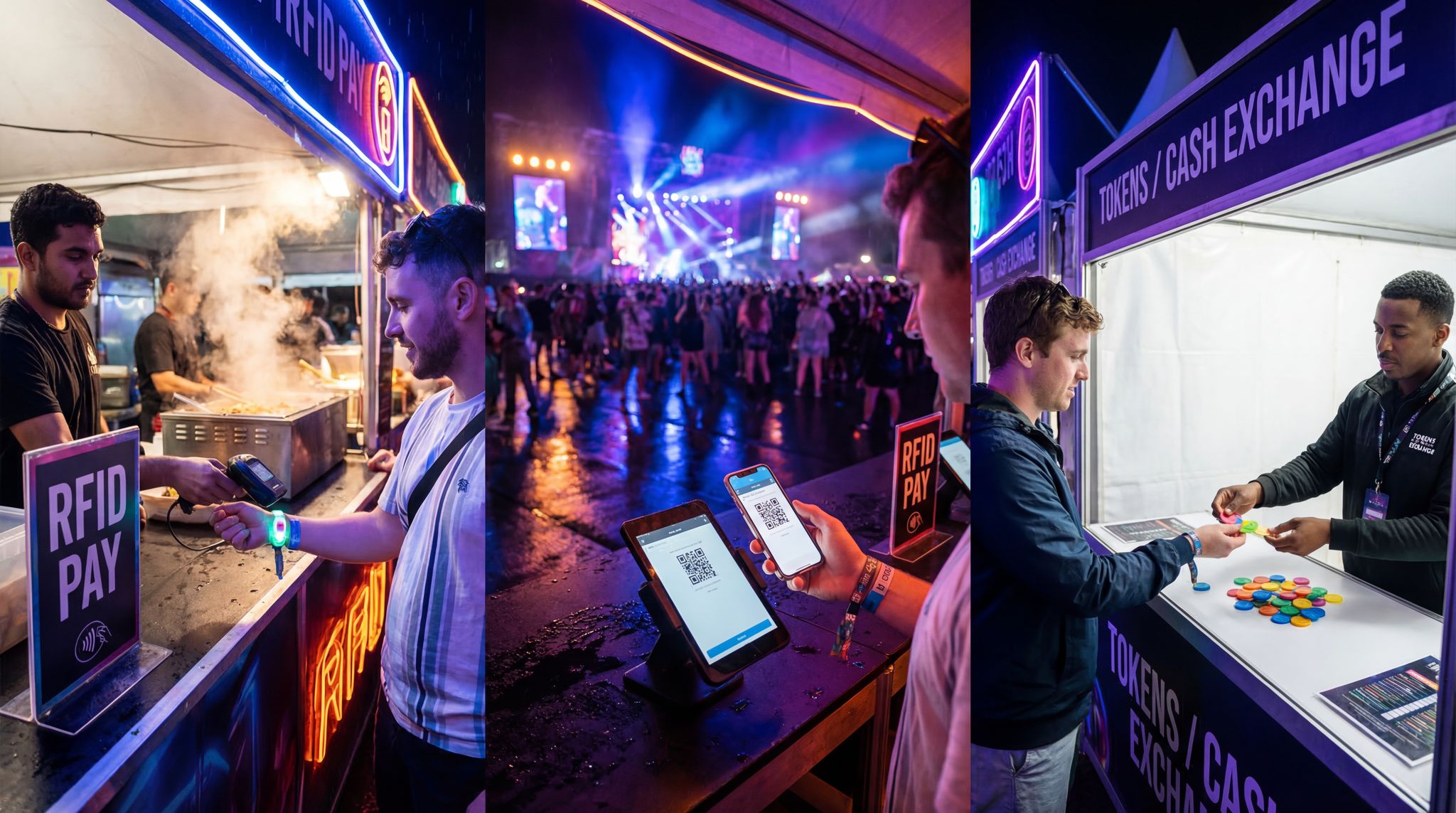
While eliminating single-use plastics is a massive step forward, organizers looking to build truly sustainable events should integrate a wider range of eco friendly festival ideas into their production planning. Beyond beverage cups and food packaging, consider the environmental footprint of your power generation, site design, and attendee travel. Transitioning to renewable energy sources, such as solar-powered stage rigs or biofuel generators, can drastically cut carbon emissions. Additionally, utilizing upcycled materials for stage builds and art installations not only reduces landfill contributions but also creates a unique, rustic aesthetic that resonates with green-minded attendees. On the operational side, fully embracing digital ticketing and cashless RFID systems eliminates paper waste entirely. Finally, since audience travel often accounts for the largest portion of an event’s carbon footprint, incentivizing carpooling, organizing dedicated shuttle buses, or partnering with public transit authorities are highly effective green initiatives that complement your on-site waste reduction efforts.
Overcoming Challenges and Ensuring Success
Implementing these measures isn’t without challenges, especially for first-timers. Here are some common hurdles and how to address them:
-
Upfront Costs: Switching to sustainable alternatives can mean higher initial expenses – water station infrastructure, purchasing reusable cups, or pricier compostable materials. To manage this, start with a realistic budget and look for offset opportunities. Deposits on cups will recoup costs; sponsors might underwrite water stations; and bulk buying compostables can reduce price per unit. Remember that in many cases you’ll save money on waste disposal (less trash volume) and might even reduce purchases of single-use items in subsequent years, balancing the books long-term. Some festivals have found that after moving to reusables, their garbage hauling needs dropped dramatically, which saved thousands of dollars.
-
Logistics and Infrastructure: You’ll need to think through the practical side. For water refills, ensure adequate water supply and pressure – that might mean tapping into the venue’s water lines or bringing in tanks and pumps. Keep refill station lines moving with enough taps and perhaps staff or volunteers at peak times encouraging people to refill quickly and sanitize spouts. For reusable cups, plan how cups will be collected and washed. At a multi-day festival, you might rent a portable dishwashing facility or work with a vendor that provides sanitized cups each day. At single-day events, some organizers simply collect used cups and send them to an off-site dishwashing service after the festival. If washing on-site, ensure health and safety standards are met (proper water temperature, soap, etc.). Also, don’t forget to have a backup stock of cups in case some go missing or the crowd is larger than expected.
-
Compliance and Monitoring: Despite best efforts, you might encounter a vendor who forgets and brings plastic straws, or an attendee who litters a cup. Plan for a bit of enforcement and a lot of encouragement. Have staff do occasional checks at vendor booths, not in a punitive way but to assist (e.g., “Do you have everything you need for compostable packaging? Need extra compostable straws? We can help.”). Station recycling ambassadors at bins to prevent contamination (people throwing trash in the wrong bin). Consider implementing a deposit or incentive for other common waste, like a refund for returning a plastic bottle if any do get sold, to discourage litter. Most importantly, be flexible and ready to troubleshoot: maybe the water stations need signage to be more visible, or perhaps you realize people need more education on the cup return process – adapt on the fly with announcements or additional signs.
-
Attendee Satisfaction: Any big change can bring a few complaints initially. Some festival-goers might grumble that they can’t buy bottled water or that they have to pay a deposit for a cup. Mitigate this by communicating early and often. If people know ahead of time that “this is a plastic-free festival – we’re all doing our part,” you set a positive expectation. On site, make sure the sustainable option is just as convenient as the old way: plenty of water stations so no one gets dehydrated waiting, easy returns for deposits, and vendors fully stocked with the required materials so service isn’t slowed. Often, once attendees understand the why and see the festival in action (notice how clean the grounds stay without a sea of discarded cups and bottles), they become enthusiastic supporters. In fact, sustainability can become part of your marketing – a selling point that draws attendees who care about the planet. Many festivals report that their audience takes pride in contributing to a greener event.
Conclusion
Reducing single-use plastics at festivals is a challenge well worth undertaking. It requires forethought, coordination, and a bit of creativity, but the rewards are immense. Festivals that have gone plastic-free or minimized plastic report not only a massive drop in waste, but also an upswell of goodwill from attendees, press, and the local community. In the grand timeline of festivals, we’re at a turning point where “eco-friendly” is moving from niche to norm. Embracing eco-friendly alternatives – whether it’s installing water refill stations, serving drinks in reusable cups, or swapping plastic forks for bamboo – signals that a festival cares about its impact on the world. That message resonates deeply with today’s audiences. By implementing even a few of these measures, you’ll be contributing to a global movement to make live events more sustainable. And as the most experienced festival producers will attest, every little improvement adds up – cleaner fields, happier attendees, and a healthier planet. The next generation of festival organizers has the opportunity to build events that inspire not just through art and entertainment, but also through leadership in environmental responsibility. In doing so, you’re not only reducing harm but actively shaping the future of festivals to be in harmony with the earth.
Frequently Asked Questions
Why is reducing single-use plastic important for festivals?
Reducing single-use plastic minimizes environmental harm, as discarded items like bottles and cups take centuries to decompose and often pollute waterways as microplastics. Beyond sustainability, going plastic-free offers a competitive advantage by appealing to eco-conscious audiences. It also significantly lowers waste disposal costs and cleanup efforts, preventing tons of trash from entering landfills.
How do reusable cup deposit systems work at events?
Reusable cup programs require attendees to pay a small deposit, typically around $1 or $2, for a durable cup upon their first drink purchase. Guests refill this cup throughout the event and return it at the end to receive their deposit back. This system incentivizes returns, virtually eliminating cup litter and reducing cleanup expenses.
What are the best alternatives to single-use plastic water bottles?
Festivals can replace plastic bottles by installing free or low-cost hydration stations throughout the venue. Organizers encourage attendees to bring personal reusable canteens or purchase souvenir bottles on-site. Major events like Glastonbury have successfully banned plastic bottle sales by providing numerous tap-water refill points, while others use mobile filtration units sponsored by partners.
What eco-friendly food service ware can vendors use?
Vendors can switch to certified compostable plates and cutlery made from materials like wood, bamboo, or paper. Some progressive festivals mandate reusable dishware that is washed on-site, or enforce contracts banning polystyrene foam. For instance, Glastonbury Festival explicitly requires all disposable cutlery to be made from wood to ensure materials are biodegradable.
Do sustainable festival initiatives save money?
Implementing sustainable measures often saves money in the long run by drastically reducing waste hauling and disposal fees. Reusable cup systems can pay for themselves through deposits and souvenir sales, while eliminating the need to constantly restock thousands of disposable items. Additionally, reduced cleanup labor contributes to lower overall operational costs for organizers.
How can festivals eliminate plastic straws effectively?
Festivals can eliminate plastic straws by offering paper, plant-based, or reusable metal alternatives only upon request. Innovative options like edible straws made from rice or seaweed are also gaining popularity. Events like San Francisco’s Outside Lands found that adopting a straw-free or paper-straw-on-request policy resulted in very few complaints and significantly less waste.
How can organizers improve festival waste removal efficiency?
Improving festival waste removal starts with source separation. Organizers should partner with specialized waste management contractors who provide clearly labeled, multi-stream bins (compost, recycling, landfill) across the site. By reducing single-use plastics and mandating compostable vendor materials, the overall volume of landfill-bound trash decreases, which lowers hauling fees and simplifies the post-event cleanup process.
What are some top eco-friendly festival ideas beyond reducing plastic?
Beyond cutting out single-use plastics, organizers can implement numerous eco-friendly festival ideas to lower their environmental impact. Key strategies include switching to renewable energy sources like solar or biofuel generators, using upcycled materials for stage design, and adopting fully digital ticketing systems. Additionally, since attendee travel generates significant carbon emissions, offering incentives for carpooling or providing dedicated shuttle services are highly effective ways to make an event more sustainable.
How do you choose FSA-compliant single-use servingware for eco-friendly fairs?
To choose FSA-compliant single-use servingware for eco-friendly fairs, organizers should source certified compostable or biodegradable products that explicitly meet Food Standards Agency and local health regulations for food contact. Request compliance documentation from suppliers to ensure materials like bagasse, bamboo, or PLA bioplastics are free from harmful additives like PFAS (forever chemicals) while providing adequate heat and grease resistance for safe food service.
What are the best packaged alternatives to plastic water bottles at events?
When free refill stations aren’t enough, the best packaged alternatives to plastic water bottles at events include aluminum cans, resealable aluminum bottles, and paperboard boxed water. Aluminum is highly favored by festival producers because it is infinitely recyclable, chills quickly, and poses no shatter risk. Boxed water offers a lower carbon footprint during transport. Organizers should explicitly list these approved formats in vendor agreements to ensure compliance with site-wide plastic bans while preserving beverage sales revenue.
How can organizers reduce plastic waste during school festivals?
To reduce plastic waste during school festivals, campus event planners should leverage existing university sustainability infrastructure. This includes utilizing campus-wide composting programs, mandating that all student organizations and external food trucks use certified biodegradable serveware, and recruiting student environmental clubs to act as on-site green teams. Aligning the event’s zero-waste goals with the school’s broader ecological policies can also help secure administrative support and funding for reusable cup programs or hydration stations.