Introduction
Major global events like the 2026 FIFA World Cup and Olympics will draw millions of visitors into host cities. For venue operators, these mega-events aren’t just background noise – they’re a golden opportunity. The key is riding the wave of increased tourism and fan enthusiasm without capsizing your regular business. In 2026, the World Cup will be co-hosted across North America, with unprecedented demand: FIFA reports over 500 million ticket requests for the 2026 World Cup, reflecting immense global interest. Host cities are bracing for a surge; for example, Philadelphia alone anticipates roughly $770 million in local economic impact and over 500,000 visitors flooding in during the tournament, according to projections for Philadelphia’s World Cup hosting duties. Each of those fans represents potential footfall for savvy venues prepared to capture their attention.
But capitalizing on a mega-event requires strategy and foresight. It means adapting your venue’s scheduling, marketing, and operations to align with the big event without alienating loyal patrons. With many venues vying for these visitors’ attention, standing out in a crowded field of competing venues and events is essential. The good news: veteran venue operators have done this before – from Olympic host cities to World Cup fan zones – and have hard-won lessons to share. This guide distills those insights into actionable tactics any venue can deploy to turn an influx of global fans into a boon for business.
Planning Your Venue Calendar Around Mega-Events
If you find yourself asking, “how can I get my venue ready for the World Cup?”, the answer lies in proactive, multi-layered preparation. Transforming a standard space into a premier 2026 World Cup venue requires more than just hanging a few flags; it demands a comprehensive overhaul of your operational calendar, staffing models, and technical infrastructure. As host cities gear up, world cup venues that start their readiness audits early will be best positioned to capture the influx of international foot traffic.
Adapting Your Schedule to the Main Event
The first step is getting in sync with the mega-event’s schedule. Whether it’s a month-long World Cup or a two-week citywide festival, map out the official event dates, match times, and peak visitor periods. Plan your programming such that you complement, not compete with, the main attraction. For example, on World Cup match days, avoid programming a major concert at the same hour as a big game – you’ll likely lose that battle. Instead, schedule your marquee shows for off-nights or after the day’s matches conclude, when fans are looking to keep the excitement going. If a match ends by 9:30 PM, a 10:30 PM after-party or late-night show could capture celebrating fans ready for more entertainment. Likewise, on rest days (when no matches are played), consider hosting special concerts or club nights to give visitors something to do.
Smart Promo Codes & Presale Access
Create percentage or flat-rate discount codes with usage limits, date ranges, and ticket type restrictions. Plus unlock codes for private presales.
Hosting official or unofficial World Cup 2026 afterparties is another highly lucrative scheduling tactic. When the final whistle blows at the stadium or the local fan fest closes, thousands of energized attendees will be looking for their next destination. By positioning your space as the go-to late-night hub, you can capture this secondary wave of foot traffic.
Coordinating with the event timeline also means anticipating unpredictable shifts. Prepare for scenarios like matches going into overtime or for weather delays in outdoor events. Build flexibility into showtimes and brief artists and crews that schedules might shift on short notice. Many veteran venue managers overlay sports schedules onto their booking calendar to pinpoint high-traffic dates for fan festivals. For instance, if the World Cup final is on 19 July 2026, you might avoid booking anything that conflicts that day – or better yet, plan a viewing event followed by a late-night victory party. The goal is to leverage the captive audience that the main event creates, rather than fighting it.
Ready to Sell Tickets?
Create professional event pages with built-in payment processing, marketing tools, and real-time analytics.
One overlooked tactic is coordinating extended operating hours during mega-events. If local laws allow, apply for temporary late-night licenses or earlier opening times. Hospitality authorities in some host cities are making this easier – for example, Philadelphia moved to loosen outdoor dining rules so restaurants and bars can serve more patrons during the World Cup, as reported in updates on Philadelphia’s outdoor dining regulations. As a venue operator, start those conversations with your local council or liquor board early. Securing an extra hour of service each night can significantly boost revenue when throngs of fans want to celebrate overtime wins late into the night.
To visualise how your operations might shift around a mega-event, consider the following planning timeline:
| Planning Stage | Venue Actions |
|---|---|
| 6–12 Months Before | Sync your calendar with event dates; secure any needed permits for extended hours or outdoor viewing; reach out to city officials and tourism boards to get on their radar. Begin conversations with sponsors who are official partners – they may be looking for local venues to host promotions. |
| 3–6 Months Before | Announce and market your World Cup-themed events (e.g. viewing parties or fan fests) so travelers can discover them. Adjust regular programming – reschedule shows that conflict with major matches. Train staff on event-specific procedures and consider hiring extra hands. Finalize partnerships with food vendors or brands for special activations. |
| During Event (June–July 2026) |
Execute according to plan: host viewing parties for every match day, run themed promotions (more on these below), and keep daily operations nimble. Monitor crowd flows and feedback in real time – if one watch party location gets overcrowded, be ready to open an extra room or outdoor area. Stay in close contact with city event coordinators in case of any schedule changes or citywide alerts. Keep your regular patrons informed (e.g. “No show this Friday – join us for the match viewing!”) so they aren’t caught off guard. |
| Post-Event | Evaluate and follow up. Host a thank-you event for staff or a locals appreciation night to reconnect with regulars after the tourist wave. Analyze key metrics – ticket sales, bar revenue, new customer sign-ups – to quantify the impact. Capture any attendee data (emails from RSVPs, etc.) for future marketing. Finally, document lessons learned while it’s fresh: what would you repeat or do differently for the next big event? |
Balancing New Fans and Regular Patrons
While chasing the World Cup crowd, remember your bread-and-butter locals. A mega-event can temporarily shift your venue’s vibe and clientele, but it shouldn’t permanently alienate loyal patrons. Communicate early and often about any changes. For example, if you’re a live music venue that’s normally genre-specific, let your community know you’ll be embracing World Cup festivities for a few weeks – and invite them to join the fun. Many will be excited to see their local spot on the world’s stage; others might appreciate alternative options if they’re not football fans.
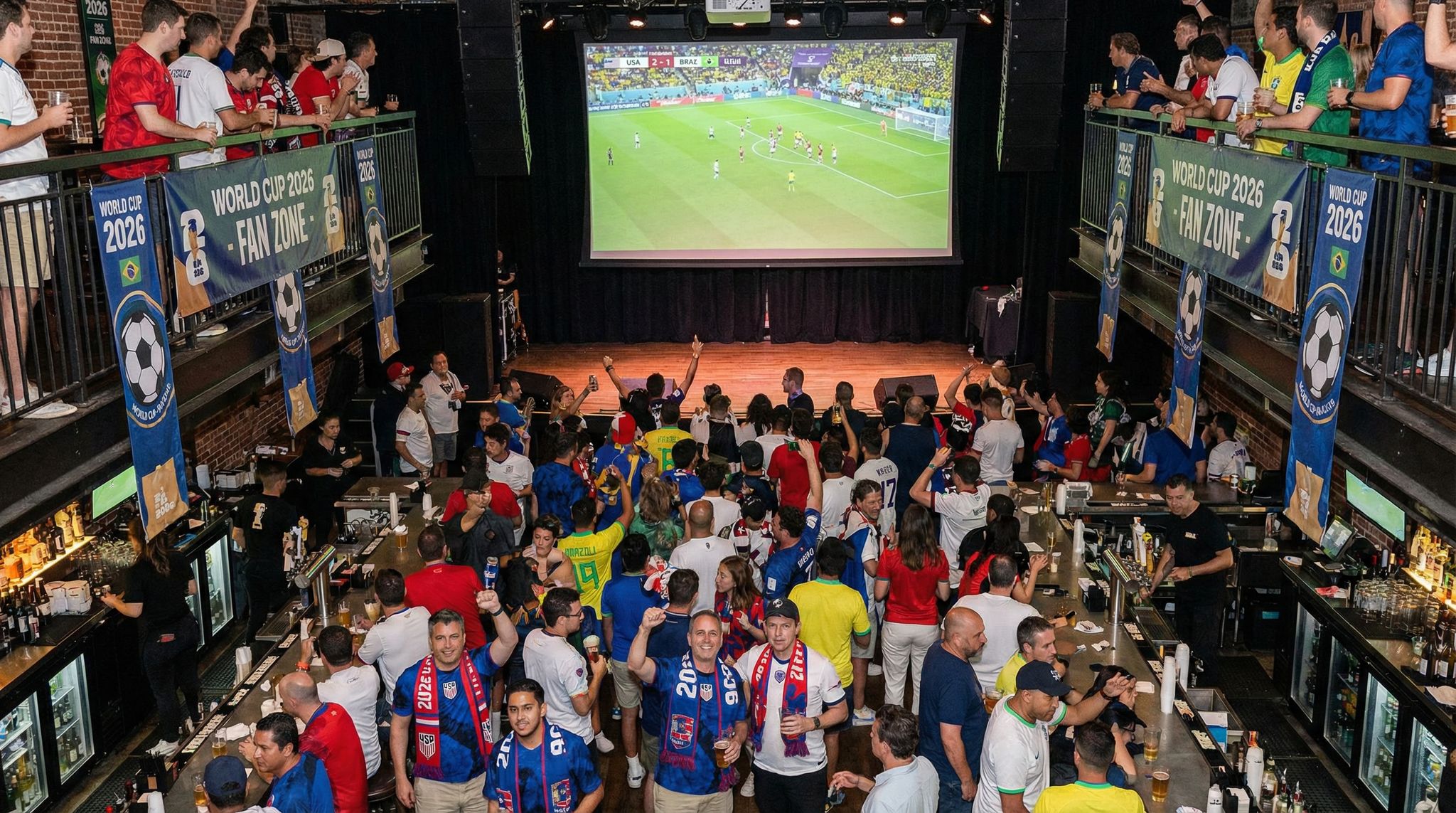
One strategy is to segregate spaces or nights to cater to both groups. If your venue has multiple rooms or floors, you might dedicate one as a “football fan zone” with big screens and standing room, while keeping another area as a quieter zone with the usual offerings. Some pubs in World Cup host cities even designate a “no-match” room for patrons who prefer conversation over football – ensuring nobody feels unwelcome. If you run weekly events (like a Thursday open-mic or a Sunday family day), consider keeping those going in a smaller form. Consistency amid the craziness can earn you points with regulars. It’s all about finding a balance between celebration and normalcy. By honouring commitments to your local audience (even if adjusted) while embracing global visitors, you protect your long-term community relationships.
Data-Driven Event Marketing
Track ticket sales, demographics, marketing ROI, and social reach in real time. Exportable reports give you the insights to make smarter decisions.
Lastly, coordinate with your fellow venues in town rather than operating in a vacuum. In many host cities, independent venues have found strength in unity – sharing resources and information through local associations. For instance, venues might stagger their event times or cross-promote (“catch the match at the pub next door, then come to our late show”). By communicating instead of competing head-on, venues can collectively handle the crowds and ensure fans have a full menu of options. Remember that venue alliances can amplify everyone’s success, especially during overwhelming periods when no single venue can capture the entire market.
Fan Zones, Viewing Parties and Themed Events
Turning Your Venue into a Fan Zone
When a mega-event hits town, why not bring the stadium atmosphere to your venue? Hosting a fan zone or viewing party can magnetize those fans who didn’t score a ticket (or who want a communal experience for away games). Key ingredients for a successful watch party include great sightlines, powerful sound, and plenty of atmosphere. Invest in high-quality big screens or projectors (bright enough to be seen even in daylight if outdoors) and a sound system that can replicate the roar of a stadium. Many venues underestimate how critical clear audio is for sports viewings – you want those commentary moments and crowd chants to come through crisp. Veteran festival producers emphasize nailing the technical basics: “make the viewing experience top-notch with huge screens and powerful audio” so fans feel like they’re part of the action.
To truly stand out, consider designing niche football areas for a dedicated audience within your larger footprint. For example, dedicating a specific lounge or patio to supporters of a particular national team can foster an intense, authentic atmosphere that generic sports bars can’t match. A well-executed World Cup viewing party relies on this kind of targeted community building just as much as it relies on giant screens.
Mastering the technical side of fan zone production is what separates a makeshift watch area from a professional, high-capacity event. When venue operators ask how large fan festivals around sports events are produced, the answer lies in robust infrastructure. This includes deploying high-lumen LED video walls that remain visible in direct sunlight, securing heavy-duty staging, and ensuring redundant power distribution for AV and vendor operations. Professional fanzone production also requires meticulous site planning to accommodate temporary Wi-Fi networks for mobile ordering, weather-proofed audio rigging, and strategic lighting that enhances the atmosphere without washing out the broadcast screens.
Consider whether your fan zone can extend beyond your four walls. If you have a parking lot, patio, or adjacent outdoor space, this might be the time to use it. Temporary outdoor viewing parties can multiply your capacity, as long as you handle permits and logistics. Real-world example: At the SteelStacks arts campus in Pennsylvania (Bethlehem) – a venue built on a former steel mill site – every match of the 2018 World Cup was shown on giant outdoor screens set against the backdrop of historic blast furnaces. Thousands of fans gathered as local vendors served famous Pennsylvania lagers and snacks at a pop-up Town Square bar, creating one of the most amazing bars to watch the World Cup. That kind of immersive fan zone turned a regional arts venue into a World Cup community hub.
If you go this route, safety and licensing are paramount (covered in detail in a later section). Ensure you’re not violating broadcast rights – many sports leagues and FIFA require a public viewing license for showing games to large crowds. Typically, non-commercial small gatherings (like a bar TV for regular patrons) are fine, but once you advertise a public event or add sponsorship, you should check the official rules. The 2026 World Cup has a process for fan zone licensing, and it’s wise to apply well in advance rather than risk a last-minute shutdown.
Finally, don’t just roll out a screen and call it a day – curate an experience around the viewing. Plan pre-game and halftime content: perhaps a local band or DJ to hype up the crowd before kickoff, or football-themed trivia with giveaways during halftime. The most memorable fan zones feel like mini-festivals. Think about incorporating team colors, flags, and decor to create a festive environment. Some venues bring in special guests like retired athletes or local celebrities to make appearances on big match days. Others integrate interactive elements: team face-paint stations, photo booths with trophies, or small-sided games (a foosball table or even a half-time penalty kick contest on a portable goal). These touches keep fans engaged beyond the 90 minutes of play. As one expert producer put it, you want to transform passive viewing into an active communal celebration. When fans are having a blast, they stay longer – and that means more F&B sales and a stronger reputation for your venue.
Special Themes and Cultural Tie-Ins
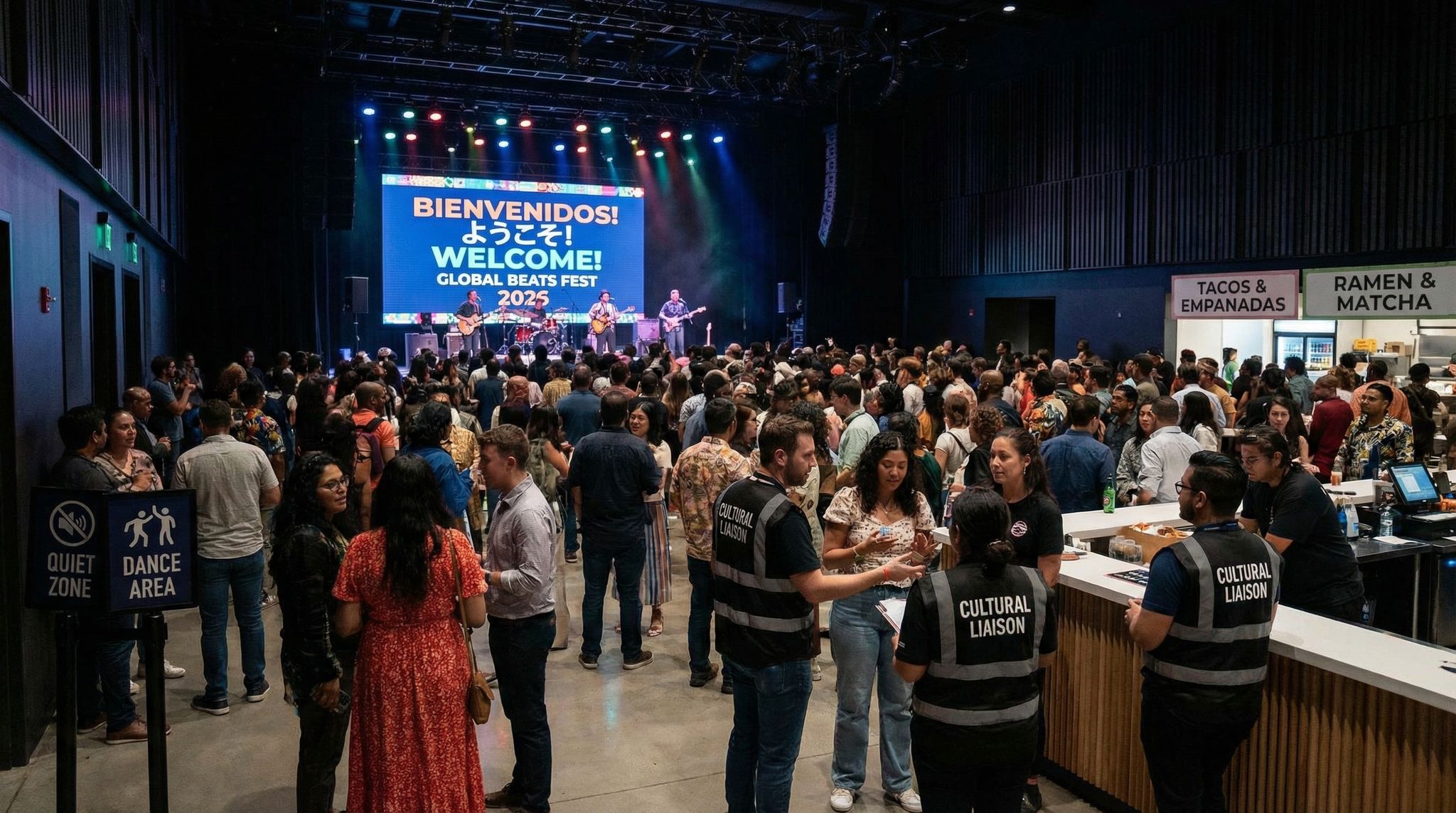
A mega-event like the World Cup is inherently multicultural – use that to your advantage by theming some events around the visiting fan cultures. If your city is hosting Team Brazil, why not throw a Brazilian-themed music night on the eve of their big match? Bring in a samba band or a Brazilian DJ, serve caipirinhas, and decorate in green and yellow. You’ll attract not only Brazilian travelers but also locals interested in the cultural flavor. During the 2014 World Cup, for instance, one London venue hosted a different country-themed party each night of the Round of 16, corresponding to whoever was playing the next day – result: a diverse turnout and sold-out nights as expatriate communities and curious locals flooded in.
Grow Your Events
Leverage referral marketing, social sharing incentives, and audience insights to sell more tickets.
Even beyond music, you can offer programming that appeals to fans’ interests during their downtime. Sports fans love content about the sport itself. Consider hosting a live podcast recording or a panel discussion on soccer topics on non-match days. For example, inviting popular football podcasters or former players for a live Q&A can draw die-hard fans who want to dissect yesterday’s match or get insider storytelling. (Venues in 2026 are increasingly exploring such formats – turning online content into live events – to diversify programming and boost weeknight attendance while designing an engaging fan experience beyond the game.) If you can land a well-known social media personality or sports commentator for an appearance, that’s a huge draw. This strategy has the dual benefit of generating media coverage for your venue as well – local news might highlight that “World Cup talk show” you hosted with an ex-national team captain, for instance.
Meanwhile, don’t forget the obvious crowd-pleaser: food and drink specials inspired by the event. People will be looking to eat and drink their way through different cultures. In fact, some cities are actively encouraging this – Kansas City, a 2026 host city, has seen local restaurants launch menus featuring cuisines of the countries coming to town, highlighting restaurants serving food of visiting World Cup countries. Venues can do the same on a smaller scale: maybe a “World Cup of Beers” promotion where each tap is a beer from a different qualified nation, or rotating food trucks featuring international street foods. These themed F&B offerings create a sense of discovery for visitors. And they’re effective – a visiting fan from Spain might seek out the one venue in town serving authentic paella during the tournament, for instance. By aligning your programming and menus with the cultures and passions surrounding the mega-event, you not only boost revenue but also create a richer experience that guests will remember (and likely post about online).
Partnerships with Sponsors and Organizers
Hosting Sponsor Activations at Your Venue
Global events attract big-name sponsors with big marketing budgets. Many of those sponsors look for local venues to host branded events, pop-ups, or hospitality lounges targeting fans. If you operate a sizeable or unique space, consider pitching it as an official or unofficial sponsor base. For example, beer brands often run “fan headquarters” in each host city – a place where fans can gather for giveaways, games, and contests sponsored by the brand. Perhaps your venue could be the designated “Budweiser Fan Zone” for a day, or host Coca-Cola’s pre-match fan party. The advantage for you is twofold: you often get rental or sponsorship fees (additional revenue stream), and the sponsor will drive traffic to your venue through their own promotion. In past tournaments, we’ve seen everything from a tech company taking over a nightclub to demo VR soccer games, to an athletic apparel brand renting a concert hall for a one-night fan concert featuring a surprise big-name performer.
As brands finalize their marketing budgets, FIFA World Cup 2026 sponsors planning major activations in US venues are actively scouting for unique, adaptable spaces. Securing one of these high-profile partnerships can underwrite your production costs while instantly elevating your venue’s prestige on a global scale.
If going down this route, negotiate smartly and maintain authenticity. Ensure the sponsor’s activation aligns with your venue’s image and that you can handle their production needs. Will they need special staging or a high-speed internet line for live-streaming? Hammer out those details early. Also, clarify whether the event will be open to the public or invite-only – an open activation might bring thousands through your doors (great for exposure, but be ready operationally), whereas a private VIP party could be lucrative but won’t build your wider fanbase as much. Some veteran venue managers caution not to rely on one-off sponsor money at the expense of alienating your core audience. The ideal scenario is an activation that enhances the fan experience you’re offering. For instance, a beer sponsor might underwrite a portion of your fan zone production costs in exchange for serving their brew exclusively – you get financial help and they get brand exposure, while fans simply enjoy a seamlessly integrated event.
One creative idea is to involve sponsors in interactive tech experiences that wow the crowd. These days simply handing out free swag isn’t enough to engage digital-savvy attendees. Sponsors may bring AR or gamified experiences into venues to stand out. Imagine a sponsor setting up an augmented reality photo booth where fans can take a picture with a virtual World Cup trophy or with an AR image of a famous player – all branded with the sponsor’s logo. It’s a fun memory for fans and highly shareable on social media. By embracing such AR and gamification activations that deeply engage audiences, your venue shows it’s on the cutting edge of fan experience. Plus, these types of installations tend to keep people at your venue longer (they’ll line up to try it), meaning more opportunity for them to buy that extra drink or merch item while they wait.
Working with Tourism Boards and Event Organizers
To truly ride the mega-event wave, plug into the larger network of city and event organizers. Early on, connect with your local tourism board or World Cup host committee. These organizations often create official visitor guides, event calendars, and hospitality programs. You want your venue’s events on those lists. Many host city websites and tourism bureaus will run “What to Do on Match Days” pages or send out newsletters to visiting fans. If you’re planning a noteworthy fan experience, submit it for inclusion. Likewise, coordinate with major hotels and travel groups – concierges and tour operators should know that your venue is “World Cup central” for certain nights. Some venues even partner with hotels for shuttle buses: e.g. a hotel may bus its guests to your venue for a watch party, solving the transportation question for tourists unfamiliar with the city. These kinds of travel and tourism partnerships for event promotion can significantly boost out-of-town attendance.
Engaging with the official event organizers can yield perks as well. While FIFA or the Olympic committee won’t promote private businesses outright, they often encourage local “fringe” events to enhance the host city’s appeal. Some cities run grant programs or provide logistical support for community fan events. For example, a city might offer free use of municipal land or extra police presence if you’re putting on an event that aligns with their host-city objectives. In the build-up to the tournament, keep an eye out for “City Celebrations” initiatives or public calls for event proposals. Even participating in workshops or info sessions hosted by the city can give you inside knowledge – you might learn, say, where official fan festival sites will be (so you can position yours elsewhere), or what transportation plans are in place (so you can schedule your event hours to sync with public transit timings).
Also, remember that local government will have heightened security and crowd management protocols during mega-events. Forge a relationship with your local police, fire marshal, and licensing inspectors ahead of time. Let them know your expected crowd sizes on key dates and ask for input on emergency planning. It’s better to be proactive and show that you’re a responsible operator. Many cities run special inspections or license checks leading up to events – you don’t want any last-minute compliance surprises. By coordinating early, you build trust and may even get faster approvals for temporary adjustments (like that extra outdoor patio or special event permit). When city authorities see that venues are cooperating to make the event a success, they’re more likely to be supportive of your needs.
Finally, think about forging cross-promotions with the event itself if possible. Sometimes organizers will have official merchandising or cultural events where venues can participate. For instance, if there’s an official fan parade or cultural festival scheduled, see if you can sponsor a float or host the after-party. Or if a particular sponsor is throwing a concert in town, maybe you can host the “aftershow” with a smaller artist. These tie-ins enhance your profile. Even simply using the event’s hashtags and branding (within allowed limits) in your marketing can get you noticed by the event’s social media team – and a retweet or mention from an official account can drive a flood of fans your way. The overarching principle: integrate your venue into the broader event ecosystem, rather than operating on an island. When you align your success with the success of the city’s mega-event, everyone wins – the city, the event, the visitors, and your venue.
Managing Crowds, Safety and Operations During High Traffic
Scaling Up Staffing and Service
When a wave of fans hits, your venue needs to run like a well-oiled machine at higher capacity than usual. That starts with manpower. Plan to staff up significantly on key dates – both in quantity and in skill. More guests mean you need more front-of-house staff (bartenders, servers, ushers) to keep lines short and service efficient. It also means beefing up back-of-house: extra runners, barbacks, kitchen staff, cleaners, and tech support in case AV equipment misbehaves. Speak with your team months in advance to identify who’s available for the big event days and who might want overtime. If you rely on volunteers or temp staff (common for pop-up fan zones), get that pool ready and briefed on their roles. During the 2022 World Cup, many pubs in England doubled their typical staff on England match days because patronage was through the roof – and even then, they were pouring pints nonstop. Expect the unexpected surges: e.g. if the local underdog team suddenly advances to the quarterfinal, you might have triple the crowd you anticipated on what was originally a normal weeknight. Having on-call staff or a backup staffing agency arrangement can save the day in those moments.
Training is critical. Not all your staff may be used to sports crowds or international visitors. Brief everyone on cultural sensitivity (a basic example: some gestures or phrases could offend different nationalities, so be mindful) and on handling high-energy, emotional crowds. Emphasize responsible alcohol service – big games can lead to big emotions, and you need your bartenders and security on the same page about cutting off overly intoxicated patrons and de-escalating scuffles. Role-playing some scenarios in advance isn’t a bad idea (imagine: a contentious referee call sparks an argument between fans of two countries… what do your bouncers do?). Remember that speed is part of service quality during busy events. Consider simplifying menus to high-volume bestsellers to expedite orders. Train staff on using handheld POS devices or portable beer dispensers if you’re adding them to avoid bar bottlenecks. Some venues even implement queue management systems (like text alerts when it’s your turn at the bar) during major events to reduce crowding – technology that might seem excessive on a normal night could be a game-changer when hundreds are clamoring for service at halftime.
Your team’s morale and focus will also be tested by long hours and intense atmosphere. To keep service standards high throughout, schedule smartly with breaks and rotations. If you expect, say, a continuous 10-hour fan fest day, break it into shifts or bring in a second wave of fresh staff in the evening. Provide staff meals and hydration (your employees should be drinking water, even if everyone around them is chugging beer!). Little perks like team T-shirts themed to the event or a post-shift pizza can boost spirits. Let’s face it – working during a World Cup or similar event can actually be fun if managed right. Staff often feed off the crowd’s excitement. Many experienced venue managers recount that some of their crew’s best memories (and bonding moments) come from pulling together during these huge events. Set that tone: we’re all in this together, and it’s going to be challenging but memorable. When your staff feels prepared and upbeat, guests will feel it too, in the form of great service.
Crowd Control and Safety Measures
Mega-events can bring mega-crowds, so safety must remain your top priority even as you chase revenue. Start by reviewing your venue’s legal capacity and physical layout in light of the expected influx. Is your normal capacity 500, but you expect 800 to show up for a high-profile match viewing? That won’t fly – you may need to expand into outdoor overflow areas or limit entry on a first-come basis. It’s far better to have a line outside (with clear communication and maybe a ticketing system) than to overcrowd inside and create a dangerous situation. Conduct a fresh risk assessment for any special event configuration: identify potential choke points (say, a narrow hallway that could back up, or too few restrooms causing crowding in one area) and mitigate them. This could involve renting additional porta-loos, re-arranging furniture to open up floor space, or setting up stanchions for orderly queues at the bar. Veteran festival organizers stress the importance of physical barriers and layout in preventing surges – even simple measures like railings in front of a stage (or screen) can prevent fans from pressing too tightly forward, a key tactic in crush-proofing your venue to prevent crowd surges.
Professional security staffing is non-negotiable. Augment your regular security team with extra licensed guards, and brief them thoroughly each day because conditions can vary match to match. For instance, a daytime viewing that draws families will have different security concerns (lost children, etc.) than a late-night viewing with hardcore rival fans (potential fights, vandalism). Make sure your security team is trained to understand crowd psychology in sports settings. Fans can be jubilant one minute and angry the next. A key tactic is maintaining visible but friendly security – presence can deter bad behavior, but you don’t want an aggressive stance that provokes the crowd. Work out a plan with local police as well. In many host cities, police will station near popular fan gathering spots on big game days; invite them to walk through your venue to familiarize them with the layout. If you anticipate extremely large street crowds, discuss whether closing the street or diverting traffic is needed (some cities pre-approve street closures around bars during World Cup knockout games to ensure pedestrian safety if celebrations spill outside).
Prepare for emergencies and worst-case scenarios. This means having clear evacuation routes (and staff who know them), first aid stations or kits stocked and accessible, and a procedure for communicating to the crowd if needed. Leverage technology where possible – some venues use real-time people counting sensors and CCTV analytics to monitor crowd density in different areas. In 2026, nearly 80% of major event organizers are using high-tech crowd monitoring tools to catch dangerous overcrowding early, utilizing advanced crowd monitoring tools for fan safety. Even if you don’t have fancy AI cameras, assign staff to act as “crowd spotters” who periodically scan for trouble signs (like a section getting too packed or a fight brewing). If you have the capability, consider adopting an emergency notification system: for example, using your venue’s LED screens or an SMS blast to attendees to convey urgent messages (“Severe weather approaching – please move indoors”). Hopefully you’ll never need it, but having a plan could be life-saving if something goes awry, from a fire alarm to an infrastructure issue or an external security threat.
Finally, keep the health and welfare of your patrons in mind, beyond just immediate physical safety. Large sports crowds plus alcohol can lead to dehydration and overheating, especially in summer months. Offering free water stations or cheap bottled water, providing some shaded or cool areas, and having on-site medical personnel (or at least a clear path for EMS to reach you) is wise when you’re hosting hundreds or thousands. If your fan events are all-ages, implement wristbands or ID checks to prevent underage drinking – big events are not an excuse to cut corners on that. And be prepared for fan emotions: a crushing defeat can leave people despondent, whereas a big win can make them euphoric and maybe a bit reckless. In both cases, your team should be alert: after a loss, watch for any aggression or people drowning sorrows too hard; after a win, watch for over-celebration (crowd-surfing off your bar counter is not allowed!). A lot of effective crowd management comes down to attentive, well-positioned staff and good communication. If you’ve set expectations clearly (e.g. posting “House Rules” at entrances: no flares, no glass bottles outside, respect our neighbors during late hours, etc.) and your staff is proactively engaging with fans, you’ll head off most issues before they escalate. A safe event is the foundation of a successful event – it’s critical not just for attendees, but for maintaining your venue’s reputation and avoiding legal troubles after the final whistle.
Maximizing F&B and Merchandise Revenue
High footfall during mega-events can translate into record-breaking bar and merch sales – but only if you’re prepared to meet demand without running out or slowing down. First, forecast your consumption and stock up aggressively. Look at comparable events (e.g. a past World Cup or similar big local sports event) to gauge what sold the most. Beer is usually king – during major tournaments, some pub operators report beer sales spiking so much that kegs kick in an hour and suppliers have to be on standby. In fact, research in the UK found that 27% of pub-goers buy more drinks during a World Cup match than on a normal outing – a figure that jumps to 50% for younger patrons, according to new research on pub spending habits. That means potentially doubling your usual inventory of certain beverages. Running out of drinks mid-event is a cardinal sin; it not only loses sales but drives thirsty fans elsewhere. So, talk to your distributors about flexible, faster replenishment and maybe arrange extra cold storage if needed (a rented refrigerated truck out back can hold those additional beer kegs or soda cases). And don’t neglect food – hungry fans will seek out meals between matches. If you don’t have a kitchen, consider partnering with food trucks or catering vendors to be on-site during peak times. The more needs you can fulfill on premises, the longer fans will linger (and spend) at your venue rather than drifting away.
Elevating the fan experience through venue food is no longer just an operational afterthought; it is a core driver of guest satisfaction and revenue. Modern attendees expect more than standard stadium fare. By curating a diverse menu that includes local culinary partnerships, dietary-friendly options, and culturally themed dishes, operators can transform basic concessions into a memorable dining event that keeps patrons engaged and spending.
Speed of service is the other side of the coin. Long lines are revenue killers; someone who gives up waiting is a lost sale. To keep queues moving, simplify and strategize. Offer a limited “game day” menu of the most popular, quick-to-serve items (you can always bring back your full gourmet menu after the event). Pre-mix or batch cocktails in dispensers if you offer mixed drinks – that way bartenders aren’t muddling mojitos while 50 people wait for beer. Many venues implement express lines for just beer or just prepackaged drinks. Another tactic is selling grab-and-go items: for example, hawkers moving through the crowd with coolers of canned drinks, or pre-packaged snacks being sold at a stand separate from the bar. Football stadiums do this with roaming vendors – and it works just as well in a fan zone or large venue.
Leverage technology where possible to boost throughput. Contactless payments and mobile ordering can significantly cut transaction times. If your ticketing or event platform supports it, you could enable attendees to order from their phone and get a text when their drink is ready at a pickup window. This might sound high-tech, but many festival venues adopted such systems with great success to manage crowd rushes. Even simply adding more points of sale – renting extra payment terminals or iPads with a payment app – and training additional staff or temp hires to use them can prevent bottlenecks. Modern event platforms like Ticket Fairy can integrate on-site payments with your ticketing data (helping you track per-head spend) and support multiple payment options, from credit cards to mobile wallets. The easier you make it for fans to pay and receive their order, the more they will purchase, plain and simple.
Don’t overlook merchandise and upsells as additional revenue streams. A mega-event puts people in a buying mood for memorabilia and themed merchandise. If you can stock event-related merch – even if it’s not official FIFA gear, it could be generic soccer-themed items or combined branded merch (e.g. a T-shirt with your venue logo and a soccer graphic), you might see strong sales. Limited-edition merch that ties into the event creates a sense of occasion (“World Cup 2026 at [Your Venue]” shirts or scarves). Just be mindful of trademark rules (you can’t use official logos or say “FIFA World Cup” on your products without permission – but something like “Football Fever 2026 – [City Name]” could pass). Additionally, think about VIP packages or upgrades. Perhaps you sell a reserved table package that includes a guaranteed great view, table service, and a bucket of beers for a set price. Many fans, especially corporate groups or older audiences, might gladly pay a premium to avoid the crowds and have a “home base” at your venue. These pre-sold packages can inject upfront revenue and help you manage capacity. Just ensure you actually deliver the promised experience (nothing’s worse than paying for VIP and still having to jostle in a crowd).
One more pro tip: implement tight inventory management throughout the event. When you’re operating at 2–3× your normal volume, the risk of losses from spillage, theft, or waste also climbs. Use strategies from everyday operations, just dialed up – count your stock diligently before and after each day, supervise your cash tills or use cashless systems, and monitor for any unusual shrinkage. Some venues have found success using smart inventory management practices like automated liquor dispensers or POS-integrated inventory tracking during big events to minimize loss. While you want to serve as many fans as possible, it’s critical to keep an eye on profit margins, not just top-line sales. Mega-events can be extremely profitable, but only if you control the chaos – otherwise, costs (and losses) can soar just as high as revenue.
Measuring Success and Sustaining Momentum
A successful run during a mega-event can leave a lasting legacy for your venue. The immediate returns in footfall and revenue are obvious, but think also about the long-term gains: new customer relationships, higher profile, and business experience that can elevate your operations permanently. To maximize these benefits, take the time once the dust settles to measure and reflect on the impact. Look at key performance indicators – many of the essential venue KPIs for success will tell the story. What was your total attendance across the events, and how did that compare to a normal period? How much did you boost your revenue (and which categories saw the biggest jump – was it ticket sales, bar sales, sponsorships, or merch)? Calculate your revenue per head and average dwell time for event days versus normal days; if you extended hours and kept fans around longer, you should see those metrics rise. It’s also valuable to track new customer acquisition: how many first-time visitors came, and can you capture any of them for future marketing (via mailing list signups, social follows, etc.)? For instance, if 5,000 people visited your venue during the World Cup and 30% were first-timers, that’s 1,500 new potential regulars you might entice to return with the right follow-up.
Collect qualitative feedback too. What did fans rave about, and what hiccups did they complain about? Scour social media tags and reviews for your venue during the event weeks – this is rich data. Maybe people loved your watch party atmosphere but several comments mention “bathroom lines were too long” or “ran out of Guinness by halftime.” These are fixable issues and learning opportunities. Debrief with your staff; they will have frontline observations on what could improve operationally or where they felt unprepared. Document it all so you have a blueprint to work from for the next mega-event. (Keep in mind, World Cup 2026 might be the big one now, but there’s always another event on the horizon – be it the Olympics, a regional tournament, or a huge citywide festival. In fact, some World Cup 2026 host cities in the U.S. are already eyeing bids for future events like the 2031 Women’s World Cup, as seen in Kansas City’s World Cup volunteer initiatives, so the cycle continues.) If you can become known as the venue that consistently delivers amazing experiences during big events, that reputation will bring business time and again.
Sustaining momentum after the event is crucial. Don’t let your venue fall into a post-event slump. Plan some appealing events in the weeks following to entice locals back – maybe a “Thank You Fans” free concert or a photo exhibition of the best moments from your fan zone. Leverage the content and connections you gained: share photo galleries or after-movies on social media, tag the international fans or media outlets who came, and keep the conversation going. Perhaps offer a discount or promo code to anyone who attended a World Cup event if they come back for another show later in the year. This can help convert one-time visitors into repeat customers. Also, if you partnered with sponsors or built new relationships (with a food vendor, an artist, etc.), follow up and explore more collaboration. A sponsor impressed by the ROI from your fan activation might want to team up for future events or even become a long-term partner for your venue. Show them data and highlights of what you achieved together (for example, how you delivered strong sponsor value and measurable ROI via attendee engagement).
Most importantly, celebrate and acknowledge your team’s hard work. A mega-event is an all-hands-on-deck marathon. When it’s over, hold a staff appreciation gathering or rewards (even silly awards for “MVP of the Month” or “Best Save under Pressure”). Not only is it the right thing to do, it also keeps your staff motivated to dive in with you next time an opportunity comes. You want them to look back and say, “we pulled off something incredible – and I’m proud of it.” Because if you’ve successfully ridden the World Cup wave, you have indeed accomplished something special. You turned an outside event into your own success story, which is the mark of a truly savvy venue operator.
Frequently Asked Questions
How can venues optimize their schedules during the 2026 World Cup?
Venues should align programming to complement the tournament by scheduling marquee shows on off-nights or after matches conclude. Building flexibility for overtime delays and applying for extended operating hours allows businesses to capture late-night crowds. Coordinating with official timelines prevents competing directly with the main attraction.
What are the requirements for hosting a World Cup fan zone?
Successful fan zones require high-quality large screens, powerful sound systems to amplify commentary, and clear sightlines for all guests. Venues must secure necessary public viewing licenses and ensure safety compliance. Enhancing the experience with pre-game entertainment, interactive elements, and thematic decor transforms passive viewing into an active celebration.
How can bars and venues maximize revenue during major sporting events?
Maximize revenue by stocking inventory aggressively based on forecasted surges and simplifying menus to high-volume items for speed. Implementing express lines, mobile ordering, and roaming vendors reduces bottlenecks. Offering limited-edition merchandise and VIP table packages creates additional income streams while capitalizing on the celebratory atmosphere.
What crowd control measures are essential for high-traffic venue events?
Essential measures include conducting risk assessments for choke points, strictly adhering to legal capacity limits, and employing professional security trained in crowd psychology. Venues should implement physical barriers for queuing, maintain clear evacuation routes, and utilize technology like real-time people counting to monitor density and prevent dangerous overcrowding.
How do venues attract corporate sponsors for mega-event activations?
Venues attract sponsors by pitching unique spaces for branded pop-ups, hospitality lounges, or fan headquarters. Offering capabilities for high-tech activations like AR experiences or live-streaming increases appeal. Negotiating early allows venues to secure rental fees or production support while providing brands with direct access to engaged fan bases.
How can venues balance tourist crowds with regular local patrons?
Venues balance crowds by segregating spaces, designating specific fan zones while keeping other areas quiet for regulars. Communicating schedule changes early and maintaining consistent weekly events helps retain community trust. Hosting no-match rooms or locals appreciation nights ensures loyal patrons do not feel alienated by the influx of tourists.
Do venues need a license to host public screenings of World Cup matches?
Public viewing licenses are typically required by FIFA and broadcasters for commercial events, large crowds, or sponsored watch parties. While small non-commercial gatherings may be exempt, venues advertising public events must check official rules and apply for permits well in advance to avoid legal violations or shutdowns.
How should venues measure success after hosting major event festivities?
Success is measured by analyzing KPIs such as total attendance, revenue per head, bar sales, and average dwell time compared to normal operations. Venues should track new customer acquisition and collect qualitative feedback from social media. Evaluating these metrics helps quantify impact and refine strategies for future events.
How does venue food impact the overall fan experience during mega-events?
Elevating the fan experience through venue food is a proven strategy to increase dwell time and per-head spending. By offering diverse, high-quality culinary options—such as local food truck partnerships or culturally themed menus—operators can satisfy modern attendee expectations and differentiate their space from standard sports bars.
What makes a World Cup viewing party successful for venue operators?
A successful World Cup viewing party combines high-quality audiovisuals with strategic community building. Operators should consider creating niche football areas for a dedicated audience, offering themed food and beverages, and ensuring robust crowd control to deliver a safe, immersive environment.
How can I get my venue ready for the World Cup?
To get your venue ready for the World Cup, start by auditing your technical infrastructure (AV, screens, and Wi-Fi) to ensure it can handle high-capacity watch parties. Next, scale up your staffing and security protocols, secure any necessary extended operating licenses, and align your programming calendar with the official match schedule. Partnering with local tourism boards and beverage sponsors early will also help position your space as a top destination for visiting fans.
How are large fan festivals around sports events produced?
Producing large-scale fan festivals requires comprehensive site planning, robust technical infrastructure, and strict safety compliance. Key elements of professional fan zone production include deploying high-lumen LED screens for daylight visibility, installing redundant power supplies, and setting up weather-proofed audio systems. Venue operators must also coordinate temporary permits, manage high-volume food and beverage logistics, and implement crowd control barriers to ensure a safe, stadium-like atmosphere.