The Push for Multi-Dimensional Festivals in 2026
Oversaturated Market Demands Differentiation
The festival boom of the 2020s has created intense competition for both fans and talent. As industry experts analyze the landscape, they find that standing out in an oversaturated 2026 season requires more than just a standard lineup. In 2026, simply booking big headliners isn’t enough – successful festival producers know they must offer something unique to combat “festival fatigue” and ensure fans choose their event year after year. Industry veterans stress that today’s fans expect more than just music; they want unique event experiences that justify the ticket price. One promoter captured the situation by asking why fans should attend a specific event if the experience isn’t distinct, emphasizing the importance of curating one-of-a-kind festival moments. As Live Nation Urban’s president Shawn Gee bluntly noted in Pollstar’s 2025 music festivals special, organizers have to “manage prices and overdeliver the experience to the fan”. In practice, this means festivals are evolving into multi-dimensional events, blending art, technology, workshops, and cultural programming alongside concerts.
Fans Expect More Than Headliners
Audience surveys and attendance trends show that festival-goers in 2026 crave immersive, memorable events rather than one-size-fits-all concerts. Strategies on how to combat festival fatigue suggest that attendees are raising their standards and seeking festivals that offer “unique, memorable events that offer more than just music” (source). This reflects a broader experiential trend – younger audiences famously prefer experiences over things. It’s no surprise that events which integrate art installations, interactive zones, and cultural activities see higher social media buzz and stronger loyalty. For example, Glastonbury Festival in the UK has thrived by offering an eclectic mix of music and performing arts. In 2025 it featured nearly 4,000 performances across 120 stages (music, art, circus, cabaret and more) – and AP News reported that the 2025 Glastonbury Festival cemented its reputation as a cultural pilgrimage by selling out in just 35 minutes. The message is clear: to stand out in a crowded field, a festival must deliver unique must-see experiences that fans can’t get elsewhere, relying on curated, high-quality programming where distinct experiences create the draw.
Evolving Beyond the Core Without Losing It
However, diversifying content is a balancing act. Organizers must add new elements without diluting the core identity that defines their festival. As festival founder Bill Hauritz of Australia’s Woodford Folk Festival observed in Rolling Stone’s special report on festivals in peril, “A festival needs to adjust and look for other ways of making itself relevant” – yet it should remain authentic to its roots. Festivals known primarily for music can embrace art, tech, or wellness in ways that complement their brand. The key is to extend the festival’s story, not rewrite it. Leading producers emphasize having a clear vision or theme as a “north star” when adding extras, as noted in Pollstar’s analysis of the changing market. This approach allows organizers to innovate without losing the festival’s soul. In the sections below, we explore how forward-thinking festivals are successfully blending art, technology, and culture into their programming – and offer practical tips to do it right.
Immersive Art Installations: Visual Spectacle and Interaction
Transforming Spaces with Creativity
Many top festivals now invest heavily in art installations and decor that transform their venue into an otherworldly landscape. Large-scale sculptures, interactive structures, and immersive environments turn plain fields into fantasy worlds. Tomorrowland (Belgium) famously builds breathtaking themed stages – from fairy-tale castles to mechanical dragons – making the entire site feel like a storybook land. This level of detail makes it harder to leave a lasting impression without such investments, as fans travel from across the globe not just for the DJs, but to witness these stunning artistic creations in person (source). For instance, Boomtown Fair’s immersive city streets demonstrate how visual spectacles create a sense of awe and leave lasting impressions. Similarly, Coachella (USA) has made art a core part of its identity: giant moving sculptures and architectural art pieces dot the grounds each year, becoming iconic backdrops for attendee photos. As one guide on designing an unforgettable on-site festival audience experience notes, “visual design is key – think banners, art installations, stage backdrops, and lighting that reinforce your festival’s theme or personality”. By investing in art, festivals can set themselves apart from the generic stage-on-a-field setup and enthrall attendees from the moment they step on site.
Interactive and Instagrammable Experiences
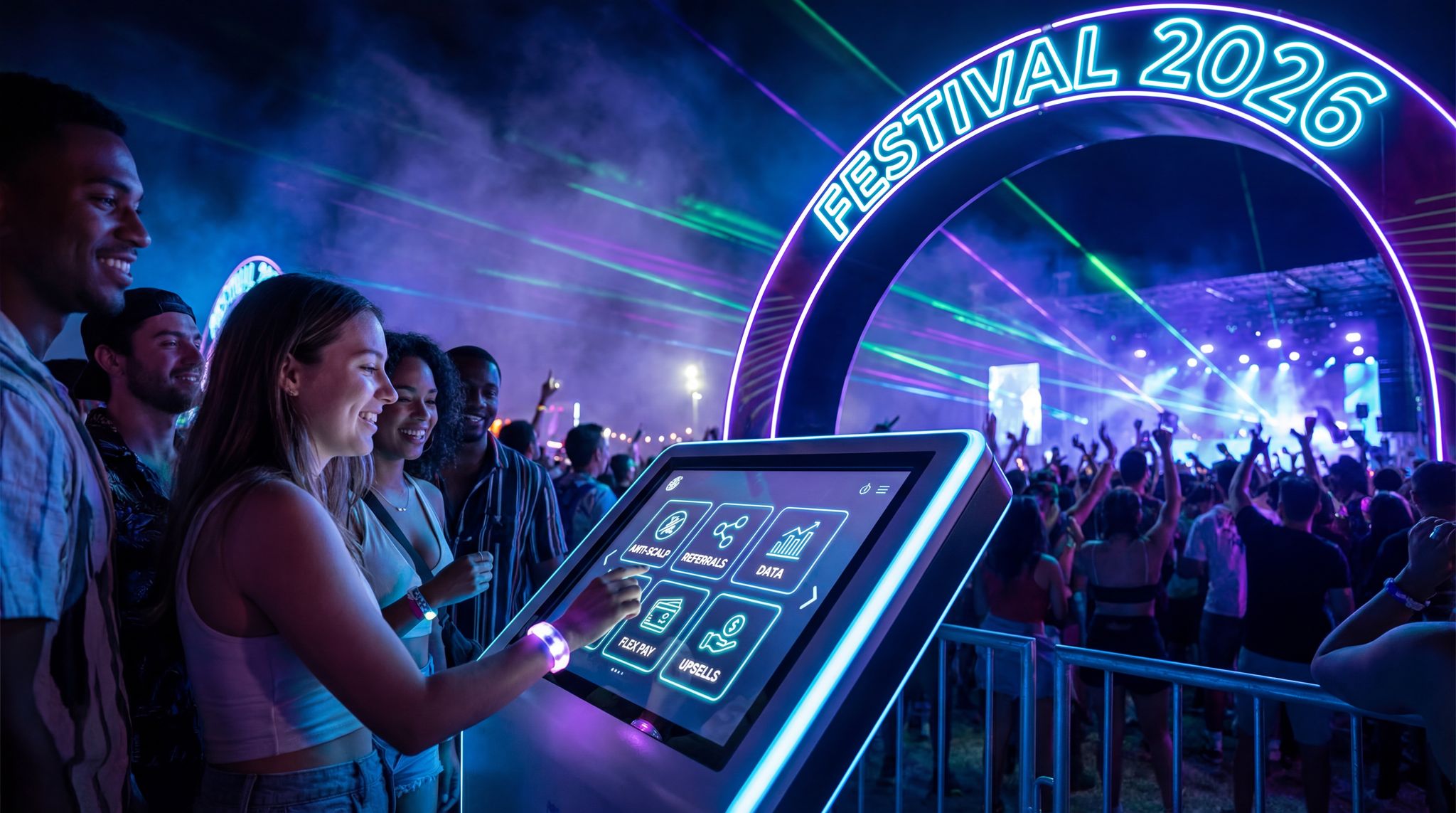
The most effective festival art isn’t just something to look at – it’s something to do. Modern festivals incorporate interactive art pieces and activities that invite attendees to participate, play, and explore. This might mean a field of giant see-saws that light up as people use them, a collaborative mural wall where fans paint alongside artists, or hidden “Easter egg” art pieces that reward those who wander off the beaten path. These elements contribute to stage programming that gets people talking and can range from large structures to small details, where these installations become free marketing. At events like Burning Man (USA) and Electric Forest (USA), attendees spend hours engaging with art and environments, not just watching stages (source). Electric Forest in particular emphasizes going “beyond the music” with its interactive Sherwood Forest full of vibrant installations and characters. As the festival describes it, “the forest itself is alive with vibrant installations, playful characters, and eclectic performances that spark wonder at every turn” (Electric Forest experiences and activities). These features not only create magical moments, they also generate organic marketing as attendees share photos and videos online. Festivals should plan art and scenic elements with social media in mind – “Instagrammable” installations (think colorful, quirky, and unique) can dramatically amplify word-of-mouth. Crucially, interactive art gives festival-goers a personal sense of discovery and adventure, making the overall experience far more memorable than a passive concert.
Developing dedicated scenic interactions for music festivals takes this concept a step further by transforming transitional spaces—like walkways, VIP lounges, and food courts—into cohesive, story-driven environments. For example, modern rave promoters are moving away from bare-bones warehouse aesthetics, instead deploying responsive LED pathways and kinetic sculptures that react to crowd movement. These scenic touchpoints ensure that the visual journey continues seamlessly between stages, keeping attendees fully immersed in the event’s universe.
Planning a Festival?
Ticket Fairy's festival ticketing platform handles multi-day passes, RFID wristbands, and complex festival operations.
Collaborating with Artists and the Community
To integrate art installations effectively, producers often partner with skilled visual artists, designers, and even local community groups. Working with local artists can bring authentic flavor and win community goodwill. For example, a boutique arts festival case study showed how transforming grounds with lanterns and flags hand-painted by local schoolchildren made the venue feel like “stepping into a storybook” and attendees loved the homegrown charm. Festival organizers can issue open calls for art proposals or run programs to sponsor art projects (Insomniac’s EDC and Electric Forest both have programs supporting art installations). It’s important to plan the practical logistics too: large art pieces may require heavy equipment for installation, structural engineering for safety, and possibly overnight lighting or security. Always coordinate between the art team and site operations to ensure pieces are safely accessible, well-lit, and protected from damage or weather. Budget-wise, allocating funds to art and decor is increasingly seen as worthwhile. Many forward-thinking producers are reallocating a portion of headliner budget into art and production – finding that a slightly smaller band roster in exchange for a more spectacular setting can actually boost fan satisfaction. This strategy suggests that investing in experiences may require shifting budget and implementing technology that attendees will talk about. In short, art installations should be treated as a core programming element: curated with intention, aligned with the festival’s theme, and executed with professional care. Done right, they turn your event into a living art gallery that wows attendees and differentiates your festival brand.
Tech Showcases and Innovation Labs
Embracing Cutting-Edge Technology On-Site
Integrating technology into festivals can create excitement and signal that an event is on the cutting edge. In 2026, some festivals are hosting dedicated tech zones or demonstrations as part of the experience. These can range from VR/AR experiences, gaming areas, drone shows, to experimental tech demos. For instance, electronic music festivals like Sónar (Spain) have long featured a tech conference alongside the music, where attendees can explore digital art, music technology, and even prototypes of new gadgets. We’re now seeing mainstream events try similar concepts – a rock festival might collaborate with a sponsor to set up a virtual reality tent where fans can play a music-themed VR game or watch 360° concert videos. At one U.S. festival, a major tech company brought in a “VR arcade” as a sponsor activation, drawing curious lines of attendees eager to try cutting-edge games during the afternoon downtime. Even legacy rock events are testing high-tech attractions: Download Festival (UK) trialed 5G-powered AR experiences for fans on site, and some events have experimented with holographic performances of artists as surprise “cameos”. This illustrates how technology can help facilitate new experiences when producers know to introduce innovations aligned with festival traditions. These tech showcases not only entertain fans but can also generate media buzz (e.g. headlines about “the first festival to use X technology”). The key is to choose tech that genuinely engages your audience. As one guide on festival tech trends notes, it’s easy to be dazzled by flashy gadgets, but you should focus on innovations that actually deliver value to the fan experience. It is vital to cut through the hype of VR gimmicks and instead guide festival producers on tech that truly delivers value. Whether it’s a useful festival app feature or an awe-inspiring augmented reality art piece, pick tech that enhances the event rather than distracts from it.
Interactive and Novel Tech Experiences
Technology can also be woven directly into performances and art to create interactive experiences. Recent advances have enabled things like augmented reality (AR) effects at festivals. In 2022, Coachella debuted an AR integration during a headliner set where live stream viewers saw 3D psychedelic visuals (giant parrots, virtual landscapes) overlaid on the stage. Time Magazine reported on Coachella entering the metaverse and how massive 3D visuals created a distinct digital experience. While that particular AR show was visible only online, it hinted at how AR and mixed reality might soon enhance on-site shows as well. Already some events use AR mobile apps to create scavenger hunts or Easter eggs on the festival grounds (e.g. pointing your phone at a mural might trigger an animation or hidden information). Drone light shows have also emerged as a popular high-tech spectacle – festivals in Europe and Asia have replaced or augmented fireworks with coordinated swarms of LED drones painting patterns in the sky, delighting crowds and underscoring the festival’s innovation cred. Another tech trend is the inclusion of robots and AI-powered services on festival grounds. Events have tested robot bartenders that can mix drinks quickly, or robotic custodians that roam at night picking up litter. This is part of automation and smart operations behind the scenes, where modern festivals are adopting automation. However, producers must ensure security teams using drone patrols and AI camera systems monitor crowds effectively without being intrusive (source). While these behind-the-scenes tech improvements might not be flashy to attendees, they can make operations smoother – and mentioning them in marketing can signal that your festival is forward-looking. The main advice is to pilot new tech in a controlled way. Have human staff as backups (for example, if you introduce self-service RFID lockers, keep a customer service rep nearby). Nothing kills the vibe like a tech failure that disrupts operations. In an era of staff shortages, some automation like credential checks can be helpful. Festival environments can be chaotic, so any public-facing tech must be robust enough to handle thousands of users (nothing kills the vibe like a VR booth that crashes constantly). When done right, though, tech activations can add a modern thrill and give attendees more to explore beyond the music.
Capitalizing on the Music Festival Digital Experience
As the landscape evolves, organizers are increasingly investing in a comprehensive music festival digital experience to engage fans beyond the physical venue. The surge in VR concerts and virtual reality music experiences popularity in 2026 has opened new revenue streams for promoters. By offering a high-fidelity VR concert experience, virtual reality music festivals allow global audiences to participate in the event from home. This hybrid model is particularly effective for electronic events and large-scale raves, where immersive visual production translates seamlessly into a digital environment. For festival producers, integrating these virtual reality music experiences means you can sell digital-only tickets, expanding your capacity infinitely while building hype for future in-person attendance.
Boost Revenue With Smart Upsells
Sell merchandise, VIP upgrades, parking passes, and add-ons during checkout and via post-purchase emails. Increase average order value by up to 220%.
Tech with a Purpose – and Keeping It Authentic
A critical consideration when adding technology showcases is to ensure they align with your festival’s identity and audience. Tech for tech’s sake can come off as gimmicky, or worse, out-of-place. Experienced organizers recommend introducing innovations in a way that enhances the festival’s ethos, not clashes with it. Every great festival develops its own character, so innovate in a way that respects the event’s legacy. Producers know to introduce innovations carefully to maintain that authentic vibe attendees love. For example, when Tomorrowland handed out LED wristbands that sync to the music, it worked because it amplified the communal glow of the crowd, fitting the festival’s unity theme and showing how technology can help facilitate connection. On the other hand, a rural folk festival might not benefit from a high-tech AR game – its attendees might prefer a humble craft workshop to stay on-theme. Always ask, “Does this technology add real value for our attendees?” If your crowd is full of early-adopters and young digital natives, they may love a crypto-art NFT gallery or an interactive hologram photo booth. But if they’re older or come for a nostalgic vibe, those things could feel alienating. It’s a fine line: you want to appear innovative but not at the cost of authenticity. As a festival industry article put it, the goal is to go high-tech without losing your soul – keep community and human connection front and center. Festivals have always been about human togetherness in the background, and the soul of the festival is the moment when the crowd connects. In practical terms, test the waters with one or two tech additions and gather feedback. Also, communicate clearly about any tech features (for instance, if there’s a festival app with an AR treasure hunt, promote it in advance so attendees download the app and come prepared). When done thoughtfully, blending tech into your festival can differentiate your event, attract tech-savvy sponsors, and create cutting-edge fun – all while keeping the vibe on-brand.
Workshops, Panels and Wellness Activities
Daytime Workshops and Educational Panels
Beyond the main stage, festivals are increasingly hosting talks, panels, and workshops to engage attendees during daytime hours. Offering educational or thought-provoking sessions can add tremendous depth to a festival’s programming. At many events, you’ll now find tents or smaller stages where industry experts, artists, or activists give talks on topics ranging from music production and technology to social issues and arts & culture. For example, SXSW in Austin pioneered the blend of a music festival with panel discussions and keynote speakers (blurring into a conference). Now even purely music-focused festivals borrow this idea: an electronic festival might host a producer Q&A or a demo on modular synths; a rock festival could schedule a panel on the local music scene or a storytelling session with veteran roadies. These sessions give fans a chance to learn and participate during the lulls between big performances. Importantly, panels and workshops help position a festival as more than entertainment – as a cultural gathering or knowledge-sharing platform. Attendees appreciate the opportunity to sit down and absorb something new (especially at multi-day festivals where a break from the loud music is welcome). When planning such content, consider your festival’s domain and audience interests. If it’s a dance music fest, maybe a DJ workshop or a discussion on nightlife safety would resonate. If it’s a folk or world music fest, cultural storytelling or instrument demonstrations would fit. Booking credible speakers is key – this could include artists on your lineup (many are happy to do a daytime talk or DJ workshop), university professors, influencers, or local entrepreneurs. Just ensure the topics feel relevant and add value rather than being filler. With good curation, workshops and panels can become a highlight that sets your event apart from others that are “music only.”
Wellness and Activities for Mind & Body
Another trend, especially at camping festivals and “transformational” events, is offering wellness activities and mind-body experiences. Morning yoga classes, group meditation sessions, nature walks, and even spa or massage areas are now common at multi-day festivals. These activities cater to attendees looking for a healthier, more balanced festival experience (not everyone wants to start drinking at 10am waiting for the next band!). Festivals like Lightning in a Bottle (USA) and Envision (Costa Rica) have built reputations on daytime wellness and learning offerings. At Lightning in a Bottle, for instance, attendees can take part in group meditation and listen to educational talks by day before the music heats up at night. This approach includes scavenger hunts across the venue and ensures that before the music heats up, there is meaningful engagement. This kind of programming reinforces LiB’s identity as a transformational festival and clearly sets it apart from typical music-only events. Even mainstream festivals have started adding wellness zones – Coachella has hosted morning yoga sessions on the lawn, and Lollapalooza experimented with free workout classes before gates opened. The presence of activities like yoga or healing workshops can attract a broader demographic (including older attendees or those who might not come just for concerts). It also encourages multi-day campers to stay on-site and engaged all day, rather than leaving the venue to rest. If you incorporate wellness, be mindful of scheduling and setting: mornings (before the stages get loud) are ideal for yoga/meditation. Choose a quieter corner of the grounds or a tent with a calming setup. Provide shade, water, and qualified instructors to ensure safety. These offerings can also open up new sponsorship avenues – for example, a fitness brand or a local yoga studio might sponsor your wellness tent, providing equipment or instructors. By nurturing the mind and body, festivals can show they care about attendee well-being, not just partying – a stance very welcomed in recent years.
Hands-On Cultural Activities and Demos
Workshops can also extend to arts, crafts, and local culture, enriching the festival’s cultural dimension. Many world music and folk festivals have long included things like craft workshops, dance lessons, or cooking demos as part of the program. Now, music festivals of all genres are catching on. For instance, a reggae festival might host a Caribbean cooking class in the afternoon, or a metal festival could offer guitar clinics and tattoo art demos. Local cultural institutions can be great partners in this – think about inviting local artisans to demonstrate pottery or weaving, indigenous elders to teach about the area’s heritage, or an improv troupe to run a comedy workshop. At the Rainforest World Music Festival in Malaysia, daytime workshops where artists jam together and discuss their culture have become a signature element, deeply appreciated by attendees who leave with a greater understanding of Borneo’s traditions. These activities create a meaningful connection to the festival’s location and cultural context, especially for destination festivals. They also provide a hands-on break from being a spectator: attendees love the chance to actively try something, whether it’s learning a traditional dance or painting a community mural. When planning, ensure you have the necessary materials and space (e.g., if it’s a craft workshop, have tables, supplies, and maybe a sign-up to control group size). Promote these sessions in your schedule so people know to show up – many will plan their day around that cool drum-circle class or street art tutorial. By programming workshops and cultural activities, you’ll deepen the daytime content of your festival and send a message that your event celebrates creativity and learning, not just passive entertainment.
Showcasing Local Culture and Heritage
Incorporating Local Art, Music and Traditions
One of the most powerful ways a festival can differentiate itself is by embracing local culture in its programming. Festivals that travel to or highlight a specific region are especially adopting this approach. By featuring regional art, music styles, folklore, or history, an event becomes a richer cultural experience rather than a “copy-paste” festival that could be anywhere. A great case study is Sziget Festival in Hungary: even though it’s a global pop/rock festival, it weaves in Hungarian culture (folk music performances, craft markets, local dance workshops) alongside international acts, giving travelers a taste of the host country. At Estéreo Picnic in Colombia, organizers blend global headliners with local Latin American artists and even food stalls serving traditional cuisine, so international attendees leave having experienced Colombia’s culture as well as its music scene. The benefits to this approach are numerous. Firstly, it creates one-of-a-kind moments – for example, a surprise jam session between a touring headliner DJ and local traditional drummers can happen only at that place and time. This allows organizers to collaborate with local talent and respect local norms. Secondly, it adds depth and authenticity; festival-goers love feeling like they are part of the local story, not in a generic venue bubble. And thirdly, it builds strong community goodwill. When a festival collaborates respectfully with local cultural groups, the host community is far more supportive and proud of the event. Understanding why authentic local integration matters is crucial, as a destination festival often brings benefits to the local scene. Festival producers should seek out partnerships with local cultural organizations, councils, or artists. Something as simple as having a “Local Spotlight” stage or exhibition can go a long way. Remember to consult with community leaders to do this in a genuine, respectful way – acknowledge and honor traditions (for instance, if hosting indigenous performers or sacred art, follow proper protocols). Not only does this approach make your festival stand out, it often turns the event into a source of local pride and long-term sustainability within the community.
Engaging the Community and Giving Back
Integrating local culture isn’t just about content; it’s also about community engagement. Festivals that succeed long-term often become part of the local community’s fabric. To do this, producers can involve locals in planning and programming – perhaps a local arts collective curates an area of the festival, or local schools provide student volunteers and performances. Some events hold community auditions or “open call” slots for local bands and artists to get on the lineup. Another strategy is to showcase local businesses and makers: dedicate a section of your vendor market to local artisans, farmers, or startups to display their goods. For example, Splore Festival in New Zealand works with M?ori community groups to open the festival with a traditional ceremony and includes locals in its food market and art projects, fostering true partnership. Community engagement also extends to legacy and give-back initiatives. Consider organizing a charitable element like a donation drive (e.g. bring canned goods for a local food bank) or an environmental cleanup that festival volunteers do in the host town. When communities see that a festival is not an isolated party but a contributor to the local scene, it builds trust and distinctiveness. A destination event in a small town might arrange cultural tours or homestays for attendees – turning the festival trip into a broader cultural exchange. Engaging locals can also mitigate any potential resentment about noise or crowds; instead of being outsiders, the festival becomes our event. The payoff is significant: you’ll gain reliable local allies, easier permit approvals, and maybe even grant funding or sponsorship from city arts boards or tourism agencies. This fosters community long-term success and allows you to collaborate with local talent effectively. Ultimately, a festival that honors its locale gains a soul and character that travelling fans will find far more compelling than yet another cookie-cutter concert weekend.
Grow Your Social Following With Every Sale
Require social media follows, shares, or playlist adds to unlock presale access or special pricing. Turn every ticket purchase into audience growth.
Celebrating Heritage and Diversity Onstage
Cultural programming can also happen on the stage in creative ways. Some festivals incorporate cultural showcases or ceremonies into their schedule. For instance, a festival in New Mexico might open each day with a short Native American tribal dance to bless the event, acknowledging the land’s heritage. A contemporary music festival in Asia might invite a traditional ensemble to perform at sunset, exposing young attendees to their own musical heritage in a fresh context. Fusion sets are another exciting idea – where artists from different cultures collaborate live. The Calgary Folk Festival in Canada became known for its “workshop sessions” where disparate artists jam together, often creating cross-genre, cross-culture magic. In 2025, an electronic festival in Jordan called Medaina did this masterfully: it combined global DJs with local Middle Eastern musicians and even incorporated Bedouin cultural elements in its shows. Wallpaper Magazine reviewed Medaina, noting its response to the region’s geopolitical instability, and highlighted how performances at heritage sites created a unique atmosphere. The result was an event that felt truly unique to Jordan’s heritage, attracting both international travelers and locals (and garnering government support as a tourism booster). When planning to blend cultural content on stage, consider timing and context: placing a folk dance troupe right before a death metal band might be a jarring mix that pleases no one. But scheduling a cultural act at an opening ceremony, or at a special dedicated time on a secondary stage, can create a beautiful moment. It’s also wise to educate the audience – use the MC or screens to briefly share the significance of what they’re seeing, so it’s not just “random dancers” to them. Done with respect, showcasing heritage through performances underlines that your festival is a cultural event. It also helps differentiate your lineup in an era where many festival bills look similar. By giving attendees a taste of local traditions and global diversity, you elevate the festival from just a music party to a cultural celebration that people will talk about long after.
Scheduling and Logistics of a Multi-Content Festival
Smart Scheduling to Avoid Conflicts
When adding art, tech, workshops, and cultural elements, a major challenge is how to schedule everything smoothly. You don’t want a great panel discussion to empty out because a big artist is playing at the same time, or a yoga class to be drowned out by soundcheck noise. The solution is to program with intention and stagger content so that activities complement rather than compete. Many festivals follow this rule: put non-music activities during times when the main stages are quieter. For example, schedule workshops, panel talks and family activities in the late morning or early afternoon, before the headline music blocks. Afternoons might also be good for roaming art performances or theater shows, since not all attendees will be at the main stage yet. If you have multiple stages of music, consider designating one or two periods in the day as “quiet hours” on those stages to let other content shine (and give attendees a break for exploration). Another approach is to cluster similar activities and clearly advertise them. You might create a daily 11am “wellness hour” with two yoga sessions and a sound healing, then a 2pm “culture hour” with a cooking demo and dance workshop, etc. This way, attendees can easily understand the rhythm of the day and not feel like they’re missing a favorite band if they choose to attend a workshop. Use your festival app or program guide to highlight these schedules – for instance, push a notification when the art parade is about to start its route through the site. Finally, coordinate with your production crews: ensure sound bleed is managed (place workshop tents away from loud stages, or time them between loud sets). With thoughtful scheduling, you can achieve a flow where there’s always something engaging happening without cannibalizing your main attractions. This keeps people on-site longer and makes the whole event feel more continuous and lively.
Need Festival Funding?
Get the capital you need to book headliners, secure venues, and scale your festival production.
Adapting Your Site Layout
Logistics aren’t just time-based – the physical layout of your event must adapt to new content. Adding zones like an art park, a tech lounge, or a workshop tent requires space planning, crowd flow consideration, and possibly extra infrastructure. Start by identifying areas on your site that could house these new elements. Often, using the periphery or natural “break” areas works well: for example, placing a visual art garden along the path between two stages, so people naturally wander through it when moving around. Consider creating a dedicated village or hub for non-music programming – many festivals have something like a “chill-out village” or “cultural corner” where workshops, wellness, and talks are clustered together. This can be effective because you can design that space with a different ambiance (e.g., shaded structures, seating, ambient music, decor) that differentiates it from the high-energy stage areas. Remember accessibility and signage: clearly mark where the tech demo tent or the panel stage is, and make sure there are pathways to these areas that don’t get blocked by crowds watching concerts. You might need additional infrastructure such as smaller PA systems for talk stages, projectors/screens for demos, mirrors for a dance workshop tent, etc. These technical needs should be included in your production advance and budget. Another tip is providing quiet space if you add content that appeals to those who need breaks – for instance, designate a quiet dome or zen garden as part of your wellness area, especially valuable for neurodiverse attendees or anyone overwhelmed by the stimulus. Logistically, also plan for crowd control if some activities prove really popular (if your VR dome only fits 20 people at a time, how will queues be handled? Maybe a timed sign-up system via the app). By iterating on your site map and facilities to accommodate the new programming, you not only avoid chaos – you actually create new experiential “zones” that make your festival feel like a miniature city of discovery.
Staffing and Crew Considerations
Expanded content means you’ll need the staff and crew to run it. This can include specialized roles that aren’t part of a traditional concert crew. For example, you might need artist liaison staff for workshop leaders, stage managers for the panel stage, art installation technicians, and volunteers to guide attendees at the new zones. It’s wise to bring in team members who have experience in these specific areas: if you’re doing a gallery area, consult with an art curator or gallery production manager on how to handle artwork, insurance, and artist needs. If you’re hosting an official tech showcase, perhaps partner with a local tech incubator or university who can help staff it with knowledgeable people. Training your existing volunteers about the new activities is also crucial. Attendees will likely ask any staffer “Hey, where’s the VR tent?” or “What time is the workshop on mixing cocktails?”. Make sure your team is briefed on the full schedule and map so they can direct people and generate excitement for these extras. Also prepare for different crowd management scenarios: a popular speaker can draw a big crowd, so have a plan for overflow (like closing the tent flaps and having PA speakers outside, or a screen). From a security perspective, if you have unusual elements like large art structures or drones, loop in your safety team – do a risk assessment (e.g., climbing hazards on art, fire safety for art with electrical components, drones and no-fly zones). You might consult the Event Safety Alliance guidelines for special effects and art safety. Additionally, align your schedule with crew shifts; if music stages go quiet at noon for workshops, maybe let some audio techs take breaks while a different crew handles the talk tent AV. By anticipating these staffing and safety nuances, you ensure the new programming runs as smoothly as the main stages. Well-managed auxiliary content will feel like a natural, integrated part of the festival rather than a sideshow afterthought.
Maintaining Core Identity Amidst Diversification
Aligning New Elements with Your Theme
As you diversify your festival’s content, it’s essential to keep a strong through-line that ties everything together. The most beloved festivals have a clear personality or theme, and every additional element – be it art, tech, or wellness – should reflect that identity. A common mistake is adding trendy attractions that feel bolted on. Instead, use your festival’s mission or theme as a filter. For instance, if your festival is known for eco-consciousness, then art installations could be made from recycled materials and your workshops could focus on sustainability or nature. Glastonbury’s organizers blend music with activism seamlessly by having areas like the Green Fields (for environmental and spiritual content) that match their hippie roots. A sci-fi themed EDM festival might incorporate futuristic tech demos (like VR experiences of other planets) and ask artists to bring spacey art – keeping the vibe consistent. When brainstorming new programs, literally ask “Does this feel like us?”. If you run “Skate & Sound Fest” (hypothetical example), adding a skate ramp with demo sessions fits perfectly, whereas a fine-art painting gallery might feel off-brand. Sometimes it’s about framing: even if you introduce something unexpected, you can present it in a way that aligns. Consider how Boomtown Fair (UK) built an entire fictional city theme – when they added an immersive theatre experience and hidden interactive quests, it amplified the city storyline, making the festival’s identity even stronger (source). It is vital to consider how your venue choice impacts this alignment. By contrast, if Boomtown had randomly thrown in a tech startup expo, it would clash. The takeaway is to craft a narrative for your festival that all elements feed into. Market the new offerings as part of that narrative (e.g., “Join our Culinary Village to explore flavors that power our community” sounds much more on-brand than “Here’s a random cooking demo”). Keeping everything cohesive ensures that while you grow beyond music, you innovate without losing your festival’s soul.
Avoiding Overload and Gimmicks
Another part of preserving your core vibe is knowing when to say no. It’s easy to get carried away adding attractions – but more is not always better if it confuses the attendee or overstretches your capacity. Organizers should be strategic and maybe even a bit restrained: choose a few high-quality, relevant additions rather than dozens of disjointed ones. If your festival starts to feel like a circus where music is just one of 50 attractions, you might dilute what originally made it special. The goal is to enhance the music experience, not overshadow it. Industry experts advise against chasing every hot trend. For example, just because NFTs or crypto were buzzwords, many festivals launched NFT art galleries or “metaverse lounges” in 2022 that largely flopped or drew indifference. It is important to cut through the hype and avoid investing in VR gimmicks that flop. Such gimmicks can divert resources and come across as insincere. A useful exercise is to evaluate each potential new element on two criteria: audience resonance (will our audience actually love this?) and execution ability (can we do this well?). If an idea scores low on either, reconsider it. It’s better to do a couple of things excellently than a dozen things poorly. Also remain open to attendee feedback – perhaps last year you tried a late-night movie screening that few people attended, but the daytime art workshops were overcrowded. Use that insight to refine the mix, maybe expanding the popular art area and dropping the movie night. In this sense, treating new content as experiments can be healthy. Finally, keep sight of what the main draw is. If you run a renowned jazz festival, 90% of your crowd is there for jazz; adding a tech showcase is fine, but don’t accidentally allocate so much attention that the jazz programming suffers. Avoid scheduling conflicts where extra content competes with marquee concerts (as discussed earlier). In sum, be intentional: add with purpose, maintain quality control, and don’t let the tail wag the dog. This protects your festival’s brand integrity while still evolving it.
Communicating the Enhanced Vision
When you’ve thoughtfully integrated art, tech, or cultural programs that strengthen your festival’s identity, make sure this vision is communicated to your audience. The rollout matters – fans who have attended for years might be surprised by new elements, and prospective attendees need to understand what sets your festival apart. Craft marketing messages that celebrate the expanded offerings in context of your core theme: for example, “Experience our classic rock lineup plus interactive art and local craft beer workshops that celebrate the [region]spirit!”. By highlighting these features, you can attract new audience segments (art lovers, foodies, tech enthusiasts) who might not have come just for the music. It also reaffirms to returning fans that the festival is continually improving. Use content like blog posts, videos, or behind-the-scenes peeks to show your team curating these elements – maybe a short video interviewing your art curator or wellness coordinator about what they’re bringing. Internally, ensure your branding remains consistent. If you’ve always been known as “XYZ Music Festival,” but now you’re much more, consider whether a slight rebrand is needed (e.g., “XYZ Music & Arts Festival”). Some famous events have done this – Montreux Jazz Festival quietly dropped strictly jazz decades ago and embraces many genres, but kept “Jazz” in name for legacy; others explicitly add “& Arts” to signal broader content (Coachella’s official name is actually Coachella Valley Music and Arts Festival). Decide what fits your scenario. Another communication tip: update your site map and schedule docs to clearly reflect different content categories with symbols or color-coding, so attendees see at a glance that this isn’t just stages of bands. The more you integrate the messaging, the more attendees will appreciate the holistic experience on offer. Rather than being confused by an AR booth or folk dance happening, they’ll say “Wow, this festival thought of everything – it truly has its own universe of experiences.” That perception can greatly boost your event’s reputation and word-of-mouth appeal.
Marketing Advantages of Diversified Content
Attracting Broader and New Audiences
One of the strongest arguments for blending art, tech, and culture into your festival is the potential to broaden your audience. Different content elements can draw in people who might not have considered attending otherwise. For example, adding a significant visual arts component could attract local art aficionados or students, even if they aren’t die-hard music fans. A festival that partners with comic-con style panels or gaming activations might pull in a younger geek culture crowd alongside the music lovers. This doesn’t mean alienating your base; rather, it adds layers. Many events have found that families and older attendees are more likely to attend if there are cultural or daytime activities (like workshops, kid-friendly areas, or theatre) in addition to the headline concerts. Austin City Limits Festival in Texas, for instance, complements its rock/pop lineup with an art market and family area (Austin Kiddie Limits), which helps bring in families by day while the typical festival-goers come for the music – result: a bigger total audience and a more inclusive atmosphere. Another scenario is geographic reach: travelers might be more willing to fly to a festival that promises a whole cultural experience of a region, not just a band lineup. A tourism study might show, for example, that a significant portion of Boom Festival’s attendees in Portugal come as much for the art, workshops, and alternative culture as for the trance music, effectively broadening the appeal. A diversified festival can market itself as a complete experience vacation, appealing to groups of friends or couples with varied interests (maybe one person is into EDM, another into digital art – your festival makes both happy). In marketing communications, emphasize these unique offerings to differentiate from competitors. Where a standard festival ad would list headliners, you can showcase headliners plus the extras – e.g., “Featuring 50+ musical acts, massive art installations, tech innovation lounge, and local craft beer tasting sessions.” Those extra words might hook a whole new demographic. Just be sure to back it up with programming that lives up to the promise!
Standing Out Among Standalone Concerts in 2026
When planning your marketing calendar, it is crucial to recognize the intense competition from traditional touring acts. With a massive influx of standalone concerts happening in 2026, particularly during the crowded summer routing, festival promoters must clearly differentiate their value proposition. If a fan is deciding between your weekend event and high-profile stadium concerts in July 2026, your messaging needs to highlight the overarching experiential elements—art, tech, and community—that a standard two-hour show cannot provide. Positioning your festival as a multi-day cultural destination rather than just a collection of concerts in 2026 is the key to justifying ticket prices and securing early commitments from attendees.
To effectively counter the draw of major stadium tours and individual concerts happening in 2026, promoters should leverage their multi-day format as a distinct advantage. For instance, the calendar of concerts in July 2026 is historically packed with high-grossing solo acts competing for the same entertainment dollar. By marketing your festival as an all-encompassing vacation—complete with interactive art, wellness retreats, and tech showcases—you shift the consumer’s decision from simply buying a concert ticket to investing in a comprehensive summer getaway.
Deepening Engagement and Loyalty
Diversifying content isn’t just about getting people in the door – it also tends to increase attendee engagement and loyalty. When fans have a more varied and enriching experience, they form deeper emotional connections to the event. Think about it: someone who spends a weekend not only watching concerts, but also meeting locals at a cultural workshop, discovering a mind-blowing art piece at 2am, and learning something new in a panel discussion will leave with far more stories and fond memories. These multi-dimensional touchpoints give your festival a higher chance of touching each attendee’s heart or mind in some way. Research shows that when attendees invest themselves in the experience, they are more likely to return. This happens when they encounter something unexpected and amazing. By providing interactive and varied content, you multiply the opportunities for that “spark” to happen. From a marketing perspective, these engaged attendees often become evangelists for your festival. They’ll talk about “you wouldn’t believe what happened at that festival – I attended a sunrise yoga and later stumbled on a secret acoustic set in an art dome, it was incredible!” on social media and to peers. Such word-of-mouth is gold, especially in an oversaturated market. Additionally, the longer people stay on site each day (because there’s always something to do), the more they bond with the community. Many festivals aim to create a community vibe that transcends the event – those that succeed (Burning Man being an extreme example, or smaller ones like Shambhala in Canada) have attendees who identify as part of a “family” and attend annually like a pilgrimage. Providing diverse experiences (especially participatory ones) can foster that sense of belonging. On the business side, higher engagement can translate to higher ancillary revenue too – engaged attendees are more likely to purchase food, merch, etc., because they’re spending more hours happily on site instead of leaving early out of boredom. Overall, by enriching the experience, you’re investing in long-term loyalty. Fans will remember that your festival didn’t feel commercial or hollow; it felt like a unique world they want to return to, no matter the lineup.
Appealing to Sponsors and Partners
An often overlooked benefit of a multi-faceted festival is increased appeal to sponsors, grants, and partners. Different content verticals open doors to partnerships beyond the usual beer or headphone sponsors. For example, adding a tech showcase might attract sponsorship from a technology company eager to demo products to your audience (think VR companies, smartphone brands, or even local startups). Similarly, an arts component could qualify your event for arts grants or public funding that pure music festivals might not get. Bill Hauritz AM, who founded Woodford Folk Festival, noted that festivals need to adjust and look for other ways of making themselves relevant (source). Many governments and cultural funds are more willing to support events that have educational or cultural significance. Festivals in the UK and Europe have successfully gained arts council funding by emphasizing their cultural programs (e.g., workshops, theatre, visual arts) in their grant applications. From the corporate side, brands are increasingly looking for experiential marketing opportunities. If you can offer a sponsor the chance to be title partner of the “Innovation Hub” or “Wellness Lounge” at your festival, that’s a tailored platform for them, possibly more attractive than a basic logo on a stage. Also, having diverse content means more inventory to sell – you have naming rights for an art gallery, a tech lounge, a comedy tent, etc., in addition to the main stages. Sponsors of different industries will find a natural fit: a sportswear company for the yoga zone, a local brewery for the craft beer workshop, a gaming company for the LAN party tent – the possibilities expand. Additionally, media partners might show interest if you have compelling non-music angles. A lifestyle magazine might not cover a rock festival per se, but they could if there’s a big fashion or art element. When pitching to sponsors, highlight how these extra elements engage attendees more deeply (translating to better brand activation potential) and often draw a broader demographic (important for brands seeking diverse reach). Just ensure that any sponsorship integration is done tastefully and in alignment with the festival vibe – attendees still want the art or tech exhibits to feel authentic, not like heavy-handed ads. For instance, Dekmantel’s stage design interview highlights how distinctive installations can serve as tensile structures that enhance the aesthetic without feeling corporate. If balanced well, a rich mix of programming can actually increase your festival’s revenue and prestige through strategic partnerships, which in turn helps sustain the event’s growth and quality.
Budgeting and Finance for Expanded Content
Reallocating Budget for Experiences
Adding art installations, workshops, and other programming will require a shift in how you allocate your festival budget. Traditional budget planning often skews heavily toward talent fees and staging, but to finance these extra elements you may need to trim in some areas and boost others. This means experiences may require shifting budget and implementing technology that attendees will talk about. Many veteran producers recommend deliberately setting aside a fixed percentage of the budget for “attendee experience” – which includes art, decor, interactive tech, etc. For instance, instead of spending 60% of budget on talent, you might decide to spend only 50% on talent and devote the saved 10% to experiences. That could fund dozens of art pieces, an entire workshop lineup, and beautiful theming, which can have a bigger impact on attendee satisfaction than a couple extra mid-tier bands. This approach leverages technology that attendees will talk about and encourages producers not to be afraid to buck the trend. Below is an example comparison of a typical budget vs. an experience-rich budget:
| Budget Category | Typical Festival Allocation | Experience-Focused Allocation |
|---|---|---|
| Headliner Artist Fees | 30% | 20% |
| Other Artist Fees | 25% | 25% |
| Production (Sound/Lights) | 20% | 20% |
| Art & Installations | 5% | 10% |
| Workshops & Speakers | 0–2% (often nil) | 5% |
| Interactive Technology | 0–1% | 5% |
| Decor/Theming | 3% | 5% |
| Marketing | 10% | 8% |
| Contingency/Other | 7% | 7% |
Example breakdown of how a budget can shift when prioritizing art/experiences. A modest cut in talent spend can significantly increase funds for non-musical content.
Of course, these percentages vary by festival size and type, but the principle holds: reallocate strategically to fund the new content. Another way to support the extras is to look for in-kind contributions or partnerships. Sometimes local arts organizations will co-fund an installation, or a tech company might provide gear and staff for a demo at low cost in exchange for exposure. Pursuing grants is also wise – if a portion of your festival is educational or cultural, you might qualify for public funding or non-profit arts grants, ensuring community long-term success. This requires some paperwork and framing (you may need to separate that part of the budget), but it can be very worthwhile. Also consider adjusting ticket tiers to reflect the expanded offerings: if you’re adding a whole wellness and workshop lineup, maybe introduce a premium ticket that includes guaranteed seating at popular talks or fast-lane access to VR exhibits, giving you a bit more revenue per person. Communicate to stakeholders (artists, crew, etc.) why you might be slightly reducing the huge spend on big headliners – many will understand that diversifying content can make the festival healthier long-term. As one industry report noted, beyond a certain point, each extra superstar on the lineup yields diminishing returns, whereas investments in attendee experience yield strong loyalty and word-of-mouth (source). By budgeting with that mindset, you ensure the changes are financially sustainable and not just an afterthought.
Cost-Saving Tips and Resourcefulness
Funding new programming doesn’t always mean spending a fortune. There are ways to be resourceful and cost-effective in implementing art and cultural content. One tip is leveraging volunteers or community groups – many artists are eager to showcase their work and may do it for a stipend or just materials cost if you give them a platform and credit. University art departments, maker spaces, and cultural groups can be tapped for this; you provide the canvas (the festival) and basic support, and they bring the creativity. Just be sure to treat them well and cover expenses, even if they’re not charging labor. Another tip: reuse and recycle materials for decor. Large festivals like Glastonbury and Boomtown often reuse props, staging elements, and art pieces year after year (with touch-ups) to maximize value. If you invest in a high-quality installation, see if it can become a recurring icon (for example, the giant owl stage at Electric Forest became an annual staple). For tech, consider borrowing or demo models – some tech firms will lend equipment for events (like VR headsets, projectors, 3D printers) for free publicity. Partnering with local municipal resources can also help; maybe the city has portable gallery walls, lights, or projectors from a recent public art event that you can borrow at low cost. Scheduling efficiently can save costs too – if you hire a yoga teacher for morning classes on all three days, perhaps negotiate a package rate or trade a couple of festival passes for their team. You can also piggyback on sponsor activations: if a beer sponsor wants to create an “experience area,” collaborate to ensure it’s something that adds attendee value (like a game zone or mini-museum of music memorabilia) so it doubles as content. On the flip side, be mindful of hidden costs: interactive elements can have insurance implications, power requirements, etc., so plan those out to avoid expensive surprises (get insurance riders for art pieces, use LED lighting to reduce generator needs, etc.). By being creative and collaborative, you can stretch every dollar and achieve a lot of programming for relatively little incremental cost. This approach will let you experiment with new content in a lean way, proving concept before scaling up investment in future years.
Monetization Opportunities
While many of these non-music additions are about adding value, there may also be ways to generate revenue directly from them without disrespecting the fan experience. For example, workshops or classes could have limited spots and require a small fee or an add-on ticket – some festivals offer special cooking classes or intimate masterclasses with artists at an extra charge. As long as the core festival has plenty of free activities, serious enthusiasts might pay for a premium experience (like a 1-hour guitar clinic with a famous guitarist for $50). Similarly, a high-end wellness service like a massage spa or aromatherapy session could be monetized if you bring in licensed vendors. Another idea is merchandise related to your new programming: if you have a large art component, maybe produce a commemorative art book or posters featuring the installations (fans might buy art prints of their favorite sculpture or a book of festival photography). If your festival creates a particularly compelling interactive feature – for instance, a scavenger hunt with unique artwork or riddles – you could turn it into a collectible game (sell a map or a puzzle book that goes with it). These are small revenue streams but can offset costs. Also, sponsors might pay for exclusivity in a certain content area, which is indirect revenue. Perhaps a brand wants to be the official partner of your “Tech Lab” – their sponsorship covers the cost of the tech gear plus some cash. Be open in discussions with sponsors about bespoke ideas: “We’re introducing a silent disco dome with immersive visuals – would that interest your brand to underwrite in exchange for branding and integration?” Often, experiential sponsorship budgets are separate from the typical festival ad spend and might be larger if they get to create something unique with you. Lastly, consider content capture: film or live-stream some of your interesting panels or cultural performances and monetize those online (if it doesn’t cannibalize ticket sales). A festival that transitions into offering digital content or year-round content (like a YouTube series of the best workshops) can yield sponsorship or advertising revenue too. The primary goal is still to enhance the festival’s appeal, but thinking entrepreneurially about the new elements can help improve your bottom line – making the whole endeavor more viable so you can continue delighting attendees with multi-faceted programming.
Frequently Asked Questions: 2026 Festival Strategy
How can festival promoters compete with the best concerts of 2026?
To stand out against the massive influx of standalone touring acts, organizers must pivot from purely musical lineups to multi-dimensional cultural events. While fans might buy tickets to the best concerts in 2026 for a specific artist, they commit to festivals for the overarching community, immersive art, and interactive tech that a standard two-hour arena show cannot replicate. Positioning your event as a holistic weekend destination is crucial for capturing market share.
What is driving the surge in virtual reality music festivals?
The growing demand for a comprehensive digital experience is driven by global accessibility and new monetization channels. Promoters are leveraging the popularity of VR concerts to sell digital-only passes, allowing fans who cannot travel to participate remotely. This hybrid model is especially lucrative for high-production electronic events and immersive raves, where digital environments can seamlessly mirror the intense visual spectacles of the physical venue.
How should organizers adjust their marketing for concerts in the UK in 2026?
With a highly saturated market for concerts in the UK in 2026, festival producers need to lock in their experiential programming early. Competing with major stadium tours requires marketing your event as a complete cultural getaway. Highlighting exclusive wellness activities, local heritage showcases, and cutting-edge tech labs will help secure early-bird ticket sales before attendees exhaust their disposable income on single-night gigs.
How do scenic interactions for music festivals improve attendee retention?
Integrating scenic interactions for music festivals transforms passive environments into engaging, tactile experiences. By placing responsive art, kinetic lighting, and themed architectural elements in transitional areas, organizers keep attendees immersed in the festival’s narrative between sets. This continuous engagement reduces fatigue, encourages exploration, and ultimately drives higher on-site spending and long-term loyalty.