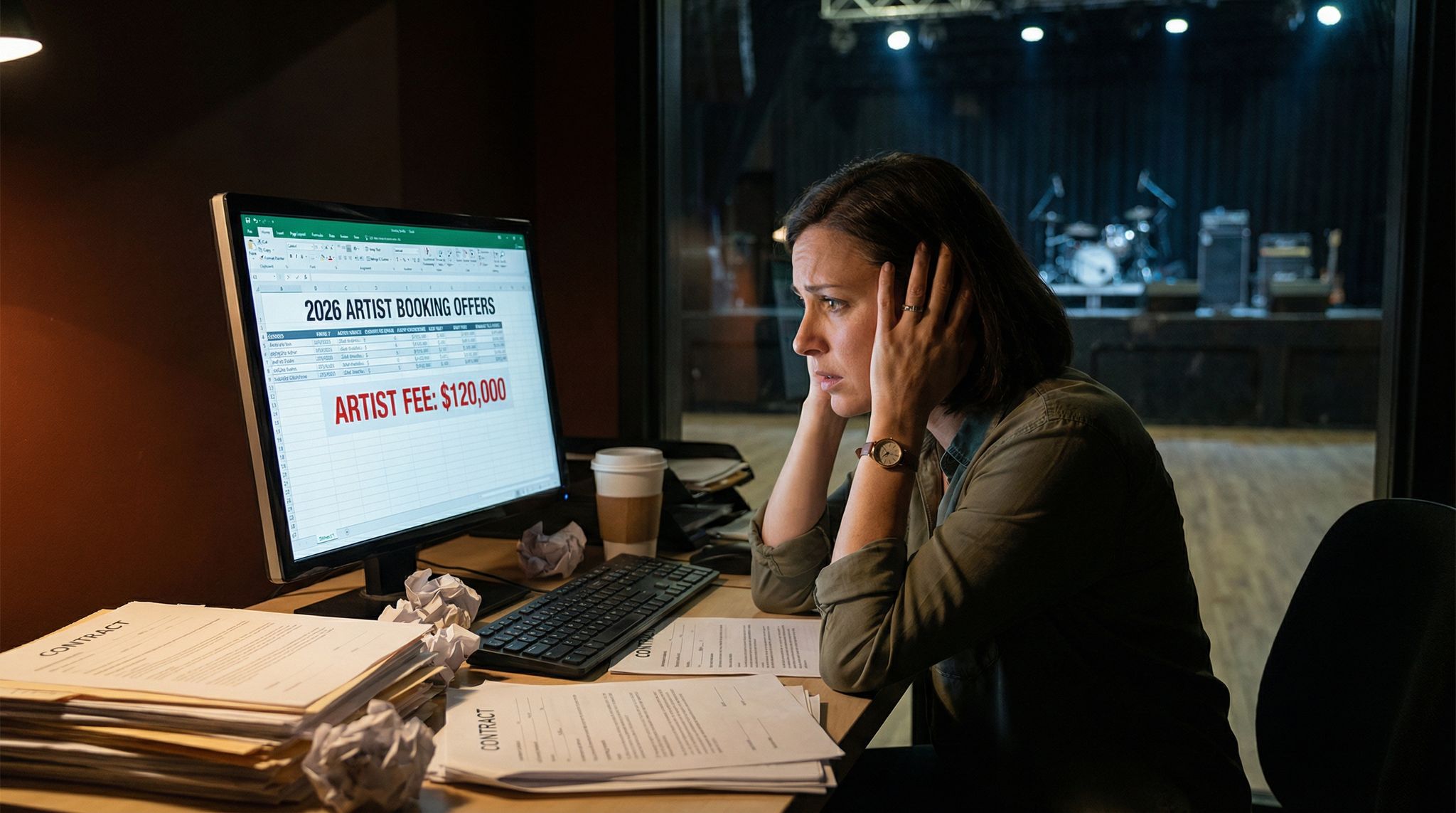
Live music is back in full force, but venue operators worldwide are experiencing sticker shock at the cost of booking talent in 2026. An artist that might have charged $50,000 for a show a few years ago could now demand $80,000 or more – and top headliners often command seven-figure fees for a single festival set, as French festivals face fragile economics. This surge in artist fees and touring expenses is squeezing venue finances and threatening the sustainability of live events. Yet fans still expect strong lineups, and venues can’t simply pass every cost increase on through higher ticket prices without risking empty seats. The result is a high-wire act for venue managers: how to maintain exciting programming and profits despite skyrocketing talent costs.
What’s driving the spike in artist costs? A perfect storm of factors. Touring expenses are inflated by fuel prices, hotels, visas, and equipment costs – all pricier in 2026 than ever. For example, in the US the fee for an international artist visa jumped from $460 to over $1,600 (a 250% increase), a hurdle that musicians from abroad find significant, adding thousands in extra cost for overseas acts. At the same time, there’s intense competition for artists’ limited touring dates. Dozens of festivals and venues vie for the same big names each season, creating bidding wars that push guarantees into the stratosphere, as French festivals face fragile economics. Venues also face tougher competition for these acts. Many artists, having lost touring income during the pandemic and facing meager revenue from streaming, are now “making up for lost time” by inflating live performance fees. They justify higher fees to cover their larger productions (Beyoncé’s 2023 tour reportedly traveled with 62 trucks of gear, illustrating the scale of modern tours where concert tickets are underpriced) and to offset declines in music sales. Live Nation’s CEO even suggested concert tickets have been underpriced given these huge production costs, implying price hikes are the new norm.
The financial squeeze on venues is very real. Veteran venue managers report that headline talent fees have jumped 30–40% since 2020, meaning navigating booking contracts and settlements is more vital than ever, dramatically raising the stakes on each show. If a mid-sized venue pays an artist $100,000 but only sells $80,000 in tickets, that’s a $20k loss before even counting staff, marketing, and overhead. When margins are slim, one bad hit is a disaster. Unfortunately, such scenarios are becoming more common. Industry data shows many venues are struggling to turn a profit: in the UK, 53% of grassroots music venues failed to make a profit in 2025, a situation where slim margins mean one bad hit can be fatal. Even with high attendance, the economics can fall apart – a French festival study found that two-thirds of festivals with high attendance still lost money in 2024 due to fragile economics and unsustainable futures. The culprit? Soaring artist fees and other rising costs. As one festival director put it, “a lineup costs 30–40% more than it did four years ago,” as noted in reports on festivals facing fragile economics. Fans are feeling the effects too: average ticket prices jumped ~10% in the last year, yet fewer tickets are selling per show in many markets, creating a challenging year-end landscape. High prices are causing some concertgoers to stay home, creating a dangerous cycle.
So how can venues adapt? The good news is that savvy venue operators aren’t helpless. By rethinking deal structures, getting creative with bookings, and squeezing more value from every show, you can keep your calendar full and finances healthy. Below, we’ll break down practical strategies – from flexible artist deals and emerging talent showcases to sponsorship partnerships and off-peak programming – that help venues survive and thrive despite the talent cost explosion. These approaches come from veteran venue operators who’ve weathered decades of industry ups and downs. The goal: ensure that in this new era of expensive talent, your venue can still deliver great entertainment without going broke.
Turn Fans Into Your Marketing Team
Ticket Fairy's built-in referral rewards system incentivizes attendees to share your event, delivering 15-25% sales boosts and 30x ROI vs paid ads.
The New Normal: Why Artist Fees Are Skyrocketing
To tackle the problem, venues first need to understand why artist fees have soared in 2026. Several industry shifts have converged to drive up the cost of talent:
- Post-Pandemic Demand & Competition: Live music roared back after lockdowns, and now every promoter and venue is vying for artists’ limited touring dates. This “talent war” means agents can pick the highest offer. As more festivals and venues proliferate, supply and demand drives booking fees through the roof. Even mid-level artists have multiple offers on the table, pushing guarantees higher.
- Inflation in Touring Costs: The cost of putting an artist on the road has jumped dramatically. Fuel, tour buses, hotels, airfare, freight shipping for gear – all are pricier in 2026. Artists pass these costs on. One example is in the US: visa fees for international performers more than tripled in 2024, creating potential career barriers for musicians, adding hefty expenses for any overseas act’s tour. Insurance premiums, crew wages, and health & safety measures are up as well, especially in countries with new regulations. When an artist’s expenses rise, their fee does too just so the tour remains financially viable.
- Bigger Productions & Staff: Today’s shows are often spectacles with elaborate staging, lighting, video, and large crews. Many top artists travel with stadium-sized productions even to arena or amphitheater dates. The result is massive upfront tour costs – which get baked into the artist’s asking price. If a pop star is touring with a 100-person entourage and dozens of trucks, they need a higher guarantee from each show to cover that overhead. This trend isn’t limited to superstars; even mid-tier acts are scaling up production values to meet fan expectations.
- Shift in Artist Revenue Streams: In the streaming era, artists make far less from recorded music sales. Live performances have become the chief income source for many. As a Pollstar industry report noted, artists feel pressure to charge more for tickets and guarantees to compensate for lost album revenues. In short, they’re leaning harder on live income. The result is higher fees and, often, higher ticket prices, which can sadly price out some fans.
- Geopolitical Factors: Depending on the region, factors like Brexit, currency fluctuations, and local regulations have added costs. (UK venues, for instance, have fewer EU touring artists post-Brexit due to red tape, which can drive up fees for those who do come.) In the U.S., strict immigration and work visa hurdles add cost and complexity. All these reduce the supply of available touring artists or raise their cost, further driving up booking prices.
These pressures have created a new normal of expensive talent. Top grossing tours are breaking revenue records, yet many smaller venues and festivals find themselves priced out of the market or forced to take big risks to land artists. It’s not your imagination – booking talent really has become far costlier practically overnight. As one French festival director observed, his artist budget tripled from €1.7 million to €5.5 million over 15 years, and much of that spike has come in just the last few years. “Artists go where the money is,” noted the head of Live Nation France bluntly regarding festivals facing unsustainable futures – so venues have to get clever if they aren’t backed by a giant bankroll.
The impact on venue finances is stark. Margins are thinner, and every show carries more risk. A veteran promoter quipped that if an act is taking nearly all the ticket revenue (“asking for the door”) and younger crowds aren’t spending at the bar like they used to, it’s “bad calculus” for clubs, according to Pollstar’s state of independents report. Data backs this up: small venues in 2025 sold fewer tickets on average than in 2019, even as average ticket prices climbed, as noted in year-end top tour reporting. Fans are becoming choosier – they might splurge on one big concert (like Taylor Swift’s tour) and skip other shows, meaning mid-range artists are feeling the pinch. Mid-tier artists have cut back touring because it is harder to turn a profit, meaning venues have fewer affordable options in the talent pool. It’s a challenging environment, no doubt.
In fact, the latest Pollstar boxoffice report underscores this disparity, revealing that while mega-tours break gross records, independent rooms are absorbing the brunt of these inflated costs. When a highly publicized singer tour flopped recently despite massive online hype and industry awards, it served as a stark reminder to talent buyers: inflated streams do not always translate to hard ticket sales, making high guarantees even riskier.
Digging deeper into the latest Pollstar boxoffice report, talent buyers are becoming increasingly cautious of acts with massive digital footprints but unproven hard ticket histories. The recent high-profile case where a major singer tour flopped in 2026—despite the artist winning numerous awards and boasting inflated streams—highlights the danger of over-leveraging guarantees based solely on Spotify or TikTok metrics. Venue operators must cross-reference streaming data with actual historical box office performance to avoid catastrophic losses.
However, knowing why costs are up also points to how we can adapt. For example, understanding that artists are trying to cover higher tour costs suggests venues can negotiate on those specifics (like helping with travel or production) instead of just ponying up more cash. Recognizing that competition is fierce suggests a need to differentiate your venue and avoid direct bidding wars when possible. In the next sections, we’ll explore actionable strategies to navigate this landscape. The key theme: be flexible, be creative, and focus on total value, not just sticker price. By rethinking how you book and run shows, you can still thrive in the age of soaring artist fees.
Data-Driven Event Marketing
Track ticket sales, demographics, marketing ROI, and social reach in real time. Exportable reports give you the insights to make smarter decisions.
Restructuring Deals: Flexible Contracts That Share Risk
When artist fees were lower, many venues got by with simple deal structures – often flat guarantees that paid the performer a set amount regardless of ticket sales. In 2026, that approach can be a recipe for disaster. With guarantees sky-high, venues need more flexible deal structures that share risk and reward. That means negotiating contracts where the artist’s payout can scale with the show’s success, and where the venue isn’t left holding the bag if turnout disappoints.
Know your deal options. Don’t get stuck thinking the only way to book an act is a huge flat fee. Veteran talent buyers deploy a range of deal types depending on the artist’s draw. Key structures include:
Ready to Sell Tickets?
Create professional event pages with built-in payment processing, marketing tools, and real-time analytics.
| Deal Type | Structure | Venue Risk | When to Use |
|---|---|---|---|
| Guaranteed Fee | Venue pays a fixed guarantee to artist, no matter what. | High | Major artists that will sell out (required by headliners). Risky unless you’re sure of big ticket sales. |
| Versus Deal | Artist gets a base guarantee or a percentage of ticket sales, whichever is higher. | Medium | Established acts with solid draw. Artist has a floor, but if the show does really well, they earn more. Venue risk is moderate. |
| Straight Door Split | No guarantee; artist and venue split ticket revenue (often after basic costs). | Low-Medium | Emerging artists or uncertain markets. Ensures the payout aligns with actual attendance. Venue isn’t on the hook if it’s a slow night. |
| Promoter / Rental | An outside promoter pays the artist and rents your venue for a set fee. Promoter assumes the ticket sales risk. | Very Low | High-risk or expensive shows you can’t underwrite alone. You get guaranteed income (rental fee), but potentially less upside if it’s a hit. |
Each of these has variants (for example, a “guarantee plus bonus” deal might offer a small bonus if sellout is achieved, or a door split might kick in only after a minimum ticket threshold). The goal is to structure the deal to protect your downside with smart strategies while still giving the artist attractive upside if the show succeeds. In a climate of high fees, many artists (and their agents) understand the need to share risk – especially for secondary markets or mid-week dates. Don’t be afraid to propose a deal structure that fits your venue’s risk tolerance. For instance, if an artist insists on a $50,000 guarantee but you project only $40,000 in ticket sales, try offering $30,000 guarantee vs 85% of gross, so if they pack the house they’ll actually make more than $50k, but if sales are soft you aren’t bankrupt. Negotiating these win-win structures is now an essential skill of venue management, helping strategies for attracting major artists.
Partner with promoters to co-pro shows. Another strategy on the rise in 2026 is co-promoting, where a third-party promoter or larger company partners with your venue on a show. In a co-pro, the promoter might contribute to the artist fee or guarantee a portion of it, in exchange for a cut of the profits (or sometimes they take over ticketing and marketing). This can offload some financial risk from the venue. For example, if there’s a hot tour your venue wants but the guarantee is steep, bringing in a regional promoter or sponsor to cover half the fee can make it feasible. Many venues report that external promoter partnerships are growing in 2026 – it’s no longer seen as a failure to partner up, but rather smart business. Just be sure to clearly define who covers what costs and how the revenue is split in settlement. Working with a promoter might slightly reduce your profit potential, but it protects you from large losses and can fill dates on the calendar that you’d otherwise have to pass up. It’s a similar idea to booking on a rental basis, except often the venue still has some stake/involvement, just not 100% of the exposure.
Bundle dates and build relationships. Agents and artists are often amenable to package deals that guarantee multiple bookings in one go. If you operate multiple venues (or team up with other venues – more on alliances shortly), you can pitch an artist a string of two or three dates instead of just one. For the artist, it means more gigs (and paydays) with efficient routing, and for you, it might mean negotiating a slightly lower fee per show in the bundle. For example, a band might accept a lower per-night fee if you book them for three nights on a regional mini-tour (e.g. a circuit of your club plus two others in neighboring cities) – it saves them travel logistics and guarantees income for several nights. Regional venue alliances are leveraging this by collectively approaching artists’ agents and offering a routed series of shows. Everyone wins: the artist maximizes a trip to the region, and the venues share the travel costs and avoid outbidding each other. If you’re independent, consider forming informal networks with venues in other markets to coordinate bookings rather than compete. As an added benefit, a good relationship with an artist built over multi-night runs could make them more likely to play your venue on the next tour, even if a bigger player comes knocking.
Finally, remember that trust and reputation are currency in booking. Agents talk, and if your venue is known for fair dealing – meaning you honor your offers, pay on time, and don’t aggressively lowball or renegotiate – you’ll have an easier time securing reasonable deals. In tight times, some agents will give the gig to the venue they trust to deliver a smooth experience over one offering a bit more money. Use that to your advantage. It costs you nothing to be reliable and straight-up. Combine that goodwill with creative deal-making, and you stand a much better chance of keeping your talent costs within bounds.
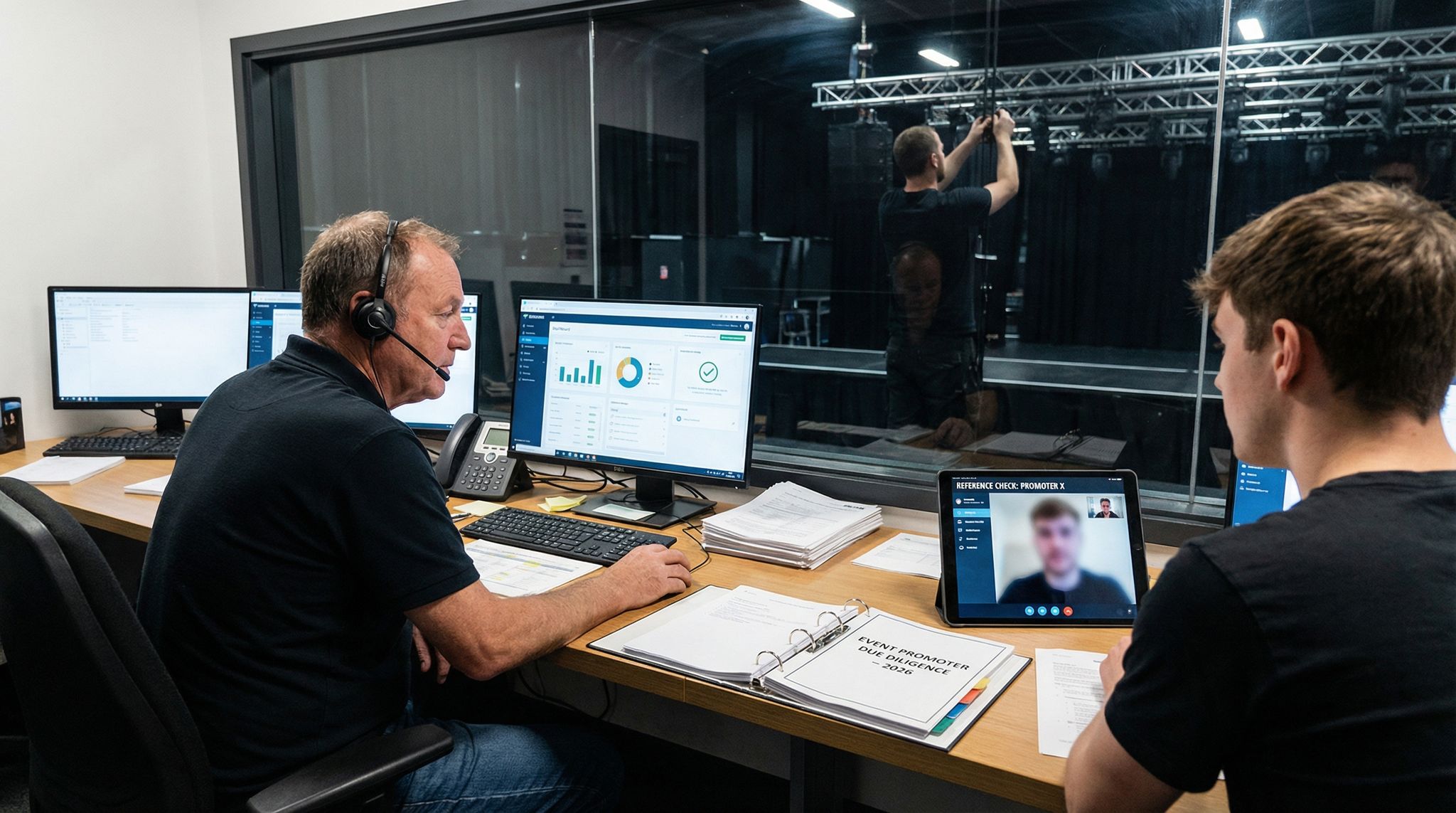
To manage these complex agreements efficiently, upgrading your tech stack is essential. Modern venue booking systems allow operators to track versus deals, door splits, and co-promotions in real-time, ensuring settlements are accurate and transparent. When booking bands for venues, having a centralized platform to share data with a venue booking agent builds trust and streamlines the negotiation process. Whether you are booking a venue for a one-off rental or routing a multi-city tour, relying on robust software reduces administrative overhead and prevents costly errors during settlement.
Beyond just ticketing and settlements, implementing comprehensive music venue management software is becoming a non-negotiable for independent operators in 2026. A robust digital platform centralizes everything from artist holds and contract generation to staff scheduling and bar inventory. By utilizing dedicated music event management software, promoters can identify hidden operational costs that eat into show profitability, ensuring that even nights with high talent fees remain financially viable.
Grow Your Events
Leverage referral marketing, social sharing incentives, and audience insights to sell more tickets.
Leaning on Emerging Talent and Local Heroes
One of the smartest responses to soaring headline fees is to shift more of your booking focus to emerging artists and local talent. The next generation of stars can fill your calendar with amazing shows at a fraction of the cost of today’s A-listers. While a top-tier artist might run six or seven figures, many fast-rising acts are still affordable – and often very eager to play quality venues to build their fanbase. By mixing established names with up-and-coming acts, you can control your budget while still delivering fresh, exciting lineups that keep audiences coming back.
Spot tomorrow’s headliners today. Experienced talent bookers know that today’s opening act could be next year’s big draw. In fact, building strong relationships with artists early in their career can pay huge dividends. If you give a young band or DJ one of their first big breaks and treat them well, they may stay loyal as they grow. (There are famous cases of acts who continue to play the venues that supported them, even after they could sell out bigger halls – sometimes doing underplays or special shows out of gratitude.) From a pure cost perspective, booking an act on their way up is the ultimate bargain – you might pay $1,000 now for an artist that will be commanding $50,000 in a year or two if their trajectory takes off. Of course, it’s hard to predict exactly who will blow up, but there are tools and data to help identify promising talent. Pay attention to streaming trends, viral social media hits, and support slots on major tours. If an artist is drawing buzz online or selling out small rooms, that’s your cue to book them now before their fee jumps. In 2026, even agents of buzzing newcomers know the market is tough for venues, so they are often open to negotiating reasonable guarantees or splits just to get their artists out there.
Nurture your local scene. Don’t underestimate the power of local talent to fill rooms and create memorable nights. Hometown artists or regional bands can often draw a loyal crowd, especially if you pair several together for a themed night. The costs tend to be lower (many local acts may play for a few hundred dollars or a door split, versus a touring act wanting thousands plus hospitality). Additionally, showcasing local talent endears your venue to the community – you become known as a hub for developing artists, not just a stop for big tours. In a climate where bringing in a mid-level touring band from abroad might be cost-prohibitive due to flights and visas, you can reallocate some of your programming to homegrown music that has lower overhead. Consider instituting a residency program or local talent series, where, say, one night a week is dedicated to local artists. These shows can keep your calendar full on off-nights and cultivate new talent that eventually might become headliners in their own right.
There’s also a marketing advantage: fans love to say they “saw them back when.” If your venue gains a reputation for breaking new acts, you’ll attract musically adventurous audiences and industry attention. Major promoters and agents pay attention to venues that consistently foster great emerging artists – it actually can lead to more opportunities down the line, such as getting a shot at a rising star’s tour because the agent trusts your venue to handle it. Industry veterans advise balancing your roster: don’t blow your whole budget on a few big names; invest a chunk in the next wave of talent. Not only does this help financially, but it keeps your programming fresh and avoids relying too heavily on pricey legacy acts that might not even draw younger fans.
Booking smarter lineups. Another tactic is to strategically use support acts and co-headliners to your advantage. For instance, instead of one extremely expensive headliner, you might book two moderate-cost acts together and market it as a co-headline special. The combined fanbases can equal a sellout, and the total fees might be markedly less than one superstar. Or pair a well-known artist with an up-and-comer; the headliner’s draw ensures tickets move, while the opener (who may be much cheaper) still adds value and excitement for the audience. Often you can negotiate a package deal for a whole lineup that’s better than treating each booking separately. Some venues are also experimenting with theme nights or tribute nights (where local musicians play the hits of a famous artist or genre) as a way to draw crowds without high artist fees. For example, an “80s Night” with a talented tribute band or a DJ might pull a big crowd at a much lower cost than booking an actual ‘80s star. Just be careful to maintain quality – the goal is to save money without delivering a subpar experience.
Finally, remember that emerging talent still expects professionalism. Just because an act isn’t expensive doesn’t mean you can cut corners on production or hospitality. Treat every artist like a headliner, and you’ll build a reputation as the venue artists want to play. This can become a competitive edge. Artists talk to each other, and if your venue becomes known for great treatment – fair pay, good sound, attentive staff, clean green rooms – you’ll attract plenty of talent even if you can’t offer the biggest check. As one small-market venue operator put it, “waive the merch fees and feed them well – make playing your venue feel special”. These relatively low-cost gestures can sometimes tip the scales in your favor when an artist is choosing between similar offers. In an era of high fees, excellence in hospitality is a currency of its own that can help you book great talent without purely bidding on price.
Strategic Scheduling and Creative Programming
If talent costs are highest on Fridays and Saturdays, one logical move is to shift more programming to off-peak times. Many venues are discovering that by getting creative with scheduling – from booking shows on weeknights to utilising seasons when competition is lower – they can present strong lineups at a more reasonable cost. Additionally, broadening the types of programming (not just live music) can open up new revenue without requiring superstar artist fees.
Off-peak and off-night bookings. Traditionally, weekends command premium prices: fans are off work, ready to party, and artists know it. But this also means an artist’s Saturday night fee might be significantly higher than their Monday night quote. In 2026 many agents are more willing to negotiate deals for weekday shows, especially if the artist already has weekend anchor dates in your region. For example, if a touring band has a big Saturday gig in a major city nearby, they might happily add your smaller city on the Thursday before for a lower guarantee – it’s extra money for them and an off-night filled for you. Savvy venues coordinate with tour routings to catch artists “in between” major stops. Yes, a Wednesday show might not sell out like a Saturday, but if your costs are also much lower, it can still be profitable. Plus, fans appreciate entertainment options on weeknights when there’s less going on. You may even find less competition from other venues on off-nights, which makes marketing the show easier. Of course, you must gauge your market – some towns have a strong weeknight turnout for the right act, others don’t – but it’s worth experimenting. If you can build a reputation for great weeknight shows, artists will come to see those dates as worthwhile.
Beyond weekdays, consider off-season opportunities. The summer and early fall are jam-packed with festivals and tours (in the northern hemisphere), driving fees up. But winter or early spring can be quieter, and artists often look to book indoor venue tours in these periods. If your venue is equipped for year-round operation, you might snag artists in traditionally slow months when they are willing to accept a bit less. Similarly, if there’s a huge city-wide event (like a major sports event or another festival) where competition for attention is fierce, maybe avoid that week and focus on dates right before or after it. Some venues even adjust show times or formats on off-nights – for instance, an earlier evening show on a Tuesday (so folks can get home by 10-11pm for work next day) – to encourage attendance. Mastering your show schedule is a key part of cost management; a well-timed show can help in standing out amidst rising venue competition.
Diversify your programming. Another way to adapt is by broadening the types of events you host. Live music will always be core for music venues, but who says your stage can’t host a hit podcast recording, a live comedian, or a popular YouTube creator’s live show? In fact, live podcasts and influencer tours have exploded in recent years, helping venues stand out in a crowded stage. These acts sometimes come with lower costs than a full band tour – or different cost structures. For example, a podcast might have revenue share deal or a flat fee that’s more manageable, and they typically have minimal production needs. Many venues in 2026 are finding success hosting live shows by social media stars, gamers (like live Twitch streams or eSports events), and other non-traditional acts, utilizing transparency and data analytics. The beauty is that those events often draw new audiences to your venue (diversifying your customer base) and can fill nights that might otherwise be dark. They also mix up your calendar so you’re not over-relying on expensive concert bookings every single night.
Think about it: if you can replace one or two high-cost band shows per month with alternative programming that still sells tickets, you give your budget some breathing room. For example, a popular true-crime podcast tour or a local theater production might attract 500 people on a weeknight, and the talent cost could be far less than a touring band of similar draw. These events also often attract sponsors or have their own built-in marketing machinery (podcasters and YouTubers are excellent at mobilizing their fan communities), which can reduce your promo spend. From live podcasts to themed dance parties to film screenings with Q&As, keep an open mind about your calendar. The goal is to maximize utilization of your venue with profitable events, and that sometimes means coloring outside the usual lines of “concert” programming, similar to mid-sized festivals surviving and thriving. Many legendary music venues have long supplemented their income with comedy nights, burlesque shows, private event rentals, and more – all of which can subsidize the more expensive concert nights.
Avoiding head-to-head battles. One scheduling consideration in a competitive market is to avoid directly clashing with similar shows. If there’s another venue in town bringing a big act on a certain date, you might schedule your similar genre show on a different night to avoid splitting the audience. This isn’t always possible, but communication via local venue networks can help. In some cities, independent venues have informal pacts to coordinate calendars so everyone can prosper. It ties back to forming alliances – instead of competing to outbid each other for the same Saturday, perhaps you each take a different night and even promote each other’s events in a friendly way. Collaboration over competition means that collaboration over competition can ease pressure on booking costs. After all, if venues play chicken over an artist and drive the fee up, the only guaranteed winner is the artist/agent. By avoiding booking conflict and carving a unique niche or schedule, you keep talent prices more rational. As the saying goes, sometimes the best offense is a good defense – don’t engage in bidding wars you can sidestep with smart calendar planning.
Partnerships and Sponsorships: New Ways to Offset Costs
When margins shrink, it’s time to get creative with outside support. Many venues in 2026 are turning to sponsorships, brand partnerships, and venue alliances as ways to bolster their finances and even help cover artist fees. There is money on the table beyond just ticket sales – you might find a sponsor to underwrite a show or join forces with fellow venues to gain collective strength. These partnerships can make the difference between a break-even night and a profitable one.
Bringing sponsors on board. Once upon a time, having a corporate sponsor for a concert might have raised eyebrows in the indie scene. Today, smart venues of all sizes are realizing that sponsorships can directly offset talent costs while enhancing the fan experience. How? One model is event or series sponsorship: a brand pays a fee to associate their name with your event, and that money can go straight toward the artist guarantee. For example, a local craft brewery or a national beverage company might sponsor your summer concert series – contributing $10,000 that helps pay those higher artist fees. In return, they get branding on your promotions and perhaps exclusive pouring rights at the bar. If done tastefully, fans won’t mind a bit of branding, especially if it helps keep ticket prices reasonable. We’ve seen venues partner with everything from energy drink companies to tech startups to cover a portion of artist fees or production costs. Some artists also appreciate sponsors covering amenities: e.g. a hotel partner comping the rooms or an airline partner providing discounted flights for the band. Those in-kind contributions reduce the expenses the artist (or venue) has to bear, effectively lowering the real cost of the booking.
The key is to align sponsors with your audience – a deal that adds value. For instance, if a music gear company sponsors a show, maybe they provide some free merch or experiences for the fans. Sponsors are especially keen to back events with high engagement, so use your fan data to show them the value (Ticket Fairy’s platform, for example, lets you capture rich attendee data and engagement stats that can help attract sponsor interest). Also, be mindful of exclusivity; you wouldn’t want to partner with a beer brand and then anger another existing advertiser. But done right, sponsorships can inject thousands of dollars into your event budget. Some venues have essentially neutralized the artist fee on certain shows through a combination of sponsorships and promotional partnerships – turning what would have been a loss into a win. If you’re unsure how to price or pitch sponsorship packages, check out guides on pricing and packaging event sponsorship deals for tips on making it a win-win. The bottom line: don’t be shy about seeking outside funding support in exchange for exposure. It’s an increasingly normal part of the live events business, and it can keep your programming ambitious even when costs are high.
Venue alliances and resource sharing. As mentioned earlier, banding together with other venues can yield real benefits. Formal and informal venue alliances are emerging in many regions. By sharing information, you can avoid stepping on each other’s toes for bookings, as discussed in scheduling. But alliances can go further – collective bargaining isn’t just for buying beer and sound equipment in bulk (though that’s useful too); it can potentially apply to talent. For example, a group of venues in different markets might collectively approach an agent and negotiate a block of dates with a volume discount or at least a more reasonable price, guaranteeing the artist a whole routed tour section. There’s strength in numbers: an agent is more likely to concede a slightly lower fee per show if you’re offering, say, five shows instead of one, because it saves them the work of piecing together those dates, helping festivals cope with soaring artist fees. This tactic has long been used quietly in certain genres (jazz and world music circuits often coordinate bookings across venues to share travel costs), but in 2026 it’s becoming a wider practice. Independent venues have even formed national associations (like NIVA in the U.S. and Music Venue Trust in the UK) which, beyond advocacy, enable group initiatives and shared marketing efforts. The United We Stand approach among venues is helping some survive – if you can’t beat the corporate giants on your own, team up with your fellow independents so you all can thrive.
Alliances can also help with knowledge and resource sharing. Facing an outrageous quote from an agent? In a trusted network, other venue operators might share what they paid that same artist last month – empowering you to negotiate better rather than blindly accepting a perhaps inflated price. Or venues might pool resources for things like tour production: say two venues share ownership of a high-quality lighting rig or sound system that they lease to each other, reducing rental costs when hosting acts with big production needs. We’re seeing creative collaborations like venue co-ops that jointly purchase expensive gear, bulk-order alcohol for better pricing, or even swap staff for big events (trading specialist crew). While these aren’t directly about artist fees, any cost saved elsewhere frees up budget to put towards talent or improves your margins. The big picture is that an isolated independent venue is at a disadvantage in this high-cost era; a venue community that has each other’s backs can level the playing field a bit. Standing out amidst rising venue competition and forming venue alliances for collective strength are key.
Public and non-profit support. One partnership angle not to overlook is working with local government or arts organizations. In some cities, councils and arts grants exist to support live music because venues are seen as cultural assets. A well-timed grant or subsidy might help cover the fee for a special high-profile show that otherwise wouldn’t pencil out. If your community values the arts, make the case that keeping talent flowing through your venue is in the public interest – sometimes you’ll find support in unexpected places. Even collaborating with local businesses (like a neighborhood restaurant association) to co-promote shows can lead to indirect financial benefits (they might sponsor an artist dinner or help with marketing costs). The core idea is to embrace the broader ecosystem – you’re not an island, and many stakeholders (businesses, tourism boards, civic leaders) have a vested interest in your venue bringing in great shows. Leverage those relationships when artist costs feel overwhelming; you might be surprised how much goodwill (and financial help) is available if you just ask.
Navigating the modern arts promoter market requires a collaborative mindset. As independent talent buyers and cultural organizers face unprecedented financial hurdles, many are looking beyond traditional commercial music. Promoters in the performing arts sector are increasingly co-producing multidisciplinary events—blending live music with visual arts, theater, or immersive installations—to access specialized grant funding and attract a wider demographic. By tapping into this broader cultural ecosystem, venue operators can secure alternative revenue streams that help subsidize the high costs of touring musicians.
Maximizing Revenue Per Show to Protect Profits
When costs go up, another side of the equation is bringing more revenue in. If you can increase the income from each event, you can withstand higher artist fees without sacrificing your bottom line. That means making sure you’re not leaving any dollars on the table when you have a full house – and finding ways to get fans to spend a bit more (happily, of course) during their visit. Here are some key areas to focus on:
Smart ticket pricing (without alienating fans). It’s tempting to hike ticket prices to cover higher fees – and in many cases, a moderate increase is appropriate. Fans understand inflation up to a point. However, be strategic: use tiered pricing and VIP experiences rather than across-the-board surges, so you still offer affordability for regular fans while capturing premium revenue from those willing to pay more. For instance, you might have a standard ticket price that’s only slightly higher than last year, but introduce a VIP meet-and-greet package at a hefty markup. The superfans who can pay extra will do so, subsidizing the base tickets. What many venues avoid (and wisely so) is the kind of dynamic “surge” pricing that has drawn backlash for some arenas – where an algorithm raises prices drastically as demand spikes. While it can maximize revenue in the short term, it can also anger your community. Instead, aim for transparent pricing and clear value. Some venues highlight that they use no hidden fees or surge pricing as a selling point to earn fan goodwill, aligning with your venue’s ethos and community. (The Ticket Fairy platform, for example, does not implement dynamic pricing – fans pay the listed price, which helps maintain trust.) In the long run, keeping fans’ trust is worth more than squeezing every last dollar on one show.
What you can do dynamically is adjust pricing over the sales cycle: start with an early-bird rate to encourage early commitments (locking in revenue sooner) and then have a standard or slightly higher last-minute price. This rewards fans who plan ahead and gives you better cash flow. Monitor your sales data and KPIs – metrics like revenue per attendee and advance sales ratio – to inform pricing strategy and stand out amidst rising venue competition. If you consistently sell out in minutes, you might indeed be underpricing and can nudge up a bit. If you’re struggling to fill at current prices, raising them will backfire; you might need to look at cost control instead or boosting the value proposition.
Upsells, upgrades, and fan experiences. One consistent finding across successful venues is that upselling can significantly boost per-event revenue. Think beyond the basic ticket. Could you offer a VIP balcony access add-on? A pre-show backstage tour for an extra fee? How about bundled merchandise or a drink package? Many fans are willing to spend more for a premium experience, especially as concerts have become “treat” events post-pandemic. By creating these optional upgrades, you increase total income without needing more people in the door or higher base prices. For example, a $50 ticket show might also offer a $100 VIP option that includes a dedicated viewing area and a poster; if even 10% of the audience takes that, you’ve greatly boosted revenue. Another tactic is sell merchandise or commemorative items tied to the show – either your own venue merch or collaborative items with the artist. If you have a merch deal, keep your percentage reasonable; some venues that try to gouge artists on merch cuts find those artists raising their booking fees to compensate, or simply refusing to bring merch (losing both of you money). Instead, perhaps offer to waive merch fees above a certain threshold, encouraging artists to sell more (and thus drawing more fans to the show who love merch). This can indirectly help your bottom line via happier artists and more attendees. Also ensure your point-of-sale systems are efficient so that during a packed show, you aren’t losing sales due to slow bar lines or merch table queues. Every minute counts when people are deciding whether to buy another beer before the encore!
Advanced venue marketing also requires understanding how specific genres and pricing tiers interact with your local demographic. For instance, operators often analyze which progressive house artists’ pricing best boosts fan loyalty and repeat attendance or purchases. By identifying the sweet spot where ticket costs align with fan expectations for a specific subgenre, venues can cultivate a dedicated community that returns month after month, reducing the pressure on constant, high-spend venue booking efforts.
Food and beverage optimization. Speaking of beer, your bar and concessions can be a lifesaver for profits when talent costs are high. The profit margin on drinks and snacks is often much higher than on tickets. In fact, for many venues, F&B revenue is the difference between a loss and a win on a night. So treat your bar program as seriously as your booking. That means pricing drinks appropriately, offering enticing specials (a themed cocktail for the night, or discounts during early show hours to get people in and spending), and controlling your costs. Inventory management is crucial – over-pouring, spillage, and spoilage can quietly drain thousands from your bottom line . Implement systems to track every keg and bottle; train bartenders on portion control; and consider technology like POS analytics to identify top sellers and dead stock. Some 2026 venues use smart inventory apps that alert managers when a certain beer isn’t moving so they can adjust before it goes to waste . Simple steps like these tighten up operations and directly improve profitability. Additionally, brainstorm ways to increase per-head spending: maybe offer drink+merch bundles, “buy a drink for the band” gimmicks, or post-show food options to keep folks around. The longer attendees stay (within reason), the more they spend – just be mindful of curfews and not overserving.
Merchandise and rentals. If your venue has the capacity, look beyond just show-by-show income. Hosting daytime events, corporate functions, or private parties on off days can bring in rental revenue that supports the music side. Some venues even rent out their sound systems or offer rehearsal space during downtime. While these aren’t direct solutions to artist fees, they improve your overall financial position so you can afford those big shows when they come. Similarly, if you have a strong brand, selling your own venue merchandise (shirts, hats, etc.) can be a nice side income – and double as marketing when people wear your logo. Treat merch like a part of the experience: venue-branded items or unique show posters can fly off the shelf if they’re well-designed. Every extra dollar from merch or rentals is a dollar you don’t need to cover via ticket sales or talent budget.
Finally, leverage technology and data wherever possible to boost revenue. Use a modern ticketing system that gives you insights into your customers’ buying patterns (Ticket Fairy, for instance, provides full customer data access, so you can see who your big spenders are or target promotions effectively). Implement referral marketing or ambassador programs to drive ticket sales – 15-25% ticket sales boosts through referrals have been reported with the right approach, turning your fans into marketers for you. High artist fees mean you need every seat filled, so using data analytics for better offerings can be invaluable in ensuring strong attendance. And post-event, don’t forget to follow up – survey attendees, build your mailing list, and remarket future events to them. Loyal repeat customers are the cheapest to acquire and tend to spend more per visit, so cultivating a fan community around your venue is a long-term revenue strategy. When someone feels a connection to your venue (and knows you consistently book great shows), they’re more likely to come out even for artists they haven’t heard of – which gives you flexibility to book those emerging acts and off-night events we discussed.
To truly capitalize on this community, operators must deploy targeted event venue marketing strategies. Effective venue marketing goes beyond simply posting a flyer on social media; it requires a comprehensive approach to digital marketing for venues, utilizing retargeting ads, segmented email campaigns, and localized SEO to ensure every show reaches its maximum potential audience. When marketing venues effectively, you reduce the reliance on the artist’s organic reach, giving you the leverage to negotiate better venue booking terms because agents know your room has a built-in, loyal crowd.
In short, make every show count financially. You might not control the rising cost of talent, but you can control how much each fan spends and how efficiently you run your operations. By optimizing revenue streams and fan experience, you cushion the blow of high artist fees. It’s about working smarter: if each attendee is worth 10% more in revenue than before (via a combination of slightly higher ticket, an extra drink, or a merch purchase), you’ve effectively increased your talent buying budget by 10% without raising costs – allowing you to afford that pricier act or at least retain your profit margin. This holistic approach, combining cost-saving strategies with revenue-maximizing tactics, is what separates venues that survive the current crunch from those that struggle.
Frequently Asked Questions
Why have concert artist fees increased so much recently?
Artist fees have surged due to inflated touring costs like fuel and hotels, alongside a 250% jump in international visa fees. Intense competition for limited dates and artists relying on live performance for income also drive prices up. Additionally, larger production requirements force artists to demand higher guarantees to break even.
What are the best deal structures for booking artists at venues?
Flexible arrangements like “versus deals” or “door splits” are effective strategies that share financial risk between the venue and artist. These structures scale payouts based on ticket sales rather than flat guarantees. Co-promoting with third parties or bundling dates for regional tours also helps manage high upfront costs.
How can music venues reduce booking costs for touring artists?
Venues can lower costs by booking emerging talent or local acts instead of expensive headliners and scheduling shows on off-peak weeknights when fees are lower. Joining venue alliances allows for collective bargaining to negotiate block bookings, while offering exceptional hospitality can sometimes persuade artists to accept lower fees.
Does booking artists on weeknights lower talent fees?
Scheduling performances on weeknights often significantly reduces artist fees compared to premium Friday and Saturday rates. Agents are frequently willing to negotiate lower guarantees for mid-week dates to fill gaps in a tour routing. This strategy allows venues to secure strong lineups while avoiding direct bidding wars for weekend slots.
How can venues secure sponsorships to cover artist fees?
Venues secure sponsorships by partnering with brands to underwrite specific shows or concert series in exchange for marketing exposure. Sponsors can provide direct funding to offset artist guarantees or offer in-kind support, such as covering hotel rooms and travel expenses. Aligning sponsors with audience demographics maximizes the value for both parties.
What are the benefits of booking emerging talent for venues?
Booking emerging talent allows venues to fill calendars with exciting programming at a fraction of the cost of established headliners. Supporting rising stars builds industry relationships and artist loyalty, potentially leading to future bookings as those acts grow. It also attracts musically adventurous audiences and diversifies the venue’s entertainment roster.
How can venues increase revenue per attendee at concerts?
Venues boost revenue per attendee by offering tiered VIP experiences, such as balcony access or meet-and-greets, rather than just raising base ticket prices. Optimizing food and beverage operations to reduce wait times and selling exclusive merchandise or drink bundles also drives higher per-head spending without alienating fans with surge pricing.
How do venue alliances help independent operators save money?
Venue alliances enable independent operators to practice collective bargaining, allowing them to negotiate block bookings with agents for reduced rates across multiple locations. These networks also facilitate resource sharing, such as pooling production equipment or staff, and help venues avoid scheduling conflicts that drive up talent prices through bidding wars.
How does genre-specific artist pricing impact venue loyalty and repeat attendance?
Analyzing specific niches—such as evaluating which progressive house artists’ pricing best boosts fan loyalty and repeat attendance or purchases—reveals that fans are highly sensitive to value. When an artist’s pricing best aligns with their image and positioning, attendees feel they are getting a fair deal, which directly translates to higher bar spend and a greater likelihood of returning to your venue for future events.
What features should operators look for in venue booking systems?
When evaluating software for booking venues, operators should prioritize platforms that handle flexible deal structures, real-time settlement tracking, and seamless communication with any venue booking agent. Advanced venue booking systems also integrate with ticketing and marketing data, allowing talent buyers to forecast ticket sales accurately before finalizing guarantees when booking bands for venues.
What can venue operators learn from the latest Pollstar boxoffice report regarding inflated streams?
The latest Pollstar boxoffice report emphasizes that digital metrics do not always translate to hard ticket sales. A notable example is when a highly anticipated singer tour flopped in 2026 despite the artist holding major awards and inflated streams. Venue operators and talent buyers are advised to base high-guarantee venue booking decisions on historical ticket data and proven market draw rather than relying exclusively on viral social media or streaming numbers.
How does music venue management software help operators handle rising artist fees?
Comprehensive music venue management software allows operators to track complex deal structures, monitor real-time ticket sales, and control operational costs like staffing and bar inventory. By centralizing these functions into a single platform, promoters can accurately forecast settlements and prevent administrative errors that cut into already thin profit margins.
How is the arts promoter market adapting to rising talent costs?
Professionals in the arts promoter market are adapting by diversifying their programming to include multidisciplinary events, which opens doors to specialized cultural grants and non-profit funding. Additionally, many arts organizers are forming regional co-ops to share production resources and negotiate better routing deals with agencies, effectively lowering the per-show financial risk.