Understanding the 2026 Live Events Landscape for Venues
Post-Pandemic Boom and Market Pressures
The live music industry in 2026 is booming, but that boom comes with intense pressures on venues. Fan demand has rebounded strongly post-pandemic, with global concert revenue hitting record highs, highlighting the importance of artist and talent agent collaboration best practices. Yet even with sold-out shows, many venues operate on razor-thin profit margins due to inflation and rising costs, necessitating smart booking and programming strategies for 2026. In the UK, for example, rent hikes averaging 37.5% are squeezing venue profits, forcing operators to adopt independent venue survival strategies. For venue operators, this means it’s more critical than ever to keep the calendar full without taking on unsustainable risk.
Amid this landscape, external promoters have become invaluable allies. These are the independent and corporate event organizers who bring shows to your venue. In 2024, the world’s leading promoters (like Live Nation and AEG) collectively sold tens of millions of tickets, according to worldwide live music statistics and data on leading live music promoters – a testament to their reach. By 2026, even mid-sized cities see fierce competition for talent, and venues that embrace promoter partnerships gain access to a wider pool of artists and events. In short, a smart venue–promoter alliance can mean the difference between a “dark” night and a packed house.
Why External Promoters Matter More Than Ever
A generation ago, many venues acted as sole promoters for their shows – taking all the risk and reward. Today, with skyrocketing artist fees and marketing expenses, sharing the load is often prudent. External promoters bring specialized expertise, upfront capital, and audience networks that most venues can’t match on their own. They often have relationships with booking agents and can secure coveted tours that might bypass an independently-booked venue, proving that collaboration is invaluable for concert venues. For example, a regional Latin music promoter might have the in-road to book a rising Latin artist that your venue’s team wouldn’t have reached.
Crucially, promoters help venues navigate high-risk bookings. If an artist’s guarantee is steep, a promoter partnership can offset that risk by sharing costs. As Pollstar noted, independent promoters often voice frustrations about high guarantees and tough venue deals while making sense of the year in touring – so they’re highly motivated to strike fair, creative arrangements that get shows on the calendar. By working together, venues and promoters can still bring in big acts without either party shouldering the full burden alone. In an era of $1+ billion mega-tours and intense competition, where industry veterans try to get a handle on the market, collaboration ensures that even smaller venues get a piece of the action.
Keep Tickets in Fans' Hands
Our secure resale marketplace lets attendees exchange tickets at face value, eliminating scalping while keeping you in control of the secondary market.
Shared Risk, Shared Reward: The Partnership Advantage
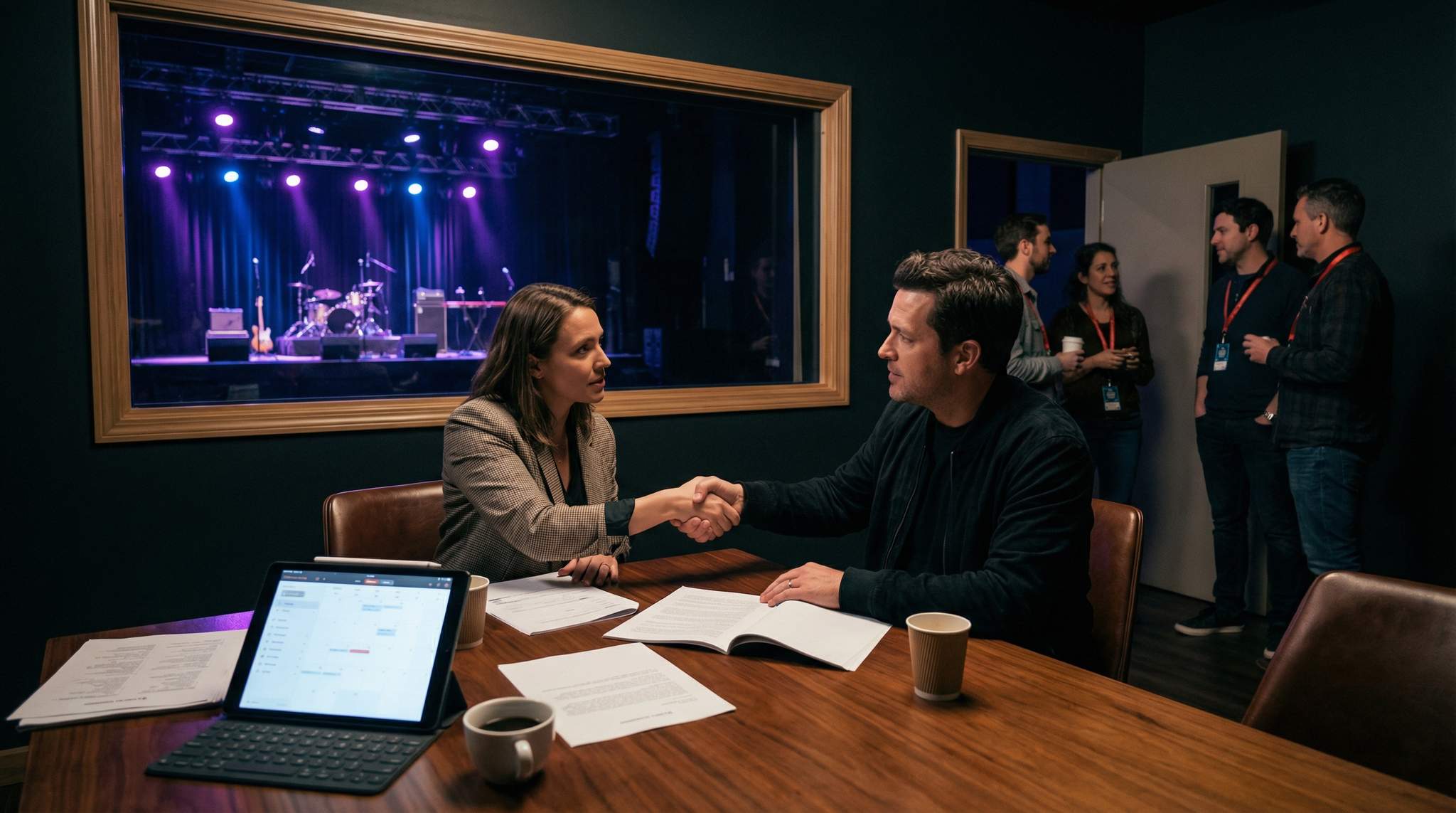
A great venue–promoter partnership is a classic win-win. The venue gets more event nights (meaning more ticket, bar, and merch income) while the promoter gets a quality space to host their show and earn their cut. Both sides share the risk – and the reward – of each event. This shared investment tends to drive better outcomes: the promoter pushes hard to sell tickets because their money is on the line, and the venue delivers top-notch service because their reputation (and often a revenue share) is at stake. Everyone has skin in the game.
There’s also a diversification benefit. By teaming up with multiple promoters, a venue can offer a more diverse programming mix than it might curate alone. One trusted promoter might specialize in EDM shows, another in indie rock, another in comedy. The result is a calendar that appeals to a broad audience spectrum, bringing new patrons through your doors. For instance, an operator of a 500-capacity club in Melbourne might collaborate with a drum-and-bass promoter on Thursdays and a local jazz collective on Sundays, filling niche nights that would otherwise go unused. These varied shows not only generate steady income but also future-proof the venue by cultivating multiple audience communities. If one genre’s scene slows down, others keep going.
Ready to Sell Tickets?
Create professional event pages with built-in payment processing, marketing tools, and real-time analytics.
Beyond Concerts: New Event Types and Audiences
In 2026, promoters aren’t just concert bookers – they’re also behind esports tournaments, craft beer festivals, live podcast tapings, and more. Non-traditional events are a huge opportunity for venues willing to adapt. For example, some forward-thinking venues are partnering with gaming promoters to host esports competitions, installing ultra-fast internet and streaming screens to draw new crowds, proving that collaborating on tour circuits and establishing venue circuits or mini-tours are viable strategies. By adapting their spaces for gaming tournaments with the right tech upgrades, venues have tapped into a booming market and filled mid-week slots that would otherwise be empty.
The key is to stay open-minded. A good venue–promoter partnership can bring in any event that fits your space – from wrestling shows to TED-style talks – unlocking revenue streams beyond the typical concert cycle. Each new event type often comes with a new audience demographic. An all-ages K-pop dance showcase on a Sunday afternoon, brought in by a community promoter, might introduce hundreds of teen fans (and their parents) to your venue for the first time. If their experience is great, they’ll be back for other events. In this way, promoter partnerships not only fill your calendar but actively broaden your venue’s fan base for the long term.
Deal Structures: Rental, Splits, and Co-Promotes
Flat Rental Deals (“Four-Walling”)
Not all venue–promoter deals are created equal. One of the most common (and straightforward) structures is the flat rental or “four-wall” deal. In this arrangement, the promoter essentially rents the venue for a set fee (and sometimes covers basic show costs like security or cleaning separately). The promoter then keeps 100% of the ticket revenue. In effect, the venue is providing the space and services for a guaranteed fee, while the promoter assumes all risk on ticket sales.
Pros: For venues, four-walling guarantees income regardless of whether the show sells out or flops. It’s low risk – you get your rent and typically any additional fixed charges (like equipment or staffing fees). Many venues use rentals to cover off-peak nights or private events. For example, a theater in New York might rent itself out for a corporate launch or a niche indie show for a flat $5,000 fee, essentially a guaranteed payday.
Data-Driven Event Marketing
Track ticket sales, demographics, marketing ROI, and social reach in real time. Exportable reports give you the insights to make smarter decisions.
Cons: The downside is you forfeit upside. If the promoter sells 100% of tickets and makes a huge profit, the venue doesn’t share in that success (aside from ancillary sales like bar revenue). Also, if a show is high-impact on the venue (big production, heavy wear-and-tear), a flat fee might not fully cover costs unless set appropriately. Promoters, on the other hand, take on high risk with rentals – if ticket sales are weak, they still owe the venue the full fee. It’s not unusual for an inexperienced promoter to lose money on a four-wall deal because they were overly optimistic about turnout.
Guaranteed vs. Revenue Split Deals
Between pure rentals and full co-promotions lies a middle ground of guarantee and split deals. In these arrangements, the promoter agrees to pay the venue (or the artist) a guaranteed minimum amount, plus a share of any ticket revenue beyond a certain threshold (often called the “break-even point”). Essentially, risk is shared: the venue gets some guaranteed income, and the promoter isn’t on the hook for unlimited rent if sales are tepid.
Grow Your Events
Leverage referral marketing, social sharing incentives, and audience insights to sell more tickets.
A classic example is a guarantee vs. percent deal. A promoter might guarantee a venue $2,000 or 20% of gross ticket sales, whichever is higher. If the show’s ticket sales are modest, the venue still keeps the $2,000 minimum. If the show is a hit, the 20% kickers in – so the venue benefits from the upside. This aligns both parties’ incentives better than a flat rental. The venue has reason to help promote the show (more sales means more revenue for them), and the promoter’s downside is cushioned a bit by not paying an exorbitant flat rent if sales disappoint.
Another common variant is an artist guarantee plus venue fee. Here, the promoter’s first priority is paying the artist’s guaranteed fee from ticket sales; after that, remaining revenue is split with the venue on a pre-agreed percentage (e.g. 80% promoter / 20% venue). This ensures the artist is paid, the promoter covers their costs, and the venue still earns something for providing the space. Many clubs and theaters use door split deals for smaller acts – for instance, an independent venue might do an 80/20 door split after covering basic costs like sound engineers. If only 50 tickets sell, the venue at least covers crew costs and the promoter might break even; if 500 tickets sell, both sides profit proportionally.
Below is a summary of common deal structures and how the risk/reward breaks down:
| Deal Structure | How It Works | Venue Risk & Reward | Promoter Risk & Reward |
|---|---|---|---|
| Flat Rental (Four-Wall) | Promoter pays a fixed rental fee to the venue, and keeps all ticket sales revenue. Venue provides space and basic services. | Low risk – venue earns guaranteed fee, but no extra upside from ticket sales. (If the show sells out, venue still only gets the flat fee.) | High risk – promoter covers all costs and needs strong ticket sales to profit. High potential reward if event sells out (since promoter keeps the bulk of revenue after costs). |
| Guarantee vs. Split | Promoter guarantees a minimum payment to venue or artist; beyond break-even, ticket revenue is split (e.g. 80%/20%). | Medium risk – venue gets a minimum to cover costs, plus upside if sales are strong. Some risk if guarantee is high and ticket sales are weak (promoter could lose money and be hesitant to return). | Medium risk – promoter pays a guarantee upfront, reducing venue’s risk. If sales are weak, promoter might just lose the guarantee amount; if strong, promoter shares a portion of profit with venue. |
| Co-Promotion (Joint Venture) | Venue and promoter agree to share both costs and profits, often 50/50 or another ratio. Both invest in the show. | Higher risk – venue waives rent or covers some costs, betting on the show’s success. But higher reward – venue gets half (or agreed share) of profits if the event does well. | Medium risk – promoter’s costs are lower since venue is investing, reducing potential loss. Profit is split, so promoter’s reward is lower than if they went solo, but risk is also mitigated by venue’s contribution. |
| Exclusive Promoter Partnership | Venue grants one promoter the rights to book some or all events (often via a long-term deal), typically in exchange for financial guarantees, a revenue share, or other commitments. | Varies – low risk if promoter guarantees a baseline number of events or revenue; but risk of lost opportunities if the exclusive promoter underperforms. Upside is steady content flow if partner delivers. | Varies – promoter gains secure access to venue (less competition, predictable schedule) but often must meet targets or minimum payments. Reward is a “home base” venue for their shows and a share of overall success; risk is financial if they can’t book enough quality shows. |
Co-Promotions: Sharing the Investment
In a true co-promotion, the line between promoter and venue blurs – both become partners in promoting the show. This is common for larger, high-stakes concerts or festivals. For instance, a city-owned arena might co-promote a major tour with a national promoter, each fronting 50% of the artist guarantee and marketing budget, and then splitting all revenues down the middle. If 10,000 tickets sell, both parties rejoice; if only 2,000 sell, both feel the pain equally.
Co-promotes require exceptional clarity in agreements (more on contracts soon) because so many details are shared: Who handles the advertising buy? How are production costs approved? What happens if there’s a loss – do both sides write a check, or was there a capped exposure? Experienced venue managers often insist on a detailed budget and a say in key decisions before entering a co-pro. The benefit, however, is significant: co-promotions can land a venue shows that would be impossible to secure otherwise. A medium-size venue in a secondary market might convince a big promoter to co-produce a tour stop there by offering to shoulder some risk – something that can put that venue on the tour map when it might have been skipped.
A successful example comes from regional mini-tours: a few independent venues might jointly pitch a small three-city tour to an artist’s agent, each venue co-promoting their respective night under one combined deal, effectively collaborating on tour circuits and working with nearby cities to pitch a tour. By aggregating into a co-promotion circuit, they attract talent that individually they couldn’t afford. All venues and the promoter share the broader tour’s costs and profits, turning what would have been three risky one-off shows into a collectively more viable venture.
Exclusive Promoter Partnerships: Pros and Cons
Some venues enter exclusive booking agreements with a single promoter (or a short list of promoters). For example, a 15,000-seat arena might strike a deal with a major promoter giving them first rights to book all concerts above a certain capacity. These deals can guarantee a steady pipeline of big events – the promoter will route their tours into the venue as a priority, keeping the calendar busy. In fact, many of the world’s busiest arenas (like The O2 in London or Madison Square Garden in New York) thrive on this model, leveraging promoters’ clout to secure top tours.
However, exclusivity is a double-edged sword for smaller venues. On one hand, it can mean a consistent flow of shows and sometimes financial support (like an upfront guarantee or sponsorship from the promoter). On the other hand, it can limit your flexibility and bargaining power. If the promoter’s roster goes cold or they simply don’t prioritize your venue, you might be left with empty dates that you aren’t allowed to fill via others. One cautionary tale: an independent theatre agreed to an exclusive with a big promoter who promised 50 shows a year; when only 30 materialized (and mostly lower-tier acts), the venue was prevented from working with other eager promoters and lost significant business. The lesson: if considering exclusivity, include performance benchmarks or opt-outs. Ensure the promoter has skin in the game to deliver the volume and quality of events promised – and that you can collaborate on marketing to make those shows successful.
Crafting Win-Win Venue–Promoter Agreements
Financial Terms: Revenue Splits and Guarantees
Every successful venue–promoter partnership starts with a fair, crystal-clear contract. At its heart are the financial terms. Both parties must agree on how revenue is split and who bears which costs. Key points to spell out include:
- Venue Rental or Guarantee: If there’s a fixed rental fee or guaranteed payment, specify the amount and timing. For example, a contract might state “Promoter shall pay Venue a non-refundable fee of $3,000 no later than 14 days before the event.” Clarity on deposits and payment schedules protects the venue’s basic costs and reserves the date for the promoter.
- Box Office Split: If you’re doing a percentage deal, detail the exact split and what it’s calculated on. Is it a percentage of gross ticket sales including taxes, or net after taxes? Are credit card fees, ticketing fees, or promoter costs deducted before the split? A common approach is “Venue receives 15% of gross ticket revenues (net of sales tax and credit card fees) against the $2,000 guarantee, whichever is greater.” Both sides should understand the math to avoid post-show settlement disputes.
- Break-Even and Overage Points: In more complex deals, define the break-even point (the level of sales at which each side recoups costs) and how profits beyond that are shared. For instance, “After recovery of documented show expenses and the artist guarantee, remaining profits shall be split 50/50 between promoter and venue.” This ensures transparency on what “expenses” can be deducted and when the split kicks in.
- Expense Caps or Limits: If the promoter is covering certain costs (say, up to $1,000 for marketing or a cap on venue staffing costs), note those caps. Conversely, if the venue is providing some services within the fee but will charge extra beyond a certain point (e.g., extra security if over 500 attendees), make that clear. Surprises on settlement night breed bitterness, so it’s best to hash out expense responsibilities in advance, as most venue promoter agreements often involve parties who may be unfamiliar with the terms.
A quick reference of typical revenue arrangements:
| Revenue / Cost Element | Typical Arrangement in Partnerships | Notes |
|---|---|---|
| Ticket Sales (Door) | Varies by deal: in rentals, 100% to promoter; in splits, venue takes 10–20% of gross or a % after costs; in co-pro, net profits shared (often 50/50). | Always clarify if percentage is of gross or net and if taxes/fees are deducted first. Many deals use a vs. format (e.g., venue gets 15% vs a $X guarantee). |
| Venue F&B/Concessions | 100% to venue (almost always). | Venues typically keep all bar and food revenue. A promoter usually doesn’t expect a cut of this, as they haven’t invested in those sales – though a high-profile promoter might negotiate drink vouchers or a catering buyout for their guests/crew. |
| Merchandise Sales | Venue often takes 0–25% of merch sales gross. | It’s common for venues to charge a merch fee (often 10-20%). Make sure the contract states the rate and whether it’s on gross or net sales. Some artists negotiate lower merch rates for club shows; the promoter should be aware of any promised deals to the artist to avoid conflicts on show day. |
| Production Costs | Typically paid by promoter (or recouped before any profit split). | Standard contracts list specific production elements provided by the venue for free (e.g. house PA, standard lighting) and specify that any additional needs (extra lighting, special staging) are at the promoter’s cost. In co-pro deals, production expenses might be shared or deducted from gross revenue first. |
| Marketing Costs | Promoter covers external advertising; venue contributes in-kind promotion. | Usually the promoter spends on paid ads, posters, digital marketing, etc., while the venue promotes via its own channels (website, email list, on-site signage) at no charge. If there’s a separate marketing budget to be split or reimbursed, detail it in the agreement. |
| Insurance & Permits | Promoter must provide event insurance naming venue as additional insured; permits (if any) to be obtained by promoter. | The contract should require the promoter to hold adequate liability insurance (and possibly cancellation insurance for major events). Typically, a $1–5 million general liability policy with the venue (and sometimes the artist) listed as additional insured is standard to ensure indemnities are reasonable and enforceable. For special events, consider requiring higher coverage. |
By laying out these financial and logistical terms explicitly, you set clear expectations. A well-crafted agreement protects both parties – the promoter knows their exact costs and potential earnings, and the venue knows it will be compensated for its services and any revenue share due. As one legal guide notes, a venue–promoter agreement details terms concerning the production and specifies terms of the agreement regarding sponsors. This may seem granular, but it prevents misunderstandings that can sour a relationship.
Setting Marketing and Ticketing Expectations
Who handles the Facebook ads? Which ticketing platform will be used? These questions can make or break a partnership if not addressed up front. Marketing responsibilities should be clearly assigned: typically, the promoter leads the advertising campaign (since they usually have the bigger financial stake in ticket sales), and the venue provides support by amplifying to its established audience. The contract might state, for example, “Promoter shall be responsible for all paid advertising and promotion of the event. Venue will list the event on its official website, social media, and email newsletter, and display posters on site.” This way, both sides know their duties. It’s wise to also agree on mutual approval of key marketing materials – you don’t want a promoter using your venue’s name or logo incorrectly, and they don’t want you sending out messaging they haven’t vetted. Collaboration is key: a short weekly check-in between the promoter’s marketing team and the venue’s marketing manager can align efforts and avoid duplication.
Ticketing is another critical area. Some venues mandate use of their in-house ticketing system (especially if they have a contract with a provider or use a platform like Ticket Fairy for unified analytics). Other times, a touring promoter might insist on using their own ticketing link. The agreement should spell out which system will be used and how revenue from ticket sales flows to each party. If the venue is running the box office, outline any service fees and who keeps them. If the promoter is handling ticketing externally, ensure the venue still gets access to sales reports and attendee data (at least emails or zip codes) – this data is gold for the venue’s marketing future shows, as success hinges on how well these teams collaborate. Also, discuss anti-fraud measures and ticket transfer policies. In 2026, tech-savvy venues are fighting ticket fraud with secure, dynamic ticketing systems to protect fans, noting that this is not just the promoter or venue’s job. If a promoter uses an outdated system that can’t prevent scalping or fake tickets, that’s a risk to the venue’s reputation. Ideally, both sides agree to use a reliable, secure ticketing platform that provides a smooth experience for fans and real-time sales data for promoters and venues alike.
Lastly, clarify how comps and guest lists are handled. The contract can set an allotment (e.g., “Promoter may issue up to 20 guest passes at no charge; venue must approve any additional comps beyond this amount”). This prevents friction on show night when the promoter shows up with a 50-person VIP list that cuts into ticket revenue. It’s not uncommon for agreements to include a line that industry or promoter guest lists above a certain number require mutual consent, helping to align with the venue’s capacity and ensuring teams immediately align with the venue’s policies.
Insurance, Liability and Compliance
Even a packed, well-promoted show can turn into a nightmare if something goes wrong and nobody knows who is liable. That’s why insurance and liability clauses in the venue–promoter agreement are non-negotiable. The promoter should carry event liability insurance – typically a $1 million or $2 million policy for small venues, and higher for large events – naming the venue as an “additional insured.” This protects the venue if an attendee sues over an injury, for example. The agreement should state the required coverage limits and require a certificate of insurance to be provided ahead of the event. In addition, indemnification clauses are standard: each party agrees to hold the other harmless for certain claims arising from their own actions. A mutual indemnity (each side covers their own faults) is common and fair, ensuring indemnities are reasonable and enforceable. Blanket indemnities (one side covers everything) are both rare and often unenforceable, as legal experts note regarding reasonable and enforceable indemnities and the necessity of a broad force majeure clause) – so mutual responsibility is the goal.
Don’t forget to include force majeure terms. If a pandemic resurgence or natural disaster forces a cancellation, the contract should outline who eats which costs or how rescheduling is handled. By 2026, venues have learned the hard way from COVID-19 that force majeure clauses must be specific, as artists and promoters would expect. For example, you might stipulate that if an event is canceled due to government restrictions or artist illness, both parties will attempt to reschedule and the promoter’s deposit will roll over, but if not rescheduled within 6 months, the deposit is returned minus any non-recoverable venue expenses. It’s also wise to clarify the procedure for canceling a show due to poor ticket sales, if that’s ever an option – and who has final say. Cancelation and refund scenarios should be discussed calmly at the contract stage, rather than in the heat of a crisis.
Beyond legalese, consider compliance with local regulations as part of your agreement or rider. If your venue is in a jurisdiction with strict union labor rules, liquor license requirements, curfews, or noise ordinances, make sure the promoter is made aware and agrees to abide. For instance, a clause might note, “Promoter must comply with all venue policies and municipal regulations, including a 11:00 PM noise curfew and use of venue’s union stagehands if required.” Surprising a touring promoter with unexpected union overtime costs or a hard curfew is a recipe for conflict on show day, threatening tight margins and venue survival if you aren’t negotiating win-win deals. Clear expectations in writing ensure everyone plans accordingly (e.g., the promoter won’t schedule a band to start at 10:30 PM if there’s a strict 11 PM curfew with fines attached). By addressing these compliance issues up front, you protect your venue’s operating permits and avoid passing along penalties to an unsuspecting promoter.
Merchandising and Ancillary Revenue
Merchandise sales – those T-shirts, posters, and vinyl at the merch table – can be a contentious point if not addressed beforehand. Many venues take a percentage of merch sales (commonly 10–25%), which helps cover staffing the merch tables or simply leverages the venue’s access to fans. Promoters should be apprised of this in advance, because it will affect the artist’s income. Ideally, the promoter informs the artist/agent of the merch rate during booking negotiations so it’s not a surprise on show night. Include the agreed merch rate in the contract, and state whether the venue is providing a seller (for a fee or free) or if the artist must self-sell. If your venue doesn’t take a merch cut (a selling point for some indie venues), that can be highlighted too. The main goal is transparency – if an artist later protests the merch fee, the promoter can point to the contract that they signed off on it. Some savvy promoters negotiate a lower merch rate for especially merch-heavy acts (like metal or pop acts that can move a lot of product) by perhaps offering a slightly higher rent – all these trade-offs should be settled in the agreement phase.
Another ancillary consideration is food and beverage. While venues typically keep all F&B revenue, occasionally a promoter might want to bring in a specialty food vendor or sponsor that conflicts with the venue’s operations (e.g., a craft beer sponsor when the venue has its own bar). The contract or a separate rider can outline what’s allowed. For instance, “No outside food and beverage sales permitted without venue’s written consent. Venue retains all revenue from concessions.” This makes it clear the promoter can’t start selling their own drinks or partnering with a caterer on-site unless you’ve made a special arrangement (which would usually involve a fee or revenue share).
Finally, consider adding a settlement timeline in the contract: e.g., “Venue will settle the show with promoter at the end of the event night. Any overages or split profits will be paid out within 2 business days via bank transfer.” This ensures both parties know when the final accounting happens. For longer-term partnerships or series of events, you might do a running settlement (like a monthly reconciliation if a promoter did several small shows at your venue in one month). Setting these expectations early prevents cash flow misunderstandings – venues want to be paid promptly, and promoters need to know when they’ll see their returns.
In summary, a well-structured agreement is the playbook for a win-win deal. It should leave no big surprises for either side. As a veteran venue operator would advise: spend the extra hour drafting a clear contract now to save countless hours of headache later. When both venue and promoter feel the terms are fair, they can focus on the show itself – and packing your venue – rather than arguing over fine print.
Defining Roles and Responsibilities: Who Does What
Booking, Scheduling, and Talent Relations
A venue–promoter partnership works best when both sides understand their roles in the booking and talent coordination process. Booking the talent is typically the promoter’s job – they reach out to agents or artists, negotiate fees, and secure the act. However, the venue isn’t passive here: you control the calendar and must approve holds and confirms. An effective practice is to maintain a calendar of holds with clear status (1st hold, 2nd hold, etc.) and have promoters request dates through a single contact (usually your booking manager). Being well-organized and transparent with date avails builds trust. If a promoter has a 1st hold on a Saturday, and someone else wants it, you notify the first promoter to firm up or release. Fair dealing in date holds earns you a reputation as a venue that promoters enjoy working with, rather than one that double-books or plays favorites unfairly.
The venue should also communicate any content or branding guidelines at booking time. If your theater doesn’t allow certain types of events (say, no hardcore punk shows due to past damage, or no political rallies), let promoters know up front. It saves everyone time and aligns bookings with your venue’s identity. Also, discuss production capabilities early: if a promoter is considering a DJ show with massive LED walls but your venue ceiling is too low, better to address that before contracts are signed.
Once a show is confirmed, the promoter usually advances the show with the artist (or the artist’s agent/manager). But don’t disappear during this stage – great venue operators stay in the loop. Often a three-way call or email thread is set up between the promoter, venue production manager, and the artist’s tour manager to go over tech specs, schedules, and needs. This ensures that all promises the promoter made to the artist (from load-in times to soundcheck to hospitality) are feasible and agreed by the venue. It’s much easier to sort out a conflict (like an artist wanting a 3pm soundcheck when the venue can only open at 5pm due to city noise ordinances) weeks in advance rather than on the day-of.
Building a good relationship with booking agents and artist teams matters too. Even though the promoter is the primary liaison to the artist, a venue operator who treats artists well and runs smooth shows will earn a positive reputation in the talent community. Agents talk to each other, and they remember which venues are well-run. This indirectly benefits promoters – if agents love your venue, they’ll encourage more tour stops there, which promoters will happily book. In essence, by excelling at your venue’s role in talent relations (smooth advancing, flexible scheduling when possible, and artist hospitality), you make the promoter’s job easier and make them look good to the talent – and that is a foundation for long-term partnerships.
Marketing and Promotion Collaboration
Promoters are often marketing powerhouses – they may have email lists of local ticket buyers, ad budgets, and media contacts to promote their events. But venue marketing can significantly amplify those efforts. The best partnerships establish a coordinated marketing game plan from the start.
Typically, a promoter will create the marketing assets (poster, social media graphics, promo video) and handle paid advertising. The venue’s role is to push the event through all its owned channels: website event listings, venue-branded social media, email newsletters, in-venue flyers for upcoming shows, and so on. As a venue operator, you should treat promoter shows with the same enthusiasm as your own. Feature them on your homepage, include them in “What’s Coming Up” posts, and highlight any unique angles (“just announced”, “only club show on this tour”, “local support added” etc.). Coordinate on announcements – often promoters prefer a simultaneous on-sale and press release drop. Make sure your team is looped in to post at the right times. As one article on venue marketing notes, turning your venue into a destination requires consistent branding and promotion for every show, helping to pack your venue every night by drawing on decades of global experience.
Also, discuss promotional responsibilities beyond advertising. Who is handling press outreach – local radio, blogs, listings? Many promoters have PR teams that will do this, but smaller promoters might rely on the venue’s connections for local press. If you have a marketing manager with great media contacts, you might offer to help get the show listed in city event guides or arrange a radio interview, while the promoter runs point on digital ads. Some partnerships even involve cross-promotion deals: e.g., the venue might include the promoter’s other upcoming shows in its newsletter, and the promoter adds the venue’s marquee events to their own marketing – a rising tide lifts all boats scenario.
Crucially, ensure brand consistency. If the promoter calls the event “Metal Mayhem at The Palace” and your marketing says “Heavy Metal Night at Palace Theatre”, that confuses audiences. Align on the event name, artwork, and key messaging. A quick approval process can be set up: the promoter sends you the flyer and copy; you confirm it meets any venue guidelines (like not mentioning unconfirmed support acts or including the correct ticketing URL, etc.).
Ticket promotions and discounts should also be coordinated. If the promoter plans to do a 2-for-1 sale or release a promo code for an influencer campaign, you need to know so the box office can accept those tickets and your team can help spread the word in sync. Surprises like a sudden Groupon deal that the venue didn’t know about can lead to embarrassment (“I saw a half-price offer, why didn’t the venue post about it?”) and operational hiccups (improperly scanned codes at entry). So plan these tactics together; perhaps schedule mid-campaign boosts to reignite ticket sales if a slump hits – leveraging both the promoter’s and venue’s audiences.
Finally, leverage data sharing for marketing when possible. If the venue has demographic data on its past attendees, it can help the promoter target ads (e.g., you know that similar past shows drew heavily from a certain neighborhood or university). Conversely, the promoter might share early ticket sales insights (“80% of buyers so far are under 25”) which can inform your marketing tone or choice of promotional channels. In 2026, personalizing outreach is key – treating fans like VIPs with tailored messages leads to better conversion, because behind every sold-out show is a team effort. So the more both parties collaborate, sharing data and insights, the more effectively you can fill the house together.
Production and Technical Logistics
When it comes to technical production, clear division of labor and good communication between venue and promoter are vital. Generally, the venue provides the core production infrastructure: the stage, in-house sound and lighting systems, and the technical staff to operate them (engineers, stagehands). The promoter handles any additional production elements needed for the specific show: perhaps renting extra subwoofers, bringing in a video wall, or hiring an outside monitor engineer the band insists on. However, these lines can blur depending on the deal – so it’s crucial to outline who’s responsible for what in advance (often in a technical rider or an attachment to the contract).
Start with a thorough advance. Once a show is confirmed, the promoter should send over the artist’s rider and tech requirements. As the venue, review this carefully. Identify what you can provide in-house and what needs to be outsourced or adjusted. Maybe the rider asks for 10 moving head lights but you only have 6 – will the promoter rent the additional units, or is the artist flexible? Communicate that through the promoter to the artist’s team. Many 2026 artist riders are quite detailed (even for mid-level acts), but often negotiable if you immediately align with the venue’s policies. An experienced promoter will work with you and the artist to balance production needs and budget. Perhaps you’ll suggest a cost-saving alternative that still achieves the artist’s vision – like using your LED panels in a different configuration instead of renting an entirely new set, proving that collaboration is invaluable for concert venues. The goal is to fulfill the show’s technical needs on budget and on time.
Labor and crew management also needs coordination. In many venues, especially unionized ones, the venue is in charge of calling the crew: stagehands, loaders, riggers, etc. The promoter needs to know the labor costs that will be charged. Provide an estimate during advancing and get approval if those costs are being billed back. Surprises here can be nasty – imagine a promoter expecting a $2,000 labor bill and getting $5,000 because extra union riggers were required for the artist’s complex lighting rig. Avoid that by communicating early and often. If on show day the artist or promoter requests additional support (a second monitor engineer, for example), make it clear that it will incur extra cost before you deploy the person. Transparency keeps trust intact.
On the day-of-show, it’s wise to have a quick production meeting when the promoter rep, venue production manager, and tour manager are all present. Go over the timeline (load-in, soundcheck, doors, set times, curfew) one last time. Confirm who is handling any special effects or safety aspects (pyro, smoke machines, etc.) and that permits or fire marshals are in place if needed. Ensure that the promoter and artist understand any venue constraints – for instance, if your venue has a strict curfew with fines, remind everyone at the meeting so the show isn’t running over. Many veteran venue operators also walk through emergency procedures with the promoter: show them fire exits, explain your evacuation plan and who your crowd managers are, so that if something goes awry, both teams coordinate smoothly, which is critical for maintaining profitability during economic downturns and understanding deal structures like guarantee vs split.
Technical success is usually about anticipation. The venue knows its house system and potential problem areas best (like that one power circuit that shouldn’t be overloaded, or the narrow loading dock that won’t fit a semi-truck without a lift gate). Share these insights freely – don’t assume an external promoter knows your venue’s quirks. If a potential issue is foreseen (e.g., the artist is bringing a huge tour bus and your street has restrictions), work with the promoter on solutions (maybe arranging off-site parking or load-in scheduling). This kind of proactive problem-solving builds your reputation as a competent, promoter-friendly venue. In fact, promoters talk to each other, and they’ll spread the word about venues that either run like clockwork or are a production nightmare. By handling the production logistics collaboratively and professionally, you’ll firmly place your venue in the former category.
Artist Hospitality and Backstage Management
One of the venue’s most visible roles to artists (and thus to promoters) is how you handle hospitality and backstage arrangements. This covers everything from dressing rooms and green room comfort to catering and the infamous artist rider requests. Typically, the promoter is financially responsible for meeting the artist’s rider – especially in larger deals, the cost of hospitality (food, drinks, towels, etc.) is on the promoter’s tab. But the venue often is the one physically providing those items and services, since it’s your house and staff.
Set clear agreements on how hospitality will be handled. Some venues offer hospitality packages – e.g., for a set buyout or fee, the venue will take care of all catering and dressing room setup per the rider. In other cases, the promoter might choose to handle certain items themselves (maybe they’ll send someone to get the exact bottles of kombucha the artist wants, if the venue doesn’t stock it). The key is no gaps: the artist shouldn’t arrive to find nobody took care of hospitality because each side thought the other was doing it. A smart approach is to go through the rider line by line during the advance: mark which items the venue can supply in-house (often at lower cost, like water, soda, basic snacks from your bar stock) and which need to be procured. The promoter can then decide if they want the venue to procure those (and bill them) or if they’ll handle it. Many venues don’t charge a markup on hospitality items – they simply pass through the cost to the promoter – but some may add admin fees. Be upfront about how you’ll bill this. A promoter will appreciate an itemized settlement for hospitality rather than a vague “Hospitality Fee $500” with no detail.
Green room comfort is more than just items; it’s the condition of the backstage area. A venue that keeps its dressing rooms clean, provides clean towels, functioning Wi-Fi, and a comfortable environment will win favor with tours. This reflects well on the promoter who chose your venue. Conversely, if a band complains to their promoter that “that venue had a gross green room and no AC,” the promoter might think twice about booking there again. As an experienced operator, treat every promoter’s client (the artist) as a VIP, even if they’re a small local opener. Little touches – a welcome sign, a few complimentary beverages, a secure place for valuables – go a long way. Hospitality is often where venues can shine and make the promoter look like a hero for choosing such a great venue.
However, hospitality can also be a budget buster if not controlled. We’ve all heard of wild rider demands. By 2026, many artists have toned down excesses, but you still need strategies to fulfill demands on a budget, as collaboration is invaluable for concert venues. Work with the promoter on cost-effective solutions: for instance, instead of an expensive catered hot meal for 10, maybe the promoter agrees to a popular local restaurant buyout that the band loves (satisfying them for half the cost). Or if an artist requests specific high-end liquor, the promoter might provide those bottles directly, while the venue covers basic well liquor needs for the crew. Communication is key – don’t surprise the promoter with huge hospitality charges because you “went ahead” and provided a gourmet spread unless that was agreed. Conversely, promoters should never skimp so much that artists are unhappy, because that backlash often hits the venue staff first. A reliable approach is decoding artist riders and finding budget-friendly ways to meet them – such as buying local, in-season items and negotiating bulk supplier deals – and then sharing those practices with your promoter partners so they understand you’re being cost-conscious and artist-friendly.
In summary, the venue’s role backstage is to be the gracious host and efficient provider. The promoter’s role is to foot the bill (within reason) and keep the artist happy by any means necessary. When both sides collaborate, artists will walk away raving not just about the show but about how well they were treated. And a happy artist means a happy promoter who will eagerly bring more acts to your door.
Security, Safety, and Compliance Coordination
Safety and security at events are ultimately the venue’s responsibility – it’s your premises, your licenses, and your duty of care to patrons. However, promoters often have input or additional needs for security, especially if the event has unique risks (say a high-profile artist with security detail, or a genre with moshing crowds). The partnership should approach safety as a unified front: one team with one plan.
Venue security staff typically handle entry screening, crowd monitoring, and overall patron safety. As the venue operator, ensure you brief your security team about the specific event’s profile. Is it all-ages, requiring ID checks for 18+ sections? Is it a metal show where crowd-surfing might happen – if so, have a plan for spotters at the front. The promoter should provide any insight they have from the artist or tour about expected crowd behavior or past incidents. For instance, if the tour had a problem with stage rushes at another city, you’d want to know that to perhaps beef up stage-side security.
Discuss with the promoter how they want security concerns handled and who their point person is. Some larger promoters will send their own security manager to interface with your team. Others might leave it entirely to the venue. Regardless, do a walk-through together. Show them your emergency exits, first aid stations, and introduce them to your head of security. This reassures the promoter that safety is being taken seriously and avoids any perception that you’re skimping on security at their event. On the flip side, sometimes promoters request overly aggressive measures that could ruin the fan experience – like excessive pat-downs or no re-entry rules that aren’t your norm. Have an honest discussion about the approach: you want fans to feel safe and welcome. As one 2026 venue security guide notes, it’s about ensuring safety without killing the vibe, looking beyond ticket sales for revenue growth. If a promoter insists on a rule that you feel is heavy-handed (e.g., blanket no-bag policy at a small show when you usually allow small bags), try to find a compromise (maybe a simple bag check or size limit) that meets security goals without alienating fans.
Compliance extends to things like fire code capacity and legal regulations. Promoters should never oversell a show beyond your legal capacity – but ultimately the venue controls ticket inventory, so make sure you’re aligned on the cap. If a promoter pressures for 50 more tickets and you’re at fire code limit, stand firm. It helps to educate promoters unfamiliar with your market about any quirks: e.g., “City law requires all attendees to show proof of age for 18+ shows” or “Our liquor license mandates we stop alcohol service at 11:45 PM.” These need to be in your rental or partnership agreement and also reiterated in pre-event communications. It’s much easier to get compliance when everyone’s on the same page from the start, rather than springing rules on a promoter on show day.
One area to address is emergency procedures and chain of command. If there’s an incident (medical emergency, fire alarm, etc.), the venue’s security and management will take charge of the response. But the promoter and the artist’s team should know their roles – usually to follow venue direction. You can incorporate a clause in your contract rider like, “In the event of an emergency, promoter and artist agree to comply with venue staff instructions for the safety of patrons.” On show day, you might even brief the tour manager: e.g., “If we have to evacuate due to a fire alarm, here’s what will happen…” This level of preparedness shows professionalism. Many modern venues are upgrading emergency protocols for modern risks, ensuring profitability and safety, from active threats to extreme weather. Sharing these plans with your promoter partners not only keeps everyone safer but also builds confidence that the venue is a well-run ship.
Finally, consider crowd management strategies that promoters might have input on. For example, if the promoter expects a big walk-up sale, ensure you have enough box office staff and maybe a separate will-call line – the promoter will thank you when lines move fast. Or if the promoter is doing a meet-and-greet after the show, coordinate security for that specifically. Every added element (afterparties, VIP experiences, etc.) should be integrated into the security plan. By proactively coordinating with promoters on all these fronts, you demonstrate that their events are in safe hands at your venue. A promoter will be far more likely to rebook with a venue that had zero security issues and a well-coordinated team, versus one where an incident occurred or they felt left in the dark about safety.
Building Long-Term Promoter Relationships
Communication & Transparency as Foundations
The best promoter partnerships are built on a bedrock of open, honest communication. From first inquiry to final settlement, transparency is key. This means being upfront about what your venue can and cannot do, and expecting the same from promoters. If a promoter asks for a prime Saturday but you know a tentative hold by another player is likely to confirm, don’t string them along – tell them the situation or offer alternate dates. Likewise, encourage promoters to be candid about their expectations: if they’re worried about slow ticket sales, it’s better they tell you early so you can assist with extra marketing or adjust the deal if needed, rather than staying silent and panicking later.
Set the tone by establishing a single point of contact for each side for communications. Many venues have a dedicated booking manager or promoter relations manager – someone who handles inquiries, contracts, and can liaison internally with other departments. Promoters love having a “go-to” person at a venue who knows the history of their shows there, their preferences, and even personal touches (like that they prefer phone calls over emails, or need a quick settlement to catch a late flight). Being responsive is part of good communication: answer emails and calls promptly. If a question requires checking with your team, acknowledge you got the message and give a realistic timeline for answering. In the fast-paced events world, promoters often juggle dozens of details across multiple venues – a venue that goes radio-silent is a liability to them. On the flip side, experienced venue managers know to chase down promoters if something’s outstanding (like a missing insurance certificate or an unsigned contract) well ahead of the event, rather than letting it slide.
Transparency also extends to finances. Provide clear settlements and receipts for any expenses. If you had to spend $200 on gaffer tape and extension cords for the show, show that in the settlement rather than hiding it in “production misc.” This builds trust – the promoter sees that you’re not nickel-and-diming or sneaking in costs. If a show loses money for a promoter, a transparent and kind approach can salvage the relationship. Maybe the event had a poor turnout; instead of a cold transaction, express that you appreciate their effort and you’re willing to work with them on future date holds or maybe slightly better terms next time to help them recoup. Promoters remember these courtesies. Effective communication isn’t just procedural – it’s personal. Congratulate them on a sold-out night, empathize when a show underperforms, and always keep it professional. When challenges arise (like an artist running late, or unexpected equipment failure), loop the promoter in immediately. It’s far better they hear “we’re working on a fix” from you than discover an issue themselves.
Consistency & Reliability: Becoming a Go-To Venue
Promoters will return again and again to venues that deliver consistently great experiences – both to them and to the artists. Reliability encompasses many facets: holding up your end of the bargain, starting shows on time, having gear that works, and staff who know what they’re doing. Essentially, you want to cultivate a reputation as a “no-drama” venue where shows go smoothly.
One way to ensure consistency is by developing standard operating procedures and checklists for your team for promoter shows. For example, have a load-in checklist, a pre-show soundcheck checklist, a security briefing checklist, etc. This reduces the chance of forgetting something critical on the day of an event (like failing to stock the backstage fridge or not having the merch table ready). Promoters notice these small details. A venue that’s always ready to go when the truck arrives at load-in, whose crew is expecting them and already briefed on the show, stands out. As a veteran of venues, you know that being ready early is a virtue – it gives everyone confidence.
Another aspect is staff professionalism. Train your front-of-house staff, security, and production crew to treat external promoter events with the same care as any in-house show. Sometimes venues unconsciously give priority treatment to shows they promote themselves. Avoid that trap – every night is showtime for your venue’s reputation. If anything, roll out the red carpet even more for outside promoters to make them feel welcomed. A courteous security team, an approachable venue manager, and a skilled sound engineer can turn a first-time promoter’s experience into a rave review. Promoters talk amongst each other and to agents; being known as a venue that’s “really on it” will funnel more business your way via word of mouth.
Reliability also means honoring agreements consistently. If you promise a certain production capability or a promotion effort in the contract, follow through every time. Should an error occur (maybe your spotlight operator called in sick last minute), own up and apologize – even consider a small concession if appropriate, like a discount on that line item. It’s the consistency in delivering what’s promised (and making amends when you fall short) that builds a track record of trust. Over years, a promoter should be able to say, “We’ve done 10 shows at this venue and they’ve never let us down.” That is gold.
Be mindful of crew harmony as well, especially in union environments. If a promoter regularly works in non-union venues and comes to yours which is unionized, help them navigate that smoothly, fostering stakeholder engagement in event planning. For instance, budget time for mandated breaks so the show schedule doesn’t slip. If you handle these intricacies reliably, promoters won’t feel any added stress from those factors.
Finally, reliability extends to post-show follow-up. If settlement sheets are always accurate, payments always on time, and any post-event questions (like “hey I think we’re missing a cable, did your crew find it?”) get answered, you’ll cement your status as a go-to venue. Promoters are essentially your repeat customers; treating them with consistency and reliability ensures they keep “buying” dates on your calendar.
Fairness and Flexibility in Dealings
Live events are unpredictable – shows explode in popularity or underperform, artists cancel last-minute, storms knock out power. In these situations, a venue’s fairness and flexibility in working with a promoter can forge a long-term bond (or, if handled poorly, burn a bridge). Strive to be a partner, not just a landlord. That means sometimes bending when feasible to achieve a win-win outcome.
One scenario: a promoter takes a chance on a new artist at your venue and ticket sales are very soft. Rather than strictly enforcing every fee, you might waive a small charge (like reducing the rental or waiving the merch cut that night) to help them minimize their loss. This gesture of goodwill won’t be forgotten – it shows you’re not just out to squeeze every dollar, but to build a relationship. Of course, you can’t do this every time or you’ll hurt your own business, but for special cases and good partners, it’s worth it. As an industry saying goes, “sometimes you lose a battle to win the war.” Helping a promoter survive a tough show means they’ll be around to bring you a hit show later.
On the flip side, when a show does exceedingly well, fairness matters too. If an event greatly exceeds expectations, ensure settlement is precise and prompt. Don’t drag your feet on paying out the promoter’s split of the bonus revenue. Celebrate the win with them! Maybe that means your bar did record numbers – great, you benefited; tell the promoter their packed show helped drive that and you’re thankful. Some venues even offer a bonus in kind – e.g., a couple of free concert tickets to another big show at the venue or some venue swag as a thank-you for a successful partnership event. These aren’t required, but small tokens of appreciation reinforce the partnership vibe.
Flexibility also comes into play with scheduling and holds. If a promoter has been loyal and they suddenly have an opportunity to book a major artist on a date that’s currently held by another (less critical) event, you might go the extra mile to juggle things in the loyal promoter’s favor (while being fair to the other hold). For example, you might reach out to the secondary hold and see if they can swap to another night. You’re not breaking promises, but you are actively trying to accommodate a partner. Promoters notice when you advocate for them.
Another area for flexibility is show logistics. Perhaps a promoter requests a slightly earlier load-in or later load-out than usual due to artist travel. If you can accommodate without breaking venue rules or staff contracts, try to say yes. A rigid “policy says no” approach can sour relations, whereas a “let’s see how we can make this work” mindset is appreciated. Obviously, never compromise safety or legality, but many asks are within reason if one makes an effort.
Importantly, maintain professional boundaries even as you’re friendly. Being fair doesn’t mean being a pushover. If a promoter consistently takes advantage of flexibility (like always paying late or frequently changing plans last minute), it’s fair to address that constructively. Long-term relationships require respect both ways – so set expectations that you’ll be fair and flexible, and you expect timely communication and honesty from them in return. Most seasoned promoters will mirror that respect.
Shared Success and Recognition
When a venue and promoter collaborate closely, their successes are intertwined. Recognizing and celebrating that can strengthen the bond. If a particular series of shows or a club night the promoter brought in is doing well, acknowledge it publicly if appropriate – a shoutout on social media like “Thanks to XYZ Promotions for helping us sell out five nights of Latin music – new record for our venue!” highlights the partnership. It shows you’re not claiming all the credit, and it gives the promoter a boost in the public eye (which they’ll certainly appreciate). This kind of mutual uplift builds a sense of allyship rather than pure business.
Consider creating a preferred partner program for promoters who consistently do great business at your venue. It doesn’t have to be formal, but maybe you offer them first pick of popular dates for the next quarter, or occasional discounts on rent for a special event, or extra marketing support. Essentially, reward the promoters who help fill your calendar in a substantial way. Some venues even do an appreciation event – e.g., host a casual end-of-year gathering for all the promoters you’ve worked with, as a thank you and brainstorming session (with free drinks and food, of course!). It’s a chance to deepen relationships in a no-pressure setting, and you might collectively plan even better events for the next year.
Another tactic: share data and feedback after shows. Promoters always want to know how they did and how they can improve. Provide them with any interesting insights, like door demographics (“hey, 30% of the crowd were first-time visitors to our venue, which is higher than usual – a lot of new faces thanks to your event”). Or share bar data if relevant (“the crowd for your show set a high mark for Thursday night bar sales – clearly they were engaged and having fun”). By treating promoters almost like internal team members in reviewing successes, you galvanize the partnership. They see that you’re analyzing the event and caring about outcomes beyond just the rental fee. This can lead to ideas like adjusting set times to boost pre-show bar visits, or planning future promotions better.
Don’t shy from constructive feedback either, delivered diplomatically. If something was challenging – say the promoter’s staff left a mess or their check-in process was chaotic – bring it up in a solutions-oriented way. “We noticed a bottleneck at doors; maybe next time we can jointly add another scanner from our side to speed up entry.” This shows you want to solve issues together, not blame. Promoters will reciprocate with their own feedback: maybe your coat check was understaffed or the sound wasn’t perfect in a certain spot. Embrace that input; it’s coming from a partner who also wants to see improvements so that future shows are even better.
Lastly, loyalty begets loyalty. If a rival venue tries to poach a promoter’s event from you by offering a cutthroat deal, a promoter who feels truly valued by you is likely to stick with your venue or at least give you a chance to match. In the competitive venue market, the relationships you cultivate can often trump a slightly lower fee elsewhere. As one independent promoter alliance noted, collaboration and trust can transform a local scene’s fortunes, where resources are shared and calendars are coordinated to ensure it’s not a zero-sum game. Venue–promoter partnerships grounded in mutual success and recognition tend to weather the ups and downs of the business – and come out stronger (and more profitable) on the other side.
Expanding Your Promoter Network
Finding the Right Promoters for Your Venue
To keep your venue’s calendar full, you’ll want a roster of promoters who bring different events to your space. Finding these partners means actively searching both within your local scene and beyond. Start local: identify independent promoters or event organizers in your city who are putting on shows at comparable venues. If you run a 400-cap club, who’s doing similar-sized shows in your genre? Perhaps there’s a local punk promoter hosting gigs in DIY spaces – they might love the opportunity to use a proper venue for bigger shows if the deal is right. Or maybe a university events committee that occasionally needs an off-campus venue for concerts. Networking in the community – attending others’ shows, joining local music industry meetups – will surface these names.
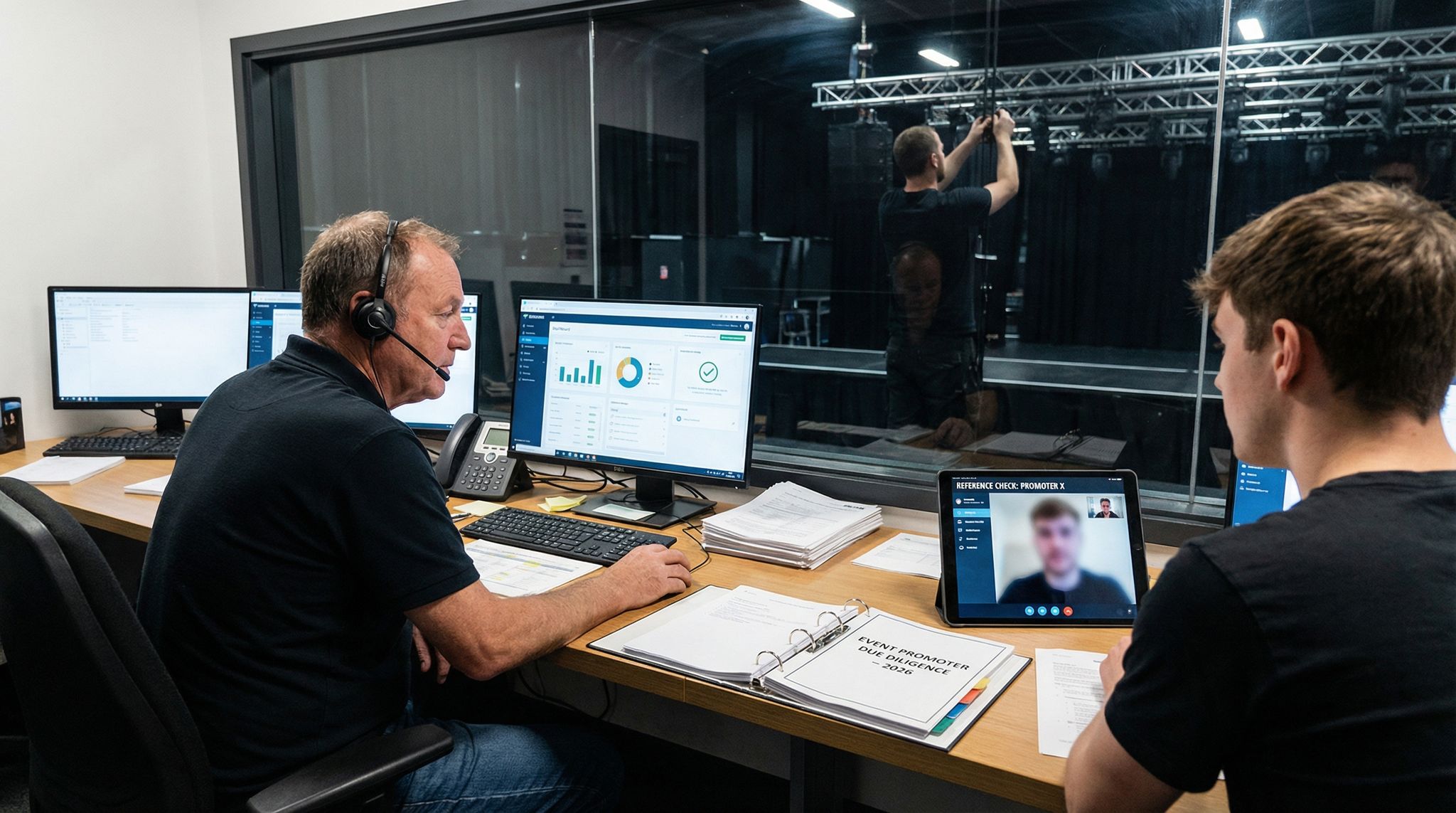
Don’t overlook genre specialists and niche event organizers. Maybe your venue hasn’t hosted electronic nights before, but there’s a small promoter running underground techno parties that are outgrowing their warehouse – a partnership could open a whole new revenue stream for both of you. The same goes for comedy nights, burlesque shows, drag performances, or cultural events. If your calendar has open weeknights, those can be perfect for niche events that promoters have ready-to-go if they find the right space. Screen them for professionalism and fit – ask around about their reputation (production quality, whether they pay artists on time, etc.). A meeting over coffee to discuss potential collaboration can tell you a lot about whether they’ll be a reliable partner.
Industry conferences and associations are also fertile ground for finding promoters. Attend booking conferences, showcases, or trade events when possible. For instance, the International Live Music Conference (ILMC) in Europe or the IEBA conference in the US are hubs where venue managers and promoters mingle, allowing you to meet a regional promoter for Latin music. Introduce yourself, explain your venue’s vibe and capacity, and express openness to working together. Trade business cards or connect on LinkedIn. Even if these promoters are from other regions, they might have tours passing through your area or know colleagues locally. There are also promoter networks like the Association of Independent Promoters (AIP) or regional Facebook groups where promoters share information. Make it known in those circles that your venue is open for business and what you offer.
Sometimes the best new promoter partners come from non-traditional backgrounds. For example, a record store owner who occasionally books album release shows could become a regular promotor for indie showcases at your venue. Or a cultural nonprofit that produces an annual festival might be interested in doing monthly events if they find a supportive venue partner. Keep an eye on community boards, local press, and even student groups – anywhere events are being produced, there’s a potential promoter relationship to cultivate. The more you cast a wide net (while still vetting for quality), the more diverse and steady your event lineup can become.
Pitching Your Venue’s Value Proposition
When approaching potential promoters, you need to sell your venue as the place to be. Promoters have choices; they’ll work with the venue that best fits their needs and helps make their event successful (and profitable). So, what’s your pitch? Emphasize features and support that matter to promoters:
- Audience Reach: Mention the size and engagement of your venue’s own marketing channels. For example, “We have a 20,000-subscriber email list of local live music fans and 50K social followers – every show here gets a push to that built-in audience.” This assures promoters you’ll help them sell tickets by amplifying their efforts, helping to pack your venue every night.
- Venue Reputation & Amenities: Highlight if your venue is iconic or has a built-in draw. Perhaps your venue has a great sound system, recent renovations, or awards (like “voted best live music venue in the city”). Promoters want to know artists will be happy and fans will love the experience, which makes their job easier. Quote any relevant praise: e.g., “Artists rave about our acoustics and hospitality – we pride ourselves on great sound and comfortable green rooms.” If your venue has state-of-the-art safety and entry technology, mention that too, since smooth operations reflect well on events and aid in venue sponsorship strategies.
- Professional Support: Ensure promoters that you’re not just renting four walls. Explain the support you provide: “Our in-house production team will work with you on all technical aspects – we include a top-notch FOH engineer and monitor engineer in the deal, as well as a dedicated event manager on the night to ensure everything runs smoothly.” This level of service can be a deciding factor for promoters choosing between venues. Essentially, you’re saying, “If you bring your show here, we will partner with you to make it a hit.”
- Flexibility & Customization: If you have flexibility in deal structures, let them know. For instance: “We’re open to creative deal structures, whether flat rental or door splits. We can tailor the arrangement to the size of the act and expected draw.” A promoter is more likely to propose shows if they know you’ll be reasonable and not one-size-fits-all. Also, point out any configurability of the space (“We can scale the room down with drapes to make a 500-cap show feel intimate, or open up the balcony for full 800 capacity”) which means promoters can grow with you.
- Success Stories: Share a case study or two of other promoters who succeeded at your venue. For example, “Local promoter XYZ moved their monthly dance night to our venue last year – since then, their attendance has doubled, and it’s become one of our most popular recurring events.” Concrete examples demonstrate your venue is a fertile ground for great events. If you have data like high average bar sales (which can matter if a promoter does bar deals or just wants the vibe of a spending crowd) or fast sell-out times for similar shows, mention it.
It can be effective to prepare a simple venue info kit for promoters: a PDF or webpage with specs (capacity, stage dimensions, sound/light gear list), high-quality photos (an empty setup and a packed crowd shot), and testimonials from past event organizers or artists. Include logistic info too – like location, parking/loading details – to show you understand promoter needs. Essentially, ease any concerns preemptively. If a promoter sees you’ve thought of everything, they’ll have confidence booking with you.
Finally, when negotiating initial deals with a new promoter, consider offering a sweetener for the first try. That could be a modest discount on rent, or extra marketing love, or waiver of some small fees. It signals that you’re investing in the relationship and willing to share short-term value for long-term partnership. Make sure they know it’s a special first-time incentive (“We’re keen to showcase what we can do for your events, so we’ll cover the cost of the Facebook ad push for this first show, on us”). If that first show is a success and the promoter sees your venue delivered above and beyond, it will be the start of many more.
Incentives and Starter Deals to Attract Events
In some cases, you may find yourself proactively wooing a promoter or a specific event to choose your venue. Just as promoters entice venues with great content, venues can entice promoters with attractive terms. Incentives are especially useful if you’re competing with other venues for the same event or if you’re trying to cultivate a relationship with a desirable promoter who hasn’t worked with you before.
One approach is a tiered deal for the first few events. For example, you might say to a promoter, “For your first show with us, we’ll do a flat low rental of $X (or a generous door split in your favor) to help you get started here. If it goes well and attendance hits Y, we can do a slightly adjusted deal next time that’s still very fair.” This way the promoter feels they have limited downside on the trial run. You essentially share more of the risk initially. Yes, you might make a little less on that first show, but if it opens the door to many future bookings, it’s worthwhile. Ensure, however, that incentives are framed as an initial courtesy or based on certain performance metrics – you don’t want to permanently undervalue your venue, just strategically invest in relationships.
Another incentive can be marketing boosts. If you have a healthy marketing budget, you might offer to put in extra ad spend for a promoter’s event (beyond what you’d normally do) to help ensure it succeeds. Or perhaps throw in some freebies like a professional show photographer or a post-event cleaning crew at no charge (something a promoter would normally budget for). These perks can set you apart. For instance, a festival promoter might choose your site over another if you offer to handle some permit coordination with the city for them, saving them time and hassle.
Think about value-add services your venue can provide. Do you have an in-house graphic designer who can adapt the event poster to a custom LED marquee or digital signage? Offer that. Do you run an exclusive membership or loyalty program for fans? If so, you could promote the event to those members early or give them a special offer – boosting the promoter’s sales. Any unique tool in your toolbox can be an incentive if presented as part of the deal.
For promoters who book tours, routing incentives can help. Let’s say a promoter typically brings mid-level indie rock tours through the region. You might offer a deal where if they book 3 shows in a quarter at your venue, you’ll drop certain costs on the third show, or give a rebate. This encourages them to route as much as possible through your venue. It’s similar to a bulk discount concept, rewarding volume and loyalty.
In all incentives, be sure to underscore the win-win nature. You’re not just cutting price because you’re desperate for shows; you’re investing in a partnership that will benefit both parties. A transparent conversation can be: “We believe in the potential of your events at our venue. To show we’re serious about building something together, we’re willing to meet you halfway on costs for the first one. Our goal is long-term – we want you to succeed and keep coming back.” This kind of approach resonates with genuine promoters who also think long-term.
Balancing Big and Small Players
Your promoter network will ideally be a healthy mix of major promoters (who bring big names) and smaller independent promoters (who often bring subculture events or up-and-coming acts). Balancing these relationships is important for calendar and financial stability. Larger promoters (including the likes of Live Nation, AEG, and well-established regional companies) can fill your schedule with blockbuster events, but they may also demand more and be less flexible. Smaller indie promoters might have fewer guarantees but can fill the gaps and foster community goodwill.
Firstly, avoid putting all your eggs in one basket. If you rely solely on one major promoter and they focus elsewhere or open their own venue, you could be left high and dry. So even if you have a primary content provider, keep cultivating others. For example, you might have an exclusive arena tour deal with a big promoter for certain nights, but still work with a couple of niche promoters for one-off shows in between. Many venues make a large chunk of revenue from a handful of big events, supplemented by many modest events – so nurture both ends of that spectrum.
Be conscious of potential conflicts. If you’re working closely with a major promoter, there might be pressure (explicit or implicit) not to do business with their rivals. Ideally, stay neutral ground – a venue open to all who bring good shows. In practice, maintain professionalism: never share one promoter’s confidential info (like ticket sales data or offered deals) with another. The promoter world can be competitive; your job is to be a fair host to all. If you juggle it well, you might even find yourself as a bit of a bridge in the community, respected by both big and small players for your integrity.
For smaller promoters, understand that cash flow can be tighter. Requiring huge deposits might scare them off, whereas a more lenient deposit schedule (or tying it to milestones, like 25% deposit, then another 25% after a certain number of tickets sold) could make it feasible for them to produce a show. You can mitigate your risk by tracking ticket sales closely and staying communicative. Also, sometimes offering your in-house resources (ticketing, production advice, marketing templates) to newer promoters helps them succeed – and if they succeed, you get more shows. It’s an investment of effort rather than money.
Conversely, with big promoters, don’t be afraid to hold your standards. It’s easy for a small venue to feel intimidated by a goliath promoter, but as long as you’re fair and professional, they need you for that show as much as you need them. Ensure even big promoters follow your rules (e.g., tech specs deadlines, deposit by due dates, insurance requirements). They likely will, because major promoters actually tend to be very process-driven, but if individual reps push boundaries, stand firm politely. They will respect a venue with backbone, and it sets the tone that you expect a true partnership, not a one-sided arrangement.
Finally, use insights from working with one type of promoter to improve working with the other. Big promoters might introduce you to cutting-edge practices (like new scanning tech, or marketing analytics) that you can then share with smaller promoters to help them level up. Smaller promoters often bring a personal touch and community engagement that can inspire how you deal with big promoters’ shows – for instance, you might implement some safe space or harm reduction policies you learned from grassroots events, adopting independent venue survival strategies into all shows, demonstrating your venue’s progressive approach. In the end, having a diverse set of promoter partners keeps your schedule robust and your operation agile, ready for anything the live events world throws your way.
Real-World Examples of Win-Win Partnerships
Grassroots Venue Saved by Local Promoters
One powerful example of partnership comes from a grassroots venue in London (UK) that nearly closed in 2025 due to financial struggles. This small 250-capacity club had been a cornerstone of the local indie scene for decades. When faced with mounting rent and operating costs, a collective of local independent promoters rallied to keep it alive. Instead of seeing the venue disappear, about half a dozen promoters who regularly put on shows there formed an alliance. They each committed to booking a certain number of events per month at the club, effectively guaranteeing the venue a baseline level of business. In return, the venue worked out especially favorable deals – low rent and profit splits – to make those shows viable. This collective approach meant the club’s calendar was consistently filled with diverse gigs: punk nights, soul evenings, experimental electronic showcases, you name it.
The result? The steady schedule and community goodwill attracted more patrons, and even caught the attention of the city council and arts funding bodies. The venue leveraged this momentum to secure a small community grant (tied to its cultural value), and the promoters were publicly recognized as “Venue Champions.” Over a year, the venue’s fortunes stabilized. The key takeaway from this case is that promoters and venues on the grassroots level can become genuine partners in survival. By sharing risks and reducing individual burdens (no single promoter had to carry the whole calendar), they created a model where all benefited. Fans kept their beloved venue, promoters didn’t lose their favorite stage, and the venue operator avoided shutting doors. This story echoes many others where independent venues and promoters think beyond pure competition – coordinating bookings and even sharing calendars to avoid genre clashes, proving that collaboration is joining forces rather than competing in a zero-sum game – truly a win-win for the local scene.
Promoter–Venue Collaboration Brings New Genres to a City
In another scenario, a mid-sized venue in Toronto, Canada (around 800 capacity) wanted to diversify its offerings. Historically known for rock and pop concerts, the venue had a lot of dark nights and was struggling to tap into the city’s growing hip-hop and electronic music audience. The solution came through partnership: the venue’s management reached out to a couple of up-and-coming promoters who specialized in those genres. One was a hip-hop promoter who had built a grassroots following throwing shows at smaller bars, and another was an electronic music collective hosting warehouse parties.
They struck deals for monthly series: the hip-hop promoter would bring an artist showcase every first Thursday, and the electronic collective would do a DJ night every third Friday, for a three-month trial run. The venue gave them attractive terms (low venue fees plus a percentage of bar sales as an incentive, since those crowds were expected to drink well). The promoters, in turn, put significant effort into marketing these events since it was a step up for their brands to be at a proper venue with good production. Initially, attendance was moderate – not sellouts, but respectable turnouts that broke even. Crucially, the venue didn’t give up after one or two shows. By the second and third events, word had spread in those communities that this venue was now hosting these genres. Attendance grew, and soon those nights were some of the venue’s most vibrant.
The new audiences had a ripple effect. Some fans who first came for the hip-hop night later returned for a rock show, curious to explore more. The venue’s overall profile in the city rose as a place that’s musically diverse. For the promoters, landing a regular credible venue gig boosted their stature; one even snagged a sponsorship from a beverage company for their series, which further helped profitability (benefiting the venue via higher bar sales and secured future bookings). This case underscores how a smart promoter partnership can successfully bring new genres into a venue, expanding reach for both parties. The key was commitment over a series of events (not judging success or failure on a one-off) and aligning incentives such that everyone had reason to grow the nights over time.
Major Venue and National Promoter: A Formula for Big Shows
At the large scale, consider the example of a 20,000-seat arena in Asia that partnered with a global promoter to put their city on the international touring map. This arena was municipal-owned and, when it opened, it wasn’t getting the volume of concerts anticipated – big tours were skipping the city due to uncertainty about the market. The venue operator entered a multi-year agreement with one of the world’s major promoters, granting them preferential booking rights and co-promotion status for arena concerts. In practice, this meant the promoter would include the arena in its Asia tour packages to artists, effectively bundling it with more established markets in proposals.
The deal involved some risk-sharing: the promoter guaranteed a minimum number of events annually (let’s say 10 concerts) and agreed to pay the venue a base rental for those, whether or not they occurred – giving the city a safety net. In return, the venue provided a revenue share model where if the promoter brought in a blockbuster tour, the rental fee was partially reduced but the venue took a cut of ticket sales and ancillaries above a certain threshold. Additionally, the venue and promoter jointly invested in marketing the city as a tour destination – they did roadshows to artist agencies and touted successful events.
Within two years, this partnership landed multiple high-profile acts that had never played that city before. The calendar filled up; one year saw 18 major concerts, far exceeding the minimum guarantee. For the promoter, having a reliable venue partner in that city gave them an edge over competitors (they could promise artists a smooth show with local support). For the venue, the increase in events not only brought direct revenue but also boosted local economy and the arena’s prestige. It became a virtuous cycle: more shows meant more fan interest, which meant future tours were more likely to schedule a stop. The win-win is clear – the promoter expanded their Asia circuit with lower risk, and the venue moved from underutilized to one of the top 100 global arenas in ticket sales.
This case highlights that at higher echelons, promoter partnerships might formalize into exclusive or semi-exclusive booking deals that can supercharge a venue’s event volume. However, such deals should always be carefully structured with performance clauses (as this one was) so the venue isn’t left idle. When done right, it’s essentially a strategic alliance: the promoter secures a pipeline for content, and the venue secures the content itself. As seen in Des Moines with a similar alliance, combining local knowledge with a promoter’s industry expertise yields more shows and enriches the music scene, as seen in Live Nation’s joint venture with First Fleet Concerts.
Pitfalls and Lessons Learned
No discussion of partnerships is complete without acknowledging what can go wrong – and how to avoid it. One common pitfall is unclear agreements leading to finger-pointing when expenses pile up. Imagine a scenario where a mid-size venue hosted a festival-style event with an external promoter, but they never clearly decided who was responsible for things like extra toilets, barricade rentals, or post-event cleanup. Each assumed the other would handle it. Come show day, there weren’t enough facilities, and the aftermath was a mess – literally and figuratively. The promoter blamed the venue for not providing adequate infrastructure; the venue blamed the promoter for not arranging supplemental services. The fallout: unpaid invoices, a strained relationship, and both sides taking a financial hit. The lesson: spell out responsibilities for every event aspect, especially in complex events. Use the contract and advance meetings to go over a detailed checklist (security, sanitation, production rentals, staffing levels) so nothing falls through the cracks.
Another cautionary tale involves overpromising and underdelivering. In one case, an enthusiastic new promoter convinced a venue to give a prime Saturday night for an “emerging artist showcase” with low rent, promising they had great acts lined up and strong social media marketing. The venue, eager to build a relationship, agreed. Unfortunately, the promoter was inexperienced; the lineup didn’t have a real draw and marketing was sparse. The night of the show, only a handful of people showed up to a venue that could hold a few hundred. It was a morale blow for everyone and a money-loser for the promoter. The venue could have sold that date to a proven event. Here multiple lessons emerged: vet the credentials of new promoters (have they successfully done shows of similar scale before?), and consider starting them on a less critical night to test the waters. Also, tie incentives to performance – for instance, a lower venue fee in exchange for a percentage of ticket sales might have protected the venue and also pushed the promoter to work harder on promotion. To their credit, the venue didn’t cut ties; they provided polite feedback and suggested the promoter gain more experience with weeknight shows first. A year later, that promoter did come back with a stronger track record, and they collaborated successfully. The venue’s willingness to treat it as a learning experience rather than a one-strike ban preserved a potential partner.
Finally, beware of the data and marketing tug-of-war. A story from an Australian venue illustrates this: a promoter insisted on using their own ticketing platform for a series of events, meaning the venue did not get access to buyer data (email contacts, zip codes, etc.). The events went well, but afterward, the promoter took those same events to a different venue the next year, leveraging all the fan data they’d collected (and not shared). The original venue lost repeat business partly because they had no way to directly reach the fans who attended the shows in their space – the promoter held all the cards. The lesson: while you may concede on ticketing at times, try to negotiate data sharing agreements or at least joint ownership of the marketing list for an event. Even better, use a trusted ticketing partner that can accommodate both parties’ needs (promoters often will use a venue’s system if it has robust marketing tools and anti-fraud measures, noting that this is not just the promoter or venue’s job, and if they’re confident in its reach). In 2026, data is gold – and completely giving it away can be a long-term loss for a venue.
Each pitfall underscores a core principle: communication and clarity are the antidote. Almost every horror story in venue–promoter relations comes down to something that wasn’t clearly agreed upon, or someone not fulfilling their role as expected. By anticipating these issues – through detailed contracts, solid advance work, fair but firm policies, and a mindset of mutual respect – you can avoid most common pitfalls. And when mistakes do happen, treating your partner with respect and seeking solutions (rather than indulging in blame) will often save the relationship. Remember, the live events industry is a small world; today’s adversary could be tomorrow’s collaborator, so it pays to manage even the failures with grace and professionalism.